DERCHI / project door systems
Aluminium Double Swing Doors for Project Openings
Two side-hinged leaves create one adaptable opening. Define the active leaf, swing direction, glazing and hardware around your project door schedule.
01 / The definition
Two hinged leaves. One clear door type.
Here, “double swing” means a pair of side-hinged leaves meeting at the centre. One leaf can serve everyday passage; release the other when the full opening is needed.
Looking for a glazing-led product instead? See DERCHI’s double-glass swing door.
Illustrative plan view. Leaf sizes, handing and swing arcs are set by the approved door schedule.

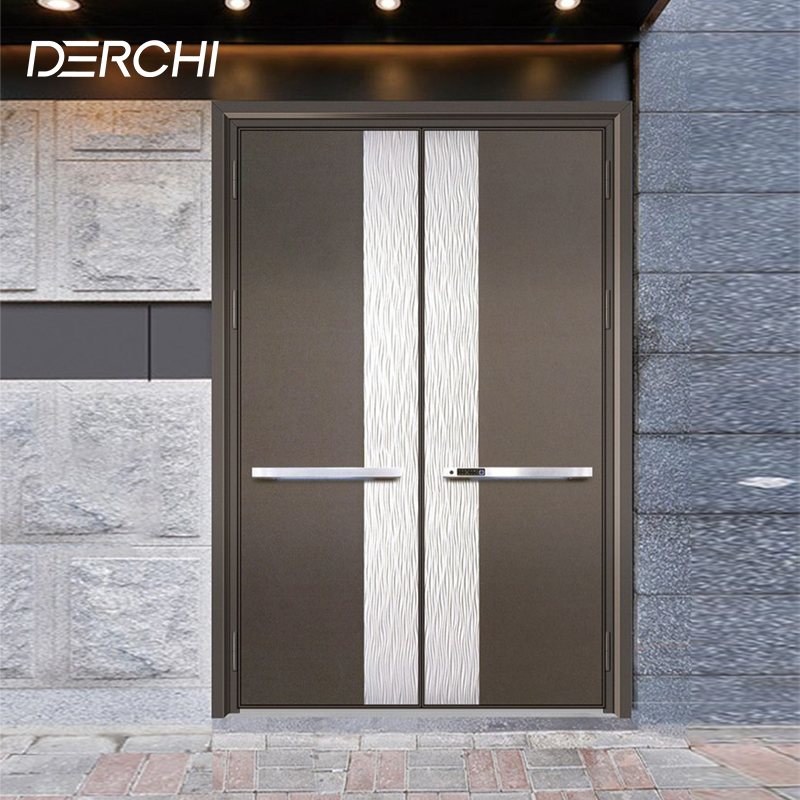
A solid double-door design example; the door schedule determines the system and application.
02 / Project fit
Use a pair when access needs can change.
A double-leaf opening is useful when the daily route can run through one active leaf while the full pair is available for wider movement or a balanced elevation.
Daily movement: choose the active leaf and its clear passage first.
Occasional full opening: decide how the second leaf is secured and released.
Site fit: check both swing zones, the threshold and the exposed face.
For an exterior entrance focused on façade style, continue to DERCHI’s exterior double-door designs.
03 / Opening configuration
Specify the leaves before the finish.
Equal leaves create visual symmetry. An unequal pair can give the daily active leaf a more practical width. Either way, the door schedule should identify the active leaf, hinges, swing direction and centre meeting detail.
Equal pair
Record which leaf is active even when both leaves look identical.
Unequal pair
The active leaf is the one normally used; final proportions need system review.

P103 series configuration reference. Confirm the selected arrangement and project dimensions with DERCHI before using a drawing for approval.
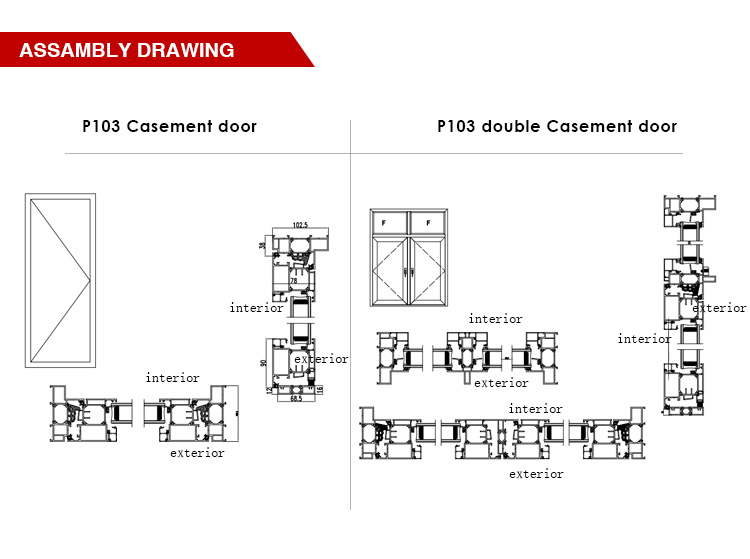
The official P103 assembly drawing shows a double-leaf layout on the right and a single-leaf layout on the left.
04 / A system reference
Start with a visible double-leaf assembly.
DERCHI’s P103 series page includes a paired-leaf assembly drawing and a central joint section. That makes it a concrete starting point for discussing the frame, meeting edges and hardware as one system.
P103 is a reference system for this page. The final configuration, available options and any performance documents should be confirmed against the selected size, glazing, hardware and use.
See the official P103 product page →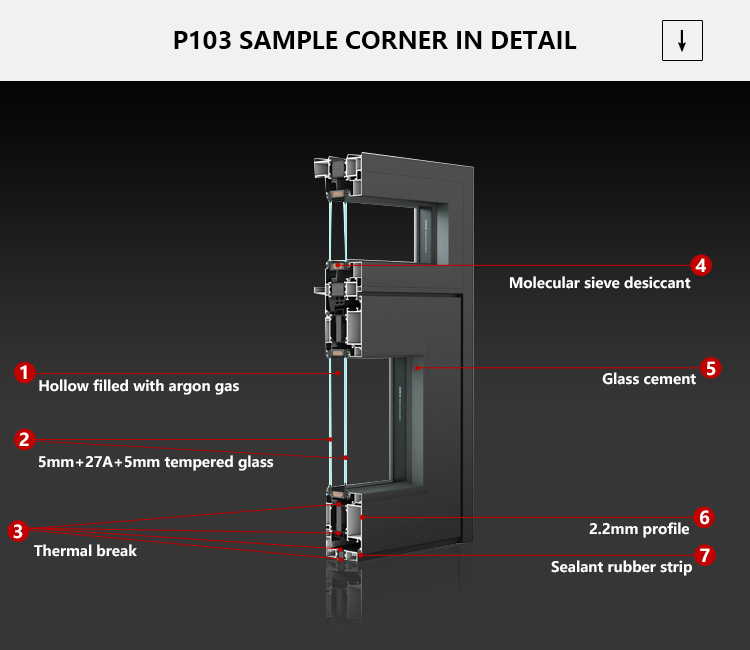
05 / Selection details
Coordinate glass, locks and hardware with the leaf plan.
The P103 page lists glass and lock choices. Select them with the active leaf, privacy need, use frequency and maintenance access in mind; confirm each combination for the final double-leaf configuration.
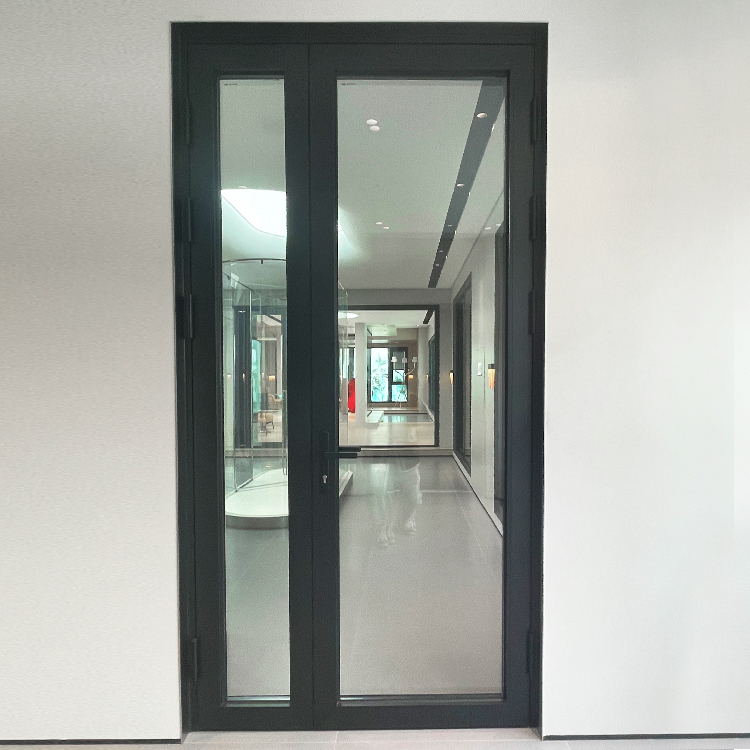
Glazing and visibility
Discuss clear, tinted, reflective, Low-E or laminated glazing according to the brief. Review the complete glass build-up for the chosen system.
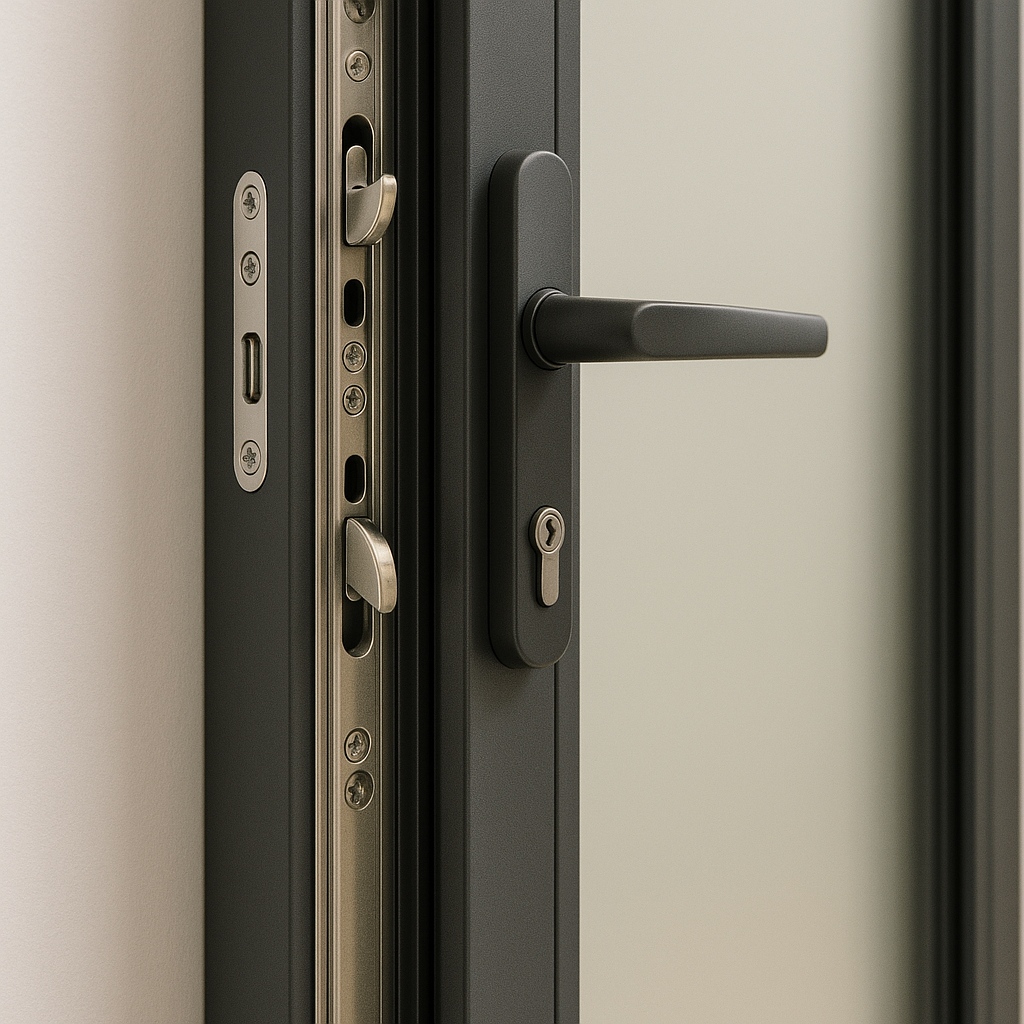
Lock function
Decide how the active leaf operates and how the second leaf remains secured. Match the lock set to the door schedule.
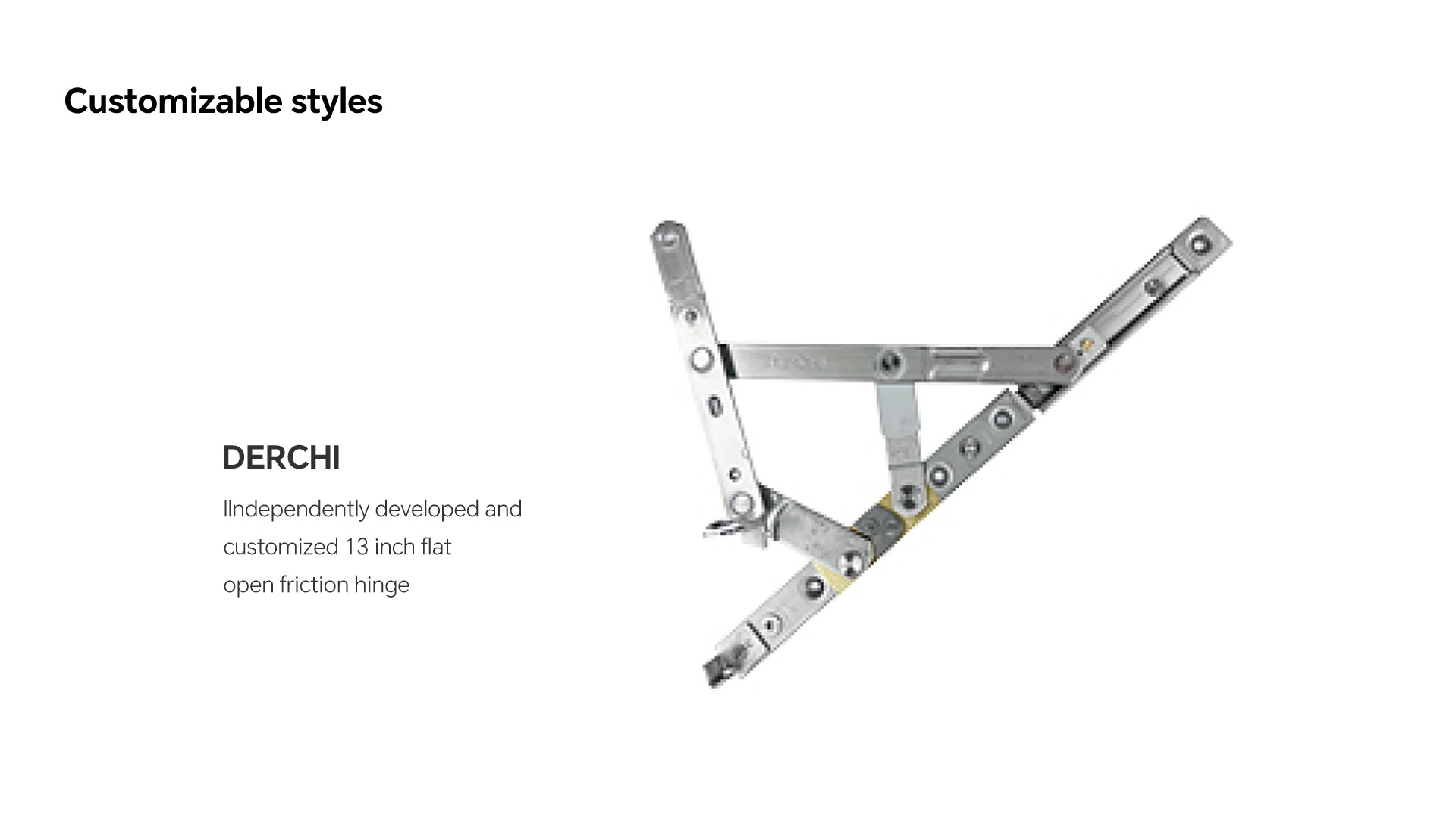
Hinges and handles
Review hand, swing, handle reach and service access together. Request the available finish and hardware set for the selected door.
06 / Site conditions
Make room for the door to work on site.
Opening size alone does not settle a double-door design. The clear route, swing space, threshold and exposure determine which layout should go into review.
Check the usable width with the daily leaf open, then the full pair. Include handles, stops and adjacent walls in the plan.
Show both arcs on the floor plan. Identify corridors, furniture and any required accessible or egress route for local review.
State whether the door is internal or exposed. Coordinate sill height, drainage, wind and rain requirements with the project brief.
Share the country, city and building use. The specifier should confirm the local code and required test scope for the exact door.
Diagram illustrates what to check; it is not a measured construction drawing.
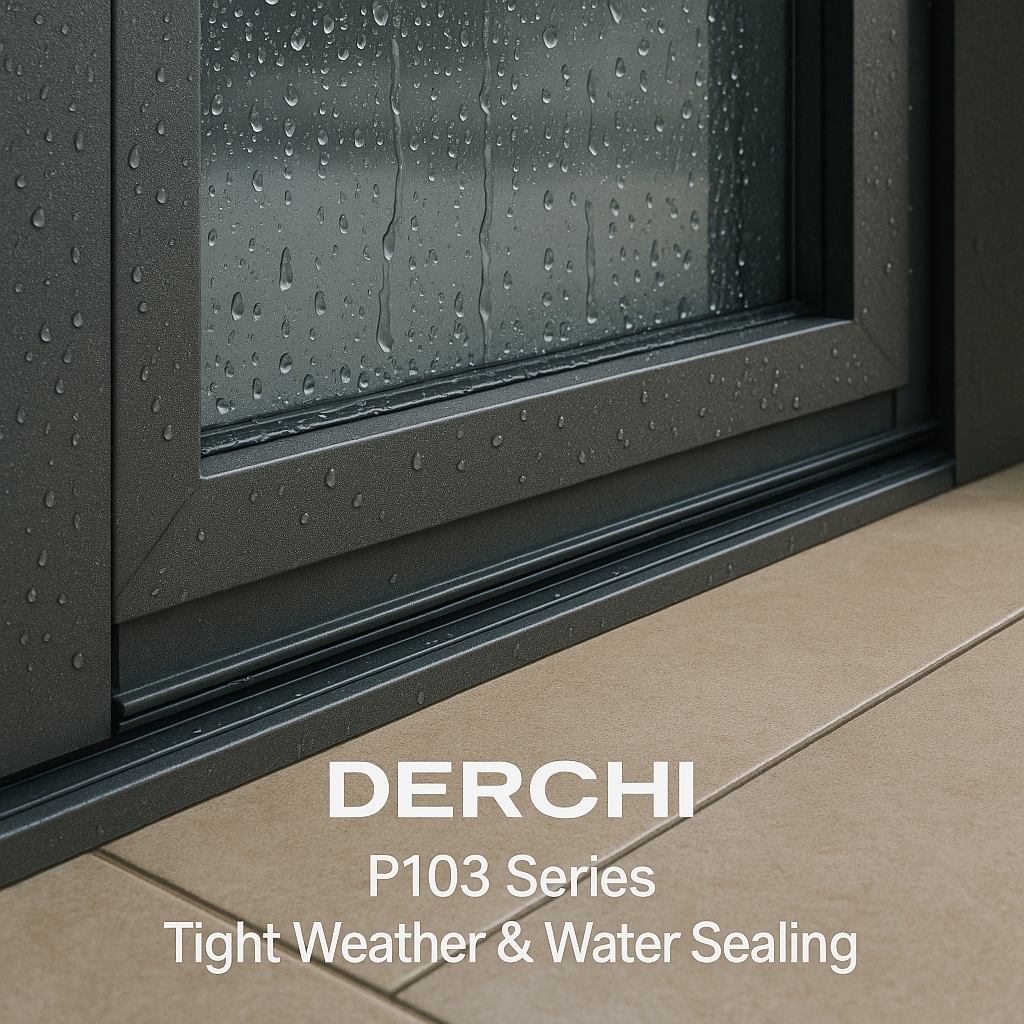
P103 frame detail. Project-specific exposure and performance still require the matching documents.
07 / Submittal review
Ask for evidence that matches the door you are buying.
A report or certificate is useful only when its tested scope fits the selected system, two-leaf layout, size, glazing, hardware and intended use.
08 / Comparable RFQ
Send one brief that suppliers can price consistently.
A door schedule turns “double swing door” into a comparable request. Include the opening conditions and the deliverables you need in the same enquiry.
If a field is undecided, label it as an option for review. Avoid comparing quotes based on different glass, hardware or delivery responsibilities.
09 / Manufacturing context
Move from approved drawing to production review.
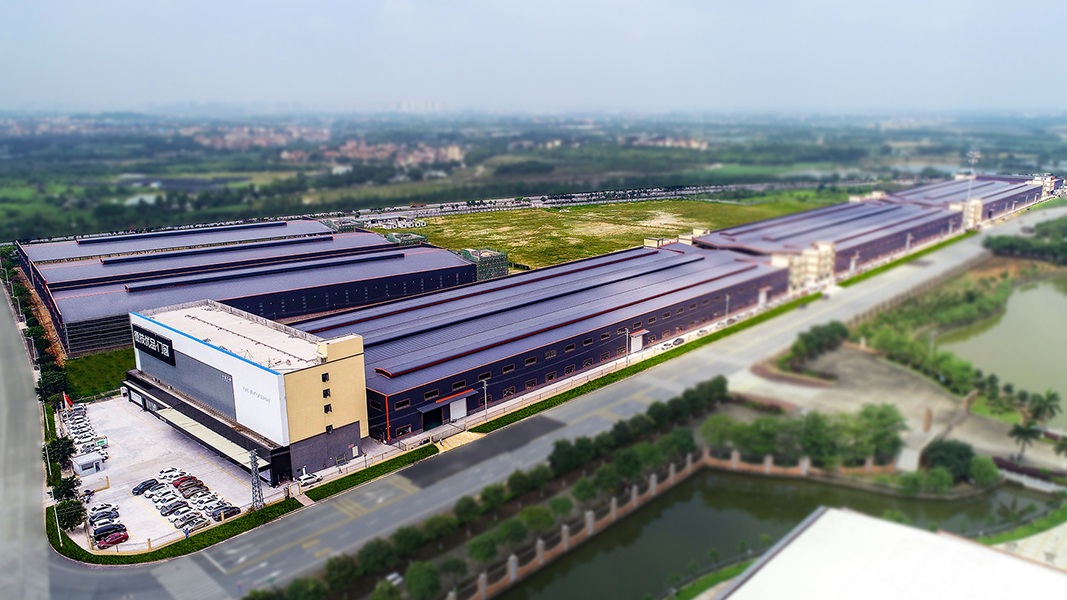
DERCHI’s official factory imagery shows the production setting behind its door and window work. For a project order, align the approved drawings, finish, component schedule, inspection points and packing plan before fabrication.

10 / Questions before specification
The details buyers ask before a quote.
These answers help frame a request. The approved door schedule and project documents determine the final order.
No. This page describes two side-hinged leaves meeting at the centre. A double-action leaf swings in both directions and is a different operating type.
Yes, a schedule can designate an active leaf for daily passage and a second leaf for occasional full opening. Confirm the locking, release method and clear width for your configuration.
An unequal pair is a possible layout to discuss. Share the target clear route and opening dimensions so DERCHI can confirm what the selected system can accommodate.
Provide the site location and exposure, threshold conditions, intended use and project performance criteria. Request drawings and test documents whose scope matches the exact two-leaf assembly.
Send location, opening sizes, door marks and quantities, active leaf and swing, glazing, finish, hardware, required documents and shipping or installation scope.
State your preferred installation and delivery responsibility in the enquiry. Confirm the available service scope, site conditions and approved installation details for your project location before ordering.
Your next step
Discuss your double-door project with a usable brief.
Share the opening schedule and the decisions already made. DERCHI can review the paired-leaf layout, options and documents needed for the selected project.