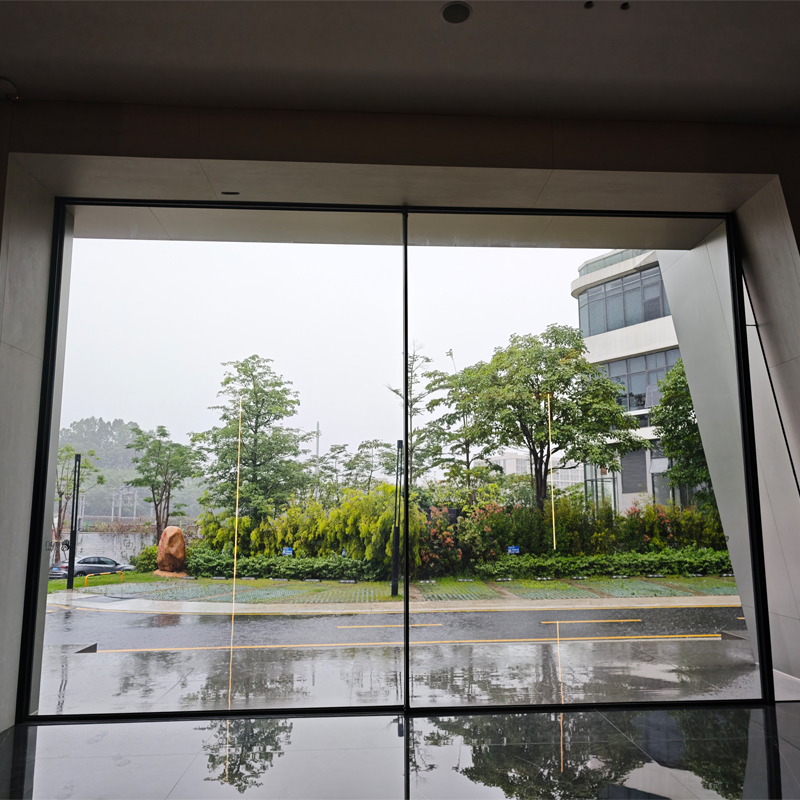
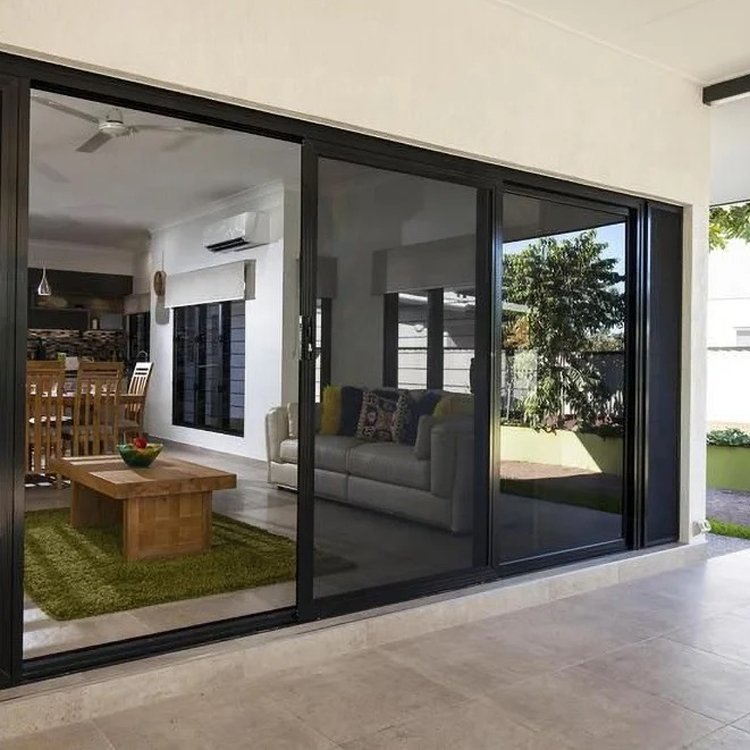
You can put in a sliding glass door if you have the right tools and plan carefully. This job lets in more sunlight, adds a modern look, and helps connect inside and outside spaces. Many people install sliding glass doors themselves because it saves room and makes their home worth more. You also make your home use energy better, which means lower bills and a nicer place to live. Always measure two times and follow safety rules to make sure your door upgrade works well.
Key Takeaways
Measure your door opening two times to make sure it fits. Correct measurements stop problems and save you time.
Pick the best materials for your sliding glass door. Fiberglass, aluminum, and vinyl all have special good points. They help with strength and saving energy.
Get your workspace ready by cleaning up trash and wearing safety gear. A safe place helps stop accidents when you install the door.
Seal and insulate your sliding glass door the right way. Good insulation keeps your house comfy and can cut energy bills a lot.
Taking care of your door often helps it last longer. Clean the tracks, check the weatherstripping, and oil moving parts so your door works well.
Tools and materials for sliding glass door installation
Essential tools checklist
You need the right tools to make your sliding glass door installation easy and safe. Get all your tools ready before you begin your diy project:
Tape measure (12’)
Level (2’ or 4’)
Caulk gun
Tube of clear silicone
1/8” steel drill bit
3/16” masonry drill bit
Hack saw with blade
Hammer drill
Drill/driver
Utility knife
Safety goggles for eye protection
Tip: Always put on safety goggles. They keep dust and dirt out of your eyes and help you see what you are doing.
Materials and supplies overview
Good materials help your sliding glass door last longer and save energy. Here is a simple guide to the best choices:
Material | Durability Profile | Key Features | Pros | Cons | Best For |
|---|---|---|---|---|---|
Fiberglass | Most durable, high resistance to environmental stress | Strong, lightweight, excellent thermal performance | Very tough, needs little care, works well in hot or cold weather | Costs more at first, not many styles, best with a pro installer | Bad weather, fancy homes, people who want a door that lasts |
Aluminum | Known for strength and structural integrity | Slim profiles, powder-coated finishes, can be thermally broken | Very strong, easy to care for, great for big doors | Gets hot or cold unless fixed, costs more than vinyl | Beach areas, new homes, wide spaces |
Vinyl | Affordable, moisture resistant, less impact-resistant | Multi-chambered cores, fusion-welded corners | Handles water well, almost no care needed, not expensive | Can bend in high heat, not many colors, not as strong for big doors | People who want to save money and live in mild weather |
Composite | Blends materials for optimized durability and insulation | Resists rot and decay, wood-like aesthetics | Strong, keeps heat in, needs little care | More expensive than vinyl, quality depends on the brand | People who like wood look but want easy care |
For the glass, you have a few choices. Tempered glass is tough and safe. Laminated glass makes less noise and stays together if it breaks. Insulated glass keeps your home warm or cool. Low-E glass blocks sun rays and saves energy. Frosted glass gives you privacy. Tinted glass stops glare. Impact-resistant glass keeps you safe in storms.
Choosing the right sliding glass door size
Measure your space before you buy a sliding glass door. Most sliding glass doors are 60 to 72 inches wide and 80 inches tall. Check the width and height of your opening. Make sure the opening is straight and flat. If you need a special size, some companies can make one for you.
Note: Check your measurements two times. If your door does not fit, your diy project will take longer and may not work right.
When you pick your sliding glass door, think about your weather, your home’s look, and your money. Choose the material and glass that fit your needs. With the right tools and supplies, you can finish your diy sliding glass door job and feel proud.
Remove the old door or window
Preparing the work area safely
You must prepare your workspace before you remove the old door or window. Start by clearing the area around the opening. Move furniture away and cover nearby items with a tarp or plastic sheeting. This step keeps dust and debris off your belongings. Check the floor for tripping hazards and remove anything that could cause you to slip or fall.
Put on protective gloves to shield your hands from sharp edges or broken glass. Wear safety goggles to protect your eyes from dust and flying debris. If you need to reach high places, use a sturdy ladder. For work on a second story or higher, use a safety harness. These steps help you stay safe during the project.
Tip: Always double-check your safety gear before you begin. Safety comes first when you handle heavy or sharp materials.
Step-by-step removal process
To remove the old door or window, follow these steps:
Use a utility knife to cut through any caulk or paint sealing the frame.
Take out any screws or nails holding the frame in place.
Use a reciprocating saw to cut around the frame if needed.
Pry the frame away from the wall with a crowbar. Work slowly to avoid damaging the wall.
Lift out the old door or window. Get help if the unit feels heavy or awkward.
You must keep the opening clean and free of debris. Sweep up dust and small pieces right away. This makes the area safer for the next steps in your sliding glass door installation.
Handling debris and disposal
Proper disposal of old doors and windows protects the environment and keeps your project on track. Different areas have different rules for waste disposal. Some materials need special handling or must go to certain facilities. You may need a permit for a dumpster, especially if you place it on public property.
Here are best practices for disposing of old doors or windows:
Best Practice | Description |
|---|---|
Deconstruction | Carefully take apart the door to save parts for reuse or recycling. |
Donation | Give usable items to local charities or building material reuse centers. |
Compliance with Laws | Learn and follow local rules for waste disposal to avoid fines or legal trouble. |
Note: Always check with your local waste authority before you throw away large items. This helps you avoid problems and supports recycling efforts.
Prepare the opening for installation
Measuring and leveling the opening
You need to measure the opening very carefully. This helps your new sliding glass door fit right. First, use a tape measure to check the width at three spots. Measure at the top, middle, and bottom. Write down the smallest number you find. Next, measure the height on the left, center, and right. Again, use the smallest number. This stops gaps and makes the job easier.
Use a level to see if the opening is straight. Put the level on the sides and across the top. If the bubble is in the middle, the opening is level. If not, you must fix the framing before you go on.
Tip: Always measure two times before you buy or put in your sliding glass door. Good measurements save time and stop mistakes.
Framing and weatherproofing
You need strong materials to frame the sliding glass door opening. Use pressure-treated lumber for the sill plate. Use regular lumber for the studs and top plate. Nail the frame together and make sure it is tight.
Weatherproofing keeps out drafts and water. Pick the best materials for your weather. The table below shows some good choices:
Material | Best Use Case | Lifespan |
|---|---|---|
Foam Tape / V-Strip | Small gaps, quick DIY fix | 1–2 years |
Brush / Fin Seals | High-use sliding door edges | 3–5 years |
Silicone Caulk | Cracks around frames & edges | 5+ years |
Plastic Film Kits | Seasonal insulation | 1 season |
Thermal Curtains | Added interior insulation | Varies |
Energy-Efficient Doors | Permanent upgrade | 10–25 years |
Staple builder’s paper to the outside of the plywood. Put silicone caulk around the edges to block water and air. These steps help you get ready for the glass door and keep your home cozy.
Troubleshooting common opening issues
Sometimes, you find problems when you get the opening ready. Here are some common problems and how to fix them:
If the door sticks, clean the track and spray silicone lubricant.
If rollers are broken, put in new ones.
If tracks are bent, straighten or replace them.
If the glass is cracked, use a repair kit or replace it.
If weather seals are old, add new weatherstripping.
If the lock does not work, clean or change the lock.
If something blocks the track, take out the debris.
Check every part of the opening before you frame the sliding glass door opening. Fixing these problems now helps your sliding glass door last longer and work better.
Install the sliding glass door
Positioning and securing the frame
You must start the installation by preparing the opening for your sliding glass door. Examine the rough opening for any damage. Look for water stains, rust, mold, or cracks. Clean the area well. Remove all debris and old materials. This step gives you a solid base for your diy project.
Apply a waterproof membrane flashing around the opening. This keeps water out and protects your home. Next, run a thick bead of silicone caulk along the sill. This creates a waterproof seal under the door.
Now, position the door frame in the opening. Use a temporary screw to hold it in place. Insert shims around the frame to keep it steady. Drive screws through the frame and into the studs. Do not over-tighten the screws. Check the frame with a level. Make sure it is straight and plumb. Measure both diagonals to confirm the frame is square. Adjust the shims if you need to. This step ensures your sliding glass door will open and close smoothly.
Tip: Take your time when you position the door. A level and square frame makes the rest of the installation easier.
Installing sliding panels and hardware
After you secure the frame, you can install the sliding glass door panels. Start by lifting the stationary panel into the frame. Set it into the top track first, then lower it onto the bottom track. Secure the panel with retaining clips or screws as directed by the manufacturer.
Next, install the active sliding panel. Tilt the top of the panel into the upper track. Lift slightly and set the bottom onto the rollers. Slide the panel back and forth to check for smooth movement.
You need to install the hardware for your sliding glass door. Use a stud finder to locate the wall studs or ceiling joists. If the studs do not line up with the track, use heavy-duty anchors. Drill pilot holes for the brackets. Attach the brackets to the wall or ceiling. Secure the track firmly. Install the handle, lock, and any additional hardware. Test the lock to make sure it works well.
Note: Always follow the manufacturer's instructions for your specific sliding glass door model. This ensures a safe and long-lasting installation.
Sealing and insulating for energy efficiency
Proper sealing and insulation help your sliding glass door save energy and keep your home comfortable. Use foam weather-stripping along the door edges. Apply compression weatherstripping to fill any gaps when the door is closed. Add pile weatherstripping for smooth movement and extra protection from drafts. V-strip weatherstripping works well for a snug seal.
For extra insulation, use shrink-wrap kits to create an airtight barrier. Hang thermal door curtains to trap air and block drafts. You can also install insulated sliding door panels during extreme weather. Foam insulation strips fill gaps around the frame for better thermal performance.
Choose a sliding glass door with high-performance glass, such as Low-E or argon gas-filled panes. These options control solar heat and increase thermal resistance. Look for doors with a thermal break in the frame to reduce heat transfer. Quality seals and gaskets prevent air leaks and lower your energy bills.
Benefits: Good insulation keeps your home warmer in winter and cooler in summer. It also reduces noise from outside and helps you save money on heating and cooling.
You have now completed the main installation process. Your diy sliding glass door project will give you a bright, energy-efficient, and modern entryway.
Finishing and adjusting after installation
Interior and exterior trim work
You finish your diy sliding glass door installation by adding trim and sealing the edges. Start by measuring and cutting the interior and exterior trim pieces to fit around the door. Use a level to make sure each piece sits straight. Nail the trim into place, keeping the edges tight against the wall and frame.
Fill any gaps between the trim and the wall with caulk or silicone sealant. This step blocks drafts and keeps water out. Choose a paint or stain that matches your home. Apply it to the trim for a clean, finished look. Regularly check the seals for cracks or wear. Replace them if you see damage to keep your sliding glass door energy efficient.
Tip: Use weatherstripping like compression, pile, or V-strip for a tight seal around the door.
Testing and adjusting the door
After you finish the trim, test your sliding glass door for smooth operation. Follow these steps to adjust the door:
Find the adjustment screws at the bottom of the door. Remove the caps to access them.
Turn the screws to raise or lower the rollers. Small changes can help the door slide better.
If needed, remove the door by loosening the screws and lifting it off the track. Check the rollers for wear.
Adjust the rollers or replace them if they look damaged.
Rehang the door and check that it sits even with the frame. Make sure it closes tightly.
Test the lock and handle. The door should move easily and close without gaps. Repeat the process if you notice sticking or uneven movement.
Maintenance tips for sliding glass doors
You keep your diy sliding glass door working well with regular care. Clean the glass with a soft cloth and glass cleaner. Wipe the frame with mild soap and water. Vacuum the tracks to remove dirt and debris. Lubricate the tracks every six months with silicone spray.
Check the weatherstripping twice a year. Replace it if you see cracks or gaps. Inspect the rollers and alignment during your diy maintenance. Replace worn parts to prevent bigger problems.
Task | Frequency | Benefit |
|---|---|---|
Clean tracks & rollers | Every 2 months | Smooth sliding |
Glass cleaning | Monthly | Maximum light flow |
Weatherstripping check | Twice a year | Lower energy bills |
Lubrication | Every 6 months | Less wear and tear |
Professional inspection | Once a year | Prevent costly repairs |
With proper diy care, your sliding glass door can last 20 years or more. Clean and maintain it in every season to keep it looking and working its best.
You can put in a sliding glass door if you follow each step carefully. Always check your measurements two times. Ask someone for help if you are not sure. Getting ready the right way stops problems like crooked doors or spaces around the frame. When you install your door the right way, you get many good things:
You can save up to 30% on energy bills because of better insulation.
More sunlight comes in and you connect inside and outside spaces.
You use your space well and make your home safer.
Begin your project with confidence and enjoy the good results for a long time.
FAQ
How long does it take to install a sliding glass door?
You can usually finish the installation in one day if you have experience. If you are new to this type of project, you may need two days to complete all steps safely.
Can I install a sliding glass door by myself?
You can install a sliding glass door on your own if you have the right tools and follow each step closely. For heavy doors, ask a friend to help you lift and position the panels.
What is the standard size for a sliding glass door?
Most sliding glass doors measure 60 to 72 inches wide and 80 inches tall. Always measure your opening before you buy a door to ensure a proper fit.
How do I keep my sliding glass door energy efficient?
You should use weatherstripping, caulk, and insulated glass. Clean the tracks and check the seals often. These steps help keep your home comfortable and lower your energy bills.
What should I do if my sliding glass door sticks?
Clean the track and rollers. Lubricate the moving parts with silicone spray. Adjust the rollers if the door does not slide smoothly. Replace worn parts as needed.