



Energy Efficiency Windows And Doors
DERCHI thermal break aluminum windows and doors combine insulated glazing and thermally broken frames to reduce heat transfer, cut HVAC loads, and support energy efficient windows and doors across climate zones.
Thermal break aluminum windows and doors, system-optimized.
Energy efficient door options for tighter building envelopes.
Frames tuned for U-Factor and SHGC targets.
Configurable glazing packages for climate zones and orientations.
Tested air, water, and wind resistance for projects.
Energy Star windows support with NFRC-ready documentation.

What to Know First About Energy-Efficient Thermal-Break Aluminum Systems
Energy efficient windows and doors do not rely on glass alone. DERCHI thermal break aluminum windows and doors combine insulated glazing, engineered frames, sealing, drainage, and correct installation to help reduce energy use and improve comfort.
Whole-window energy logic
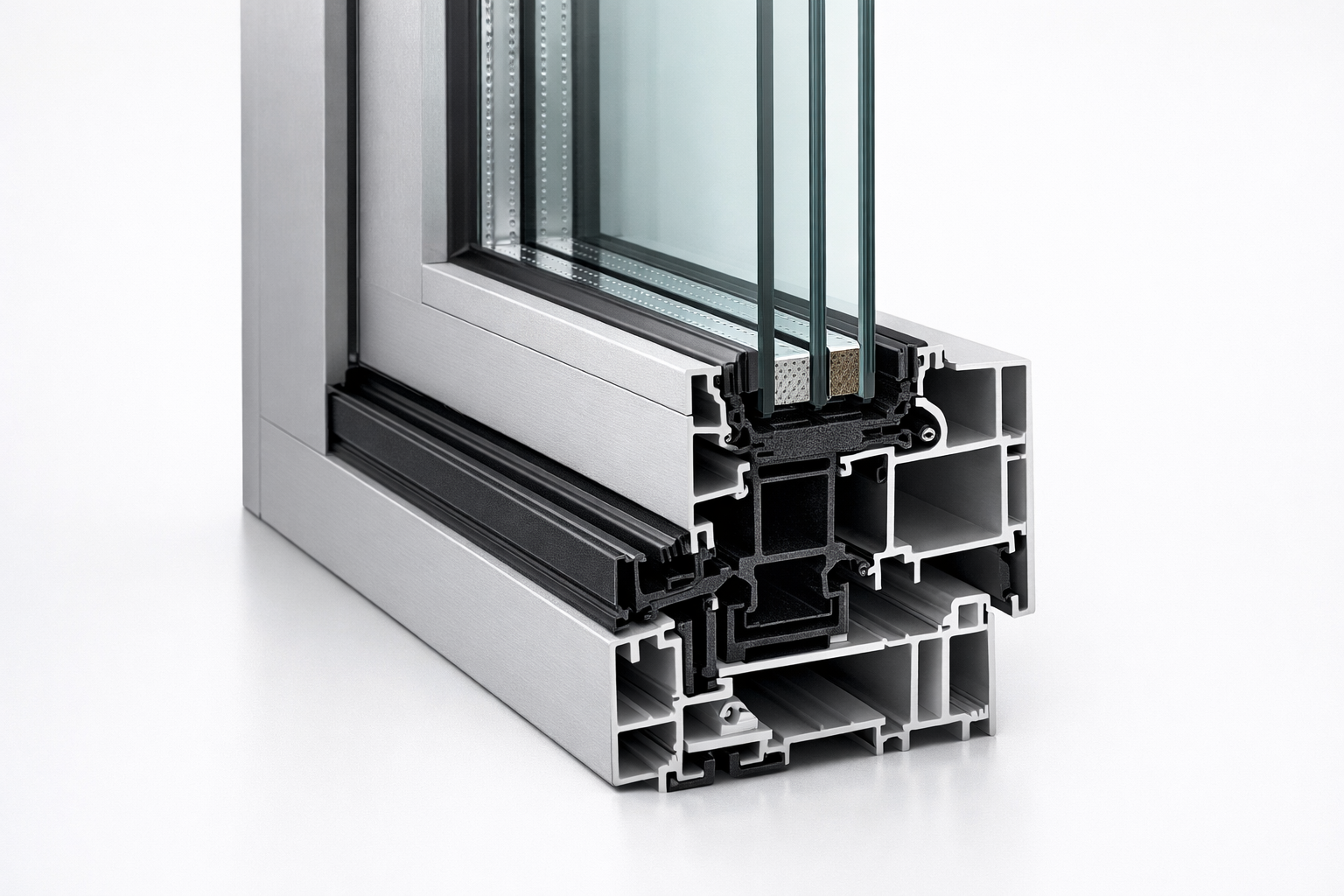
When you replace old units, you replace a full system, not a single part. Performance comes from insulated glass, thermal break aluminum frames, multi-chamber profiles, sealing gaskets, drainage paths, and installation working together as one. This system approach is what makes a window or energy efficient door reach Energy Star–level performance, instead of only changing to “better glass.”
Insulated glass and key ratings
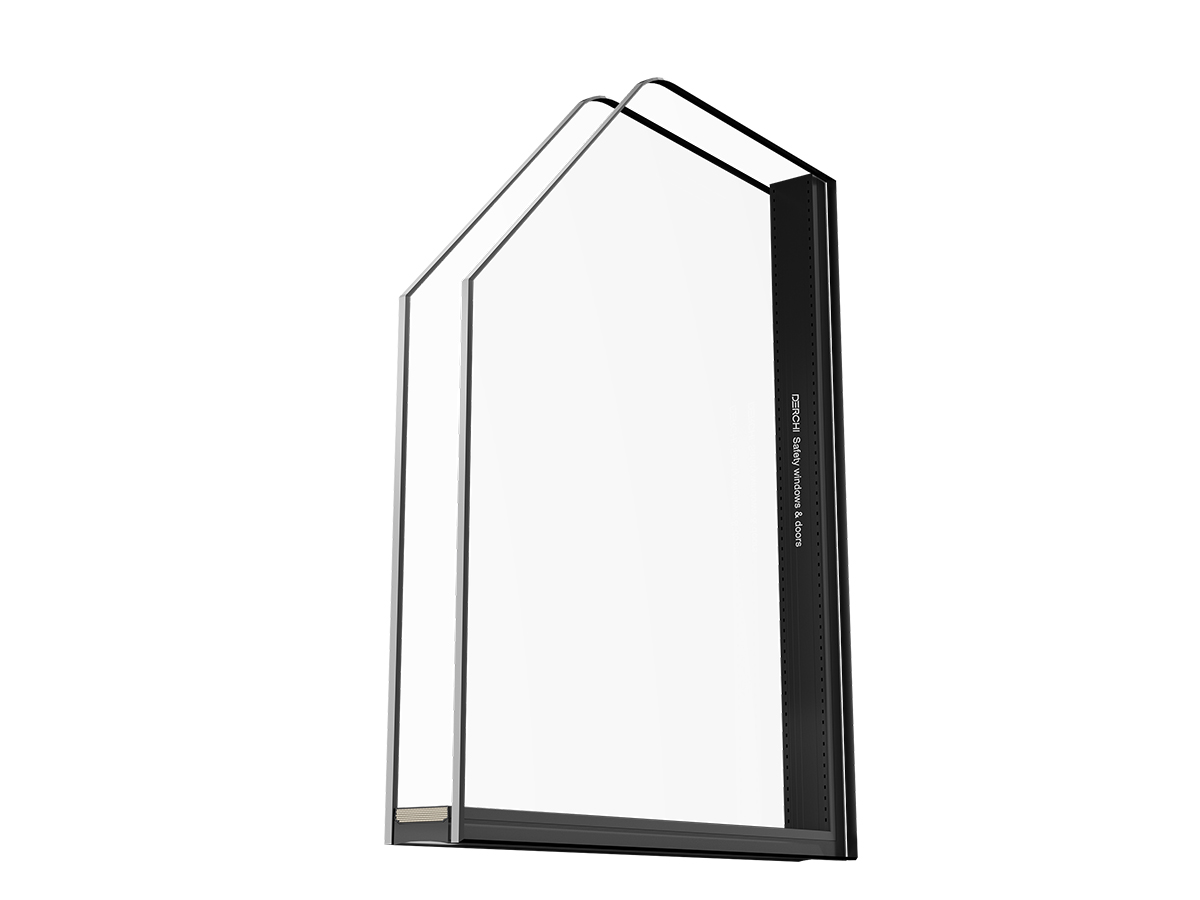
DERCHI systems use double tempered glass such as 5+27A+5, often with argon gas, warm-edge spacers, and Low-E coatings to control heat loss and solar gain. These choices improve U-factor, solar heat gain coefficient (SHGC), condensation resistance, and sound control. Our catalogs list full tested data for each series, so you can read and compare U-factor, SHGC, air leakage, water tightness, wind resistance, and sound insulation before you choose.
Thermal-break aluminum frames
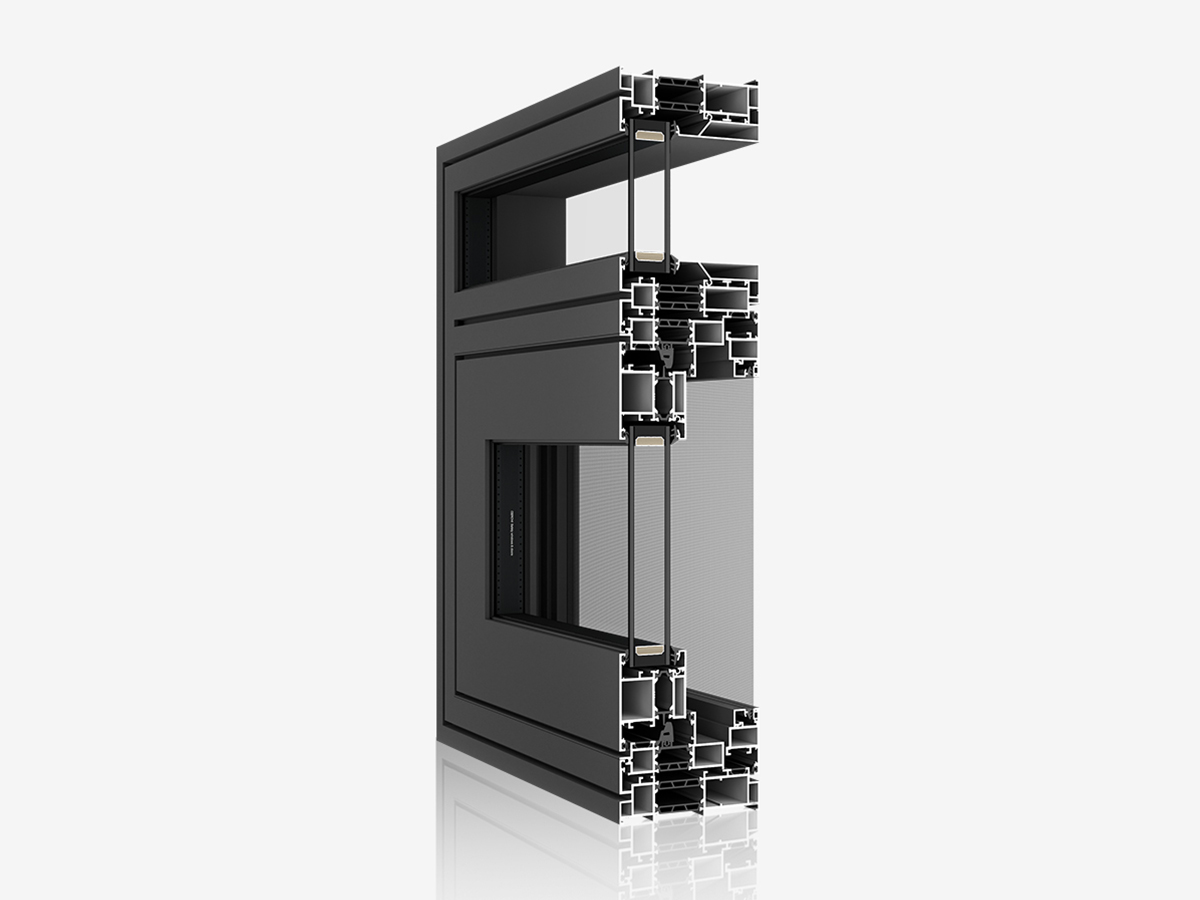
Thermal break aluminum windows and doors use thicker profiles than many basic products, often 1.8–2.0 mm, with 35–44 mm insulation strips and multi-cavity sections. Some systems can be filled with insulation material to cut heat flow through the frame. Profile geometry and “isotherm” design help keep interior surfaces warmer and more stable, which supports overall energy efficient windows and doors performance.
Sealing, drainage and installation quality
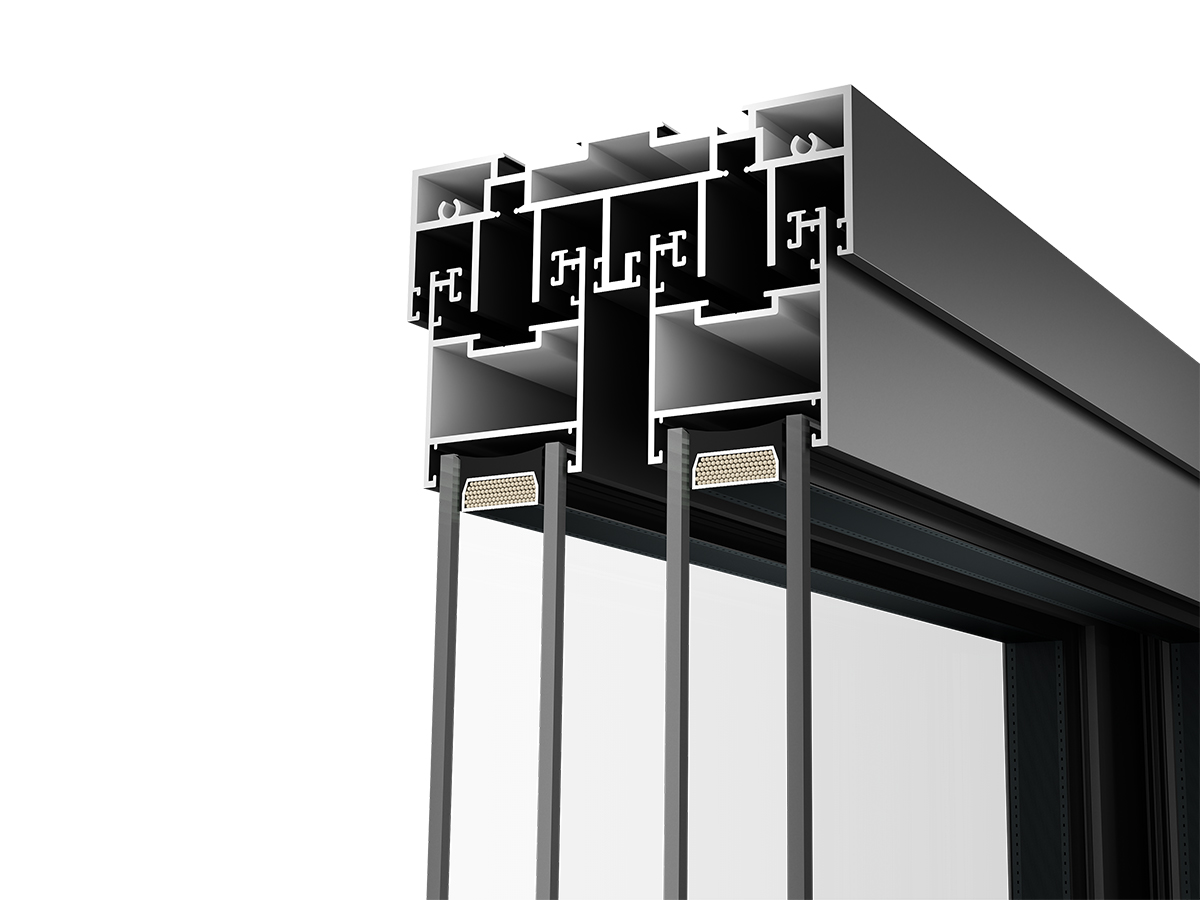
Triple-seal structures, EPDM gaskets that swell when wet, and continuous foam gaskets reduce air and water paths around the sash and frame. Hidden or pressure-equalized drainage and glued corner connectors help manage rain and wind load at the frame joints. Correct installation then ties the window or door to the wall, so the tested performance in the lab is close to what you see in your home or project.

Why upgrade from old windows and doors
Compared with single glass, non-thermal break frames, and weak seals, DERCHI thermal break aluminum systems lower energy use and reduce drafts, cold spots, condensation, and leaks. They help keep indoor temperatures more stable in both hot and cold seasons. With a clear view of ratings and system design, you can select the right DERCHI energy efficient windows and doors for different climates, building types, and budget levels.
How Do I Know If a Thermal-Break Aluminum Window or Door Is Energy Efficient?
When you choose DERCHI thermal break aluminum windows and doors, use verified performance data instead of glass type alone. Energy efficient windows and doors rely on certified whole-unit ratings plus a well-designed aluminum frame, sealing and drainage system to manage heat flow and drafts.

Independent Ratings and Certifications
Start with independent labels. An energy efficient door or window should carry test data from bodies such as NFRC and comply with local energy codes. In many regions, ENERGY STAR windows set a clear benchmark for energy efficient windows and doors.
Read the NFRC label for U-Factor and Solar Heat Gain Coefficient (SHGC).
Confirm whether the product meets local ENERGY STAR windows criteria where applicable.
Focus on whole-unit ratings, not center-of-glass values only.
Use these labels to compare thermal break aluminum windows and doors across brands.
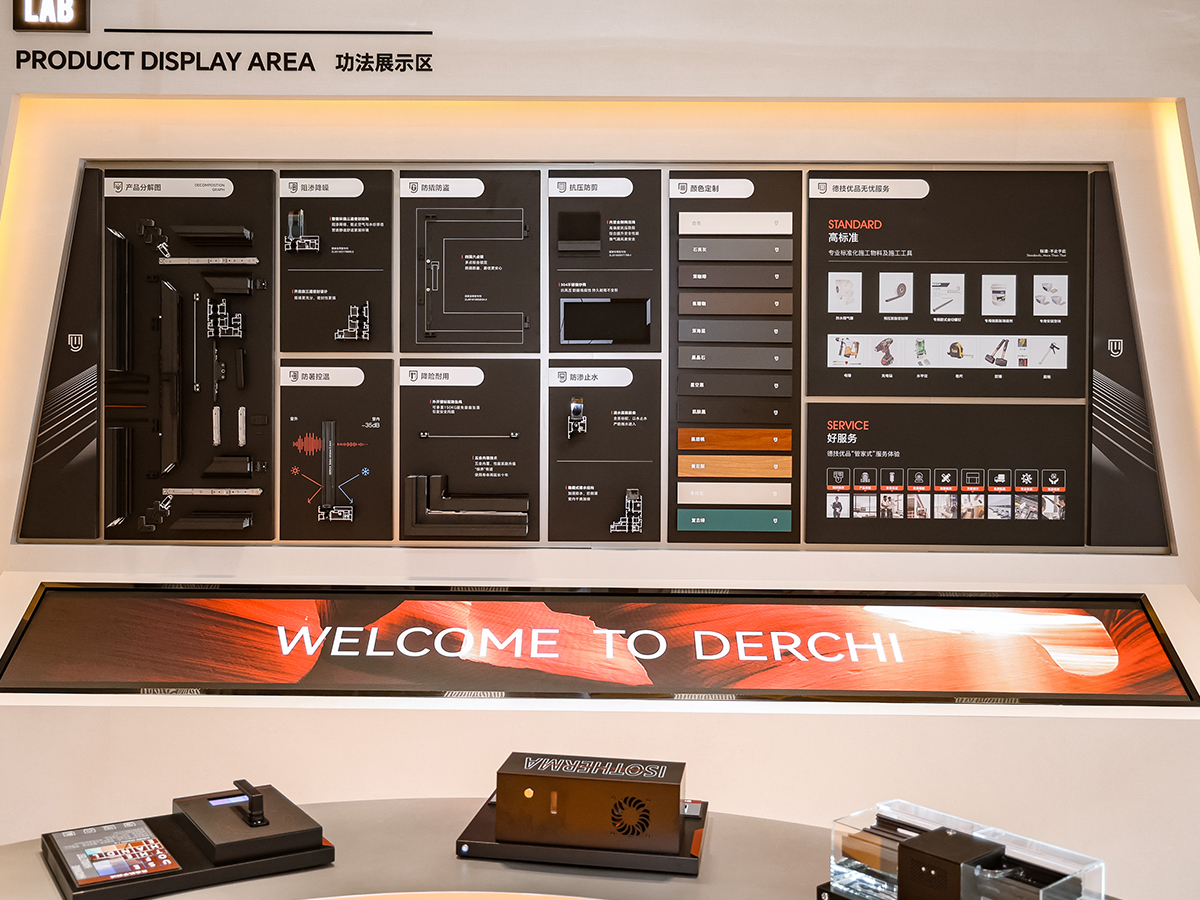
System-Level Performance, Not Just Glass
With thermal break aluminum systems, the same glass can deliver different results in different frames. Thermal breaks, cavity design, wall thickness and sealing details all affect the final U-Factor, air tightness and water tightness of the complete unit.
Review U-Factor and SHGC for the entire window or door, including frame and sash.
Look for wider thermal breaks, multi-chamber aluminum profiles and optional insulation inserts.
Check certified test reports for air tightness, water tightness and wind pressure resistance.
Confirm multi-layer seals, quality EPDM gaskets and a pressure-equalized drainage design.
Compare these whole-unit values to choose the most energy efficient door and window solution for your project.
Key Energy Efficiency Terms You Should Know
Knowing these terms helps you compare DERCHI energy efficient windows and doors, read labels, and match thermal break aluminum windows and doors to ENERGY STAR windows and energy efficient door targets.
Glazing Performance Terms
U-Factor: Measures heat flow through the full unit. Lower U-Factor reduces heat loss and HVAC demand.
SHGC: Measures solar heat entering through glazing. Lower SHGC limits summer gain; higher SHGC can help cold climates.
VT: Measures visible daylight through glass. Higher VT increases daylight without opening.
Low-E: Coatings reflect infrared heat while passing light. Choice balances solar control and daylight.
IGUs: Sealed multi-pane glass units. They cut heat transfer and improve noise control versus single glass.
Gas Fills: Inert gas in IGUs slows heat transfer and can reduce edge condensation.
Thermal-Break Aluminum Frame & System Terms
Thermal Break: Non-metal barrier between inner and outer aluminum. Reduces conductive heat transfer and stabilizes interior surface temperature.
Wall Thickness & Cavities: Section thickness and chamber layout. Multi-chamber designs improve strength, wind resistance, and thermal results.
Frame Depth: Deeper systems can fit thicker IGUs, wider thermal breaks, and more insulation space.
Warm-Edge Spacer: Low-conductivity spacer at IGU edge. Reduces edge heat loss and condensation risk.
Gaskets & Weatherstripping: Continuous seals at contact lines. Improve air and water tightness for comfort.
Air/Water/Wind/Sound Ratings: System test results for the whole unit. Indicate real performance beyond glass values.
ENERGY STAR® and Climate-Oriented Design
ENERGY STAR® guidance and NFRC ratings give a clear framework for choosing energy efficient windows and doors. They help you see how thermal break aluminum windows and doors, energy star windows and each energy efficient door perform in real climate conditions.

Understanding ENERGY STAR and NFRC Ratings
ENERGY STAR® sets target ranges for U-Factor and SHGC by climate zone, so you can check if a product fits your region rather than rely on marketing claims. NFRC labels then provide tested U-Factor, SHGC and related data for the whole window or door, not just the glass.
DERCHI products carry NFRC-based U-Factor and SHGC values together with air tightness, water tightness, wind pressure and sound insulation figures, using double tempered insulating glass with argon gas and wide thermal breaks. This lets you compare energy efficient windows and doors across brands using one standard format before you decide on style or hardware.
Do I Need ENERGY STAR-Certified Products?
ENERGY STAR® certification is a useful reference, but it is not the only factor in system selection. The right specification also depends on climate zone, building orientation, window-to-wall ratio, opening size and glass configuration. Cold or mixed climates may focus on lower U-Factor and tight air control, while hot sunny climates often need lower SHGC and solar control glass.
Coastal, high-rise and typhoon-prone projects require higher wind pressure, air tightness and water tightness ratings from the frame and hardware, not only an ENERGY STAR® label. DERCHI uses project climate and facade conditions to recommend thermal break aluminum windows and doors, glass builds and system combinations that align with your energy efficient windows and doors strategy.

DERCHI Thermal-Break Aluminum Frame Technology
DERCHI thermal break aluminum windows and doors are built as full frame-and-glass systems. The thermal break, profile design and sealing work with insulated glazing to deliver energy efficient windows and doors for a wide range of projects.

How Thermal-Break Aluminum Reduces Heat Transfer
In a DERCHI system, the thermal break separates the inner and outer aluminum parts and extends the path for heat flow. Wide insulating strips, multi-chamber profiles and optional insulation inserts help lower frame U-Factor and support the glass package in meeting project targets.
PA insulating strips between interior and exterior aluminum profiles
Profile wall thickness and frame depth sized for strength and thermal control
Multi-chamber frame and sash designs to cut conductive heat transfer
Compatible with argon-filled insulated glazing and warm-edge spacers
Supports energy efficient windows and doors in cold, mixed and hot climates
Air, Water, and Structural Performance
Thermal break aluminum frames must also control air and water movement. DERCHI systems use engineered gaskets, multi-layer sealing and pressure-equalized drainage to maintain tested levels of air tightness, water tightness and wind resistance for each energy efficient door and window.
Three-layer sealing around frame, sash and fixed lights
EPDM gaskets, including swelling gaskets at exposed positions
Pressure-equalized drainage paths and protected outlet covers
Reinforced profiles and hardware layouts for high wind-load zones
System-level tests for U-Factor, SHGC, air, water and structural performance


Durability and Lifecycle
Long-term performance is part of DERCHI frame design. Aluminum alloys, coating systems,insulating strips, gaskets and spacers are selected to keep thermal and weather performance stable over the service life of the product, including for ENERGY STAR windows projects where long-term energy results matter.
Aluminum profiles with robust wall thickness for shape stability
Durable surface finishes, with options for powder and fluorocarbon coatings
EPDM and foam gaskets designed for ageing and UV resistance
PVDF-treated spacer bars to help resist discoloration at the glass edge
Verified performance through third-party testing for global markets
High-Performance Glazing Options for DERCHI Systems
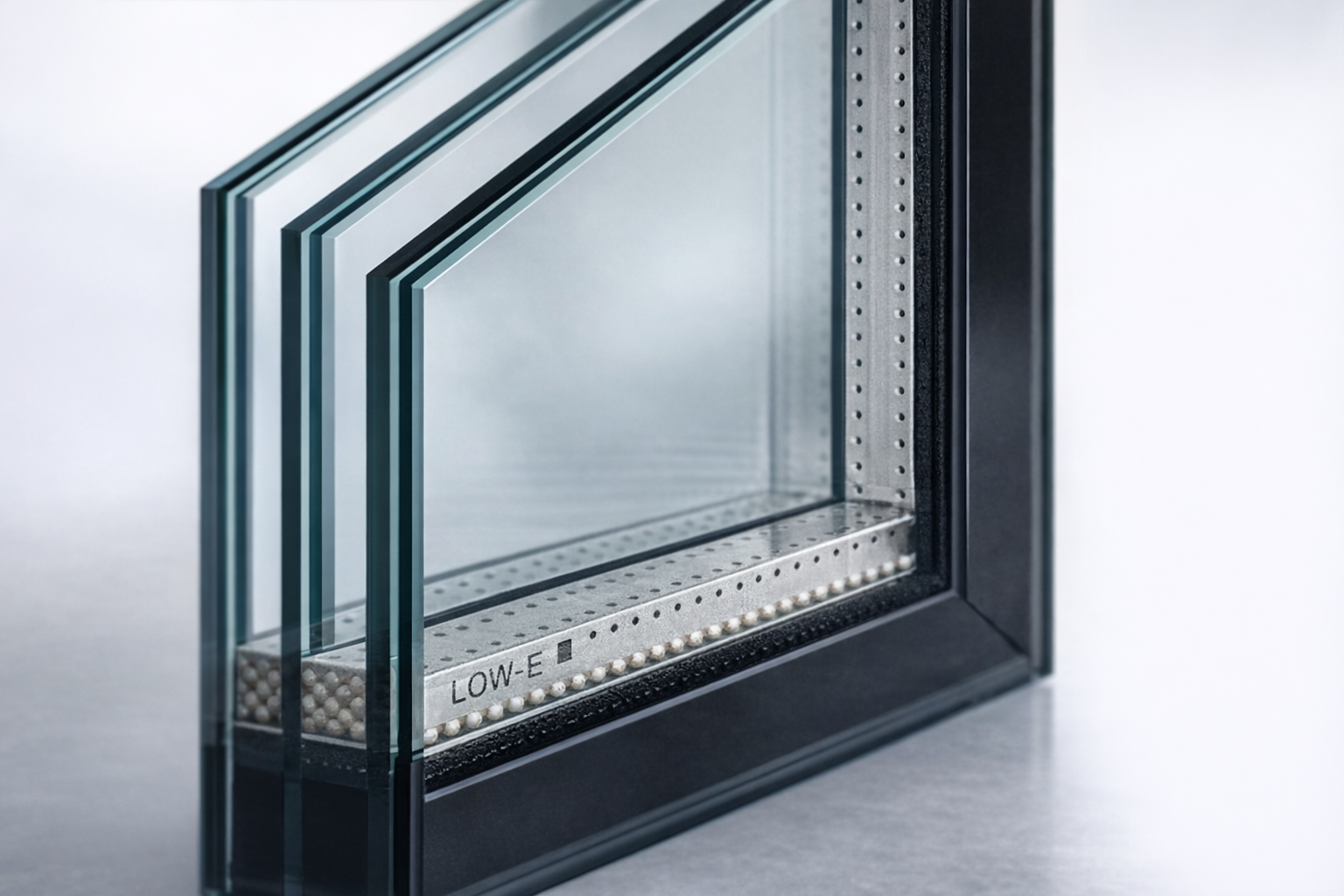
DERCHI pairs insulated glass with thermal break aluminum windows and doors to build energy efficient windows and doors that fit different climates and building types. Low-E coatings, gas-filled cavities and spacer choices work with the frame to control heat gain, glare and comfort, and to support projects that target ENERGY STAR windows criteria where required.
Low-E Glass Combinations
DERCHI offers a range of Low-E insulated glazing units that balance U-Factor, SHGC and visible light.You can match the glass package to the climate, façade orientation and the performance target of each energy efficient door or window opening.
| Glass package | Typical climate focus | Performance trend | Typical application |
| Double tempered IGU 5+12A/20A/27A+5 with argon | Mixed or mild climates | Lower U-Factor, moderate SHGC | Standard thermal break aluminum windows and doors |
| Single- or double-silver Low-E IGU with argon | Cold or mixed climates | Lower U-Factor, controlled solar gain | Living rooms, bedrooms, main façades |
| Low-E IGU with warm-edge spacer (optional) | Cold and high humidity zones | Improved edge temperature, reduced condensation | High-performance energy efficient windows and doors |
| Low-E IGU for curtain walls and large spans | Harsh sun or strong wind exposure | Lower SHGC, controlled glare | High-rise façades, commercial fronts |
Triple Glazing, Laminated Glass and Safety
For projects that need stronger thermal, acoustic or safety performance, DERCHI can move beyond standard double glazing. Triple glazing, laminated glass and IGU-plus-laminate build a higher level of comfort and protection into the same frame platform.
Triple glazing options for cold climates and high-noise locations
IGU plus laminated pane for higher impact resistance and sound control
Multiple PVB interlayer thicknesses for different safety levels
Laminated or wired glass for guardrails, stair openings and overhead glazing
Sunroom and roof glazing packages that combine safety with thermal control


Technical Downloads for DERCHI Energy Performance
Download two brief technical guides on DERCHI thermal break aluminum windows and doors to support energy efficient windows and doors design.
Energy Standards:
Explains U-Factor, SHGC and air tightness, and how tested window and door data relate to codes, climate zones and ENERGY STAR windows.
System Performance:
Summarizes glazing options, thermal-break frames and configurations for windows and energy efficient doors in different project types.
Matching DERCHI Thermal-Break Solutions to Climate and Application
Different climates and building types need different thermal break aluminum windows and doors. By combining the right DERCHI system series with suitable glazing and sealing options, you can build energy efficient windows and doors that meet local code and support ENERGY STAR windows performance targets where required.
Cold and Heating-Dominated Climates
In cold or heating-led climates, the priority is to reduce heat loss and improve comfort near the window or door. DERCHI focuses on low U-Factor, triple glazing and wide thermal breaks for these projects.
Use triple-glazed systems such as K5N for main living spaces and bedrooms.
Select argon-filled insulated glazing with Low-E coatings to reduce conductive and radiant heat loss.
Combine wide thermal breaks and optional insulation inserts in frames and mullions.
Favour inward-opening casement and tilt-turn styles for strong air
Apply these packages to high-rise apartments and houses in cold or alpine regions.


Mixed Climates
Mixed climates need a balance between winter heat retention and summer solar control. Here the glass specification, shading and opening type should work together with the thermal break frame to keep conditions stable across the seasons.
Use double-glazed 5+27A+5 IGUs with Low-E for most façades.
Adjust SHGC with different Low-E types or built-in blinds for east and west orientations.
Choose inward-opening windows and energy efficient doors with strong air and water ratings.
Mix casement windows with sliding or folding doors for terraces and balconies.
Apply these solutions in temperate cities with both heating and cooling loads.
Hot and Cooling-Dominated Climates
In hot or cooling-led climates, the goal is to limit solar heat gain and manage strong wind and rain events, especially in coastal and typhoon zones. DERCHI thermal break aluminum windows and doors combine low SHGC glazing with robust sealing and drainage.
Use Low-E insulated glazing with low SHGC for sun-exposed elevations.
Select systems with EPDM swelling gaskets, multi-layer sealing and pressure-equalized drainage.
For coastal and high-wind areas, choose windows and energy efficient doors with high wind pressure ratings.
Use sliding windows and doors with anti-typhoon rollers and high/low track designs where space is tight.
Combine shading, such as overhangs or blinds, with glass selection to reduce cooling demand.

High-Performance and Sustainable Building
DERCHI thermal break aluminum windows and doors are designed as part of the building envelope,not as stand-alone products. By combining low U-Factor glazing, insulated frames and high air tightness, they help reduce heating and cooling loads and support truly energy efficient windows and doors in new build and renovation projects.
Whole-building energy performance
Triple or double insulated glazing, argon gas and wide thermal breaks lower heat transfer through the façade and help reduce HVAC demand.
Tested and certified values
NFRC-based U-Factor and SHGC data, together with air, water and wind ratings, give a clear basis for energy efficient door and window selection and for projects that target ENERGY STAR windows requirements.
Durability and lifecycle
6063-T5 aluminum profiles, robust wall thickness,fluorocarbon or powder coatings, EPDM gaskets and engineered spacers help keep thermal and weather performance stable over the service life of the building.
Comfort and indoor environment
High air tightness, strong water tightness and 30–37 dB sound insulation support stable temperatures, low drafts, reduced condensation and a quieter interior near windows and doors.
Ready for high-performance standards
System-level performance makes DERCHI energy efficient windows and doors suitable for low-energy, near net-zero and other performance-driven building designs in global markets.
Customized Solutions for Energy Efficient Windows and Doors
We design and configure energy efficient windows and doors around each project, not as a standard package. From structure to style and branding details, you can match thermal break aluminum windows and doors, every energy efficient door, and even ENERGY STAR® windows to your space, budget, and climate needs.

Structural and Style Customization for Unique Projects
We develop structural layouts and profiles that match your building type and performance targets. This helps you get the right look and the right energy performance in one plan.
Select frame depths and profiles for different wall types and insulation levels
Define opening types for each room: casement, tilt-turn, sliding or fixed units
Adjust mullion layouts to balance daylight, views, and wind load requirements
Combine thermal break aluminum windows and doors with other façade systems
Align section details with local installation methods and site conditions
Private Whole-Home Energy Solutions
We provide whole-home packages that link every window and door into one clear scheme. The focus is on comfort, simple operation, and lower heating and cooling demand.
Plan room-by-room window and door configurations for your full house or apartment
Match glass types and U-Factor / SHGC targets to each elevation and climate zone
Define energy efficient door solutions for entries, balconies, patios, and terraces
Coordinate shading, insect screens, and ventilation needs in one schedule
Prepare clear window and door lists to support design, quotation, and installation


Personalized Design, Colors, and Brand Elements
We support detailed design preferences so the system fits your brand and interior style while still meeting ENERGY STAR windows or similar targets.
Specify profile colors and surface finishes for interior and exterior sides
Customize glass selections: tints, Low-E types, patterns, and privacy options
Choose hardware styles and handle designs to match project aesthetics
Add logos or brand marks on glass, hardware, or accessories where needed
Align all visible details so every energy efficient window and door looks consistent across the project
Ready to Customize Your Project?
Align your energy efficient windows and doors with your floor plan, brand, and climate needs. Choose a dedicated path for custom doors or custom windows.


