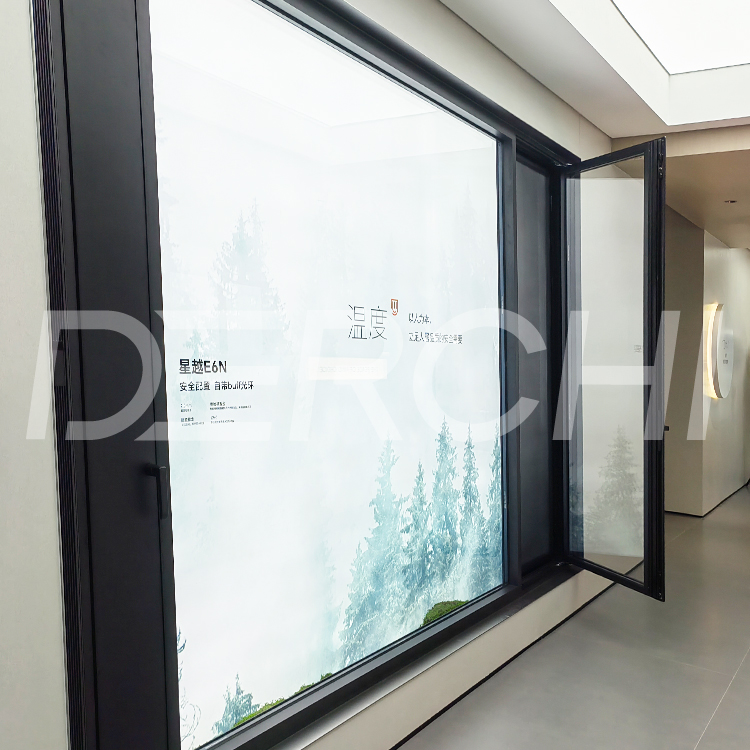
You should have a quiet home, even if your street is noisy. Soundproof or acoustic windows are best for blocking noise. They can stop at least 75% of sounds from outside. These windows work better than regular windows. They use glass with many panes, thick laminated layers, and smart air gaps. Many people pick noise insulation windows to block things like:
Cars and trucks driving by
Planes flying above
Construction happening nearby
Loud machines close to your home
Pick a window that helps you feel comfortable and peaceful in your space.
Key Takeaways
Pick soundproof or acoustic windows to block most outside noise. These windows can make your home much quieter.
Use thicker glass and more panes for better noise reduction. Triple-pane windows work best and save energy too.
Make sure windows are installed with airtight seals. Small gaps can let noise inside your home.
Laminated glass is great for stopping noise. It helps reduce sound vibrations very well.
You can add window inserts or use acoustic caulk. These upgrades help your windows block more noise without replacing them.
What Makes Noise Insulation Windows Effective?
If you want a quiet home, you should know why noise insulation windows work well. The best windows for noise insulation use smart designs to stop unwanted sounds. Let’s look at the most important features.
Glass Thickness
Thicker glass blocks more noise. You can notice the difference with thicker panes. For example:
Thicker impact windows make a stronger barrier that helps block noise from cars and building work.
If you pick 7/16" glass instead of 5/16", you can get up to 44% more noise reduction.
People who want the best soundproof windows often choose thicker glass for better results.
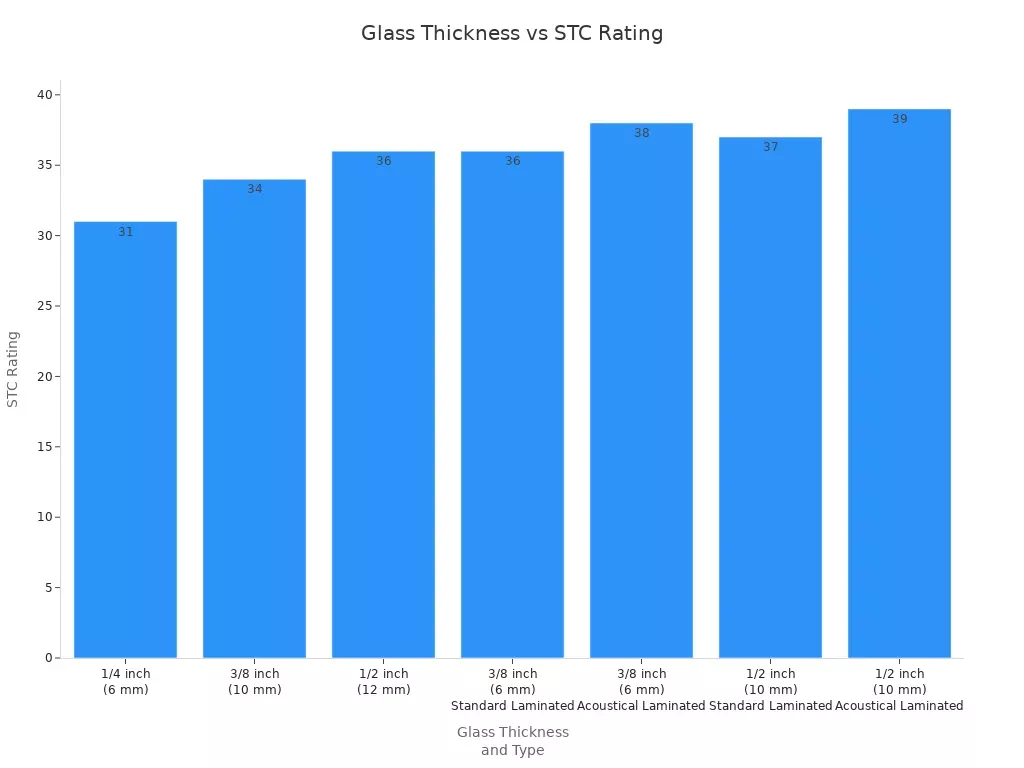
Here is how different glass thicknesses compare for noise reduction:
Glass Thickness Level | STC Rating |
|---|---|
1/4 inch (6 mm) | 31 |
3/8 inch (10 mm) | 34 |
1/2 inch (12 mm) | 36 |
3/8 inch (6 mm, Standard Laminated) | 36 |
3/8 inch (6 mm, Acoustical Laminated) | 37/38 |
1/2 inch (10 mm, Standard Laminated) | 37 |
1/2 inch (10 mm, Acoustical Laminated) | 38/39 |
Laminated glass is great for noise reduction. It uses two glass sheets with a special layer in the middle. This design soaks up sound vibrations and can cut noise by up to 50% compared to regular glass.
Number of Panes
The number of glass panes in your window matters a lot. More panes give you better noise control.
Triple-pane windows have three panes and two spaces filled with gas. This setup blocks sound much better than single or double-pane windows.
Double-pane windows usually have STC ratings from 26 to 33, depending on glass thickness and air space.
Single-pane windows often rate around 26-28, while high-performance soundproof windows can reach into the 40s.
Window Type | STC Rating Range |
|---|---|
Double-pane | 26-32 |
Triple-pane | 28-34 |
Triple-pane windows block 20-30% more sound from things like traffic or noisy neighbors. If you want the best windows for noise insulation, triple-pane windows are a good choice.
Air Gaps
The space between panes, called the air gap, is very important for noise reduction windows.
Air gaps between window panes help noise insulation by making a break that stops sound from passing through. The wider the air gap, the better the sound insulation, because it keeps vibrations from moving between the panes.
The air gap is the most important part of how well secondary glazing blocks sound. A gap of at least 100mm is usually best, but the best results come with a space between 150mm and 200mm.
Most experts say an air gap of 1 to 2 inches works best. Bigger gaps do not help much more, so you can focus on this size for your soundproof windows.
Frame Material
The frame you pick is as important as the glass. Some materials block noise better than others.
Foam-filled vinyl frames use insulation to block sound.
Fiberglass frames are thick and strong, so they stop outside noise.
Solid wood frames block sound waves naturally.
uPVC frames block more noise than aluminum because they are thicker and have tight seals.
Timber frames soak up sound well, so they are a smart pick for noise reduction windows.
Heavy aluminum frames block sound well, especially with strong glass.
Windows with many chambers and tight seals block even more noise.
If you want the best windows for noise insulation, look for frames made from thick materials and built tightly.
Seals and Installation
Even the best materials will not help if your windows have gaps. Good seals and professional installation are very important.
An airtight seal keeps sound from leaking in.
Professional installation gets rid of gaps that let noise in.
Even small gaps can ruin your window’s soundproofing.
Good installation means careful measuring, weatherproofing, and sealing.
You should always pick a trusted installer for your noise insulation windows. This step makes sure you get the full benefit and enjoy a quieter home.
Tip: For the best results, use thick glass, more panes, wide air gaps, strong frames, and airtight seals. This mix gives you the most effective noise reduction windows you can get.
Types of Noise Insulation Windows
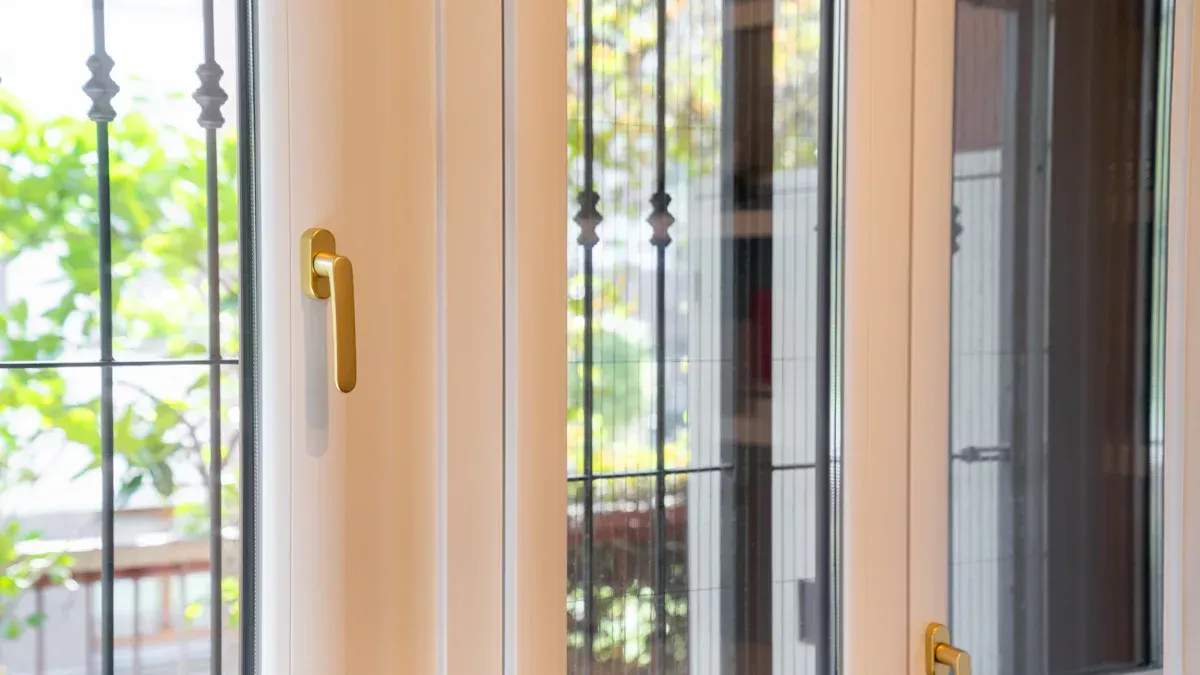
Picking the right window can make your home much quieter. Let’s look at the main types of noise insulation windows. This will help you choose the best one for your needs.
Single-Pane vs. Double-Pane vs. Triple-Pane
Not all windows block noise the same way. The number of panes matters a lot for sound control.
Window Type | STC Rating |
|---|---|
Single-pane | Low 20s |
Double-pane | 26-32 |
Triple-pane | 35-40 |
High-performance | 45 or higher |
Single-pane windows do not block much noise. You will still hear cars, dogs, or people outside. Double-pane windows block more noise, but some sounds can still get in. Triple-pane windows block even more noise than double-pane windows. They can stop 20-30% more sound. If you want the best windows for noise insulation, triple-pane windows are a great pick. They also help save energy.
Tip: Triple-pane windows cost about 10-15% more than double-pane windows. Double-pane windows usually cost around $300. Triple-pane windows start at $500. Single-pane windows are cheaper, from $150 to $400, but they do not block much noise. Double-pane windows cost between $613 and $1,307 and block some noise.
Laminated Glass
Laminated glass is a top choice for noise reduction windows. It has two glass panes with a plastic layer in the middle. This design helps block sound and keeps your home quiet.
Acoustic laminated glass is made to stop noise from getting inside. The PVB layer makes sound waves weaker, so you hear less noise from things like traffic and building work.
Laminated glass gives you many benefits:
Laminated glass is made to fix noise problems.
It has a plastic layer between two glass panels that cuts down sound.
This glass blocks more noise than regular glass, so you hear less traffic and construction.
Laminated glass windows can have an STC rating of 40 or more. Thicker glass and strong glue can make this rating even higher. If you live near busy roads or building sites, laminated glass is a good way to block noise.
Acoustic (Soundproof) Windows
If you want the best windows for noise insulation, acoustic or soundproof windows are the best. These windows use special technology to keep your home quiet.
Acoustic windows use laminated glass or different glass thicknesses to block sound.
Regular double-pane windows are made for keeping heat in, not for blocking low sounds.
Triple-pane windows block some noise but are mostly for saving energy.
Laminated glass stops sound vibrations, so it works well for soundproofing.
More glass layers do not always mean better soundproofing. Good laminated double-pane windows can block as much noise as triple-pane windows.
The best soundproof windows can block up to 54dB of noise. This is proven by special tests called acoustic testing. If you want to block city traffic, planes, or loud music, soundproof windows are the best choice.
Window Inserts and Plugs
You do not always need new windows to make your home quieter. Window inserts and plugs are smart ways to improve noise insulation windows.
Window soundproofing inserts fit inside your current window frames. They add an extra air gap, which can cut noise by 50% or more. The Fantastic Frame™ soundproof window inserts use 1/4” acrylic glass and metal trim for a tight seal. This design can block up to 80% of noise, making it very good for soundproof windows.
You can also use window plugs for more noise control. Here is how you can make your own:
Measure your window frame.
Cut a piece of MDF or plywood to fit.
Put high-density acoustic foam on one side.
Add handles so you can take it out easily.
Popular materials for inserts and plugs are foam-filled vinyl, fiberglass, and solid wood. These materials block sound and help you enjoy a quieter home without buying new windows.
️ Note: Window inserts and plugs work best if you install them right and seal all gaps. They are a cheap way to make your noise insulation windows work better.
If you want the best windows for noise insulation or just need a quick fix, these choices help you stay comfortable and peaceful.
Other Factors Affecting Noise Reduction
Installation Quality
You might buy the best windows, but bad installation will not give you a quiet home. Small cracks or gaps let sound get inside. This makes your windows less useful. You need a pro to install your windows for the best noise reduction. Here is why good installation matters:
Good installation makes a tight seal that stops sound leaks.
Even tiny gaps can make your windows block less noise.
Pros measure, flash, and seal every part of the window.
The frame and installation help the advanced acoustic glass work better.
High-quality windows only work their best with expert installation.
To make sure your windows keep things quiet, follow these steps:
Hire a pro team that knows noise reduction windows.
Make sure the window sits level and square in the opening.
Check the seals for smooth, unbroken caulking.
Feel for drafts along the edges to find sound leaks.
Confirm low-expansion foam fills the gap between the window frame and wall.
️ Tip: Pick a trusted installer. Even the best windows will not block noise if the installation is not done right.
Frame and Seals
You can make your window block more sound by upgrading the frame and seals. These parts help keep your home quiet. Try these easy upgrades:
Use acoustic caulk around the window frame to soak up vibrations.
Put weatherstripping inside the window jambs to stop drafts and high-frequency noise.
Install thick perimeter seals or foam backer rods for extra sound blocking.
Check your windows for gaps and cracks. Seal them with good caulk or a product like SealMax SoundGuard.
Keep seals in good shape to keep noise out and comfort in.
A small gap can lower sound isolation by 10 STC points or more. Do not let bad seals waste your money. With the right upgrades, you can get better noise reduction, higher property value, and a more comfortable home.
Recommendations by Need and Budget
Best Overall Choice
If you want a quiet home, you should get the best windows for noise insulation. Soundproof windows are the top pick. These windows use laminated glass, big air gaps, and strong seals. They block noise very well and also give you safety and UV protection. Many experts say acoustic windows are great for homes near busy roads or airports. Pella’s Lifestyle Series and mixed-thickness glass work really well. Triple-pane windows also block a lot of sound, especially if a pro installs them.
Soundproof windows are made to block noise by using more glass layers, bigger air gaps, and special materials. These windows usually have STC ratings over 40, so they are one of the best picks for people who live in loud places.
Window Type | Description |
|---|---|
Double-Pane Windows | Good price and works for normal traffic and neighborhood noise. |
Triple-Pane Windows | Blocks more noise and saves energy, good for homes near busy roads. |
Laminated Glass Windows | Great for loud places, adds safety, and blocks UV rays. |
Acoustic Windows | Made for sound control, uses laminated glass, air gaps, and strong seals. |
Value Options
You can find windows that block noise and fit your budget. Double-pane windows block sound and save energy. Laminated glass windows block even more noise and make your home safer. Vinyl frames cost less and are easy to take care of. Fiberglass frames do not change with weather and block noise well. Wood frames look nice and keep heat in, but need more care.
Window Type | Benefits | Cost Range |
|---|---|---|
Double Pane | Blocks noise and saves energy for most homes. | Budget-friendly |
Triple Pane | Blocks more sound and keeps heat in, good for loud areas. | Higher than double |
Laminated Windows | Blocks lots of noise, adds safety, and blocks UV rays. | Varies by config. |
Tip: Pick the glass, frame, and pro installation that fit your needs. You can also add better air seals for even less noise.
Upgrades for Existing Windows
You do not have to buy all new windows to block more noise. Try easy upgrades to make your windows better. Acoustic grade inserts add another layer and can block up to 25 dB of sound. Heavy curtains soak up sound waves. Foam seal strips stick around the frame and block outside noise. Acoustic caulk fills small cracks and stops leaks. Window plugs cost less and help right away, but they can block sunlight.
Upgrade Type | Description |
|---|---|
Multiple Panes | Double or triple panes add more layers to block sound. |
Laminated Glass | Laminated glass blocks more noise than regular glass. |
Insulated Frames | Good frame materials like vinyl or fiberglass stop shaking and extra noise. |
Tight Seals | Weatherstripping and good installation stop gaps that let noise in. |
Acoustic grade inserts: Extra glass panels that block outside noise.
Heavy sound-insulating curtains: Thick curtains with tight fibers soak up sound.
Self-adhesive foam seal strips: Cheap strips that fit around the frame to block noise.
Acoustic caulk and seals: Filling small gaps can block a lot of noise.
You can use more than one of these upgrades for the best results. It is smart to have a pro install them for long-lasting quiet.
You deserve a peaceful home. Soundproof windows with laminated or triple-pane glass give you the best noise reduction. Match your window choice to your noise problem and budget. Check the table below for what matters most:
Key Factor | Description |
|---|---|
Insulation | Double or triple-pane glass blocks outside noise. |
Easy Maintenance | Pick windows that are simple to clean and care for. |
Custom Designs | Choose styles and colors that fit your home. |
Installation | Get a pro to install for the best results. |
Pick thick glass and tight seals for better sound blocking.
Ask a window expert for advice and installation.
FAQ
What is the best window for blocking street noise?
You should choose acoustic or soundproof windows with laminated glass. These windows block up to 75% of outside noise. You will notice a big difference in your home’s comfort.
Can I make my current windows quieter without replacing them?
Yes! You can add window inserts, acoustic caulk, or heavy curtains. These upgrades block noise and cost less than new windows. You will enjoy a quieter space right away.
Do triple-pane windows always block more noise than double-pane?
Not always. Triple-pane windows help, but laminated double-pane windows often block more sound. You should compare STC ratings before you buy.
How important is professional installation for noise reduction?
Professional installation matters a lot. Even the best windows will not work if you have gaps or poor seals. You should hire an expert to get the best results.