I always consider the typical door size before selecting a door. Here are the usual sizes I see:
Room Type | Width (inches) | Height (inches) |
|---|---|---|
Bedroom | 28 to 36 | 80 |
Bathroom | 28 to 32 | 80 |
Closet | 24 to 36 | 80 |
Kitchen | 36 | 80 |
Entryway | 36 | 80 |
Knowing the typical door size helps me plan my work effectively. It also ensures that people can move in and out easily. Derchi Window and Door offers a wide range of options, so I make sure to measure accurately and consider how the door will look and function.
Key Takeaways
Standard door sizes make putting in and changing doors easier. Knowing these sizes helps you not make mistakes and saves time. - Always check the rough opening before you buy a door. Good measurements make sure the door fits well and goes in easily. - Think about accessibility when picking door sizes. Wider doors, like 36 inches, help everyone, even people in wheelchairs.
Standard Door Sizes Overview
Why Door Sizes Are Standardized
I always notice that standard door sizes make my work much easier. When I use these sizes, I can install or replace doors quickly. Builders and manufacturers like standard sizes because they can produce many doors at once. This keeps costs low for everyone. I also find that standard door sizes help me follow building codes and safety rules. These sizes fit most homes and make it simple to move furniture or walk through with ease.
Here is a table that shows why standardization matters:
Reason for Standardization | Description |
|---|---|
Cost-effectiveness | Mass production lowers prices. |
Ease of installation | Predictable sizes make fitting doors simple. |
Building code compliance | Meets safety and accessibility rules. |
Efficient manufacturing and supply | Fewer sizes mean faster production and delivery. |
Human movement compatibility | Fits most people and furniture. |
I see that standard door widths also make renovations easier. I can find a replacement door quickly, and I do not have to worry about mistakes during installation.
Here are the most common standard door sizes for homes:
Door Type | Height (inches) | Width (inches) | Thickness (inches) |
|---|---|---|---|
Interior Doors | 80 | 24, 28, 30, 32, 36 | 1 3/8 |
Exterior Doors | 80 or 96 | 32, 34, 36 | 1 3/4 |
I always check the rough opening size before I buy a new door. This helps me make sure the door will fit the frame.
Tip: Standard door sizes are easy to find and usually fit most interior and exterior rough openings.
Measuring for the Typical Door Size
When I measure for a new door, I follow a few simple steps. I always want the door to fit perfectly, so I measure carefully.
I measure the width at the top, middle, and bottom of the opening. I use the smallest number as my rough opening width.
I measure the height on the left, center, and right sides. I use the smallest number for the door height.
I check the thickness of the old door. Most interior doors are 1 3/8 inches thick, and exterior doors are 1 3/4 inches thick.
If I am replacing just the door slab, I measure where the hinges are.
I also pay attention to ADA and building code rules. For example:
The clear opening must be at least 32 inches wide and 80 inches tall.
Door thresholds should not be higher than ½ inch if beveled.
There must be a flat landing on both sides of the door.
These rules help everyone, including people who use wheelchairs, move safely through the doorway.
By following these steps, I make sure the door fits well and meets all requirements.
Bedroom Door Standard Sizes
Typical Door Size for Bedrooms
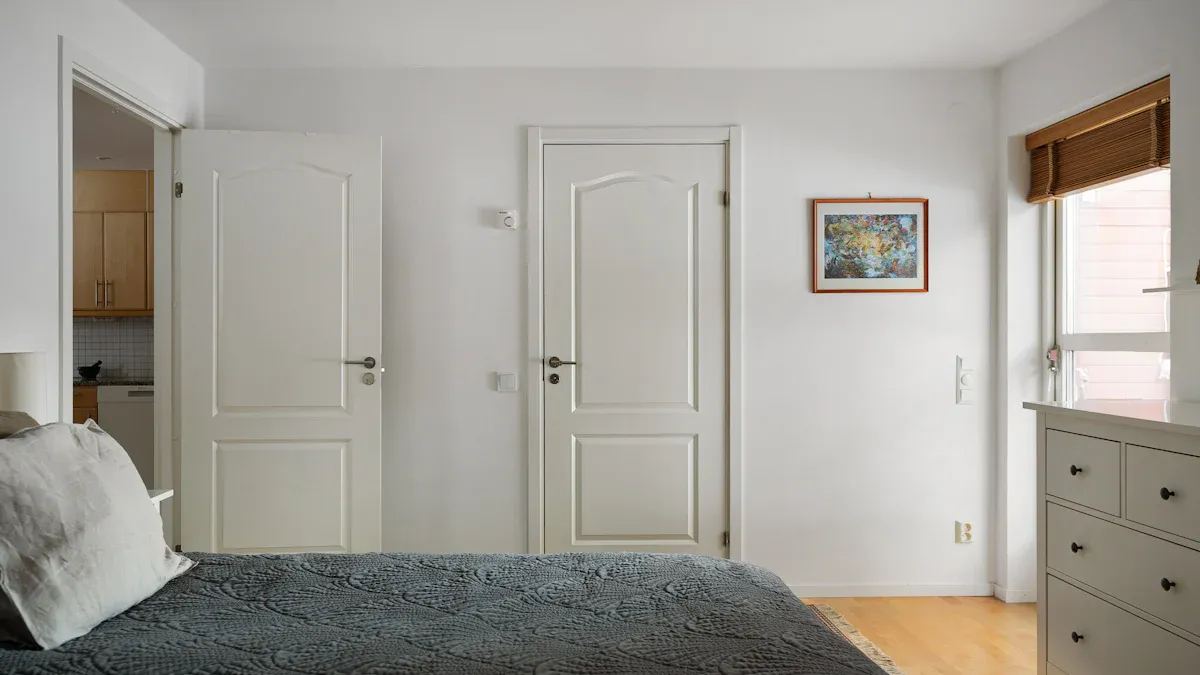
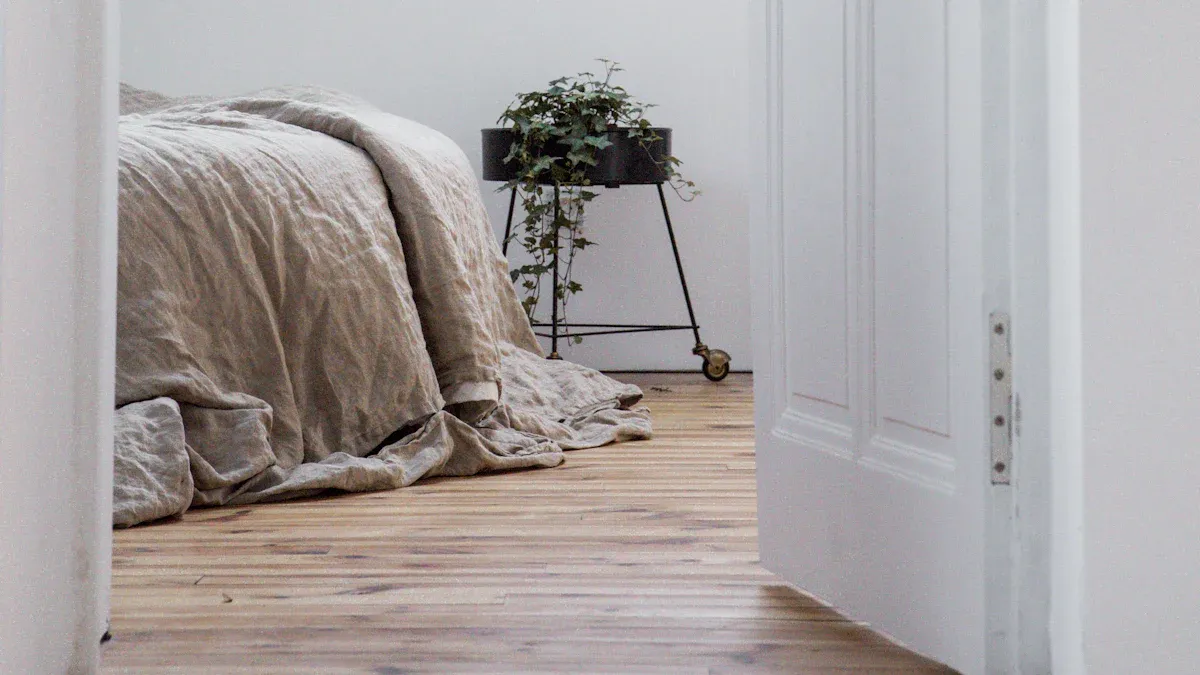
When I choose a bedroom door, I always look for the typical door size that fits most homes. In new construction, standard interior doors for bedrooms usually measure 80 inches tall. The width can vary, but I often see doors that are 28, 30, 32, 34, or 36 inches wide. I find that these sizes make it easy to move furniture and allow people to walk through comfortably.
Here is a table that shows the most common standard door size in inches and feet for bedrooms:
Dimension Type | Size (inches) | Size (feet) |
|---|---|---|
Standard Height | 80, 96 | 6.67, 8 |
Standard Widths | 28, 30, 32, 34, 36 | 2.33, 2.5, 2.67, 2.83, 3 |
I always recommend measuring your doorway before buying a new door. This helps you avoid mistakes and ensures a smooth installation.
Variations in Bedroom Door Dimensions
Older homes and custom builds often have different bedroom door sizes. I notice that older homes may have doors as short as 78 inches and widths between 30 and 32 inches. Luxury or custom homes sometimes feature taller doors, up to 96 inches, and wider doors, up to 42 inches. These variations can affect how the room feels and how easy it is to move large items.
Here is a table that compares bedroom door sizes in different types of homes:
Door Type | Height (inches) | Width (inches) |
|---|---|---|
Standard Bedroom | 80 | 32 |
Older Homes | 78 | 30-32 |
Luxury/Custom | 84-96 | 36-42 |
I often see custom homes with wider doors for wheelchair access. For example, a 36-inch wide door makes it easier for everyone to enter and exit.
Derchi Window and Door offers bedroom doors in many sizes. Most options range from 28 to 36 inches wide and 80 inches tall. I can always find a door that matches the typical door size for my project.
Door Type | Typical Width Range (inches) | Common Width (inches) | Typical Height (inches) |
|---|---|---|---|
Bedroom Doors | 28 to 36 | 32 | 80 |
Tip: I always measure the rough opening before ordering a door. This helps me pick the right size and avoid extra work.
Bathroom Door Typical Sizes
Standard Door Sizes for Bathrooms
When I pick a bathroom door, I check the usual size. Most bathroom doors are 28, 30, or 32 inches wide. They are usually 80 inches tall. Powder rooms or half baths sometimes use 24-inch doors. Full bathrooms need wider doors, like 28 or 30 inches. This makes it easy for people to go in and out. I measure the rough opening before I buy a new door. This helps me avoid mistakes and makes putting in the door easy.
Here are the standard bathroom door sizes I see:
Widths: 24, 28, 30, 32 inches
Height: 80 inches
Derchi Window and Door has bathroom doors in all these sizes. I can always find a door that fits the opening in my project.
Accessibility and Code Requirements
I always follow the rules for bathroom doors. These rules help everyone use the bathroom safely. People who use wheelchairs or walkers need these rules. The smallest clear width for an accessible bathroom door is 32 inches. The door should not swing more than 12 inches into the open space. The door can be up to 24 inches deep.
I use this table to check the main code rules for bathroom doors in new homes:
Requirement | Description |
|---|---|
Clear Width | Door must provide at least 32 inches when open at 90 degrees |
Threshold Height | Must not exceed 1/2 inch |
Maneuvering Clearance | Enough space to approach, reach, and operate the door |
Hardware | Must be operable with one hand, no tight grasping or wrist twisting |
Surface Requirements | Area around doors must be stable, firm, and slip-resistant |
Door Swing | Cannot swing into clearances at lavatories or plumbing fixtures |
Force to Open | Should not require more than 5 lbs of force |
Closing Speed | Must take at least 5 seconds to close from 90 degrees to 12 degrees |
I always make sure bathroom doors close by themselves and are easy to use. There must be enough space for people who use mobility aids. I pick hardware that works with one hand and does not need a strong grip.
Derchi Window and Door has doors that meet these needs. I can choose doors with the right width, easy handles, and safe surfaces for every bathroom.
Closet Door Standard Sizes
Reach-In Closet Door Dimensions
When I work on reach-in closets, I always check the door size first. Most reach-in closet doors are between 24 and 36 inches wide. The height usually matches other interior doors, often 80 inches, but sometimes up to 96 inches in newer homes. I see three main types of doors for reach-in closets: sliding, bifold, and swinging. Each type has its own size range.
Here is a table that shows the common width ranges for reach-in closet doors:
Door Type | Width Range (inches) |
|---|---|
Sliding Doors | 24 to 36 |
Bifold Doors | 30 to 36 |
Swinging Doors | 28 to 36 |
Double Doors | 48 to 72 (total) |
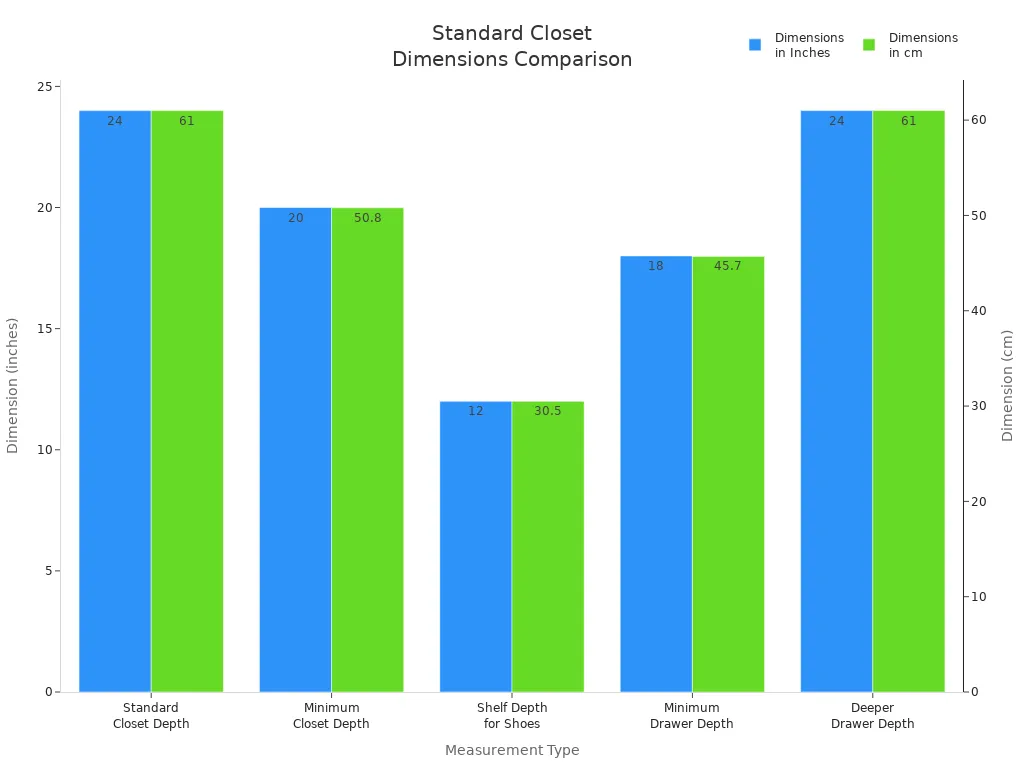
I also pay attention to the closet depth. Most reach-in closets are 24 inches deep, but some can be as shallow as 20 inches. Shelves for shoes are usually 12 inches deep. Drawers can be 18 or 24 inches deep. This helps me plan the right door and storage.
Measurement Type | Dimension (inches) | Dimension (cm) |
|---|---|---|
Standard Closet Depth | 24 | 61 |
Minimum Closet Depth | 20 | 50.8 |
Shelf Depth for Shoes | 12 | 30.5 |
Minimum Drawer Depth | 18 | 45.7 |
Deeper Drawer Depth | 24 | 61 |
Tip: I always measure the opening before choosing a door. This makes installation easier and avoids mistakes.
Walk-In Closet Door Options
Walk-in closets often need larger doors. I see single doors that are 28 to 36 inches wide and 80 to 96 inches tall. Some walk-in closets use double doors, which can be 48 to 72 inches wide. These wide doors make it easy to move clothes, boxes, or even furniture in and out.
Here is a table that shows the typical sizes for walk-in closet doors:
Door Type | Width Range (inches) |
|---|---|
Standard Doors | 24 to 36 |
Double Hung Doors | 48 to 72 (total) |
When I help clients pick a door, I always talk about style and function. Sliding doors save space. Swinging doors give a classic look. Double doors add a grand feel. I find that standard door sizes work for most closets, but custom options are available for unique spaces.
Derchi Window and Door offers many closet door products. I can choose from sliding, bifold, swinging, or double doors. Their range covers both reach-in and walk-in closets, so I always find a good fit for my projects.
Kitchen and Pantry Door Sizes
Typical Door Size for Kitchens
When I choose a kitchen door, I always look for the typical door size that fits most homes. Most kitchen doors follow standard door sizes. I see widths from 28 to 32 inches and a height of 80 inches. These sizes make it easy to move groceries, appliances, or cleaning tools in and out. I measure the opening before I buy a new door. This helps me avoid mistakes and makes installation simple.
Here is a table that shows the standard kitchen door sizes:
Door Type | Standard Height | Standard Widths | Standard Thickness |
|---|---|---|---|
Kitchen Doors | 80 inches | 28", 30", 32" | 1 3/8 inches |
Tip: I always check the rough opening and measure at three points to make sure the door fits well.
Pantry Door Standard Dimensions
Pantry doors often need special attention. I see pantry doors with widths from 24 to 28 inches and a height of 80 inches. Small kitchens use space-saving options like sliding, bi-fold, or pocket doors. These doors help maximize floor space and keep the kitchen organized.
Here are some space-saving pantry door options:
Sliding pantry doors move on tracks and do not need extra space to open.
Bi-fold doors fold in on themselves and work well in tight spaces.
Pocket doors slide into the wall and save even more space.
I also see barn doors and double doors for wide pantry openings. Barn doors add style and work for both classic and modern kitchens.
Door Type | Typical Width | Typical Height |
|---|---|---|
Bi-Fold Doors | 24-28 inches | Varies |
Sliding Doors | Varies | Varies |
Pocket Doors | Varies | Varies |
Classic Barn Door | Opening + 2-4 inches | Opening + 1 inch |
Derchi Window and Door offers many kitchen and pantry solutions. I can choose from sliding glass doors, bi-fold, pocket, or barn doors. Their range covers both standard and custom sizes, so I always find the right fit for my project.
Note: I always match the door style to the kitchen layout and pantry size. This helps keep the space functional and attractive.
Entry and Exterior Door Standard Sizes

Front Door Typical Dimensions
When I select a front door, I always check the standard door size for front doors. Most homes use doors that are 36 inches wide and 80 inches tall. Some new homes feature taller doors, up to 96 inches. I see that thickness often ranges from 1¾ to 2¼ inches. Wider doors, up to 45 inches, create a grand entrance and make it easier to move furniture.
Here is a table showing the typical front door dimensions:
Dimension Type | Measurement Range |
|---|---|
Width | 30 to 45 inches |
Height | 71 to 96 inches |
Thickness | 1¾ to 2¼ inches |
I always measure the rough opening before ordering a new door. This helps me avoid mistakes and ensures a smooth installation.
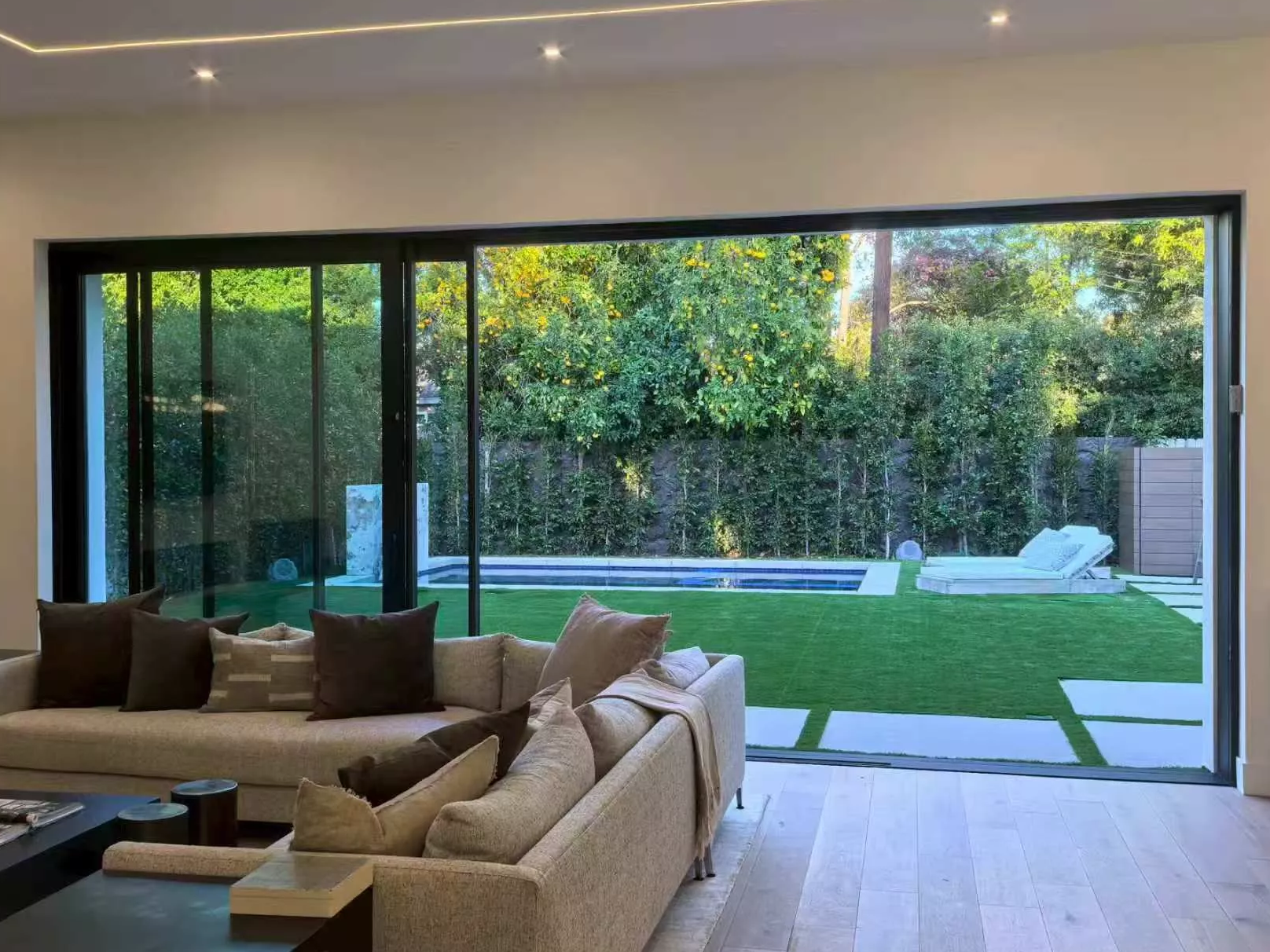
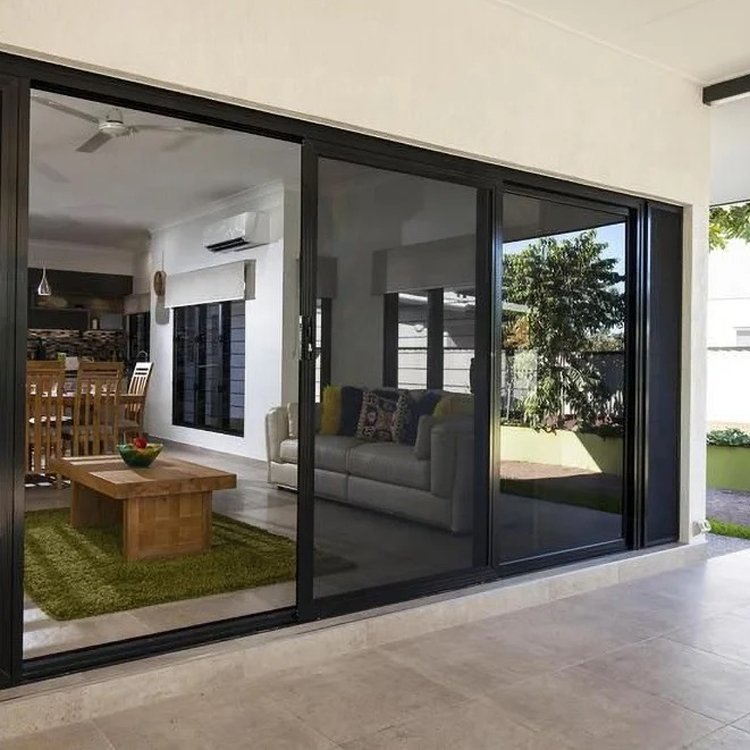
Patio and Sliding Door Sizes
Patio doors come in many styles. I often install sliding glass doors because they save space and let in natural light. Standard sizes for two-panel sliding doors are 60, 72, or 96 inches wide and 80 inches tall. Three-panel sliding doors can reach 108 or 144 inches wide. Four-panel options go up to 192 inches wide. French doors and pivot doors also offer flexible sizing for patios and entryways.
Here is a table with common patio and sliding door sizes:
Door Type | Common Sizes (Width x Height) |
|---|---|
Two-Panel Sliding | 60" x 80", 72" x 80", 96" x 80" |
Three-Panel Sliding | 108" x 80", 144" x 80" |
Four-Panel Sliding | 144" x 80", 192" x 80" |
French Patio Door | 48" to 72" x 80" |
I always recommend matching the door style to the home’s design. Derchi Window and Door offers a wide range of exterior doors, including sliding, French, and pivot options. I can find the right fit for any project, whether I need a classic look or a modern solution.
Tip: I measure the opening and consider traffic flow before choosing a patio or entry door. This helps me pick the best size and style for every home.
Factors Affecting Door Size Choices
Building Codes and Accessibility
I always check the building codes before picking a door. These rules tell me the smallest size a door can be. They help keep everyone safe in the house. Most codes say the opening must be at least 32 inches wide. This means I need a door that is at least 34 inches wide. If there are double doors, one side must follow the accessibility rules. The International Building Code says everything must be accessible unless it is exempt. This rule helps me decide what door size to use for each project.
Requirement | Description |
|---|---|
Minimum Clear Opening | At least 32” with the door open 90°, so a 34” or wider door is needed. |
Accessible Entrances | At least 50% of public entrances must be accessible. |
Double-Leaf Doorways | One side must meet accessibility criteria. |
I remember that most doors in a house must be easy for everyone to use. This helps people who use wheelchairs or walkers get through the doors.
Room Function and Design
How a room is used changes what door size I pick. Busy rooms like kitchens or living rooms need wider doors. Wider doors, like 32 to 36 inches, make it easy for people to walk around. They also make the room feel bigger. For bedrooms or closets, I use smaller doors for more privacy.
I also think about how the door looks. Sliding glass doors are good when I want to save space or let in more light. The style of the door can change how the room feels. I match the door size and style to what the room needs.
Some things I think about when picking a door size are:
How the door opens (swing, sliding, folding)
How people and furniture will get through
How the door looks in the room
The weather and where the door is for outside doors
Local building rules
If I need a custom or standard door
How hard it is to install
If a regular size does not work, I use a custom door. Derchi Window and Door has many custom sizes and styles. This helps me find the right door for any room, even if it is tricky.
Bedroom doors are 28 to 36 inches wide and 80 inches tall.
Bathroom doors are 28 to 32 inches wide and 80 inches tall.
Closet doors are 24 to 36 inches wide and 80 inches tall.
Kitchen and entry doors are 36 inches wide and 80 inches tall.
I always check my measurements and think about how the door works and looks. If I need help or a special door, I ask Derchi Window and Door. I plan ahead and make sure every door size is good for accessibility.
FAQ
What is the easiest way to measure a door for replacement?
I use a tape measure. I check the width and height at three points. I record the smallest number for each. I measure the thickness too.
Can I use a wider door for better accessibility?
Yes, I choose a door at least 36 inches wide for wheelchair access. This makes moving through the doorway easier for everyone.
Do I need a custom door for older homes?
Sometimes I do. Older homes may have non-standard openings. I measure carefully and ask Derchi Window and Door for custom options if needed.