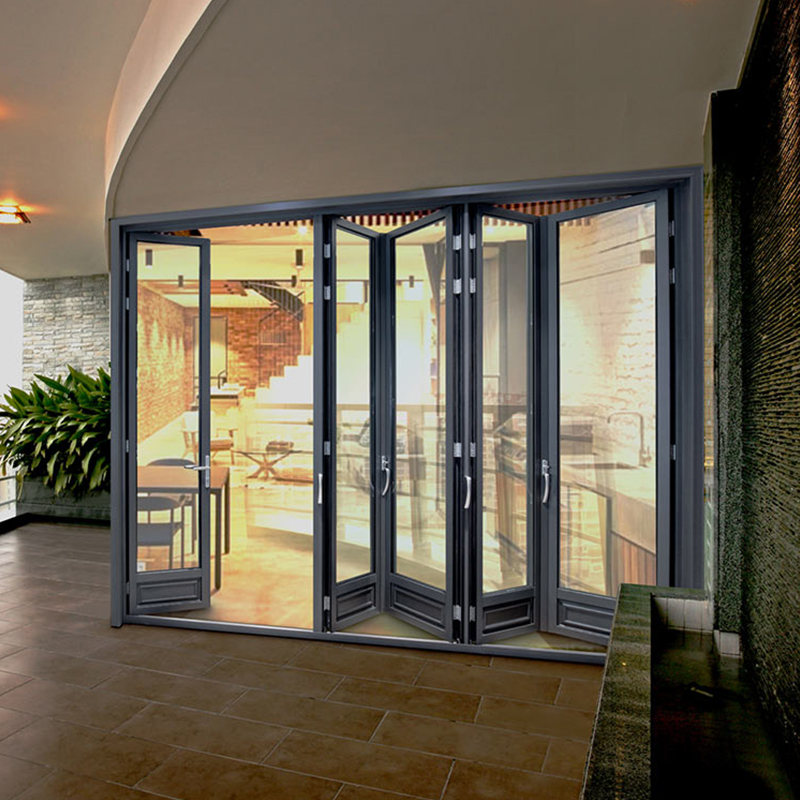
The right pantry door can completely transform how your kitchen feels and functions — yet most homeowners barely give it a second thought. A poorly chosen door creates daily frustration: blocked walkways, limited shelf access, and a kitchen that feels cramped no matter how much you reorganize. The door you pick affects not just how your kitchen looks, but how smoothly it runs every single day.
When it comes to bi-fold pantry doors vs. sliding pantry doors, the differences go far beyond appearance. One style gives you full, unobstructed access to every shelf. The other keeps your kitchen feeling open and streamlined, even in a tight space. Choosing the wrong type for your layout can mean constantly shuffling panels just to grab the pasta — or losing valuable floor space you simply don't have.
In this guide, you'll learn exactly how bi-fold and sliding pantry doors work, how they compare on cost, style, maintenance, and usability, and which one is the right fit for your kitchen. Whether you're remodeling from scratch or just upgrading an old door, this breakdown will help you make a confident, informed decision.
What's the Difference Between Bi-Fold and Sliding Pantry Doors?
Before picking a side, it helps to understand how each door actually works. They might look similar at first glance, but the way they open — and the space they need — is pretty different. Here's a quick breakdown.
How Bi-Fold Pantry Doors Work
Think of a bi-fold door like an accordion. It's made up of multiple panels connected by hinges. When you open it, the panels fold against each other and stack neatly to one side of the opening.
They run along a track at the top and bottom of the frame. Most systems let you choose whether they fold inward into the pantry or outward into the kitchen — useful depending on your layout.
The biggest perk? When fully open, there's nothing blocking the doorway. You get a completely clear view of every shelf, from top to bottom, corner to corner.
Panel setup: Two or more hinged panels that fold and stack
Track system: Runs along both the top and bottom of the opening
Opening direction: Can fold inward or outward
Access when open: Full, unobstructed opening
How Sliding Pantry Doors Work
Sliding doors work differently. Instead of folding, the panels glide horizontally along a track — usually mounted overhead. One panel slides behind the other, so they're always sitting side by side on the wall.
Here's the thing: at least one panel is always in view. Even when the door is "open," part of the opening is still covered. It never fully clears the way a bi-fold does.
On the plus side, they stay flat against the wall. There's no folding, no stacking, and no extra clearance needed on either side of the door frame.
Panel setup: Two or more panels that glide on a track
Track system: Typically a single overhead (top-hung) track
Opening direction: Slides left or right along the wall
Access when open: Partial — roughly 50% of the opening at a time
| Feature | Bi-Fold Pantry Doors | Sliding Pantry Doors |
|---|---|---|
| Opening mechanism | Folds and stacks to one side | Glides along a wall-mounted track |
| Track type | Top and bottom track | Single overhead track |
| Stacking clearance needed | Yes — panels stack to one side | No — panels stay within the frame |
| Opening when fully open | Completely clear | Partially blocked |
| Best for | Wide openings, full access | Tight spaces, minimal clearance |
Pantry Access & Visibility
How easily can you actually get into your pantry? It sounds like a simple question, but the answer changes a lot depending on which door you choose. Let's look at how each one performs when you're in the middle of cooking and need to grab something fast.
Bi-Fold Doors — Full Opening, Full Visibility
When you open a bi-fold pantry door all the way, the entire doorway is clear. No panels in the way, no awkward angles — just a completely open space between you and your shelves. It's one of the biggest advantages they have over any other door style.
Being able to see everything at once makes a real difference for pantry organization. You're not guessing what's hiding behind a panel or shuffling things around just to check the back shelf. Everything is right there in front of you.
Full opening access: The entire width of the pantry is accessible at once
Better shelf visibility: See all contents clearly — top to bottom, side to side
Traffic door option: Some bi-fold systems include a single-panel lead door for quick, everyday access without opening the full set
Low threshold design: Many systems sit flush to the floor — no raised track to trip over
That traffic door feature is worth highlighting. It lets you pop in and out of the pantry quickly without folding back all the panels every time. It works like a regular door — just open one leaf and go.
Sliding Doors — Partial Access, Cleaner Look When Closed
Sliding pantry doors tell a different story. Because the panels slide behind each other, there's always at least one panel covering part of the opening. In most setups, you're working with roughly half the doorway at any given time.
Need something on the left side of the pantry? Slide the door right. Need something on the right? Slide it back. It's not a dealbreaker, but it does mean a bit of extra back-and-forth during a busy cook session.
Access at one time: Approximately 50% of the opening — one panel always remains visible
Repositioning required: You'll need to shift the panel to reach different sections of the pantry
More glass, less frame: Fewer vertical frames means larger glass panels — more natural light flows in when closed
Cleaner closed appearance: The slim profile and large glass panes give the kitchen a sleeker, more seamless look
Where sliding doors really shine is when they're closed. Less framing means more glass, and more glass means a brighter, more open-feeling kitchen — even when the pantry is shut. If your kitchen relies on natural light, that's a genuine advantage.
| Access & Visibility | Bi-Fold Pantry Doors | Sliding Pantry Doors |
|---|---|---|
| Opening when fully open | 100% clear | ~50% accessible |
| Shelf visibility | Full view of entire pantry | Partial — depends on panel position |
| Quick single-panel access | Yes — traffic door option available | Yes — slide one panel open |
| Floor threshold / trip hazard | Low threshold options available | Top-hung systems have no floor track |
| Natural light when closed | Moderate — more frames visible | Excellent — larger glass panels |
| Closed-door aesthetics | Good | Excellent |
⚡ Verdict: Bi-fold doors are the clear winner for pantry access and day-to-day usability. Sliding doors, on the other hand, take the lead on closed-door aesthetics and natural light.
Space Requirements & Kitchen Layout
Door style is one thing — but if it doesn't fit your kitchen layout, it doesn't matter how good it looks. Before you commit to either option, it's worth taking a honest look at the space you're actually working with.
Does Your Kitchen Have Room for Bi-Fold Doors?
Bi-fold doors need somewhere to go when they're open. All those panels fold and stack to one side — and they take up real space when they do. If there's a wall, cabinet, or appliance right next to your pantry opening, it could block the panels from folding back properly.
As a general rule, bi-fold pantry doors work best in openings of 48 inches or wider. The wider the opening, the more room the panels have to stack without getting in the way of your kitchen traffic.
Stacking clearance: Panels need open wall space on one or both sides to fold against
Minimum opening width: Best suited for pantry openings of 48" or more
Open-plan kitchens: They work especially well in larger, open layouts where space flows freely
Inward vs. outward fold: Folding inward saves kitchen floor space — but it does eat into pantry space slightly
If your kitchen is open-plan and the pantry sits along a wide wall, bi-fold doors can actually become a design feature. Fully opened, they create a seamless connection between your kitchen and pantry — almost like removing the wall entirely.
When Sliding Doors Make More Sense for Small Kitchens
Not every kitchen has the luxury of extra wall space. In tighter layouts — think galley kitchens, narrow alcove pantries, or kitchens packed with cabinetry on every side — sliding doors are often the smarter call.
They don't swing out. They don't fold to the side. The panels simply glide along the track and sit flat against the wall. The footprint stays exactly the same whether the door is open or closed.
No clearance needed: Panels stay within the door frame — no extra side space required
Works in tight spots: Ideal for narrow alcove pantries or kitchens where every inch counts
Top-hung systems: Overhead track mounting eliminates the floor track entirely — no bulky rail to work around or clean
Flexible sizing: Sliding doors can be fitted into both small and large openings
Top-hung sliding systems are worth a closer look for small kitchens. Because the track is mounted above the door frame rather than on the floor, there's nothing at ground level to trip over or collect crumbs. It's a cleaner setup all around.
| Space Factor | Bi-Fold Pantry Doors | Sliding Pantry Doors |
|---|---|---|
| Side clearance needed | Yes — panels stack to one side | No — panels stay within frame |
| Best opening width | 48" or wider | Any width |
| Works in tight kitchens | Not ideal | Yes — great for small spaces |
| Floor track required | Yes (top and bottom track) | Optional — top-hung systems available |
| Best kitchen layout | Open-plan, spacious kitchens | Galley, alcove, or compact kitchens |
⚡ Verdict: If space is tight, sliding doors are the practical choice — they fit into almost any kitchen layout. Bi-fold doors are better suited to larger, open-plan kitchens where there's room to let them do their thing.
Cost Comparison — Bi-Fold vs. Sliding Pantry Doors
Budget plays a big role in any home upgrade — and pantry doors are no exception. The good news is that both bi-fold and sliding options come in a wide range of price points. The not-so-good news? The final number can climb quickly depending on a few key factors. Here's what to expect.
How Much Do Bi-Fold Pantry Doors Cost?
Bi-fold pantry doors are generally the more budget-friendly option — especially for smaller openings. Basic systems can start as low as $100 per linear foot, while fully custom setups can push well past $2,000 depending on the materials and panel count involved.
More panels mean more hinges, more hardware, and more labor. It adds up. A simple 2-panel bi-fold in a standard pantry opening is going to cost significantly less than a 6-panel system across a wide wall.
Entry-level cost: Around $100 per linear foot for basic wood or composite panels
Mid-range cost: $500–$1,000 per linear foot for glass inserts or painted finishes
High-end cost: $2,000+ per linear foot for aluminum-framed, custom configurations
Panel count matters: Every additional panel adds hardware and installation costs
Upgrades to budget for: Glass inserts, aluminum frames, soft-close hinges, and custom colors
How Much Do Sliding Pantry Doors Cost?
Sliding doors typically start at a higher base price. For most residential installations, expect to spend somewhere between $500 and $2,500 — and that range can stretch further for larger or more customized setups.
The biggest cost driver? Glass. Wide sliding pantry doors require large, heavy panes — and big glass panels are expensive to produce and ship. The wider your opening, the more that cost climbs.
Standard 2-panel system: $500–$1,000 for a basic residential setup
Mid-to-large openings: $1,500–$2,500+ as glass pane size increases
Budget-friendly option: A simple 2-panel sliding system in a standard-width opening keeps costs manageable
Watch out for: Oversized glass panels, custom track finishes, and premium roller hardware — they add up fast
What Affects the Final Price of Either Door?
Whether you go bi-fold or sliding, several factors will push the price up or down. It's worth knowing what they are before you start getting quotes.
| Cost Factor | Impact on Price | Notes |
|---|---|---|
| Material | Low to High | Wood and composite are affordable; aluminum and glass cost more |
| Pantry opening size | Medium to High | Wider openings need more panels or larger glass — both increase cost |
| Hardware quality | Low to Medium | Soft-close mechanisms, premium handles, and designer track finishes add to the total |
| Glass type | Medium to High | Clear, frosted, toughened, or double-glazed glass all carry different price tags |
| Installation | Medium | DIY saves money; professional fitting is recommended for multi-panel bi-fold systems |
| Custom finishes & colors | Low to Medium | Standard white or wood tones cost less; custom RAL colors or painted finishes cost more |
One practical tip: if you're working on a tighter budget, keep the panel count low and stick to standard sizes. Custom dimensions and specialty materials are where costs tend to spiral — for both door types.
⚡ Verdict: For most pantry sizes, bi-fold doors offer better value — especially at smaller widths. Sliding doors can be cost-competitive for standard 2-panel setups, but they get expensive quickly as the opening gets wider and the glass gets larger.
Style, Materials & Design Options
Here's something a lot of people overlook: the material and finish you choose matters just as much as the door style itself. The right combination can make your pantry door feel like it was always meant to be there — or make it stick out like a sore thumb. Let's break it down.
Material Choices for Both Door Types
Both bi-fold and sliding pantry doors are available in a solid range of materials. Each one has its own personality — and its own practical advantages depending on how you use your kitchen.
| Material | Best For | Key Benefit | Works With |
|---|---|---|---|
| Wood | Farmhouse & traditional kitchens | Warm, classic look — ages well | Bi-fold & sliding |
| Clear glass | Display-style pantries | Lets natural light flow through | Bi-fold & sliding |
| Frosted glass | Kitchens where clutter is an issue | Light comes in — contents stay hidden | Bi-fold & sliding |
| Aluminum-framed | Modern & contemporary kitchens | Slim sightlines, strong, lightweight | Bi-fold & sliding |
| Louvered | Pantries storing fresh produce | Allows airflow — keeps things fresher | Bi-fold |
| Mirrored | Small kitchens needing visual space | Reflects light, makes the room feel bigger | Sliding |
Louvered panels are a bit of an underrated option. They're not just for looks — they actually allow air to circulate behind the door, which helps keep pantry contents fresher. If you store bread, fruit, or root vegetables in your pantry, it's genuinely worth considering.
Matching Your Pantry Door to Your Kitchen Style
Not sure which material or style fits your kitchen? Start by looking at what's already in the room. Your pantry door should feel like it belongs — not like it was added as an afterthought.
Farmhouse kitchen: Go for a wood bi-fold door in a natural stain or painted finish — or lean into the barn-style look with a sliding wood panel on an exposed black track
Modern or minimalist kitchen: An aluminum-framed glass bi-fold or a clean frameless sliding panel keeps things sharp and uncluttered
Traditional kitchen: A raised-panel wood bi-fold door blends in naturally — it echoes the style of classic cabinetry without feeling out of place
Contemporary kitchen: Frosted glass sliding doors are a strong choice here — they soften the look while still feeling current and polished
One useful rule of thumb: match the door material to your cabinet finish. If your cabinets are painted white, a white bi-fold or sliding door ties the room together. If they're natural wood, a matching wood-toned door creates a cohesive, intentional look.
Hardware & Finish Details That Make a Difference
The door itself is just part of the picture. Hardware — the handles, tracks, and hinges — is what people actually touch every day. It also has a surprising impact on the overall feel of the space.
Handle styles: Bar pulls give a modern, linear look. Knobs feel more traditional. Recessed grips work well on sliding doors — they don't protrude into the kitchen walkway
Track finishes: Matte black is hugely popular right now — it adds contrast against white or light-colored cabinets. Brushed nickel suits cooler, more neutral kitchens. Brass brings warmth and pairs well with wood tones
Soft-close mechanisms: Available for both bi-fold and sliding systems — they prevent slamming and extend the life of the hardware over time
Color & painted finishes: Both door types can be finished in a wide range of colors — from standard whites and grays to fully custom shades. Many manufacturers offer RAL color matching, so you can align the door precisely to your kitchen palette
It's easy to underestimate how much these details matter. A beautiful door on a cheap-looking track can undercut the whole effect. Getting the hardware right is just as important as choosing the door material itself.
Maintenance & Durability
No door is completely maintenance-free — and pantry doors in a kitchen environment take more of a beating than most. Grease, crumbs, steam, and daily use all add up over time. The good news is that both bi-fold and sliding systems are straightforward to maintain as long as you stay on top of a few simple routines.
Keeping Bi-Fold Pantry Doors in Good Shape
The bottom track on a bi-fold door is a crumb magnet — especially in a kitchen. Grease, dust, and food debris settle into it fast, and if it builds up enough, it starts to affect how smoothly the panels move. A quick clean every couple of weeks keeps things running properly.
Clean the bottom track regularly: Use a dry brush or vacuum to clear out crumbs and debris — follow up with a damp cloth to remove grease buildup. In a kitchen, this needs to happen more often than in a bedroom or hallway
Lubricate the hinges: A dry lubricant spray applied to each hinge every 6–12 months keeps the panels folding smoothly. Avoid oil-based lubricants — they attract dust and make the problem worse over time
Check the hinge screws: With regular use, screws can work themselves loose. A quick check every few months — and a tighten when needed — prevents the panels from dropping out of alignment
Realign panels if needed: Most bi-fold systems have adjustable hinges. If a panel starts rubbing or catching, a small adjustment usually fixes it without needing professional help
Maintaining Sliding Pantry Door Tracks
Sliding doors have their own maintenance rhythm. The track — whether it's on the floor or overhead — is the part that needs the most attention. In a kitchen setting, it collects grease and food debris faster than you might expect.
Vacuum the track channel frequently: A narrow vacuum attachment works well here. In a kitchen, aim to do this weekly or bi-weekly — crumbs and grease can jam the rollers if left too long
Lubricate the rollers: Use a silicone-based lubricant on the rollers every 6 months or so. It keeps the panels gliding smoothly without attracting extra dirt the way oil-based products do
Clean the glass panels: A streak-free glass cleaner and a microfiber cloth is all you need. Clear glass shows fingerprints quickly in a busy kitchen — frosted glass is a bit more forgiving between cleans
Inspect the rollers periodically: If the door starts to feel heavy or stiff, the rollers may need cleaning or replacing. Most roller systems are straightforward to swap out without specialist tools
Which Is Easier to Maintain Long-Term?
Honestly? They're pretty evenly matched. Both door types need track cleaning and occasional lubrication. Neither is dramatically harder to look after than the other — it mostly comes down to which specific parts you're maintaining.
| Maintenance Task | Bi-Fold Pantry Doors | Sliding Pantry Doors |
|---|---|---|
| Track cleaning frequency | Weekly in kitchen environments | Weekly in kitchen environments |
| Lubrication needed | Hinges — every 6–12 months | Rollers — every 6 months |
| Floor track present | Yes — top and bottom track | Optional — top-hung systems have none |
| Alignment checks needed | Yes — hinge screws can loosen over time | Less common — rollers stay aligned longer |
| Glass cleaning | If glass panels are included | Yes — regular wipe-down needed |
| Overall maintenance effort | Medium | Low to Medium |
Where sliding doors pull slightly ahead is in the top-hung category. A top-hung sliding system has no floor track at all — nothing to collect crumbs, nothing to trip over, and nothing to scrub clean. For a kitchen pantry, that's a genuinely useful advantage. Bi-fold doors, on the other hand, will always have a bottom track to deal with — and in a kitchen, that bottom track needs attention.
⚡ Verdict: It's essentially a tie for day-to-day upkeep. Both need routine cleaning and lubrication. If low maintenance is your top priority, a top-hung sliding system edges ahead — no floor track means one less thing to worry about.
Which Pantry Door Should You Choose?
At this point, you've seen how both doors perform across access, space, cost, style, and maintenance. So which one is actually right for your kitchen? The honest answer is — it depends on your specific situation. Here's a straightforward way to think about it.
Choose Bi-Fold Pantry Doors If…
Bi-fold doors are the stronger choice when access, visibility, and design impact are at the top of your list. If any of the following sound like you, they're probably the better fit.
You want full, unobstructed access to every shelf: When they're fully open, nothing blocks the doorway. Every shelf, every corner, every item — all visible and reachable at once. For anyone who cooks regularly and needs to grab things quickly, that matters
Your pantry opening is 48" or wider: Bi-fold doors need side clearance for the panels to stack. A wider opening gives them the room they need to work properly — and look great doing it
You want a design statement in your kitchen: Fully opened bi-fold doors create a dramatic, seamless connection between your kitchen and pantry. It's the kind of feature people notice — and it adds real value to the space
Accessibility is a priority: Many bi-fold systems offer low threshold options — meaning there's no raised track at floor level. That makes them easier to navigate for wheelchair users and reduces tripping hazards for everyone else
Security matters to you: Bi-fold doors typically feature multiple locking points along the frame — one at each hinge or panel junction. It's a more secure setup compared to the single locking point found on most sliding systems
Choose Sliding Pantry Doors If…
Sliding doors are the smarter call when your kitchen is tight on space, or when a clean, minimal look is what you're going for. They're also a solid option for anyone keeping a close eye on budget or planning a DIY install.
Your kitchen has limited space: No folding, no stacking, no side clearance needed. The panels slide flat against the wall and stay there — making them ideal for galley kitchens, narrow layouts, or pantries tucked into alcoves
You prefer a sleek, closed-door look: Fewer frames mean larger glass panels — and larger glass panels mean a cleaner, more seamless appearance when the door is shut. If your kitchen aesthetic leans modern or minimalist, sliding doors fit right in
Your pantry is mainly for storage: If you're not constantly browsing shelves and just need occasional access, the partial opening of a sliding door is rarely an issue. Grab what you need, slide it closed — done
You're working with a standard-width opening on a budget: A basic 2-panel sliding system is one of the more affordable pantry door options available. Keep it simple and the cost stays manageable
You're planning a DIY installation: Sliding doors — especially top-hung systems — are generally more DIY-friendly than multi-panel bi-fold setups. Fewer components, simpler alignment, and no bottom track to level make the process more straightforward
| Your Priority | Better Choice |
|---|---|
| Full pantry access & visibility | Bi-Fold Doors |
| Tight kitchen space | Sliding Doors |
| Bold design impact | Bi-Fold Doors |
| Sleek closed-door appearance | Sliding Doors |
| Wheelchair accessibility | Bi-Fold Doors |
| Budget-friendly option | Sliding Doors |
| Security & multiple lock points | Bi-Fold Doors |
| DIY installation | Sliding Doors |
| Frequent pantry use | Bi-Fold Doors |
| Mainly storage, occasional access | Sliding Doors |
Frequently Asked Questions
Are bi-fold pantry doors more secure than sliding?
Yes — bi-fold doors are generally more secure. They feature multiple locking points along the frame, one at each panel junction or hinge. Sliding doors typically rely on a single locking point, which offers less resistance. If security is a priority for your pantry, bi-fold doors provide a more robust setup. That said, both door types can be fitted with high-grade cylinders and tamper-resistant hardware to strengthen overall security.
Which is easier to install — bi-fold or sliding?
Sliding doors are generally easier to install, especially for a DIY project. A standard 2-panel top-hung sliding system involves fewer components, simpler alignment, and no bottom track to level. Bi-fold doors — particularly multi-panel systems — are more complex. The hinge alignment, top and bottom track positioning, and panel weight all need to be precisely managed. For bi-fold systems with four or more panels, professional installation is strongly recommended to ensure smooth, long-term operation.
What is the best pantry door for a walk-in pantry?
Bi-fold doors are the top choice for walk-in pantries. Their accordion-style opening clears the entire doorway, giving you unrestricted access to every shelf at once. This is especially valuable in a walk-in setup where you need to see and reach items across a wide space. A traffic door option also lets you step in quickly without opening the full panel set — a practical feature for everyday use.
Can I retrofit either door type into my existing pantry opening?
Yes — both bi-fold and sliding doors can be retrofitted into an existing pantry opening. The key is accurate measurement of your opening's width and height before purchasing. Sliding doors are generally more flexible for retrofitting since they don't require side stacking clearance. Bi-fold doors can also be retrofitted, but you'll need to confirm there's adequate wall space beside the opening for the panels to fold and stack properly.
What pantry door works best in a small kitchen?
Sliding doors are the better fit for small kitchens. They don't require any swing or fold clearance — the panels simply glide along the wall and stay within the door frame. A top-hung sliding system is particularly effective in tight spaces, as it eliminates the floor track entirely, keeping the area clean and unobstructed. Bi-fold doors need side clearance for stacking, which can be difficult to accommodate in a compact kitchen layout.
Final Thoughts
When it comes to bi-fold pantry doors vs. sliding pantry doors, there's no single right answer — just the right answer for your kitchen. Bi-fold doors give you full, unobstructed access to every shelf. Sliding doors keep things compact and streamlined, fitting neatly into tighter spaces without needing extra clearance. Both are solid choices. It really comes down to how you use your pantry and how much room you're working with.
Before you decide, take a few minutes to measure your pantry opening and think honestly about your daily habits. Do you cook frequently and need fast, full access? Or is your pantry mostly storage you dip into occasionally? Your answers will point you in the right direction faster than any comparison chart can.
Ready to take the next step? Explore custom bi-fold and sliding pantry door options to find a style and size that fits your space perfectly. Not sure where to start? Request a quote today and get expert guidance tailored to your kitchen layout. You can also browse our related guides on pantry organization ideas and kitchen door styles for more inspiration.