Both glass bifold doors and sliding doors offer you unique benefits for your home. The main differences come down to how each door operates, the space you have, and the look you want. Many homeowners choose these doors to enhance indoor-outdoor living, maximize natural light, save space, provide modern aesthetics, or improve energy efficiency. You should think about your project type, your style, and what matters most to you before making a decision.
Key Takeaways
Consider your space: Bifold doors require more room to stack, while sliding doors need less space to operate.
Maximize natural light: Bifold doors open almost the entire wall, enhancing indoor-outdoor flow and brightness.
Evaluate accessibility: Bifold doors offer a level threshold, making them easier for everyone, including those with mobility challenges.
Think about energy efficiency: Sliding doors often provide better insulation due to fewer frames and tighter seals.
Match your style: Both door types can be customized to fit traditional, modern, or transitional home designs.
Sliding Doors vs. Bifold Doors: Operation
How Sliding Doors Work
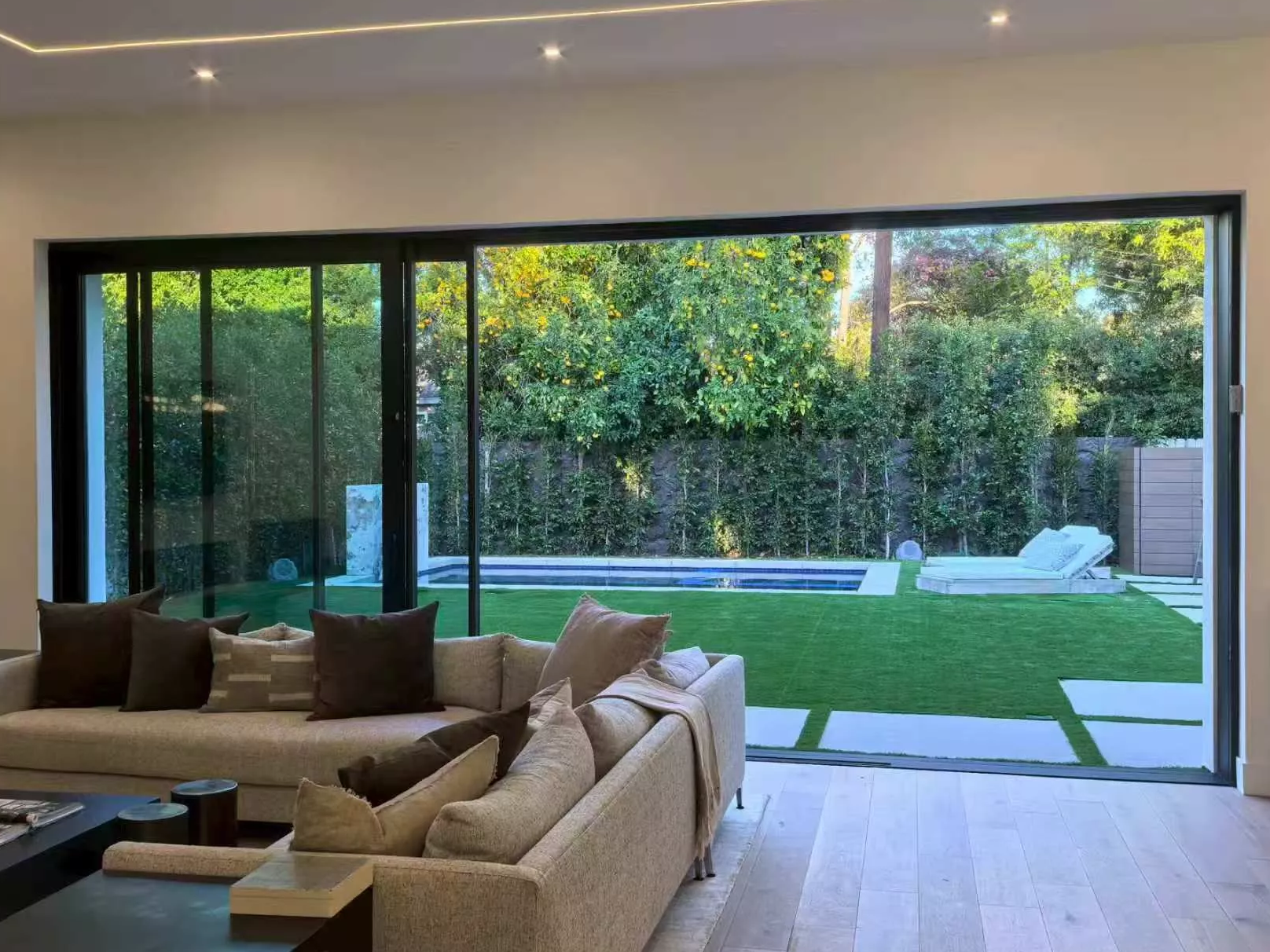
Sliding doors move along a track that sits parallel to your wall. You open the door by gently pushing one panel behind another. Modern sliding doors use lift and slide mechanisms, so you can move even large glass panels with little effort. The tracks are designed for smooth and quiet operation. You do not need to worry about panels swinging into your room or outside. This makes sliding doors a great choice if you want to save space in your home.
Tip: Sliding doors are easy to use every day. You can open them partially for ventilation or fully for access to your patio or deck.
How Glass Bifold Doors Work
Glass bifold doors use a folding mechanism. Each panel connects with hinges and folds back against the next, like an accordion. You can stack the panels to one or both sides of the opening. This design lets you open up almost the entire wall, creating a seamless flow between your indoor and outdoor spaces. Some bifold doors offer a low threshold option, which means the bottom track sits nearly flush with your floor. This makes it easier for everyone to move through, including people who use wheelchairs.
Bifold doors fold and stack neatly to the side.
You can choose to open just one panel for quick access or fold all panels for a wide opening.
The folding system is simple to operate and does not require much force.
Opening Size and Accessibility
When you compare sliding doors vs. bifold doors, you will notice big differences in how much space each type opens up and how easy they are to use. Bifold doors give you a larger opening, which is helpful if you want to move furniture or create a wide path for guests. Sliding doors usually open up about half to two-thirds of the total width, since one panel always overlaps another.
Here is a quick look at the average opening sizes:
Door Type | Average Width of Opening |
|---|---|
Bifold Doors | Up to 90% or more |
Sliding Doors | 50–70% |
Bifold doors also stand out for accessibility. The low threshold option creates a nearly flat surface, which reduces tripping hazards and makes it easier for people with mobility challenges to move in and out. You can enjoy a smooth transition from your living room to your patio. Sliding doors have a small track, but it may create a slight bump at the base.
Note: If you want the widest possible opening and the best accessibility, glass bifold doors are an excellent choice.
Views & Natural Light with Glass Bifold Doors and Sliding Doors
Unobstructed Openings with Bi-Fold Doors
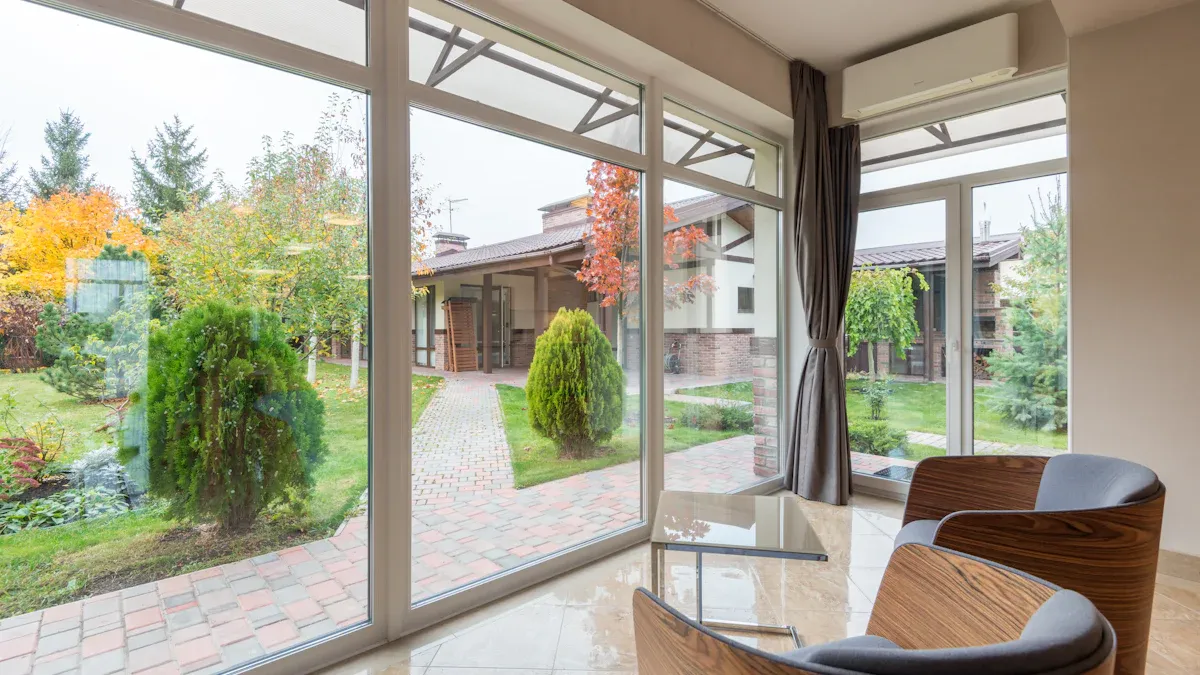
If you want to maximize your connection to the outdoors, bi-fold doors offer a unique advantage. When you open glass bifold doors, you can fold the panels away to create a wide, unobstructed opening. This design lets you enjoy indoor/outdoor living and makes your home feel larger and brighter. You gain more natural light and fresh air, which can transform your space.
Bi-fold doors allow you to open almost the entire wall, letting in more light and making it easier to move between inside and outside.
You can choose how many panels to open, giving you flexibility for different occasions.
When fully opened, bifold doors help you achieve a seamless flow and enhance your enjoyment of outdoor spaces.
If gaining more natural light is your goal, bi-fold doors make it possible by removing barriers between your living area and the outdoors.
Closed Views with Sliding Doors
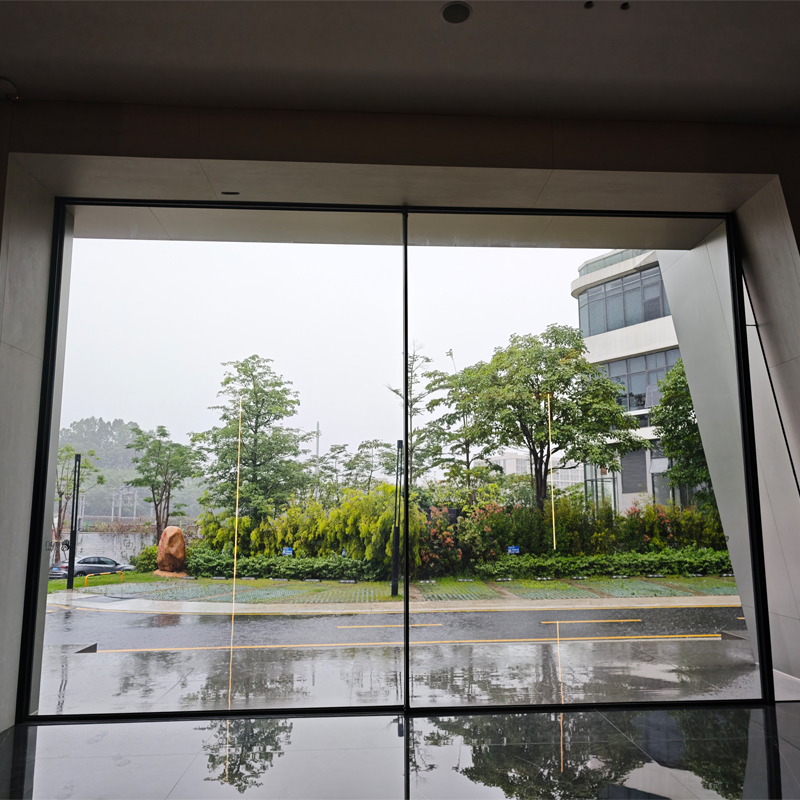
Sliding doors excel when you want clear views even with the doors closed. The panels are large, and the frames are slim, so you see more of your yard or patio. You get a bright and airy atmosphere in your home, thanks to the continuous glass panes.
Sliding doors provide a wider view when closed due to having fewer frames, whereas bifold doors have more frames that can obstruct the view when fully closed.
Sliding doors feature minimal framing, which means less interruption to your sightlines.
You enjoy more natural light throughout the day, even when the doors are shut.
The design of sliding doors helps you create a modern look and keeps your space filled with light.
If you prefer uninterrupted views and want your home to feel open and spacious, sliding doors are a strong choice. The panel and frame design play a big role in how much light and visibility you get, so consider what matters most for your space.
Space & Layout Considerations
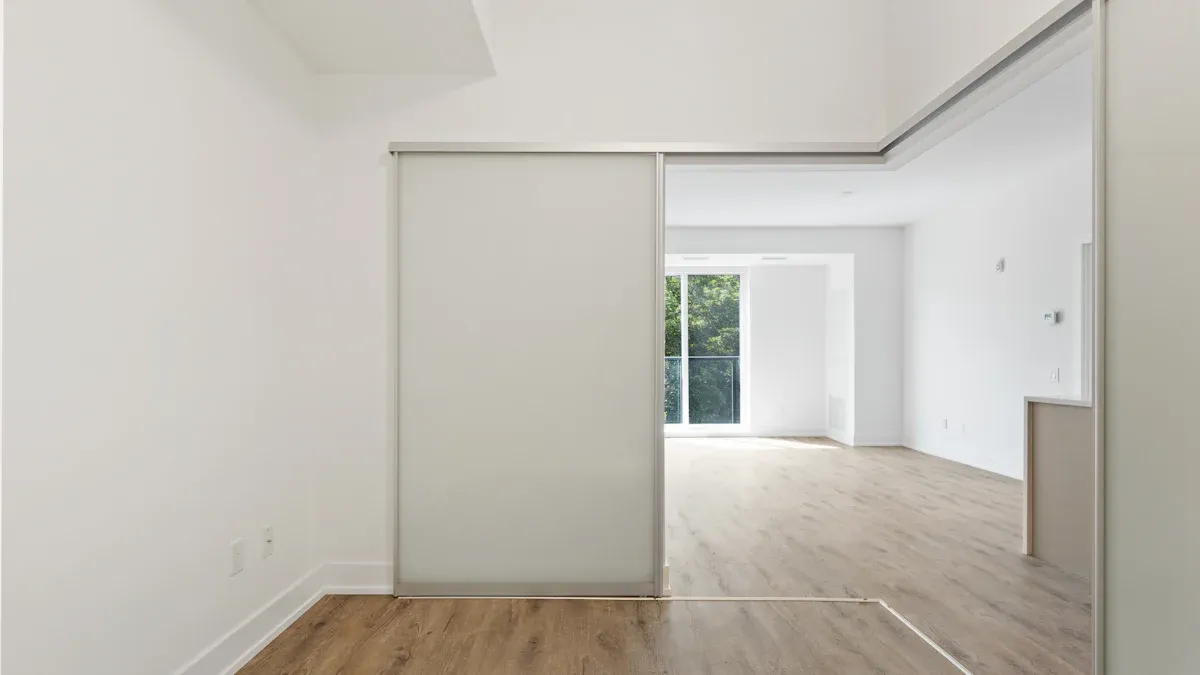
Floor Space for Bi-Fold Doors
When you choose glass bifold doors, you gain the ability to open up almost an entire wall. The panels fold and stack to one or both sides, which creates a wide, clear opening between your indoor and outdoor spaces. This design removes barriers and helps you host gatherings or enjoy fresh air with ease. However, you need to plan for the space where the panels will stack when open. If you have furniture or decor near the opening, you may need to rearrange these items to allow the panels to fold back smoothly.
Bi-fold doors are a great blend of functionality and style, but they can be challenging to install in larger closets. The hinges and tracks require precise alignment, and in wide openings, multiple bifold doors may be needed, complicating the installation process.
You should also consider the side clearance required for the stacked panels. This is important if your home has limited wall space next to the opening. The table below compares the space requirements for each door type:
Door Type | Space Requirements |
|---|---|
Bifold Doors | Require side clearance for stacked panels |
Sliding Doors | Need minimal clearance and are suitable for tighter layouts |
Space Efficiency of Sliding Doors
Sliding doors offer a smart solution for rooms where space is tight. These doors glide horizontally along a fixed track, so you do not need extra room for panels to swing or fold. This feature makes sliding doors ideal for small rooms, narrow patios, or areas with limited floor space. You can place furniture close to the door without worrying about blocking its movement.
Sliding doors are space-saving options that can increase usable floor space by 10-15%.
They are designed to be efficient, modern, and energy-efficient.
Sliding doors fit neatly within their track and do not require clearance zones. You can enjoy a clean, modern look while maximizing every inch of your living area. If you want to optimize your layout and keep your home feeling open, sliding doors are an excellent choice.
Style & Home Design Flexibility
Matching Door Styles to Home Types
You want your doors to match the style of your home. Both sliding and bi-fold doors can fit traditional, modern, or transitional designs. You can choose features that help your doors blend in or stand out.
For traditional homes, you might like French door styling. This includes multiple small glass panes and detailed frames. Frosted or etched glass adds privacy and a classic touch. Brass or antique hardware can give your doors an authentic look.
Transitional homes work well with neutral colors like white or gray. You can mix wood doors with metal handles for a balanced style. Clear glass panels help connect rooms and make spaces feel open.
If you have a modern home, consider sleek aluminum frames. Full-length glass panels let in more light and create a clean look. Minimalist hardware in chrome or matte black keeps things simple and stylish.
No matter your home’s style, you can find glass bifold doors or sliding doors that fit your vision.
Customization Options for Both Doors
You have many ways to customize your doors. This helps you create a look that matches your taste and meets your needs.
Frames come in many styles, textures, and finishes. You can pick one that fits your design goals.
Glass inserts range from simple frosted panels to detailed patterns. These options let you control privacy and light.
Patterns can be simple or complex. They add visual interest and can make your doors stronger.
Hardware choices include door pulls, locks, and handles. You can select pieces that match your style and how you plan to use the doors.
With these options, you can design glass bifold doors or sliding doors that truly reflect your personality and make your home unique.
Tip: Customizing your doors lets you create a space that feels just right for you and your family.
Security & Accessibility: Sliding Doors vs. Bi-Fold Doors
Locking Systems and Security Features
You want your home to feel safe and secure. Both sliding doors and glass bifold doors offer advanced locking systems to help protect your space. Here are some common options you can choose from:
Two-point locking handle
Two-point keyed locking handle
Thumb turn lock
Standard flush bolt
These locks give you flexibility. You can select the level of security that matches your needs. Many modern doors also allow you to add extra security upgrades, such as impact-resistant glass or auxiliary foot locks. Multiple locking points on bifold doors help keep each panel secure, while sliding doors often use a strong central lock. Always check that your chosen door meets your security expectations.
Tip: For extra peace of mind, look for doors with multi-point locking systems and consider adding a keyed lock for added protection.
Everyday Access and Wheelchair Friendliness
Accessibility matters for everyone in your home. Glass bifold doors stand out because they can create a level threshold. This means the bottom track sits flush with your floor, so there is no lip to trip over or block a wheelchair. You can open up to 90% of the doorway, making it easy to move large items or allow guests to flow in and out.
Sliding doors usually open about 65% of the space. The track that runs along the floor can be a tripping hazard, especially in busy areas. It can also make it harder for wheelchairs to cross smoothly. Some sliding doors have a weathered threshold, which is slightly raised for better weather protection, but this can increase the risk of tripping.
Bifold doors: Level threshold option, wide opening, easy for wheelchairs
Sliding doors: Raised track, smaller opening, possible tripping hazard
Note: If you want the best accessibility and the least risk of tripping, choose a bifold door with a non-weathered, level threshold.
Energy Efficiency & Durability
Insulation and Glass Options
You want your doors to help keep your home comfortable all year. Both glass bifold doors and sliding doors offer advanced insulation features. You can choose dual-pane or triple-pane glass for better energy savings. Dual-pane glass uses two layers with a gas-filled space in between. Triple-pane glass adds a third layer, which improves insulation even more.
Sliding doors often provide better energy efficiency. They have fewer segments and tighter seals, which means less air can leak in or out.
Bifold doors have more panels and frames, so they may let more heat pass through. However, triple-glazed bifold doors can still offer strong thermal performance.
Low-E (low-emissivity) glass is a smart choice for both door types. This special coating reflects heat back inside during winter and blocks unwanted heat in summer. You will notice lower energy bills because your heating and cooling systems do not have to work as hard.
Tip: Look for doors with insulated glass and Low-E coatings to boost comfort and save on energy costs.
Weather Resistance and Maintenance
You want doors that stand up to the elements and last for years. Both bifold and sliding doors use strong materials like aluminum and composite. These resist rust, fading, and damage from sunlight.
Here is a quick comparison of weather resistance and maintenance:
Feature | Bifold Doors | Sliding Doors |
|---|---|---|
Weather Resistance | Withstand strong winds; reinforced hinges prevent sagging | May jam in icy conditions; less effective in extreme weather |
Material Durability | Aluminum and composite last 20-30 years, resist corrosion and UV fading | Durability varies by material; generally good but may not match bifolds |
Maintenance Requirements | Remove debris quarterly; lubricate hinges yearly | Tracks need cleaning; usually less frequent maintenance |
Installation | Needs level base; professional fitting prevents leaks | Easier to install but still benefits from professional help |
You should clean tracks and hinges regularly to keep your doors working smoothly. Bifold doors need a bit more care, like removing debris and adding silicone to hinges once a year. Sliding doors need their tracks kept clear, but usually require less frequent attention.
Note: Proper installation and regular maintenance help both door types last longer and perform better.
Cost Comparison: Glass Bifold Doors vs. Sliding Doors
Purchase and Installation Costs
You want to know how much you will spend on new doors. The price can change based on the size, material, and features you choose. Here are some typical costs for glass bifold doors and sliding doors:
Folding or sliding glass operable walls usually cost between $1,600 and $2,000 per lineal foot.
Frameless multi-slide glass wall enclosures often range from $1,100 to $1,400 per lineal foot.
The estimated cost to install a bifold door starts at $422 to $844 per unit.
You should also think about installation complexity. Bifold doors may require more planning and skilled labor. Sliding doors are often easier and faster to install. If you want to save on labor, sliding doors might be the better choice. Both options offer value for money, but you need to consider your budget and the size of your opening.
Tip: Always ask for a detailed quote before you decide. This helps you avoid surprises and plan your project with confidence.
Long-Term Value and Home Resale
You want your investment to add value to your home. Both door types can improve your space, but there are key differences in how they affect resale value and daily living. The table below shows how each option compares:
Feature | Bifold Doors | Sliding Doors |
|---|---|---|
Potential Value Increase | 5-10% | N/A |
Natural Light | Enhanced | Moderate |
Thermal Efficiency | High | Moderate |
Aesthetic Appeal | Modern and spacious | Economical |
Space Transformation | High | Limited |
Bifold doors can increase your home’s value by up to 10%. They create a modern look and open up your living space. Sliding doors offer an economical way to enjoy more light and easy access. When you compare the pros and cons, think about your goals. If you want a dramatic change, bifold doors may be the best fit. If you prefer a simple upgrade, sliding doors have many pros as well.
Note: Both options can make your home more attractive to buyers. Choose the one that matches your needs and style.
Choosing Between Sliding Doors and Bi-Fold Doors
Decision Checklist for Homeowners
You want to make the best choice for your home. Use this checklist to compare sliding doors vs. bifold doors and decide which fits your needs.
How often will you use the door? If you plan to open and close it every day, think about ease of operation.
Do you want better access to outside spaces? Bi-fold doors can open almost the entire wall, while sliding doors open about half.
How much space do you have for the door to operate? Sliding doors need less space because they move along a track. Bifold (or folding) door systems need room for panels to stack.
What level of privacy do you want? The design of each door affects how much people can see inside.
Is energy efficiency important to you? Both types offer insulated glass, but the number of frames and seals can affect performance.
What is your main goal—maximize the access to the outdoors, improve security, or create a modern look?
Do you need a door that is easy for everyone to use, including children or people with mobility challenges?
Are you looking for a door that matches your home’s style and color scheme?
Will the door face harsh weather or heavy use, such as in hospitality or office settings?
Tip: Write down your answers to these questions. This will help you see which sliding or bifold patio door matches your priorities.
Here is a quick table to help you compare the pros and cons of each option:
Feature | Sliding Patio Doors | Bifold Patio Doors |
|---|---|---|
Opening Size | Partial (50-70%) | Wide (up to 90% or more) |
Space Needed | Minimal | Needs stacking space |
Ease of Use | Simple, smooth | Easy, but more movement |
Customization | Many sliding door options | Many panel/frame choices |
Security | Central lock, upgrades | Multi-point locking |
Energy Efficiency | High | High with proper glass |
Style | Modern, traditional | Modern, transitional |
Maintenance | Low | Regular hinge care |
Project Type and Space Needs
The type of project you have will guide your decision. Consider these points for new construction, remodels, or replacements:
For new construction, you can choose almost any door. Sliding doors create a seamless indoor/outdoor living experience. Bi-fold doors also work well, giving you flexibility and a dramatic look.
In a remodel, you may want to open up a wall or replace a window. Bifold doors fit many spaces and offer more configuration options, from two to eight panels. You can fold them to one side and save space when open.
For replacement projects, sliding doors are often easier to fit into existing openings. They require a level and wide space for installation and have fewer configuration choices.
Both sliding and bifold doors enhance ventilation, light, and style. They help you connect your indoor and outdoor spaces and increase your home’s value.
Note: Think about how much space you have, how you want to use the door, and what fits your budget. If you want a simple upgrade, sliding doors may be best. If you want a “wow” factor, choose glass bifold doors.
When you compare the pros and cons, remember your main goals. Do you want to maximize the access to the outdoors, improve security, or create a stylish focal point? Both sliding and bifold doors can help you achieve your vision for your home.
If you still feel unsure, talk to a door specialist. They can show you sliding door options and bifold patio doors that match your needs. You will find the right solution for your space, whether you want better access to outside spaces or a new look for your home.
You have many options when choosing between glass bifold doors and sliding doors for your home. Each door type offers unique strengths. Sliding doors give you a sleek look, better energy efficiency, and easy operation. Bifold doors provide wide openings and flexible configurations. Use the table below to compare key decision points and find the best fit for your needs.
Key Decision Points | Sliding Doors | Bifold Doors |
|---|---|---|
Configuration Options | Limited options | Highly configurable |
Energy Efficiency | Better thermal efficiency | Lower thermal efficiency |
Design Versatility | Sleek and polished look | Customizable, more frames when closed |
Cost Value | Varies by size and material | Varies by size and material |
User Convenience | Simple sliding mechanism | Folding mechanism, slightly less convenient |
Think about your space, style, and how you plan to use the door before making your final choice.
FAQ
What is the main difference between glass bifold doors and sliding doors?
Glass bifold doors fold and stack to the side, opening almost the entire wall. Sliding doors move along a track and usually open about half the width. You get a wider opening with bifold doors.
Which door type is easier to maintain?
You will find both types easy to maintain. Clean the glass and tracks regularly. Bifold doors need occasional hinge lubrication. Sliding doors need their tracks kept clear of debris.
Can I install these doors in an existing opening?
Yes, you can install both types in existing openings. Sliding doors fit most standard spaces. Bifold doors may need a wider opening or some adjustments. Always check measurements before you order.
Are both door types energy efficient?
Both door types offer energy-efficient glass options. You can choose dual-pane or triple-pane glass with Low-E coatings. This helps keep your home comfortable and reduces energy costs.
Do these doors improve home value?
Yes, both glass bifold and sliding doors can boost your home’s value. You add style, natural light, and better access to outdoor spaces. Many buyers look for these features in modern homes.