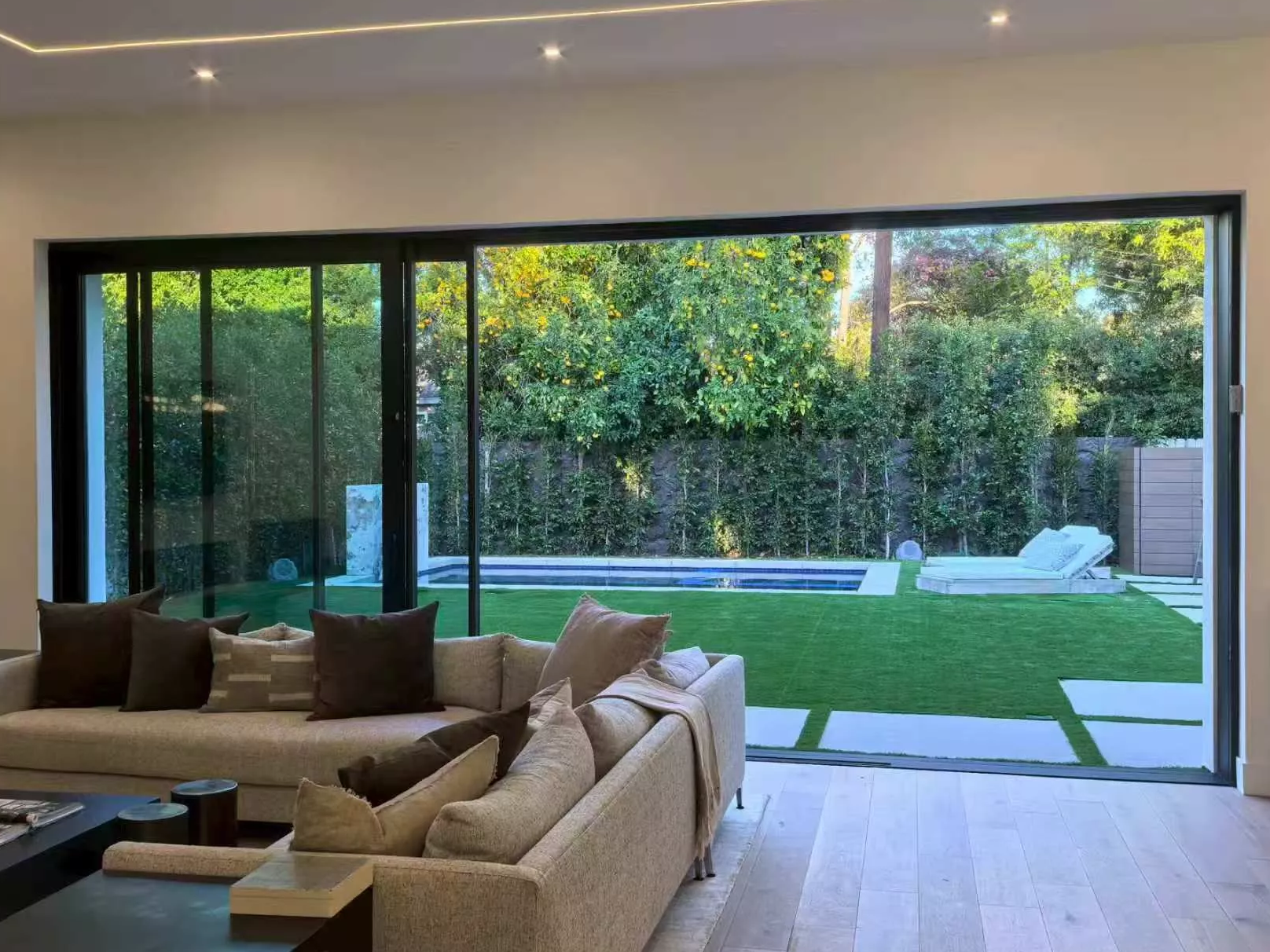
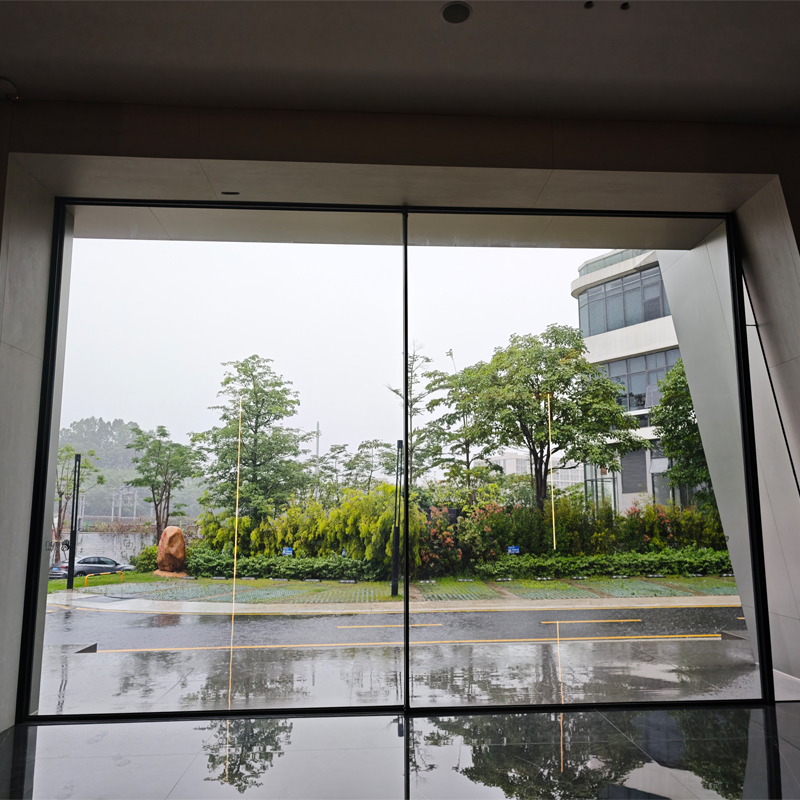
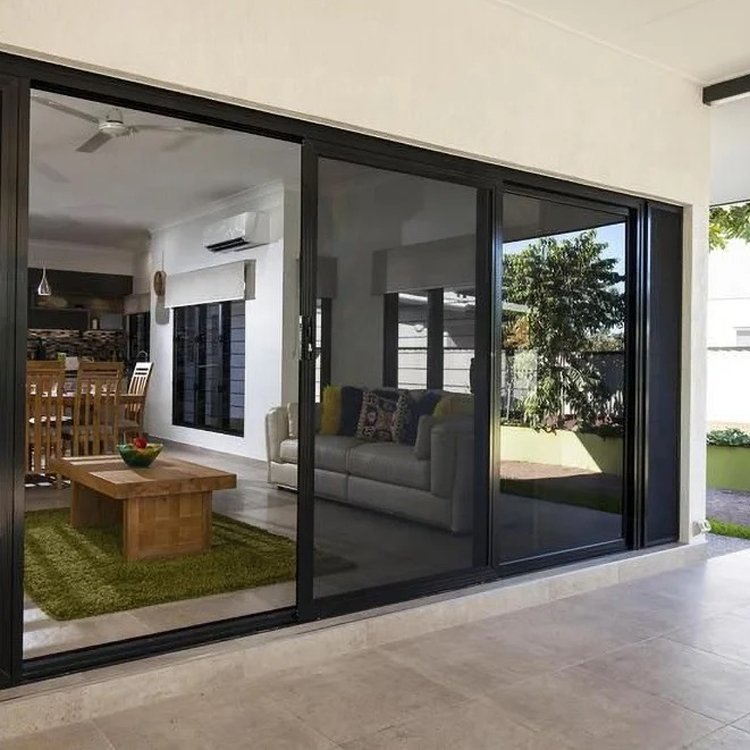
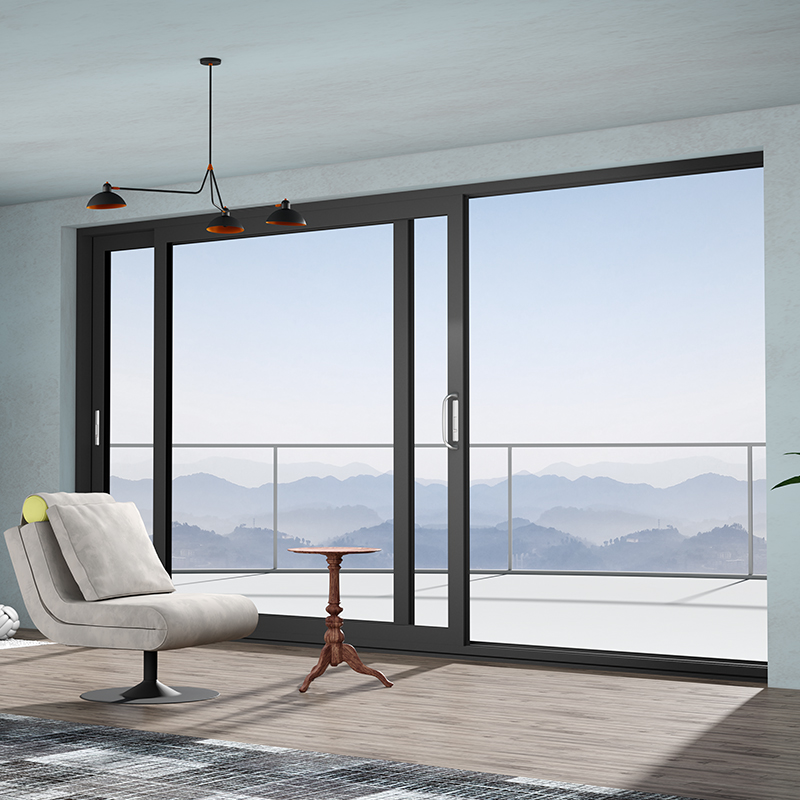
Looking for the best sliding door for bedroom use? You want something that saves space, looks great, and lets in natural light. Sliding doors make your room feel bigger and help you move around easily. Here’s what you get when you choose one:
Saves space since it does not swing open
Easy to use every day
Neat look that hides clutter
Lets in more light for a brighter room
Pick a door that balances privacy, style, and function. For the best results, follow expert tips and trust a pro for installation.
Key Takeaways
Sliding doors help save space. They make small bedrooms look bigger. They slide open and do not swing. This helps you put furniture in more places.
Pick the best material for your sliding door. Wood makes the room feel warm. Glass lets in more light. Aluminum is strong and easy to care for.
Frosted or tinted glass doors give you more privacy. They still let in sunlight. Think about what makes you comfortable when picking glass.
Getting a pro to install your door helps it fit well. It also makes sure it works smoothly. If you do it yourself, measure very carefully. Follow all the steps in the instructions.
Taking care of your door is important. Clean the tracks every month. Put oil on the rollers so your sliding door works well for a long time.
Choosing the Right Sliding Door for Bedroom
Door Types and Configurations
When you start looking for the perfect sliding door for bedroom spaces, you’ll see there are several types to choose from. Each one works best in different situations. Let’s break down the main options:
Door Type | Space Efficiency | Functionality |
|---|---|---|
Single Sliding | Good for small rooms, needs wall space | Simple, easy to use, slides one way |
Double Sliding | Great for wide openings | Both doors slide, easy access, stylish |
Pocket Doors | Maximum floor space, no clearance needed | Hides inside the wall, seamless look |
Bi-fold Doors | Less space than swing doors, some clearance | Folds to the side, full access to closet/area |
Single sliding doors work well if you have a small bedroom or a tight hallway. Double sliding doors look great for bigger rooms or if you want a wide opening. Pocket doors slide right into the wall, so you don’t see them at all when open. This style is perfect if you want to save every inch of space. Bi-fold doors fold up like an accordion, giving you full access to your closet or storage area.
Sliding doors are a top choice for maximizing usable space. Because they operate on a horizontal track, sliding doors require no clearance to swing open—unlike their hinged counterparts.
When you pick a sliding door for bedroom use, think about these factors:
Space and layout
Design and how it matches your room
Functionality and how you plan to use the door
Accessibility for everyone in your home
Visual appeal and how it fits your style
Price and your budget
Installation needs and any special features you want
You also want to avoid common mistakes. Many people focus only on how the door looks and forget about the material. Make sure you choose a door that is strong and fits your needs. For bedrooms, solid wood or frosted glass doors help with privacy and sound insulation.
Space and Layout Considerations
Before you buy a sliding door for bedroom spaces, you need to measure your room and check the layout. This step helps you avoid problems later.
Here’s how you can measure for the right fit:
Use a measuring tape to find the width and height of your doorway.
Measure from the inside edges of the door frame.
Take several measurements in case the frame is not perfectly straight.
Think about where your furniture sits. Sliding doors let you place beds, dressers, or desks closer to the wall because you don’t need space for the door to swing open.
Choosing to install a sliding door means automatically getting back all of the pointless floor space required for the swing door to open. This choice also gives us the flexibility to position furniture in a variety of places, since the new door will slide to the side along a wall.
You should also plan for the wall space the door will slide along. Make sure nothing blocks the track, like light switches or shelves. If you want a pocket door, check that your wall is thick enough to hold the sliding mechanism.
Cost is another thing to keep in mind. Here’s a quick look at what you might spend:
Type of Door | Cost Range |
|---|---|
Basic bypass doors (laminate/MDF) | $400–$700 |
Mid-range wood or mirrored doors | $600–$1,000 |
High-end glass or custom barn doors | $1,000–$1,500+ |
Labor costs | $150–$300 |
The average cost to install a sliding door for bedroom use is between $400 and $1,500 per door, including labor and materials. If you want something custom or high-end, the price can go higher.
Take your time to measure, plan your layout, and pick the door type that fits your needs. This way, you’ll enjoy a stylish, space-saving, and practical upgrade in your bedroom.
Materials and Style
Wood, Aluminum, Vinyl, and Glass Options
When you choose a sliding door for your bedroom, the material is important. Each material has its own good points and style. Here is a simple look at the most popular materials:
Material | Lifespan (Years) | Moisture Resistance | Warping Risk | Maintenance Level | Thermal Efficiency | Cost Range |
|---|---|---|---|---|---|---|
Aluminum | 30–45+ | Excellent | None | Low | Moderate | $$$ |
Wood | 20–40+ | Poor | High | High | High | $$$–$$$$ |
Vinyl | 20–30 | Excellent | Moderate | Very Low | Good | $–$$ |
Fiberglass | 40–50+ | Excellent | None | Very Low | Excellent | $$$$ |
Composite | 30–40 | Excellent | Low | Low–Moderate | Good–Excellent | $$$–$$$$ |
Fiberglass is the strongest and can last up to 50 years. It almost never warps. Aluminum also lasts a long time and does not need much care. Wood looks classic but needs more work to keep it nice. Vinyl costs less and is easy to clean. But it might not last as long as aluminum or fiberglass.
Tip: Pick aluminum or fiberglass if you want a modern look and easy care. Choose wood if you want your room to feel warm and cozy. Vinyl is a good choice if you want to save money and still keep heat in.
Matching Bedroom Decor
You want your sliding door to match your bedroom’s style. The right door can make your room look bigger, brighter, or more comfortable. Here is how different sliding door styles fit with popular room designs:
Sliding Door Style | Design Theme |
|---|---|
Pocket Door | Modern, Chic |
Glass Partitions | Contemporary, Open |
Traditional Barn Door | Rustic, Farmhouse |
Arched Interior Doors | Elegant, Classic |
People today want doors that look good and work well. Many pick doors with glass panels or two colors to let in more light and look modern. Some sliding doors even have lights inside or extra storage.
Think about your room’s colors and furniture. A wood door with a natural look is great for farmhouse or rustic rooms. Glass or aluminum doors are perfect for modern or simple rooms. If you want privacy but also want light, frosted glass is a smart pick.
No matter what style you like, you can find a sliding door for your bedroom that fits your taste and makes your room look great.
Privacy and Light Control
Frosted and Tinted Glass for Bedrooms
You want your bedroom to be private, but you also like sunlight. Frosted and tinted glass sliding doors can give you both things. Frosted glass stops people from seeing in or out. You can relax and not worry about anyone looking inside. It lets soft light come through, so your room feels bright and open.
Tinted glass works best in the daytime. It keeps your room private while sunlight comes in. At night, tinted glass does not block views as well if your lights are on. You may want to use curtains or shades for more privacy when it gets dark.
Here is a simple chart to show how frosted and tinted glass are different:
Type of Glass | Privacy Effectiveness | Light Transmission |
|---|---|---|
Frosted Glass | Complete privacy, blocks visibility | Diffuses light, keeps room bright |
Tinted Glass | Enhanced privacy during the day | Reduces light, allows some sunlight |
Tip: Frosted glass is best if you want full privacy and a soft glow. Tinted glass is good for privacy in the day and a modern style.
Balancing Light and Privacy
You do not have to pick just privacy or just light. Many sliding door styles help you get both at the same time. Pocket sliding doors save space and let you open your room for more light. Glass sliding doors with frosted panels keep your bedroom private but still let in sunlight.
You can use these ideas to control light and privacy:
Drapery panels make your room soft and block light when you want.
Cellular shades look modern and help save energy. They let in some light and keep your room private.
Sheer vertical shades let in gentle light and give you privacy in the day.
Plantation shutters are easy to clean and let you change light and privacy with a tilt.
Design Type | Pros | Cons | Best For |
|---|---|---|---|
Drapery Panels | Luxurious, versatile, softens door lines | Needs wall space, frequent cleaning | Bedrooms, living rooms |
Cellular Shades | Energy efficient, modern, light-filtering | Limited textures, can be expensive | Bedrooms, energy-conscious homes |
Sheer Vertical Shades | Privacy with natural light, elegant look | Harder to clean, not full blackout | Spaces for diffused light |
Plantation Shutters | Long-lasting, easy to clean, great control | Can be expensive, adds bulk | Traditional, coastal homes |
You can mix these ideas to make your bedroom just right. Try frosted glass with sheer shades for a cozy, private, and sunny room.
Security and Hardware
Multi-Point Locks and Secure Tracks
When you pick a sliding door for bedroom use, you want to feel safe and secure. The right locks and tracks make a big difference. Multi-point locks secure your door at several spots along the frame. This makes it much harder for anyone to force the door open. You get peace of mind knowing your bedroom is protected.
Secure tracks also help keep your door safe. They stop the door from being lifted off its track. Some tracks include anti-lifting devices, like roller pins or security bars, which add another layer of protection.
Here’s a quick look at common lock types and their security levels:
Lock Type | Security Level |
|---|---|
Double Bolt | High |
Mortise | High |
Two-Bolt | High |
Deadlock Bolt | High |
Patio Bolt | Medium |
Double bolt locks prevent the door from being lifted off the track.
Mortise locks are strong and hard to tamper with.
Two-bolt locks use two points for extra protection.
Deadlock bolts extend into the frame for top security.
Patio bolts are easy to use and help stop unwanted entry.
Tip: Choose a sliding door for bedroom with a multi-point lock and secure track for the best safety.
High-Quality Rollers
You want your sliding door to glide smoothly every time you use it. High-quality rollers make this possible. These rollers use strong materials and can handle the weight of the door. They also last longer and make less noise.
Good rollers help your door move easily, even if you open and close it many times a day. They also keep the door from getting stuck or coming off the track. Look for rollers that match your door’s size and weight. Adjustable rollers are a smart choice because you can fine-tune how the door moves.
Think about your room’s environment, too. If your bedroom is humid or gets hot and cold, pick rollers and tracks that resist rust and wear. This way, your sliding door for bedroom will work well for years.
Note: Clean your tracks and rollers often to keep your door sliding smoothly and quietly.
Energy Efficiency
Glazing and Insulation
You want your bedroom to feel comfortable all year. The right sliding door can help you save money on heating and cooling. Energy-efficient sliding doors use special glass and insulation to keep your room at the perfect temperature.
Low-E glass is a smart choice. It reflects heat back into your room during winter and keeps heat out in summer. This means your bedroom stays cozy when it’s cold and cool when it’s hot. Double glazing uses two panes of glass with a space in between. This setup cuts down on heat transfer, so your room stays warmer in winter and cooler in summer. If you live in a very cold place, triple glazing adds a third pane for even better insulation.
Here’s what you get with energy-efficient sliding doors:
Less heat escapes in winter and less heat enters in summer.
You avoid hot and cold spots in your bedroom.
Your heating and cooling system works less, so you save on energy bills.
You enjoy a more comfortable and stable indoor temperature.
Don’t forget about weatherstripping. Good weatherstripping blocks drafts and keeps your room sealed tight. Check for gaps around your door and replace old strips if needed. You can also add insulating curtains or window film for extra comfort.
Energy Star Ratings
When you shop for sliding doors, look for the ENERGY STAR label. This label means the door meets strict standards for energy savings. ENERGY STAR doors have low U-factors and Solar Heat Gain Coefficients (SHGC). These numbers show how well the door keeps heat in or out.
Glazing Level | U-Factor | SHGC |
|---|---|---|
Opaque | ≤ 0.17 | No Rating |
≤ ½-lite | ≤ 0.23 | ≤ 0.23 |
> ½-lite (Northern) | ≤ 0.28 | ≤ 0.40 |
> ½-lite (Southern) | ≤ 0.28 | ≤ 0.23 |
Tip: A lower U-factor means better insulation. A lower SHGC means less heat from the sun gets inside. Pick a sliding door with these ratings for the best energy savings and comfort in your bedroom.
Installation Tips
Professional vs. DIY Installation
When you decide to install a sliding door for bedroom use, you face a big choice: hire a professional or do it yourself. Each option has its own benefits.
Professionals save you time. They know how to handle tricky problems and have special tools for the job.
You get peace of mind because they make sure everything fits and works right. Many warranties require professional installation.
If you try DIY, you need the right tools and must follow instructions closely. This can save money if you feel confident.
DIY works best for simple projects. If you miss a step, you might end up with drafts or leaks.
Tip: If you want a smooth, worry-free experience, hiring a pro is the safest bet. If you love hands-on projects and have the right tools, DIY can be rewarding.
Accurate Measurements and Wall Strength
Getting the measurements right is key for a perfect fit. You also need to check your wall’s strength before you start. Here are some best practices:
Best Practice | Description |
|---|---|
Wall Structure Assessment | Find out if your wall is drywall, plaster, or concrete. Make sure it can hold the door. |
Finding Studs | Use a stud finder to mark where the studs are. This helps anchor the door securely. |
Evaluating Mounting Points | Check if the studs are in the right spot for brackets. Make sure the wall feels solid. |
Floor Material | Look at your floor type. Hardwood, tile, or carpet can affect how you install the track. |
Levelness | Use a level to check your floor. A flat floor helps the door slide smoothly. |
Protection | Lay down drop cloths or pads to keep your floor safe during installation. |
You want your sliding door for bedroom to move easily and last for years. Careful measuring and checking the wall will help you avoid problems later. If you feel unsure, ask a professional for help. They can spot issues you might miss.
Remember: Good planning makes installation easier and helps your door work perfectly.
Maintenance and Longevity
Cleaning Tracks and Rollers
You want your sliding door to work smoothly every time you use it. Regular cleaning and care make a big difference. Dust and dirt can build up in the tracks, making the door hard to open or close. You should clean the tracks at least once a month. Use a vacuum or a soft brush to remove dust and small debris. Wipe the glass panels with a mild soap and water mixture to keep them clear and bright.
Lubricate the tracks and rollers with a silicone-based spray every few months. If you use your door a lot, you might need to do this more often. Lubrication helps the rollers glide easily and keeps the door quiet. Always check the hardware, like screws and brackets, to make sure everything feels tight and secure.
Tip: If you notice the door sticking or making noise, clean the tracks and add lubricant right away. This simple step can prevent bigger problems later.
Here’s a quick checklist for sliding door care:
Clean tracks monthly to prevent dust buildup.
Wipe glass panels with mild soap and water.
Lubricate tracks and rollers twice a year.
Inspect seals and weather stripping for wear.
Replace damaged gaskets to stop water leaks.
Regular Inspections
You should inspect your sliding door every few months. Regular checks help you catch problems early and keep your door working well. Look for loose screws, worn-out tracks, or any strange noises when you open or close the door. If you see condensation between glass panels or feel drafts, you might need to replace seals or weather stripping.
Here’s a table showing common issues you might find:
Issue | Description |
|---|---|
Drafty Door | Damaged seals or misaligned frames let air in, making your room less comfortable. |
Noisy Door | Dirt or worn rollers cause grinding sounds when you slide the door. |
Door Not Closing Properly | Obstructions or warped frames stop the door from shutting all the way. |
Water Damage | Broken seals or frames let water in, which can damage your walls or floor. |
Loose Screws and Hardware | Screws and brackets can loosen over time, causing misalignment and making the door hard to use. |
You might also notice problems like locks not working, condensation between glass panels, or poor insulation. If you find any of these issues, fix them as soon as possible. Quick repairs help your sliding door last longer and keep your bedroom comfortable.
Note: Regular maintenance keeps your sliding door looking good and working well for years. A little care goes a long way!
You have lots of great options when picking a sliding door for your bedroom. Here are some expert tips to remember:
Recommendation | Description |
|---|---|
Space Efficiency | Sliding doors save space and make small rooms feel bigger. |
Material Choice | Pick wood for warmth, glass for light, or composite for durability. |
Natural Light | Glass panels brighten your room and create a welcoming feel. |
Professional Installation | A pro makes sure your door fits and works perfectly. |
Maintenance Tips | Clean tracks and oil moving parts to keep your door smooth. |
Want something special? You can choose wooden sliding doors, mirror glass doors, plexiglass, smoked glass, or even custom wardrobes. Talk to a pro for the best fit. Ready to upgrade? Start today and enjoy a stylish, secure, and bright bedroom!
FAQ
What is the best material for bedroom sliding doors?
You can choose wood for warmth, aluminum for a modern look, or frosted glass for privacy. Aluminum lasts longer and needs less care. Wood feels cozy. Frosted glass lets in light but keeps your room private.
How do I keep my sliding door running smoothly?
Clean the tracks every month. Use a vacuum or brush to remove dust. Spray silicone lubricant on the rollers twice a year. Tighten any loose screws. This keeps your door quiet and easy to open.
Can sliding doors help save space in small bedrooms?
Yes! Sliding doors move sideways, not outward. You get more room for furniture and storage. You can place your bed or dresser close to the wall without worrying about door clearance.
Do sliding doors provide enough privacy for bedrooms?
Frosted or tinted glass blocks views but lets in light. Solid wood doors offer full privacy. You can add curtains or shades for extra coverage. Choose the style that fits your comfort level.
Should I install my sliding door myself or hire a professional?
If you want a perfect fit and smooth operation, hire a pro. They have the right tools and experience. DIY works for simple jobs, but mistakes can cause problems. Professional installation gives you peace of mind.