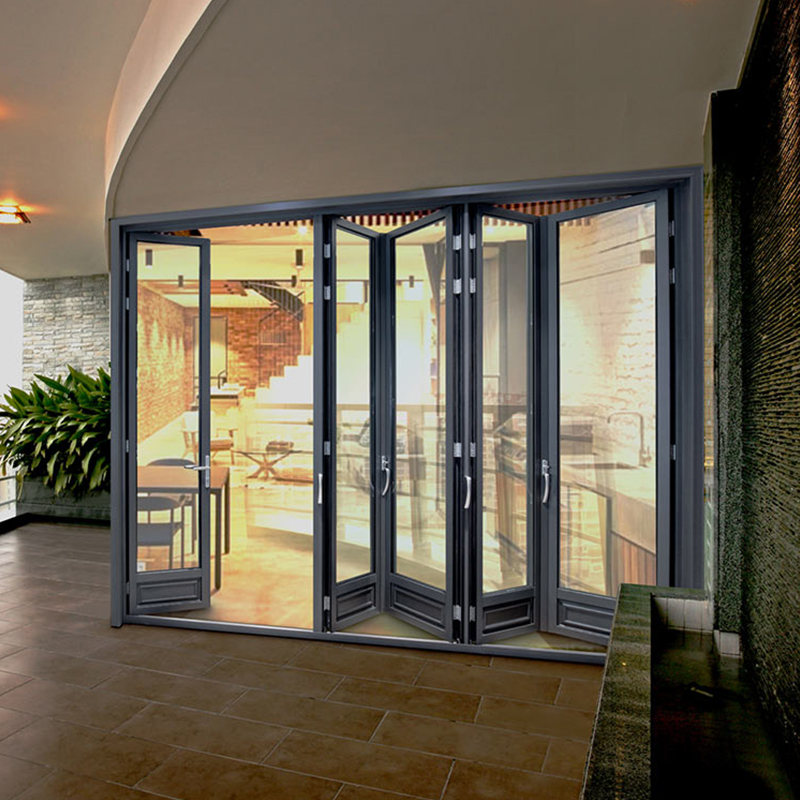
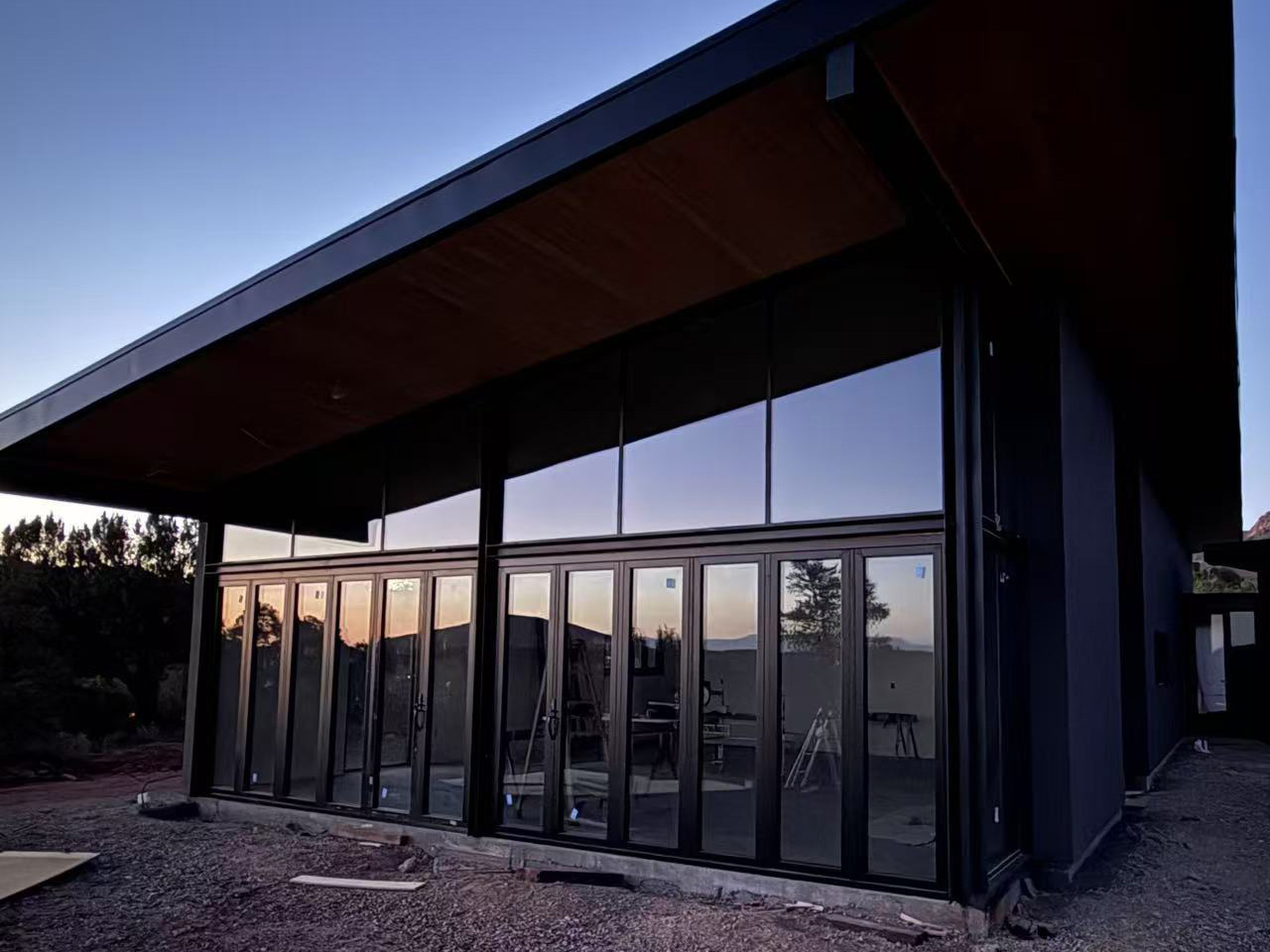
Thinking about making your space feel bigger and brighter? Internal bifold doors might be just what you need. These doors fold away neatly, giving you more room and letting light flow through your home. You get a modern look and the flexibility to open up or close off rooms whenever you want. Of course, bifold doors have a few things you’ll want to consider, like privacy, sound insulation, and making sure you have enough wall space for them to stack. Take a look at this quick table showing common pros and cons:
Pros | Cons |
|---|---|
Superior space savings | Installation challenges |
Enhanced aesthetics | Maintenance needs |
Seamless indoor flow | Less sound insulation |
If you want a stylish way to maximize space and light, bifold doors could be a great fit for your home.
Key Takeaways
Internal bifold doors fold up to save space. They work well in small rooms and tight spots. These doors let more sunlight into your home. This makes your rooms look brighter and more open. Bifold doors can split a room into two spaces. You can change your space for different uses. Think about privacy and noise when choosing bifold doors. They give some privacy, but not as much as solid doors. You need to install and care for them the right way. This helps bifold doors work well and last longer.
Benefits of Internal Bifold Doors
Space-Saving Design
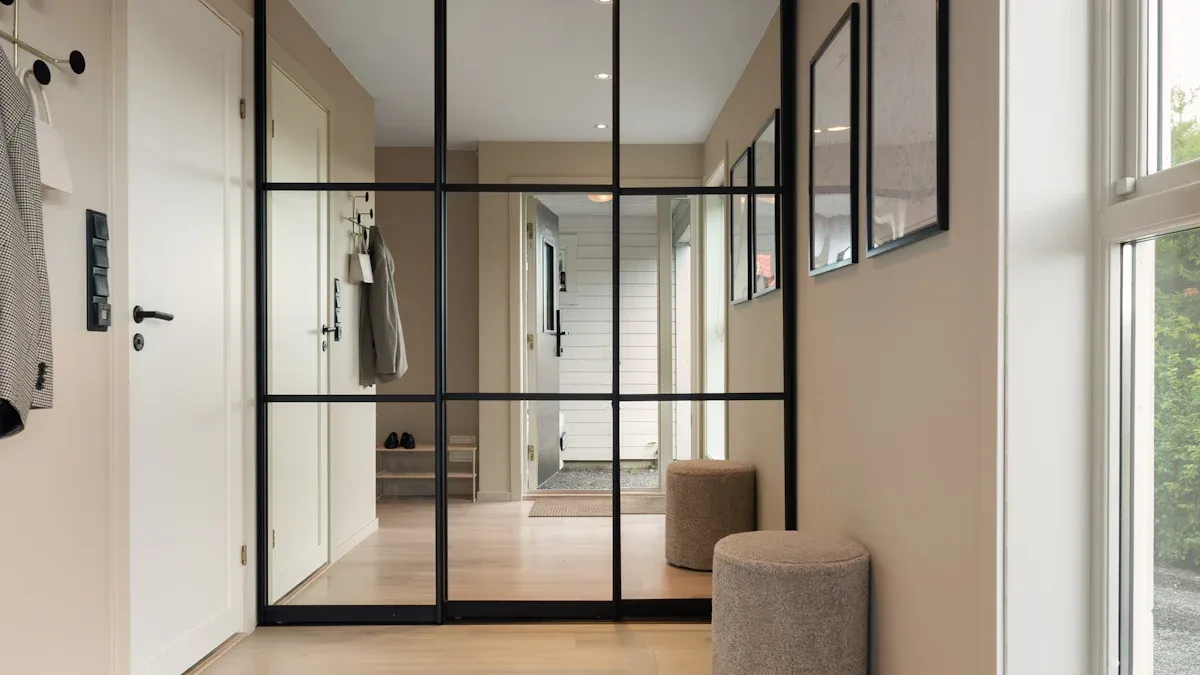
You want more room to move, right? That’s where internal bifold doors shine. These doors fold up instead of swinging out, so you don’t need to worry about a big door arc taking up precious floor space. This makes them a compact door solution for tight spots like closets, laundry rooms, or small bedrooms.
You can install bifold doors in narrow hallways or apartments.
They only need the space of one panel when open, so you get more usable floor area.
You can place furniture closer to the doorway without blocking the door.
Here’s a quick look at how bifold doors compare to traditional doors:
Feature | Bifold Doors | Traditional Hinged Doors |
|---|---|---|
Floor Space Needed | Minimal | Large swing radius required |
Best For | Small rooms, closets, pantries | Standard rooms |
Furniture Placement | Flexible | Limited by door swing |
You get space-saving functionality that makes your home feel bigger and less cluttered.
Enhancing Light and Room Flow
Want your home to feel open and bright? Bifold doors help with that, too. Many designs, especially Interior Glass bifold doors, let natural light pour from one room to another. You can connect your kitchen to your dining area or open up your living room to the patio. When you fold the panels back, you get full access between spaces.
Bifold doors have multiple panels joined by hinges.
They fold and stack to one or both sides, leaving a wide, clear opening.
You get an unobstructed view and a seamless connection between rooms or even indoor and outdoor spaces.
Tip: If you want to make a small room feel larger, choose bifold doors with glass panels. They let in more light and create a sense of openness.
Check out this table for the top benefits in different layouts:
Benefit | Description |
|---|---|
Seamless Transition | Bifold doors create a smooth flow between rooms or to outdoor areas. |
Space Efficiency | Panels stack neatly, so you can arrange furniture more freely. |
Natural Light | Glass panels brighten up your home and make rooms feel more open. |
Versatile Room Dividers
You want flexibility in your home. Internal bifold doors give you that. You can use them to split a large room into two smaller spaces or open everything up for parties and family time. They’re perfect for:
Separating kitchens from dining rooms.
Turning a big living area into a cozy den and a playroom.
Creating a private home office that you can open up when you need more space.
Bifold doors are popular in luxury apartments and compact city homes. They help you get the most out of every square foot. You’ll also see them in offices, where they create flexible work zones.
Here are some real-world examples:
Use Case | Description |
|---|---|
Enhancing Indoor-Outdoor Connectivity | Bifold doors connect indoor spaces with outdoor areas, perfect for entertaining. |
Space-Saving Closet Solutions | Great for small homes and apartments, making storage easy and efficient. |
Room Dividers in Commercial Settings | Used in offices to create flexible workspaces. |
Soundproofing in Multi-Functional Rooms | Provide privacy and noise control in home offices or media rooms. |
Modern and Stylish Appeal
You want your home to look good, too. Internal bifold doors bring a modern, stylish vibe to any space. Designers love them for their slim profiles and wide glass panels. You can pick from wood, glass, or aluminum to match your style.
Here are some trends you’ll see:
Matte or frosted glass for a soft, modern look.
Natural wood finishes like oak or walnut for warmth.
Statement hardware that adds personality.
Frameless designs for a seamless, minimalist feel.
Smart features for added convenience.
Bifold doors let you customize your space. You can choose finishes and hardware that fit your taste. They make your home feel fresh and up-to-date.
Note: If you’re planning an Internal bi-fold doors installation, think about the look you want. There are lots of options to match your decor.
With internal bifold doors, you get more than just a door—you get style, flexibility, and better functionality for your home.
Drawbacks of Internal Bifold Doors
Privacy and Sound Insulation
You might love how bifold doors open up your space, but you’ll notice they don’t block sound or provide as much privacy as solid doors. If you want to keep noise out or have a quiet bedroom or office, you’ll want to think twice before choosing bifold doors.
Here’s a quick look at how different doors compare for privacy:
Door Type | Privacy Level |
|---|---|
Solid Wood | High |
Solid Core | High |
Hollow Core | Minimal |
Bifold Doors | Moderate |
Sliding Doors | Moderate |
Solid core doors work best for blocking sound and keeping things private. Bifold doors offer moderate privacy. You can boost privacy with frosted glass or thicker panels, but you won’t get the same effect as a solid door. If you want to reduce noise, look for acoustic glazing or add seals to help dampen sound.
Note: If you need a quiet space for work or sleep, you might want to use bifold doors in less private areas like living rooms or kitchens.
Wall Space and Obstructions
Bifold doors need space to fold and stack along the wall. If you have furniture, shelves, or radiators near the opening, you might run into problems. The panels need a clear path to move smoothly.
Check for anything that could block the panels, like light switches or artwork.
Make sure you have enough wall space for the doors to stack when open.
Angled walls or tight corners can make installation tricky.
If your room is small or crowded, you might find it hard to use bifold doors. Always measure your space before you start an Internal bi-fold doors installation.
Maintenance and Cleaning Needs
Bifold doors look great, but they need regular care to keep working well. You’ll want to clean the tracks and glass panels often. Dust and dirt can build up and make the doors stick or squeak.
Here’s a simple checklist for keeping your bifold doors in top shape:
Clean the tracks and seals to stop dust and debris from building up.
Wipe down frames and glass with gentle cleaners—avoid harsh chemicals.
Lubricate locks, hinges, and tracks for smooth movement.
Check alignment and adjust if the doors start to drag or stick.
Handle glass panels with care to avoid scratches.
If you have Interior Glass bifold doors, use soft cloths and the right cleaning products to keep them clear and shiny. Always make sure the doors are secure before you start cleaning.
Installation Challenges
Installing bifold doors can be more complicated than you think. You need to measure the opening carefully. If you get the size wrong, the doors won’t fit or work smoothly.
Here are some common problems people face during Internal bi-fold doors installation:
Incorrect measurements can lead to gaps or doors that don’t close right.
Choosing the wrong type of bifold door for your space can cause damage over time.
Ignoring the condition of the door frame can lead to misalignment.
Skipping shims or rushing hardware installation can make the doors unstable.
Forgetting to lubricate or adjust the doors can cause sticking or uneven panels.
Check out this table to see how bifold doors compare to other types for installation:
Door Type | Installation Complexity | Key Benefits | Downsides |
|---|---|---|---|
Bifold Doors | Lower | Quick and easy installation | Needs clearance for folding panels |
Pocket Doors | Higher | Saves space | Requires wall modifications |
You’ll want to use quality hardware and tracks for smooth operation. If you’re not sure about measuring or fitting, it’s smart to get help from a pro. That way, your bifold doors will work well and last longer.
Tip: Take your time with installation. Careful prep and the right tools make a big difference in the final result.
Comparing Bifold Doors to Alternatives
Bifold vs. Sliding Doors
You might wonder if bifold doors or sliding doors work better for your space. Both options save space, but they feel different in daily use. Let’s break down the main differences so you can decide what fits your lifestyle.
Feature | Bifold Doors | Sliding Doors |
|---|---|---|
Opening Mechanism | Requires physical effort to operate multiple panels | Opens effortlessly with minimal input |
Space Efficiency | Excellent for maximum opening capability | Ideal for smaller spaces with consistent views |
Maintenance Needs | Requires more engagement for operation | Minimal maintenance required |
User Experience | Best for deliberate, event-driven use | Suited for high-traffic areas and quick transitions |
Bifold doors give you full access to your opening. You can fold the panels back and open up the entire wall. This is perfect for parties or when you want to connect two rooms. Sliding doors, on the other hand, move smoothly with just a gentle push. They work well in busy areas where you need to move in and out quickly.
Tip: If you love hosting and want to transform your space, bifold doors are a top pick. If you want something easy for everyday use, sliding doors might suit you better.
Here’s what you need to know about installation and upkeep:
Bifold doors can be tricky to install. You may need to adjust your walls or frames, which can add to the cost.
Sliding doors need you to keep the tracks clean. This helps prevent jamming.
With bifold doors, you should check the hinges and tracks often. Clean them and fix any issues right away.
Many homeowners choose bifold doors for their ability to open up a room and create a wow factor. Sliding doors win points for their simplicity and low maintenance. Think about how you use your space before you decide.
Bifold vs. Traditional Hinged Doors
Traditional hinged doors are what most people picture when they think of a door. They swing open on hinges and usually take up more space. Bifold doors fold away, which changes how you use your room.
Let’s look at the pros and cons:
Pros of bifold doors:
Open fully for complete access to the space
Fold away neatly against the wall
Work well in small or narrow rooms
Easy to install and maintain with the right tools
Come in many styles and finishes, including Interior Glass bifold doors
Cons of bifold doors:
May rattle or wobble if not installed well
Need hinge and track adjustments from time to time
Don’t look as seamless as sliding doors
Some mid-range bifold doors lack soft-close or smooth glide features
Larger bifold doors may need two hands to open
Traditional hinged doors offer a classic look and strong privacy. They block sound better and feel solid. Bifold doors give you flexibility and save space, especially in places where a swinging door would hit furniture or walls.
Note: If you want a modern look and need to save space, bifold doors are a smart choice. If you want more privacy and a classic feel, hinged doors might be better.
When Other Door Types Are Better
Sometimes, you need something different. Pocket doors, sliding barn doors, and even curtains can work better than bifold doors in certain spaces.
Pocket doors slide into the wall. They are perfect for small rooms where a regular door won’t fit.
Sliding barn doors look trendy and save space. They are easier to install than pocket doors and add a rustic touch.
Curtains are a budget-friendly option. You can hang them anywhere and change them easily to match your style.
You might pick pocket doors for a tiny bathroom or closet. Sliding barn doors work well in kitchens or bedrooms where you want a statement piece. Curtains are great for playrooms or creative spaces where you want flexibility.
Callout: If you want a simple, cost-effective solution, hanging curtains can be a fun and easy way to divide a room.
When you plan your Internal bi-fold doors installation, think about your needs. Do you want style, privacy, or just something quick and easy? There’s a door for every situation. If you want to connect your living room to your patio, external bifold doors can make your home feel bigger and brighter. For inside your home, Interior Glass bifold doors add light and a modern touch.
Choosing the right door comes down to your space, your style, and how you want to use your rooms. Take your time and pick what works best for you.
Cost and Value of Internal Bifold Doors
Price Range and Factors
When you start shopping for bifold doors, you’ll notice prices can vary a lot. The cost depends on several things, not just the size or style. Here’s what can affect the price:
Economic conditions and how much people spend on home upgrades
The cost and availability of materials like wood, aluminum, or glass
New technology, such as smart home features or better track systems
Your choice of eco-friendly or energy-efficient options
Local building codes and energy rules
Trends in your area and even the local climate
Let’s break down the average costs you might see:
Type | Door Cost (each) | Installation (per door) | Total Estimated Cost |
|---|---|---|---|
Single bifold | $35 - $60 | $100 - $300 | $135 - $360 |
Double bifold | $45 - $70 | $100 - $300 | $145 - $370 |
Full project (per unit) | - | - | $422 - $844 |
You might pay more for Interior Glass bifold doors or custom finishes. Remember, the total price includes both the door and the labor for Internal bi-fold doors installation.
Installation: DIY or Professional
You can install bifold doors yourself if you like DIY projects. This can save you some money, especially if you already have tools. Most people, though, hire a pro to make sure the doors fit and slide smoothly. A professional installer can handle tricky measurements and make sure the tracks line up just right.
DIY: Good for handy homeowners, but you need patience and the right tools.
Professional: Costs more, but you get peace of mind and a perfect fit.
If you want to avoid headaches, a pro can finish the job quickly and safely.
Long-Term Investment
Bifold doors do more than just look good. They can add real value to your home. For example, aluminium bifold doors stand out for their strength and long life. They last longer than wood or vinyl and need less upkeep. Many homeowners see a boost in property value—sometimes up to 10%—after adding quality bifold doors.
Sliding doors also offer value, but bifold doors give you more flexibility and a modern feel. If you ever decide to sell, buyers love homes with open, bright spaces. Choosing bifold or even external bifold doors can make your home more attractive and functional for years to come.
Style and Modernity of Bifold Doors
Current Trends and Glass Options
You want your home to look fresh and up-to-date, right? Bifold doors have become a favorite for modern interiors. Designers love how these doors open up rooms and let in tons of light. If you want a space that feels bigger and more connected, glass bifold doors are a top pick. They create panoramic views and make your rooms feel like they flow together.
Here are some of the most popular glass options you’ll see today:
Matte glass gives you a soft, modern vibe. It lets light in but keeps things private.
Frosted glass works great in smaller rooms. You get privacy without losing that bright, airy feel.
You’ll notice more homes using large glass panels and slim frames. This style makes your space feel open and connected to the outdoors. If you want to keep up with the latest trends, consider adding bifold doors with these features.
Tip: Want to boost natural light? Choose bifold doors with bigger glass panels and minimal frames.
Choosing the Right Finish and Material
Picking the right material for your bifold doors matters. It changes how your doors look, how long they last, and how much work you’ll need to keep them looking good. Let’s break down your main choices:
Aluminum: Lightweight, easy to clean, and comes in lots of colors. Aluminium bifold doors resist wear and tear, so you don’t have to worry about rust or scratches.
Timber: Classic and warm, but needs regular care. Wood can warp if it gets wet, so you’ll need to check it often.
Composite: Combines the best of both worlds. You get the strength of aluminum and the look of wood.
uPVC: Budget-friendly and low maintenance. These work well for smaller openings.
Here’s a quick table to help you compare:
Material | Durability | Maintenance | Appearance Options | Energy Efficiency |
|---|---|---|---|---|
Aluminum | High | Low | Many colors, wood grain finishes | Can lower energy bills |
Wood | Moderate | High | Classic, needs upkeep | Good thermal performance |
uPVC | Moderate | Low | Many colors, limited size | Good thermal performance |
Composite | High | Moderate | Mix of styles, strong and stylish | Varies by components |
When you choose a finish, think about your home’s style. Matte black frames look sleek and modern. Natural wood fits a cozy, traditional space. If you want less work, go for aluminum or composite. For a classic look, wood is always a winner.
Note: Always check insulation and noise reduction. Wood gives you good soundproofing. Aluminum with special glass can help block noise, too.
Bifold doors let you show off your style while making your home more practical. Whether you want a bold, modern look or something timeless, you’ll find a bifold that fits your vision.
Where Internal Bifold Doors Work Best
Ideal Rooms and Spaces
You want your home to feel open and flexible. Bifold doors help you do that. You can use bifold doors in many places. Here are some of the best spots:
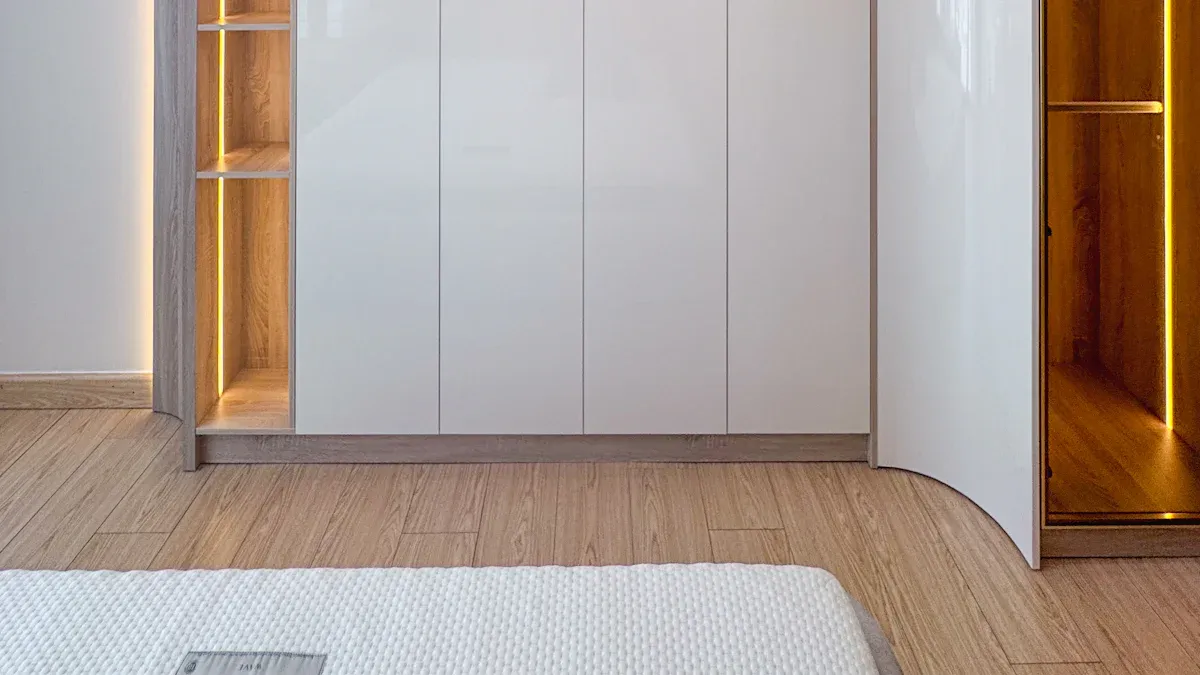
Closets and Wardrobes: Bifold doors fold away, so you get easy access to your clothes and shoes. You don’t need extra space for the door to swing out.
Laundry Rooms: You can hide your washer and dryer with bifold doors. They keep things tidy and save space.
Kitchens and Pantries: Bifold doors work well for pantry storage. You can open them wide to see everything inside.
Connecting Living Spaces: Want to join your dining room and living room? Bifold doors let you open up the area for parties or close it for quiet time.
Home Offices: You can create a private workspace with bifold doors. When you finish work, just fold them away.
Bedrooms to Ensuite Bathrooms: Interior Glass bifold doors add style and let in light. Frosted glass gives you privacy.
Here’s a quick table to show where bifold doors shine:
Room/Space | Why Bifold Doors Work Well |
|---|---|
Closet | Saves space, easy access |
Kitchen/Pantry | Wide opening, neat look |
Living/Dining | Flexible room divider |
Home Office | Privacy, opens up when needed |
Laundry Room | Hides appliances, space-saving |
Ensuite Bathroom | Light flow, privacy with frosted glass |
Tip: If you want a modern look, aluminium bifold doors fit well in kitchens and living rooms.
When to Avoid Bifold Doors
Sometimes, bifold doors are not the best choice. You should think about your needs before starting Internal bi-fold doors installation. Here are some situations where you might want to pick another door:
Small or Crowded Rooms: If you don’t have enough wall space for the panels to stack, bifold doors may not open fully.
Rooms Needing Maximum Privacy: Bedrooms and bathrooms often need solid doors for sound and privacy.
Spaces with Obstructions: Furniture, radiators, or shelves near the doorway can block the panels.
High-Traffic Areas: If people move through the space all day, sliding doors or hinged doors might work better.
You want your bifold doors to work smoothly. Always measure your space and check for obstacles before you install. If you need more privacy or have a tricky layout, consider other options.
Installation Tips for Internal Bifold Doors
Measuring for a Perfect Fit
Getting the right fit is the first step to a smooth Internal bi-fold doors installation. Grab your tape measure and check the height and width of your opening in three spots—top, middle, and bottom. Write down the smallest number for each. This helps your bifold doors fit snugly and work well. Don’t forget to measure the depth, especially if you want Interior Glass bifold doors, since the panels need space to fold back. Always double-check your numbers before you order.
Tip: Measure the wall space next to your opening. You’ll need enough room for the panels to stack when open.
Track Systems and Hardware
Choosing the right track system makes a big difference. You can pick from surface-mounted tracks or recessed tracks. Surface-mounted tracks are easier to install, but they leave a small step. Recessed tracks sit flush with the floor for a cleaner look. If you want a seamless transition between rooms, go with recessed tracks.
Here’s a quick table to help you decide:
Track Type | Pros | Cons |
|---|---|---|
Surface-mounted | Easy to install, affordable | Small step, visible |
Recessed | Flush finish, modern look | Harder to install |
Quality hardware matters, too. Look for strong rollers and hinges. Good hardware keeps your bifold doors gliding smoothly for years.
Common Installation Mistakes
You want your bifold doors to work perfectly, so watch out for these common mistakes:
Skipping careful measurements
Ignoring wall obstructions like radiators or shelves
Using low-quality tracks or hardware
Not leveling the track before installing
Forgetting to check door alignment after hanging
If you’re not sure about any step, ask a pro for help. A little extra care during Internal bi-fold doors installation saves you time and trouble later.
Remember: Clean the tracks before you finish. Dust and debris can make even the best bifold stick or squeak.
You’ve seen how internal bifold doors can make your home feel bigger and brighter. They save space, add style, and let light flow through your rooms. You should think about your privacy needs, wall space, and how much maintenance you want. Before you buy, measure carefully and look at your options. If you’re unsure, talk to a professional or explore different designs.
Check your space and needs
Consider style and privacy
Ask for expert advice if needed
Ready to upgrade your home? Take the next step and find the perfect doors for you!
FAQ
How do you measure for internal bifold doors?
You measure the height and width of your opening in three spots. Write down the smallest number for each. This helps your internal bifold doors fit perfectly. Always double-check before you order.
Do internal bifold doors need a track?
Yes, you need a track for smooth movement. Most Internal bi-fold doors installation uses a bottom track. Some designs use a top track for extra support, especially with heavier Interior Glass bifold doors.
Can you install internal bifold doors yourself?
You can install them if you enjoy DIY projects. You need basic tools and patience. If you want a perfect fit, hire a professional for Internal bi-fold doors installation.
Are Interior Glass bifold doors good for privacy?
Interior Glass bifold doors let in light but offer less privacy than solid doors. Frosted glass helps block views. You can use these in living rooms or kitchens where privacy is not a big concern.
What rooms work best for internal bifold doors?
You get the best results in closets, laundry rooms, kitchens, and connecting living spaces. Internal bifold doors save space and make rooms feel open. Avoid using them in bedrooms or bathrooms if you want more privacy.