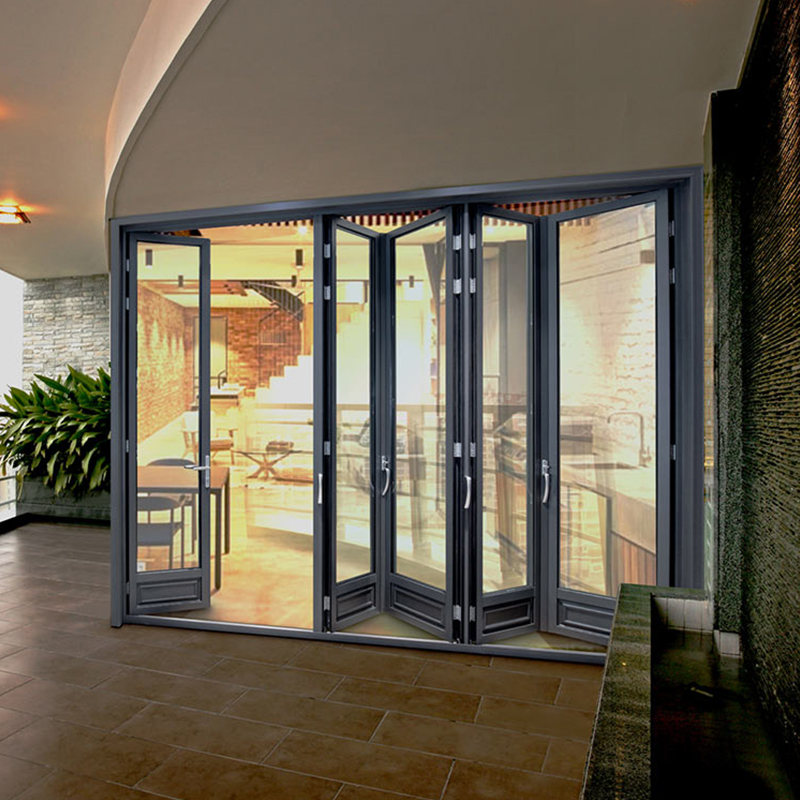
An interior bifold door folds in the middle and slides open along a track. I love how these doors make it easy to save space and add a modern touch to any room. Over the past decade, I’ve noticed more homeowners choose interior bifold doors for a few reasons:
They bring in more natural light.
They help connect spaces, making rooms feel bigger.
Builders now pick them for new homes because people want open-plan living.
If you want to make your space feel brighter or more open, you might find a bifold door is just the thing.
Key Takeaways
Bifold doors help save space and let in more light. This makes rooms look bigger and more open.
These doors are flexible and work in many places. You can use them for closets, laundry rooms, or to split a room.
Picking the right track system is very important. You can choose top-hung or bottom-rolling tracks. This helps the doors move well and makes them easy to put in.
You must measure carefully to make sure the doors fit. Always check if the opening is square. Measure more than once to be sure.
Clean the tracks and check the hinges often. This keeps bifold doors working well for a long time.
Think about what the doors are made of before you buy. Wood, aluminum, and uPVC all have their own good points.
Good locks make the doors safer, especially in private rooms.
You can pick the size, color, and hardware you like. This helps your bifold doors match your home’s look.
What Are Interior Bifold Doors?
How Bifold Doors Work
When I first saw bi-folding doors in action, I was amazed at how smoothly they moved. These doors fold in the middle and slide along a track. Each panel connects with hinges, so they fold up like an accordion. The panels glide along a track at the top or bottom, making it easy to open or close the door with just a gentle push.
Here’s a quick look at the main parts that help bi-folding doors work so well:
Component | Function |
|---|---|
Door panels | Fold and unfold to open or close the space. |
Hinges | Let the panels pivot and fold smoothly. |
Top and bottom tracks | Guide the panels and keep them steady. |
Rollers | Help the panels glide with little effort. |
Handles | Make it easy to open and close the doors. |
Locking mechanism | Add security and privacy when needed. |
Aligners | Keep the panels lined up and stop them from swinging out. |
I find that when all these parts work together, bi-folding doors feel light and easy to use. Even kids can open them without trouble.
Common Uses Indoors
I often recommend bifold doors for places where space matters. They fit almost anywhere and help rooms feel bigger. Here are some of the most popular spots where I see people use bi-folding doors:
Closets in bedrooms or hallways
Laundry rooms or utility spaces
Pantries in kitchens
Small bathrooms or en-suites
Home offices or study nooks
I like how bifold doors can make a tight spot feel open. They also add a modern look to any room. If you want to hide clutter or create a neat divider, internal bifolding door options work well.
Bifold vs. Other Door Types
When I compare bi-folding doors to regular hinged or sliding doors, I notice some big differences. Bifold doors can open up almost the whole doorway. This means you get a wide, clear opening, which is great for moving furniture or just making a room feel more open. Sliding doors only let you use about half the space, since one panel always covers part of the opening.
I also like that bi-folding doors let you open just one panel if you want. This makes them handy for everyday use. Sliding doors sometimes have a high track, which can be a tripping hazard. Bifold doors usually have a low track or sometimes just a top track, so they are easier to walk through. They are also more wheelchair-friendly, which is important for many families.
If you want a door that saves space, looks stylish, and gives you easy access, bifolding doors are a smart choice. I have seen them work well in all kinds of homes, from small apartments to big houses.
Where to Use Bifold Doors
I love how flexible bifold doors are. I have seen them work in so many different spaces, from tiny closets to big open rooms. If you want a door that fits almost anywhere, bi-folding doors are a great choice. Let me walk you through some of the best places to use them and share a few tips I have learned along the way.
Closets and Bedrooms
I often recommend bifold doors for closets and bedrooms, especially when space is tight. Traditional doors swing out and take up valuable floor space. Bifold doors fold and slide along a track, so they need much less room to open. This makes them perfect for small bedrooms or narrow hallways. I also like that they come in so many styles. You can pick a simple solid panel, a mirrored finish, or even a door with glass inserts. Some windowed options let light flow through, making your room feel brighter and more open. If you want to create a seamless transition between your closet and bedroom, bi-folding doors make it easy.
Laundry and Utility Spaces
Laundry rooms and utility spaces can get crowded fast. I have found that bi-folding doors help keep these areas neat and easy to access. When I help someone choose a door for these rooms, I always look at a few key things:
Consideration | Description |
|---|---|
Material | Pick a material that matches your style and stands up to moisture. Solid wood, aluminum, or glass all work well. |
Size and Fit | Measure carefully. Custom sizes are available if your opening is not standard. |
Style | Choose from classic wood, modern glass, or mirrored panels to match your space. |
Track System | A good track system keeps the door moving smoothly and stops it from wobbling. |
If your laundry room has an uneven floor, I suggest using shims or a block under the jamb to keep the door level. This helps the door open and close without sticking.
Room Dividers and More
One of my favorite uses for bifolding doors is as room dividers. In open-plan homes, these doors can create separate zones for work, play, or relaxing. I like how they give you full access to the opening, unlike sliding doors that always block part of the space. Here are some reasons I think bi-folding doors work so well as room dividers:
They let you open up the whole space for an open living experience.
You can close them to make a private area when you need it.
They fit in narrow spots, so you can use them almost anywhere.
They come in many styles, so you can match your décor.
Room dividers help manage noise and make your home more comfortable.
If you want to keep your space bright, bifold doors with glass panels let light flow from one room to another. This keeps your home feeling open, even when the doors are closed.
Tip: Before you install bi-folding doors, check your floors and walls. Uneven floors can make doors hard to open. I always clean the doorway, use a level, and adjust the frame if needed. Sometimes, I cut one jamb shorter or use a block under the bracket to help with carpet or uneven surfaces. Taking these steps makes sure your doors work smoothly.
Bifold doors are one of the most versatile choices I have seen. Whether you want to save space, add style, or create a seamless transition between rooms, these doors can do it all.
Measuring for Interior Bifold Doors
Measuring Height and Width
Getting the right fit for bifold doors starts with careful measuring. I always tell people not to rush this step. If you measure wrong, your doors might not fit or work smoothly. Here’s how I do it:
I check if the opening is square. I measure diagonally from the top left corner to the bottom right, then from the top right to the bottom left. If the numbers match, the opening is square.
Next, I measure the width in three places: at the top, in the middle, and at the bottom of the opening. I write down all three numbers.
I do the same for the height. I measure on the left side, in the center, and on the right side.
I look at all my measurements and pick the smallest width and the smallest height.
I subtract half an inch from both the width and height. This gives me the size I need for my bifold doors.
Tip: Always use a metal tape measure for the most accurate results. Double-check your numbers before you order or cut anything.
Fitting Tolerances
I’ve learned that bifold doors need a little extra space to move without sticking. This extra space is called a fitting tolerance. Most of the time, I leave about half an inch of space around the door. This helps the panels fold and slide without rubbing against the frame.
I always deduct half an inch from my smallest measurements. This makes sure the doors open and close smoothly.
Some manufacturers might suggest a different tolerance, so I check the instructions that come with the doors.
If I’m ordering custom bifolding doors, I give the manufacturer my exact opening size. They will figure out the right tolerance for me.
Note: If you skip this step, your doors might get stuck or scrape the frame. A little space goes a long way!
Floor Clearance Needs
Floor clearance is another thing I always check. Bifold doors need to clear the floor so they don’t drag or get stuck. I usually leave about half an inch between the bottom of the door and the floor. This works well for most homes.
If you have carpet, you might need a bit more clearance. I sometimes use a small block of wood under the track to raise it up.
For tile or hardwood, half an inch is usually enough.
I always check the manufacturer’s guide, just in case they recommend a different gap.
Tip: If your floor isn’t level, measure from the highest point. This helps the doors swing freely and keeps them from rubbing.
Measuring might seem tricky at first, but I find it gets easier with practice. Taking your time now will save you a lot of trouble later. When you measure carefully, your bifold doors will fit just right and work smoothly for years.
Installing on Carpet or Uneven Floors
I know that installing bifold doors on carpet or uneven floors can feel tricky. I’ve done it many times, and I always follow a few steps to make sure the doors work smoothly. Let me walk you through my process.
I start at the top. I fit the tracking to the door frame and screw in the top door pins. This gives the door a strong anchor.
Next, I add the bumper in the center of the track. I install the pivot brackets so the door can swing and fold without sticking.
I move to the bottom bracket. I align it on the floor, leaving about half an inch between the carpet and the bracket. This gap helps the door clear the carpet when it opens.
If I’m working on carpet, I cut two pieces of wood, usually one inch by three inches. I place one on the carpet where the bottom bracket will go. I mark and cut the carpet around the wood so it sits flat.
I position the bottom bracket on the wooden block. I mark the holes, drill them, and fasten the screws. This keeps the bracket steady and stops the door from rubbing against the carpet.
Finally, I install the door. I insert the pins into the predrilled holes and align them with the brackets. I check that the door folds and slides without catching.
Tip: If your floor isn’t level, use shims or blocks under the bracket to even things out. I always test the door a few times to make sure it opens and closes easily.
I find that taking these steps makes a big difference. The door glides smoothly, and you don’t have to worry about it getting stuck on the carpet or an uneven spot. If you measure and adjust carefully, your bifold door will look great and work perfectly.
Bifold Door Track Systems
Top-Hung vs. Bottom-Rolling
When I help someone choose a bifold door system, I always look at the track type first. There are two main styles: top-hung and bottom-rolling. Each has its own strengths and challenges. I put together a table to show the differences:
Feature | Top-Hung | Bottom-Rolling |
|---|---|---|
Durability | Less prone to debris accumulation, leading to smoother operation over time. Repairs can be complex if issues arise with the overhead track. | Floor tracks can collect dirt and debris, requiring regular cleaning to maintain functionality. |
Ease of Installation | Requires a sturdy overhead structure to support the door’s weight, making it suitable for new constructions. | Easier to install in existing structures as it does not require modifications to overhead support. |
I notice that top-hung tracks stay cleaner because they don’t sit on the floor. Bottom-rolling tracks are easier to install, especially in older homes. If you want a bifold door system that lasts longer without much cleaning, top-hung might be the way to go. If you want a quick install, bottom-rolling works well.
Choosing the Right Track
Picking the right track for your bifold door system depends on your home and your needs. I always ask myself a few questions before I decide:
Do I have a strong beam or lintel above the doorway? Top-hung tracks need solid support overhead.
Is my floor level and free of obstacles? Bottom-rolling tracks work best on smooth, clean floors.
Am I installing in a new build or an older house? Top-hung tracks suit new builds, while bottom-rolling tracks fit older homes better.
Here’s another table that helps me compare installation needs:
Installation Considerations | Top-Hung | Bottom-Rolling |
|---|---|---|
Installation | Needs a strong lintel or beam overhead to bear the weight. | Lower balancing of weight makes it easier to install. |
If you’re not sure which track to pick, I suggest looking at your doorway and thinking about how much work you want to do. Sometimes, talking to a professional helps. I always check the manufacturer’s guide for extra tips.
Handling Track Installation Challenges
I’ve run into a few common problems when installing bifold door tracks. Here are some issues I see most often and how I fix them:
Misalignment of door tracks: Sometimes the tracks don’t line up because the building has shifted or the tracks are old.
I realign the tracks and add a little lubricant to help the doors slide smoothly.
For a long-term fix, I use bifold doors designed to move with the building, so the tracks stay in place.
Tip: Always check the alignment before you finish the installation. A quick adjustment now saves a lot of trouble later.
If you keep your tracks clean and check them once in a while, your bifold door system will work well for years. I find that a little care goes a long way.
Bifold Door Materials

When I help people pick out bifold doors, I always start with the material. The right choice can change how your door looks, feels, and lasts. Let me walk you through the most popular options I see every day.
Wood and Engineered Wood
Wood remains the classic choice for interior bifold doors. I love the warmth and natural look it brings to a room. Solid wood doors feel sturdy and can last for years if you take care of them. However, I’ve noticed that solid wood can swell or warp if it gets too much moisture. That means you need to seal and refinish it from time to time.
Engineered wood is another option I often recommend. It’s made by layering wood fibers or veneers, so it handles humidity better than solid wood. I find that engineered wood doors need less maintenance and keep their shape longer. Here’s a quick comparison:
Feature | Solid Wood | Engineered Wood |
|---|---|---|
Moisture Resistance | Can swell or warp if not sealed | Handles humidity better |
Maintenance | Needs regular sealing and refinishing | Easier to maintain, keeps shape longer |
If you want a door that looks traditional and feels solid, wood is a great pick. For busy homes or humid areas, engineered wood might be the smarter choice.
Aluminum and Metal
Aluminum bifold doors have become very popular in modern homes. I see them everywhere, from sleek city apartments to stylish offices. These doors stand out because they are strong, light, and don’t rust. I like that they come in many finishes, so you can match them to almost any décor.
One thing I always point out is how easy aluminum bifold doors are to take care of. You just wipe them down, and they look new again. They also last a long time, which makes them a good investment. Here’s what I’ve noticed about them:
Benefits of Aluminum Bifold Doors | Drawbacks of Aluminum Bifold Doors |
|---|---|
Durable and long-lasting | Higher initial cost |
Low maintenance | Seals need regular checks |
Energy efficient, can lower bills | May lose efficiency if not maintained |
Many finishes and styles available | |
Flexible configurations |
I always remind people that aluminum bifold doors might cost more at first, but you save money on upkeep. If you want a door that looks sharp and works well for years, aluminum bifold doors are a top pick. I’ve also seen them used in places where you want a modern, clean look.
uPVC and Composite
If you want something that’s easy to care for and keeps your home comfortable, uPVC and composite doors are worth a look. I often suggest uPVC for families who want a door that insulates well and lasts a long time. These doors keep out drafts and help with energy bills. With the right care, uPVC doors can last up to 35 years.
Composite doors mix different materials to get the best of both worlds. They feel strong and keep heat in, which is great for saving energy. I’ve found that composite doors work well in busy homes because they don’t scratch or dent easily.
Here’s a quick table to show how they compare:
Door Type | Insulation Properties | Longevity |
|---|---|---|
uPVC | Excellent insulation, resists temperature changes | 25-35 years |
Composite | High insulation, energy efficient, very durable | Very long-lasting |
Tip: If you want a door that’s easy to clean and keeps your home cozy, uPVC or composite might be your best bet.
When I look at the market, I see wood, aluminum, glass, vinyl, and fiberglass as the main materials people choose. Each has its own strengths, but aluminum bifold doors stand out for their style and durability. I always help my clients pick the material that fits their home and lifestyle best.
Pros and Cons by Material
When I help people choose bifold doors, I always look at the pros and cons of each material. Every home is different, so what works for one person might not work for another. I want to make this easy for you, so I put together a table that shows the main benefits and drawbacks of the most popular bifold door materials.
Material Type | Pros | Cons |
|---|---|---|
Aluminum | - Gives you wide, panoramic views | - Can let in drafts if not fitted well |
uPVC | - Makes a smooth link to outdoor spaces | - Cleaning can be a bit tricky |
Wood | - Looks beautiful and feels warm | - Needs regular care to stay looking nice |
I see aluminum doors in many modern homes. They look sleek and let you enjoy big views. I like that they don’t rust and you don’t have to paint them often. If you want a door that lasts and keeps your home safe, aluminum is a smart pick. Just make sure the installer fits them tightly, or you might feel a draft on cold days. I notice the hinges show when the doors are closed, but most people don’t mind.
uPVC doors work well if you want a simple, easy-to-use option. I find them great for linking a room to a patio or garden. You can pick how many panels you want and how they open. Cleaning takes a little effort, but a quick wipe with a damp cloth usually does the trick.
Wood doors always catch my eye. They add warmth and style to any room. I love how they keep rooms quiet and cozy. If you pick wood, plan to spend some time on upkeep. I sand and seal my wood doors every few years to keep them looking fresh. If you skip this step, the wood might warp or fade.
Tip: Think about your lifestyle before you choose. If you want something that looks good and needs little care, aluminum or uPVC might be best. If you love classic style and don’t mind a bit of work, wood could be perfect.
I always tell people to match the door material to their needs. Some want easy cleaning, others want a natural look. No matter what you pick, a good bifold door can make your home brighter and more welcoming.
Bifold Door Costs
Price Ranges
When I help friends or clients shop for bi-folding doors, the first question is always about price. I get it—everyone wants to know what to expect before they start. The cost can change a lot depending on the material and size you pick. Here’s a table I often share to give a quick overview:
Door Type | Price Range |
|---|---|
Solid Wood | $250 - $1,000+ |
Hollow Core | $50 - $200 |
MDF | $150 - $400 |
Glass/Mirrored | $200 - $700 |
Standard Sizes | $150 - $300 |
Mid-to-High | $200 - $700 |
Ventilation Areas | $180 - $450 |
Higher Investment | $250 - $600 |
I notice that hollow core doors cost the least, while solid wood and glass options sit at the higher end. If you want something special, like mirrored panels or custom sizes, the price can go up fast. Most people find a good fit in the $150 to $700 range for standard bi-folding doors.
Factors Affecting Cost
I always tell people that the price of bi-folding doors depends on more than just the sticker tag. Here are the main things I look at:
Material choice makes a big difference. Solid wood costs more than MDF or hollow core.
The size of the opening matters. Bigger doors or custom sizes add to the price.
Special features, like glass panels or mirrored finishes, can raise the cost.
Installation costs can range from $417 to $833 per door if you hire a professional.
The benefits you get—like more light, extra space, and a better connection between rooms—can make the investment worth it.
If you want to save money, I suggest looking at standard sizes and simple designs. Custom orders and fancy finishes will cost more.
Budgeting Tips
I’ve learned a few tricks to help people get the most for their money when buying and installing bi-folding doors:
Plan for both the door and installation. Labor can cost as much as the door itself.
Hire a professional for installation. This helps avoid mistakes and keeps your doors working well for years.
Take care of your doors with regular checks and cleaning. This stops small problems from turning into big repairs.
Pick materials and styles that match your home. The right choice can boost your home’s value and make it more comfortable.
Tip: If you want to save, stick with standard sizes and finishes. Only go custom if you really need it.
I always remind people that bi-folding doors are an investment. With smart choices and good care, they can last a long time and make your home feel bigger and brighter.
Installing Interior Bifold Doors
DIY vs. Professional Install
When I think about bifold door installation, I always ask myself if I want to do it myself or hire a pro. I have tried both ways, and each has its own pros and cons. Here’s a table that helps me decide:
Aspect | DIY Installation | Professional Installation |
|---|---|---|
Quality Assurance | Risk of improper installation leading to issues | Certified installers ensure correct operation and efficiency |
Licensing | May not comply with local regulations | Typically licensed and follows regulations |
Warranty Protection | May void warranty if not installed by a pro | Protects investment with warranty coverage |
Safety | Higher risk of accidents during installation | Focus on safety reduces injury risk |
Time Efficiency | Can take longer due to inexperience | Professionals complete installation quickly |
If you like hands-on projects and have some tools, you might enjoy doing bifold door installation yourself. I find it rewarding, but it can take longer and sometimes gets tricky. If you want peace of mind, a professional can finish the job fast and make sure everything works right. I always remind people that some warranties only apply if a pro does the work.
Step-by-Step Installation
I have installed many bifold doors, and I always follow a simple process. Here’s how I do it:
I measure the opening again to double-check my numbers.
I mark where the top and bottom tracks will go.
I attach the top track to the frame, making sure it is level.
I install the bottom pivot bracket, using a wooden block if I have carpet or an uneven floor.
I hang the door panels by inserting the pins into the tracks and brackets.
I adjust the alignment so the doors fold and slide smoothly.
I add the handles and test the doors several times.
Tip: If you have carpet or an uneven floor, use shims or blocks under the bottom bracket. This keeps the bifold doors from rubbing or sticking.
Common Installation Issues
Bifold door installation can come with a few common problems. I have seen these issues pop up, especially when I rush or skip a step:
Sticking doors from improper alignment.
Squeaky hinges if I forget to tighten them.
Dents or scratches from handling the panels roughly.
Air leaks when the doors do not seal well.
Latch issues if the panels do not line up.
Uneven flooring that makes the doors look crooked.
Misaligned wall plates or trim that spoil the finish.
I always check the alignment, clean the tracks, and make sure the weatherstripping is in good shape. If the doors do not close right, I look for debris or worn parts. When I take my time and follow each step, bifold door installation goes much smoother and the doors last longer.
Fixing De-Railed Doors
I know how frustrating it feels when a bifold door jumps off its track. I’ve had this happen in my own home, and I’ve helped friends fix it too. The good news? You can usually get your door back on track in just a few minutes. Let me walk you through what I do when a bifold door derails.
Why Do Bifold Doors Come Off Track?
I’ve noticed a few common reasons:
Someone opened the door too quickly or forced it.
The bottom pivot pin slipped out of its bracket.
The top guide pin popped out of the track.
The track got dirty or bent.
The floor is uneven, or the carpet is too thick.
Step-by-Step: How I Fix a De-Railed Bifold Door
Check the Track and Pins
I look at the top and bottom tracks. I check for dirt, dust, or anything blocking the way.
I inspect the pins on the door. Sometimes, they get loose or bent.
Lift and Re-Insert the Door
I gently lift the door up and angle it toward me.
I line up the bottom pivot pin with the bracket on the floor.
I push the top guide pin into the track above. Sometimes, I need to press a spring-loaded pin to get it back in place.
Adjust the Alignment
I close and open the door a few times. If it still rubs or sticks, I adjust the bottom bracket with a screwdriver.
I make small turns until the door hangs straight and moves smoothly.
Tighten Everything Up
I check all the screws on the brackets and tracks. I tighten any that feel loose.
Clean the Track
I wipe the track with a damp cloth. If I see any buildup, I use a vacuum or a small brush.
Tip: If your bifold door keeps coming off the track, check if the floor is uneven or if the carpet is too thick. I sometimes use a wooden block under the bracket to raise it up. This helps the door clear the carpet and stay on track.
Quick Troubleshooting Table
Problem | What I Do |
|---|---|
Door pops out at the top | Press the spring pin and guide it back in |
Door drags on the floor | Adjust the bottom bracket or add a shim |
Door won’t stay closed | Realign the pivot bracket and tighten pins |
Track is bent | Gently straighten with pliers or replace |
I always remind myself to be gentle. Forcing the door can bend the pins or damage the track. If you take your time and follow these steps, you’ll have your bifold door working like new in no time. If you ever feel stuck, don’t hesitate to ask a friend for help or call a professional. Sometimes, a second set of hands makes the job much easier!
Bifold Door Security
Locking Systems
When I talk to homeowners about security, I always start with the locking system. There are several types of locks you can use with bifold doors. Each one works best for different needs. Here’s a table I put together to help you compare:
Lock Type | Best For | Average Price Range |
|---|---|---|
Multi-point locking system | External doors & maximum security | $85-200 |
Shoot bolt locks | Weather resistance & durability | $40-120 |
Child-safe top latches | Families with young children | $8-30 |
Retrofit cylinder deadbolts | DIY upgrades | $25-70 |
I like multi-point locking systems because they secure the door at several spots along the frame. This makes it much harder for someone to force the door open. These locks also help the door seal better, which keeps out drafts and makes the door easier to use over time. For families with kids, I often suggest child-safe top latches. They keep little hands from opening the doors without help.
Security Features to Look For
When I help someone pick out a secure door, I always look for a few key features:
Multi-point locking system: This type of lock secures the panels at more than one spot, so it’s much harder to break in.
Strong frame and reinforcements: A sturdy frame keeps the door from bending or breaking under pressure.
Tempered or laminated glass: This glass is much stronger than regular glass and doesn’t shatter as easily.
I always check these features before I buy or install a new door. They make a big difference in how safe your home feels.
Tip: If you want extra peace of mind, ask about reinforced hinges and tamperproof locks. These small upgrades can make your door even safer.
Are Bifold Doors Safe for Bedrooms?
I get this question a lot. People want to know if bifold doors are safe enough for bedrooms or private spaces. In my experience, they work well when you choose the right features. A strong frame, a good lock, and tough glass all help keep your room secure. For bedrooms, I like to use a child-safe latch or a simple lock for privacy. If you want more security, you can add a retrofit deadbolt or a multi-point lock.
I always remind people to check the door’s fit and make sure it closes tightly. A well-installed door with the right security features gives you privacy and peace of mind. I’ve seen many families use bifold doors in bedrooms, closets, and even home offices without any problems.
Customizing Bifold Doors
I love how easy it is to make bifold doors fit your style and space. You can change the size, the way they open, and even the color. Let me walk you through some of the ways I have helped people customize their bifold doors.
Custom Sizes and Orders
Sometimes, a standard door just does not fit. Maybe your closet is wider than most, or you have a unique space that needs something special. I have ordered custom bifold doors for these situations. You can get doors made to almost any size. All you need are the right measurements.
Here are some of the custom options I have seen:
Custom dimensions for extra-tall or wide openings
Different panel counts to match your space
Frame finishes in black, charcoal, champagne, silver, or white
Glass options, like clear, frosted, or tinted
If you want a door that stands out, you can also pick from styles like 6-panel, 2-panel, or flush. Some people like a classic look, while others want something modern. I always tell people to measure carefully and double-check before placing a custom order.
Tip: Custom orders take longer to arrive. I plan ahead so I am not left waiting.
Reversing or Shortening Doors
Sometimes, you need to change the way a door works. I have reversed bifold doors to open the other way. This is handy if you move furniture or change the room layout. Most bifold doors let you switch the opening direction by moving the pivot hardware to the other side.
Shortening a door is also possible. I have trimmed the bottom of a door to fit over new carpet or a raised floor. I use a saw and sand the edge smooth. If you want to try this, check the manufacturer’s guide first. Some doors have a solid core at the bottom, which makes trimming easier.
Here is a quick checklist I use:
Remove the door from the track
Mark the amount to trim
Cut with a fine-tooth saw
Sand the edge smooth
Reinstall and test the fit
Paint, Stain, and Hardware Options
Changing the finish of your bifold door can give your room a whole new look. I have painted doors to match the walls or stained them for a rich, woodsy feel. You can choose from primed, raw, or prefinished doors. Primed doors are ready for paint. Raw doors let you pick any stain or finish you like. Prefinished doors come ready to hang.
Here are some popular finishes and styles I have used:
Black, white, or silver for a modern look
Champagne or charcoal for something unique
Classic wood stains for a warm, natural feel
You can also swap out the handles and hinges. I like to pick hardware that matches the rest of the room. It is a small change, but it makes a big difference.
If you want your bifold doors to stand out, try mixing finishes or adding frosted glass panels. It is a fun way to show off your style!
Choosing Bi-Folding Doors
Assessing Your Space
When I start thinking about bi-folding doors, I always look at my space first. I measure the width and height of the opening. I check if there is enough room for the panels to fold back. Sometimes, I use a tape measure and write down the numbers. I also look at what is around the doorway. If there is furniture or a light switch close by, I make sure the doors will not bump into anything.
I ask myself a few questions:
Do I want the doors to open to the left, right, or both?
Will the doors block anything when they fold?
Is the floor level, or will I need to use shims?
If I have a small room, I pick bi-folding doors with narrow panels. This helps save space. For bigger rooms, I can use wider panels or even double sets of doors. I always check if the ceiling is high enough for the doors I want. If I have carpet, I make sure there is enough clearance at the bottom.
Tip: I like to draw a quick sketch of my room. This helps me see how the doors will fit and move.
Matching Style and Décor
I want my bi-folding doors to look good with the rest of my home. I think about the colors and materials in my room. If I have a modern space, I might choose doors with glass panels or a sleek aluminum frame. For a cozy or classic look, I pick wood or painted panels.
Here are some style ideas I use:
Room Style | Door Material | Finish Ideas |
|---|---|---|
Modern | Aluminum, Glass | Black, Silver |
Traditional | Wood, Engineered Wood | White, Oak, Walnut |
Minimalist | uPVC, Plain Wood | White, Light Gray |
I also look at the hardware. Handles and hinges come in many finishes. I like to match them to my light fixtures or cabinet pulls. Sometimes, I add frosted glass for privacy or mirrored panels to make a room feel bigger.
Comparing Brands and Models
When I shop for bi-folding doors, I compare different brands and models. I read about the features each one offers. Some brands have better warranties or more color choices. Others might be easier to install.
I make a list of what matters most to me:
Durability
Easy cleaning
Style options
Price
Warranty
I like to check reviews online. I read what other people say about the doors. If I see a lot of good comments about smooth operation or easy installation, I feel more confident. I also visit showrooms when I can. Seeing the doors in person helps me decide.
If you are not sure which brand to pick, ask a professional or a friend who has installed bi-folding doors. Their advice can save you time and money.
Reading Reviews and Getting Advice
When I shop for bi-folding doors, I never skip reading reviews. I find that real stories from other buyers help me spot the best options and avoid problems. Sometimes, a product looks great in photos, but reviews tell a different story. I always want to know what people like and what issues they face.
I start by checking reviews on the store’s website. I look for patterns. If many people mention smooth sliding or easy installation, I feel more confident. If I see the same complaint over and over, I pay attention. I also check third-party sites like Google, Houzz, or even home improvement forums. These places often have honest feedback.
Here’s what I look for in reviews:
What I Check For | Why It Matters |
|---|---|
Smooth operation | I want doors that open and close easily. |
Installation experience | I like to know if people had trouble putting the doors in. |
Customer service | Good support helps if I have questions or problems. |
Durability | I want doors that last and stay looking good. |
Style and finish | I check if the doors look as nice as the pictures. |
Tip: I always read both the best and worst reviews. Sometimes, a negative review is about shipping, not the door itself.
I also ask friends and family for advice. If someone I know has installed bi-folding doors, I ask about their experience. Did they find the doors easy to use? Would they buy the same brand again? Personal stories help me trust my choice.
Sometimes, I visit a local showroom. I like to see the doors in person and talk to the staff. I ask questions like, “Which model do people buy most?” or “Have you heard about any problems with this brand?” The staff often share tips that I would not find online.
If I feel unsure, I reach out to a professional installer. I ask what brands they recommend and which ones they avoid. Installers see many doors and know which ones work best in real homes.
Here’s my quick checklist for getting advice:
Read reviews on several websites.
Ask friends or family about their doors.
Visit a showroom if possible.
Talk to a professional installer.
Note: I trust my gut. If something feels off, I keep looking. The right advice makes all the difference.
I find that taking time to read reviews and ask for advice helps me choose bi-folding doors that I will love for years. It saves me money, time, and stress. I always remind myself: a little research now leads to a better home later.
Other Considerations
Fire Door Limitations
When I talk to homeowners about safety, I always mention fire door rules. Not every bifold door can work as a fire door. Most fire doors need to be solid, heavy, and have special seals. Bifold doors often have gaps between panels, so they do not block smoke or flames as well as a solid door. If you need a fire-rated door for a hallway or between your garage and house, check the building codes first. I always tell people to ask a professional before using bifold doors in places where fire safety matters. It is better to be safe and follow the rules.
Maintenance and Cleaning
Keeping bifold doors looking good does not take much work. I like to dust the panels and tracks every few weeks. For wood doors, I use a soft cloth and a gentle cleaner. For aluminum or uPVC, a damp cloth works best. I always check the tracks for dirt or small objects. If I see anything, I vacuum it out. This helps the doors slide smoothly.
Here are my quick cleaning tips:
Wipe down the panels with a soft cloth.
Clean the tracks with a vacuum or brush.
Check the hinges and handles for dust.
Oil the hinges if they start to squeak.
If you clean your doors often, they will last longer and work better. I find that a little care goes a long way.
Common Problems and Solutions
I have fixed many bifold doors over the years. Most problems are easy to solve if you know what to look for. Here is a table that shows some of the most common issues and how I handle them:
Problem | How I Fix It |
|---|---|
The doors will not shut | I align the tracks, remove any blockages, and adjust the height screws. Sometimes, I replace worn brackets or adjust tension screws. |
The doors will not open | I tighten loose hinges, clear the tracks, and adjust the hinges if the doors hit the frame. |
The locks do not engage | I check the alignment, replace broken locks, and adjust the hinges so the doors sit flush. |
The doors let in a draft | I replace worn weather stripping and check for sagging doors that cause a poor seal. |
The doors are sagging | I loosen tight hinges and check the hardware for wear. If needed, I replace the parts. |
If you run into trouble, do not worry. Most fixes only take a few minutes. I always start by checking the tracks and hinges. If something feels loose or out of place, I tighten it up. When in doubt, I call a professional for help.
Remember: Regular checks and quick fixes keep your bifold doors working smoothly for years.
I explained all the important things about interior bifold doors. I shared how to measure, choose materials, install, and keep your doors safe. If you want to pick the best door, remember these tips when shopping for interior bifold doors. You can go to a store to see doors or ask an expert for help.
The right interior bifold doors can help your home look nice and be easier to use every day.
FAQ
How do I clean bifold door tracks?
I grab a vacuum or a small brush. I clear out dust and debris. Sometimes, I wipe the track with a damp cloth. Clean tracks help the doors slide smoothly.
Can I install bifold doors myself?
I have installed bifold doors on my own. The process feels straightforward if I follow the instructions. If I get stuck, I call a professional for help.
What should I do if my bifold door sticks?
I check the alignment first. I look for dirt in the track. Sometimes, I adjust the hinges or add a little lubricant. Most sticking problems have a quick fix.
Are bifold doors energy efficient?
I find that bifold doors with good seals and insulated panels help keep rooms comfortable. I always check for weatherstripping to block drafts.
Can I paint or stain my bifold doors?
I love customizing my doors. I use paint or stain on wood panels. I pick a finish that matches my room. I always follow the manufacturer’s instructions for best results.
What is the best material for a laundry room bifold door?
I choose aluminum or uPVC for laundry rooms. These materials resist moisture and need little maintenance. I avoid wood in damp spaces.
How do I measure for a replacement bifold door?
I measure the width and height in three spots. I use the smallest numbers. I subtract about half an inch for fitting tolerance. Accurate measurements make installation easier.
Do bifold doors work on uneven floors?
I use shims or wooden blocks under the bottom bracket. This helps the door stay level and open smoothly. I always test the door before finishing the job.