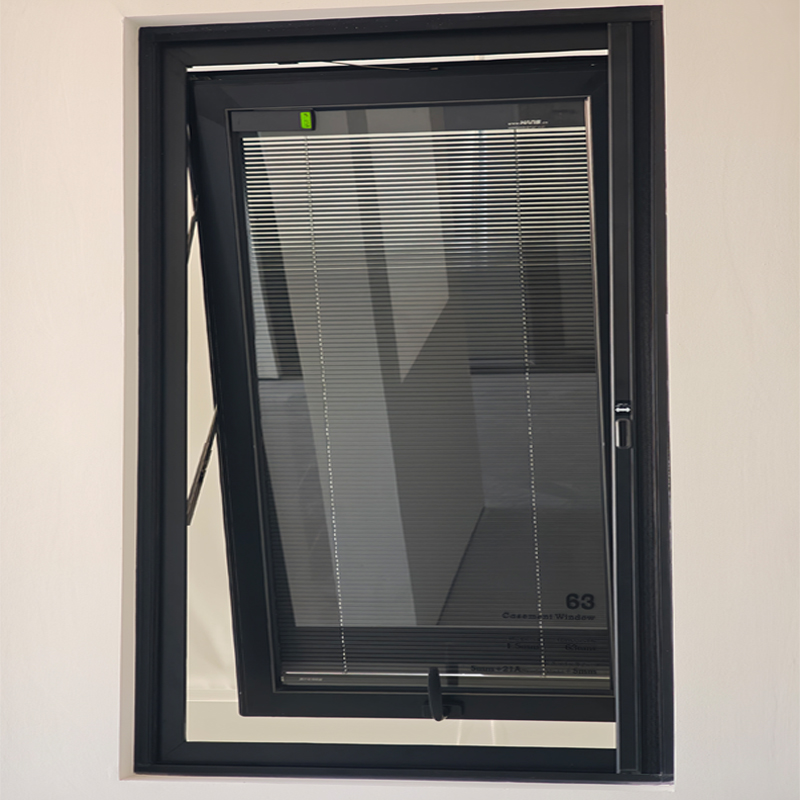
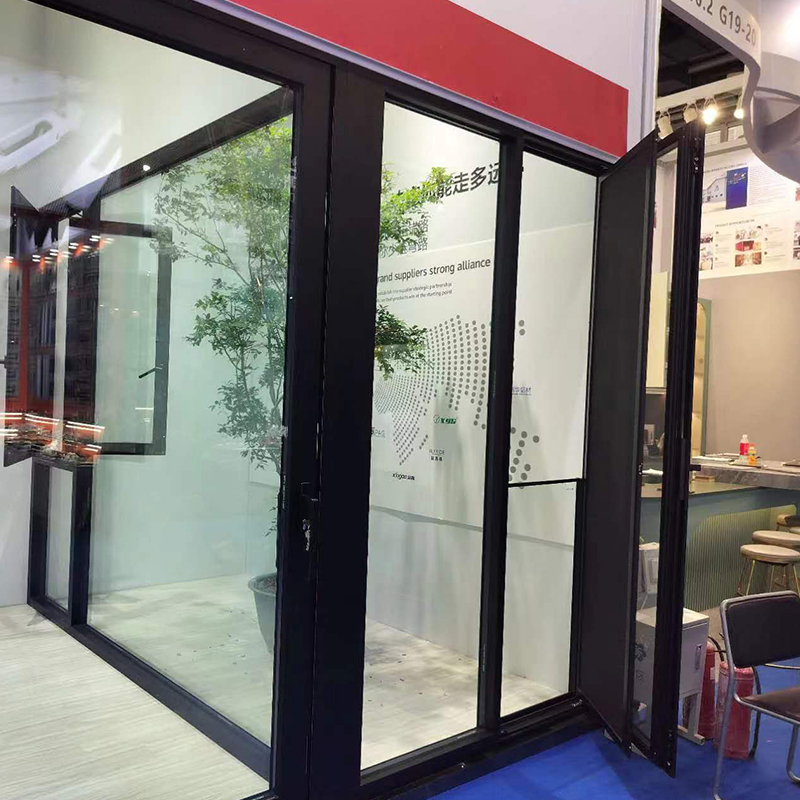
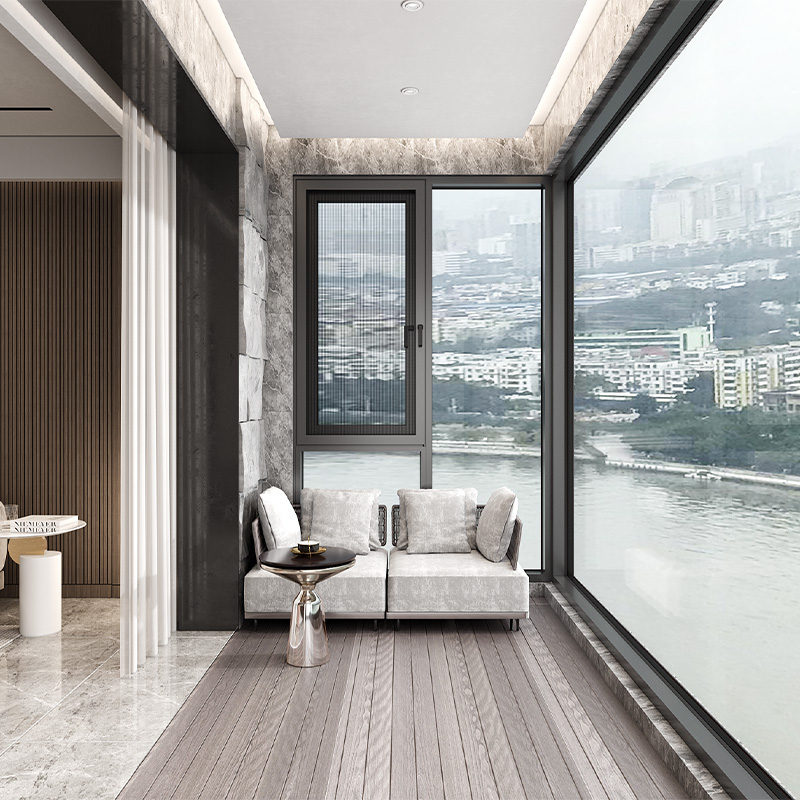
Thinking about new windows? You want your home to feel comfortable and look great. Choosing the right replacement casement windows can make a huge difference. When you pick windows that match your style, save energy, and fit your space, you boost your home’s value and comfort.
Buyers see new windows as a sign of a well-kept home.
Casement windows help with energy bills and make your home safer.
A smart window upgrade can pay off when you decide to sell.
Key Takeaways
Picking the best casement windows makes your home nicer and worth more. Think about the look, how well they save energy, and if they fit right.
Casement windows let in lots of air. If you put them on different walls, you get fresh air moving through the room.
Choose the right materials. Vinyl and fiberglass are easy to care for and save energy. Wood looks classic and pretty.
Learn about window ratings. Pick ones with low U-factors and SHGC. These help save energy and keep your home comfy.
Getting a pro to install your windows makes sure they fit well and last long. You also get a warranty, so you feel safe about your choice.
Types and Configurations of Casement Windows
Choosing the right casement windows starts with understanding the different types and how they work in your home. Let’s break down the main styles, arrangements, and sizing options so you can pick what fits your space best.
Standard and Push-Out Casement Windows
You’ll find two main types of casement windows: standard and push-out. Each has its own way of opening and closing.
Standard casement windows use a crank mechanism. You turn the crank, and the window swings open outward. This style is popular because it’s easy to operate, even in tight spots.
Push-out casement windows open with a simple handle. You unlock the window, then gently push it open. This type works great above sinks or counters where reaching a crank might be tricky.
Tip: If you have hard-to-reach areas, like over a kitchen sink, push-out casement windows can make life easier.
Single, Paired, and Combo Arrangements
How you arrange your casement windows can change the feel of a room. You have several options:
Single Casement: One window that opens outward. This is simple and works well in small rooms.
Paired Casement: Two windows side by side, each opening in opposite directions. This setup lets you catch breezes from different angles.
Casement with Transom: A casement window with a smaller window above it. The transom adds extra light and style.
Combo Arrangements: Multiple casement windows grouped together, either horizontally or vertically. This design is perfect for large living rooms or spaces where you want lots of light.
Casement windows are great for airflow. If you place them on opposite walls, you can create cross-ventilation. This helps fresh air move through your home, especially in living rooms or kitchens. In humid climates, this setup keeps your space cool without relying on air conditioning. You can also install windows higher on the wall for privacy and better airflow in bathrooms.
Note: Placing casement windows on east-facing walls brings in morning sunlight. West-facing windows give you warm afternoon light. Think about the direction your windows face to get the right amount of natural light in each room.
Common Sizes and Custom Options
Casement windows come in many standard sizes, but you can also order custom sizes if your space is unique. Here are some of the most common standard sizes:
Width (inches) | Height (inches) |
|---|---|
19 | 16 |
27 | 27 |
28 | 29 |
30 | 33 |
32 | 42 |
33 | 48 |
36 | 60 |
41 | 73 |
48 | N/A |
You might also see these popular sizes:
Width (inches) | Height (inches) |
|---|---|
16 | 24 |
20 | 36 |
24 | 48 |
28 | 54 |
32 | 60 |
36 | 72 |
40 | 84 |
44 | N/A |
48 | N/A |
Most homeowners find a standard size that fits. If your window opening is unusual, you can order a custom size. Custom options let you match the window to your exact needs, whether you want a special shape or a unique finish.
Homeowners often choose custom casement windows when standard sizes don’t fit.
Custom sizes usually line up with the most common standard sizes, so you still have plenty of choices.
How to Read Window Sizes: Window sizes are listed with width first, then height. For example, a 24x36 window is 24 inches wide and 36 inches tall.
When you pick the right type, arrangement, and size, you make your home brighter, more comfortable, and more stylish. Casement windows give you lots of flexibility, so you can find the perfect fit for every room.
Choosing Materials and Styles for Replacement Casement Windows
When you look for replacement casement windows, you see many choices. The material and style you pick can change how your home looks and feels. It can also affect your energy bills. Let’s look at your options so you can choose wisely.
Comparing Wood, Vinyl, Aluminum, and Fiberglass
There are four main materials for replacement casement windows. Each one has good points and needs different care. Here is a quick guide:
Window Material | Durability | Maintenance Requirements | Energy Efficiency |
|---|---|---|---|
Vinyl | Very strong, does not get damaged by water or heat | Needs little care, no painting needed | Keeps your home warm or cool easily |
Wood | Not as strong in wet places, can rot or bend | Needs lots of painting and checking for bugs | Keeps some heat in, looks classic |
Fiberglass | Very strong, handles hot and cold well | Needs less care than wood | Keeps your home warm or cool very well |
Aluminum | Strong, but can rust | Needs more care than vinyl | Not as good unless it has special features |
Vinyl windows are great for busy people. You do not need to paint or seal them. They last in bad weather and keep your home comfy. Wood windows look nice and never go out of style. But you must check for rot and paint them often. Fiberglass windows are tough and keep your home warm or cool. They look nice and need little care. Aluminum windows look good in modern homes. You need to watch for rust and think about their lower insulation unless you pick special ones.
Tip: If you want windows that last and save energy, fiberglass and vinyl are smart picks. Wood gives your home a cozy feel. Aluminum works well for modern homes.
Wood and fiberglass are best for saving energy. Both help keep heat inside in winter and outside in summer. Vinyl also helps lower cooling costs. Aluminum is not as good unless you pick special models.
Matching Window Style to Home Architecture
You want your replacement casement windows to fit your home’s look. Picking the right style makes your house look better.
Traditional Style Homes: Double-hung windows are common, but casement windows with divided lites or wood trim also work.
Modern Style Homes: Big casement windows or ones with thin frames give wide views and a simple look.
Colonial Style Homes: Double-hung windows are popular, but casement windows with grilles and shutters look nice too.
Craftsman Style Homes: Casement windows with many panes and wood trim show off the handmade style.
Victorian Style Homes: Tall, thin casement windows with fancy glass or hardware add charm.
Think about your home’s shape, color, and details. If your house has brick, dark frames stand out. For cottage or craftsman homes, wood frames and divided lites look nice. Modern homes look best with simple frames and big glass.
Note: Picking casement windows that match your home’s style makes your house look better and can raise its value.
Customization: Colors, Grilles, and Hardware
You can make your replacement casement windows special with colors, grilles, and hardware. These choices help your windows stand out or blend in.
Customization Aspect | Description |
|---|---|
Grilles | You can pick grilles between glass for easy cleaning and a custom look. They add style without extra work. |
Materials | Wood frames let you stain, clear-coat, or paint for a special finish. Vinyl and fiberglass come in many colors, from white to black. |
Prairie-style Grilles | Mix textures and finishes for a cool look or a pattern that matches your windows and doors. |
Want a bright color? Pick a bold frame. Like a classic look? Choose white or natural wood. Grilles can make patterns that fit your home’s style. Hardware, like gold handles or black cranks, adds a nice touch.
Custom colors or finishes cost more than plain white windows.
Bigger or special windows cost more because they use more stuff and work.
Custom windows make your home look better to buyers. Many people pay more for special features.
Homeowners like making their replacement casement windows unique. You get a look that is just yours, and you might sell your home for more.
When you pick the right material, match the style to your home, and choose custom options, your space feels perfect. Replacement casement windows give you many choices, last a long time, and look great. You can enjoy your home for years.
Energy Efficiency and Performance Features
When you start looking at replacement casement windows, you want to know how they help with comfort and lower your bills. Let’s talk about glass choices, hardware, and what those energy ratings mean for your home.
Glass Options: Double, Triple Pane, and Low-E
The glass you pick for Casement Window Replacement makes a big difference. You have three main choices: double-pane, triple-pane, and Low-E glass. Each one helps with insulation, noise, and energy savings.
Here’s a quick look at how these options compare:
Window Type | Energy Savings (%) | Climate Impact |
|---|---|---|
Double-Pane | 20-24% | Works well in moderate climates |
Triple-Pane | 40-50% | Best for cold climates |
Double-pane windows have two layers of glass. They keep your home warmer in winter and cooler in summer. Triple-pane windows add another layer and special gas between the panes. This means even better insulation and less noise from outside. If you live somewhere cold, triple-pane glass can save you up to half on heating costs.
Low-E glass has a special coating. It reflects heat away in summer and keeps warmth inside during winter. You pay a little more for Low-E, but it helps your home stay comfortable all year.
Let’s compare costs and benefits:
Feature | Double Pane Windows | Triple Pane Windows |
|---|---|---|
Upfront Cost | Lower, more affordable | Higher, bigger investment |
Energy Efficiency | Good insulation with two layers | Superior with three glass panes + argon gas fill |
Noise Reduction | Moderate, reduces sound compared to single pane | Excellent, blocks more outside noise |
Triple-pane windows usually cost 15-30% more than double-pane.
Adding Low-E coating costs about $35-$40 extra per window.
If you want to save money on bills and make your home quieter, triple-pane and Low-E glass are smart choices. You get better comfort and long-term value when replacing old casement windows.
Tip: If you live in a place with cold winters, triple-pane glass gives you the best energy savings.
Hardware, Security, and Ventilation
The hardware on your replacement casement windows does more than just open and close the window. It keeps your home safe and helps with airflow.
Casement windows use a crank to open outward. When you close the window, it locks tight against the frame. Most casement windows have multi-point locks. These lock the window at several spots, like having extra deadbolts on a door. This makes it very hard for someone to break in.
The locks are hidden inside the frame. That means people outside can’t tamper with them. The strong design and tough glass also help protect your home from storms or accidents.
Note: Casement windows are some of the safest windows you can buy. The multi-point locking system and sturdy frames keep your family secure.
Ventilation is another big benefit. Casement windows open fully, so you get maximum airflow. You can angle the window to catch breezes from any direction. This helps freshen up your rooms and cool your home without using the air conditioner as much.
Window Type | Ventilation Capability |
|---|---|
Casement Windows | Open fully for maximum airflow |
Double-Hung Windows | May only open halfway |
Sliding Windows | Often have obstructions |
You can adjust casement windows to let in just the right amount of air.
They work great in kitchens, bathrooms, and living rooms.
Understanding Energy Ratings and Certifications
When you shop for Casement Window Replacement, you see labels with numbers and ratings. These tell you how well the window saves energy and keeps your home comfortable.
Here are the main ratings to look for:
Energy Rating | Description |
|---|---|
U-factor | Measures heat loss; lower values mean better insulation. |
SHGC | Shows how well the window blocks solar heat; lower values are better for hot climates. |
VT | Tells you how much light comes in; higher values mean brighter rooms. |
AL | Measures air leakage; lower values mean less draft. |
U-factor shows how well the window keeps heat inside. Lower numbers mean less heat escapes in winter.
SHGC tells you how much heat from the sun gets through. In hot places, you want a low SHGC to keep cool.
VT means more sunlight in your home. If you like bright rooms, look for higher VT.
AL shows how much air sneaks in. Lower AL means better insulation.
Look for windows with Energy Star labels. These windows meet strict standards for energy savings and comfort.
Picking the right ratings for your climate helps you save money and stay comfortable. If you live somewhere cold, choose windows with a low U-factor. In sunny places, pick a low SHGC. These choices make your Casement Window Replacement project a smart investment.
When you focus on glass options, hardware, and energy ratings, you get replacement casement windows that work hard for you. You enjoy better comfort, lower bills, and a safer home.
Measuring, Cost, and Professional Installation
How to Measure for Casement Window Replacement
You need to measure carefully for new windows. This helps your replacement windows fit and work well. Here is how you measure for casement window replacement:
Measure the height in three places: left, middle, right. Write down the smallest number.
Measure the width at the top, middle, and bottom. Use the smallest width you find.
Measure the depth from the front to the back of the frame. This stops gaps from happening.
Look for things that could block installation, like trim or pipes.
Draw a simple picture and label your measurements.
Tip: If you forget to measure the depth or miss obstructions, your new windows may not fit. Always check everything before you order.
If you feel unsure about measuring or your windows look strange, call a professional. Experts can find problems and make sure your new windows fit right.
Cost Factors and Comparing Quotes
Price is important when you pick new windows. Many things change the cost of replacement windows:
Window type: Casement windows usually cost a medium amount.
Size: Bigger windows cost more, especially with safety glass.
Materials: Wood and fiberglass cost more than vinyl or aluminum.
Options: Custom colors, grilles, or special glass add to the price.
Performance: Energy-saving features cost more but save money later.
When you compare quotes from installers, look at:
What’s Included | Why It Matters |
|---|---|
Cost of materials | Frame, glass, and custom options |
Labor costs | Professional installation |
Removal/disposal fees | Getting rid of old windows |
Warranty details | Protection for your investment |
Upgrades/features | Energy, sound, or security |
Always ask for a detailed quote. This helps you see what you pay for and spot hidden fees.
Why Professional Installation Matters
Professional installation is very important for new windows. Installers have lots of experience and know how to fix problems. They use special tools and follow local rules. You get a tight seal, which keeps your home warm and safe.
Professionals also clean up and take away old windows. You save time and avoid stress. Most companies give a warranty for both the windows and the installation. If something breaks, you are protected.
Note: DIY installation may not have a warranty. If you want peace of mind, let professionals install your new windows.
Choosing professional installation means your new windows look nice, work well, and last longer. You get better energy savings and a safer home.
Making the Final Choice for Your Home
Assessing Needs and Prioritizing Features
You want your new replacement casement windows to fit your life. Think about what is most important to you. Do you want to save money on energy bills? Are you looking for a style that matches your house? Maybe you want windows that are easy to clean or last a long time. Here’s a simple way to figure out what matters:
Energy efficiency: Pick windows that close tight and keep your home comfy.
Style and design: Choose a look that fits your home, classic or modern.
Material selection: Decide how much care you want to give your windows. Wood, aluminum, and UPVC need different care.
Durability: Pick materials that handle weather and need little work.
Functionality: Look for designs that are easy to clean and save energy.
Aesthetic appeal: Choose colors and grid patterns that make your home look nice.
Installation quality: Professional installation helps your windows last longer and work better.
When you pick the right windows, you get the features that matter most to you and your family.
Reviewing Warranties and Brand Options
When you shop for Casement Window Replacement, check the warranty and the brand’s reputation. A good warranty protects your money and can help your home sell for more. Here’s a simple table to help you compare:
Warranty Type | Coverage Details | Impact on Value |
|---|---|---|
Lifetime Warranty | Covers problems with materials, seals, and sometimes hardware. | Gives you peace of mind and can help your home sell for more. |
Double Lifetime Warranty | Covers the next homeowner too. | Makes your home more attractive to buyers and shows the brand’s confidence. |
Limited Lifetime Warranty | Covers big problems but may have limits. | May not cover everything, so check the details before you buy. |
Prorated Warranty | Coverage drops over time, so repairs cost more later. | Not as good for long-term value. |
Pick a trusted brand with good reviews. Look for companies that offer clear warranties and stand by their products. This helps you feel sure when replacing old casement windows.
Scheduling a Consultation or Next Steps
Ready to move forward? Setting up a meeting makes things easy. Here’s what you should do:
Decide what you want from your new windows, like saving energy or a new look.
Figure out your budget so you know what you can spend.
Clear at least two feet of space around each window for measuring.
Gather papers, such as HOA rules or pictures of styles you like.
Write down questions about installation, care, warranties, energy savings, and payment.
A meeting helps you get answers and see samples. You can ask about Casement Window Replacement, compare choices, and get expert advice. You’ll feel ready to make a smart choice for your home.
Doing these steps makes replacing old casement windows easy and less stressful.
You want your Casement Window Replacement to be easy. First, think about what you need. Look at different materials and styles. Focus on saving energy. Measure your space with care. Pick professional installation for the best results.
Replacement casement windows make your home more comfortable. They help you save money and add value.
If you take time to decide, you can pick windows that fit your style and goals.
Are you ready to replace old casement windows? Talk to an expert and check out your choices with confidence!
FAQ
What makes casement windows different from other window types?
Casement windows open outward with a crank or handle. You get full ventilation and a clear view. They seal tightly, which helps with energy savings. You can use them in almost any room.
How long does Casement Window Replacement usually take?
Most replacement casement windows take one day to install. If you have custom sizes or many windows, it might take longer. Your installer will let you know what to expect.
Can I replace just one casement window, or do I need to do all at once?
You can replace one window at a time. Many people start with the oldest or draftiest window. Replacing old casement windows in stages works well for your budget.
Are replacement casement windows energy efficient?
Yes! Modern casement windows have double or triple-pane glass and tight seals. You save money on heating and cooling. Look for Energy Star labels for the best efficiency.
How do I clean and maintain my new casement windows?
You can clean the glass with mild soap and water. Wipe the frames and hardware with a soft cloth. Lubricate the crank once a year. Regular care keeps your windows working smoothly.