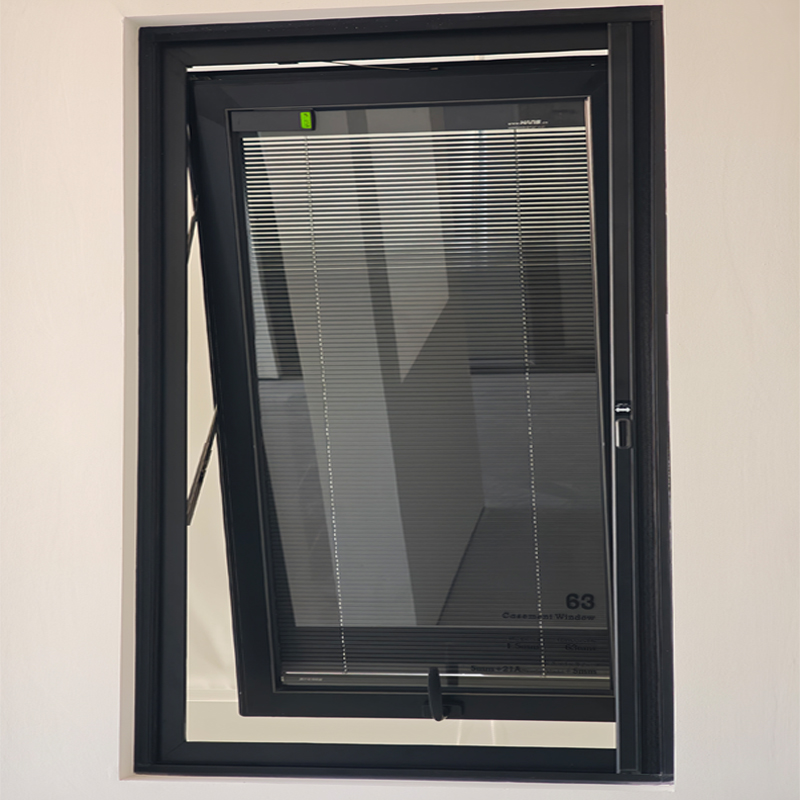
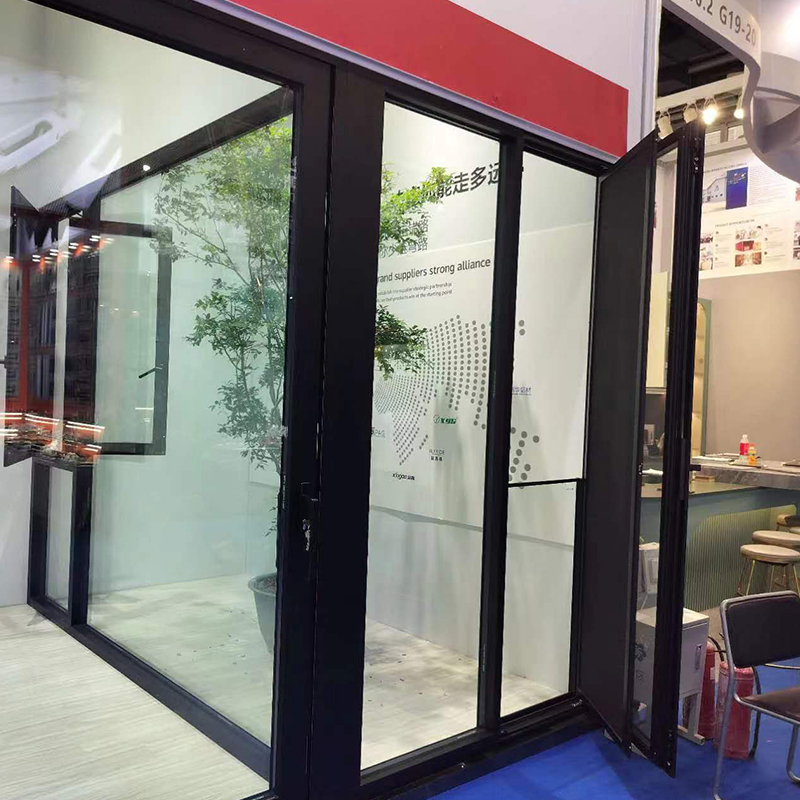
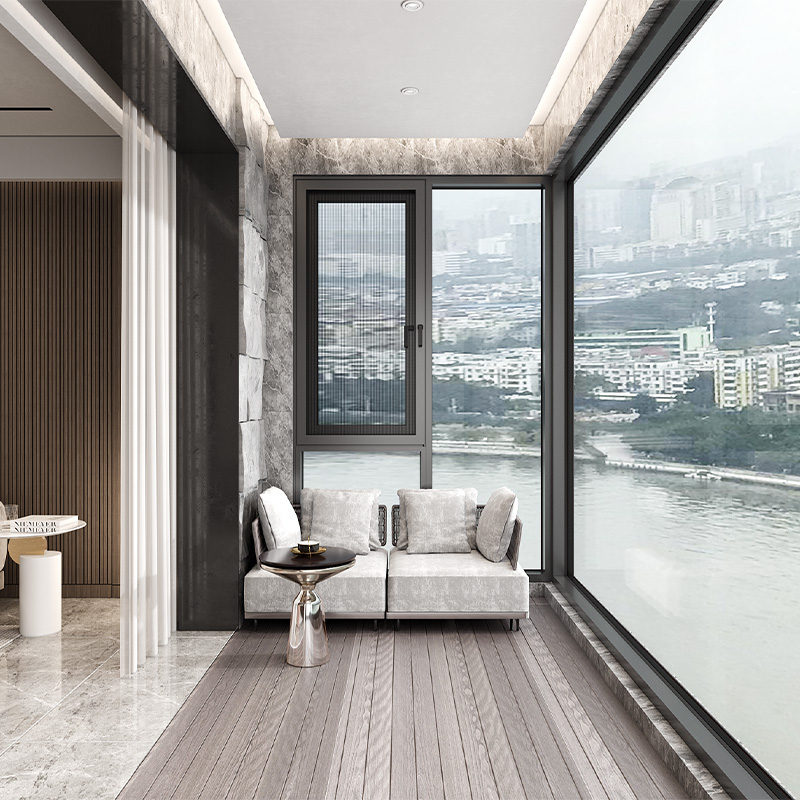
I see outswing casement windows as a smart solution for modern buildings. These windows open outward from the side, which means they never take up space inside a room. I use them to get better airflow and enjoy clear views without blocking furniture or blinds.
They help me save space in small rooms.
I get more fresh air because they open wide.
My rooms look brighter and feel larger.
I choose outswing casement windows for both homes and offices when I want efficient design and strong performance.
Key Takeaways
Outswing casement windows open outward, so they save space. They let in more air and give clear views. These windows let in a lot of fresh air. They can increase airflow by up to 40% over other windows. When closed, they seal tightly to block wind and rain. This makes them good for saving energy and for many climates. You need to take care of these windows often. Check the hinges and seals to stop air leaks and keep them safe. Think about the window's material and size. Make sure it fits your building and follows local rules for best results.
How Outswing Casement Windows Work
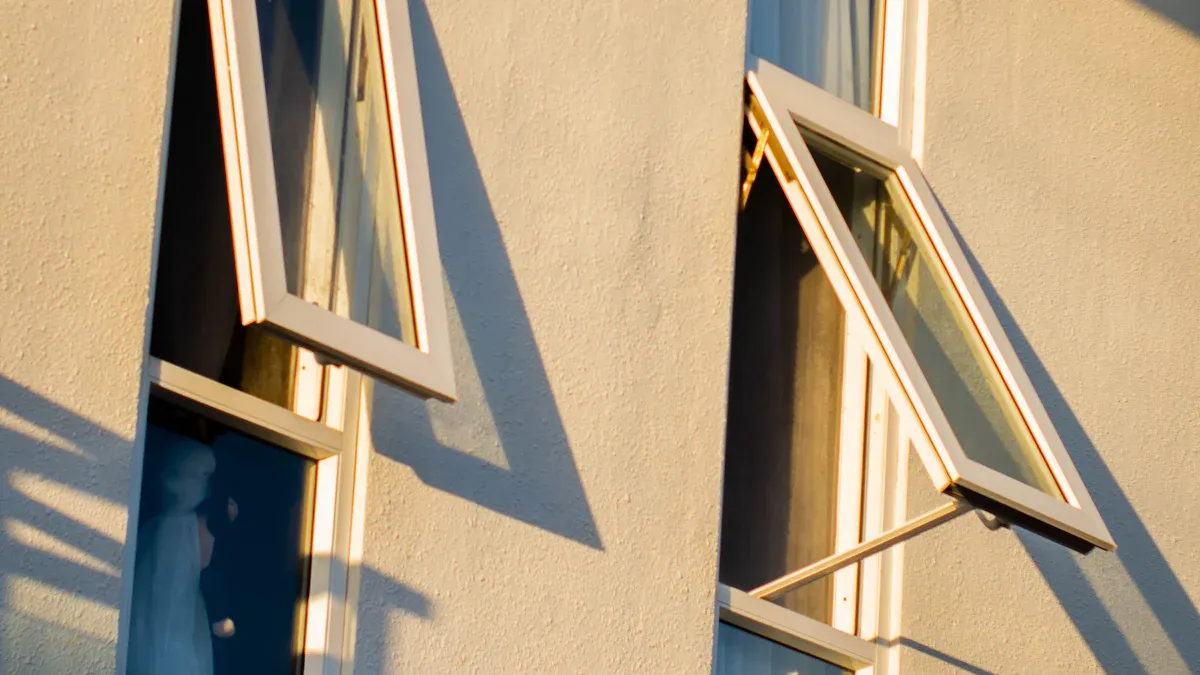
Mechanism and Design
When I choose outswing casement windows, I look for a design that uses side hinges. These hinges sit on the left or right side of the window frame. The window sash swings outward, away from the room. This movement keeps my furniture and blinds safe from bumps. I often see these hinges made from strong materials like brass or powder-coated iron. They resist rust and last a long time. The pins in the hinges are removable, so I can clean or paint the window with ease.
The window opens outward, not inward.
Hinges are small but strong.
I can pick which side the window opens from.
The sash presses tightly against the frame when closed, which helps seal out wind and rain.
I notice that some windows use a crank handle. This handle makes it easy for me to open or close the window with one hand.
Here is a quick look at common configurations:
Configuration Type | Description |
|---|---|
Single Out-Swing | Swings out from one side, simple and easy to use. |
Paired Out-Swing | Two windows open outward, great for wide spaces and more airflow. |
Options with Screens | Some models have screens that I can add or remove for extra comfort. |
Operation and Usability
I find outswing casement windows very easy to use. The crank mechanism lets me open the window smoothly. I get full ventilation because the whole window opens. Cleaning is simple since I can reach both sides of the glass. These windows work well above sinks or in hard-to-reach spots.
Tip: I always check if the window has a screen option. Screens help keep bugs out while letting fresh air in.
Here is how they compare to sliding windows:
Feature | Outswing Casement Windows | Sliding Windows |
|---|---|---|
Operation | Crank handle, easy to open wide | Slides along a track, partial opening |
Ventilation | Full-frame airflow | Only half opens |
Cleaning | Easy, both sides accessible | Track needs cleaning |
Accessibility | Great for tricky spots | Not ideal for hard-to-reach places |
I use outswing casement windows when I want a window that is simple, reliable, and gives me the most fresh air possible.
Benefits of Outswing Casement Windows
Space-Saving and Flexibility
I like to use my space in smart ways. Outswing casement windows help me do this. These windows open outward, so I do not lose space inside. I can put furniture or decorations close to the window. I do not have to worry about blocking the sash. This is great for small apartments, hotel rooms, and offices where space is tight.
These windows are also very flexible. I can pick from many frame widths and sizes. They fit almost any opening. I use them in old and new buildings. They work well for retrofit projects. In coastal areas, I like how they swing out. This keeps the inside dry and comfy, even during storms.
Note: I think outswing casement windows are good for hotels, apartments, and any place where space and flexibility are important.
Air and Water Tightness
I want my windows to block wind and rain. Outswing casement windows press the sash tight against the frame when closed. This helps keep out air and water. I trust these windows in tall buildings and places with bad weather.
Here is how they do in lab tests:
Metric | Value |
|---|---|
Air Infiltration (cfm/ft2) | 0.01 |
Water Resistance (psf) | 15 |
Design Pressure Positive | 100 |
Test Method | AAMA/WDMA/CSA 101/I.S.2/A440-17 and NFRC 100/200/500 |
These numbers show that outswing casement windows keep rooms dry and comfy. I see less air leaking in and better storm protection than other windows.
Ventilation and Energy Efficiency
I want lots of fresh air in my rooms. Outswing casement windows open wide. They let in more breeze than sliding or double-hung windows. I have seen up to 40% more airflow after putting in these windows. This helps a lot in stuffy rooms or kitchens.
Outswing casement windows can boost airflow by 40% compared to windows that open up and down.
Air leakage is 1.2 cubic meters per hour per meter of joint, so not much energy is lost through gaps.
I also want to save energy. The tight seal helps keep heat and cool air inside. My rooms stay at a steady temperature and my bills go down. Here is how these windows compare to others:
Window Type | Energy Efficiency Features |
|---|---|
Outswing Casement | Tight seal against the frame stops air leaks, keeps rooms steady, and lowers energy costs. |
In-Swing Casement | Has a similar tight seal and energy savings as outswing models. |
Other Window Types | Usually not as good at stopping air leaks as casement windows. |
I use outswing casement windows in hotels, apartments, and homes where comfort and saving energy matter.
Security Features
I want my windows to keep my things safe. Outswing casement windows are strong and secure. The sash locks tight into the frame. It is hard to open them from outside. Many windows have locks in more than one spot. I feel safe using these windows on the first floor or in busy cities.
I can also add screens or bars if I need more safety. This makes me feel even better, especially in old buildings or places that need extra security.
Tip: I always look for windows with strong frames and good locks for the best safety.
I pick outswing casement windows because they save space, block bad weather, save energy, and keep me safe. They work well in many places, like tall apartments and hotels near the ocean.
Drawbacks and Considerations
Limitations and Challenges
When I pick outswing casement windows, I think about some problems. These windows have many good things, but there are also some downsides that matter to me.
Cost: I pay more money for outswing casement windows than other types. The hardware and locks make the price go up. I need to plan my budget if I want these windows.
Maintenance requirements: I clean and check my windows a lot. If I do not take care of them, air can leak in and they are less safe. Hinges and seals need to be checked often to work well.
Limited size: I see that normal sizes limit how big a casement window can be. If I want a bigger window, I need a custom one. This makes it cost more and is harder to do.
Tip: I always plan to take care of my windows and look at size choices before I buy outswing casement windows. This helps me not get surprised later.
Climate and Environmental Factors
I think about the weather when I choose outswing casement windows. Different places change how these windows work and how long they last.
In coastal places, salty air can hurt window frames. I wash the frames a lot to stop rust. I pick materials that do not rust for these areas.
When it rains a lot, I check the seals more. I want to keep water out, so I look at the seals and change them if needed.
Big changes in temperature can make steel frames bend or break. I pick window materials that can handle these changes better.
Casement windows close tight against wind. I see that homes with these windows save more energy than homes with double-hung or single-hung windows.
Note: I always pick the right window material and style for the weather where I live. This keeps my windows working well and looking nice for a long time.
I use these ideas to help me choose. Outswing casement windows are best when I plan for cost, care, and weather problems.
Outswing Casement Windows vs. Other Types
Inswing Casement Comparison
When I pick windows, I always look at both outswing casement windows and inswing casement windows. Both types work well, but they are different in how they open and how I take care of them. Inswing casement windows open into the room. This is good if there is not much space outside. Outswing casement windows open out, so I need to make sure nothing is in the way outside.
I think about how easy it is to clean each type. Inswing casement windows have their hinges inside the room. Rain and snow do not touch these hinges. This means I do not have to clean them as much. Outswing casement windows have hinges outside. I need to clean these more often. Sometimes, I have to reach out to clean the glass.
Here is a table that shows how they are different:
Feature | Inswing Casement Windows | Outswing Casement Windows |
|---|---|---|
Opening Direction | Opens inward, suitable for tight spaces | Opens outward, requires more exterior space |
Maintenance | Hinges and hardware protected from elements | Exposed to rain and snow, may require more upkeep |
Cleaning | Easier to clean from inside | May require external access for cleaning |
I like outswing casement windows when I want more space inside and better airflow. I pick inswing casement windows if I want to clean the window from inside.
Double-Hung and Sliding Windows
I also compare outswing casement windows with double-hung and sliding windows. Double-hung windows move up and down. Sliding windows move from side to side. These windows only open partway, so less air comes in than with casement windows.
Outswing casement windows open all the way. This lets in more fresh air. The seal on casement windows is tighter. This helps me save energy and keeps my rooms comfy. Double-hung and sliding windows have tracks. These tracks get dusty, so I have to clean them more.
Here are the main things I notice:
Outswing casement windows let in more air and seal tight.
Double-hung and sliding windows only open partway and can let in drafts.
I clean casement windows easily, but sliding window tracks need more work.
Tip: I pick outswing casement windows when I want the most fresh air and to save energy.
I use these ideas to help me choose the best window for each job. Outswing casement windows give me more choices, work well, and look modern.
Buying Guide and 2026 Trends
Materials and Sizes
When I pick outswing casement windows, I check what the frame and sash are made of. In 2026, glass-fiber reinforced PVC is very popular. This material makes the window strong and keeps heat from leaving the room. It also lets windows be bigger and still meet energy rules. I want frames that close tightly and last a long time.
Material Type | Description |
|---|---|
Glass-fiber reinforced PVC | Makes windows stronger, keeps heat in, and works for bigger windows. |
I choose the right size for each room. Most windows are between 400mm and 1500mm wide. I match the window size to what the building needs and what local rules say.
Performance and Regulations
I always look at how well the window saves energy before I buy it. The U-Factor shows how much heat stays inside. In 2026, new rules say the U-Factor for home windows can’t be higher than 0.26. I pick windows with two or three layers of glass to meet these rules. Low-E glass helps block too much sun and keeps rooms comfy.
Product Type | Maximum U-Factor | Notes |
|---|---|---|
Residential windows | 0.26 | Has rules for SHGC too |
Residential skylights | 0.45 | |
Residential doors (>1/2 lite) | 0.26 | Has rules for SHGC too |
Residential doors (<1/2 lite) | 0.23 | Has rules for SHGC too |

I pick windows with two or three glass layers. These windows stop heat from escaping and block hot sunlight. Most new buildings use Low-E glass now.
Smart Features and Innovations
I see new smart features in outswing casement windows. Restrictor arms and friction stays keep the window safe and steady. Tilt-out sashes make it easy to clean the window from inside. Multi-point locks and compression seals help save energy. Windows that swing out bring in fresh air without letting in cold drafts.
Feature | Description |
|---|---|
Safety | Restrictor arms and friction stays stop accidents and keep windows steady. |
Maintenance | Tilt-out or turning sashes make cleaning easy from inside. |
Energy Efficiency | Compression seals and multi-point locks stop air from leaking. |
Passive Ventilation | Outward swing brings in fresh air naturally. |
I see more windows with smart glass now. Electrochromic and switchable glass let me change the light and privacy. Thin frames and smooth glass make rooms look bright and modern. Energy-saving things like double glass and thermal insulation are now normal.
Tip: I always ask about smart features and how green the windows are when I buy new ones.
I think outswing casement windows are a good pick for new buildings. They help save money, are simple to clean, keep heat in, and let in lots of fresh air. But I need to think about how much space they need to open, how often I must clean them, and where to put them. Before I choose, I look at how big my room is, what the weather is like, and how much air I want to let in. I make sure to measure everything right and install the windows the correct way so I do not make mistakes.
Mistake | Description |
|---|---|
Incorrect Measurements | Windows may not fit, causing installation issues |
Poor Water Management | Can lead to water damage and mold |
I talk to experts like AP Window Co. or Panorama Windows, Ltd. when I need help.
FAQ
What is the best material for outswing casement windows in 2026?
I prefer glass-fiber reinforced PVC. This material resists weather, keeps heat inside, and lasts a long time. It works well for both homes and offices.
How do I clean outswing casement windows safely?
I unlock the window and swing it outward. I use a soft cloth and mild cleaner. I always check the hinges and seals for dirt. I avoid harsh chemicals.
Can I install screens with outswing casement windows?
Yes, I can add screens. Most models let me install removable or hinged screens inside. Screens keep bugs out and allow fresh air in.
Are outswing casement windows energy efficient?
I see strong seals and multi-layer glass in these windows. They stop air leaks and help lower energy bills. I choose models with Low-E glass for best results.
What security features should I look for?
I look for multi-point locking systems and strong frames. Some windows offer extra bars or restrictor arms. These features help keep my property safe.