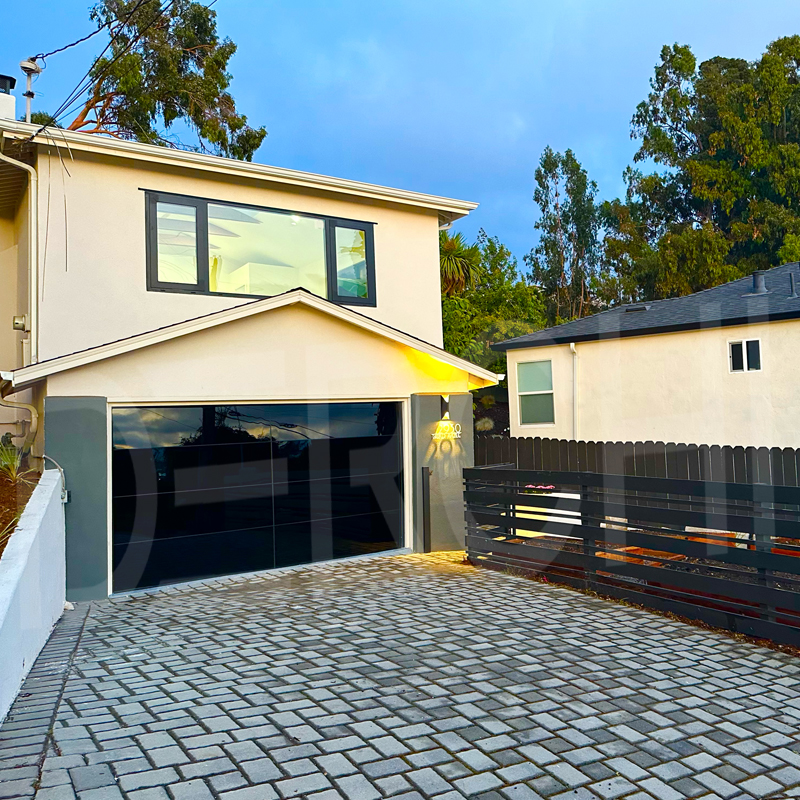
When I think about new construction windows vs replacement windows, I notice big differences. New construction windows are best if I build or change a wall, while replacement windows fit into the openings I already have. Picking the right type helps me save money and avoid stress. I want my window project to be easy and fit my needs.
Here is a quick comparison to help you see how each choice affects your home:
Feature | Replacement Windows | New Construction Windows |
|---|---|---|
Installation Process | Goes into old openings, installs fast | Needs open framing, takes more work |
Advantages | Not as messy, saves money, saves energy | More ways to customize, makes walls stronger |
Disruption | Does not bother daily life much | More noise and mess from building work |
Design Flexibility | Stuck with current styles | More choices for design |
Energy Efficiency | Makes insulation better without big changes | Works well with new buildings |
Key Takeaways
New construction windows work well for new homes or big remodels. They let you pick designs and keep out bad weather.
Replacement windows go into old frames. This makes putting them in fast and not very messy. They are good for easy changes if frames are still strong.
Think about what you want and how much you can spend before picking windows. Check your frames to help you choose the best option.
Saving energy is important. Pick windows that keep heat in or out to save money on bills.
Talk to experts like Derchi Window and Door for help. They can help you find the best windows for your needs.
New Construction Windows vs Replacement Windows Overview
What Are New Construction Windows?
When I look at new construction windows, I see that they are made for homes that are being built or for big remodeling projects. These windows have a special part called a nailing fin. The nailing fin helps me attach the window to the frame of the house. I use new construction windows when the wall is open, and I can reach the rough opening. This means I can put the window in before the siding or trim goes on.
New construction windows give me a lot of choices. I can pick the size and shape that fits my project. I like that these windows help keep out water and air because I can seal them well during installation. I often use them in new homes, home additions, or when I change the size of a window opening.
Here are some main features I notice:
I install new construction windows during the building process or when I do a major remodel.
The nailing fin lets me secure the window to the house frame.
I may need to remove siding or trim to put these windows in.
These windows give me design flexibility and strong protection from weather.
I also see two main types of full-frame windows when I work on projects:
Window Type | Description |
|---|---|
Flanged Full-Frame Window | Has a nailing fin. I use it for new builds or when I can remove siding. |
Flangeless Full-Frame Window | Does not have a nailing fin. I use it when I want to keep siding in place but still need a new frame. |
Sometimes, I use new construction windows in replacement projects. If I can remove the siding or trim, I can put in a flanged full-frame window even if the house is not new. This gives me a strong seal and a fresh start for the window opening.
What Are Replacement Windows?
When I need to change old windows but want to keep the wall and trim mostly the same, I use replacement windows. These windows fit into the space where the old window was. I do not need to open up the wall or remove siding. This makes the job faster and less messy.
Replacement windows come in two main types: insert replacement windows and full-frame replacement windows. I choose between them based on the condition of the old window frame.
Insert replacement windows fit inside the old frame. I only take out the sash, which is the part that holds the glass. This works best when the old frame is still strong and not damaged.
Full-frame replacement windows mean I remove the whole old window, including the frame. I use this type when the old frame is rotten or out of shape.
Here is a table that helps me compare the two types:
Feature | Insert Replacement Windows | Full-Frame Replacement Windows |
|---|---|---|
Installation Process | I put it inside the old frame | I remove the whole window and frame |
Best For | Homes with good frames and trim | Homes with damaged frames or size changes |
Cost | Costs less because I do less work | Costs more because I do more work |
Disruption | Not much mess or change | May need repairs after installation |
I like using insert replacement windows when I want to keep the look of the house and save money. I use full-frame replacement when I need a fresh start or when there are problems with the old frame.
Replacement windows do not have a nailing fin. I secure them with screws, which means I do not have to disturb the outside of the house. This makes them a good choice when I want to avoid big changes.
When I compare new construction windows vs replacement windows, I think about the project. If I am building new or making big changes, I pick new construction windows. If I want a simple update, I use replacement windows. Sometimes, I use a flanged full-frame window (a type of new construction window) in a replacement project if I can remove the siding or trim. This gives me more options and helps me solve problems like leaks or drafts.
I always check the window opening and the condition of the frame before I decide. This helps me pick the right window for the job.
Installation Differences

Installing New Construction Windows
When I start a window installation with new construction windows, I know I need to plan carefully. I gather all my tools and check the window opening. I measure the space and compare it to the new window. I remove any old casement or protective coverings. I apply sealing material to keep out water and air.
Here is how I usually install new construction windows:
I place the window frame into the wall opening and make sure it sits straight.
I use the nailing fin to secure the window to the house frame. This fin helps spread the weight and keeps the window from shifting.
I drill holes and screw the window in place.
I fill any gaps with foam to stop drafts.
I insert the window sash and check that it opens and closes well.
Tip: I often need to remove siding or trim around the window opening. This lets me use the nailing fin and seal the window tightly. Cutting back the siding also helps me apply a special membrane for extra weather protection.
Installing Replacement Windows
When I do a window installation with replacement windows, I want to keep things simple. I clear the area and take down any window coverings. I remove the old window, sometimes from inside and sometimes from outside. I measure the opening and make sure the new window will fit.
Here are my main steps for installing replacement windows:
I place the new window into the opening and use shims to level it.
I secure the window with screws, not a nailing fin.
I fill small gaps with insulation foam.
I caulk the inside edges, clean the glass, and put in screens.
I like that this type of window installation does not need me to remove siding or trim. I can finish the job with less mess and less time.
Note: I always order the replacement windows a bit smaller than the opening. This makes sure they fit well and seal tightly.
Impact on Home Structure
I know that window installation affects the strength of my home. When I use new construction windows, the nailing fin helps connect the window to the house. This gives extra support and keeps water out. If I use replacement windows, I rely on the old frame for support. Both types work well if I install them the right way.
Here is a table that shows how each window installation can impact the home:
Installation Type | Impact on Structure |
|---|---|
New Construction Windows | Adds strength with nailing fin, helps prevent leaks |
Replacement Windows | Keeps existing frame, less change to walls |
I always make sure to follow the right steps for window installation. This keeps my home safe and strong.
Cost Comparison
Window Unit Costs
When I look for windows, I see prices change a lot. The price depends on what the window is made of and how it looks. Vinyl frames are the cheapest choice if I want to save money. Fiberglass costs more than vinyl but lasts longer. Wood or aluminum-clad wood windows look the best and are the most expensive. The style of the window also changes the price. Simple fixed or picture windows cost less money. Double-hung, casement, or bay windows cost more.
Here is a table that helps me compare:
Factor | Low Cost Option | Mid-Range Option | High Cost Option |
|---|---|---|---|
Frame Material | Vinyl | Fiberglass | Wood, Wood-Clad, Aluminum |
Window Style | Fixed/Picture | Single-Hung, Sliding | Double-Hung, Casement, Bay/Bow |
If I pick a regular size, the price stays lower. If I want a special shape or a big window, the price goes up.
Installation and Finishing Costs
I know that putting in new construction windows takes more work. I often have to take off siding or trim and sometimes build new parts of the wall. This extra work makes the price higher. Replacement windows fit into the old frame, so the job is faster and costs less.
Installing new construction windows costs about $150 to $200 more for each window than replacement windows, but they give better insulation and let me see the framing.
Finishing costs can add more money to the project. If I need to fix walls or paint after the job, I pay extra. To keep window replacement cheap, I try not to make big changes.
Factors Affecting Price
Many things change the total price when I get new windows or replace old ones:
Where I live changes how much workers get paid and what rules I must follow.
Labor costs are higher in some places.
The type of window and what it is made of change the price a lot.
Features that save energy, like double-pane glass, cost more but save money later.
Harder jobs make labor cost more.
Sometimes, I find extra costs like permits or repairs that I did not expect.
The size and shape of the window also matter. Big or special windows use more materials and cost more. Regular sizes help me save money.
Energy Efficiency and Performance
Air and Water Sealing
I think about energy efficiency when I pick windows. I want windows that block cold air and rain. New construction windows use a nailing fin. This fin helps seal the window tightly to the house. I can add flashing around the window. Flashing stops water and air from getting inside. This way, I get a strong seal. New construction windows are a bit better for energy efficiency.
Replacement windows help with energy efficiency too. The results depend on the old window frame. If the frame is strong, I can make a tight seal. Full-frame replacement windows let me seal the outside. This helps stop leaks. Insert replacement windows fit inside the old frame. These use the old frame to keep out air and water.
Window Type | Air and Water Sealing Performance |
|---|---|
New Construction Windows | Makes a strong seal and helps save energy. |
Replacement Windows | Works well if the old frame is in good shape. |
I use low-expansion foam to fill gaps. I also use caulk or gaskets around the inside edge. Weatherstripping on the outside adds more protection. These steps help make my windows energy efficient.
Insulation and Ratings
I check insulation and ratings when I choose windows. Good insulation keeps my house warm in winter. It also keeps my house cool in summer. Energy efficient windows have special glass and frames. These stop heat from moving in or out. I look for windows with double or triple panes. Air or gas between the glass layers adds insulation.
I check the ratings on the window label. The U-factor tells how well the window keeps heat inside. A lower U-factor means better insulation. The Solar Heat Gain Coefficient (SHGC) shows how much heat from the sun gets through. I pick a lower SHGC to keep my house cooler.
Tip: I ask for windows with the ENERGY STAR label. These windows meet high standards for saving energy.
Choosing the right windows and installing them well saves money. It also makes my home comfortable all year.
Design and Style Options

Material Choices
When I choose windows, I look at the materials first. Each material gives me different benefits. Vinyl windows are popular because they cost less and need little care. I clean them once a year, and they stay looking good. Fiberglass windows last a long time and resist weather. I find them easy to clean, and they rarely need repairs. Wood windows look classic and warm, but I must paint or seal them every few years. Wood-clad windows give me the beauty of wood inside and a tough outside that stands up to rain and sun. Composite windows look like wood but do not need much work. Aluminum windows are light and strong, but they do not insulate well.
Here is a table that helps me compare window materials:
Material | Maintenance Frequency | Ease of Care | Popular Brands |
|---|---|---|---|
Vinyl | Annual cleaning | Easy | Pella, Andersen |
Wood | Every 2–5 years (paint) | Moderate effort | Marvin, Andersen |
Fiberglass | Occasional cleaning | Very easy | Pella, Milgard |
Composite | Minimal cleaning | Extremely easy | Andersen |
Aluminum | Occasional cleaning | Easy | Various |
Tip: I pick vinyl or fiberglass when I want less work. I choose wood or wood-clad for a classic look.
Matching Home Aesthetics
I want my windows to match my home's style. I look at the shape and size of my old windows. I pick double-hung windows for a classic look. Casement windows give my home a modern feel. Bay and bow windows add space and make my house look elegant. I can choose sliding windows for wide openings or picture windows to frame outdoor views.
I select hardware, paint color, and trim style to match my home's design.
I keep the original window size and shape for harmony.
I use wood windows for a traditional look, but I can pick vinyl or composite if I want less upkeep.
Wood-clad windows let me enjoy wood inside and a strong outside.
Modern windows come in many styles. I see double-hung, casement, bay, bow, sliding, awning, and specialty windows in new homes. I choose the style that fits my taste and my home's architecture.
Note: I always think about my home's style before I pick new windows. This helps my house look its best and keeps its value.
Choosing Between New Construction and Replacement Windows
Assessing Your Project Needs
When I start a window project, I ask myself a few important questions. I look at my home and think about what I want to achieve. I know that the right window replacement choice depends on my goals, the condition of my walls, and my budget.
Here is how I assess my needs:
I check if I am building a new room or changing the size of my window openings. If yes, I lean toward new construction windows.
I look at the current window frames. If they are solid and not damaged, I consider replacement windows.
I decide if I want to keep my existing trim and siding. If I do, I choose replacement windows to avoid extra work.
I think about energy efficiency. I check for drafts or leaks. If I find problems, I may need new construction windows for a better seal.
I measure the window openings carefully. Accurate measurements help me avoid mistakes later.
I review the style and design I want. I match the window type to my home’s look.
I also pay attention to these details:
Window unit placement in the wall
Frame size and shape
Glass size and how it is divided
Sash width and depth
Materials and finish
Glass clarity and reflectivity
I always consider the application. I ask if the windows are for a home or another building. I pick the window type, such as double-hung or casement, that fits my needs. I check energy ratings like U-factor and SHGC to make sure I meet local rules.
If I feel unsure, I reach out to Derchi Window and Door. Their team helps me assess my project and guides me through the window replacement process. They know how to match the right window to my goals.
Common Scenarios
I see many situations where I must choose between new construction windows vs replacement windows. Here are some common scenarios I have faced:
Scenario | Best Window Type | Why This Works |
|---|---|---|
Building a new home or addition | New construction windows | I can install before siding or trim |
Major remodel with wall changes | New construction windows | I get a fresh start and strong seal |
Old frames are solid, trim is in good shape | Replacement windows | I keep my trim and finish faster |
Frames are damaged or out of square | New construction windows | I fix problems and improve efficiency |
Want to match existing windows and trim | Replacement windows | I keep the look of my home |
Only a few windows need replacing | Replacement windows | I save money and avoid big changes |
Fixing leaks or drafts | New construction windows | I solve air and water issues |
Tip: I always match the window type to my project. I do not rush my decision. I think about the long-term benefits.
When I have a unique situation, I talk to the experts at Derchi Window and Door. They help me find the best solution for my home.
Mistakes to Avoid
I have learned that mistakes can cost me time and money. I want to share the most common mistakes I see when choosing between new construction windows vs replacement windows:
Skimping on quality to save money. I know that good windows last longer and perform better.
Not working with a trusted contractor. I always choose a company with a strong reputation, like Derchi Window and Door.
Ignoring energy efficiency. I check ratings and pick windows that help lower my bills.
Choosing the wrong style for my space. I make sure the window matches my home’s look.
Overlooking maintenance needs. I pick materials that fit my lifestyle.
Forgetting about security. I choose windows with strong locks and sturdy frames.
Not measuring accurately. I double-check all measurements before I order.
Not getting multiple bids. I compare prices and services to get the best value.
Not reading the contract carefully. I review every detail before I sign.
Note: I avoid these mistakes by planning ahead and asking questions. I trust Derchi Window and Door to guide me through each step.
By taking my time and thinking through my options, I make the right window replacement choice for my home. I know that the right decision brings comfort, beauty, and value for years to come.
Derchi Window and Door Solutions
New Construction Window Products
When I start a big project, I look for strong and reliable new construction windows. I want windows that fit perfectly and seal out the weather. At Derchi Window and Door, I find many options for new construction windows. I can pick from different frame materials like vinyl, fiberglass, or wood. I see that each window comes with a nailing fin. This feature helps me install the window before I add siding or trim. I like that these windows work well for new homes, additions, or major remodels.
Here is a quick look at what I get:
Custom sizes for any opening
Many frame colors and finishes
Energy-saving glass options
Windows that meet local building codes
I trust these windows to make my home strong and comfortable.
Replacement Window Products
When I want to update my home, I choose replacement windows from Derchi. I find that these windows fit into my old openings without much mess. I can keep my trim and siding. I see insert replacement windows for good frames and full-frame options for damaged frames. I like that Derchi offers the best replacement windows for every need. I can pick styles like double-hung, casement, or sliding. Each window helps me save energy and improve my home's look.
Tip: I always measure my window openings before I order. This helps me get the right fit.
Why Choose Derchi?
I choose Derchi Window and Door because I want expert help. The team listens to my needs and explains my options. I get clear answers and honest advice. The installers work quickly and clean up after the job. I see that Derchi uses quality materials and stands behind their work.
Here is why I trust Derchi:
Benefit | What I Experience |
|---|---|
Expert Guidance | Friendly advice and support |
Quality Products | Durable, energy-saving windows |
Professional Installers | Careful and clean installation |
Great Service | Fast help when I need it |
If I want windows that last and look great, I call Derchi Window and Door.
I see clear differences between new construction windows and replacement windows. New construction windows work best for big projects or when I change walls. Replacement windows fit well when I want a quick update and my frames stay strong. I always check my goals, budget, and window condition before I choose. If I feel unsure, I ask Derchi Window and Door for expert advice. I invite you to look at your needs and talk with their team for the best results.
FAQ
Can I use new construction windows in an older home?
Yes, I can use new construction windows in an older home. I need to remove siding or trim to install them. This gives me a strong seal and a fresh start for the window opening.
Do I need to remove siding to install replacement windows?
No, I do not need to remove siding for replacement windows. I fit these windows into the existing frame. This makes the process faster and less messy.
How do I know if I need full-frame or insert replacement windows?
I check the condition of my window frame. If the frame is solid and not damaged, I choose insert replacement windows. If I see rot or damage, I pick full-frame replacement windows.
Will new windows help lower my energy bills?
Yes, new windows can help lower my energy bills. I pick energy-efficient models with good insulation. Proper installation also keeps drafts out and saves money.
Who should I call if I am unsure which window type to choose?
I always call Derchi Window and Door when I feel unsure. Their team helps me assess my needs and recommends the best window for my project.