Have you ever wished one wall in your home could simply disappear? Indoor folding doors turn rigid rooms into flexible spaces. They open wide when you need them and fold neatly away when you don't. They are becoming a favorite choice in modern homes and commercial interiors. But with so many designs, materials, tracks, and glass options, choosing the right indoor folding door system can feel confusing. Homeowners, interior designers, builders, and contractors all need clear, practical guidance before they commit.
In this post, you’ll learn the basics of indoor folding doors. You’ll also see how types, configurations, and key performance details really matter. We’ll walk through selection tips, installation considerations, and everyday care. Then we’ll show how DERCHI window and door solutions can support your next project.
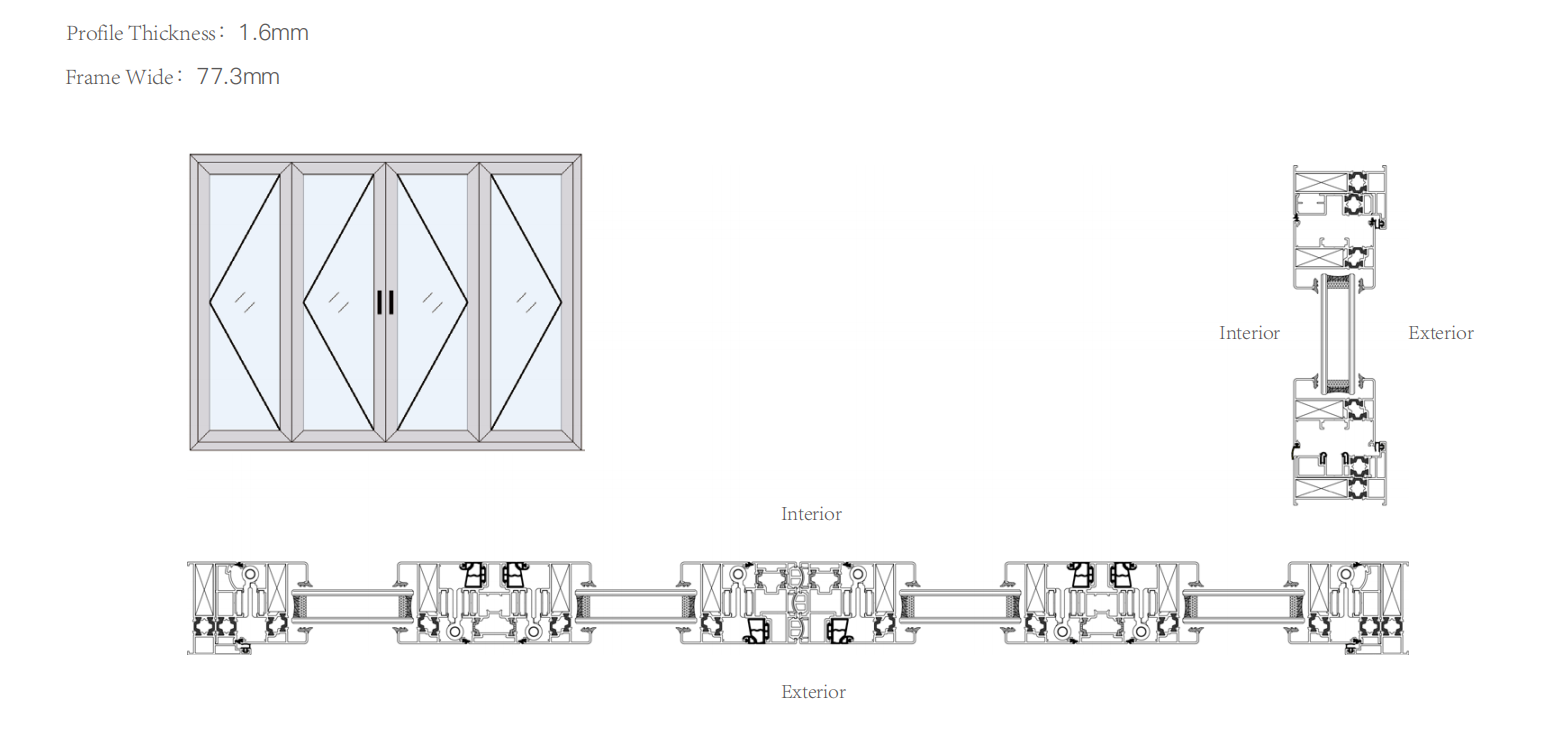
Understanding Indoor Folding Doors and How They Work
What Are Indoor Folding Doors?
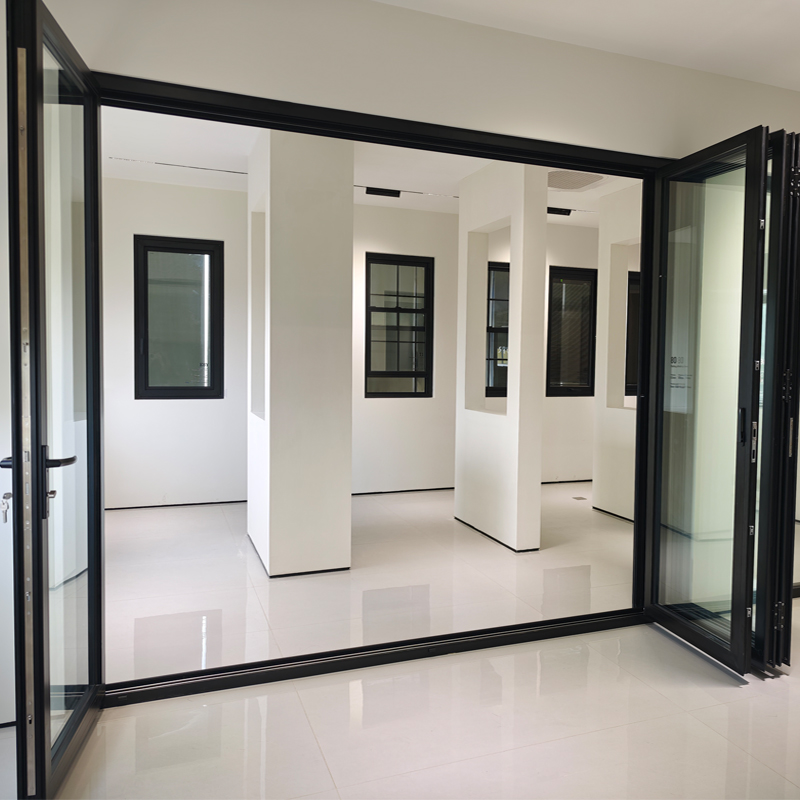
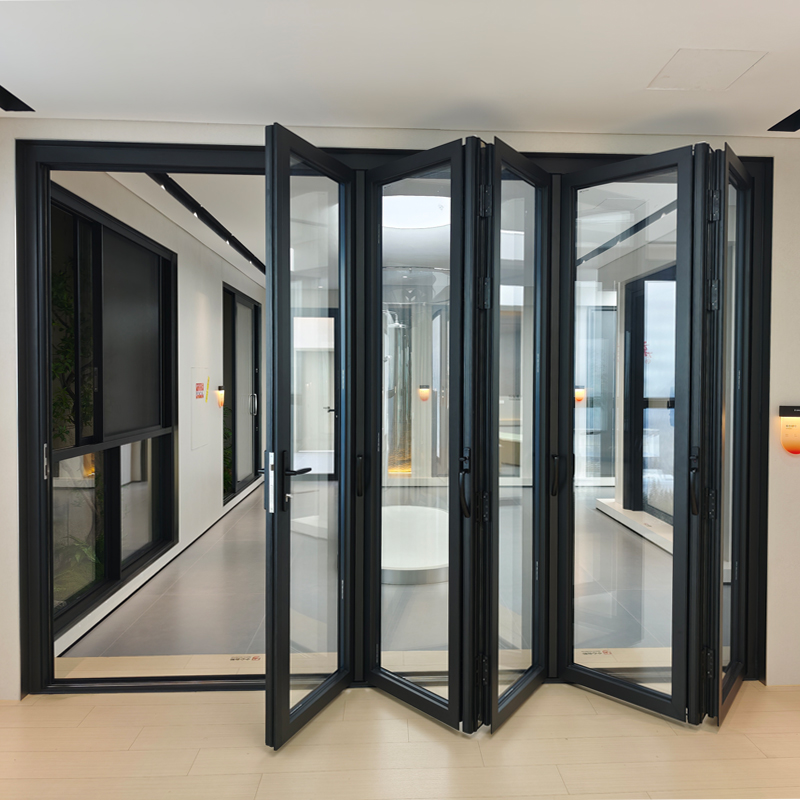
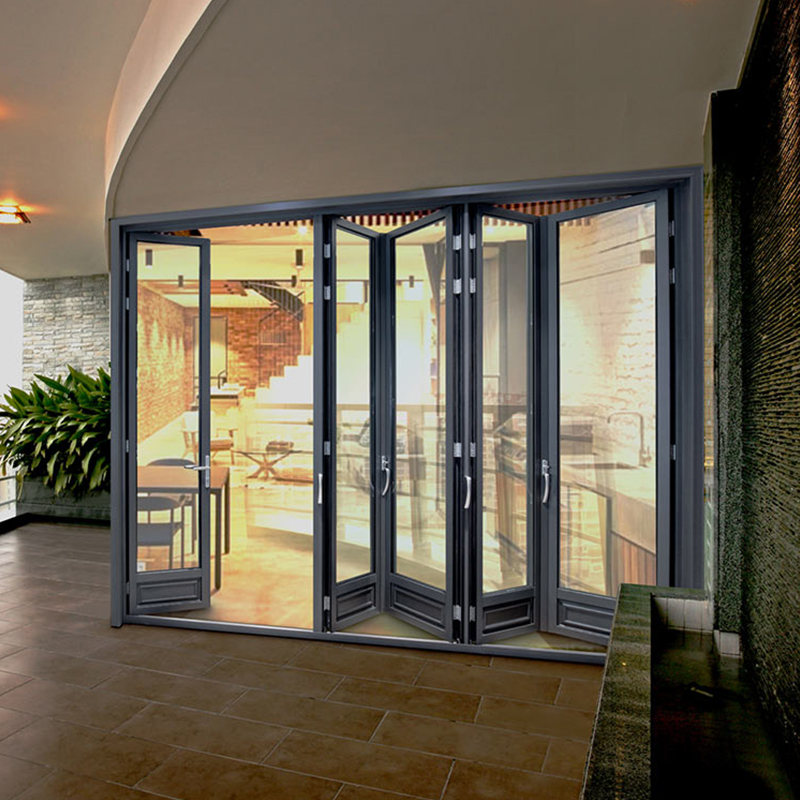
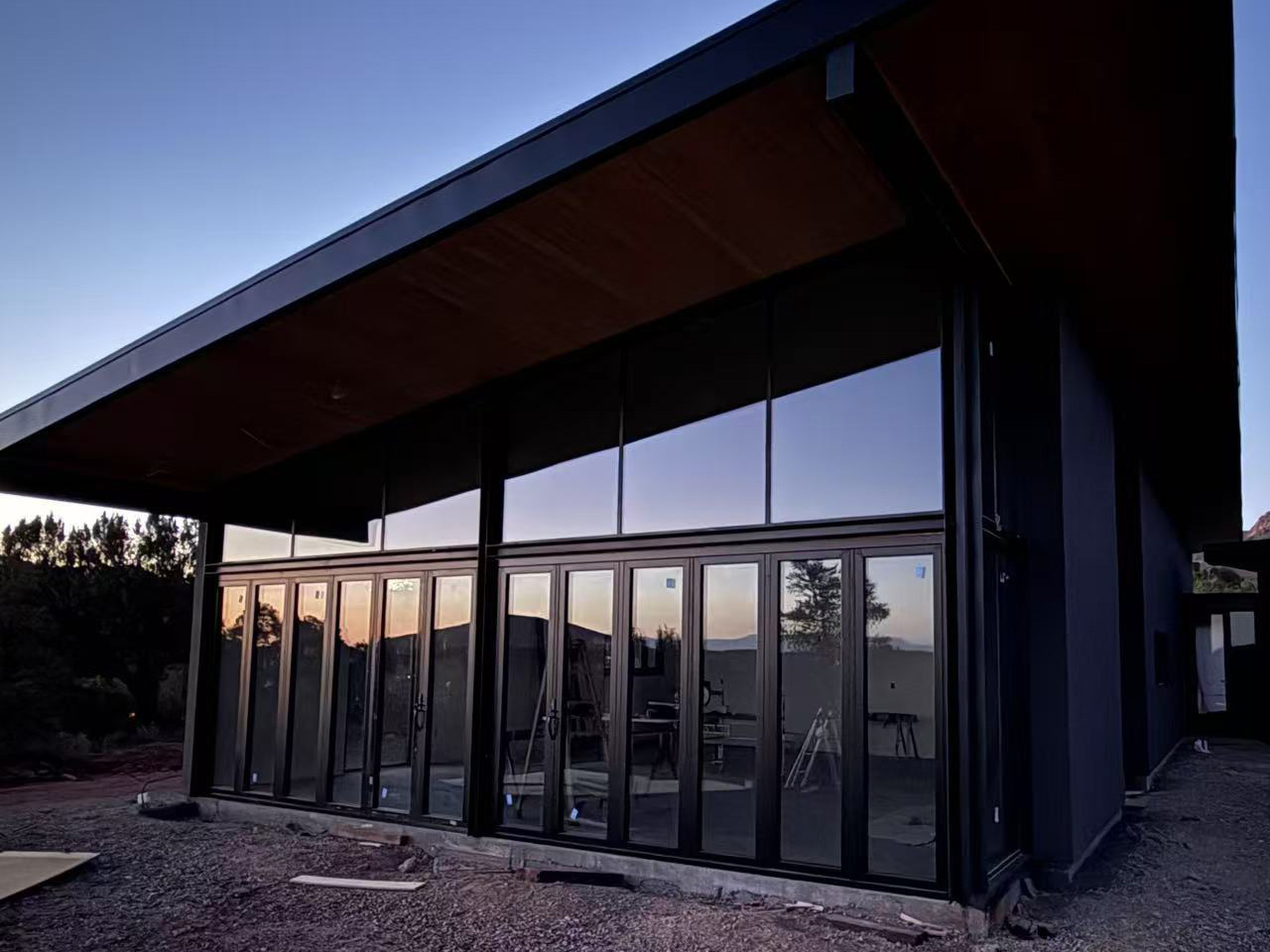
Indoor folding doors, often called indoor bi-fold doors, use several narrow panels linked by hinges. The panels move together and stack to one or both sides, so the opening feels almost wall-free when the system is fully open. When closed, it still behaves like a solid interior partition or room door.
An indoor folding door system usually includes a frame fixed to the wall, a continuous track, and a set of panels that hang or roll along that track. Hardware keeps everything aligned and safe, so the panels do not twist or jump when you move them.
Panels: glazed or solid sections that fold together.
Frame: head, jambs, and sometimes a low threshold.
Track: the rail where carriers or rollers run.
Hinges: connect panels edge to edge and to the frame.
Carriers and pivots: support weight and guide movement.
Gaskets and seals: reduce gaps, sound, and drafts.
Locks and handles: for security, privacy, and daily use.
Indoor folding doors sit on the “room” side of design. Exterior folding doors face rain, wind, and forced entry, so they need deeper frames, heavier seals, and stronger glass. Interior systems focus more on smooth operation, slim sightlines, and comfort inside a stable climate, although good ones still care about strength and sound control.
How Interior Folding Door Systems Operate
Picture a train of panels running along a rail. You push the lead panel; the others follow, folding like a concertina. That is the basic idea behind most interior folding doors. The track keeps the movement straight, and the hardware controls how far each panel can swing.
Many indoor folding doors are top-hung. In that layout, carriers sit inside the head track and carry most of the weight into the beam or lintel. The floor only needs a light guide so panels stay in line. This creates a cleaner floor detail and helps when you want a nearly flush threshold.
Bottom-rolling systems shift the load onto a floor track. Rollers sit under the panels and carry them along a groove. The head track then acts mainly as a guide. This option helps when the ceiling cannot support extra weight or when structure above the opening feels uncertain.
Carriers: hold the panels and roll along the track.
Guide wheels: keep movement straight at the opposite end.
Pivots: fix the end panel to the frame and set swing range.
Corner posts or mullions: tie meeting points together and stiffen the whole set.
Good indoor folding doors feel light in the hand, even when the panels are tall. That feeling comes from precise hardware and careful alignment rather than thin or weak profiles.
Indoor Folding Doors vs Other Interior Door Types
People often compare indoor folding doors to sliding, French, pocket, or simple hinged doors. Each option solves space in a different way, so it helps to see them side by side before you choose anything for your project.
| Feature | Indoor folding doors | Sliding doors | French / hinged doors |
|---|---|---|---|
| Clear opening width | Very high, panels stack aside | Medium, one panel often stays fixed | Limited by swing and leaf size |
| Space use | Minimal swing, panels park near jamb | No swing, needs wall space for tracks | Large swing arcs on one or both sides |
| Room layout impact | Good for flexible, open-plan zones | Better for long walls and narrow rooms | Best for small openings or classic styles |
| Construction changes | Standard opening, reinforced head preferred | Standard or slightly wider opening | Standard door frame only |
Compared to sliding doors, indoor folding doors can open almost the entire span, so the transition between rooms feels larger.
Compared to French doors, folding systems remove most swing area, so furniture has more freedom near the opening.
Compared to pocket doors, they usually need less wall rebuilding and give easier access to hardware over time.
For wide openings, flexible floor plans, and rooms where you want both separation and connection, indoor folding doors often sit right in the sweet spot, so they become an easy option to picture once you map out how the space should work on a busy day.
Types, Materials, and Configurations of Indoor Folding Doors
Panel Layouts and Opening Configurations
When you plan indoor folding doors, panel layout comes first. One small traffic panel feels like a normal door. Multi-panel indoor folding door systems open a whole wall for people and light.
Single-panel sets work for narrow openings or pantry doors. Three, four, or six-panel layouts suit living rooms, studies, or open-plan zones. Odd panel groups usually include one hinged traffic door. Even groups often split more evenly to each side.
2 panels: simple fold, good for small rooms.
3 panels: one traffic door, two folding panels.
4 panels: wider span, balanced stack each side.
6+ panels: large openings, flexible stacking.
| Layout | Stacking style | Best use |
|---|---|---|
| All-left / all-right | Panels park on one side | Rooms need one clear corner |
| Split-stack | Panels share both sides | Centred openings, balanced look |
| Traffic door | One leaf swings alone | Daily use, quick entry |
You also choose inward or outward folding. Inward folds keep panels inside the room and away from a balcony. Outward folds free indoor space; they suit corridors or areas where you do not want panels near furniture.
Top-Hung vs Bottom-Rolling Indoor Folding Doors
Every indoor folding door system sends weight somewhere. In a top-hung design, carriers run inside the head track. They move quietly and send loads into the beam above the opening.
Bottom-rolling systems place strong rollers under the panels. The floor track carries most of the weight. The head track then guides the tops, so the frame stays straight.
| Feature | Top-hung indoor folding doors | Bottom-rolling indoor folding doors |
|---|---|---|
| Load path | Into head frame and structure | Into floor and slab |
| Threshold detail | Very low or almost flush | More defined track on floor |
| Smoothness | Light movement, less dirt in track | Good, depends on floor level |
| Structure need | Strong lintel, stable ceiling | Solid, level floor base |
| Common use | Premium interiors, long spans | Retrofits, weak ceilings |
Many higher-end indoor folding doors use top-hung systems. They feel light, protect finishes on the floor, and suit clean, barrier-free thresholds. Bottom-rolling sets still work well where you cannot trust the structure above the opening.
Materials for Interior Folding Doors
Frame material shapes how indoor folding doors look, move, and age. It also sets size limits and how often you maintain them.
Indoor aluminum folding doors: slim frames, strong corners, low risk of bending.
Timber or engineered wood: warm feel, classic style, needs more care.
Composite or uPVC: easy cleaning, simple lines, suited to lighter-duty spaces.
| Material | Max panel size | Maintenance | Visual impact |
|---|---|---|---|
| Aluminum | Large, tall spans | Low, basic cleaning | Modern, slim, sharp lines |
| Wood | Medium spans | Regular sealing and checks | Warm, traditional, crafted |
| Composite / uPVC | Small to medium | Very low, wipe only | Plain, simple surfaces |
For wide openings or rooms need strong daily use, aluminum indoor folding doors often feel safest. Wood fits cosy living rooms and heritage interiors. Composite frames help in utility areas or rentals where easy care matters more than fine detail.
Glass and Panel Options in Indoor Folding Doors
Panels can be all glass, all solid, or a mix. You pick what feels right for each room. A living room may want clear glass and a big view. A bedroom may need softer light and more privacy.
Full-glass: maximum light, strong visual link between rooms.
Part-glazed: solid lower panel, glass above eye level.
Solid: best privacy for closets, storage, or quiet rooms.
Glazing choices change comfort and mood:
Clear glass lets views stay open and bright.
Frosted or satin glass blurs shapes; it suits bathrooms or studies.
Tinted glass softens glare where sun hits hard.
Laminated or acoustic glass calms noise from busy areas.
You can mix glass types across one set of indoor folding doors. For example, clear glass near a balcony, frosted glass toward a hallway, so each zone feels right.
Thresholds, Tracks, and Hardware Details
Threshold design often decides how indoor folding doors feel to walk through. We want safe, smooth steps; no sharp grooves under bare feet.
Flush thresholds: almost level floors, ideal for barrier-free access.
Low thresholds: a small rise, more separation between zones.
Framed thresholds: stronger edge, better for wet or semi-outdoor spots.
Tracks and hardware work behind the scenes. Precision rollers carry weight and keep panels straight. Quality hinges stop sagging over time. Multi-point locks keep panels tight against seals and improve sound control.
Rollers and carriers sized for real panel weight.
Continuous hinges or strong corner joints help stability.
Finger-safe gaskets close gaps near meeting stiles.
Soft-close or brake features reduce slams in busy homes.
When these details line up, indoor folding doors feel easy every day. You push gently, they glide, and rooms change shape without effort.
Key Benefits and Performance of Indoor Folding Doors
Space Planning and Flexibility
Indoor folding doors change how a room works day to day. Instead of one big swing arc, panels fold neatly to the side. Floor space stays open for sofas, tables, or walkways.
You can keep an open-plan feel during the day, then close the doors at night. One large living–dining area becomes two quieter zones for study or sleep. It feels like having a flexible wall you move by hand.
Living–dining: open for parties, closed for family dinners.
Kitchen–dining: hide cooking mess, keep smells under control.
Study–bedroom: quiet work in the day, cosy sleep later.
Multipurpose rooms: one space for games, guests, or workouts.
| Door type | Space impact | Best for |
|---|---|---|
| Indoor folding doors | Panels stack tight, wide clear opening | Open-plan layouts, shared rooms |
| Swing doors | Large swing circle on floor | Small single-room openings |
| Sliding doors | Needs long wall for travel | Narrow rooms, corridors |
Light, Views, and Visual Connectivity
Large glazed interior folding doors act like a glass wall. They pull daylight deep into a home, so fewer dark corners stay hidden. On bright days, you often turn on fewer lights.
Even when the doors stay closed, you still see through the glass. People feel connected across living, dining, and kitchen zones. Kids play in one area, you cook in another, yet everyone stays in sight.
Use clear glass facing balconies to hold views.
Combine folding doors and winter gardens for a soft indoor–outdoor link.
Add blinds or soft curtains when glare grows strong.
Near semi-outdoor areas, indoor folding doors frame scenery like a picture. You slide panels aside and the boundary almost disappears. It feels as if one room flows into the next, even across a small step or threshold.
Comfort: Thermal and Acoustic Performance
Thermal performance matters most where indoor folding doors sit near balconies, sunrooms, or buffer zones. Those openings sit close to outdoor air, so poor design can cause drafts and cold spots.
Good systems use insulated glass and smart profiles. You often see double glazing, sometimes a thermal break inside the aluminum frame. Seals at the head, jambs, and threshold help air stay still and stable.
Double or triple glazing reduces heat loss and summer heat gain.
Continuous gaskets cut down small gaps and tiny air leaks.
Warm-edge spacers around the glass limit condensation at edges.
Sound also plays a big role in comfort. Well-sealed indoor folding doors soften noise between a busy living area and a quiet bedroom. Laminated or thicker glass helps home offices, media rooms, or study corners feel calmer.
| Room type | Thermal need | Acoustic need | Suggested setup |
|---|---|---|---|
| Sunroom / winter garden | High | Medium | Thermal-break frame, double glazing |
| Home office | Medium | High | Well-sealed frame, laminated glass |
| Bedroom | Medium | High | Soft seals, thicker glass or blinds |
Safety, Stability, and Long-Term Reliability
Tall, wide indoor aluminum folding doors carry serious weight. Strong profiles and reinforced meeting stiles keep panels straight over many years. Hardware spreads loads, so joints do not loosen too soon.
Family homes need safe details around fingers and toes. Many systems use rounded edges and soft gaskets near panel joints. These reduce pinch risk when kids rush ahead of you.
Multi-point locks hold panels tight against the frame.
Sturdy corner connections resist twisting at the top and bottom.
Adjustable rollers and hinges help fix small drops over time.
Smooth running also matters for long-term comfort. Quality tracks and carriers glide instead of grind. You push gently, the whole train of panels follows in one clean motion.
Aesthetic and Design Advantages
Indoor folding doors do more than divide rooms. They act like a design feature in modern interiors. Slim sightlines, large glass, and clean frames support a simple, airy style.
You can match the frames to other windows and doors in the home. Use one color across casement windows, sliding doors, and folding sets. The whole envelope feels like one planned system, not random pieces.
Neutral colors suit minimal, contemporary spaces.
Dark frames outline views like picture frames.
Warm metallic or woodgrain finishes blend into classic décor.
Handles and hinges also shape the final look. Slim handles feel modern and smooth. More solid pieces feel right in traditional or industrial schemes, so every indoor folding door set supports the story of the room.
How to Choose, Install, and Maintain Indoor Folding Doors
How to Choose the Right Indoor Folding Doors for Your Space
Before you buy indoor folding doors, get clear on your goals. Do you care more about space-saving, quiet rooms, or extra light? Maybe you want a big open-plan during the day, then calm, separate zones at night. Once you know the main purpose, every other choice becomes easier.
Space-saving in tight rooms or corridors.
Zoning for work, sleep, and play areas.
Privacy for bedrooms, studies, or meeting spaces.
Light and views between connected rooms.
Noise control near living rooms or offices.
Next, look closely at the opening itself. Measure width and height in several points. Check if the wall feels solid, and if the ceiling can carry load above a head track. Uneven floors or weak beams limit panel size and system type.
Then choose materials and glass. Aluminum suits large indoor folding doors and busy homes. Wood creates warm, classic interiors, while composite or uPVC fit simpler, low-maintenance spaces. Glass can be clear for views, frosted for privacy, or laminated for better sound control.
Configuration has a big impact on everyday use. You decide how many panels, where they stack, and which way they fold. A traffic door lets you slip through quickly without opening the full set. Threshold style also matters for kids, older people, and strollers.
| Choice | Key question | Tip |
|---|---|---|
| Panel count | How wide is the opening? | More width usually needs more panels. |
| Stacking side | Where can panels park neatly? | Keep stacks away from main furniture. |
| Folding direction | Which side needs more free space? | Fold toward the less active zone. |
| Traffic door | Do you go through very often? | Add one for daily in-and-out use. |
| Threshold type | Do you need barrier-free access? | Choose low or flush thresholds indoors. |
Budget sits beside performance on every project. We usually suggest spending more on hardware, tracks, and glass. Strong rollers and hinges keep panels straight for years. Insulated glass and good seals improve comfort and cut noise, so the doors feel worth the investment.
Installation Essentials for Indoor Folding Door Systems
Indoor folding doors are precise systems, not just big hinged panels. Small errors during installation quickly show as scraping, gaps, or stiff movement. Because of this, most people lean on trained installers instead of doing it alone.
Top-hung systems need solid structure above the opening. The head frame must fix into a beam or lintel that does not sag. Bottom-rolling systems rely more on a flat, stable floor and a firmly anchored track. If either base moves, the panels drift out of line.
| System type | Main support | Key check |
|---|---|---|
| Top-hung | Head frame and ceiling beam | Beam stiffness and secure fixings |
| Bottom-rolling | Floor slab and track bed | Level floor and firm anchors |
Most installations follow a similar path. First comes preparation, including measurements and surface checks. Then the frame goes in, squared and leveled. After that, panels hang on their carriers, and hinges get fixed. Finally, the team adjusts hardware, tests movement, and fits seals and locks.
Use shims or packers to keep the frame true.
Check gaps around panels before tightening every screw.
Test the full open and close cycle several times.
Seal edges neatly so dust and drafts stay out.
Poor installation often shows the same signs. Panels rub the floor or track. Locks feel tight on one side and loose on the other. You may see uneven gaps at the top or light sneaking around corners. These clues tell you alignment or support needs another look.
Daily Use, Care, and Maintenance
Indoor folding doors work best when people treat them like a system, not a toy. Teach kids to push from the handle, not pull on the edges. Move the lead panel first, then let the others follow at their own pace.
Open and close using the main handle only.
Do not slam panels against the stack or frame.
Keep fingers away from hinge lines as panels fold.
Regular cleaning keeps movement smooth. You can vacuum dust from tracks and corners. Wipe frames and glass using a soft cloth and a mild cleaner. Avoid harsh pads, since they scratch coatings and hardware.
Clean tracks and guide channels every few weeks.
Check screws, hinges, and handles twice a year.
Add a small amount of approved lubricant to rollers if they feel dry.
Watch for early warning signs before they turn into repairs. Panels that start sticking or scraping, extra noise from the track, gaps appearing near seals, or a door leaf sagging at the latch side. When you see these, call a professional for adjustment rather than forcing the door harder each time.
FAQs About Indoor Folding Doors
Common Questions Homeowners Ask
Are indoor folding doors suitable for small rooms?
Yes, indoor folding doors often help small rooms most. Panels stack tightly to one side, so floor space stays clear. You avoid big swing circles from traditional hinged doors. Just keep panel width modest, so it feels light and easy to move.
Do indoor folding doors provide enough privacy and sound control?
Privacy depends on glass and seals. Full-glass panels feel open and bright, so they suit living areas. Frosted or partly solid panels give more privacy in bedrooms or studies. Good gaskets around the frame improve sound control. For quiet zones, many people choose laminated or thicker glass inside indoor folding doors.
Do all interior folding doors need a bottom track?
No, not all systems need a heavy bottom track. Top-hung indoor folding doors carry weight through the head frame, then use a slim guide at the floor. Bottom-rolling designs rely on a stronger floor track and rollers. We usually see top-hung systems in premium interiors, bottom-rolling sets in renovations where ceilings feel weak.
How wide can an opening be for indoor folding doors?
Modern indoor folding doors can span several meters, sometimes a whole living room wall. The limit depends on frame material, panel height, glass weight, and structure above or below the opening. Aluminum systems usually handle the widest spans. Very long runs often split into more panels, so each leaf stays comfortable to move.
Are indoor aluminum folding doors safe around children and pets?
Yes, if the system uses proper safety details. Many indoor aluminum folding doors include rounded edges and finger-safe gaskets between panels. Tracks keep panels guided, so they do not jump. Teach kids to use handles only, never pull on edges. For pets, low thresholds reduce tripping and help older animals cross more easily.
Can indoor folding doors be retrofitted into existing openings?
In many homes, yes. Installers measure the current opening, then check support in the wall, ceiling, and floor. Some projects only need a new frame inside the old opening. Others may need extra steel or timber above the head, especially for long top-hung indoor folding doors. Narrow halls or built-ins near the opening might limit panel stacking, so layout needs planning.
How long do quality indoor folding door systems usually last?
High-quality indoor folding doors can last decades under normal use. Aluminum frames resist warping and swelling from normal indoor humidity. Hardware and rollers last longer when tracks stay clean and loads stay within tested limits. Most issues come from poor installation, misuse, or lack of basic maintenance rather than normal aging.
What happens if one panel or glass unit is damaged—can it be repaired or replaced?
In many systems, yes, single parts can be fixed. Installers can swap one insulated glass unit without replacing the full set of indoor folding doors. Damaged rollers, hinges, or handles also get replaced individually. Very old or low-cost systems may lack spare parts, so future service is worth asking about before you order anything.
Quick Decision Checklist
Use this quick view before you commit to indoor folding doors:
| Situation | Are indoor folding doors a good fit? | Reason |
|---|---|---|
| Wide opening between living and dining | Usually yes | Large clear span, flexible open or closed layout |
| Very narrow room, no wall space | Sometimes no | May suit a simple single door or pocket door better |
| Need maximum light between two spaces | Yes | Glazed panels share daylight and keep visual link strong |
| Need strong privacy and full sound block | Depends | Works best using solid or acoustic glass, tight seals |
| Weak ceiling, solid floor slab | Often yes | Bottom-rolling indoor folding doors suit this structure |
| Barrier-free access for wheelchairs or strollers | Yes, if chosen carefully | Low or flush thresholds keep movement smooth and safe |
Choose indoor folding doors when you want a big opening and one flexible wall.
Choose them when light and views matter as much as separation.
Avoid them where structure cannot support tracks or panel weight safely.
Avoid them when you only need a small, simple doorway for basic access.

Why Choose DERCHI Indoor Folding Doors Solutions
About DERCHI Window and Door
DERCHI focuses on aluminum windows and doors for residential and light commercial projects. The team designs full systems, not just loose profiles or glass. Each product line aims at stable performance in real homes, not only in lab tests.
The company serves global markets, so every indoor folding door solution considers shipping, installation, and local building habits. It offers export-ready configurations that keep hardware, glazing, and profiles matched as one package. That way, partners spend less time guessing and more time building.
Specialist in engineered aluminum window and door systems.
Performance-tested solutions for comfort, strength, and safety.
Product ranges tuned for international projects and standards.
| DERCHI focus area | What it means for indoor folding doors |
|---|---|
| System engineering | Profiles, glass, and hardware planned as a whole set. |
| Global export | Stable specs and repeatable quality across batches. |
| Performance tests | Data on strength, insulation, and durability before launch. |
DERCHI Indoor Aluminum Folding Door Features
DERCHI indoor aluminum folding doors use thermal-break profiles and carefully chosen wall thickness. It keeps the frame light enough to move, yet strong enough for large spans. Multi-chamber sections and broken thermal bridges help control heat flow between zones.
Robust aluminum profiles, often around 1.5–2.0 mm wall thickness.
Thermal-break strips in the frame for better insulation and comfort.
Frame depth sized for wide openings and tall panels.
Track design plays a big role. Many DERCHI folding systems use a top-hung or upper-load structure, then combine it with a guided bottom track. The upper carriers handle most of the weight. The lower wheels guide the panels, reduce shaking, and keep movement quiet.
High-performance tracks for smooth, low-noise sliding and folding.
Hidden or protected rollers that resist dust and wear.
Adjustable hardware so installers can fine-tune panel alignment.
Security and safety also sit in the core design. DERCHI indoor folding doors often include multi-point locking, reinforced middle mullions, and anti-pinch details. Seals at key joints help both comfort and safety.
| Feature | Benefit in daily use |
|---|---|
| Multi-point locks | Panels pull tight into the frame, less rattle and draft. |
| Reinforced center mullions | Better stability for tall indoor aluminum folding doors. |
| Anti-pinch gaskets | Safer use around children and crowded rooms. |
Glazing follows the same logic. Standard setups often use insulated double glass, such as 5 mm glass, a wide cavity, then another 5 mm pane. The cavity can hold inert gas. Warm-edge spacers reduce edge condensation and help sound control. It keeps indoor folding doors comfortable near sunrooms, balconies, or buffer spaces.
Double-glazed units for thermal comfort and noise reduction.
Options for low-e, laminated, or tinted glass where needed.
Multiple panel counts, traffic doors, and dual-side stacking choices.
Application Scenarios with DERCHI Indoor Folding Doors
DERCHI indoor folding doors suit many layouts at home. In a living–dining area, a wide folding set can open for family time and close for quiet dinners. In a home office, glass folding doors keep the room bright yet separate from daily noise.
Living–dining integration in apartments or townhouses.
Study or home office zoning inside larger shared rooms.
Guest rooms that double as hobby or media spaces.
Semi-indoor spaces also benefit. Sunrooms, enclosed balconies, and winter gardens often sit between indoor and outdoor climates. DERCHI thermal-break frames and insulated glass help keep these areas usable across more seasons.
Sunrooms and winter gardens near gardens or courtyards.
Enclosed balconies in high-rise buildings.
Transition corridors between public and private zones.
To keep a unified look, DERCHI designs indoor folding doors to pair well with its other window and door lines. You can repeat the same color, frame depth, and handle style across sliding doors, casement windows, and folding systems. It gives a consistent façade outside and a calm, aligned style inside.
| Scenario | Recommended DERCHI approach |
|---|---|
| Open-plan living zone | Wide folding set, traffic door, clear glass. |
| Home office off the hall | Three-panel fold, acoustic or laminated glass. |
| Balcony or winter garden | Thermal-break frame, insulated glazing, low threshold. |
Working with DERCHI for Indoor Folding Door Projects
Homeowners, builders, and contractors can involve DERCHI early in a project. It starts from simple drawings or room photos. The team helps match indoor folding doors to opening size, structural conditions, and design goals.
Pre-sales consultation on layout, panel count, and operation mode.
Technical support on structure, fixing methods, and hardware choices.
Guidance on glass options for light, privacy, and noise control.
Behind each order, a dedicated manufacturing base and quality system keep output steady. Profiles, gaskets, and accessories pass checks before they reach packing. That gives contractors and dealers more confidence when they commit to a full series of indoor folding doors across a project.
Stable supply from a focused window and door manufacturer.
Consistent batches for large or repeat orders.
Support for project-specific sizes and configurations.
If you are planning indoor folding doors for a new build or a renovation, you can reach out to DERCHI or an authorized partner. Share your room layout, sizes, and basic needs. From there, it becomes easier to shape an indoor folding door solution that fits the way you actually live and work.