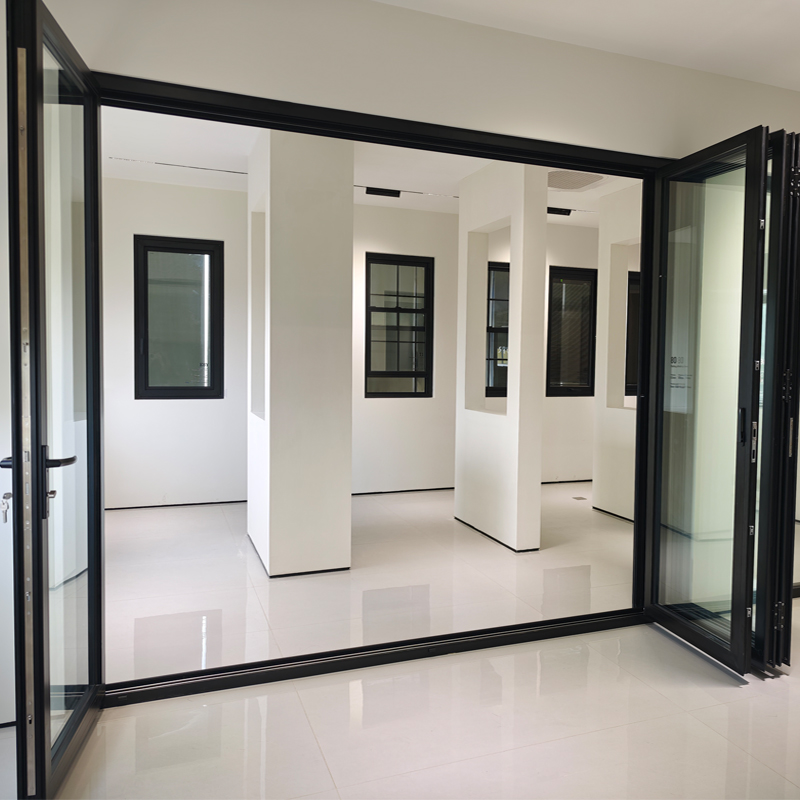
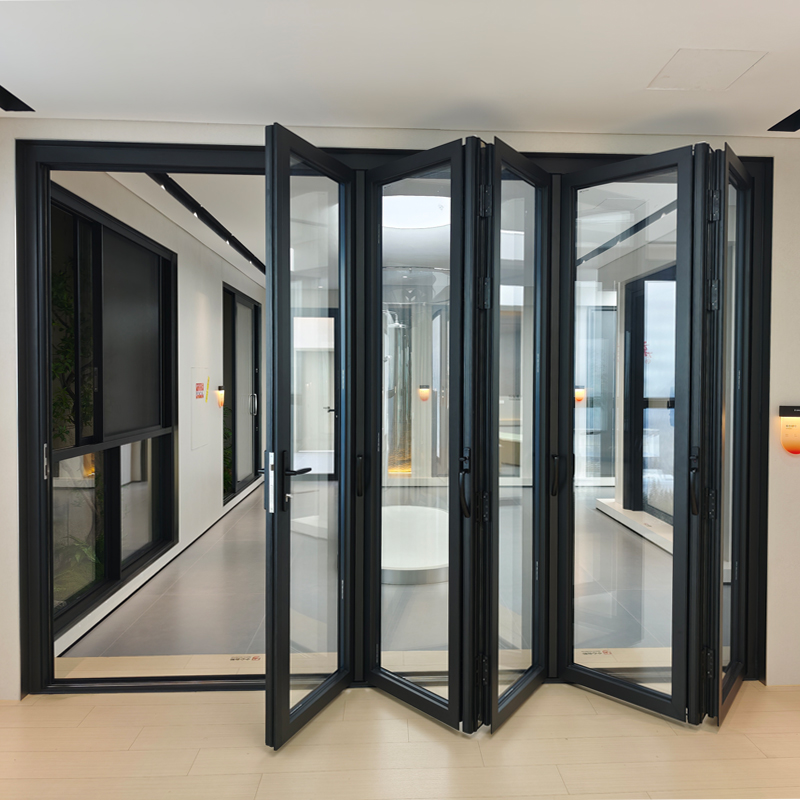
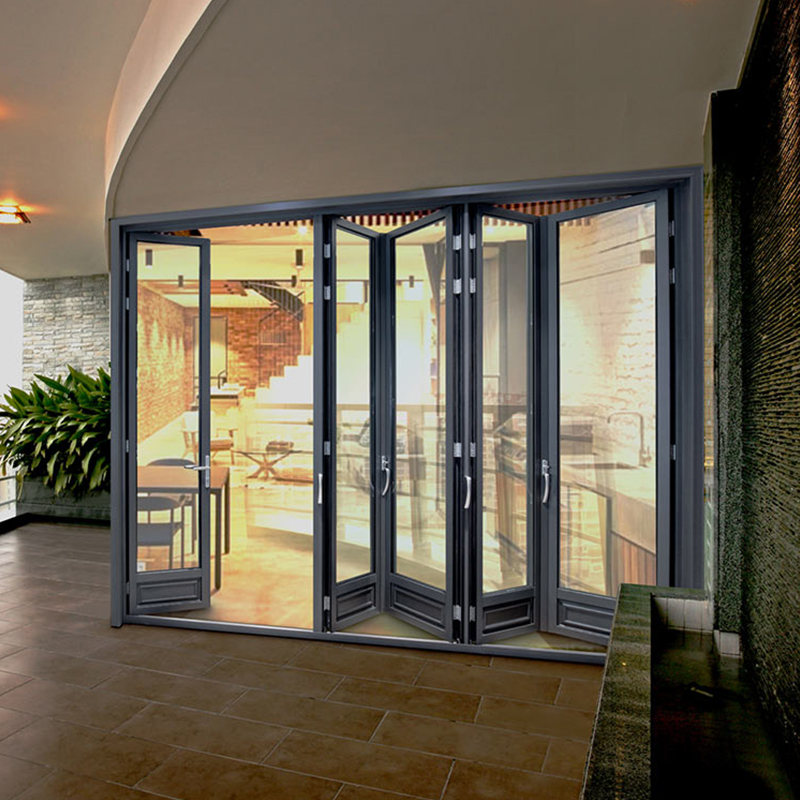
When I compare top-hung and bottom-rolling bi-fold doors, I see the main difference in how they carry weight. Top-hung doors hang from the top track, while bottom-rolling doors glide on rollers at the base. If I want smooth operation and long-lasting results, I must understand how the load path affects installation. Picking the right system saves time, money, and stress down the road.
Key Takeaways
Top-hung bi-fold doors hang from a strong track above. They work best for lighter doors. They are good for spaces that need a clean look.
Bottom-rolling bi-fold doors move on rollers at the bottom. They give more support for heavier doors. They are easier to put in older homes.
Think about your home's structure before you pick a door system. Top-hung doors need strong support above. Bottom-rolling doors need a flat and solid floor.
You must take care of your doors often. Top-hung doors do not need much cleaning. Bottom-rolling doors need their tracks cleaned often to work well.
Top-hung doors have low thresholds, so they are easier to use. They are good for families and people who need help moving around.
Bi-fold Doors: Key Differences
Top-hung vs. Bottom-rolling: Quick Comparison
When I look at bi-fold doors, I always check how they move and where they carry their weight. Top-hung doors hang from the top track, while bottom-rolling doors glide on rollers at the bottom. This difference changes how each system works in my home.
Here is a simple table that shows how top-hung and bottom-rolling bi-fold doors compare:
Feature | Top-Hung | Bottom-Rolling |
|---|---|---|
Load-Bearing Capacity | Suitable for lighter to medium-weight doors; heavy doors may strain the overhead structure unless reinforced. | Better suited for heavier doors, as the weight is directly transferred to the floor. |
Support Mechanism | Weight is borne by an upper track; a bottom guide ensures lateral stability but does not support weight. | Weight rests on rollers or wheels on the floor track; an upper guide keeps the door aligned. |
I find this table helpful when I decide which system fits my needs. If I want a clean look and easy access, I lean toward top-hung. If I need to install heavier panels or retrofit an older space, bottom-rolling makes more sense.
Main Distinctions in Operation
I notice the way bi-fold doors operate depends on their design. Top-hung doors feel light when I open them. They slide smoothly because the weight hangs from above. I see less friction and fewer problems with dirt in the bottom track. This makes top-hung doors ideal for spaces where I want a flush threshold and easy movement.
Bottom-rolling bi-fold doors work differently. The panels glide on rollers at the base. I feel the stability right away, especially with larger or heavier doors. The bottom track supports the weight, so the doors stay steady. I do need to keep the track clean, since debris can affect how the doors slide. For big glass panels or heavy frames, bottom-rolling gives me peace of mind.
If I want a system that matches my home’s structure and my lifestyle, I always compare these main distinctions. I ask myself how much weight my doors will carry, how often I will use them, and whether I need a low threshold for accessibility. By thinking about these factors, I make a smart choice for my space.
Top-hung Bi-fold Doors: Features
Mechanism and Load Path
When I choose top-hung bi-fold doors, I know the main support comes from above. The doors hang from a strong track at the top. The bottom track only guides the panels. I see that the load path for top-hung sliding doors includes both horizontal and vertical forces. My building’s header must handle these loads without sagging. I always make sure the door columns are strong enough to support the opening and absorb any vibrations. This design keeps my doors stable and smooth.
The top track carries the full weight of the doors.
The header above the opening must be strong and stable.
Door columns need to be sized to handle all loads.
Installation Needs
I find that installing top-hung bi-fold doors takes careful planning. I need a solid beam or lintel above the opening. This beam must support the weight of the doors and the wall above. I cannot skip this step. If I want top-hung sliding doors, I always check my structure first. I want to avoid problems later.
Pros and Cons
Here is a table that helps me weigh the advantages and disadvantages of top-hung bi-fold doors:
Advantages | Disadvantages |
|---|---|
Low-Maintenance | There isn’t a threshold |
Increase natural light | Higher Cost |
Save space | Not a typical DIY project |
Energy-efficient | |
Attractive | |
Highly secure |
Maintenance Factors
I like that top-hung sliding doors need less cleaning at the bottom. Dirt and leaves do not block the sliding motion as much. I do check the top track sometimes to make sure it stays clear. I also make sure the overhead beam stays strong. I know that top-hung bi-fold doors can become unstable if the support above weakens.
I keep the top track clean for smooth sliding.
I inspect the overhead beam for any signs of sagging.
Threshold and Accessibility
Top-hung bi-fold doors give me a low or flush threshold. I love this feature because it makes my home more accessible. I can move between rooms or to the outside without stepping over a high sill. This design works well for families, kids, and anyone who wants easy access.
Tip: If you want a barrier-free entry, top-hung sliding doors are a smart choice.
Bottom-rolling Bi-fold Doors: Features
Mechanism and Stability
When I pick bottom-rolling bi-fold doors, I see how they work. The panels sit on rollers at the bottom. These rollers move along a track. The track keeps the doors steady and smooth. The doors have a lower center of gravity. This makes them feel stable, even if they are big or heavy. I clean and oil the track often. This helps the doors slide easily.
Rollers at the bottom hold up the panels.
The track helps guide the doors.
Cleaning and oiling keep sliding smooth.
Installation Needs
Installing bottom-rolling bi-fold doors is often easier. I do not need a strong beam above the opening. The floor holds the weight. I can use these doors where the top is weak. I check the floor to make sure it is flat and strong. Good prep helps the doors work well for a long time.
Pros and Cons
I think about the good and bad before I choose. Here is a table to help me compare:
Advantages of Bifold Doors | Disadvantages of Bifold Doors |
|---|---|
Wide, Uninterrupted Openings | Bulkier Frame Profiles |
Flexible Configurations | Higher Cost |
Compact Stacking | Track & Hardware Maintenance |
Contemporary Design | |
Durable and Low Maintenance |
Bottom-rolling sliding doors give wide openings and flexible layouts. The frames can look bigger. I need to keep the track clean. The modern look and easy stacking are nice features.
Maintenance Factors
Bottom-rolling bi-fold doors need regular care. Dirt can build up in the bottom track. If I do not clean it, the doors do not slide well. I use a vacuum or brush to clean the track. Sometimes, I add oil to the rollers. This keeps the doors moving quietly and smoothly.
Tip: Clean the bottom track often. This helps your bottom-rolling sliding doors work well.
Threshold and Accessibility
I want my home to be easy for everyone. Bottom-rolling bi-fold doors can have level thresholds. This helps people with wheelchairs or walking aids. Moving between rooms is simple and safe. Some systems let me remove the threshold insert for a flat entry. I make sure the floor is ready before installing. A good threshold means fewer trips and falls. It also keeps water and dirt outside.
Accessibility Features | Installation Challenges |
|---|---|
Level thresholds remove barriers for wheelchairs and walking aids. | Needs careful measuring and floor prep for good installation. |
Lower step height helps stop trips and falls. This is good for families and older people. | Bad installation can cause problems and let in water. |
Some systems let you take out the threshold insert for flat access in nice weather. | Skilled installers are needed for good alignment and use. |
Small thresholds make open layouts and better access. | You must clean often to stop debris from blocking drains. |
I think bottom-rolling sliding doors can make any space open and easy to use. With good care and installation, these bi-fold doors give style, strength, and convenience.
Top-hung vs. Bottom-rolling: Comparison
Structural Requirements
When I choose bi-fold doors, I always look at the structure first. Top-hung systems need a strong lintel or beam above the opening. The weight of the doors hangs from the top track. If my home has a solid header, I feel confident installing top-hung doors. I know the structure will support the load and keep the doors stable.
Bottom-rolling systems work differently. The weight sits on rollers in the bottom track. The floor carries the load. I do not worry about the strength of the overhead beam. I focus on the floor. It must be flat and sturdy. If I have an older home or a weak lintel, bottom-rolling bi-fold doors make installation easier. I can retrofit these doors without major changes to the structure.
Here is a quick table that helps me compare:
Feature | Top-hung | Bottom-rolling |
|---|---|---|
Load Path | Weight hangs from top track | Weight rests on bottom rollers |
Structural Needs | Strong lintel or beam required | Solid, level floor needed |
Retrofit Suitability | Needs overhead support | Easier for older buildings |
Tip: I always check my home’s structure before I pick a bi-fold door system. This saves me time and money.
Durability and Performance
I want my bi-fold doors to last for years. Top-hung doors give me long-lasting durability. I see smooth sliding every time I open them. Stainless steel hardware keeps the doors moving without binding or clogging. Even with heavy use, top-hung systems stay reliable. Dirt rarely affects the top track, so I spend less time on maintenance.
Bottom-rolling doors perform well, especially with heavy panels. The rollers glide along the bottom track. I notice that debris can collect in the track. If I do not clean it often, the sliding action feels rough. I use a brush or vacuum to keep the track clear. Bottom-rolling systems handle big glass panels and wide openings. I trust them for stability, but I stay alert for dirt and water buildup.
I always ask myself how much use my doors will get. If I want low maintenance and smooth operation, I lean toward top-hung bi-fold doors. If I need to move heavy panels, bottom-rolling systems give me peace of mind.
Suitability for Different Settings
I match my bi-fold doors to my space. Top-hung doors fit modern homes with strong overhead support. I love the clean, flush threshold. It makes my home accessible for everyone. I use top-hung systems in living rooms, patios, and places where I want a seamless transition.
Bottom-rolling bi-fold doors work best in older homes or spaces with weak lintels. I install them in areas with heavy glass panels or wide openings. The bottom track supports the weight. I make sure the floor is ready before installation. Bottom-rolling systems suit commercial spaces, retrofits, and places where I need extra stability.
Here is a list that helps me decide:
I choose top-hung for new builds, barrier-free access, and sleek design.
I pick bottom-rolling for retrofits, heavy panels, and uneven overhead structures.
I use sliding bi-fold doors in both systems for flexible layouts and wide openings.
Note: I always consider the threshold design. Top-hung doors give me a low step. Bottom-rolling doors may need a deeper sill for stability and drainage.
When I compare top-hung and bottom-rolling bi-fold doors, I look at structure, durability, and setting. I make my choice based on my home’s needs and my lifestyle.
Choosing the Right Bi-fold Doors
Factors to Consider
When I plan to install bi-fold doors, I always look at several important factors. I want my doors to work well and look great in my home. Here are the things I check before I make a decision:
Maintenance matters to me. I know bottom-rolling doors need more cleaning because dirt collects in the bottom track. Top-hung doors stay cleaner and slide better, even if debris is present.
I think about style. Both types come in many colors and designs. I can match my doors to any room or outdoor space.
I focus on how the doors operate. Bottom-rolling doors feel stable and move smoothly because their weight sits low. Top-hung doors need a strong lintel above to support their weight.
I consider the material. I choose between solid wood, aluminum, or vinyl, depending on my needs.
I look at the size and number of panels. I want the doors to fit my opening perfectly.
I decide where to install them. I use interior bi-fold doors to separate rooms. I pick exterior bi-fold doors for access doors to patios or gardens.
I always select quality hardware. Strong hinges and tracks help my doors last longer.
Tip: I always check the structure of my home before choosing top-hung or bottom-rolling doors. This saves me from costly mistakes.
I notice that top-hung and bottom-rolling bi-fold doors are different. Top-hung doors need strong support above. They do not get as dirty. Bottom-rolling doors work well with heavy panels. They are easier to put in. Here is a simple table:
System | Best For | Key Point |
|---|---|---|
Top-Hung | Modern looks, clean thresholds | Needs strong lintel |
Bottom-Rolling | Heavy doors, retrofits | Needs clean floor track |
You should look at your home’s structure first. Think about how much cleaning you want to do. Pick a style you like. Use good materials and hire experts. This helps your doors last a long time.
FAQ
Can I install bi-fold doors myself?
I always recommend hiring a professional. Bi-fold doors need precise alignment and strong support. If I want the best results and long-lasting performance, I trust experts to handle installation.
Which system works better for heavy glass panels?
I choose bottom-rolling bi-fold doors for heavy glass panels. The floor supports the weight. I get smoother operation and better stability with this system.
Do top-hung bi-fold doors offer better accessibility?
Yes, I find top-hung bi-fold doors give me a lower threshold. This makes my home more accessible for everyone. I move easily between spaces without stepping over a high sill.
How often should I clean the tracks?
I clean the tracks every month. Dirt and debris affect sliding. I use a vacuum or brush for the bottom track. I check the top track for dust. Regular cleaning keeps my doors working smoothly.