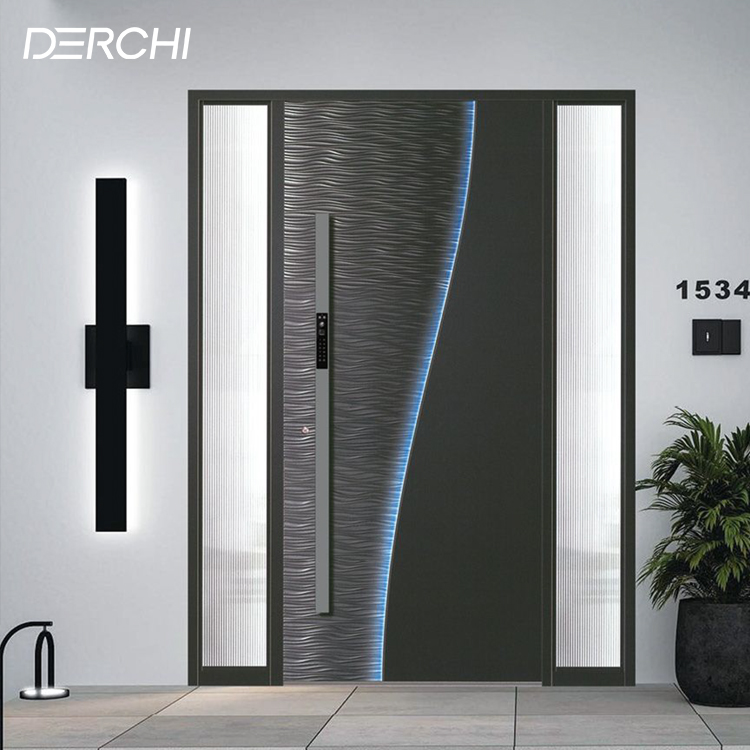
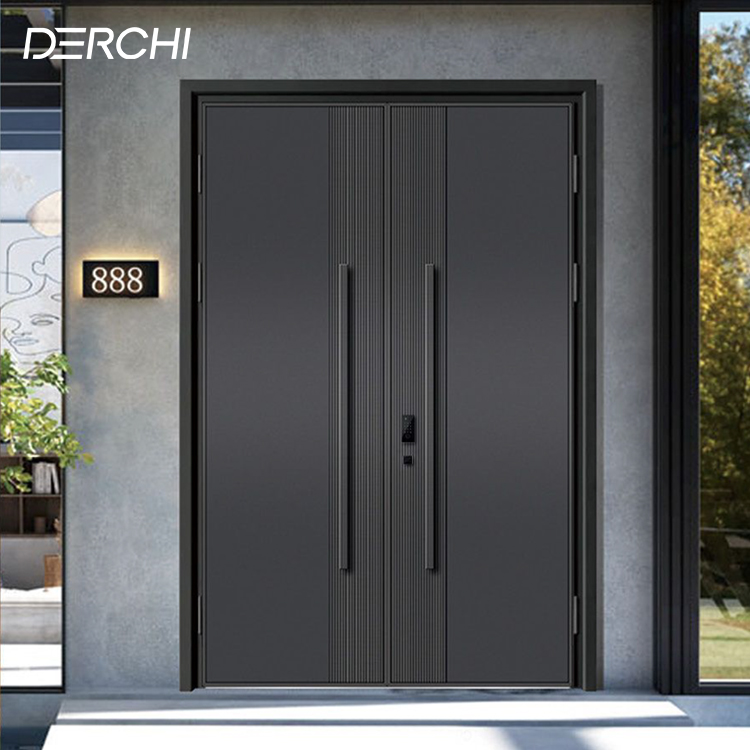
You may ask if you can handle a front door replacement by yourself. With some planning and the right tools, you can do it. Choosing the right material is very important. Many people opt for wood, metal, glass, or composites for their door. If you want a door that looks nice and is easy to care for, aluminum doors from Derchi Window and Door are a great choice. Always measure accurately and consider your steps. Good planning makes the front door replacement job easier.
Key Takeaways
You can change your front door by yourself. You need the right tools and a good plan. First, measure your door opening carefully.
Pick the best material for your door. Aluminum doors last a long time. They do not need much care. They do not rust or corrode easily.
Think about your skills before you begin. If you are new to DIY, watch videos to learn. You can also ask a friend to help you.
Always look for problems like rot or mold before you start. Call an expert if you see any damage.
You can save money by picking a standard door size. Compare prices from different installers to get the best deal.
Take out your old door by yourself to save on labor. Use simple tools and be careful to stay safe.
Put in weatherstripping to stop drafts and water from coming in. This helps your home use less energy.
Clean and oil the hinges often to keep your aluminum door working well. This also helps your door look nice.
Can You Do a Front Door Replacement Yourself?
Thinking about tackling a front door replacement on your own? You’re not alone. Many homeowners wonder if they can handle this project without calling in a pro. Let’s break down what you need to know before you grab your tools.
DIY or Hire a Pro?
You can do a do-it-yourself front door installation if you have some experience with home improvement. The recommended skill level for this project is intermediate. If you’ve hung doors before or worked with basic carpentry, you’ll find the process manageable. You’ll need to follow instructions closely and pay attention to detail. If you’re new to DIY projects, you might want to ask a friend for help or watch a few tutorials first.
Aluminum doors from Derchi window and door make things easier for you. Take a look at how they compare to other brands:
Feature | Description |
|---|---|
Instructions | Comes with detailed installation instructions and video tutorials |
Nail fins | Designed with nail fins for quick and easy setup |
Weight | Lighter than traditional wooden doors, facilitating easier handling |
These features help you install your replacement front door with less hassle and less heavy lifting.
When to Consider Professional Help
Some situations call for professional door installation. If you run into problems like a rotted frame or mold after removing your old front door for house, you should call an expert. Professionals know how to fix structural issues and make sure your new door fits perfectly. If you want a custom door or need to resize the opening, a pro can handle the job safely.
Tip: If you feel unsure at any step, don’t hesitate to get help. A poorly installed door can cause drafts, security risks, and expensive repairs.
Benefits of DIY Front Door Replacement
Doing your own front door replacement has some great perks. You save money on labor, learn new skills, and get the satisfaction of finishing a big project yourself. You can work at your own pace and choose the style and hardware you like best.
Before you start, keep these safety points in mind:
If you don’t install the door correctly, you could make your home easier to break into.
Proper alignment is key. An uneven door can let in drafts and weaken security.
Damage during installation may lead to costly repairs or even a new door.
If you discover rot or mold, let a professional handle it to protect your home’s structure.
Taking the time to plan and measure helps you avoid mistakes. With the right tools and a little patience, you can make your entryway look brand new.
Choosing the Right Front Door Material
When you plan to replace your front door, picking the right material is important. You want a door that looks good and lasts long. It should also fit your budget. There are several types of exterior door materials you can choose from. Derchi window and door focuses on aluminum doors. Other materials are shown here so you can compare.
Aluminum vs. Other Materials
There are four main choices for a replacement front door. These are wood, steel, fiberglass, and aluminum. Each material has good points and bad points. Here is a table to help you see the differences:
Material | Durability Features | Maintenance Needs |
|---|---|---|
Aluminum | Tough, resistant to rust and corrosion, does not rot, withstands various weather | Minimal maintenance, no painting needed |
Fiberglass | Resistant to warping, cracking, and rotting, energy-efficient, rust-proof | Low maintenance, can mimic wood look |
Wood | Prone to rotting and warping, requires regular maintenance | Needs painting and sealing regularly |
Steel | Can corrode over time, especially in salt-air regions | Moderate maintenance, may need repainting |
Aluminum is strong and handles bad weather well. Wood looks classic but needs lots of care. Steel is safe but can rust. Fiberglass saves energy and is easy to clean.
Pros and Cons of Each Material
Here is what you get with each type of exterior door:
Aluminum: This door does not rust or corrode. You do not need to paint or seal it. Cleaning is simple with soap and water. Aluminum doors last a long time and keep their color.
Fiberglass: These doors look like wood but do not warp or crack. They save energy and need little care. Custom styles may cost more.
Wood: Wood doors look nice and can be made special. You need to paint or seal them often. They can rot or warp if they get wet.
Steel: Steel doors are strong and safe. They may need new paint and can rust in salty air. They are good for security.
If you want a front door for house that is easy to care for, aluminum is a smart choice. You do not need to sand or paint it. Just wipe it clean when it gets dirty.
Note: Derchi window and door only sells aluminum doors. Other materials are listed so you can compare for your front door replacement.
Why Choose Derchi Aluminum Doors
Derchi aluminum doors offer many styles and benefits. You can pick from lots of colors and finishes. You can order custom sizes for your entryway. Here are some style options you can choose:
Style Type | Features |
|---|---|
Versatile Styles | Bring natural light and useful features to living spaces. |
Garage Doors | Strong security, weather protection, and modern look. |
Sliding Doors | Easy movement, big views, and simple design. |
Swing Doors | Classic style, great security, and nice entry. |
Entry Doors | Good insulation, weather protection, and strong build. |
Custom Options | Special sizes, styles, and finishes for your taste. |
You can also pick from:
Many colors and finishes
Custom sizes and styles
Special features for your needs
If you want a replacement front door that looks good and is easy to care for, Derchi aluminum doors are a great pick. You get strength, style, and peace of mind in one door.
Front Door Replacement Costs and Factors
Material and Size Impact
When you plan to replace your front door, the material and size matter a lot. The type of material you pick changes the price. Each material has its own cost. Here are some common choices and what they cost:
Steel entry door: $500 – $2,000
Fiberglass doors: $800 – $3,000
Solid wood doors: $1,200 – $6,000+
The size of your door also affects the price. Standard doors cost less money. Custom or big doors cost more. If you want sidelights or a transom, the price goes up. Custom designs and special finishes make it even higher.
Labor and Installation Fees
Labor and installation costs change based on where you live and your door type. A standard replacement usually costs $300 to $800 for labor. If you need a new frame too, it can cost $600 to $1,500. Steel and fiberglass doors are easier to put in, so you might pay less. Solid wood or custom doors take longer and cost more to install.
Here are things that change the price for installation:
How hard the job is
Door material and weight
If you need a new frame
Where you live (cities cost more, sometimes 20% to 30% higher)
If you live in a city, you will pay more for labor. Rural places usually have lower prices.
Hardware and Accessories
Remember to add hardware and accessories to your budget. Handles, locksets, hinges, and weatherstripping all add to the cost. Basic hardware is cheaper. Fancy handles or smart locks cost more.
Here is a list of what you might need:
Door handles and locksets
Deadbolts
Hinges
Weatherstripping
Thresholds
Peepholes or knockers
Hardware prices go from $10 for simple hinges to $500 for fancy locksets. Weatherstripping keeps your home warm and costs $15 to $80. If you want smart locks or custom handles, you need more money.
Tip: If you do more than one home project at once, you can save money. When workers do many jobs together, you pay less for labor and it is easier to schedule.
Strategy | Description | Potential Savings |
|---|---|---|
Bundling Projects | Do door replacement with other jobs to save on labor. | 5% to 15% in labor costs |
Labor Efficiency | Crews working on many jobs at once cost less overall. | Lower overall labor costs |
Time Savings | Doing projects together saves time and makes scheduling easier. | Easier scheduling |
Pick the right material, plan for labor, and choose hardware that fits your needs. This helps you control your front door replacement budget. You get a safe and nice-looking entryway without spending too much.
How to Save on Front Door Replacement
You want to upgrade your entryway, but you also want to keep costs down. Saving money on your front door replacement is possible if you plan ahead and make smart choices. Here are some easy ways to cut costs and still get a great replacement front door for house.
1. Choose a Standard Size
Custom doors look amazing, but they cost more. If you pick a standard size for your replacement front door, you pay less for both the door and installation. Most homes use a 36-inch wide door. Measure your opening before you shop. If your space fits a standard door, you save money right away.
2. Compare Quotes from Installers
Don’t settle for the first price you hear. Get quotes from at least three installers. Ask each one what’s included in their price. Some companies bundle hardware and labor, while others charge extra. Comparing quotes helps you spot hidden fees and find the best deal.
3. DIY Removal
You can remove your old door yourself. This step saves on labor costs. Use a screwdriver and pry bar to take off the hinges and hardware. If you feel confident, you can also remove the frame. Just make sure you follow safety tips and wear gloves.
Tip: If you run into rot or mold, stop and call a pro. Fixing damage yourself can lead to bigger problems.
4. Shop During Off-Season
Installers get busy in spring and summer. If you schedule your front door replacement in late fall or winter, you may get a lower price. Contractors offer discounts when business slows down.
5. Bundle Projects
If you plan to replace windows or do other home upgrades, bundle them together. Many installers give discounts for multiple jobs. You save on labor and make scheduling easier.
6. Pick Budget-Friendly Materials
Aluminum, steel, and fiberglass doors cost less than solid wood. These materials last long and need less care. Aluminum doors from Derchi window and door offer style and durability without high maintenance costs.
7. Use Basic Hardware
Fancy handles and smart locks look cool, but they add to your bill. Choose simple hardware for your replacement front door. You can always upgrade later.
Money-Saving Tip | How It Helps You Save |
|---|---|
Standard Size Door | Lower door and installation cost |
Compare Quotes | Find best price and avoid surprises |
DIY Removal | Cut labor fees |
Off-Season Installation | Get discounts from contractors |
Bundle Projects | Save on labor and scheduling |
Budget Materials | Lower upfront and maintenance costs |
Basic Hardware | Spend less on accessories |
You don’t have to spend a fortune to get a secure, stylish front door for house. With these tips, you can manage your front door replacement budget and still enjoy a fresh new look.
Tools and Materials for Install a Front Door
Getting ready for your front door replacement project starts with gathering the right tools and materials. If you want your replacement front door to fit perfectly and last for years, you need to be prepared. Let’s break down what you’ll need and how to set yourself up for success.
Essential Tools List
You don’t need fancy equipment, but you do need the right tools for the job. Here’s a handy checklist to help you get started:
4-foot level
Hammer
Utility knife
Pry bar
Screwdriver (flathead and Phillips)
Drill with bits
Chisel
Plumb bob
Tape measure
Pencil
Work gloves
Safety glasses ️
Small pry bar
Nail set
Power drill
Rubber mallet
Carpenter’s square
Oscillating saw
Reciprocating saw
Caulk gun
You’ll use these tools to remove your old door, prep the opening, and install your new front door for house. If you have a helper, the job goes even smoother.
Tip: Always wear safety glasses and gloves. Protect your hands and eyes from splinters, dust, and sharp edges.
Materials Checklist
Once you have your tools, gather the materials you’ll need for a successful front door replacement. Here’s what you should have on hand:
Wood shims (for leveling and securing the door)
Small piece of fiberglass insulation (to fill gaps and keep drafts out)
Brickmould or exterior trim (if your new door doesn’t include it)
#8 2.5 or 3 inch exterior grade screws (these prevent rust and hold everything tight)
Therma-Tru sill-pan kit and flexible flashing (for a water-tight seal, sometimes required by building codes)
You want to make sure your replacement front door is secure, energy-efficient, and weatherproof. Using the right screws and insulation helps keep your home comfortable and safe.
Material | Purpose |
|---|---|
Wood shims | Level and stabilize the door |
Fiberglass insulation | Block drafts and moisture |
Exterior trim | Finish and seal the entryway |
Exterior screws | Prevent rust, hold door firmly |
Sill-pan kit/flashing | Keep water out of your home |
Preparing for Installation
Before you start installing your new front door for house, take a few simple steps to make the process easier:
Measure accurately. Use your tape measure to check the width, height, and depth of your existing door frame. Double-check your numbers so your replacement front door fits just right.
Gather all your tools and materials. Lay everything out where you can reach it. Make sure your new door package includes hinges, locks, and hardware.
Clear the area. Move furniture, rugs, and anything else near the door. You want a safe, clutter-free workspace.
Note: Careful prep saves you time and stress. If you measure wrong or forget a tool, you might have to stop and start over.
When you’re ready, you’ll feel confident tackling your front door replacement. Good preparation means fewer surprises and a smoother installation. Your new replacement front door will look great and work perfectly!
How to Measure for a New Front Door
Getting the right measurements is the first step to a successful front door replacement. If you want your replacement front door to fit perfectly and work smoothly, you need to measure carefully. Let’s walk through the process together.
Measuring Door Opening
You want to start by measuring the door opening, not just the old door itself. This helps you order a front door for house that fits right the first time.
Width, Height, and Thickness
Here’s a simple way to measure your door opening:
Width: Measure across the door opening at three spots—bottom, middle, and top. Write down each number, then use the largest one. This gives you the most accurate width for your replacement front door.
Height: Measure from the top left corner down to the bottom left, then from the top right to the bottom right. Use the longest measurement. Don’t forget to include the threshold in your height check. This helps your new door swing freely over the floor.
Thickness: Measure the edge of your current door or the space between the stops and the back of the door jamb. Most doors are about 1 3/4 inches thick, but always check to be sure.
Tip: If you’re replacing a pre-hung door, remove the trim before measuring. This lets you see the full frame and get the right numbers.
Checking for Square and Level
You want your replacement front door to open and close without sticking. To check if your opening is square:
Measure diagonally from the top left corner to the bottom right, then from the top right to the bottom left. If the numbers match, your opening is square.
If the measurements are off by more than 1/4 inch, you may need to adjust the frame or ask a pro for help.
A level and square opening makes installation easier and helps your front door replacement last longer.
Avoiding Common Measuring Mistakes
Measuring mistakes can lead to costly problems. Here are some common errors and how you can avoid them:
Measuring only the old door: Always measure the framed opening, not just the door slab. This ensures your replacement front door fits the space.
Forgetting the threshold: Include the threshold in your height measurement. This keeps your new front door for house from rubbing against the floor.
Not checking for squareness: Skipping the diagonal check can mean trouble later. Always make sure your opening is square.
Ignoring door swing direction: Note which way your door opens—left or right, in or out. This affects how your new door will fit.
Not planning for sidelights or transoms: If you want extra glass panels, measure the full frame width before you order.
Ordering the wrong size: Triple-check all your measurements. Write them down and check again before you buy.
️ Pro Tip: Remove a section of trim to measure jamb depth accurately. This helps you order the right size for your front door replacement.
If you follow these steps, you’ll avoid the most common mistakes. You’ll get a replacement front door that fits well, looks great, and works perfectly for your home.
Remove the Old Front Door
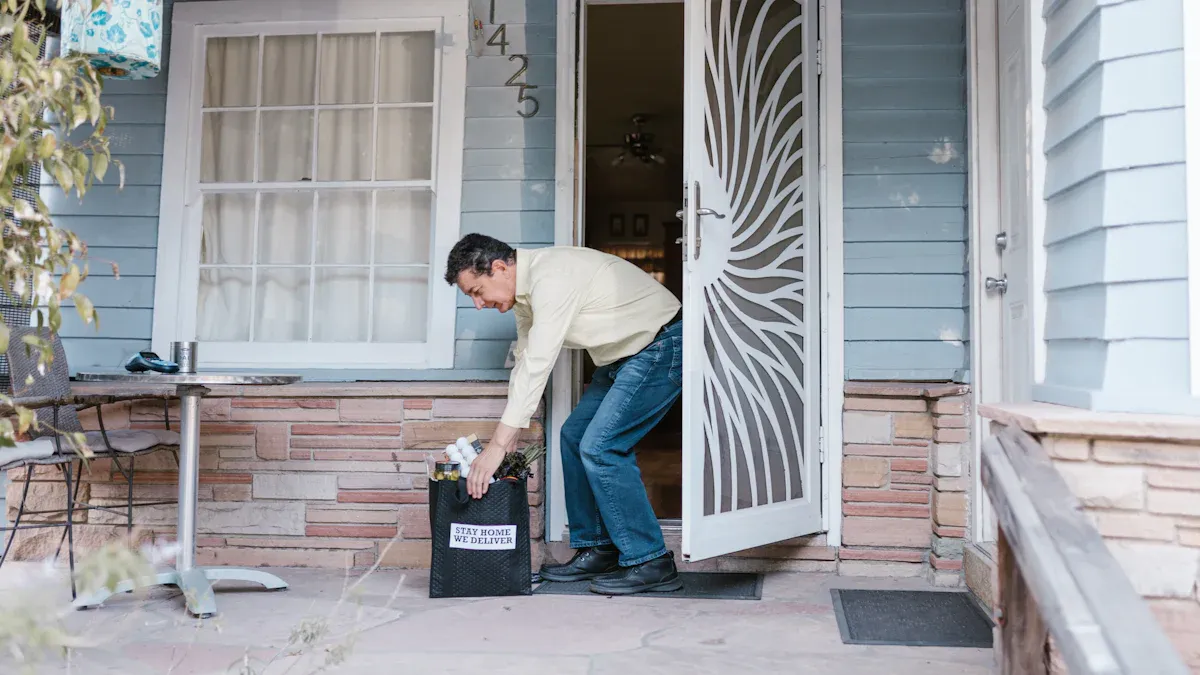
Ready to start your front door replacement? Removing the old door is the first big step. You want to do this safely and avoid damaging your entryway. Let’s walk through the process together.
Safety Steps
Before you grab your tools, make sure you set up a safe workspace. You don’t want accidents or messes while working on your replacement front door.
Clear the area around your front door for house, both inside and outside. Give yourself plenty of room to move.
Lay down a drop cloth to catch dust, paint chips, or debris.
Put on work gloves and safety glasses. Protect your hands and eyes from splinters and sharp edges.
Keep pets and kids away from the work zone. You want to focus without distractions.
Tip: A clean, open space helps you work faster and keeps your home safe during your front door replacement.
Removing Hinges and Hardware
Now you’re ready to take off the old door. This part needs care and a little muscle. If your door is heavy, ask a friend to help.
Slide a piece of cardboard under the door to protect your floor.
Close the door and place the cardboard underneath to support its weight.
Cut through any paint around the hinges with a utility knife. This stops the paint from tearing the wood.
Use a hammer and pin removal tool to tap out the hinge pins. Start at the top and work your way down.
Once all pins are out, carefully lift the door off the hinges. Support the door as you remove the last pin so it doesn’t fall.
Unscrew the hinges from both the door and the frame.
Open the door wide to reach the hinge plates. Unscrew the plates from the frame.
If a hinge is stuck, use a chisel or flathead screwdriver to gently pry it away.
️ Note: Always support the door while removing the last hinge. Doors can be heavy and may tip over if you’re not careful.
Taking Out the Frame and Threshold
After you remove the door, you need to take out the old frame and threshold. This step gets your entryway ready for your new replacement front door.
Remove any rubber strips or seals from the threshold.
Unscrew the screws holding the threshold in place. Use the right screwdriver for the job.
Carefully lift out the old threshold. If it’s stuck, use a pry bar to loosen it.
Clean the doorway area. Sweep away dust, debris, and old caulk. Make sure the surface is dry and smooth.
Inspect the doorway for damage. Look for rot, mold, or cracks. Fix any problems before you install your new front door for house.
Step | What to Do |
|---|---|
Remove threshold | Unscrew and lift out carefully |
Clean area | Sweep and clear debris |
Inspect for damage | Check for rot, mold, or cracks |
Tip: A clean and solid entryway helps your new replacement front door fit perfectly and last longer.
You’ve finished the hardest part! With the old door and frame gone, you’re ready to move on to installing your new front door replacement. Take your time and double-check your work. Your entryway will look great and feel secure.
Install a Front Door: Step-by-Step Guide
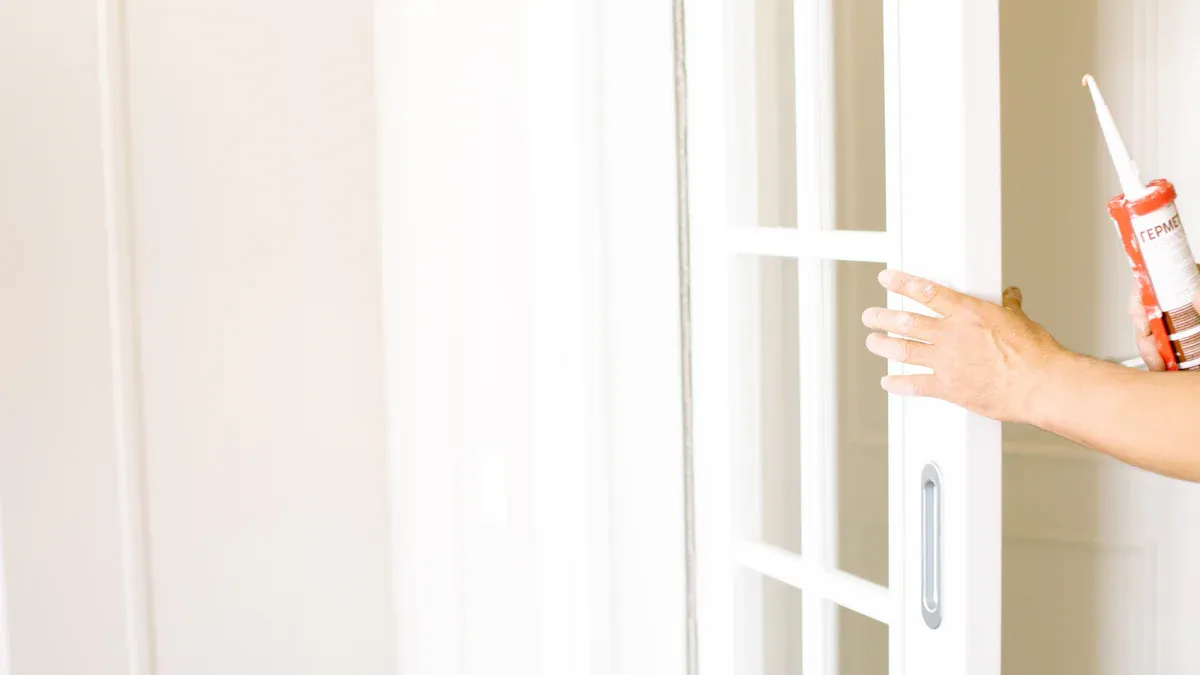
Prepare the Opening
You’ve removed your old door and frame. Now, you need to get the entryway ready for your new replacement front door. Start by cleaning the area. Sweep away dust, old caulk, and debris. Check the subfloor and walls for damage. If you see rot or cracks, fix them before you continue.
Next, grab your tape measure and double-check the width, height, and depth of the opening. Make sure the space matches the size of your new front door for house. If you see uneven spots, use a level to check for high or low areas. You want a flat, square surface for your entry door installation.
Place a sill pan or flashing at the bottom of the opening. This helps keep water out and protects your home. If your new door kit includes weatherstripping or insulation, set those aside for later steps.
️ Tip: Take your time with this step. A clean, level opening makes the rest of the entry door installation process much easier.
Set the New Door and Frame
Now you’re ready to install a front door. If you have a prehung aluminum door from Derchi window and door, the frame and door come attached. This makes the job easier.
Follow these steps to set the new door and frame:
Dry Fit the Door: Place the door and frame into the opening. Check that it fits snugly. The frame should sit flush against the wall with no big gaps.
Center the Frame: Use shims to center the frame in the opening. Place shims at the top, bottom, and sides. This keeps the frame steady and helps with alignment.
Check for Level and Plumb: Use a 4-foot level to check that the frame is straight up and down (plumb) and side to side (level). Adjust the shims until everything lines up.
Secure the Frame Temporarily: Drive a few screws through the frame into the wall studs. Don’t tighten them all the way yet. You’ll make final adjustments in the next step.
Note: If the door rubs or sticks, adjust the shims or move the frame slightly. You want the door to swing freely.
Secure and Level the Door
Getting your door installation right means making sure the door is secure and level. This step helps your replacement front door work smoothly for years.
Here’s how you do it:
Inspect the Door Movement: Open and close the door. Watch for gaps, sticking, or rubbing. If you see problems, adjust the shims behind the hinges or frame.
Tighten Hinges and Screws: Check all hinge screws. Tighten any loose ones. If a hinge looks bent or worn, replace it.
Adjust Hinge Placement: Loosen the screws on the hinge plates. Shift the hinge position if needed. Retighten the screws and test the door’s movement.
Use Shims for Support: Insert shims behind the hinge plates to fine-tune the door’s position. This helps the door swing smoothly and keeps it from sagging.
Check Alignment with a Level: Place your level along the edge of the door and frame. Make sure everything lines up. Add or remove shims as needed.
Fix Rubbing Issues: If the door scrapes the frame or floor, sand down the problem area or check for obstructions.
Test and Lubricate: Open and close the door several times. Listen for creaks or scraping. Apply lubricant to the hinges for a quiet, smooth swing.
Step | What to Check | What to Do if Needed |
|---|---|---|
Door movement | Sticking, rubbing, gaps | Adjust shims, hinges |
Hinges | Loose screws, bent plates | Tighten or replace |
Alignment | Level and plumb | Add or remove shims |
Rubbing | Scraping against frame or floor | Sand or clear obstructions |
Smooth swing | No creaks or resistance | Lubricate hinges |
Tip: Take your time with these adjustments. A well-leveled door keeps your home secure and makes entry door installation a breeze.
You’ve finished the hardest part of the entry door installation process. Your new replacement front door is set, secure, and ready for the next steps. You’re well on your way to a successful install exterior door project!
Attach Hinges and Hardware
You have your new door set in place. Now, you need to attach the hinges and hardware. This step brings your replacement front door to life. You want the door to swing smoothly and lock securely.
Start with the hinges. Most prehung doors, like those from Derchi window and door, come with hinges already attached to the frame. If your door does not, you need to line up the hinges with the hinge cutouts on the frame. Hold the hinge against the frame and mark the screw holes with a pencil. Use a drill to make pilot holes. Screw the hinges into place. Make sure each hinge sits flat and tight against the frame.
Next, check the alignment. Open and close the door a few times. Watch for any sticking or rubbing. If you see a problem, loosen the screws and adjust the hinge position. Tighten the screws again. Repeat this process until the door swings freely.
Now, move on to the hardware. You need to install the handle, lockset, and deadbolt. Most doors have predrilled holes for these parts. Slide the handle through the holes. Attach the screws and tighten them with a screwdriver. Follow the instructions that come with your hardware. If you have a smart lock or special handle, read the manual for extra steps.
Install the deadbolt above the handle. Line up the bolt with the strike plate on the frame. Use a drill to secure the strike plate. Test the lock by turning the key or knob. Make sure the bolt slides in and out easily.
Here is a checklist to help you stay organized:
Attach hinges to the frame and door
Check door swing and adjust hinges if needed
Install handle and lockset
Secure deadbolt and strike plate
Test all hardware for smooth operation
️ Tip: If the screws do not grip well, use longer screws for extra strength. This helps keep your front door for house secure.
Take your time with this step. Good hardware installation means your entry door installation will last for years. You want your replacement front door to feel solid and safe every time you open it.
Finishing Touches and Maintenance
Weatherstripping and Sealing
You want your new replacement front door to keep out drafts and moisture. Weatherstripping and sealing make a big difference. For an aluminum exterior door, you have some great options:
Silicone weatherstripping works well. It stays flexible and blocks drafts, even when the weather changes.
Aluminum door shoes with vinyl or silicone inserts help stop rain and air leaks. These fit along the bottom of your door.
Aluminum door shoes with drip edges push water away from your entry. They also resist corrosion.
Check the edges of your door for gaps. Press the weatherstripping firmly into place. If you see light around the door, add more or adjust the strips. A tight seal keeps your home comfortable and energy bills lower.
️ Tip: Test your door by closing it on a piece of paper. If you can pull the paper out easily, you need better weatherstripping.
Painting or Finishing (If Needed)
Most aluminum doors come with a baked-on finish. Sometimes, you want to change the color or add extra protection. You can paint your aluminum exterior door if you follow the right steps:
Clean the door with soapy water or TSP. Rinse and dry it well.
Remove or mask hardware and glass. Use painter’s tape for clean lines.
Lightly sand the surface. This helps the primer stick.
Apply a metal primer. Use thin coats and let each one dry.
Paint with acrylic latex, epoxy, or oil-based exterior paint. Pick paint made for metal.
Let each coat dry for 2–6 hours before adding another.
For extra protection, add a clear sealant. This helps block UV rays and moisture.
Unmask and reinstall hardware. Remove tape while the paint is still tacky for sharp edges.
Note: Always paint on a dry, mild day. Humidity and rain can ruin your finish.
Maintenance Tips for Aluminum Doors
You want your replacement front door to last for years. Aluminum doors are easy to care for, but a little attention goes a long way. Here’s how you can keep your front door for house looking and working its best:
Clean the door with mild soap and water every few months. This stops dirt and grime from building up.
Lubricate hinges and moving parts once a month. Use a silicone spray or light oil.
Check for moisture or dirt around the frame. Wipe it away to prevent corrosion.
Inspect weatherstripping and seals each season. Replace them if they look worn or loose.
Repaint or refinish the door if you see scratches or fading. This protects the metal and keeps your entry looking fresh.
Task | How Often | Why It Matters |
|---|---|---|
Clean door | Every 2–3 months | Prevents damage and stains |
Lubricate hinges | Monthly | Ensures smooth operation |
Check weatherstrips | Each season | Blocks drafts and moisture |
Repaint/refinish | As needed | Protects and refreshes finish |
Tip: Regular care means your aluminum door will look great and work well for many years after your front door replacement.
You now know how to replace a front door by yourself. First, measure the space for your new door. Next, gather all the tools you need. Follow each step to install your entry door smoothly. Picking a Derchi aluminum door is a smart choice. It lasts a long time and has great features.
Feature | Benefit |
|---|---|
Multi-layer airtight structure | Stops wind and water, helps save energy |
EPDM sealing tape | Works in any weather, needs little care |
Thermal break design | Makes your home comfy, saves on bills |
Reinforced aluminum profiles | Makes the door strong and safe |
Fire-retardant insulation | Makes things quieter, keeps you safer |
Go slow and double-check your measurements. Always wear safety gear when you work. If you are not sure what to do, ask an expert. Look at Derchi’s aluminum front doors to keep your home safe and looking good.
FAQ
How long does a front door replacement take?
Most front door replacement projects take about 2 to 5 hours. If you need to fix the frame or add special features, it might take longer. You can finish in one afternoon if you plan ahead.
Can I install a replacement front door by myself?
Yes, you can! If you have basic tools and follow instructions, you can handle a replacement front door. Ask a friend to help lift the door. If you find damage or mold, call a pro.
What tools do I need for a front door for house installation?
You need a tape measure, level, screwdriver, drill, hammer, and safety gear. A pry bar and shims help with fitting. Check your new door’s instructions for any special tools.
How do I know if my opening is the right size?
Measure the width, height, and thickness of your door opening. Double-check your numbers. If your opening matches a standard size, your replacement front door will fit easily.
Do I need to replace the frame when doing a front door replacement?
Not always. If your frame is solid and not damaged, you can keep it. If you see rot, cracks, or mold, replace the frame for a safe and secure fit.
How do I keep my new front door for house energy efficient?
Use weatherstripping and seal any gaps. Make sure your door closes tightly. Aluminum doors with insulated cores help keep your home comfortable and save on energy bills.
What is the best way to care for my aluminum replacement front door?
Clean your door with mild soap and water. Check the weatherstripping each season. Lubricate hinges once a month. If you see scratches, touch up the paint to protect the finish.
Can I paint my aluminum front door for house?
Yes, you can paint your aluminum door. Clean and sand the surface first. Use a primer made for metal, then apply exterior paint. Let each coat dry before adding another.