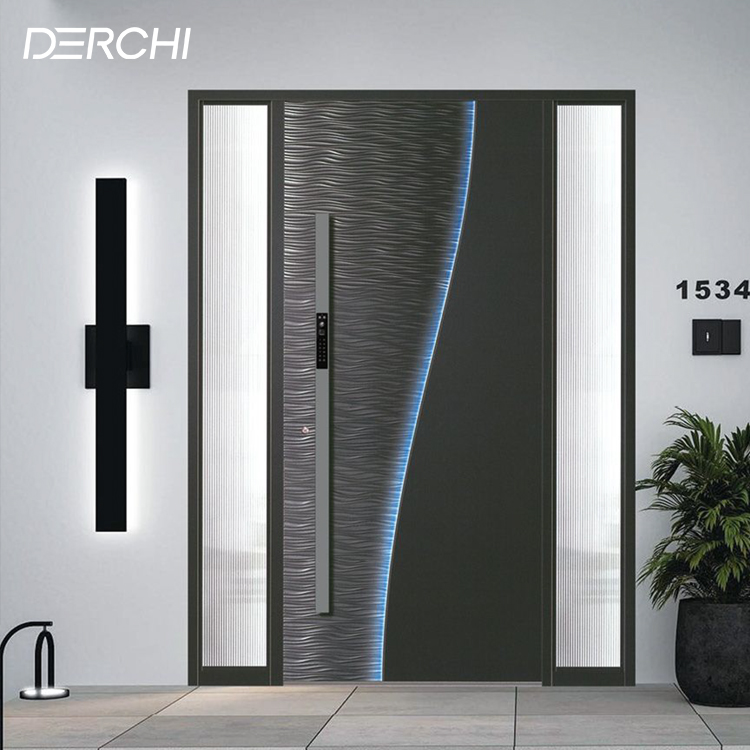
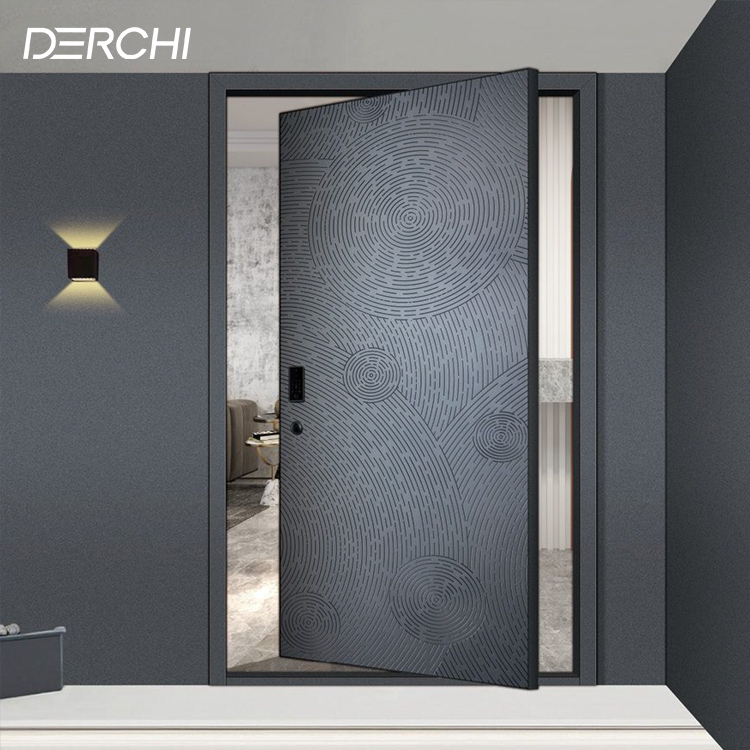
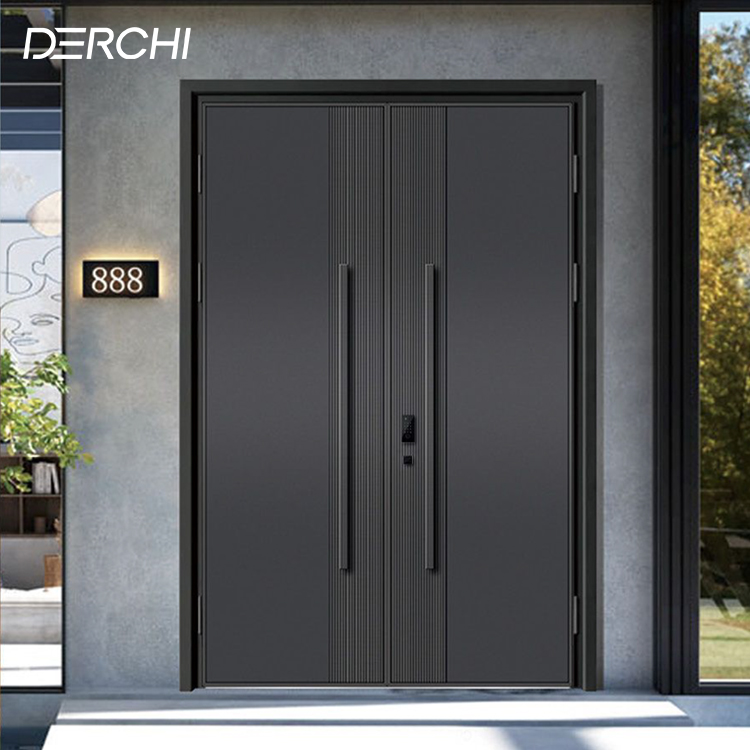
Homeowners face rising energy costs every year. Front doors play a major role in energy efficiency. They often lose heat, which increases bills and reduces comfort. External doors and windows can account for up to 20% of total domestic heat loss. An energy efficient front door uses strong materials, insulation, and proper sealing. These features improve energy efficiency by reducing drafts and minimizing heat transfer. Insulating materials and tight seals lower utility bills and keep indoor temperatures stable. Smart choices in materials, glass, installation, and maintenance maximize energy efficiency for every home.
Key Takeaways
Choose energy efficient materials like fiberglass or insulated steel for better insulation and durability.
Seal gaps with high-quality weatherstripping to block drafts and maintain a stable indoor climate.
Opt for double-pane glass with Low-E coatings to reduce heat transfer and lower energy costs.
Invest in professional installation to ensure a snug fit, preventing air leaks and maximizing energy savings.
Regularly inspect and maintain your front door to protect against drafts and extend its lifespan.
Key Factors for an Energy Efficient Front Door
Materials and Insulation
Choosing the right materials makes a big difference in energy efficiency. Up to 20% of a home's heat loss can happen through doors and windows. Homeowners who select an energy efficient front door with advanced insulation can reduce this loss and save money. The table below compares the most common materials for energy efficient doors:
Material | Insulation Properties | Durability Characteristics |
|---|---|---|
Fiberglass | Foam core offers exceptional insulation; poor heat conductor | Nearly maintenance-free, strong, no warping |
Steel | Insulated with foam; strong thermal break | Durable, resists warping, extra security |
Wood | Least energy-efficient; absorbs moisture, can warp | High maintenance, classic look |
Fiberglass doors stand out for their superior insulation and low maintenance. Steel doors with insulated cores also provide excellent thermal resistance and security. Solid wood doors look beautiful but offer less insulation and need more upkeep. The R-value, which measures thermal resistance, is higher in insulated steel and fiberglass doors than in solid wood. Insulated steel doors can reach R-5 to R-6, while solid wood doors usually range from R-2 to R-4. An energy efficient front door with a foam-filled core helps keep indoor temperatures stable, reduces drafts, and lowers energy bills. Homeowners who invest in energy efficient doors with insulated cores enjoy better comfort and long-term savings.
Sealing and Weatherstripping
Proper sealing is essential for energy efficiency. Even the best materials cannot prevent energy loss if air leaks around the door. Homeowners can lose up to 10% of their annual energy costs through poor sealing. Effective weatherstripping blocks drafts and keeps conditioned air inside. The table below highlights popular weatherstripping options:
Type | Description | Advantages | Disadvantages |
|---|---|---|---|
V Strip (Tension Seal) | Flexible strip for sealing door sides | Durable, stops drafts | Hard to install in corners |
Felt | Budget-friendly, easy to install | Cheap, simple to apply | Low durability |
Foam Tape | Self-stick foam fills gaps | Quick, inexpensive | Wears out in high-traffic |
Door Sweeps | Fits bottom edge of door | Blocks drafts at bottom | Can drag on carpets |
Tubular Rubber or Vinyl | Thick, heavy-duty for large gaps | Excellent insulation, long life | More expensive |
Tip: Homeowners should check for gaps around the door frame and use high-quality weatherstripping like tubular rubber or V-strips for best results.
Sealing air leaks not only improves energy efficiency but also increases comfort. Magnetic seals and kerf-style weatherstripping provide strong, lasting barriers against drafts. By sealing gaps, homeowners can maintain a consistent indoor climate and reduce the strain on heating and cooling systems.
Glass and Panel Design
Glass panels add style and natural light, but they can also affect energy efficiency. Modern energy efficient doors use double-pane glass and low-emissivity (Low-E) coatings to minimize heat transfer. The table below outlines the benefits of these features:
Benefit | Description |
|---|---|
High Insulative Properties | Low-E glass insulates better than standard glass |
Reduced Energy Cost | Low-E glass can cut energy use by 30-50% |
Improved Comfort | Prevents heat escape, reduces drafts |
Reduces Heat Gain/Loss | Insulated glass keeps homes warmer in winter, cooler in summer |
Increases Energy Efficiency | Lowers heating and cooling needs |
Added Security | Double-pane glass is harder to break |
Limits Noise Pollution | Extra layer blocks outside noise |
Prevents Window Condensation | Reduces condensation compared to single-pane glass |
Insulated cores in door panels further boost energy efficiency. Foam-filled cores and dense materials help maintain indoor temperatures and minimize heat loss. These features work together to create an energy-efficient exterior door that keeps homes comfortable year-round.
Note: Homeowners who choose energy efficient doors with double-pane glass, Low-E coatings, and insulated cores see lower energy bills and improved comfort.
Impact on Comfort and Bills
Reducing Heat Transfer
Homeowners who install an energy efficient front door notice immediate benefits. These doors use advanced insulation and weatherstripping to block drafts and stop air leaks. They keep heated or cooled air inside, which means less energy escapes through gaps or thin materials. Modern doors use foam cores and multi-pane glass to reduce heat transfer. Low-emissivity coatings reflect heat, so homes stay warmer in winter and cooler in summer.
Mechanism | Description |
|---|---|
Insulation | Internal insulation and efficient frames resist heat transfer. |
Weatherstripping | Tight seals prevent drafts and air leakage. |
Polyurethane or polystyrene cores boost thermal performance. |
These features work together to improve energy efficiency. Homeowners enjoy fewer drafts and a more stable indoor climate. They also see energy savings on their monthly bills.
Maintaining Indoor Temperature
A well-insulated door creates a strong barrier against outdoor temperatures. This barrier helps regulate temperature changes, even during extreme weather. Homes with attached garages benefit the most, as insulated doors can change garage temperatures by twenty degrees or more. Stable indoor temperatures mean less work for heating and cooling systems.
Energy-efficient doors also stabilize humidity levels. They prevent outside air from entering, which keeps the indoor climate consistent. Homeowners experience fewer hot or cold spots and better air quality. Energy Star-certified doors can lower heating and cooling costs by up to 13%. Replacing old doors with new, efficient models leads to long-term energy savings and greater comfort.
Tip: Investing in energy efficiency for the front door pays off every month. Lower bills and a comfortable home make this upgrade a smart choice.
Choosing Energy Efficient Doors
Comparing Materials
Homeowners who want to maximize energy efficiency must compare materials carefully. Each material offers unique benefits for insulation, durability, cost, and maintenance. The table below helps buyers evaluate their options for an energy efficient front door:
Material Type | Insulation Properties | Durability | Cost | Maintenance |
|---|---|---|---|---|
Fiberglass | High | Excellent | Moderate | Low |
Steel | Very High | Excellent | Moderate | Low |
Wood | Moderate | Good | High | Moderate |
Buyers should look for high insulation values and low air leakage rates. They must also consider the overall cost and value for money. Fiberglass and steel doors deliver superior energy efficiency and require less maintenance. Wood doors offer a classic look but need more upkeep and provide less insulation.
Energy Star Ratings
Energy star certified doors guarantee high performance for energy efficiency. These doors meet strict standards set by the U.S. Environmental Protection Agency. They use advanced insulation and tight seals to reduce heat loss. Energy star certified doors help homeowners achieve energy savings and lower utility bills. Buyers should check for the energy star label when shopping for energy efficient doors. This label assures that the door meets or exceeds national standards for energy efficiency. Energy star certified doors also improve comfort by minimizing drafts and maintaining stable indoor temperatures.
Tip: Energy star certified doors often qualify for rebates and incentives, increasing energy savings and reducing upfront costs.
Glass Options
Glass panels can enhance style and natural light, but they must support energy efficiency. Multiple glazing reduces heat transfer by creating insulating spaces between glass layers. Low-E coatings reflect heat back into the room during winter and block UV rays, boosting energy efficiency. Tight seals prevent air leaks and maintain stable indoor temperatures. Adjustable thresholds ensure a snug fit between the door and floor, reducing air leakage. Homeowners who select advanced glass options for their energy efficient doors enjoy greater comfort and increased energy savings.
Note: Choosing the right glass features for an energy efficient front door leads to better energy efficiency and a more comfortable home.
Installation and Air Leakage
Professional Installation
Professional installation plays a critical role in boosting energy efficiency for any home. Installers ensure the front door fits tightly within its frame. This snug fit blocks unwanted drafts and prevents air leaks that can waste energy. When installers follow proper installation methods, the door meets building codes and performs at its best. Homeowners who choose professional installation see fewer gaps and enjoy greater comfort. They also benefit from long-term energy savings because the door keeps heated or cooled air inside. Proper installation protects the investment and supports energy efficiency for years.
Tip: Always hire a certified installer for front doors. This step guarantees the best results for energy efficiency and comfort.
Preventing Gaps and Leaks
Air leakage around front doors can reduce energy efficiency and raise utility bills. Several common problems cause these leaks:
Worn or missing weatherstripping
Gaps between the door and threshold
Warped door panels
Improperly aligned hinges
Homeowners can prevent these issues with regular inspections and simple maintenance. Cleaning and maintaining seals keeps them working well. Re-caulking around the frame stops small leaks. Upgrading to energy-efficient doors helps when repairs are not enough.
To seal gaps and boost energy efficiency, follow these steps:
Use caulking for small cracks (up to a quarter-inch wide).
Apply low-expansion foam for larger gaps.
Install weatherstripping on moving parts like the door frame.
These actions stop air from escaping and support energy savings. A well-sealed door keeps the indoor climate steady and reduces the workload on heating and cooling systems. Homeowners who focus on energy efficiency enjoy lower bills and a more comfortable living space.
Maintenance Tips for Energy Efficient Front Doors
Regular maintenance keeps a front door performing at its best. Homeowners who care for their doors protect energy efficiency and extend the life of their investment. Simple routines prevent drafts, stop air leaks, and help maintain a comfortable home.
Inspecting Seals and Weatherstripping
Seals and weatherstripping play a key role in energy efficiency. Homeowners should inspect these parts at least once a year, ideally in early spring. High-traffic doors or those exposed to harsh weather may need more frequent checks. Look for signs of wear, such as visible light, drafts, or damaged material. Replace weatherstripping every 2–5 years to keep an airtight fit and prevent energy loss. Adding premium weatherstripping and door sweeps blocks air from entering beneath the door. These upgrades can reduce annual heating and cooling costs by up to 20%.
Tip: Well-installed weatherstripping and door sweeps can stop up to 30% of energy loss caused by poorly sealed doors and windows.
Painting and Sealing Wood Doors
Wood doors need extra care to maintain energy efficiency. Quality finishes like Sikkens Cetol and Spar varnish protect against moisture and temperature swings. Opaque paint offers the best long-term defense against the elements. Homeowners should repaint or reseal wood doors as soon as the finish shows signs of wear. This routine prevents warping, cracking, and energy loss. A well-sealed wood door keeps indoor temperatures stable and supports energy efficiency year-round.
Checking for Cracks and Warping
Cracks and warping threaten energy efficiency by letting air and moisture inside. Homeowners should look for these warning signs:
Signs of Issues | Causes of Issues |
|---|---|
Drafts or light at the edges | Installation problems |
Visible gaps between door and frame | Material failure |
Cracks in the door | Long-term moisture damage |
Condensation on the inside | Poor installation |
Damp spots on the floor | |
Water stains around the frame |
To fix these problems, check for visible gaps, cracks, or moisture. Replace deteriorating caulk and ensure the door sits level in its frame. Addressing these issues quickly protects energy efficiency and prevents costly repairs.
Regular maintenance routines not only improve energy efficiency but also prevent structural damage and keep the door operating smoothly.
Energy efficiency starts at the front door. Homeowners gain better comfort and lower bills by choosing doors with advanced materials, tight seals, and professional installation. Energy Star rated doors provide superior insulation and minimize air leakage. Regular maintenance, such as inspecting weatherstripping and sealing wood, ensures lasting performance. Signs like drafts or condensation signal the need for upgrades. Improving energy efficiency also qualifies for tax credits and increases property value. Homeowners should inspect their current door, consider modern options, and invest in upgrades that deliver long-term savings.
Take action today to create a more comfortable, sustainable home.
Next Steps for Homeowners | Description |
|---|---|
Inspect current door | Look for drafts, condensation, and temperature changes |
Upgrade materials and glass | Choose fiberglass or Low-E glass for best results |
Ensure professional installation | Prevent air leaks and maximize energy efficiency |
Maintain seals and finishes | Protect against moisture and drafts |
FAQ
What makes a front door energy efficient?
An energy efficient front door uses insulated materials, tight seals, and advanced glass. These features block drafts and reduce heat loss. Homeowners who choose these doors save money and enjoy greater comfort.
How often should homeowners check weatherstripping?
Homeowners should inspect weatherstripping at least once a year. High-traffic doors may need more frequent checks. Replacing worn strips keeps the door airtight and supports energy savings.
Tip: Regular checks prevent drafts and lower utility bills.
Do Energy Star doors really lower bills?
Energy Star doors meet strict standards for insulation and sealing. They reduce heat loss and air leaks. Homeowners who install Energy Star doors see lower heating and cooling costs.
Can a new front door increase property value?
A new energy efficient front door boosts curb appeal and increases property value. Buyers prefer homes with lower energy bills and modern upgrades. Investing in a quality door pays off when selling.
Improved comfort
Higher resale value
Did you know that your home's exterior doors are more than just a welcoming entryway? They actually serve as a critical line of defense against costly energy loss. In fact, windows and doors account for about 25% of a home's total heating and cooling energy use.
Making the wrong choice can lead to freezing drafts and skyrocketing utility bills. Therefore, it is crucial to ask: what are the energy efficiency considerations for front doors? Selecting the right entry requires understanding how different components fight heat transfer.
In this post, you will learn exactly how to compare door materials and performance ratings. We will also explore glass options, climate-specific needs, installation best practices, and valuable tax credits. Let us dive into the ultimate guide for choosing a door that saves you money.
Understanding Energy Performance Ratings for Front Doors
Before you shop for a new entry, you must understand how experts measure energy efficiency. They use specific metrics. The National Fenestration Rating Council (NFRC) label is the gold standard here. It gives you the real numbers you need. You can compare doors fairly when you read it.
U-Factor: The Insulation Metric
What exactly is a U-Factor? It measures how well a door prevents heat from escaping your home. Think of it as your insulation metric. A simple rule applies here. The lower the U-Factor, the better the insulation performs. Traditional solid wood doors usually sit around 0.50 or higher. They let heat slip right out. Top-tier fiberglass doors, however, can achieve an impressive 0.09. They keep the warmth inside where it belongs.
| Door Type | Typical U-Factor |
|---|---|
| Traditional Solid Wood | 0.50+ |
| Top-Tier Fiberglass | 0.09 |
Solar Heat Gain Coefficient (SHGC): The Sunlight Metric
Next, we look at the Solar Heat Gain Coefficient, or SHGC. It measures how well a product blocks solar heat from entering your space. Experts rate it on a scale from 0 to 1. Why does it matter so much? It becomes crucial when you choose doors featuring glass inserts. The sun beams heat straight through plain glass. A low SHGC blocks unwanted heat in hot climates. A higher SHGC welcomes free solar warmth if you live in a cold region.
Low SHGC: Best for warm climates (blocks heat).
High SHGC: Best for cold climates (welcomes heat).
Air Leakage Ratings
Even the thickest door fails if drafts sneak around it. Air leakage wastes serious energy. We measure it in cubic feet per minute per square foot (cfm/ft²). Standard doors often leak 1.0 cfm/ft² or more. They let outside air pour in. Energy-efficient doors perform much better. They achieve 0.3 cfm/ft² or less. They seal tightly, stopping costly drafts completely.
Door Materials and Their Impact on Energy Efficiency
The material you pick decides your baseline insulation and long-term maintenance. Let us explore your options.
Fiberglass Doors: The Insulation Champion
Why do fiberglass doors lead the market? They pack a serious insulation punch. Inside, polyurethane foam cores deliver up to four times the insulating value solid wood offers. You get impressive R-values. They typically range from R-5 to R-6, but premium systems hit R-20. We love them because they eliminate thermal bridging. Heat cannot sneak through conductive materials. They also shrug off harsh weather. You rarely need to repaint or repair them. The downside? They carry a higher upfront cost. Expect to pay between $800 and $2,500 or more.
Steel Doors: Durable and Budget-Friendly
Steel doors offer a fantastic balance. Builders construct them using a tough steel skin wrapped around a polyurethane foam insulation core. They often include magnetic weatherstripping. It creates a tight seal, much like your refrigerator door. We appreciate their excellent security and moderate price tag. They usually cost between $300 and $1,200. They provide good insulation, too. However, they possess some drawbacks. Steel conducts temperature, so thermal bridging can occur. Heat might escape through the metal frame. They also dent easily and can rust in coastal environments.
Wood Doors: Classic Beauty and Thermal Drawbacks
Nobody can deny the natural beauty wood doors provide. They look elegant and offer endless customization options. If they suffer damage, you can easily repair or refinish them. But how do they perform thermally? Solid wood offers poor insulation. They usually score a U-Factor of 0.50 or higher. Compared to modern options, they let heat escape rapidly. They also demand high maintenance. You must seal and paint them regularly. If you ignore them, they suffer weather damage. Humidity makes them expand and contract, ruining their tight seal.
| Material | Insulation Quality | Typical Cost | Main Drawback |
|---|---|---|---|
| Fiberglass | Excellent (Up to R-20) | $800 - $2,500+ | Higher upfront cost |
| Steel | Good | $300 - $1,200 | Thermal bridging & dents |
| Wood | Poor (U-Factor 0.50+) | Varies widely | High maintenance |
Glass Performance Factors: What to Consider for Door Windows
Does your front door feature glass? If it does, the door's overall energy efficiency heavily depends on the glass package you pick. We need to look closely at how glass handles heat and light.
Single, Double, or Triple Pane?
You must choose the right pane count. Single-pane glass loses much more heat. It offers poor performance, hitting a U-Factor of 1.0 or higher. You should avoid it for exterior doors. Double-pane glass featuring Low-E steps up the game. It delivers good performance, landing between a U-Factor of 0.25 and 0.35. Triple-pane glass featuring Low-E offers excellent performance. You get a U-Factor from 0.15 to 0.25. Expect to pay more for it, though.
| Glass Type | U-Factor Range | Performance Level |
|---|---|---|
| Single-pane | 1.0+ | Poor |
| Double-pane + Low-E | 0.25 - 0.35 | Good |
| Triple-pane + Low-E | 0.15 - 0.25 | Excellent |
Low-E Coatings
What exactly is Low-E? It stands for low-emissivity. Manufacturers apply microscopic metallic layers to the glass. They reflect infrared energy away while letting visible light inside. You stay comfortable without losing your daylight. You can choose between two main types. Hard-coat Low-E allows more solar heat gain. It works best for northern climates. They need extra winter warmth. Soft-coat Low-E blocks more solar heat. We recommend it for southern climates where you want to stay cool.
Hard-coat Low-E: Best for cold areas (welcomes solar heat).
Soft-coat Low-E: Best for hot areas (blocks solar heat).
Gas Fills
Air trapped between glass panes can cause convective heat transfer. Manufacturers pump special gases between the panes to stop this. Argon and Krypton are the top choices. Argon provides the best value for most homeowners. Krypton offers slightly better performance, but it comes at a significantly higher cost.
Door Style and Air Leakage
How your door operates matters, too. Swinging doors generally offer a tighter seal than sliding patio doors. It is tough to stop all air leakage around sliding glass weatherstripping. You also need to think about the panels. Fixed panels leak less air than operating panels. A door featuring one fixed panel will have less air leakage than a door having two operating panels.
Climate-Specific Energy Considerations for Front Doors
Energy efficiency is not a one-size-fits-all solution. Your local climate dictates your priorities completely. We need to match the door specs to your specific weather challenges. Let us break it down by region.
Northern Climates (Zones 6-8)
If you live up north, you face long, freezing winters. Your main priority is minimizing heat loss. You must look for a low U-Factor, ideally 0.25 or less. It stops your expensive indoor warmth from escaping outside. What about the glass? You actually want the sun's help here. Choose a higher SHGC, ranging from 0.35 to 0.45. It harnesses beneficial solar heat gain during those cold winter months.
Southern Climates (Zones 1-3)
Down south, the sun beats down constantly. You run your AC non-stop. Your main priority is minimizing heat gain. You need a low SHGC, sitting at 0.25 or below. It keeps unwanted solar heat right out. For your glass strategy, pick tinted or spectrally selective glass. They reject solar heat beautifully, keeping your home cool.
Mixed Climates (Zones 4-5)
In the middle zones, you experience hot summers and chilly winters. You need a solid balance. Target a moderate U-Factor, around 0.30 or less. You also want an SHGC sitting around 0.30 to 0.35. They work together, keeping you comfortable all year long without driving up energy bills.
| Climate Zone | Priority | U-Factor Target | SHGC Target |
|---|---|---|---|
| Northern (6-8) | Minimize heat loss | ≤ 0.25 | 0.35 - 0.45 (High) |
| Southern (1-3) | Minimize heat gain | ≤ 0.28 | ≤ 0.25 (Low) |
| Mixed (4-5) | Balanced performance | ≤ 0.30 | 0.30 - 0.35 (Moderate) |
Weatherstripping and Sealing: The Unsung Heroes of Front Door Energy Efficiency
Even the best-insulated door fails if air leaks around its perimeter. You lose all your heated or cooled air. We must talk about the unsung heroes of energy efficiency.
Types of Weatherstripping
What stops those sneaky drafts? Weatherstripping does the heavy lifting. You have several great options. Magnetic strips work just like your refrigerator door seal. They snap shut tightly. We see them mostly on steel doors. Compression seals and dual perimeter sealing create multiple contact points. Dual sealing gives you a redundant system for maximum tightness. Got irregular gaps? Foam tape fills them nicely. V-strip weatherstripping proves very durable for various door types.
| Weatherstripping Type | Best Use Case |
|---|---|
| Magnetic Strips | Steel doors (fridge-style seal) |
| Compression Seals | Maximum tightness (dual perimeter) |
| Foam Tape | Irregular or uneven gaps |
| V-Strip | Durable sealing for various doors |
Thresholds and Sweeps
The bottom of the door causes major issues. Adjustable thresholds eliminate those annoying bottom gaps completely. You can raise or lower them until the seal sits perfectly. Do not forget door sweeps. They attach to the bottom edge and block out wind effectively. Outswing doors need extra protection. They use a special "rain skirt". It resists heavy, wind-driven rain effortlessly.
Storm Doors: Do They Help?
Should you add a storm door? It depends on your current setup. They make a good investment if your existing door is old and uninsulated. They add an extra buffer against the elements. However, adding one to a newer, insulated door wastes money. You will not save much more energy. Watch out for a hidden danger. A glass storm door could trap heat against your entry door. If the primary door gets direct sunlight, it might suffer damage. Low-E glass storm doors mitigate this problem beautifully.
Installation: The Make-or-Break Factor for Energy Efficiency
Poor installation can reduce a premium door's energy performance by 20-40%. You can buy the most advanced door available. It fails if you install it wrong. We must look at why proper setup matters so much.
Why Professional Installation Matters
Why call in the pros? They ensure the door sits plumb, level, and square. This guarantees proper seal compression all the way around. If the frame bends, the weatherstripping cannot do its job. Professionals secure the frame without distortion. They keep everything aligned perfectly so the door swings properly and seals tightly against the jamb.
The Pre-Hung Door Advantage
Most new exterior doors come pre-hung. They offer a massive advantage. Weatherstripping is already installed at the factory. You do not have to guess where it goes. Proper shimming holds the frame steady inside the rough opening. Then, you apply expanding foam caulking to seal the new doorframe to the rough opening and threshold. It prevents air from sneaking around the door seals into your house.
Common DIY Installation Mistakes
DIY projects save money upfront, but they often cause major headaches. We see the same errors repeatedly. Avoid these common blunders:
Inadequate air sealing: Skipping foam caulking around the rough opening lets drafts pour in.
Over-shimming: Pushing shims too hard causes frame distortion, forcing the frame out of square.
Improper threshold adjustment: Leaving the threshold too low creates massive bottom gaps.
| DIY Mistake | Resulting Problem |
|---|---|
| Skipping expanding foam | Massive air leaks around the frame |
| Over-shimming the frame | Frame bends, seals will not compress |
| Wrong threshold height | Gaping hole at the bottom of the door |
Financial Considerations: ROI, Tax Credits, and Energy Savings
Understanding the financial return makes upgrading your front door much easier. You spend money upfront, but you earn it back over time. Let us look at the numbers.
How Much Can You Actually Save?
You might wonder if an energy-efficient door truly pays off. It absolutely does. Homeowners see average savings between $150 and $350 annually on heating and cooling. When you install ENERGY STAR doors, they reduce your energy bills by roughly 12% to 13%. You keep more money in your pocket every single month.
2026 Federal Tax Credit Details
The government wants to reward your smart choices. The 2025 federal tax credit covers 30% of your costs. This includes both the product and installation expenses. You can claim up to $250 per door, hitting a maximum total of $500. There is a catch. It must be an ENERGY STAR certified door. You also must install it on your principal residence. Rentals or second homes do not qualify.
| Tax Credit Feature | 2025 Detail |
|---|---|
| Coverage Amount | 30% of product + installation costs |
| Limit Per Door | $250 |
| Total Maximum Limit | $500 |
| Certification Required | ENERGY STAR |
| Eligible Properties | Principal residence only |
Documentation Required for 2026
You cannot just claim the credit blindly. You need solid proof. Keep your purchase receipts and installation invoices handy. You also need manufacturer certification statements. Do not throw away the NFRC labels. They contain crucial CPD numbers. Speaking of crucial items, pay attention to this 2025 update. Manufacturer PIN numbers are now strictly required for eligibility. Without that PIN, you miss out on the credit entirely.
Purchase receipts showing ENERGY STAR certification
Installation invoices
Manufacturer certification statements
NFRC labels featuring CPD numbers
Manufacturer PIN numbers (mandatory for 2026)
Certifications to Look For When Shopping
Shopping for a new entry means looking for the right labels. They prove the manufacturer's efficiency claims. We need to know which ones matter most.
ENERGY STAR Certification
What does this famous label mean? It proves the door meets strict EPA guidelines. They test these doors across various climate conditions. It guarantees climate-zone appropriate performance. You get confidence knowing it will save energy right where you live. We rely on it because it removes the guesswork completely. No more wondering if you picked the right product for your area.
The NFRC Label
The NFRC label gives you the hard numbers. It displays the exact U-Factor and SHGC ratings. How do you read it? Just find the Certified Product Directory (CPD) number printed on it. You can verify it online easily. Go to search.nfrc.org and enter the CPD number. It confirms the door meets requirements for your specific climate zone. We always check it because it is crucial for claiming federal tax credits.
| Certification | What It Tells You | Why You Need It |
|---|---|---|
| ENERGY STAR | Climate-zone appropriateness | Simplifies shopping, guarantees savings |
| NFRC | Exact U-Factor and SHGC numbers | Allows performance comparisons, required for tax credits |
Maintenance for Long-Term Energy Efficiency
A door's efficiency degrades without proper upkeep. You can buy the most advanced model available. It still loses performance if you ignore it. We must protect our investment.
Annual Maintenance Checklist
You should inspect your exterior doors annually. A simple routine keeps them working perfectly. Grab your notepad and follow this list:
Inspect weatherstripping for cracking, compression set, or general wear.
Check threshold adjustment and sweep contact at the bottom.
Lubricate hinges and locking mechanisms so they move smoothly.
Clean glass seals to prevent dirt from breaking them down.
When to Replace Weatherstripping
Weatherstripping does not last forever. It typically lasts 5-10 years depending on usage and climate exposure. Harsh weather beats it up. Frequent use wears it down. How do you know it is time for a replacement? Look for these clear signs:
| Warning Sign | What It Means |
|---|---|
| Visible wear or cracking | The material broke down and cannot seal gaps. |
| Increased drafts | Air leaks around the door perimeter. |
| Difficulty closing the door fully | The old stripping bunches up and blocks the latch. |
Swap out worn strips immediately. Fresh weatherstripping restores your door's tight seal quickly.
Frequently Asked Questions About Energy Efficient Front Doors
You still might have questions. We hear them often. Let us answer the most common ones right here.
What are the main energy efficiency considerations for front doors?
Look at several key factors. They include the U-factor, SHGC, door materials, and installation quality. The U-factor measures heat escaping. The SHGC measures solar heat entering via glass. Materials dictate baseline insulation. Installation quality ensures the door actually performs as rated. Ignoring any of these means losing energy.
Which is more energy efficient: fiberglass, steel, or wood doors?
Fiberglass wins the top spot. It offers superior insulation, often hitting U-factors as low as 0.09. Steel doors act as a solid budget choice. They provide good insulation at moderate prices. Wood doors fall last on the efficiency scale. Solid wood performs poorly thermally. People choose it mainly for its classic aesthetics.
| Material | Efficiency Level | Best Feature |
|---|---|---|
| Fiberglass | Top Performer | Superior insulation |
| Steel | Moderate | Budget-friendly |
| Wood | Poor | Natural beauty |
Can I install an energy-efficient door myself?
You can, but we strongly advise against it. DIY installations often suffer from common mistakes. They include inadequate air sealing and improper threshold adjustment. These errors carry a steep price. They slash your door's actual performance by 20% to 40%. Professional installation guarantees proper frame squaring and complete air sealing.
What is the difference between U-Factor and SHGC?
They measure different heat movements. U-Factor tracks heat escaping your home. Lower numbers mean better insulation here. SHGC tracks solar heat entering. It depends entirely on your local climate. You want a low SHGC in hot climates to block the sun. You prefer a higher SHGC in cold areas to welcome free solar heat.
How do I claim the 2026 tax credit for an energy-efficient door?
You must keep strict records. Save purchase receipts and installation invoices. Do not throw away the NFRC label. You need its CPD number to verify certification. Crucially, manufacturer PIN numbers remain a strict requirement for 2026 eligibility. Lacking them, you miss out on your credit entirely.
Conclusion
So, what are the energy efficiency considerations for front doors? It all comes down to materials, performance ratings, glass choices, climate needs, and proper installation. Choosing the right entry makes a massive difference. A fiberglass door with a polyurethane core delivers incredible thermal resistance. When professionals install it, you gain immediate comfort and enjoy long-term energy savings. Take a close look at your current exterior doors today. Check your specific climate zone requirements before you shop. Then, consult a certified energy auditor or installation professional for personalized recommendations.