Homeowners easily transform their porch by practicing simple care routines. Consistent cleaning habits protect surface finishes, while timely weatherproofing keeps drafts away. Quick hardware adjustments prevent rust over time. Smart door care pays off quickly in 2026!
Upgrading a front door delivers a solid 75% baseline ROI.
Installing a fresh entry door boosts total property value by up to 7%.
Taking action today keeps the porch inviting. Routine maintenance preserves original home style effortlessly. Homeowners can update a front door to protect their investment and boost curb appeal.
Key Takeaways
Clean entry doors regularly with mild soap and soft microfiber towels to prevent surface scratches.
Apply fresh exterior paint every few years to protect door surfaces and boost home value.
Install deep porch overhangs and weatherstripping to block harsh sunlight, rain, and cold drafts.
Lubricate hinges and lock systems with silicone spray to stop rust and ensure smooth operation.
Clean It Regularly to Preserve the Door Finish
Homeowners often underestimate how quickly airborne dirt ruins porch aesthetics. Daily dust settles on surfaces and gradually creates invisible scratches. Therefore, people should clean it regularly to protect their entryways. Establishing simple habits preserves exterior coatings against everyday wear and tear. A quick care routine stops grit from damaging surfaces and keeps every entryway looking pristine.
Gentle Washing Solutions for Wood, Steel, and Fiberglass
Different entry materials demand specific care routines. Homeowners working on maintaining a wood door need gentle soap mixed with warm water. Excess moisture can swell natural grain, so drying every crevice remains critical.
Porch Care Tip: Always mix mild dish soap with lukewarm water in a bucket. Avoid soaking natural materials, as lingering water causes deep structural damage.
Material Type | Recommended Cleaning Solution | Water Exposure Risk |
|---|---|---|
Wood | Mild soap + warm water | High (Warping risk) |
Steel | Neutral detergent solution | Medium (Rust potential) |
Fiberglass | Warm soapy water | Low (High durability) |
Steel surfaces require mild detergents to prevent rust spots near the porch floor. Meanwhile, fiberglass handles basic liquid soap without breaking down its clear finish. Warm soapy water gently lifts pollen buildup without eroding the protective topcoat. Homeowners protect the finish by avoiding boiling water or heavy pressure washers.
Safe Cleaning Tools to Avoid Surface Scratches
Rough sponges ruin clear topcoats faster than weather elements. Soft microfiber towels capture tiny dust particles on the porch efficiently.
Microfiber Cloths: Trap dirt without scratching delicate glass or smooth coats.
Soft Bristle Brushes: Gently clear dust out of deep wood panels.
Dry Cotton Towels: Wipe away moisture after washing to prevent water spots.
A soft cloth glides along decorative wood panels effortlessly. Homeowners wipe down the porch frame from top to bottom. This direction prevents dirty runoff from creating streaky lines.
A clean microfiber cloth keeps polished surfaces smooth. A textured wood finish requires extra care during dry spring weeks. Daily wiping habits stop pollen accumulation before seasonal shifts begin.
Preventing Chemical Corrosion on Exterior Surfaces
Harsh solvent cleaners dull tempered glass coatings quickly. Alkaline chemicals strip protective oil from wood grain and cause premature fading.
Homeowners must skip abrasive scrubber pads on painted porch fixtures. Bleach solutions weaken paint bonds, leading to flaking during extreme heat. Ammonia cleaners corrode metal trim and rot adjacent wood accents.
Strong chemicals accelerate finish deterioration near coastal regions where salt air hangs heavy. Airborne salt and harsh scrubbers strip protective topcoats rapidly. Moisture trapped under broken paint creates hidden decay over time.
Proper maintenance shields porch entryways from unexpected climate damage. Gentle cleaning preserves vibrant colors throughout every changing season. Simple porch care routines extend overall entrance lifespan significantly!
Update a Front Door with Fresh Paint and Modern Colors
Homeowners love adding fresh character to entryways. Daily wear breaks down surface coatings over time. Fortunately, simple touch-ups easily preserve porch charm and express unique personality.
Touch-Up Strategies for Minor Chips and Scratches
High-traffic entryways suffer quick damage from keys and pets. People can update a front door without replacing the entire frame. A small brush hides minor chips efficiently. Homeowners match exterior paint to the original finish effortlessly.
Quick Touch-Up Tip: Clean damaged spots first. Seal deep scratches on real wood or metal frames quickly to protect porch style!
Careful sanding smooths rough edges around minor scratches on the door. Homeowners apply exterior paint directly onto damaged wood panels. This quick step restores porch beauty instantly and protects wood grain against moisture.
Applying Fresh Paint and Protective Topcoats
Proper surface preparation guarantees excellent paint adhesion. Homeowners transform fiberglass and real wood surfaces through simple steps:
Surface Cleaning: Scrub the door with a non-abrasive pad and a TSP substitute to remove residual wax and grime. Wash with clean water and let it dry completely.
Light Scuff-Sanding: Scuff-sand the glossy layer using 220 to 320 grit sandpaper with uniform pressure until matte. Clean off dust with a tack cloth.
Primer Application: Apply a thin coat of specialized bonding primer designed for low-surface-energy materials. Allow full drying before applying paint.
A smooth base layer helps each coat of paint stick tightly. Homeowners apply a durable coat of paint using slow, even strokes. A clear protective finish shields painted wood from harsh sunlight. This careful routine keeps porch entryways looking flawless in traditional style despite changing weather.
Trending 2026 Color Choices for Maximum Curb Appeal
A fresh new paint color instantly boosts porch aesthetics. Bold color choices define current architectural style across modern neighborhoods:
Dominant & Popular Shades: Rich navy blue, deep forest green, deep burgundy, and sleek matte black.
Warm Complements: Cognac, aged terracotta, and warm amber tones for a natural wood style.
Contrast & Accents: High-contrast charcoal or warm sage to enhance porch style.
Choosing a striking color helps homeowners express personal personality. Matching bold color accents with sleek accessories creates an inviting porch style. A smart door upgrade delivers impressive investment returns. Applied correctly, a vibrant coat of paint can make it stand out dramatically! A bright porch entryway raises home value while showcasing sophisticated door style. Homeowners enjoy updating their front door finish with modern paint color options. A well-maintained front door elevates overall porch style. Every beautiful door deserves a long-lasting protective finish that complements the surrounding porch style. Proper paint choices preserve historic door style while highlighting fine wood textures.
Protect Front Door Surfaces with Derchi Window and Door Solutions
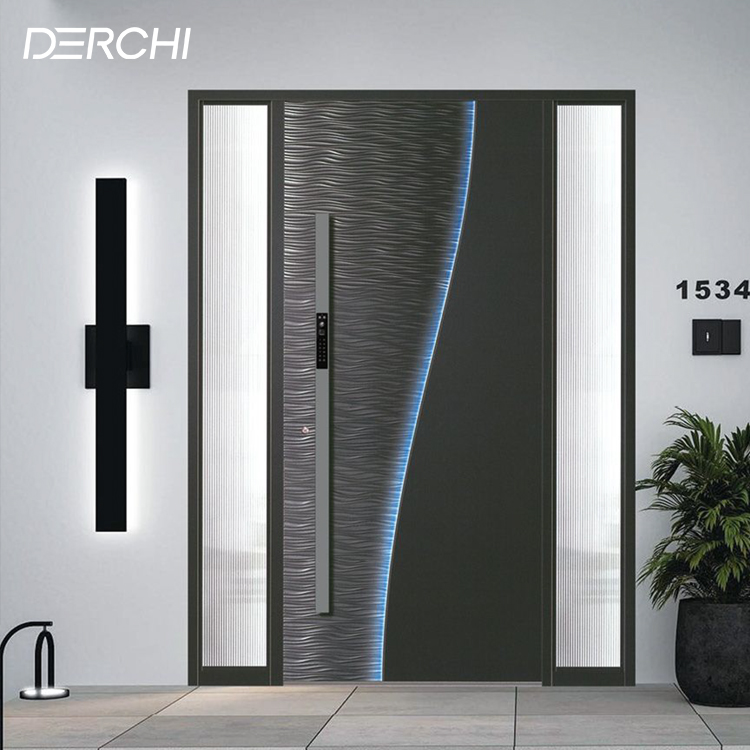
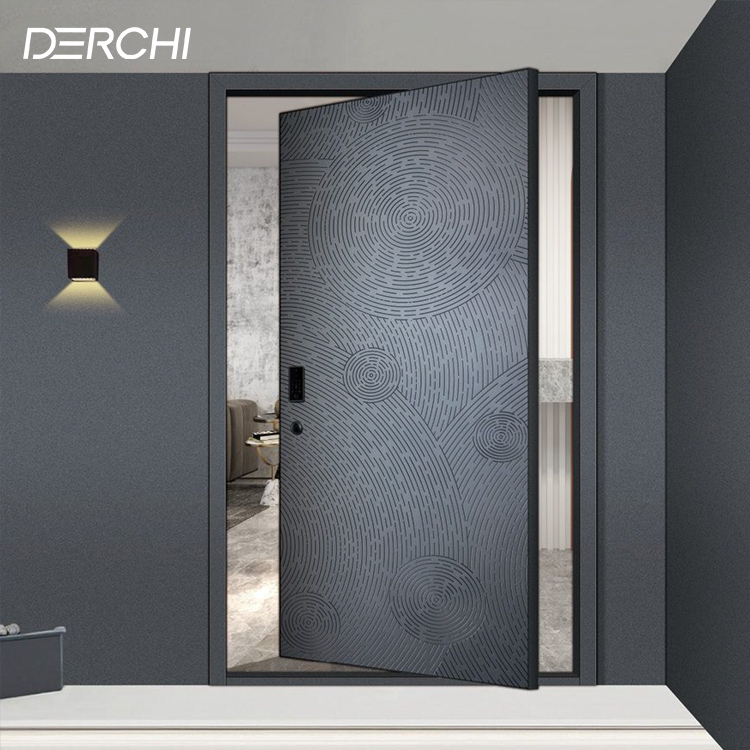
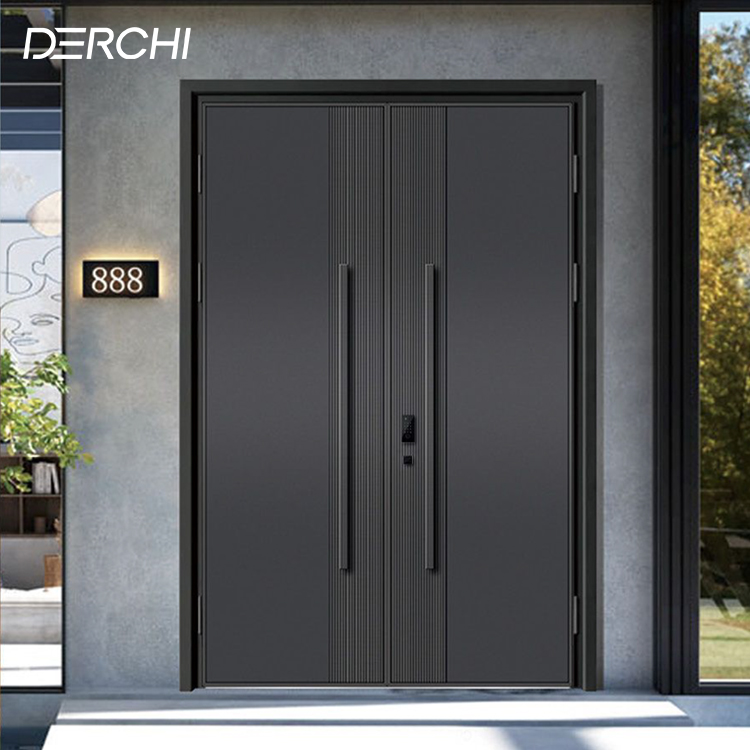
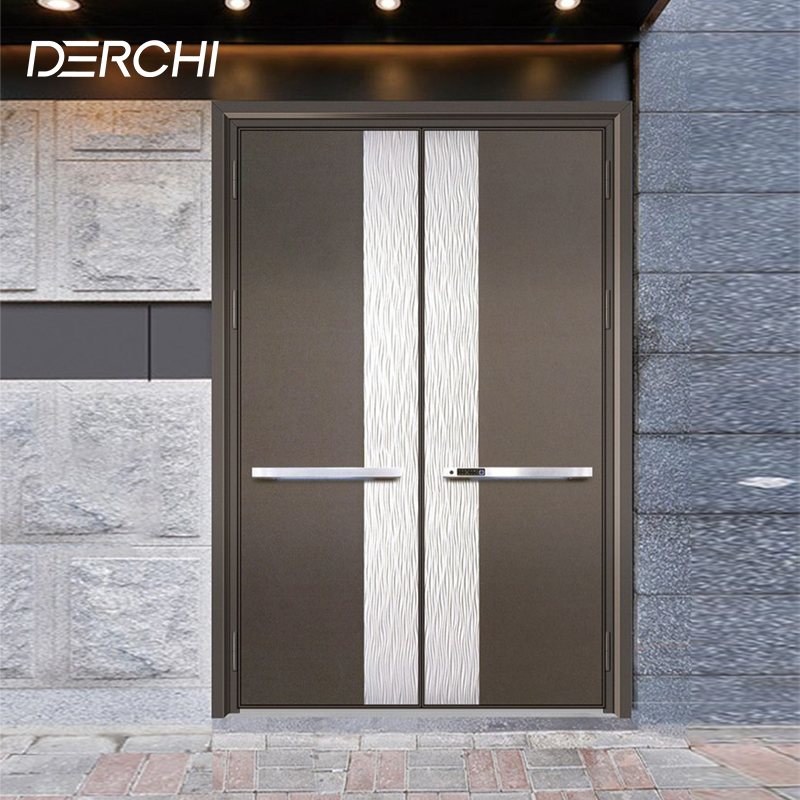
Derchi window and door engineering sets high standards for home protection. Their system uses ultra-durable aluminum frames, energy-efficient Low-E glass, and advanced thermal-break technology. This superior build quality shields entryways against aggressive outdoor elements. Smart structural engineering protects every entrance while elevating porch aesthetic appeal.
Shielding Entryways from UV Rays and Excessive Moisture
Architectural design plays a huge role in protecting entrance materials. Homeowners can install deep overhangs to shield their front door from rain and harsh sunshine. Proper porch overhang depths shield delicate surfaces and keep moisture away from structural framing.
Architects recommend specific overhang depth ratios based on local weather conditions and wall directions:
Climate Type | North Exposure | South Exposure | East Exposure | West Exposure |
|---|---|---|---|---|
Standard / Mild | Half of height distance ($X=\frac{1}{2}Y$) | Equal to height distance ($X=Y$) | Half of height distance ($X=\frac{1}{2}Y$) | Equal to height distance ($X=Y$) |
Severe / Wet | Equal to height distance ($X=Y$) | Equal to height distance ($X=Y$) | Equal to height distance ($X=Y$) | Equal to height distance ($X=Y$) |
Coastal / Ocean | Half of height distance ($X=\frac{1}{2}Y$) | Equal to height distance ($X=Y$) | Half of height distance ($X=\frac{1}{2}Y$) | Equal to height distance ($X=Y$) |
Arid / Desert | Half of height distance ($X=\frac{1}{2}Y$) | Not Recommended | Half of height distance ($X=\frac{1}{2}Y$) | Not Recommended |
A protective awning or porch projection must extend at least 4 feet deep over primary entries. Recessed doorways should sit back at least 4 feet into the porch structure. Floor materials within a 2-foot radius must remain nonabsorbent to stop moisture absorption.
High-performance storm doors and modern weather barriers also shield entryways in tough climates like Chicago or coastal Los Angeles:
Environmental Threat | Protective Function | Extended Life Benefit |
|---|---|---|
Direct Rain, Snow, & Ice | Shields main entrance surface | Extends topcoat paint and stain finish life by up to 50% |
Outer Weather Pressure | Takes the brunt of severe elements | Preserves seal elasticity and reduces wear on main door weatherstripping |
Corrosive Salt Air & Spray | Creates a physical barrier | Prevents hardware corrosion, water infiltration, and surface dulling |
Intense UV Exposure | Acts as a UV filter via protective glass | Prevents fiberglass chalking and natural wood cracking |
Fully composite barriers block moisture completely to stabilize the internal door core. These barriers prevent freezing expansion cycles, which protects surrounding wood panels from structural warping. Homeowners prevent paint flaking on real wood trim by reducing direct weather contact. A proper protective setup preserves porch architectural style and keeps every entrance dry.
Maintaining High-Performance Thermally Broken Aluminum Frames
Derchi entry systems combine sleek style with rugged resistance. Heavy-duty aluminum profiles deliver excellent durability without sacrificing custom porch design flexibility. Homeowners protect their investment through simple care habits.
Derchi door units withstand extreme climate stress through specialized features:
Material Durability: The solid structure resists warping, surface cracking, and fading under intense heat.
Airtight & Moisture Barrier: Multi-layered frames achieve Class 4 air tightness to stop moisture wind pressure.
Weather-Resistant Seals: Automotive-grade EPDM gaskets retain elasticity across drastic seasonal temperature shifts.
Structural Strength: Reinforced 5.0 mm aluminum profiles handle powerful coastal wind loads easily.
Corrosion Protection: Coastal-grade finishes prevent corrosion from salt air and high moisture exposure.
Proper frame maintenance keeps high-performance entrance systems functioning smoothly. Homeowners clean powder-coated aluminum frames using warm water mixed with mild soap. A quick rinse clears away dirt before grit causes microscopic surface scratches.
Maintenance Note: Inspect frame drainage channels twice a year. Clearing small debris allows trapped moisture to drain away from the porch floor quickly!
Avoid applying harsh solvent paint thinners near metallic frame joints. Scratched metallic surfaces accept touch-up paint easily to restore original frame color. Homeowners can upgrade their home exterior by pairing clean aluminum frames with fresh wood accent elements. This combination creates a stunning modern style across any neighborhood porch.
Cleaning Low-E Glass and Weather-Resistant Glazing
Energy-efficient Low-E glass coatings reflect heat while letting natural daylight brighten the interior entrance. Specialized glass units require gentle cleaning techniques to preserve delicate microscopic coatings.
Homeowners can safely clean energy-efficient glass units using approved solutions:
High-purity isopropyl alcohol blended with deionized water.
Pure deionized water for a completely spot-free surface rinse.
Mild non-ionic surfactants applied using clean microfiber tools.
Diluted vinegar solution (1 part vinegar to 9 parts distilled water) rinsed immediately with deionized water.
Mild citric acid solutions to lift stubborn mineral spots safely.
Never scrape insulated glass panels with metal razor blades or steel wool. Harsh abrasives ruin protective glass coatings and scratch adjacent trim paint.
Homeowners wipe down glass edges carefully to prevent liquid from soaking into surrounding seals. Trapped moisture degrades edge sealants over time and compromises glass thermal performance. Gentle cleaning preserves optical clarity while matching the surrounding porch finish.
A clean glass panel complements natural wood textures and crisp frame paint lines. Maintaining pristine glass surfaces completes your entrance style and shields home interiors efficiently for 2026.
Maintain Hardware and Lock Systems for Lasting Operation
Cleaning Handles, Hinges, and Multi-Point Locks
Homeowners must clean exterior hardware to protect every metal finish. Dust damages brass accessories over time. A quick wipedown preserves porch style easily. Homeowners often paint metal trim, but fresh paint on a handle can chip without care. Scrubbing around the door handle removes dirt and hand oils. Homeowners might paint the door frame to match their favorite handle style. Homeowners practice routine maintenance to fix small problems early. Standard deadbolts require simple care, but modern multi-point locking systems demand ongoing, regular maintenance to ensure all interconnected components operate smoothly.
Lubricating Moving Parts to Prevent Wear and Rust
Smooth hinges extend lock life significantly. Homeowners use silicone spray to keep the hardware working smoothly. A lubricated handle operates without sticking. Homeowners perform seasonal maintenance checks to stop internal friction. Moisture causes metal rust and ruins matching door accessories. A dry latch accelerates surface wear over time. Homeowners check it with the seasons to shield exterior metal. They can install a new handle set to elevate entrance style. Adding a shiny metal handle creates a fresh look. Homeowners paint surrounding frame areas, paint accent trim, paint latch plates, paint strike boxes, and paint metal screws to highlight each handle accent and preserve unified handle style.
Inspecting and Replacing Worn Weatherstripping Seals
Inspecting seals prevents drafts from entering the entryway. Homeowners examine the front door frame to locate hidden gaps. Trapped moisture ruins bottom sweeps and accelerates seal wear over time. Homeowners can upgrade old seals to keep entryways warm. They can also paint surrounding wood molding to complete the frame style. Homeowners paint exterior door jams for extra weather protection. Matching this fresh paint with clean seals lifts total home style instantly.
Signs indicating weatherstripping seals need replacement rather than simple cleaning include:
Drafts and Physical Wear: Feeling air movement along the sides, hinges, or threshold indicates the seal is compressed or cracked rather than just dirty.
Visible Light: Seeing daylight through the door frame during a dusk test demonstrates a permanent gap in the seal.
Door Instability: Movement or rattling when the door is closed shows the strip has lost the necessary thickness and pressure balance to hold the door snugly.
Water or Pest Infiltration: Moisture stains, dirt marks, or pest trails at the threshold signal a complete breach in the physical barrier.
Increased Energy Costs: Unexplained spikes in heating or cooling expenses point to persistent thermal leakage through damaged seals.
Selecting durable materials extends seal life during extreme winter months:
Weatherstripping Material | Lifespan & Durability | Draft & Weather Protection | Key Characteristics |
|---|---|---|---|
Interlocking Metal Channels | Exceptional durability; performs reliably in extreme conditions for decades | Rated "exceptional" by the DOE; creates a nearly airtight, superior draft seal | Secured via mechanical fasteners; maintains dimensional stability regardless of temperature |
Bronze Tension Seals | Lasts for decades; far outlasts budget options when properly nailed | Provides a highly effective friction-resistant seal against harsh weather | Requires precise installation (nailing every 3 inches) to prevent bending |
Aluminum Door Shoes & Strips | Extremely long-lasting; resilient against severe physical wear and tear | Protects against cold drafts and diverts rainwater away from exterior entryways | Stays flexible and intact in freezing weather, unlike vinyl or foam alternatives |
Homeowners preserve porch beauty through smart door care.
Routine cleaning protects the original finish and keeps every handle polished. Timely touch-ups restore vibrant color, while active seal checks block cold drafts. Consistent maintenance boosts curb appeal and saves people money on energy bills year-round.
Smart property owners should inspect their front door today. Planning a high-performance upgrade with systems from Derchi window and door guarantees total comfort and reliability in 2026!
FAQ
How often should homeowners apply fresh paint to an entry door?
Homeowners usually apply new paint every three to five years. Harsh sunlight degrades paint layers over time. A fresh coat of exterior paint shields core panels from moisture. Homeowners fix flaking paint spots early to prevent structural decay.
What paint finish provides the best weather protection?
Semi-gloss paint and high-gloss options offer maximum protection for every door unit. Glossy paint resists moisture and wipes clean easily. Homeowners prefer satin paint for modern porch designs. These smooth coats stop water damage and keep colors vibrant year-round.
How do people fix minor scratches on an exterior door?
Homeowners sand rough scratch edges lightly with fine sandpaper. They apply color-matched touch-up paint directly onto damaged spots. This quick repair seals exposed wood or metal against moisture. Regular touch-ups keep exterior entryways looking brand new.
Why do weather seals degrade over time?
Extreme seasonal temperatures break down rubber weatherstripping seals gradually. Trapped dirt and moisture accelerate rubber wear near the threshold. Homeowners replace damaged sweeps to block cold drafts. Installing high-performance systems from Derchi window and door ensures lasting energy efficiency and comfort.