Are you wondering how to pick the best front door for your home? The right front entry door can boost your security, keep your house comfortable, and add style. You want a door that fits your budget and makes your house look inviting. Your choice affects how your home feels and looks every day. Before picking a front door, think about your home’s design and what you need most.
Energy Star rated doors help stop heat from escaping and keep air leaks out, so you save money and stay comfortable.
The U.S. Department of Energy says air leaks from your front entry door can cause up to 20 percent of heat loss in a typical home.
With Derchi Window and Door, you can find a front door that protects your home and matches your style.
Key Takeaways
Think about what matters most for your front door. You might care about security, saving energy, style, or how much it costs.
Pick doors that help save energy. This can lower your heating and cooling bills. Look for things like weatherstripping and insulation.
Pick a door material that works for you. Wood looks nice. Fiberglass lasts a long time. Steel is very strong and safe.
Make your front door special with color, finish, and hardware. This makes your house look better and shows your style.
Measure your door frame carefully so the door fits right. Think about the good and bad parts of buying in a store or online.
Front Door Needs and Priorities
When you start picking a front door, it helps to get clear about what matters most to you. Do you want top-notch security? Are you hoping to save on energy bills? Maybe you want your home to stand out on the block. Or you might need to stick to a certain budget. Let’s break down each priority so you can decide what fits your life best.
Security and Safety
Your front door is your first line of defense. You want to feel safe every time you walk through it. Modern doors come packed with features that help keep your home secure. Here are some of the most common security features you’ll find today:
Multi-point locking systems
Reinforced frames and hinges
Smart locks and digital peepholes
Security cameras and integrated doorbell systems
Heavy-duty strike plates and wall anchors
Drill-resistant locks and cylinders
Anti-pry and anti-kick construction
The material you choose also plays a big role in security. Take a look at how different materials stack up:
Material | Pros | Cons |
|---|---|---|
Fiberglass | Highly durable, low maintenance, customizable, good insulation | Can be more expensive, perceived as less secure, minor scratches noticeable |
Steel | Exceptional strength, affordable, less vulnerable to warping | Susceptible to rust, dents easily, less customizable appearance |
If security is your top concern, you might lean toward steel or a reinforced fiberglass front door. Many homeowners also add smart locks or cameras for extra peace of mind.
Energy Efficiency and Insulation
A drafty front entry door can make your home uncomfortable and drive up your energy bills. When you choose a door with good insulation, you keep your house warmer in winter and cooler in summer. Here’s how different materials compare for insulation:
Door Material | Typical R-value Range |
|---|---|
Wood | R-2 to R-4 |
Fiberglass | R-6 or higher |
Steel | R-5 to R-6 |
Upgrading to an energy-efficient front door can save you money every year. Many homeowners see annual savings between $50 and $300, depending on their climate and the type of door they replace. If you live in a colder area and switch from a basic wood door to a premium fiberglass one, you could save up to $250 a year on heating costs.
Tip: Look for doors with weatherstripping and a tight seal to block out drafts and moisture.
Style and Curb Appeal
Your front door is one of the first things people notice about your home. The right style can make your house look more welcoming and even boost its value. Many buyers say curb appeal is a top factor when choosing a home. In fact:
44% of homeowners are more likely to buy a home with an enhanced entry.
One in three would pay extra for a home with an attractive front door.
Choosing a door that matches your home’s architecture can add up to 7% to its perceived value.
Think about the look you want. Do you prefer a classic wood door, a sleek modern design, or something bold and colorful? Matching your door to your home’s style can make a big difference.
Budget Considerations
Budget is always important when picking a front door. Prices can vary a lot based on material and style:
Wooden doors: $5,000 - $10,000
Fiberglass doors: starting at $1,000
Most homeowners try to balance cost with other needs like security, durability, and style. Wood doors offer beauty and customization. Steel doors give you high security. Fiberglass doors are versatile and low maintenance. Glass doors add elegance and natural light. Aluminum doors are lightweight and resist corrosion.
Note: A quality front door is an investment. It can last for decades and add value to your home.
When you weigh your options, think about where your door will go, how often you use it, and what features matter most. This way, you’ll find a front door that fits your life and your budget.
Front Door Materials Guide
Choosing the right material for your front door makes a big difference in how your home looks, feels, and stays protected. Let’s break down the most popular types of exterior doors so you can see which one fits your needs best.
Wood Front Doors
Wood doors have a classic look that never goes out of style. You can pick from many finishes and designs, making it easy to match your home’s personality. If you love the warmth and beauty of natural wood, this option might be for you.
Wood doors usually last between 10 and 30 years. Their lifespan depends on how much care you give them and the weather in your area.
They need regular maintenance. You’ll want to refinish or seal them every 1–2 years to keep them strong and looking good.
Wood can warp or crack in extreme weather. In cold months, wood contracts and may leave gaps. In humid summers, it expands and can stick or swell.
These doors are more likely to suffer from moisture damage, especially if you live in a place with lots of rain or humidity.
Material | Average Lifespan | Maintenance Requirements |
|---|---|---|
Wood | 10 to 30 years | Needs refinishing or sealing every 1–2 years to prevent warping, rotting, and weather damage. |
Tip: If you want a wood door, plan for routine care. This keeps your door looking beautiful and working well for years.
Fiberglass Front Doors
Fiberglass doors are a smart choice if you want something tough and easy to care for. They can mimic the look of wood, but you don’t have to worry about warping or rotting.
Fiberglass doors have excellent durability and can last over 50 years.
They need very little maintenance. You won’t have to refinish or seal them often.
These doors have insulated foam cores and weatherstripping. This helps keep your home comfortable and lowers your energy bills.
Fiberglass doors offer great security. You can add strong locks and reinforced frames for extra protection.
Material | Average Lifespan | Maintenance Requirements |
|---|---|---|
Fiberglass | Over 50 years | Easiest to maintain, requiring minimal upkeep. |
Feature | Description |
|---|---|
Insulation | Thick foam core keeps indoor temperature steady and reduces energy costs. |
Security | Enhanced lock blocks and engineered lumber lock stiles make them tough to breach. |
R-value | Up to four times the insulating R-value of traditional wood doors. |
Note: Fiberglass doors balance cost and performance. They usually cost between $500 and $3,000, making them a solid investment for most homeowners.
Steel Front Doors
Steel doors are all about strength and security. If you want a door that stands up to daily use and keeps your home safe, steel is a good pick.
Steel doors last around 30 years, sometimes even longer.
They need some care to prevent rust, especially in humid climates. You’ll want to repaint them every three to five years.
Steel can dent or scratch with heavy use. If you have kids or pets, you might notice marks over time.
These doors feel cold to the touch in winter, but they offer solid protection against forced entry.
Material | Average Lifespan | Maintenance Requirements |
|---|---|---|
Steel | ~30 years | Requires rust management. Can dent with prolonged daily wear. |
Door Type | Cost Range | Notes |
|---|---|---|
Steel | $200 - $1,500 | Budget-friendly; potential long-term costs for repairs and maintenance. |
Alert: Steel doors are strong, but you need to keep up with maintenance to avoid rust and dents.
Wood + Aluminum Options
If you want the beauty of wood with extra durability, consider a wood front door with aluminum cladding. Derchi Window and Door offers these hybrid doors, giving you the best of both worlds.
The wood core provides natural insulation, keeping your home comfortable year-round.
Aluminum cladding protects the wood from weather and reduces maintenance.
These doors resist warping, rotting, and moisture damage better than pure wood doors.
You get a wide range of finishes and colors, so you can match your home’s style.
Callout: Wood + aluminum doors are a great choice if you want a high-end look with less upkeep. They combine the warmth of wood and the strength of aluminum.
When you look at the material of your door, think about how much maintenance you want to do, how long you want your door to last, and what fits your budget. Derchi Window and Door has options for every style and need, so you can find the perfect front door for your home.
Front Door Styles for Homes
Choosing the right door styles can make your home stand out and feel just right. You want a front door that matches your home’s look and shows off your personality. Let’s explore some of the most popular options and see how you can match them to your house.
Modern Front Doors
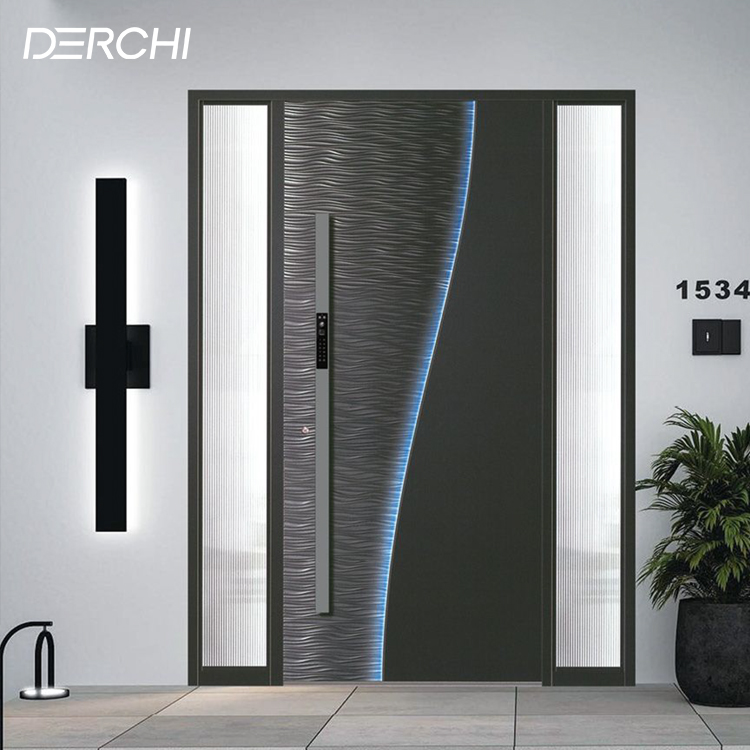
Modern front doors focus on simplicity and bold design. You often see flush panels, geometric glass inserts, and strong lines. These doors look clean and uncluttered. Many people pick finishes like black, charcoal, or natural woodgrain. If you want more sunlight, you can add sidelights or a transom above the door. Modern homes look great with brightly colored or sleek, dark doors.
Farmhouse and Dutch Doors
Farmhouse doors bring a cozy, rustic feel. They usually have wood panels and soft, neutral colors. Dutch doors, which split in half, let you open the top for fresh air while keeping the bottom closed. These doors work well for homes with a country or cottage style. You can choose soft pastels or light wood stains to keep the look warm and inviting.
Craftsman and Traditional Styles
Craftsman doors have simple lines and small, square windows near the top. They look best with earth-tone colors or natural wood finishes. Traditional doors often have more details, like raised panels or glass inserts. If your home is Colonial or Georgian, a classic six-panel wooden door in a bold color like red or navy fits well.
Architectural Style | Recommended Door Style | Color Suggestions |
|---|---|---|
Colonial / Georgian | Classic six-panel wooden doors | Bold traditional colors like red, black, navy |
Craftsman / Bungalow | 3-panel doors with small, square windows | Earth-tone colors, natural wood finishes |
Modern / Contemporary | Boldly colored, minimalistic doors | Bright reds, light charcoal, lime green |
Farmhouse | Rustic wood doors in neutral shades | Soft pastel tones like butter yellow, seafoam |
Tudor / Gothic Revival | Arched wood doors with wrought iron accents | Richly painted or stained finishes |
Mid-Century Modern | Flat, unembellished doors | Retro-inspired colors like orange or teal |
Double and Arched Front Doors
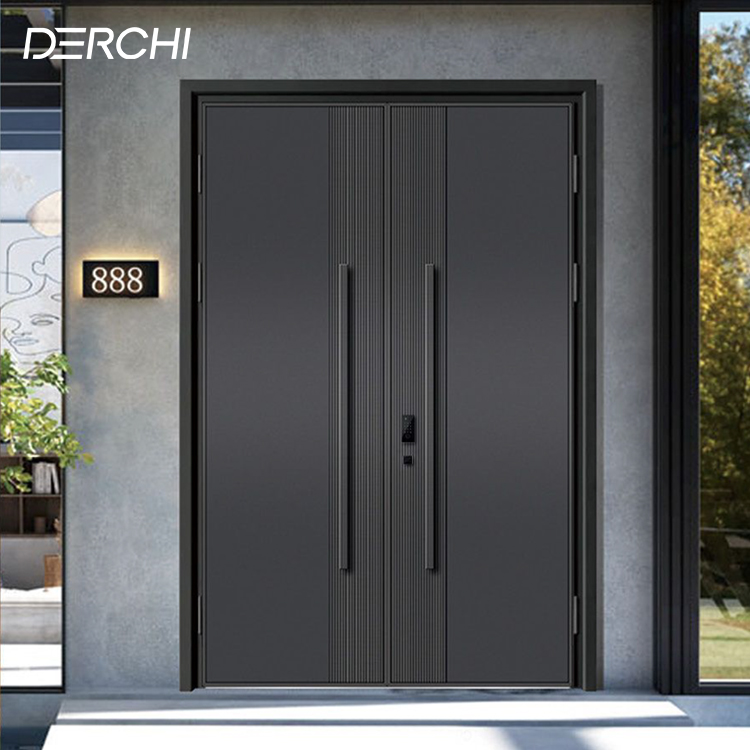
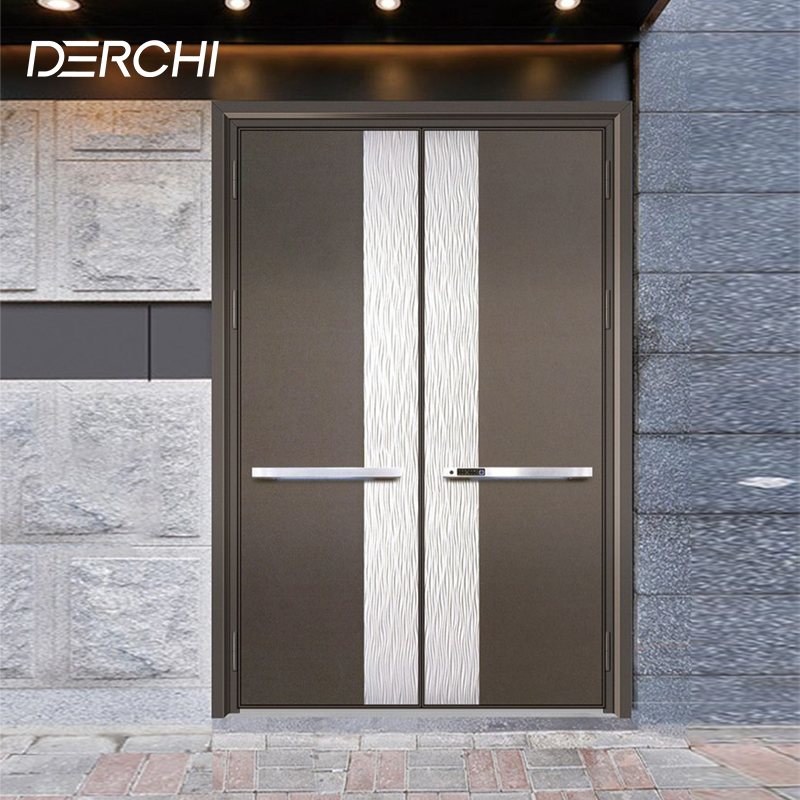
Double doors create a grand entrance and suit many home styles. They let in more light and make moving large things easier. Arched doors add a classic touch, especially for Spanish or European-inspired homes. You can pick from full glass panels or wood with glass inserts.
Tip: Not sure which style of exterior doors fits your home? Try Derchi’s design tools or browse their style library for ideas. You can see how different doors look before you decide.
Front Door Personalization
You can make your front door special. The right color, finish, hardware, and glass details help show your style. Let’s look at some ways to make your entry feel like home.
Color and Finish Choices
Picking a color and finish for your front door is important. It can make your house look better and set the mood. You might want a bright color that stands out. Or you may like a soft color that feels warm and friendly. Lately, earth tones and soft greens are more popular than black or white. These colors look nice and match many house styles.
Here’s a quick look at popular colors for different house styles:
Architectural Style | Popular Colors |
|---|---|
Colonial | Black, Deep Red, Forest Green, Navy Blue |
Bungalow | Chocolate Brown, Sage, Olive Green, Burnt Orange |
Modern | Bright Red, Light Charcoal, Lime Green, Teal |
Farmhouse | Butter Yellow, Seafoam, Powder Blue |
Gothic | Burgundy, Dark Green, Navy Blue, Black |
You can also pick finishes that change how much work your door needs. Wood doors need new finish every few years. Steel doors need paint every 3–5 years. Fiberglass doors are easiest to clean with just soap and water.
Hardware and Security Features
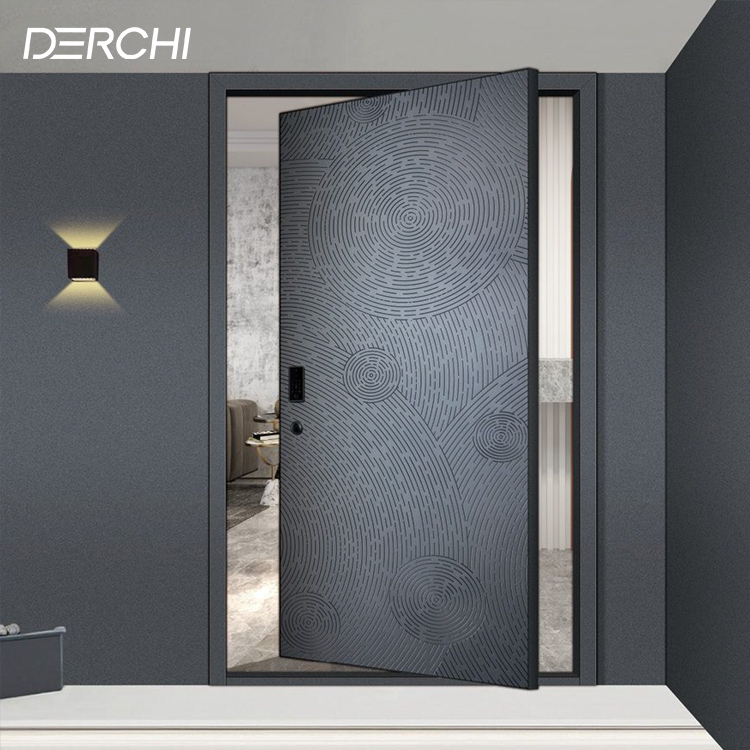
Hardware does more than look nice. It helps keep your home safe. You can choose from many security features to protect your family. Multi-point locking systems lock the door in several places. Reinforced frames and hinges make the door stronger. Smart locks let you open your door with your phone. Heavy-duty strike plates and drill-resistant locks make it hard for someone to break in.
Feature | Description |
|---|---|
Multi-point locking systems | Locks at more than one spot to keep the door shut tight. |
Reinforced frames and hinges | Makes the door harder to break open. |
Smart locks | Lets you unlock the door without a key. |
Heavy-duty strike plates | Makes the door frame stronger. |
You can mix and match hardware styles and finishes. This helps your hardware match your door’s color and finish.
Glass Panels and Grilles
Glass panels and grilles add style and let in sunlight. You can pick clear glass for a modern look. Frosted glass gives you more privacy. Grilles come in many shapes, like rectangles or diamonds. Some doors have sidelights or a window above for extra light. You can pick the glass and grille design that fits your home.
Tip: Derchi Window and Door has design tools. You can see how different choices look before you decide.
Personalizing your front door lets you show your style. It makes your entryway special.
Measuring, Cost, and Buying Tips
Measuring for a Proper Fit
Getting the right fit for your front door matters. If you measure wrong, your door might not close well or could let in drafts. Here’s a simple buying guide to help you measure your door opening:
Measure the width of your door frame at the top, middle, and bottom. Use the smallest number.
Measure the height from the bottom of the sill to the underside of the header. Check both sides and pick the smaller one.
Find the door jamb width by measuring from the inside trim to the outside trim.
Check if your frame is square. Measure diagonally from corner to corner. If both numbers match, your frame is square.
Note which way your door swings. Does it open inward or outward? Is it left-handed or right-handed?
Take your time with these steps. Write down each measurement. This helps you avoid mistakes and makes shopping easier.
Evaluating Cost and Value
You want a door that fits your budget and lasts a long time. Prices depend on material, style, and features. Wood doors cost more but look beautiful. Fiberglass doors are affordable and easy to care for. Steel doors give you strong security. Here’s a quick table to compare:
Door Type | Price Range | Lifespan | Maintenance |
|---|---|---|---|
Wood | $5,000-$10,000 | 10-30 years | High |
Fiberglass | $1,000-$3,000 | 50+ years | Low |
Steel | $200-$1,500 | 30+ years | Medium |
Think about how much you want to spend. Also, consider how often you’ll need to fix or clean your door. A good buying guide will help you balance cost and value.
Tip: Investing in a quality door can save you money on energy bills and repairs over time.
In-Store vs. Online Buying
You can buy your front door in a store or online. Each option has pros and cons.
In-store: You can see and touch the door. You get help from staff. You can ask about installation and warranty.
Online: You get more choices and can shop anytime. Make sure the seller offers a clear return policy and warranty.
Buying Method | Pros | Cons |
|---|---|---|
In-store | See door, get advice | Limited selection, travel |
Online | Wide selection, convenience | Can’t see door, shipping wait |
If you buy online, check reviews and ask questions. If you buy in-store, ask about installation and warranty. Both ways can work well if you plan ahead.
Choosing your front door is a big step. You want to balance security, style, and budget. Use the tips in this guide to help you decide with confidence. If you need help, talk to the experts at Derchi Window and Door. When you invest in a high-quality front door, you get:
Better security with strong locks and materials
More curb appeal and higher home value
Lower energy bills from improved insulation
Less maintenance over the years
A look that matches your personal style
A great front door makes your home safer and more welcoming for years to come.
FAQ
What is the best material for a front door?
You want a door that fits your needs. Wood looks classic. Fiberglass lasts long and saves energy. Steel gives you strong security. Wood + aluminum doors offer beauty and durability. Pick what matters most to you.
How do I know which front door style matches my house?
Look at your home’s shape, color, and details. Modern homes look great with simple doors. Farmhouse styles love rustic wood. Traditional homes shine with paneled doors. Not sure?
Try Derchi’s design tool for inspiration!
Can I install a front door myself?
You can try, but it’s tricky. A pro makes sure your door fits tight and seals well. If you want to avoid drafts or leaks, call an expert for help.
How do I keep my front door looking new?
Wipe it down with mild soap and water. For wood, add a fresh coat of finish every few years.
Check for scratches or chips.
Oil the hinges if they squeak.
Clean glass panels with a soft cloth.