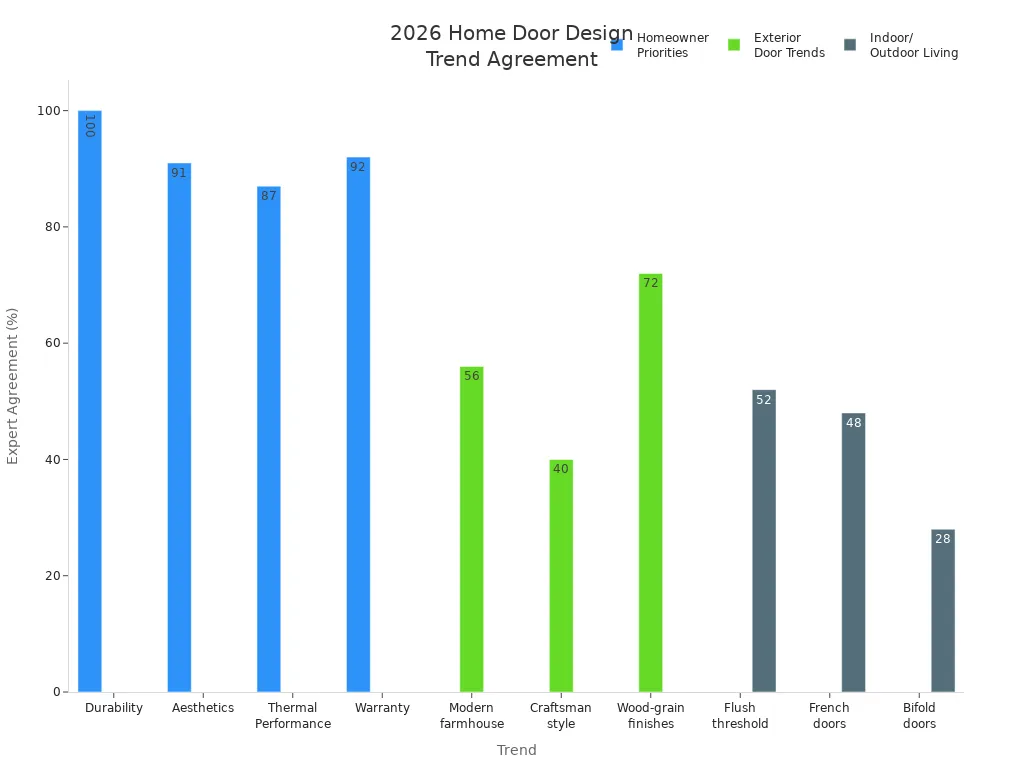
Curious about what’s changing home door design in 2026? People now want doors that last long, look nice, and keep heat in. Experts have shared their thoughts on the biggest trends:
Trend Category | Key Trends | Expert Agreement (%) |
|---|---|---|
Homeowner Priorities | Durability, Aesthetics, Thermal Performance, Warranty | 100, 91, 87, 92 |
Interior Door Trends | Flat-panel slab doors, Frameless doors, Natural wood textures, Glass doors | 54 |
Exterior Door Trends | Modern farmhouse style, Craftsman style, Wood-grain finishes | 56, 40, 72 |
Indoor/Outdoor Living | Flush threshold multi-slide doors, French doors, Bifold doors | 52, 48, 28 |
Minimalist Hardware | Concealed hinges, Integrated closers, Low-profile pivots | N/A |
Warm Metallic Finishes | Brushed brass, Champagne bronze, Warm pewter | N/A |
Smart Hardware Integrations | Biometric access, Cloud-connected access control, Voice-integrated hardware | N/A |
Sustainability & Customization | Eco-conscious hardware, Customization options for designs | N/A |
You don’t just choose a door because it looks good. New doors can help you save money and make your house worth more. Energy-saving doors can cut your bills by up to $400 each year. They can also stop 30% of heat from escaping. Getting a new front door or inside doors can make your home look new and feel better all year.
Key Takeaways
Pick doors that are strong, look good, and save energy. These doors can make your home nicer and more comfortable.
Try modern styles like flat-panel and glass-forward doors. These doors help your rooms feel open and new.
Use bright colors or special materials for your front door. This makes your house look better and shows your style.
Think about local styles and materials that fit your weather. This helps your doors work well and look nice.
Add smart features and eco-friendly materials to your doors. These things make your home safer, easier to use, and better for the planet.
Home Door Design Trends for 2026
Contemporary and Minimalist Styles
You might notice that homes today look cleaner and more open. That’s because contemporary and minimalist modern interior doors are leading the way in home door design for 2026. These doors focus on simplicity and elegance. You see flat-panel and flush doors everywhere. They have smooth, matte finishes and slim frames. Many people love neutral colors, but bold tones are also showing up for those who want a little drama.
Here’s what makes these doors stand out:
Clean lines that make your space feel calm.
Frameless designs that blend into the walls.
Natural wood textures that add warmth.
High-contrast looks for a modern twist.
Glass panels that let in more light.
You can use these doors in almost any room. They fit well in open spaces and help your home feel bigger. If you want a style that feels fresh and timeless, you can’t go wrong with this trend.
Glass-Forward and Light-Enhancing Doors
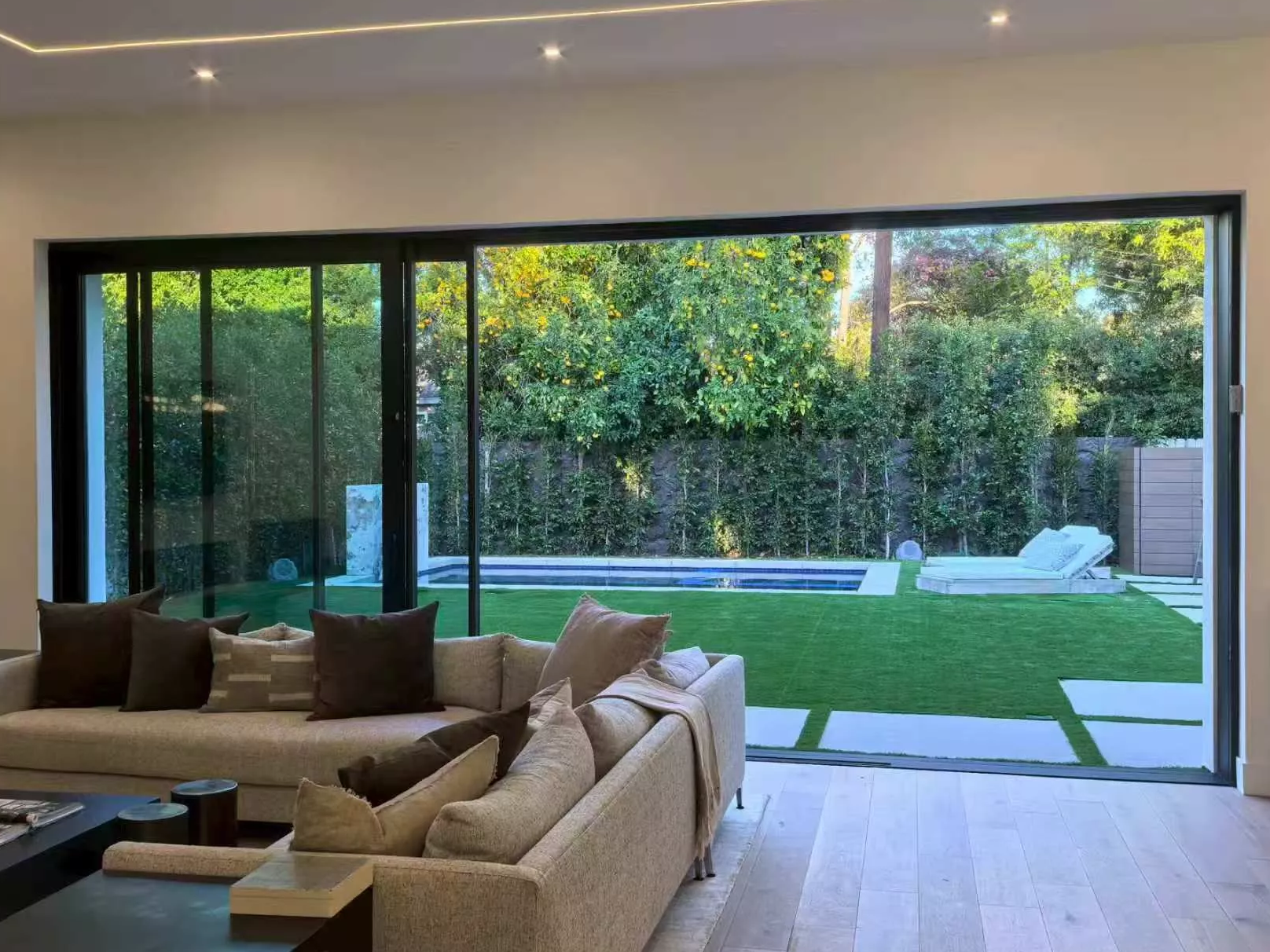
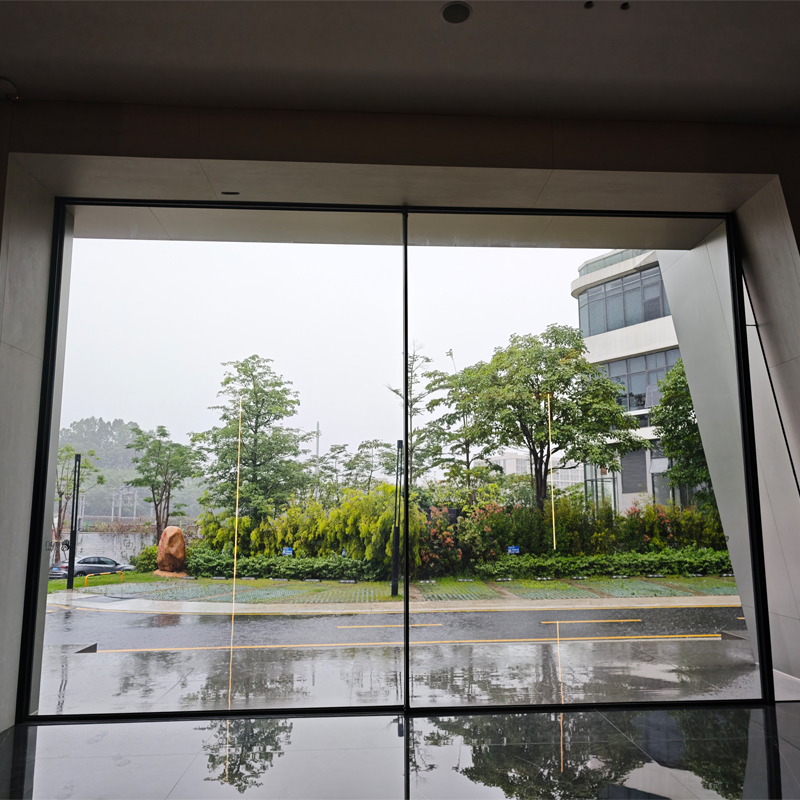
Do you want more sunlight in your home? Glass-forward and light-enhancing doors are a top pick for 2026. Over the past few years, more people have chosen doors with large glass panels. These doors make rooms feel brighter and more valuable. You can use them as entryways, room dividers, or even as a cool feature in your living room.
Why are these doors so popular?
They use frameless glass for a sleek look.
You get options like clear glass or decorative patterns.
Energy-efficient glass keeps your home comfortable.
Many doors now have Low-E coatings to block heat but let in light.
Here’s how the trend is growing:
The market for these doors is getting bigger every year.
People want energy savings and smart features.
Many homeowners are updating old houses with new glass doors.
You can choose glass panels or add transoms above your door to bring in even more light. These doors help you connect with the outdoors and make your home feel open and welcoming.
Statement Front Door Designs
Your front door says a lot about your style. In 2026, statement front door designs are all about standing out. Homeowners want doors that show off their personality and match the latest home design trends. You see bold colors like deep navy, charcoal, earthy green, and warm terracotta. Classic black doors are also popular, especially with a warm finish that feels inviting.
Check out what’s trending:
Natural wood or wood-look materials for easy care.
Textured surfaces that catch the eye.
Mixed materials, like metal or glass inserts, for a unique touch.
Doors stained to highlight the wood grain.
Front doors have become more than just a way to enter your house. They are a big part of your home’s look. Social media helps spread new ideas fast, so you see more people choosing doors that fit their taste and the latest trends. Whether you like modern, craftsman, or farmhouse styles, you can find a door that fits your home and makes a statement.
Tip: If you want your home to stand out, try a bold color or a unique material for your front door. It’s an easy way to boost curb appeal and show off your style.
You can see how these trends in home door design reflect what people want today—more light, more style, and more ways to make a house feel like home. Interior door design trends also follow these ideas, bringing together beauty and function in every room.
Regional Expressions in Window and Door Design
Window and door styles change by where you live. Climate and culture help decide what works best in each place. Let’s look at how these things change design across the country.
Southwest Indoor-Outdoor Living
Homes in the Southwest mix indoor and outdoor spaces. Thick adobe or stucco walls and small windows block the hot sun. Heavy wooden doors with iron parts show local skill. Many houses have courtyards with plants and water. These areas let you enjoy outside while staying cool. Curved fireplaces called kivas add warmth and show the region’s past.
Spanish Colonial and Native American styles shape the look.
Courtyards and shaded patios are seen a lot.
Doors use natural materials to save energy.
Pacific Northwest Sustainable Choices
People in the Pacific Northwest care about green design. The wet weather means you need strong materials. Here are some favorites:
Material | Characteristics |
|---|---|
Cedar | Fights moisture and rot naturally |
Fir | Good for siding and inside walls |
Hemlock | Feels warm and smells nice |
Basalt | Local stone that fits the land |
Granite | Lasts long in wet weather |
Homeowners want doors that stop drafts and save energy. Fiberglass doors are strong and keep heat in. You see more eco-friendly styles and good insulation in windows and doors.
Northeast Classic Comfort
The Northeast likes cozy, classic looks. Tall entry doors let in lots of light. Deep colors like bronze and green are popular and bring nature close. Decorative glass brightens small rooms and keeps things private. People pick woodgrain and natural materials for warmth. Big hardware makes doors special. Doors are made to keep out cold and protect homes in winter.
Tough materials handle bad weather.
Good insulation helps lower heating bills.
Southeast Social Spaces
Homes in the Southeast focus on places to gather. Sliding doors are popular because they open or close rooms easily. You might see tall glass doors between the kitchen and living room. Solid wood or slatted doors cut noise but look nice. French doors and glass doors with wood frames add style to halls and gathering spots. Many inside doors use solid wood or fiberboard for strength.
Two-panel sliding doors are used for closets.
Multi-panel doors are good for bedrooms and offices.
Midwest Practicality
Midwest homes need doors that look nice and work well. Big entry doors stand out and greet guests. People pick materials that handle all weather. Steel doors give safety, fiberglass saves energy, and wood looks classic. Large windows in doors let in light and connect you to neighbors. Midwest window and door styles mix strength and style, so homes stay comfy all year.
Tip: When you choose a door, think about your area’s weather and your home’s look. The right door can make your home nicer and look better from the street.
Materials and Craftsmanship in Home Door Design
Tactile Textures and Aging Gracefully
When you touch a door, you notice more than just how it opens. You feel the texture, the finish, and sometimes even the history. In 2026, tactile textures are a big part of the latest trends. You see matte finishes everywhere because they look sleek and feel smooth. Subtle textures add depth without making the design too busy. Materials like fiberglass and wood are favorites. They last a long time and look good in any room.
As time passes, doors change. Natural patinas show up as the years go by. You might see new colors or textures on your door, especially if you live near the coast. Air quality and humidity can speed up these changes. Some people love how their door looks older and more unique. Here’s a quick look at how long different doors can last:
Door Material | Typical Lifespan (Years) |
|---|---|
Steel | 30–100 |
Wood | 20–60 |
Fiberglass | Up to 70 |
If you take care of your door, it can last even longer. Doors under a porch or awning stay nice for years. Those in direct sunlight or rain may age faster.
Wood, Stucco, and Copper Accents
You can make your home stand out by choosing special materials. Wood brings warmth and a natural feel to your space. Stucco adds texture and a handcrafted look. Copper accents, like gutters or handles, change color over time. They start shiny and slowly turn a rich brown or green. These materials help your home feel welcoming and full of character.
Tip: Try mixing wood with copper or stucco for a look that feels both classic and fresh.
Glass Blocks and Heritage Revival
Glass blocks are making a comeback in modern homes. They let in light but keep your privacy. You can use them in entryways or as part of your interior design. Heritage revival is another trend you might notice. People want new homes to feel like they have a story. You see old-style windows and doors mixed with modern features. This blend gives your home a cozy, timeless vibe.
If you want your home to feel special, pay attention to the materials and craftsmanship. The right choices make your doors look great and last for years.
Energy-Efficient and High-Performance Doors
Insulation and Sustainable Materials
If you want your house to stay comfy, you need good doors. These doors keep heat inside in winter and outside in summer. The best home door design uses energy-saving materials. This helps lower your bills and is better for the planet. New doors use smart insulation and eco-friendly materials.
Check out this table to see how door materials compare for insulation:
Material | R-value | Insulation Type |
|---|---|---|
Fiberglass | 6 | Reinforced plastic with foam |
Wrought Iron | 6.5+ | Hollow shell with foam core |
Hollow-core | N/A | Polyurethane or polystyrene |
Adding weather-stripping helps even more. It stops air and water from getting in around your door. When weather-stripping fits well, your house stays warmer and drier.
People want doors made from eco-friendly materials. Here are some top choices:
FSC-certified wood helps forests stay healthy.
Engineered wood uses less waste.
Low-VOC finishes keep your air clean.
Composite materials last long and need little care.
Reclaimed wood and bamboo are green and look cool.
Steel is strong and can be recycled.
Energy efficient windows and glass panels let in light but keep heat where you want it.
Picking these materials helps the earth and makes your house feel better.
Smart Features and Air Quality
New doors have smart features that make life easier and safer. You can unlock your door with your phone, a code, or your voice. Here’s what you might find in today’s smart doors:
Smart locks use fingerprints or PINs.
Sensors show if the door is open or closed.
Wi-Fi or Bluetooth lets you control the door from far away.
Apps or voice assistants help you manage your door.
The right door can also make your air cleaner. Bifold and ventilated doors let fresh air move through your house. They help lower humidity and cut down on indoor pollution. This means you breathe easier and feel better every day.
Tip: Pick high-performance doors with smart features and eco-friendly materials. This will make your home safer, more comfy, and better for the planet.
Personalization and Customization in Front Door Design
You want your home to stand out. Personalization and customization let you create a front door that matches your style and boosts curb appeal. You can also bring these ideas inside, making interior doors unique and functional.
Color Palettes and Hardware Choices
Choosing the right color can change everything. In 2026, you see a mix of bold and calming shades. Check out these trending colors for front doors:
Color Name | Description | Suggested Use |
|---|---|---|
Smoky Jade | Elegant, not too formal. Great for modern or transitional homes. | Pairs well with matte black hardware. |
Moody Teal | Bold and works with natural materials. Perfect for cottages or coastal homes. | Looks great with copper hardware. |
Bright Yellow | Cheerful and playful. Adds joy to neutral homes. | Fits both light and dark exteriors. |
Classic Navy | Timeless and versatile. | Boosts curb appeal in any light. |
Warm Greens | Restorative and fresh. | Works for Craftsman to contemporary designs. |
Warm Eucalyptus | Cozy and calming. | Pairs with brass or bronze hardware for a warm look. |
Hardware matters just as much as color. The right handle or lock can make your door look modern or classic. You might pick smart locks for easy entry or choose traditional knobs for a timeless feel. Hardware finishes, like matte black or warm brass, can highlight your door’s style and improve how it works every day.
Tip: Try mixing a bold color with unique hardware for a look that’s all your own.
Bespoke Layouts and Glass Options
You can go beyond color and hardware. Customization lets you pick layouts and glass styles that fit your needs. Maybe you want a door with side windows for more light. You might choose frosted glass for privacy or clear panels to see outside. Some people add transoms or special shapes for extra flair.
Personalized design choices help your home feel special. You get to decide what works best for your space. Thoughtful personalization means every detail, from layout to glass, fits your life and style.
If you feel unsure, ask an expert. Designers can guide you through trends and help you make choices that look great and last. With the right advice, you can create a door that welcomes guests and adds value to your home.
How to Choose the Right Home Door Design
Matching Style to Architecture
You want your home to look great from the street. The style of your door should match your house’s architecture. This helps your home feel put together and boosts curb appeal. Take a look at this table to see which door fits your home’s style:
Architectural Style | Key Door Features |
|---|---|
Colonial | Solid-wood doors, raised panels, symmetrical sidelites, transoms |
Victorian | Glass doors with intricate designs, pairs of doors, decorative details |
Bungalow | Simple construction, flat panels, generous glass, fewer panels |
Modern | Flush doors, minimalistic design, durable materials, contemporary look |
If you live in a modern house, you might pick a sleek flush door. For a bungalow, you could choose a door with flat panels and lots of glass. Matching your door to your home’s style makes everything feel right.
Balancing Function and Aesthetics
You want a door that works well and looks good. Think about how you use your doors every day. Some materials, like wood, glass, or steel, offer different benefits. Wood feels warm and classic. Glass brings in light and makes rooms brighter. Steel gives you strength and security. The right door design keeps your home safe and adds to its first impression. You can choose features that fit your needs and show off your style.
Tip: Pick a door that matches your lifestyle. If you have kids or pets, look for durable materials. If you love sunlight, try glass panels.
Considering Budget and Long-Term Value
You want to make smart choices with your money. Set a budget before you shop for a new front door or interior doors. Think about how long the door will last and how much care it needs. Some doors cost more at first but save you money over time. Energy-efficient doors can lower your bills and add value to your home. Customization lets you get the look you want without spending too much.
Here’s a simple checklist to help you choose:
Match the door style to your home’s architecture.
Balance function with looks.
Set a budget and think about long-term value.
Explore trends and customization options.
Ask an expert if you need help.
Choosing the right home door design can make your house feel new and improve curb appeal. You get comfort, style, and value all in one.
You can give your home a fresh look by following the latest home design trends. When you update your front door or interior doors, you add style and boost comfort. Think about your region, pick materials that last, and choose custom options that fit your taste. If you want the best results, talk with a door expert. Ready to explore new window and door designs? Start today!
FAQ
What door style works best for a modern home?
You should look for flush or flat-panel doors with clean lines. Glass panels and neutral colors fit well. These styles make your space feel open and fresh.
How do I pick the right front door color?
Think about your home’s exterior and your personal taste. Earthy greens, navy, or bold yellow can boost curb appeal. Test a sample before you decide.
Are glass doors safe and energy efficient?
Yes! Modern glass doors use strong, insulated glass. You get safety and energy savings. Look for Low-E coatings for extra comfort.
Can I customize my door if I have a unique entryway?
Absolutely! Many companies offer custom sizes, shapes, and glass options. You can match your door to your home’s style and needs.
How do I keep my new door looking great?
Wipe it down with a soft cloth and mild soap. Check hardware and weather-stripping every few months. A little care keeps your door looking new.