The ideal sliding door for your home comes down to your space, style, and personal needs. To quickly compare your options, check out this table:
Feature | 2-Panel Sliding Door | 3 Panel Sliding Door |
|---|---|---|
Opening Size | Usually 5–8 feet | Usually 9–12 feet |
Aesthetics | Simple, useful design | Expansive view, modern look |
Cost | Usually costs less | Usually costs more |
If you’re looking to create a wide, open feel with more glass and a sleek, contemporary vibe, a 3 panel sliding door is a great choice. Consider what matters most to you—maximizing space, achieving a certain style, or staying within budget—before making your decision.
Key Takeaways
Pick a 2-panel sliding door for small rooms. It has a simple style. It costs less money. It is easy to put in.
Pick a 3-panel sliding door for a modern style and more sunlight. It makes a big opening. It helps connect inside and outside spaces.
Think about your money and space before you choose. 2-panel doors save money. 3-panel doors let you see more outside.
Measure your wall opening to get the right size. A 2-panel door fits best if the opening is under 8 feet. A 3-panel door is better for bigger spaces.
Think about what your sliding door is made of. Vinyl costs less. Wood makes the room feel cozy. Aluminum looks smooth and modern.
Quick Comparison of 2-Panel vs 3-Panel Sliding Doors

Main Differences at a Glance
You might wonder what really sets these two sliding door types apart. Here’s a quick table to help you see the main differences side by side:
Feature | 2-Panel Sliding Door | 3-Panel Sliding Door |
|---|---|---|
Opening Size | 5–8 feet | 9–12+ feet |
Usable Opening | About 50% | Up to 66% |
Best Use | Standard/smaller openings | Large, wide openings |
Aesthetics | Clean, simple lines | Expansive, modern look |
Cost | Lower | Higher |
Installation | Easier, less complex | Needs more planning and skill |
Energy Efficiency | Fewer seams, efficient | More glass, still efficient |
You get a simple, classic look with two-panel sliding doors. They fit well in most homes and don’t need much space. If you want a bigger opening, more light, and a modern vibe, a 3-panel sliding door might be your best bet.
Who Should Choose a 3 Panel Sliding Door?
You should think about a 3-panel sliding door if you want to make a big statement. These doors work best in homes with large wall openings or where you want to connect your living room to a patio or garden. If you love sunlight pouring in and want to enjoy wide, open views, this style is for you.
Here’s a quick look at when experts recommend 3-panel sliding doors:
Scenario | Recommended Door Type | Why Choose It? |
|---|---|---|
Larger openings | 3-panel sliding doors | You get wider access and better indoor-outdoor flow |
Big spaces | 3-panel sliding doors | You boost natural light and enjoy better views |
Indoor-outdoor living focus | 3-panel sliding doors | You create a seamless connection to the outdoors |
You might picture a modern home with a wall of glass that slides open for parties or family gatherings. That’s where a 3-panel door shines. You also get more options for how the panels slide, so you can open up the space just the way you like.
Tip: If you want to maximize your view and create a true indoor-outdoor feel, a 3-panel sliding door is a smart choice.
Who Should Choose a 2 Panel Sliding Door?
You might prefer a 2-panel sliding door if you want something simple, efficient, and easy to use. These doors fit smaller spaces and work well for most standard homes. They cost less and are quicker to install, so you can update your space without a big project.
Here’s why many homeowners pick this style:
Feature | Description |
|---|---|
Aesthetic | Clean, minimalist look |
Sightlines | Fewer vertical lines in your view |
Opening Section | Wide single opening section |
Cost | Lower cost and easier installation |
Energy Efficiency | Higher efficiency with fewer seams |
If you want a door that blends in and doesn’t draw too much attention, this is a great option. You get a wide opening, but not as much as with three panels. These doors also keep your home cozy, since there are fewer seams for air to sneak through.
Note: If you want a classic look, easy installation, and a budget-friendly choice, two-panel sliding doors are hard to beat.
Space and Opening Size
Minimum and Maximum Widths
When you start planning for a sliding door, you need to think about the size of your opening. Most 2-panel sliding doors fit standard spaces, so you get a lot of flexibility. Here’s a quick look at the typical width ranges:
Configuration | Minimum Width | Maximum Width |
|---|---|---|
2-panel | 60" | 189" |
3-panel | Custom sizes | Custom sizes |
You can see that 2-panel doors work well for smaller and medium openings. If you want a wider doorway, you’ll probably lean toward a 3-panel sliding door. These doors often get custom-made to fit larger spaces, so you can open up your living room or kitchen in a big way.
Tip: Measure your wall opening before you decide. If your space is under 8 feet, a 2-panel door usually fits best. For anything bigger, a 3-panel door gives you more options.
Usable Opening Percentage
How much of your doorway do you actually get to walk through? That’s where usable opening percentage comes in. With a 2-panel sliding door, you can open up about 50% of the total width. One panel slides over the other, so half stays fixed.
A 3-panel sliding door lets you open up to 66% of the space. You can slide two panels over one, or sometimes stack all three to one side. This means you get a wider, more inviting passage to your patio or garden.
2-panel: About half the doorway opens.
3-panel: Up to two-thirds of the doorway opens.
If you want to move big furniture or just love the idea of a wide-open feel, that extra space makes a difference.
Track Depth and Wall Space
Sliding doors need tracks to glide smoothly. The more panels you have, the deeper the track system gets. A 2-panel door uses less wall space and has a shallower track. This works well if you want a clean look or have limited room.
A 3-panel door needs a deeper track to hold all the panels. You’ll need to plan for a thicker threshold and make sure your wall can handle the extra depth. If you’re building new or remodeling, you can design for this from the start.
Note: If you want a slim, minimal look, fewer panels mean less track depth. For bigger openings, a deeper track is worth it for the extra light and access.
Aesthetics and View
Sightlines and Frame Placement
When you look through a sliding door, the sightlines and frame placement shape your view. With a 2-panel sliding door, you see a vertical frame right in the center. This design gives you a balanced look, but it can break up the scenery outside. If you want a clean, simple style, this works well.
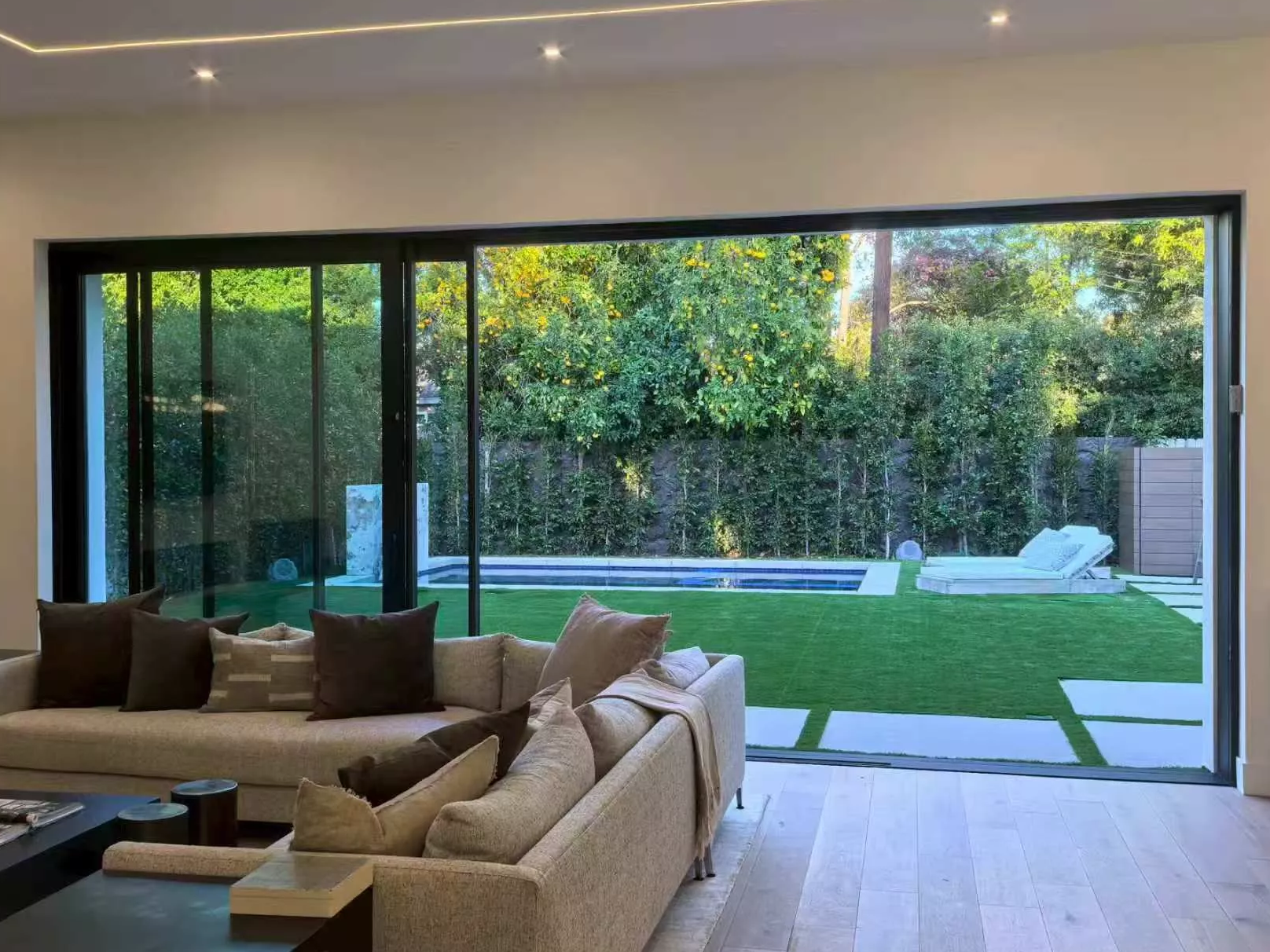
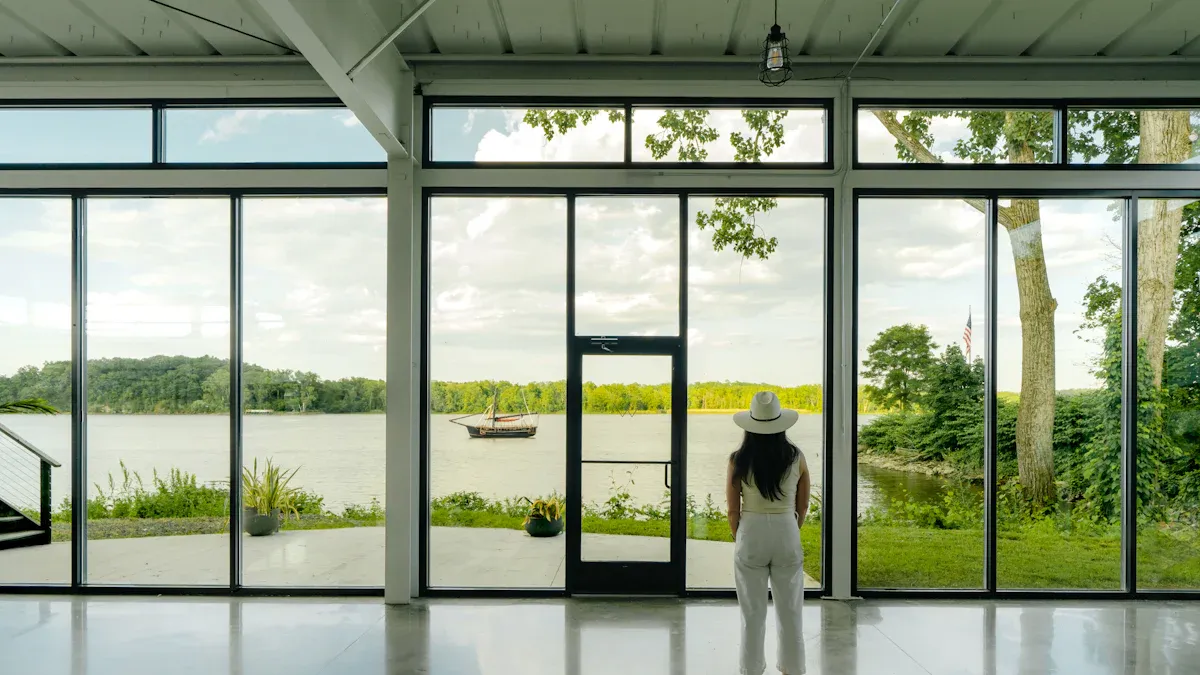
A 3-panel sliding door changes things up. You get more glass and less frame in the middle. The center panel often stays clear, so your eyes focus on the outdoors without much interruption. This setup feels open and modern. You notice the difference when you stand in your living room and see the garden or patio without a frame blocking the view.
Here’s a quick table to show how sightlines compare:
Door Type | Center View | Frame Placement | Visual Impact |
|---|---|---|---|
2-Panel | Split | Center | Balanced, classic |
3-Panel | Clear | Off-center | Open, panoramic |
Tip: If you want to enjoy a beautiful landscape or a bright backyard, a 3-panel door gives you a wider, uninterrupted view.
Impact on Home Style
Sliding doors do more than connect rooms—they set the mood for your home. You might notice that three glass panels let in much more natural light. Your space feels brighter, and you rely less on lamps or overhead lights. This boost in sunlight can lift your mood and make your home feel welcoming.
Three-panel doors increase natural light in living spaces.
You save energy because you use less artificial lighting.
More sunlight can improve your mood and make rooms look bigger.
Architects love using large glass doors for a reason. Studies show that natural light helps people feel happier and more active. When you choose a 3-panel sliding door, you create a lively, modern vibe. Your home looks stylish and feels fresh.
If you prefer a classic look, a 2-panel door fits right in. It blends with traditional designs and keeps things simple. You get a cozy feel with fewer lines breaking up your view.
Want a home that feels open and modern? Go with three panels. Like a timeless, understated style? Two panels might be your best match.
Better Function and Access
Sliding Configurations
When you pick a sliding door, you want to know how it works. The way the door slides changes how you use your room. 2-panel and 3-panel doors have different sliding setups. Each one changes how you use your doorway and how easy it is to get through.
Here’s a table that shows the most common sliding setups and what they do:
Configuration Type | Description | Impact on Access and Functionality |
|---|---|---|
Single Slide | One panel moves to one side | Gives a small opening, good for tight spaces |
Bi-part Slide | Two panels move away from the center | Makes a bigger opening, easier to walk through |
Telescopic Slide | Many panels move to the sides | Makes the biggest opening, great for busy areas |
A 2-panel sliding door usually has a single slide or bi-part slide. This is simple and lets you open half the doorway. A 3-panel sliding door gives you more ways to use it. You can move two panels over one, or push all three to one side. This gives you a bigger opening and more ways to get in and out. Telescopic slides are best for parties or moving big things.
Tip: For busy rooms, a 3-panel sliding door with telescopic sliding makes things easier.
Everyday Usability
You use your sliding door a lot, so it should work well. How easy it is to open, close, and clean matters. Both 2-panel and 3-panel doors are easy to use, but you might notice some small differences.
Here are some problems you might see:
Doors that stick
Doors that come off the track
Problems with rollers and tracks
Hard to open or close
Dirt in the track
Door not lined up right
You can keep your door working by cleaning the tracks and rollers often. Look for dirt and clean it out. Doing this helps your door work well and slide smoothly every time.
Sliding doors make it easy to go outside. You can move furniture, let pets out, or enjoy fresh air. The right sliding setup makes your space work better and feel more open.
Note: If you take care of your sliding door, it will work well for a long time.
Energy Efficiency and Glazing Options
Double vs Triple Glazed Patio Sliding Doors
When you pick sliding doors, you want your home to stay warm in winter and cool in summer. That’s where glazing comes in. Double glazing uses two panes of glass with a layer of gas in between. Triple glazing adds a third pane and another layer of insulation. This extra glass makes a big difference in how much heat stays inside your home.
Let’s look at how triple-glazed sliding doors compare for energy ratings:
Window Type | U-Value (W/m²K) | Solar Heat Gain Coefficient (SHGC) |
|---|---|---|
Triple Glazed Window A | 0.10 | 0.40 |
Triple Glazed Window B | 0.12 | 0.35 |
Triple Glazed Window C | 0.08 | 0.38 |
A lower U-value means better insulation. Triple glazing keeps more heat in, so you spend less on heating. The SHGC shows how much sunlight passes through. You get warmth from the sun, but not too much.
Double glazing still works well for most homes. It costs less and is lighter, so it’s easier to install. Triple glazing gives you the best performance if you want top-notch energy efficient doors.
Tip: If you live in a cold or noisy area, triple glazing is a smart upgrade.
Insulation and Noise Reduction
You want your home to feel quiet and peaceful. Glazing helps block outside noise. Here’s how double and triple glazing compare:
Glazing Type | Noise Reduction (Decibels) |
|---|---|
Double Glazing | 32 decibels |
Triple Glazing | 40 decibels |
Triple glazing blocks more sound. You’ll notice the difference if you live near a busy street or airport. It also adds another layer of security. More glass means it’s harder for someone to break in.
You can enjoy a cozy, quiet home with the right glazing. Think about your climate, your neighborhood, and your budget. The right choice will help you relax and save money on energy bills.
Cost and Installation
Price Comparison
When you start shopping for sliding doors, you probably want to know how much you’ll spend. The cost can change based on the size, material, and number of panels. If you look at recent market surveys, you’ll see that two-panel sliding doors usually cost less than three-panel doors. Here’s a quick table to help you compare:
Door Type (Vinyl Frame) | Low-End Cost | High-End Cost |
|---|---|---|
Two-panel doors | $700 | $2,500 |
Three-panel doors | $1,100 | $5,000 |
You can see that the cost for a two-panel door starts lower and stays more budget-friendly. Three-panel doors cost more because they use extra glass and hardware. If you want a bigger opening and a modern look, you’ll need to plan for a higher cost. Think about your budget and what you want for your space. Sometimes, spending a little more on a three-panel door gives you a better view and more light.
Tip: If you want to keep your project affordable, a two-panel sliding door helps you save on cost. If you want a wide, open feel, a three-panel door is worth the extra cost.
Installation Complexity
Installing a sliding door isn’t just about picking the style. You need to think about how easy it is to put in. Two-panel doors are usually easier to install. They fit standard openings and need less work. You can finish the job faster and with less hassle.
Three-panel doors need more planning. You might need a bigger opening and a deeper track. Sometimes, you need help from a professional to make sure everything lines up. The extra panels add weight, so the frame must be strong. If you want a smooth installation, talk to an expert before you start.
Two-panel doors: Quick and simple installation
Three-panel doors: More steps, may need professional help
If you want to avoid surprises, measure your space and check your wall thickness. Good planning makes installation easier and helps you control the cost.
Material Choices for 3-Panel Sliding Patio Door
Common Materials
When you pick a 3-panel sliding patio door, you get to choose from several materials. Each one brings something different to your home. You might want a certain look, or maybe you care more about how long the door lasts. Here are the most popular options:
Material | Average Cost (Door Unit Only) |
|---|---|
Vinyl | $700-$1,500 |
Wood | $1,500-$3,000 |
Aluminum | $1,200-$2,500 |
Fiberglass | $1,800-$3,500 |
Steel | $1,000-$2,000 |

Vinyl works well if you want something affordable and easy to clean. Wood gives your space a warm, classic feel. Aluminum stands out for its modern look and strength. Fiberglass offers top-notch durability and resists weather changes. Steel brings extra security and a sleek finish. Your choice depends on your budget and the style you want for your home.
Impact on Performance and Style
The material you pick changes how your sliding door performs and how it fits into your design. Vinyl doors keep things simple and low-maintenance. They work well in many homes and blend into almost any design. Wood adds a cozy touch and fits traditional or rustic design themes. You can paint or stain wood to match your design, but you need to care for it to keep it looking good.
Aluminum gives your door a slim frame, which means more glass and light. This material fits a modern design and lets you enjoy wide views. Fiberglass stands up to tough weather and keeps its shape. It works for homes where you want a strong door that still looks sharp. Steel makes your door feel solid and safe. It fits an industrial or modern design and adds a bold touch.
Think about how your door will look with your furniture and walls. The right material helps your design feel complete. You can mix materials in your design to get the best of both worlds. For example, use aluminum for a modern design in the living room and wood for a cozy design in the den. No matter what you choose, your sliding door can become a key part of your home’s design.
Tip: Match your sliding door material to your home’s design for a look you’ll love every day.
Suitability for Different Home Layouts
Best Uses for 3-Panel Sliding Patio Doors
You want your home to feel open and bright. A 3-panel sliding patio door works best in homes with wide wall spaces. You can use these doors to connect your living room to a deck, garden, or pool area. They fit well in homes with modern layouts or open floor plans. You get a big, clear view and lots of sunlight. If you love to entertain, these doors make it easy for guests to move inside and outside.
Architects often match 3-panel sliding doors with certain home styles. Here’s a quick look at how you can pair them:
Style | Colour Palette | Matching Materials |
|---|---|---|
Coastal Vibes | Soft blues, white, sandy beige | Teak, wicker, linen |
Modern Minimalist | Black, gray, white | Aluminum, concrete, glass |
Rustic Warmth | Earth tones, deep greens | Wood, stone, canvas |
You can see how these doors fit many designs. You might want to think about the pros and cons before you choose. The pros and cons include more light and a bigger opening, but you need more wall space and a deeper track. If you want a modern look and a seamless indoor-outdoor flow, 3-panel sliding doors are a great pick.
Best Uses for 2-Panel Sliding Doors
You might have a smaller home or a cozy patio. A 2-panel sliding door could be perfect for you. These doors save space and fit almost anywhere. You can install them in bedrooms, kitchens, or even small sunrooms. They work well if you want something simple and easy to use.
Here are some common reasons people choose 2-panel sliding doors:
Space-saving design for smaller homes or patios
More affordable, so you can stick to your budget
Easy installation, even for DIY projects
Versatile style that matches many home designs
You should always weigh the pros and cons before making a choice. The pros and cons of 2-panel doors include easy use and lower cost, but you get a smaller opening. If you want a classic look and a door that fits almost anywhere, a 2-panel sliding door makes sense.
Tip: Think about your space and how you use it every day. The right sliding door can make your home feel bigger and brighter.
Choosing between 2-panel and 3-panel sliding doors comes down to what you want for your home. You get the most value by thinking about these points:
Two-panel doors offer benefits for smaller spaces and give you a simple improvement at a lower cost.
Three-panel doors bring more benefits for large rooms, more natural light, and a big improvement in style.
For unique spaces or custom needs, talking to a pro helps you get the best improvement and value. You can enjoy the benefits of a perfect fit and a smooth install.
Remember, the right sliding door brings improvement to your daily life, adds value, and gives you benefits you’ll notice every day.
FAQ
What makes patio sliding doors a good choice for my home?
You get a stylish way to let in sunlight and fresh air. Patio sliding doors create a smooth indoor outdoor connection. They help you enjoy your patio and make your space feel bigger. You can open up your home for guests or just relax with a view.
How do sliding glass doors add value to your home?
Sliding glass doors bring in natural light and give your home a modern look. They make your patio easy to reach. When you choose modern triple sliding patio doors, you boost curb appeal. Buyers love homes with a bright, open feel.
Are triple sliding patio doors better for superior security?
Yes, triple sliding patio doors offer superior security. You get strong glass and advanced locks. These doors help protect your home while still letting you enjoy your patio. You can feel safe and still have easy access to your outdoor space.
What should I know about costs before starting a home improvement project with sliding glass doors?
Costs depend on the size, material, and style you pick. Two-panel patio sliding doors usually cost less. Three-panel doors cost more but give you a bigger opening. You should plan your budget before you start your home improvement project.
Can sliding glass doors improve access to my patio?
Sliding glass doors make it easy to step outside. You can move furniture, let pets out, or just enjoy the breeze. With patio sliding doors, you get better access to your patio and a stronger indoor outdoor connection.