


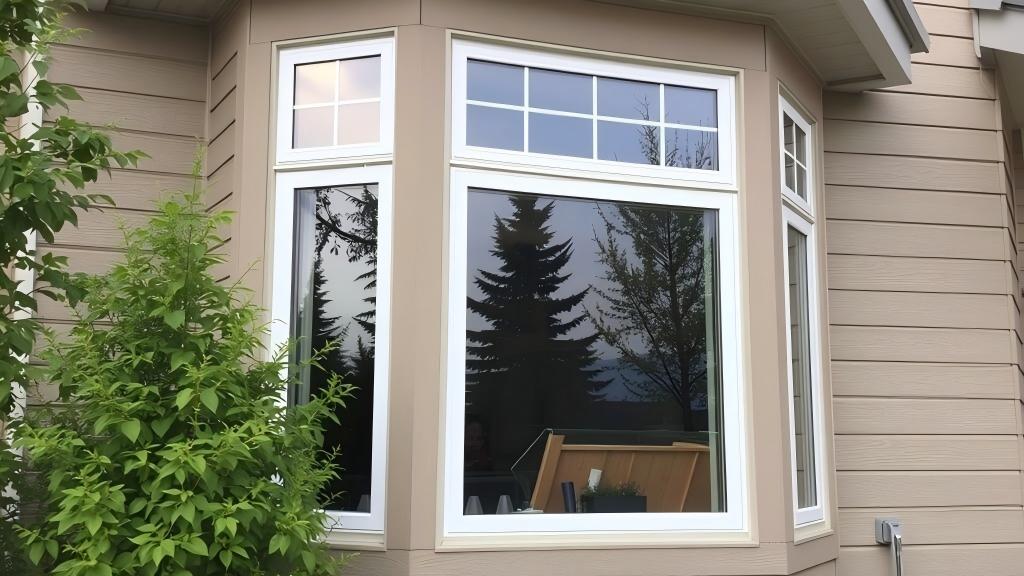
Have you ever wondered why you need a middleman for a Custom Window Purchase? You can skip the extra costs that come from showrooms and sales staff.
Many homeowners save 30% or more by going straight to the manufacturer. You get more control over the style and quality, and you take charge of measurements and details. If you want a better deal and more say in your windows, buying direct might be the way to go, and we’ll show you how in this article.
Key Takeaways
Getting windows straight from the manufacturer can help you save money. You do not pay extra fees to middlemen. You can save 30% or even more.
Customization lets you pick styles, sizes, and materials. You can make sure your windows fit your house just right.
Online window builders make designing easier. You can get a price for your custom windows right away.
It is very important to measure carefully. Check your measurements twice so you do not make expensive mistakes. This helps your windows fit perfectly.
Good warranties and direct help from manufacturers make you feel safe. You get support during your whole buying process.
When Buying Directly Is The Smart Move

Not everyone needs to buy windows directly from a manufacturer. But certain buyers find themselves consistently frustrated by the limitations of off-the-shelf solutions and the communication barriers that come with working through intermediaries.
Homeowners of Custom Homes
Homeowners building or renovating custom homes might not want their architectural vision to fit neatly into standard window catalogs. These buyers need direct access to manufacturing capabilities, not filtered interpretations of their requirements.
Real Estate Contractors or Developers
Developers and contractors ordering windows in volume benefit enormously from direct manufacturer relationships.
These people can easily discuss production schedules, coordinate deliveries, and negotiate pricing with the manufacturers directly without intermediaries.
Building Designers & Architects
If you’re an architect or a designer with specific size and performance needs, you’ll require technical conversations with people who understand manufacturing constraints and possibilities. Custom window manufacturers can give you this easily.
General Buyers With An Eye For Detail
Buyers who prioritize precision, timelines, and accountability find that direct relationships eliminate the ambiguity that often plagues complex orders. When something needs to change or a question arises, having a direct line to the manufacturer means faster resolution and clearer responsibility.
What Makes Custom Windows Different From Standard Options

Why one-size-fits-all windows often fall short
How custom sizing improves fit, performance, and appearance
The long-term value of windows made specifically for your project
Why Buying Directly From the Manufacturer Changes the Experience

Cost Savings and Value
You want to spend less on your Custom Window Purchase. Buying from the manufacturer helps you save money. You do not pay extra dealer markups or showroom fees. Many people save up to 25% or even more. Look at the table below to see how costs change for different project sizes:
Project Size | Total Cost Range | Cost Per Window | Savings vs Single Window |
Single Window | $350-$1,500 | $925 average | – |
5 Windows | $1,800-$7,500 | $930 average | No savings |
10 Windows | $3,000-$10,000 | $650 average | 30% savings |
15+ Windows | $4,000-$12,000 | $533 average | 42% savings |
Whole House (20-30) | $6,000-$30,000 | $720 average | 22% savings |
You also get more for your money. Manufacturers often give lifetime warranties and better help after you buy. You talk right to experts who know their products well.
Helpful Tip: If you want to replace many windows, buying direct can save you thousands of dollars.
Customization and Direct Support
You want your windows to fit your house just right. With a Custom Window Purchase, you pick the size, style, and features you want. Manufacturers let you choose from many colors, shapes, and materials. You can pick double-hung, casement, sliding, or special shapes like circles or triangles. Want a wood look or a bright color? You can get it.
Here’s what you can change:
Window styles: double-hung, casement, picture, sliding, awning, bay, bow
Unique shapes: circle, octagon, triangle, trapezoid
Interior finishes: natural hardwood look
Exterior colors: bright choices for curb appeal
Hardware finishes: match your home’s style
Decorative glass and grilles: add grids or patterns
You get help from specialists. If you have questions about energy efficiency or soundproofing, you talk to the people who make the windows. They help you use online tools to design your windows and get prices right away.
What You Can Customize When You Buy Direct
Here, we talk about customization options for windows and the bespoke options that customers can expect.
Types and Styles Available
You have many choices when you buy custom windows direct. Manufacturers let you pick from lots of types and styles. You can match your home or make it stand out. Look at this table for some popular window options:
Type of Window | Description | Features |
Transom Window | Above doors, rectangular or semicircular | Decorative or operable, many glass choices |
Garden Window | Protrudes outward, great for plants | Three-panel glass, lots of sunlight |
Round Window | Circular, fits special spaces | Can open or stay fixed, pairs with other types |
Skylight | Installed on the roof | Fixed or ventilating, brightens rooms |
Custom-shaped Window | Made for unique spaces | Any shape, perfect for basements or attics |
You can also pick arched windows for a classic style. Hopper windows work well in small rooms. Want a bay or bow window for a cozy spot? You can get those too. You choose the size, shape, and how it opens.
Materials and Finishes
You get to pick the material and finish that fits your home. Each choice has its own good points. Here’s a quick guide:
Material/Finish | Benefits |
Vinyl | Great insulation, easy to clean |
Fiberglass | Strong, resists warping, energy efficient |
Composite | Looks like wood, low maintenance |
Wood | Natural beauty, good insulation |
Aluminum | Lightweight, strong, needs thermal breaks |
Dual-tone designs | Different colors inside and outside |
Woodgrain veneers | Real wood look, modern durability |
Brushed-metal finishes | Sleek, matches modern décor |
Vinyl, fiberglass, and composite windows help save energy. Wood windows look nice, but they need care every few years. Aluminum is good if you live where it is not too hot or cold.
Glass and Performance Features
You can add special glass and features to your windows. These upgrades make your home more comfortable and save energy:
Low-E glass keeps heat out in summer and inside in winter.
Triple-pane glass gives great insulation and blocks noise.
Argon gas fill helps keep heat or cold out.
Laminated and impact-resistant glass adds safety and blocks UV rays.
Privacy and tinted glass let in light but keep rooms private.
Warm edge spacers and R-Core insulation help keep rooms warm or cool.
Want a quieter house or lower bills? These features help a lot. You can mix and match glass options to fit your needs and budget.
A Derchi Door Case Study: How the Direct Purchase Process Usually Works

To illustrate how direct purchasing works in practice, consider the typical process at Derchi Door; a manufacturer that has built its business around serving buyers who demand customization and direct accountability.
Derchi Door is one of the world’s foremost manufacturers of window and door fittings for buildings. The company is based out of Guangdong, China, and we have been operating for over 25 years in the construction industry.
At Derchi Door, we don’t just strive to meet your expectations - our goal is to surpass them. And to do that, we have a solid structure that allows us to work freely and seamlessly. Here is a breakdown of our process:
Step 1: Initial Consultation and Requirement Review
The process begins with a thorough discussion of your project's needs. This isn't a sales pitch—it's a technical conversation about dimensions, performance requirements, aesthetic goals, and timeline constraints. The goal is to understand exactly what you need before any recommendations are made.
Step 2: Shop Drawings, Approvals, and Measurements
Based on your requirements, detailed shop drawings are prepared showing every dimension, specification, and configuration. These drawings become the contract documents—nothing is produced until you've reviewed and approved them. For projects where opening sizes aren't yet final, a field measurement visit can be scheduled to verify dimensions before production begins.
Step 3: Production Timelines and Quality Checks
Once drawings are approved, production is scheduled. Throughout the manufacturing process, quality control checkpoints ensure that specifications are being met. For complex or large orders, you may receive updates on production progress and notification of any issues that arise.
Step 4: Delivery, Installation Coordination, and Follow-Up
Delivery is coordinated with your construction schedule to ensure windows arrive when you're ready for them. While Derchi Door focuses on manufacturing, they can coordinate with trusted installation partners or provide technical support to your installation team. After installation, the relationship continues—questions about operation, maintenance, or future needs can be directed to people who know your project.
How to Choose the Right Manufacturer to Buy From

Not all manufacturers are equally suited to direct sales relationships. When evaluating potential partners, consider several key factors:
Experience and track record: Look for manufacturers with demonstrable experience in projects similar to yours. References from architects, contractors, and previous buyers provide valuable insight into real-world performance.
In-house capabilities: Manufacturers who control their own production—rather than assembling components from various suppliers—typically offer better quality control, faster problem resolution, and more flexibility in customization. Ask about what's made in-house versus outsourced.
Technical expertise: The ability to have substantive technical conversations is crucial for custom work. If the people you're dealing with can't answer detailed questions about materials, performance specifications, or manufacturing processes, that's a warning sign.
Communication and responsiveness: Pay attention to how quickly and thoroughly your inquiries are addressed during the evaluation phase. This behavior typically continues throughout the relationship.
Warning signs: Be cautious of manufacturers who push standard solutions when you've specified custom requirements, who can't provide references for comparable projects, or who seem more focused on closing the sale than understanding your needs.
The Derchi Door Advantage
All of these go to show why you need to work with Derchi Door. As one of the world’s foremost providers of custom windows, Derchi Door provides its products to a clientele of tens of thousands of people.
The company has been operating for over two decades, and it is renowned for its technical expertise. Derchi Door’s engineers and developers will be on hand to help you out during the formulation process, and our logistics experts will be able to get your door to you no matter where you live.
Simply let us know what you need, and we will be sure to keep you in the loop as we handle everything on your behalf.
Questions Smart Buyers Ask Manufacturers Before Committing
Before entering into a direct purchasing relationship, informed buyers typically explore several key questions:
"Have you handled projects similar to mine?"
Experience with comparable projects—in scale, complexity, or building type—indicates capability and reduces learning-curve risks.
"How do you ensure consistency across custom units?"
When ordering multiple custom windows, understanding the quality control processes that maintain consistency across the order is essential.
"What happens if adjustments are needed mid-project?"
Construction realities sometimes require changes. Understanding the manufacturer's flexibility and change-order process helps set realistic expectations.
"What warranties and support do you offer after delivery?"
Post-sale support varies significantly among manufacturers. Clarifying warranty terms, service availability, and parts supply before purchasing prevents future surprises.
Final Thoughts: Is Buying Direct Right for Your Custom Window Project?
Buying custom windows directly from a manufacturer isn't the right choice for everyone. But for projects that demand precision, customization, and accountability, direct manufacturer relationships offer significant advantages.
If you’re the type of customer we’re talking about, then Derchi Door is where you want to be. We’re just a call away, so don’t hesitate to reach out to us and let us know how we can help you.


