


Product Details
The 136D provides permanent sliding glass door insulation through an aluminum and tempered glass construction engineered for commercial and residential projects. Unlike temporary winterization products, it delivers measured thermal control with U-Factor ratings from 0.18 to 0.25 and SHGC values from 0.2 to 0.3 across Base, Advanced, and Pro models. The corrosion-resistant aluminum alloy frame and 6mm tempered safety glass ensure durability in high-moisture environments, while a water-resistant design supports installation in wet areas such as kitchens and garage entries.
An overhead concealed sliding mechanism maximizes floor space and may reduce operational noise compared to exposed-track alternatives. Buyers evaluating this energy efficient sliding door should confirm overall dimensions, load requirements, and destination-market compliance before ordering, as parameters vary by configuration and project specifications.
Product Features
Corrosion-Resistant Construction: Built with an aluminum alloy frame and 6mm tempered safety glass, this door resists corrosion in high-moisture and high-traffic environments. The construction may be lighter than traditional steel doors, potentially reducing structural load. Buyers evaluating sliding glass door insulation options should confirm whether the alloy grade meets environmental exposure requirements and local building codes.
Optimized Thermal Efficiency: Engineered with measured U-Factor (0.18–0.25) and SHGC (0.2–0.3) ratings across three tiers, this door delivers quantifiable thermal control that reduces heat transfer and limits solar heat gain. Buyers seeking a winter proof sliding glass door should confirm which model tier aligns with their climate zone and energy performance targets.
Overhead Concealed Sliding Mechanism: The overhead concealed track maximizes floor space by eliminating ground-level rails, making it ideal where usable space matters. This mechanism may operate more quietly than exposed-track systems, benefiting noise-sensitive environments. Buyers should verify track installation requirements, including ceiling support and clearance, during project planning.
Water-Resistant Design: Classified as a partition door with verified water-resistant properties, this product adapts to wet areas including kitchens, outdoor transitions, and garage entries. Buyers considering how to insulate patio doors in damp climates should confirm specific water penetration ratings for their project's building code compliance.
Customizable Aesthetics: Available in frame colors including black, white, and wood finishes with custom matching, multiple glass types, and two hardware finishes, this door integrates with diverse architectural styles. Frosted and tinted glass provide varying privacy and light control. Buyers should request finish samples and confirm custom color lead times.
Customizable Styles
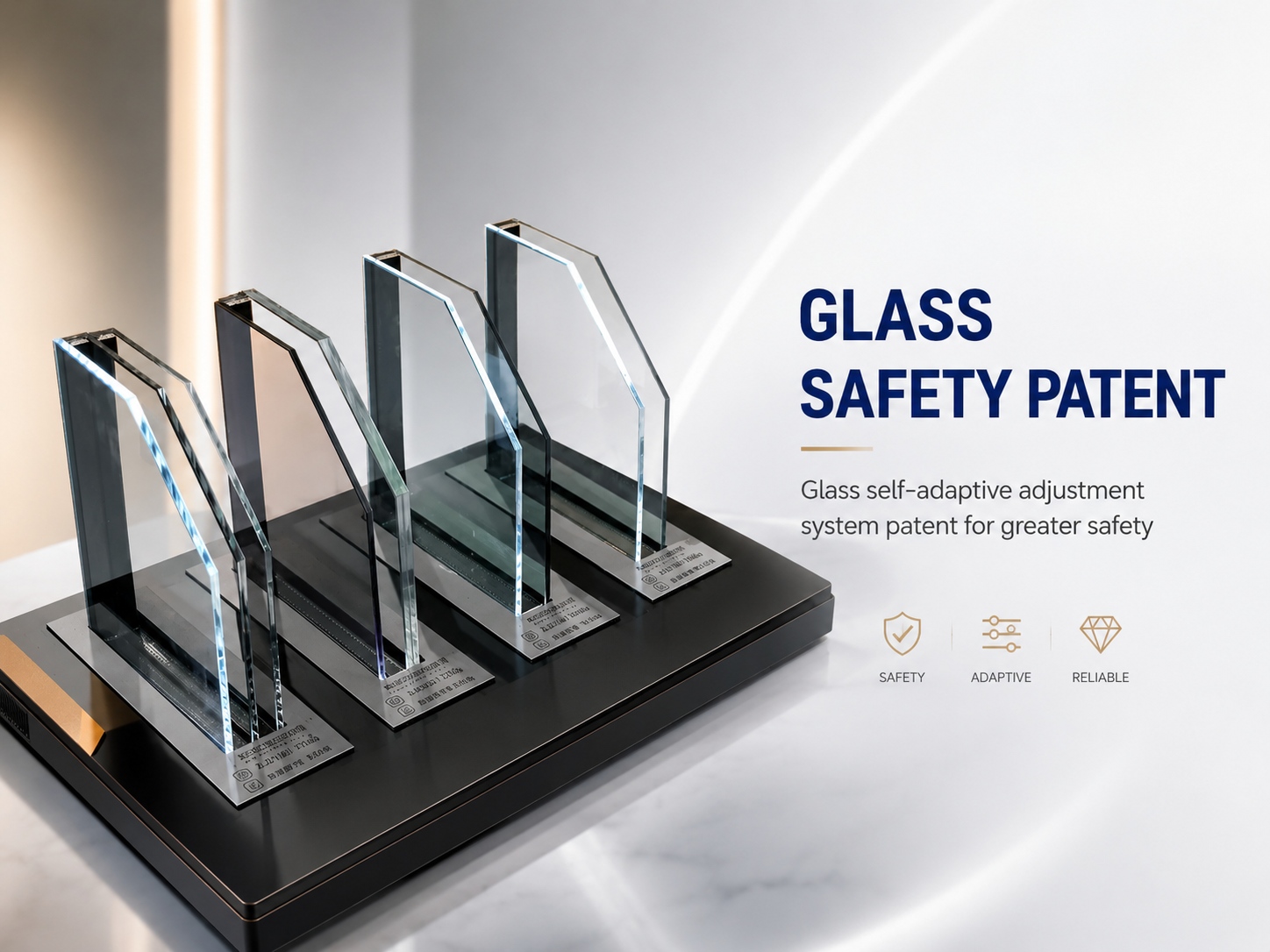
Glass Options: The door offers clear, frosted, and tinted tempered safety glass at 6mm thickness. Clear glass maximizes natural light, frosted balances privacy with light transmission, and tinted adds solar heat gain control. Buyers exploring how to insulate sliding glass doors for winter should discuss glazing options with the supplier to optimize thermal performance for their climate and orientation.
Frame Options: The aluminum alloy frame provides structural integrity with corrosion resistance and lighter weight than traditional steel alternatives. This suits coastal and humid environments where steel may degrade over time. Buyers should confirm the specific alloy series, wall thickness options, and surface treatments available for their project's environmental conditions.
Size Options: Overall door dimensions and maximum panel sizes should be confirmed with the supplier, as standard ranges are not specified. Since opening dimensions vary across projects, custom sizing is typically required. Buyers must provide exact opening dimensions and structural clearance details when requesting a quote to ensure proper manufacturing and building code compliance.
Color/Finish Options: Frame colors include black, white, and wood grain finishes, with custom color matching available. Hardware comes in brushed stainless steel and polished aluminum. This variety allows architects to coordinate the sliding glass door insulation solution with broader aesthetics. Buyers should request physical finish samples before finalizing orders.
Track or Opening Configuration: The overhead concealed sliding system positions the track above the door panel, freeing floor space and delivering clean visual lines. This may contribute to quieter daily operation than exposed-track systems. Buyers should discuss ceiling mounting requirements, clearance above the opening, and available panel configurations for their layout.
Project Customization: For B2B projects, customization extends to thermal performance tiers (Base, Advanced, Pro), load capacities (200–300 kg), and sliding speeds (0.5–0.7 m/min). Buyers should submit project drawings and performance specifications early to facilitate accurate quoting and production planning with their sliding glass door supplier.
Hardware Accessories
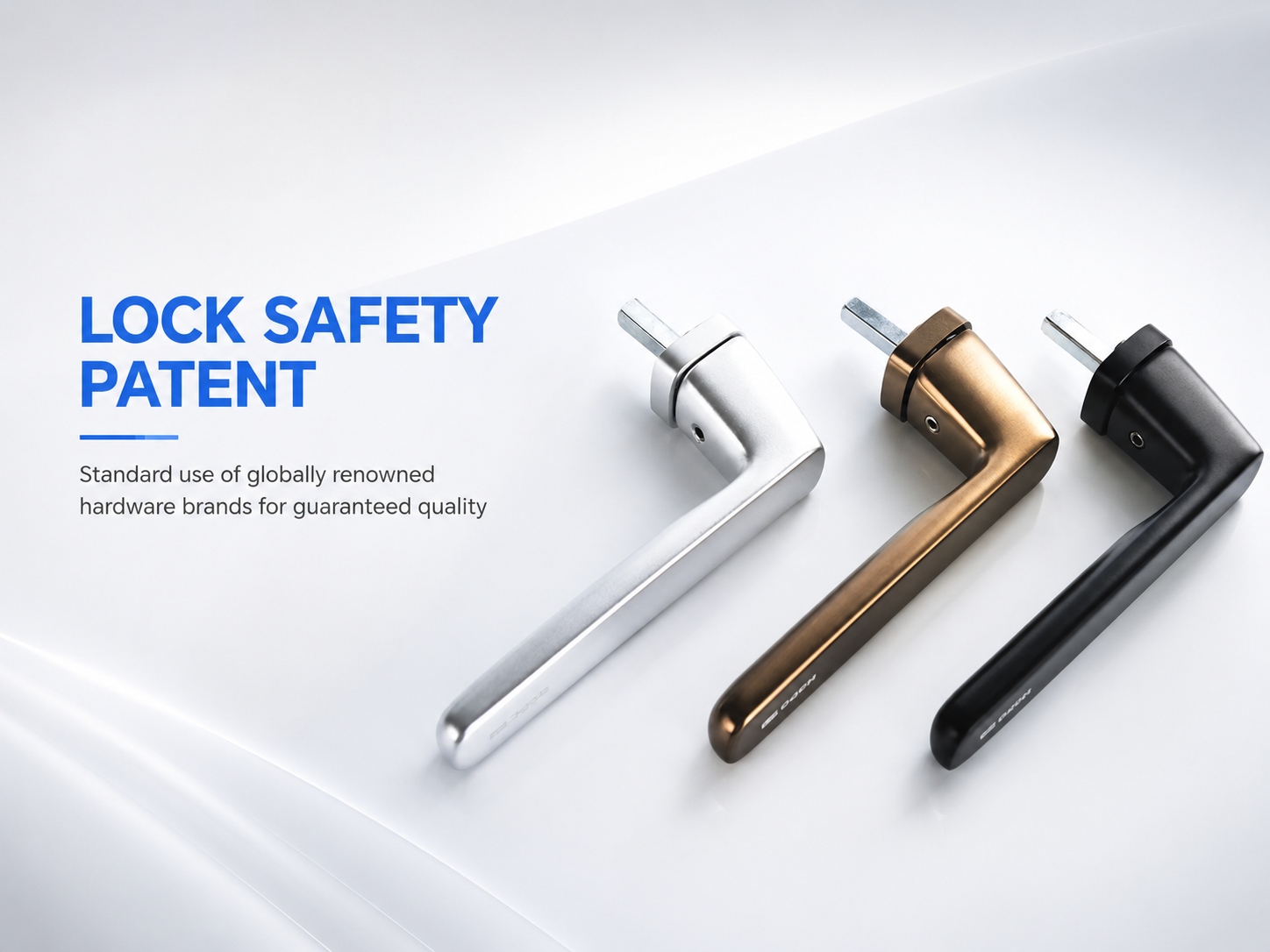
Handle: Available in brushed stainless steel and polished aluminum finishes, handle selection affects daily usability and visual integration with surrounding architecture. Brushed stainless offers a fingerprint-resistant surface, while polished aluminum provides a sleek accent. Buyers should confirm handle style options and whether placement can be customized for accessibility compliance in commercial settings.
Rollers: The roller system supports the overhead concealed mechanism and carries panel weight along the upper track. Proper specification ensures smooth operation over years of daily use. Since load capacities range from 200 to 300 kg across models, roller specifications likely vary. Buyers should confirm roller material, bearing type, and expected lifespan with the supplier.
Buffer/Soft-Close System: Soft-close or buffer details are not explicitly specified. Given the commercial and residential positioning, controlled closing may be available or configurable. Buyers seeking reduced closing noise and enhanced safety should confirm soft-close availability, specifications, and any additional cost when discussing their sliding glass door insulation configuration.
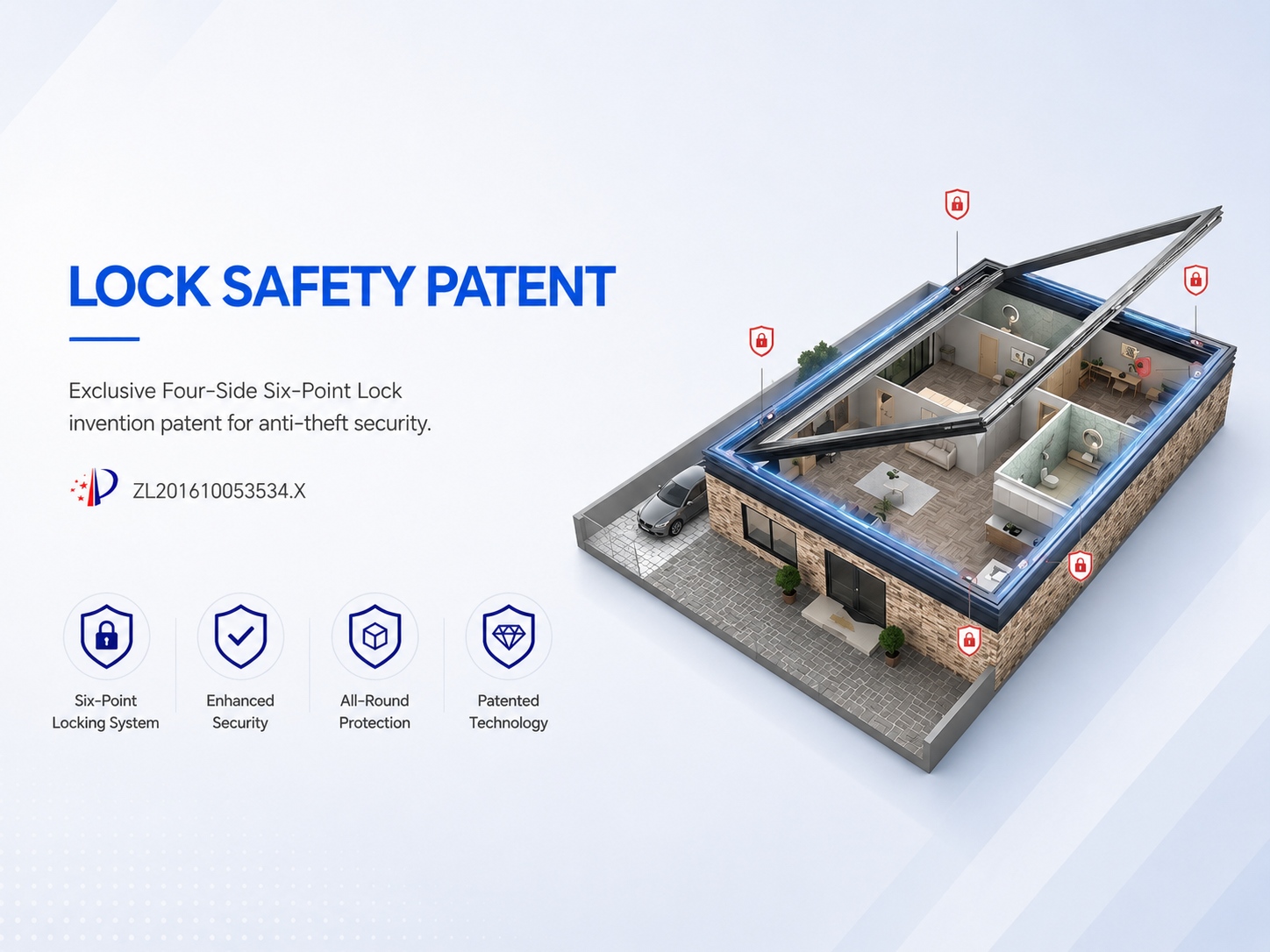
Lock: Locking system details are not specified in available data. For partition applications, secure locking is often critical. The lock type should match project security requirements. Buyers should discuss locking options, keying systems such as master key or keyed alike, and compatibility with building access control when specifying their order.
Track System: The overhead concealed track hides running hardware above the panel for a streamlined appearance and unobstructed floor space. Track length and mounting requirements depend on door width and configuration. Buyers should verify track material, ceiling mounting bracket specifications, and whether curved or angled installations are possible.
Sealing/Connection Hardware: Sealing components are essential to thermal and water-resistant performance, contributing directly to overall sliding glass door insulation capability. Weather seals and gaskets prevent air and water infiltration at frame edges and panel junctions. Buyers should confirm seal material durability, replacement availability, and whether specifications meet their air infiltration and water penetration testing requirements.
Basic Parameters
Performance Item | Available Information | Buyer Notes |
|---|---|---|
Thermal Insulation | U-Factor 0.18–0.25; SHGC 0.2–0.3 | Confirm model tier for project climate zone |
Wind Pressure Resistance | Not specified in available data | Confirm rating for project wind load requirements |
Water Tightness | Water-resistant design confirmed | Confirm specific Pa rating for local building code |
Air Tightness | Not specified in available data | Confirm air infiltration rate for energy compliance |
Sound Insulation | May operate more quietly than exposed-track systems | Confirm acoustic rating for noise-sensitive projects |
Product Specifications
Item | Details |
|---|---|
Product Name | 136D Contemporary Glass and Aluminum Garage Door |
Product Type | Sliding Glass Door / Partition Door |
Material | Aluminum Alloy, Stainless Steel, Tempered Glass |
Glass Type | Tempered Safety Glass |
Glass Thickness | 6mm |
Frame Option | Aluminum Alloy (corrosion-resistant) |
Hardware | Brushed Stainless Steel / Polished Aluminum |
Opening Style | Overhead Concealed Sliding |
Size Range | Confirm with supplier before production |
Application | Commercial, Residential, Wet Areas |
Customization | Available (colors, glass types, hardware finishes, model tiers) |
Notes | Base, Advanced, Pro models with varying U-Factor, SHGC, load capacity, speed |
Advantages
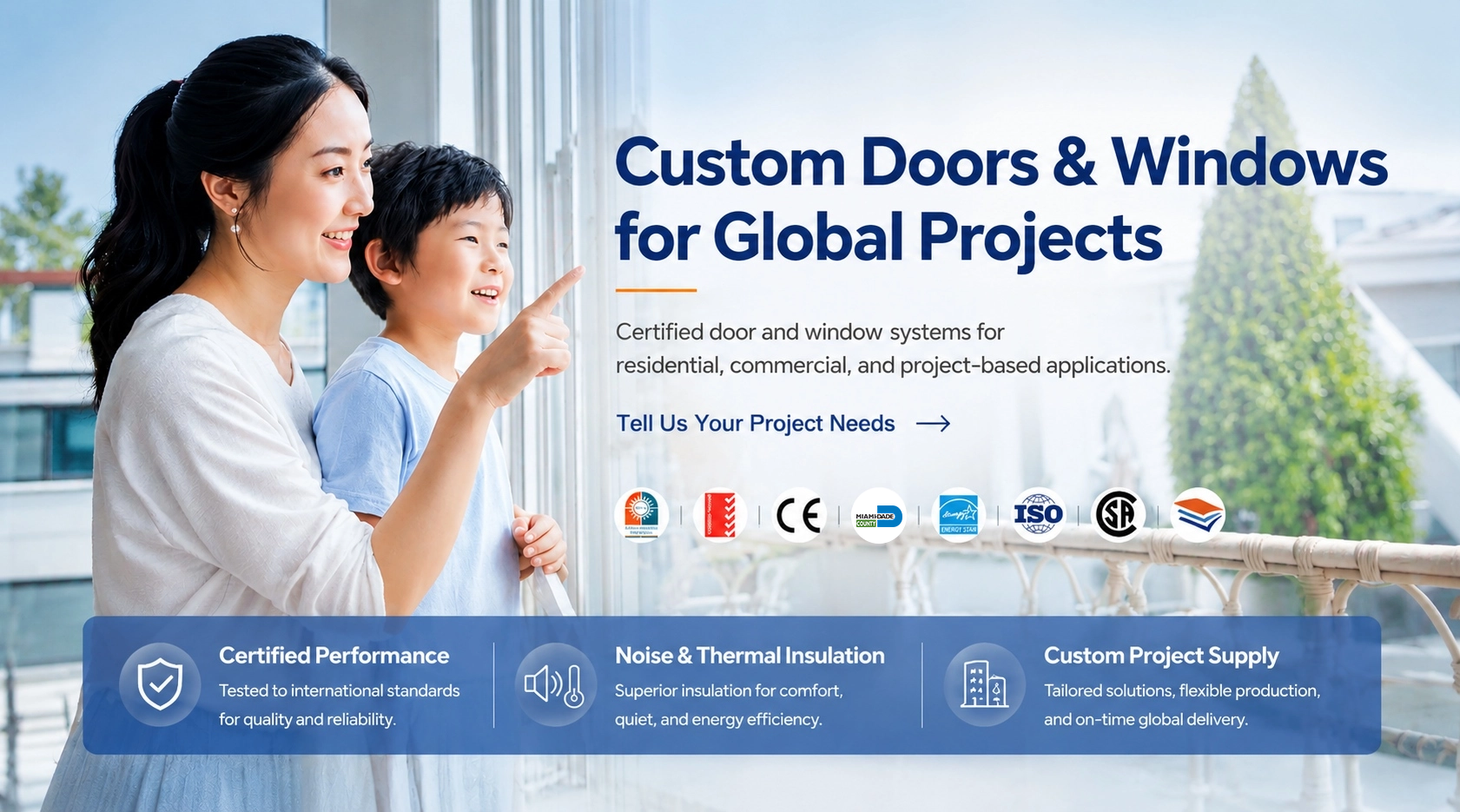
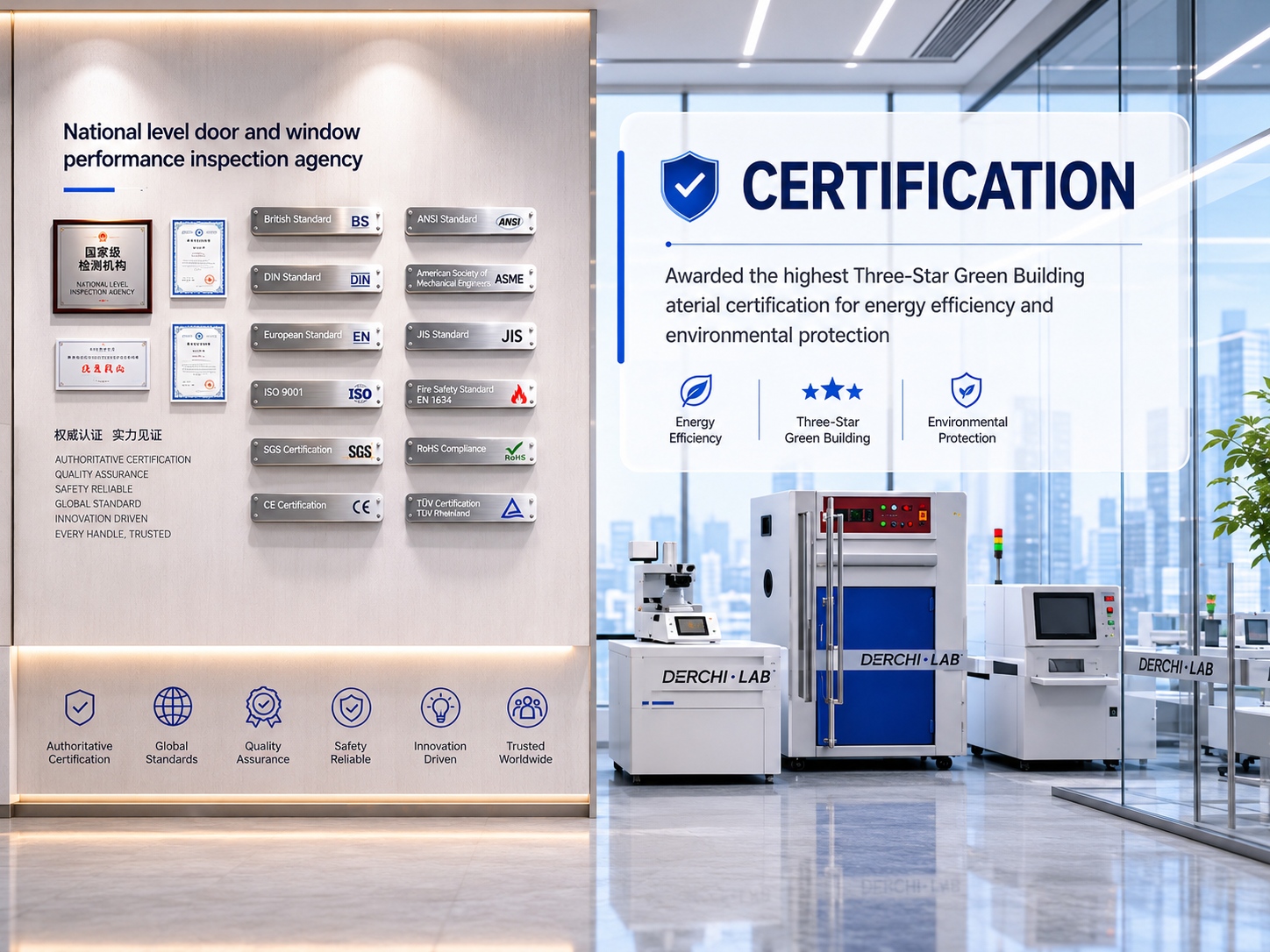
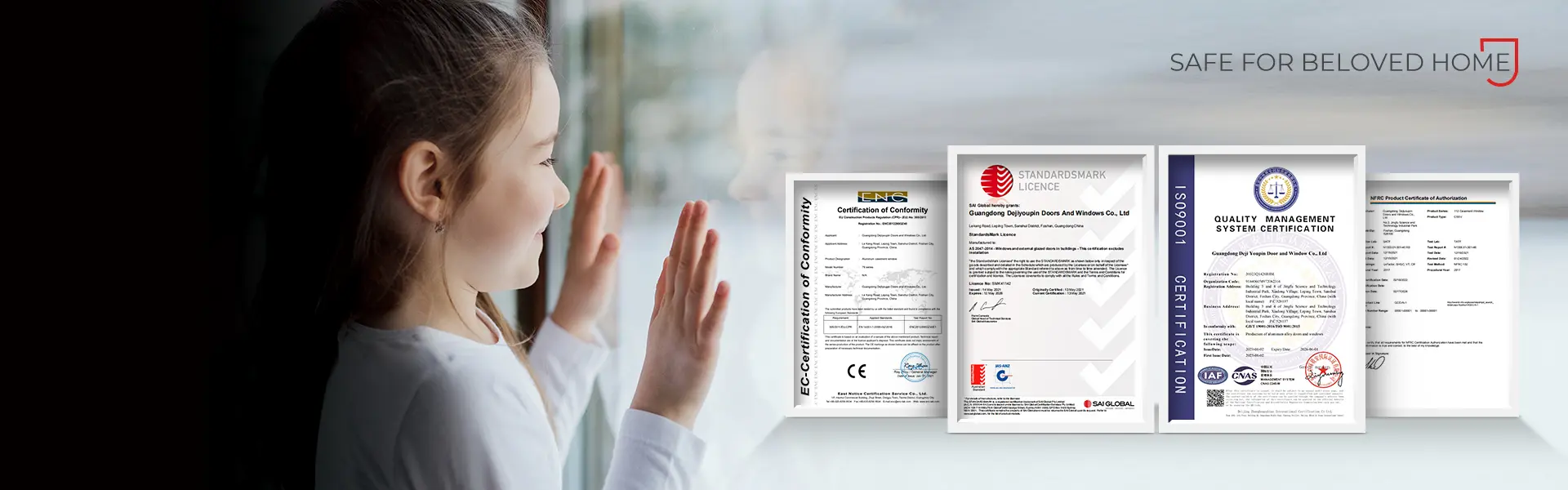
Brand Strength: The product holds CPR, CE, AS2047, and EN 14351 certifications, demonstrating commitment to international safety and quality standards. These credentials provide B2B buyers baseline confidence when evaluating a sliding glass door supplier. Buyers should verify whether certification documents apply to their selected configuration and target market, as compliance scope varies by region and product version.
Factory Capability: Three distinct performance tiers (Base, Advanced, Pro) with different thermal ratings, load capacities, and sliding speeds indicate manufacturing capable of configured-to-order production. This tiered approach allows buyers to select specifications matching project needs without paying for unneeded features. Buyers should confirm factory quality control processes during supplier evaluation.
Production Capacity: Specific production capacity data is not provided. However, targeting toward commercial contractors and hotel developers implies an operation structured for project-scale volumes. Buyers with large or phased orders should discuss production scheduling, maximum monthly output, and capacity reservation with the supplier to align manufacturing with construction milestones.
Certifications: The door holds CPR, CE, AS2047 (Australian standard for windows and doors in buildings), and EN 14351 certifications covering key markets. These support compliance for EU and Australian projects. Buyers targeting other regions should confirm whether additional local certifications are available and request relevant test reports for project documentation.
Service Capability: While specific service terms are not detailed, the configurable nature across three models indicates a consultative approach. B2B buyers should discuss pre-sale technical support, installation guidance, and after-sale commitments. Warranty terms and defect liability policies should be confirmed before placing an order with any sliding glass door supplier.
Customization Capability: Customization spans frame colors, glass types, hardware finishes, and performance tiers, accommodating diverse architectural and functional requirements. This flexibility allows one product platform to serve different climates, privacy levels, and design schemes. Buyers should confirm which options affect lead time, minimum order quantities, and pricing.
B2B Support: Designed for commercial contractors, hotel developers, mall developers, and residential builders, this product aligns with professional procurement needs through tiered performance, configurable aesthetics, and international certifications. Buyers should discuss project registration, bulk pricing, dedicated account management, and delivery logistics during initial consultations.
Application Scenarios
Apartment: Space efficiency and noise control are primary concerns in apartment buildings. The overhead concealed sliding mechanism eliminates floor tracks, saving valuable floor area while potentially operating more quietly than exposed-track alternatives. Thermal control reduces heating and cooling costs for residents. Buyers considering how to insulate sliding glass doors for winter in multi-unit projects should confirm acoustic performance and U-Factor ratings for their specific climate zone before procurement.
Home Office: Home offices require natural light, thermal comfort, and acoustic separation. This door's glass options allow daylight penetration while frosted or tinted variants provide visual privacy during video calls. The sliding glass door insulation helps maintain stable indoor temperature, reducing distractions from drafts. Buyers should confirm glazing selection matches privacy needs and discuss soft-close hardware availability.
Hotel: Hotels demand doors combining aesthetics, durability, and acoustic performance across hundreds of rooms. Customizable frame colors and hardware finishes allow designers to match interior themes, while the overhead concealed track creates a sleek contemporary look. Thermal insulation reduces HVAC costs, a significant hospitality expense. Buyers should request documentation on acoustic ratings and project-scale delivery scheduling.
Office Building: Commercial offices need partition solutions balancing open-plan flexibility with climate control and noise management. The overhead concealed sliding system enables reconfigurable space division without floor track obstructions. Measured U-Factor and SHGC ratings contribute to energy performance calculations for green building certifications. Buyers should confirm the door meets their commercial building's wind load, accessibility, and fire safety requirements.
Outdoor: For outdoor or exterior-related projects, buyers should confirm weather resistance, water tightness, wind pressure requirements, surface finish durability, and installation conditions before ordering. The door's water-resistant design and corrosion-resistant frame provide baseline moisture protection, but specific exposure ratings for direct weather contact are not detailed. Buyers exploring how to insulate patio doors for outdoor-adjacent spaces should request environmental exposure test data.
Residential Building: Residential projects benefit from thermal efficiency, aesthetic flexibility, and space-saving operation. The three-tier model system allows developers to specify different performance levels for different unit types—Pro for premium units, Base for standard—all within the same design language. The sliding glass door insulation contributes to lower homeowner energy bills. Buyers should confirm size availability, installation support, and warranty terms.
Exterior: For exterior applications, water-resistant properties and a corrosion-resistant frame offer a starting point, but full exposure demands verified performance data. Wind pressure resistance, UV stability of frame finishes, and weather tightness must be confirmed for each project's conditions. Buyers should request testing documentation and discuss installation methods to ensure their winter proof sliding glass door performs reliably when fully exposed across all seasons.
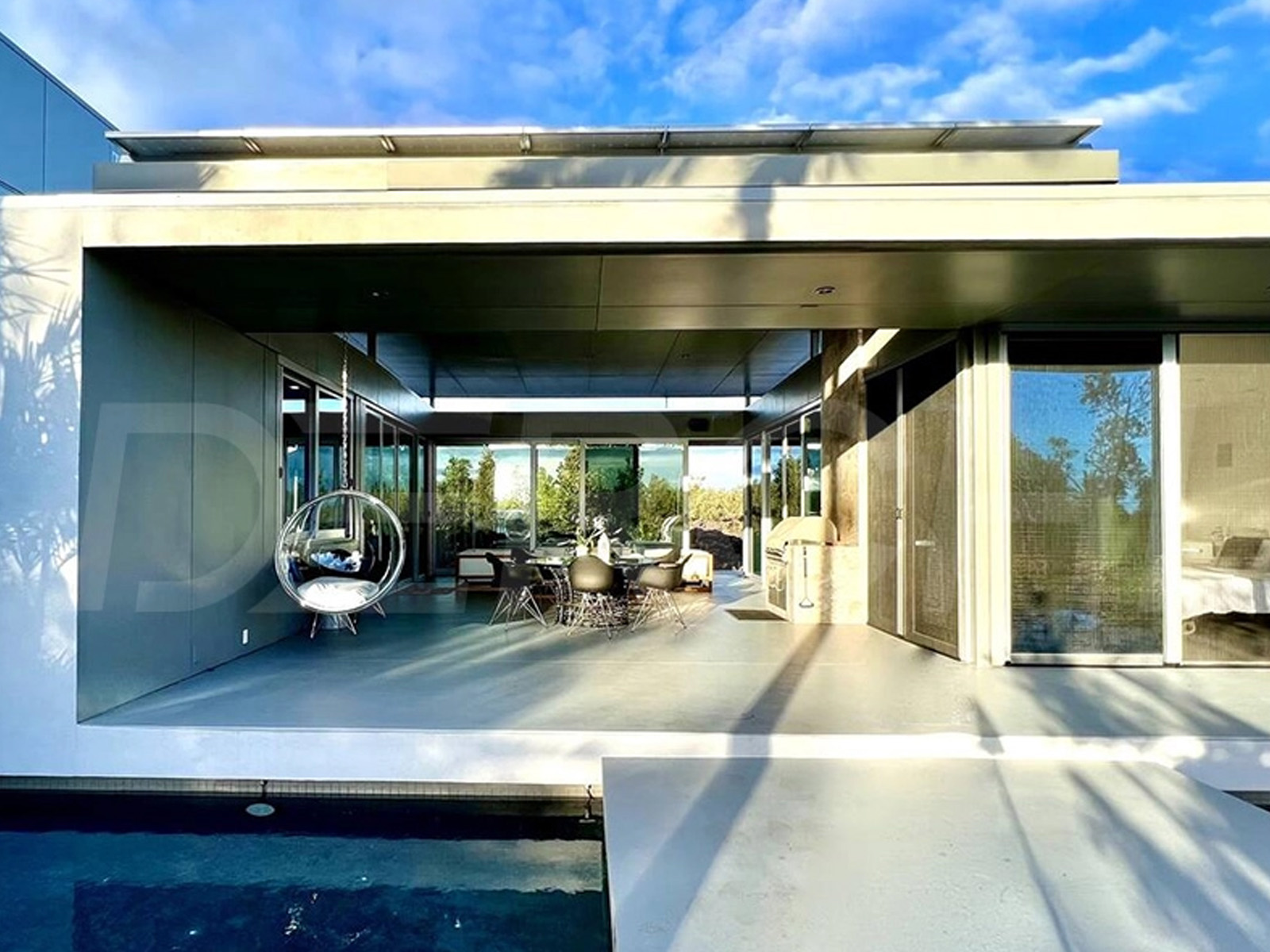
Villa: Luxury villas feature large openings connecting interior spaces to gardens, patios, or pool areas. The clean aesthetic, customizable finishes, and concealed hardware align with high-end residential design expectations. Thermal insulation keeps interiors comfortable despite large glass expanses, and quiet operation preserves the tranquil atmosphere villa owners expect. Buyers should confirm maximum panel sizes, discuss motorization options, and verify finishes withstand poolside or coastal exposure.
Request a Quote
To request a quote for the 136D sliding glass door insulation solution, please provide the following information:
Product title and required quantity
Opening dimensions (width and height)
Preferred model tier (Base, Advanced, or Pro)
Glass type preference (clear, frosted, tinted)
Hardware finish selection
Frame color or custom finish requirements
Target market and destination country / port
Certification or compliance document requirements
Project drawings if available
Submit your project details to receive a tailored quotation covering specifications, pricing, lead time, and delivery logistics.
What to Confirm Before Ordering
Overall Dimensions: Maximum panel sizes and opening limits should be confirmed with the supplier, as standard ranges are not specified and custom sizing is typically required for each project.
Minimum Order Quantity: MOQ is not stated and should be confirmed during quotation to assess procurement feasibility and budgeting.
Lead Time: Production and delivery timelines vary by configuration complexity, order volume, and destination. Confirm scheduling to align with construction milestones.
Warranty Terms: Warranty coverage and duration are not specified. Buyers should request written warranty terms and defect liability policies before placing an order.
Air and Water Ratings: Specific Pa ratings for air infiltration and water penetration are not provided. Confirm these values for projects requiring strict building code compliance documentation.
Certification Applicability: Verify that CPR, CE, AS2047, and EN 14351 certifications apply to the selected product configuration and target market before relying on them for regulatory submissions.
FAQ
What is the 136D sliding glass door insulation solution?
The 136D is a permanent, structural aluminum and tempered glass door providing effective sliding glass door insulation through controlled U-Factor (0.18–0.25) and SHGC (0.2–0.3) ratings. Unlike temporary insulation blankets or window films, it integrates thermal performance directly into the building envelope. Available in Base, Advanced, and Pro models with varying specifications, it suits commercial and residential applications. Buyers should confirm which model tier matches their climate zone and energy requirements before ordering.
How does this door compare to sliding door winter insulation kits?
While winter insulation kits and thermal blankets are temporary retrofits requiring seasonal installation and removal, the 136D provides permanent thermal control built into the door structure. Its measured U-Factor and SHGC ratings deliver consistent year-round energy efficiency without the maintenance, aesthetic compromise, or light blockage of add-on products. For buyers researching sliding door winter insulation on a permanent basis, this structural solution adds lasting architectural value rather than covering existing glass surfaces.
Can this door be used for exterior or outdoor applications?
The door features water-resistant properties and a corrosion-resistant aluminum alloy frame providing baseline moisture protection. However, specific wind pressure, water penetration, and UV resistance ratings for full exterior exposure are not detailed. For outdoor or exterior-related projects, buyers should confirm weather resistance, water tightness, wind pressure requirements, surface finish durability, and installation conditions before ordering. The supplier should provide project-specific testing documentation to verify suitability.
What certifications does this product carry?
The door holds CPR (Construction Products Regulation), CE marking for Europe, AS2047 for Australia covering windows and doors in buildings, and EN 14351 certification. These support compliance for EU and Australian market projects. Buyers targeting other regions should confirm whether additional local certifications are available. It is important to verify that certification documents apply to the specific configuration and model tier selected, as compliance scope may vary by product version.
What information do I need to request a quote?
Provide the product title, required quantity, opening dimensions (width and height), preferred model tier (Base, Advanced, or Pro), glass type selection, hardware finish preference, frame color requirements, target market and destination country or port, certification requirements, and project drawings if available. Since size ranges, minimum order quantities, and pricing are confirmed on a project basis, submitting detailed specifications upfront ensures efficient quoting and reduces the risk of procurement delays.
Is this door suitable for noise-sensitive environments?
The overhead concealed sliding mechanism may operate more quietly than exposed-track systems, making it a consideration for noise-sensitive environments such as apartments, hotels, and offices. However, specific acoustic or Sound Transmission Class ratings are not provided. Buyers who need a winter proof sliding glass door with verified noise reduction should request acoustic testing data from the supplier and confirm whether the selected configuration meets their project's sound insulation requirements.
What glass types are available and how should I choose?
The door offers clear, frosted, and tinted tempered safety glass at 6mm thickness. Clear glass maximizes daylight for spaces prioritizing openness. Frosted glass provides privacy while maintaining light transmission, suitable for bathrooms or partition walls. Tinted glass adds solar heat gain control alongside privacy, beneficial for west- or south-facing installations. Buyers should discuss specific glazing performance data including light transmittance and solar control characteristics with the supplier.
What should I confirm before placing an order?
Before ordering, confirm overall door dimensions and maximum panel sizes, minimum order quantity, lead time for your selected configuration, warranty terms, air infiltration and water penetration ratings, model tier and thermal performance data, glass type and finish selections, and destination-market compliance documentation. Since many critical specifications are confirmed on a project basis, early communication with the supplier ensures all technical, logistical, and compliance requirements are addressed before production begins.