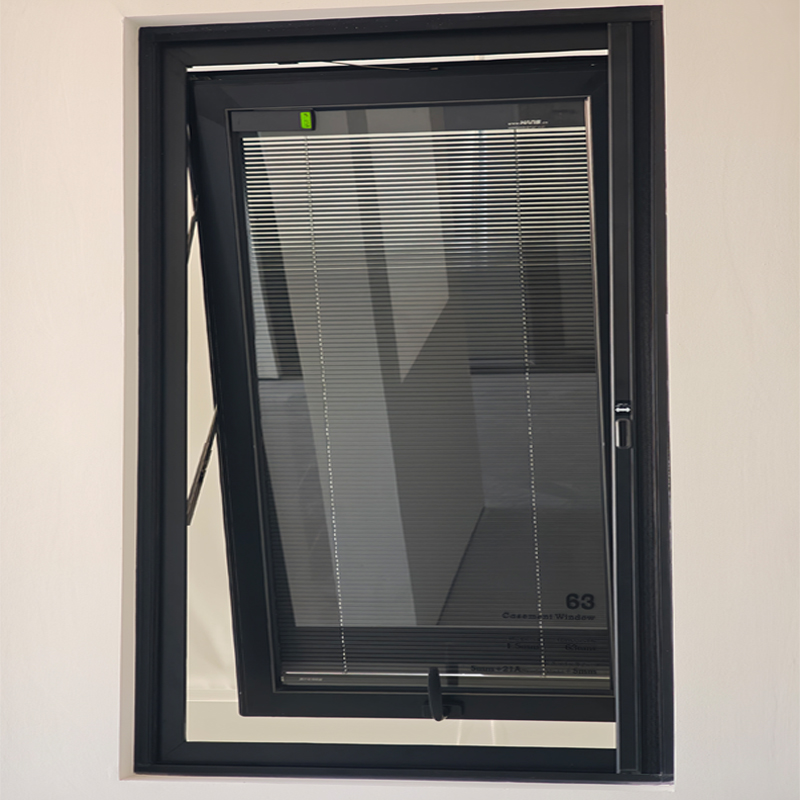
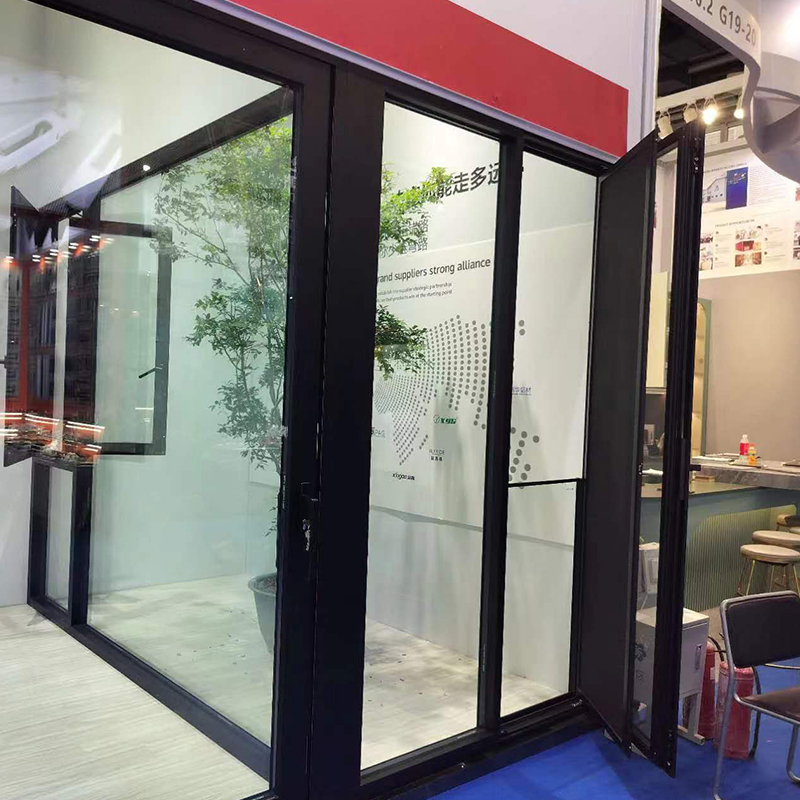
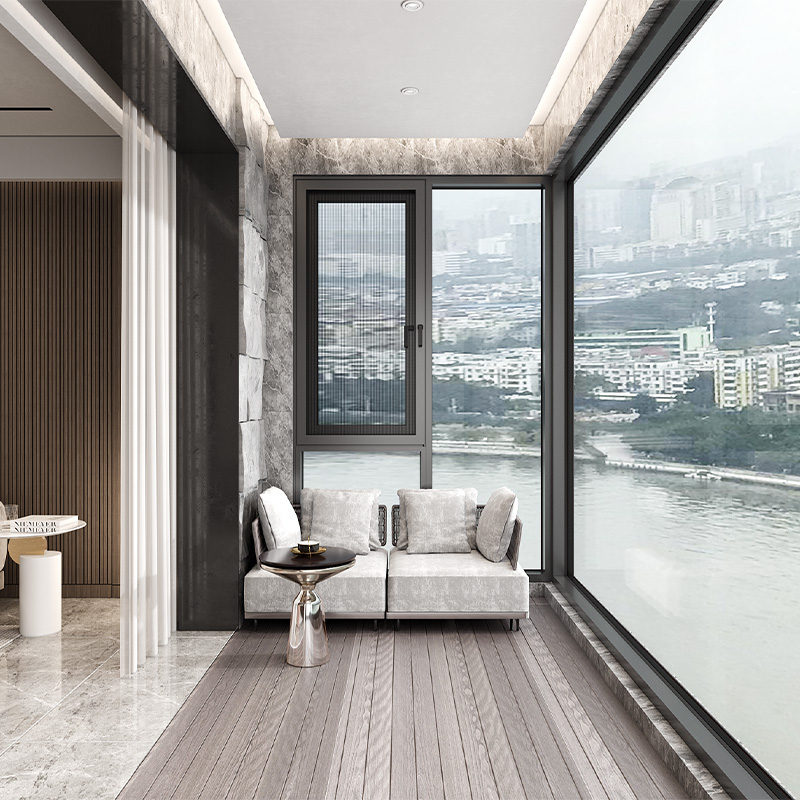
It’s almost impossible to overstate the popularity of casement windows today. Everyone, from homeowners to builders and constructors, loves these windows, thanks primarily to their aesthetic appeal and flexibility.
That said, casement windows come in different types, and a critical factor that should determine your choice is the climate in your region. In this article, we’ll look into how to select the best casement windows for climate change and the important pointers to look out for.
Understanding the Role of Climate in Window Performance
Today, casement windows are popular because they offer optimal ventilation while being very energy-efficient. They’re also a reliable option for security reasons and can offer unobstructed views of nature.
However, one of the best ways to truly get the most out of your casement windows is to factor in ambient climate. Here’s a breakdown that shows the importance of climate-specific window design.
Temperature (Hot or Cold Climates)
In hot climates, casement window frames tend to quickly expand - especially if they’re made from aluminum or uPVC. Over time, the windows can be more challenging to open or close.
As for cold climates, casement windows’ frames will contract, allowing cold air to leak in and affecting insulation.
The Effects of Humidity
You also need to consider humidity when it comes to casement windows.
In high-humidity areas, casement windows with wooden frames can swell or warp. While mildew can also form around joints with poor seals
On the other hand, casement windows for hot climates or low-humidity areas need weatherstripping to ensure their seals and frames remain intact
Rainfall & Storm Conditions
For storms, a casement window has an advantage because its sash can press against its frame when it’s closed. So, thermal efficiency is maintained since water is sealed out.
That said, proper insulation is needed to prevent leaks, as well as to properly insulate against strong winds and help your storm-resistant windows maintain their integrity.
Exposure To The Sun
Constant exposure to UV radiation can cause wooden material to fade and discolor. To that end, we recommend having the following in your casement windows for hot climates:
Gas-filled glazing
Low-E glass
A multi-pane glass system
These will ensure proper weather-resistant windows and maintain their performance.
Coastal Regions (Salt-Infused Air)
Living by the beach? Here are some interesting facts about coastal windows you want to remember:
Salt has a corrosive effect on metal - especially your casement windows’ handles and hinges
You need to anodize your aluminum frames to prevent pitting
You also need to maintain your windows regularly to ensure proper window ventilation

General Advantages of Casement Windows Across Climates
Versatility is one of the major reasons why casement windows work so well. Under the right conditions, the best casement windows for climate differences can offer some of the following benefits:
A Tight Seal and Superior Draft Protection
Casement windows are built to offer a reliable, compression-based seal that cuts down on air leakage. So, whether you want to keep the cool air in during the summer or prevent heat loss in the cold weather, these energy-efficient casement windows work for you.
Excellent Ventilation Control
Since they hinge outward, casement windows can be angled either toward the wind or against it. As such, you can easily direct airflow into the house, improving comfort and thermal efficiency.
Better Energy Efficiency Compared to Sliders or Double-Hungs
So why are casement windows so energy-efficient? Well, that’s because:
Their tight seals cut down on excess air exchange
You can pair the best casement windows for climate with gas fills, low-E coatings, etc.
They compress sash into weatherstripping, allowing you to enjoy lower heating and cooling costs regardless of the weather
Clear Sightlines and Versatile Design
With casement windows, you get a single, clear glass pane that offers optimal natural light and great views. You can customize them in different finishes and materials, making them very flexible indeed.
The Best Casement Window Materials by Climate Condition
Now that we have an introduction to the importance of weather in casement window performance, let’s check out the best climate-specific window design options to consider, depending on the weather in your location.
Cold or Temperate Climates
We believe the best casement windows for cold climates are made of fiberglass, insulated vinyl, or wood-clad frames.
These materials do quite well in cooler environments as they offer reduced thermal conductivity. They won’t transfer heat, and they offer impressive insulation without posing the risk of shrinking or swelling.
At the same time, you could add some of these features to get the most out of your windows for cold climates:
Krypton or argon gas fills for lower heat transfer
Triple-pane glass for optimal thermal insulation performance
low-E coatings to trap indoor heat in the blistering cold
Hot or Humid Climates
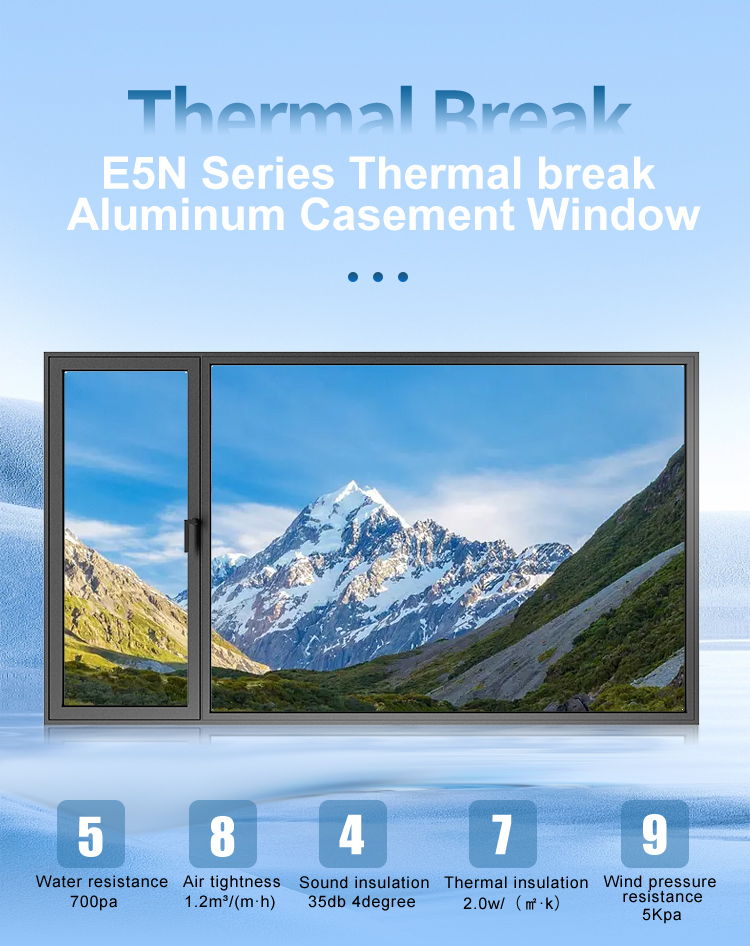
Now, to the flip side, casement windows for hot climates are best built using thermal break aluminum, aluminum-coated fiberglass or vinyl.
Hot environments usually have high levels of humidity. And in high-humidity environments, you want to prioritize moisture control and strength. These materials resist humidity well, while also preventing warping - even as the sun blazes hot.
Then, pair your windows for ot weather with these features to improve their performance even more:
low-E coatings that are built for hot climates
Low solar heat gain coefficient (SHGC) glass, which cuts down on heat penetration
Reflective glass options to improve glare management
Coastal or Storm-Prone Areas
For coastal windows, choose marine-grade aluminum, composite frames, or impact-resistant fiberglass. Marine-grade aluminum works best due to its strength and ability to adapt to the sea. Proper coating ensures that the water won’t affect it, and you can rely on it to hold its own against storms.
It’s common knowledge that coastal areas have high winds. Both materials are built to withstand these winds, while also preventing corrosion from salt and optimizing window ventilation.
Your window will also benefit immensely from these glass features:
Multi-point locking systems for durability
Impact-resistant glass, especially for storm-resistant windows
Extra weatherstripping for protection from wind & water
Dry or Desert Climates
Finally, we have dry regions, which are known for massive temperature changes between day and night. For these regions, fiberglass casement windows perform best since they don’t expand or contract very much.
You could also consider thermally broken aluminum, which creates an insulating barrier between the frame’s layers and prevents any heat transfer.
Finally, add these features to complete your window setup:
low-E coatings built for sun exposure
Solar-reflective coatings that reduce heat buildup
Easy-to-clean surfaces that work in dust-prone areas
Mixed Climates
We should also not forget the areas where climatic conditions can be a bit mixed. Primarily, these are places where you get a mix of cold winters and hot summers. Because weather conditions can switch on a dime here, you want windows that can last regardless.
Primarily, we’d recommend fiberglass here. The material performs well all-round, and with a low expansion rate and impeccable insulation, you get something that easily holds temperature.
You could also choose multi-chambered, premium vinyl for mixed climates. The material offers solid insulation whether the weather is hot or cold, and it is also a cost-effective option that won’t break your budget.
Climate-Specific Features to Look For in Casement Windows
Next, let’s take a look at a few of the more general features you want in your casement windows. After considering climate-specific window design, these features should help elevate your experience even more.
Insulating Glass Packages
If you’re going to select a casement window option for your weather, the right glass package is one of the first and most important decisions you’ll make.
Double vs. Triple Pane Glass:
We’ll recommend double-pane glass for most warm regions since it offers reliable insulation and can be quite affordable.
On the flip side, triple-pane glass is ideal for cold regions where you need to retain heat as much as possible.
Gas Fills (Argon vs. Krypton):
Argon gas is the most popular insulating fill option because it works perfectly for thermal insulation in double-pane glass.
That said, for raw insulating power, krypton glass is the best bet. Its higher density makes it perfect for triple-pane glass, so for very cold climates, go for this.
Low-E Variations for Different Regions:
Today, you can find low-emissivity (Low-E) coatings in different formulations.
For cold climates, choose coatings that optimize indoor heat retention
Low-E coatings that reflect solar heat and block UV rays are better for hot areas
For areas with a mix of both climates, go for balanced low-E coatings
Frame Engineering
Next, let’s look at the build of the frames themselves and how climate-specific window design can be effective.
Multi-Chambered Vinyl Frames for Cold Climates:
These frames hold air within different internal chambers, reducing heat transfer and offering proper insulation. Plus, they keep the indoor temperature consistent, even in strong weather.
Aluminum Reinforcement for Heat-Heavy Climates:
If you live in a hot region, you need solid structural reinforcement. Thanks to their ability to resist warping under heat, reinforced vinyl or aluminum-clad fiberglass windows take the prize here.
Composite and Fiberglass Durability in Extreme Weather:
For areas where humidity and temperature swings are high, fiberglass and composite frames provide the best levels of dimensional stability. They don’t expand or contract easily, so you can rely on them.
Weatherstripping and Sealing
When it comes to casement windows, you need a tight seal that keeps the air in as much as possible. So, here are some features that can help with this:
Multi-Point Locking Systems:
While casement windows do well with sealing, multi-point locks boost pressure across the sash, ensuring even better draft protection.
Air Infiltration Ratings:
We also recommend considering windows with low air filtration ratings to reduce heat loss and warm-air intrusion. This is especially important in areas with strong, consistent winds.
Advanced Gasket Technology:
A proper gasket will maintain its airtight seals, even in harsh weather. For the best results, go for compression or silicone gaskets.
Solar and UV Control
Another feature to consider as you hope to maintain temperature and reduce swings is UV control. And on this front, here are a few features to keep in mind:
Proper SHGC Values Based on Region:
You want to get familiar with the Solar Heat Gain Coefficient (SHGC) - a metric that determines the amount of solar radiation that a window allows to pass through.
A low SHGC is perfect for hot climates as it reduces heat gain
For mixed climates, go for a window with a moderate SHGC
Then, get a higher SHGC in cold areas so you can optimize natural warmth
Tinted Glass Options:
We recommend using bronze, grey, or reflective tints as they can help cut down on solar heat and glare. For homes in desert, tropics, or very hot regions, this is important.
UV-Blocking Coatings:
UV-blocking coatings can protect your indoor furniture from exposure to the sun’s violent rays. They work across all climates, but they’re especially important in areas with constant sunshine.

Installation Considerations for Casement Windows Based on Climate
We’ve established the fact that casement windows need to be installed based on the climate in your area. However, while handling this installation, you need to keep a few things in consideration overall.
Why Installation Quality Matters More in Extreme Climates
When installing casement windows in moderate climates, you can afford to make an error and not notice it for years. For harsh climates, however, this isn’t exactly the case.
Poor installation in extreme climates can lead to quick window deterioration, and even the best, high-quality windows will buckle when they come in contact with poor gaps, frames, and incorrect leveling.
This is why quality installation can’t be overemphasized. From the window’s hinges to weatherstripping and seals, ensure that everything works as intended.
Flashing, Insulation Foam, and Moisture Barriers
Another important feature for climate-specific casement window installation is intentional weatherproofing.
By expanding the insulation foam, you can seal the perimeter around the window and block any draft. Flashing also helps to direct water away from the frame, thus protecting the building envelope. Combined with features like moisture barriers and more, these components create a strong installation that protects your building and delays rot or damage.
Storm-Proof Installation Techniques
If you live in an area that’s prone to heavy storms and massive winds, your casement windows will need proper installation reinforcement.
A few options include using additional anchor points to secure the frame and getting special sealants that will withstand battering by wind-driven rain. You also need proper alignment, ensuring that sashes can open and close smoothly at all times.
Seasonal Installation Timing (Cold vs. Hot Weather Challenges)
You also need to consider the time of the year when the window installation is being done. For inter installations, make sure the foams and sealants cure properly so there are no weak seals or gaps that can affect the insulation. At the same time, installations in hot weather can cause materials to expand and affect the precision of the fitting.
So, we recommend that you aim for mid-temperature seasons like fall or spring before you install your casement windows.
Maintenance and Longevity Tips by Climate Zone
Getting the best out of your casement windows doesn’t stop at installation. You also need to maintain your windows, and as with all other things we’ve discussed, maintenance tips can vary by climate too.
Maintaining your Windows in Cold Climates
Due to threats from ice, frost, and constant temperature swings, seasonal maintenance is critical for casement windows for cold climates.
Always check the weatherstripping along the frame, sash, and your seals for frost damage
Also, inspect your locking mechanisms and hinges to ensure they still align properly and adjust them if you notice any shifting
Casement Window Maintenance Tips for Hot or Humid Climates
Getting casement windows for hot climates? Here are some tips to help you manage warm, moisture-heavy areas.
Inspect your window edges regularly to check for mold. If you notice any condensation signs, it could be an indicator that a seal has failed
Use a light, non-corrosive lubricant around your hinges, cranks, and lock systems to prevent them from going stiff
Maintaining Your Windows in Coastal Regions
The biggest risks to your windows in coastal regions are strong winds, salt air, and elevated moisture levels. So, consider these maintenance tips:
Rinse the exterior of your window with fresh water to protect it from salt buildup - especially after a heavy storm
Frequently run checks for pitting, rust, or discoloration on your operating arms and hinges. If needed, apply a non-corrosive lubricant
Protecting Your Windows in Desert Climates
For hot, dry regions, your windows are mostly at risk from UV exposure, sand, and dust. So, consider these tips to keep them safe
Clean your hinge track and crank mechanism to prevent sand and dust buildup
Also, routinely inspect your gaskets and weatherstripping, so you know when the sun starts to wear them out and can replace them
Conclusion
Casement windows are highly popular because of their versatility and energy efficiency. That said, a lot goes into ensuring that they are right for your environment. With the tips we’ve shared, you can get the right option for you and keep them well.
To learn more about casement windows or to get them, feel free to contact us at DERCHI Window & Door.