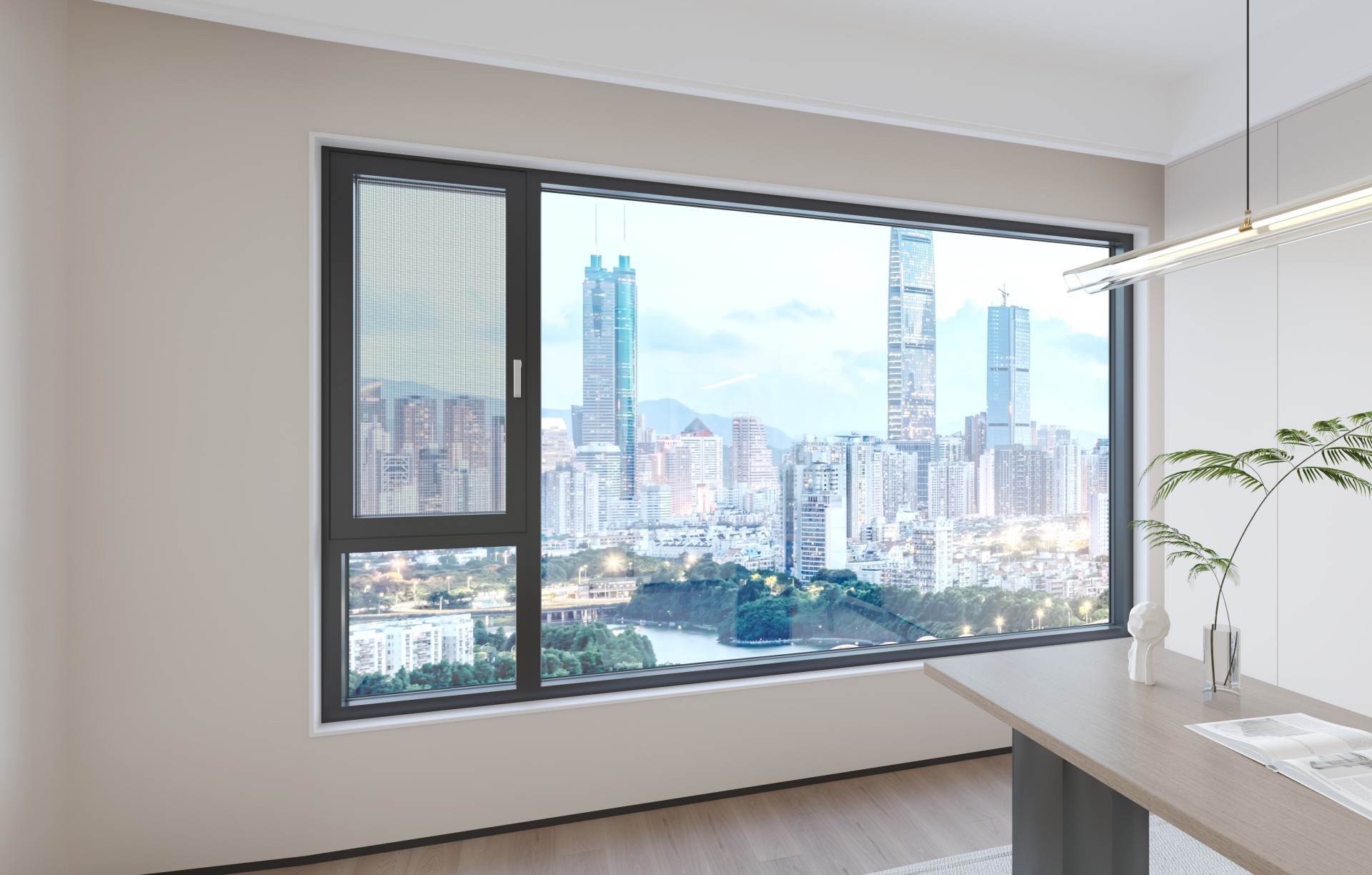
Understanding Crank and Casement Windows
Explore the similarities and differences between crank and casement windows.
Features | Crank Window | Casement Window |
|---|---|---|
Operation Mechanism | Operated by a crank handle. | Also operated by a crank handle. |
Opening Direction | Opens outward from the side. | Opens outward from the side. |
Ventilation | Allows maximum airflow when open. | Provides excellent airflow when fully opened. |
Energy Efficiency | Seals tightly to block drafts. | Highly energy-efficient with tight seals. |
Design Versatility | Available in various styles. | Fits modern and traditional designs. |
Security Features | Includes secure locking mechanisms. | Features multi-point locking systems. |
Maintenance Needs | Requires regular checks on the crank. | Needs maintenance for hinges and seals. |
Common Uses | Ideal for hard-to-reach areas. | Great for kitchens and bathrooms. |
You might ask if a crank window is different from a casement window. Both names mean the same style. Crank means how you open the window. This fact helps you not get confused. It helps you pick the best window for your house. Some people think casement windows cannot have screens. Others think screens stop air from coming in. New casement windows fix these problems. If you know what casement windows do, you get many good things like:
Better energy use and less cold air
Full airflow and easy to use
More safety and a fresh look
Easy to clean and needs little care
Picking the right windows can change how your home feels, how safe it is, and how it looks.
Key Takeaways
Crank windows and casement windows are the same thing. Both open outward with a crank handle.
Casement windows let in a lot of air. They open all the way, so fresh air comes in easily.
These windows save energy. They close tightly, which keeps your home comfy and lowers bills.
Casement windows make your home safer. They have strong locks that are hard to break.
You need to take care of them often. Check the crank and hinges to keep them working well and lasting long.
Casement Window Overview
What Is a Casement Window
If you want more light and fresh air, casement windows are a good choice. They also add style to your home. These windows have hinges on one side. They open outward, so you get a wide and clear view. The frames are strong and look modern. Casement windows fit many kinds of homes. They are special because you use a crank to open and close them. This makes them simple to use, even if the window is hard to reach, like over your kitchen sink.
Here is a quick look at the main features of casement windows:
Feature | Description |
|---|---|
Design | Versatile design with architectural appeal and strength |
Operation | Crank-out mechanism allows for full 90° opening for maximum ventilation |
Security | Single-lever multipoint sash locks with full perimeter weatherstrip |
Frame | Heavy frames and sash components are standard |
Styles | Includes standard, push-out, radius top, and French casements |
Hardware | Low profile folding handle and various finishes available |
Compliance | Meets ASTM F2090-10 for window fall prevention devices |
How Casement Windows Operate
Casement windows have a crank or handle on the frame. You turn the crank to open the window. The window swings out smoothly. You can choose how much air comes in. Open it a little or all the way for more breeze. The crank makes these windows easy to use. They are great if you want better airflow. It is simple to adjust the window, even if you cannot reach it well.
Types of Casement Windows
There are many types of casement windows. Each type has its own good points for your house. Here are the most common types:
Double (French) casement windows: Two sashes open from the center for a wide, clear view.
Push-out casement windows: Open by turning a handle and pushing the window out.
Push-out French casement windows: Combine double and push-out styles for a grand opening.
Picture window with casement flankers: Fixed center window with casement windows on each side for ventilation.
In-swing casement windows: Swing inward, great for spaces with outside obstacles.
Casement windows give you more choices than other windows. You get better airflow, a modern look, and they are easy to use. If you want your home to be brighter, safer, and more comfortable, casement windows are a smart pick.
Crank Window Mechanism
Crank Handle Function
If you want a window that is easy to open, crank windows are a good choice. The crank handle is attached to a moving arm inside the frame. When you turn the crank, the arm moves the sash. This opens or closes the window smoothly. You can stop the window at any spot you like. This lets in just the right amount of air. The crank makes it easy to use, even if the window is hard to reach. A friction hinge keeps the sash steady, so wind will not slam it shut. This gives you safety and peace of mind every time you use it.
Crank windows are special because you control how much air comes in. You decide how wide to open the window. The crank also helps make a tight seal when closed. This keeps your home comfy and saves energy. If you want a window that is easy to use, crank windows are a smart pick.
Tip: Crank windows work well in kitchens, bathrooms, or any place where you want fresh air and easy use.
Casement vs. Crank Terminology
When you shop for windows, you may see "casement window" and "crank window." Many people wonder if they are different. In most cases, these words mean the same thing. A casement window uses a crank to open out. Some companies use "crank window" for any window with a crank, like awning or hopper styles. Most of the time, "crank windows" means casement windows.
Here is a quick chart to help you see the difference:
Term | Description |
|---|---|
Crank Window | Uses a crank to open outward. |
Casement Window | A type of crank window that opens outward with a crank. |
Some companies use these words in different ways. The table below shows how the features compare:
Feature | Casement Windows | Crank Windows (General) |
|---|---|---|
Design | Hinged on the side, opens out with a crank | Many styles like casement, awning, and more |
Ventilation | Lets in lots of air when open | Airflow depends on the style |
Energy Efficiency | Seals tight when closed, keeps heat or cool in | Depends on the window type |
Views | Clear views with no bar in the middle | Views change by style |
Space Requirements | Needs space outside to open all the way | Space needed depends on the style |
You can see that crank windows and casement windows are a lot alike. The big difference is "crank windows" can mean other types, but casement windows always use a crank. If you pick crank windows, you get easy use, good airflow, and a modern look for your house.
Casement Window Features
Ventilation and View
You want your house to feel fresh and bright. Casement windows help with this. They open all the way out. This lets in lots of air. Other windows do not open as wide. Casement windows catch breezes from any direction. They push air inside fast. This is great for kitchens and bathrooms. You also get a clear view outside. The single sash does not block your sight. You can see your yard, garden, or the sky. If you want more light and air, casement windows are a good choice.
Tip: Put casement windows where you want the best view and most air. You will see the change right away.
Energy Efficiency
You want to be comfy and save money. Casement windows help you do both things. They seal tight when closed. The sash pulls into the frame and blocks cold air. This keeps your home at the right temperature. Casement windows keep their seal strong for a long time. They insulate better than double-hung windows. Many casement windows use fiberglass or composite frames. These frames make them work even better. You can save $100 to $200 each year on energy bills. In cold places, you will notice the difference. Good insulation keeps your home warm and lowers costs. Casement windows are very efficient for any room.
Placement and Versatility
You want windows that fit your style and needs. Casement windows work in many rooms and homes. You can put them in kitchens, bathrooms, living rooms, sunrooms, studies, and bedrooms. They look nice in cottage-style houses, bungalows, and Cape Cod homes. Casement windows fit modern and old-fashioned spaces. You can use them above sinks or in hard-to-reach spots. The crank makes them easy to open. Their versatility means you get better efficiency, more air, and a clear view wherever you need it.
Common places for casement windows:
Kitchens
Bathrooms
Living rooms
Sunrooms
Bedrooms
Pick casement windows if you want flexible, stylish, and good windows in every part of your home.
Casement Window Pros and Cons
When you compare window styles, you want to know what makes each one stand out. Looking at casement window pros and cons helps you decide if this style fits your needs. Here is a clear breakdown of the benefits and drawbacks you should consider.
Casement Window Pros
You get many benefits when you choose casement windows for your home. Here are the top pros:
You can open casement windows fully, letting in the most fresh air. This is perfect for kitchens and bathrooms where you want to remove odors or moisture fast.
The hand crank makes these windows easy to use, even if you have limited mobility or need to reach over a sink.
Casement windows give you a wide, clear view. The single sash design means nothing blocks your sight, so you enjoy more natural light and better scenery.
You get a tight seal when you close the window. This keeps your home warm in winter and cool in summer, saving you money on energy bills.
The locking system sits inside the frame, making it hard for intruders to break in. You can even remove the crank handle for extra security.
Casement windows fit many home styles. You can pick from different sizes, frame materials, and hardware finishes to match your taste.
These windows last a long time. With proper care, wood and fiberglass casement windows can last 30 years or more.
Tip: Casement windows work best in places where you want airflow, a great view, and strong security.
Here is a quick table to show the main benefits:
Benefit | Why It Matters |
|---|---|
Maximum ventilation | Lets in more air than most other windows |
Easy operation | Simple crank handle, good for hard-to-reach spots |
Clear views | No bars or rails in the middle |
Energy efficiency | Tight seal keeps out drafts |
Strong security | Multi-point locks and removable crank handle |
Versatility | Fits many home designs and rooms |
Long lifespan | Durable with proper maintenance |
Casement Window Cons
You should also know the casement window cons before you decide. Here are the main cons:
Casement windows cannot be very wide. If you want a large window, you may need to use two or more side by side.
The crank and hinge hardware need regular care. If you skip maintenance, the parts can wear out and make the window hard to open.
You need to check the frame, weatherstripping, and screens each season. This keeps the window working well and blocks drafts.
In strong winds, you must close the window to prevent damage. The sash swings outward, so it can catch the wind.
The crank mechanism may need replacement after 10 to 15 years, even if the window frame lasts longer.
Here is a table to help you compare the cons:
Drawback | What to Watch For |
|---|---|
Size limitations | Not ideal for very wide openings |
Hardware maintenance | Hinges and cranks need regular checks |
Seasonal upkeep | Inspect seals, screens, and frames often |
Wind exposure | Close windows in storms or high winds |
Mechanism lifespan | Crank parts may need replacement sooner |
Note: Regular maintenance helps you avoid most problems with casement windows.
When you weigh the casement window pros and cons, you see that the pros often outweigh the cons for many homeowners. You get strong benefits like energy savings, easy use, and better security. If you want windows that look great and work well for years, casement windows are a smart choice.
Comparing Casement Windows to Other Styles
Casement vs. Sliding Windows
You want windows that make your home comfortable and efficient. When you compare casement and sliding windows, you see big differences. Casement windows open outward with a crank. Sliding windows move side to side on a track. This difference changes how each window works in your home.
Casement windows seal tightly when you close them. The sash presses against the frame, blocking air leaks. Sliding windows use flexible seals. These seals can leave small gaps. Air can sneak in or out, making your home less energy efficient. If you want to save money on energy bills, casement windows give you an advantage.
You also get more airflow with casement windows. They open fully, letting in fresh air. Sliding windows only open halfway. You get less breeze and less control over airflow. Casement windows give you a clear view outside. Sliding windows have a bar in the middle that can block your sight.
Tip: Choose casement windows if you want the best energy savings and the most fresh air.
Casement vs. Double-Hung Windows
You may wonder how casement windows compare to double-hung windows. Double-hung windows have two sashes that slide up and down. You can open the top, the bottom, or both. Casement windows swing outward with a crank. Each style has its own strengths.
Here is a table to help you see the differences:
Feature | Casement Windows | Double-Hung Windows |
|---|---|---|
Ventilation | Open fully for maximum airflow | Open top or bottom sash for controlled airflow |
Cleaning | Need to open for exterior cleaning | Tilt-in sashes for easy cleaning inside and outside |
View | Clear, unobstructed glass | Center rail can block part of the view |
Energy Efficiency | Tight seal, blocks drafts | Less tight seal, can allow some air leakage |
Casement windows give you the most air and a wide view. Double-hung windows let you control how much air comes in. You can open the top for safety or the bottom for easy reach. Cleaning is easier with double-hung windows. The sashes tilt in, so you can clean both sides from inside your home. Casement windows need you to reach outside to clean the glass.
If you want the best airflow and energy savings, casement windows are the top choice. If you want easy cleaning and more control over airflow, double-hung windows may fit your needs. Think about what matters most to you before you decide.
Note: Double hung window pros include easy cleaning and flexible airflow. Double hung window cons include less energy efficiency and a blocked view.
Choosing the Right Window
Factors to Consider
You want good windows for your house. To pick the right ones, think about a few key things. Each thing can change how your house feels and works.
Ventilation: Casement windows let in lots of air. They have side hinges, so you can open them wide. This helps catch breezes from any way the wind blows.
Energy Efficiency: You can spend less on heating and cooling. Casement windows close tight and stop drafts. This keeps heat from escaping your home.
Security: You want your house to be safe. Casement windows have strong locks. They are tough for someone to break into.
Maintenance: You want windows that are simple to clean. The materials you pick can make cleaning easier or harder.
Customization: You can choose windows that fit your style. There are many choices for size, color, and hardware.
If you live where it gets cold, casement windows are a smart pick. They close tight and block the wind. You stay warmer and more comfortable, even when the weather changes quickly.
Here is a table to help you see the main points:
Pros of Casement Windows | Cons of Casement Windows |
|---|---|
Superior Ventilation | Limited Size Options |
Enhanced Energy Efficiency | Mechanical Wear & Tear |
Improved Security | Obstruction Hazards |
Unobstructed Views |
You now know casement windows and crank windows are the same. These windows save energy, keep your home safe, and let in lots of air. Most people who get these windows are happy with their choice. Check the table below to see how casement windows compare to other windows:
Feature | Casement Window | Other Windows |
|---|---|---|
Energy Efficiency | Very good | Changes by type |
Ventilation | Great | Okay to good |
Maintenance | Simple | Changes by type |
Pick the window that works for your house and style. Think about what you need so your home feels better and uses less energy.
FAQ
What is the main difference between a crank window and a casement window?
There is no real difference. Both names mean the same style. The crank is how you open the window. Casement means the window swings out. You get the same benefits with both names.
Can you install screens on casement or crank windows?
Yes, you can put screens on both styles. New casement windows have screens that come off easily. These screens fit inside the frame. You get fresh air and keep bugs out. Screens do not stop air from coming in.
Are casement windows more energy efficient than sliding windows?
Casement windows close tight and block air leaks. Sliding windows might leave small spaces open. Casement windows help you save money on energy bills. Pick casement windows for better insulation and lower costs.
Which window style offers better ventilation: casement or double-hung?
Casement windows open all the way and catch breezes. Double-hung windows only open part way. Casement windows give you more airflow. Choose casement windows for the most ventilation.
Do crank windows require more maintenance than other window types?
Crank windows need you to check the handle and hinges. Sliding windows need you to clean the track. Both types need some care. Crank windows are easier to use and last longer if you take care of them.