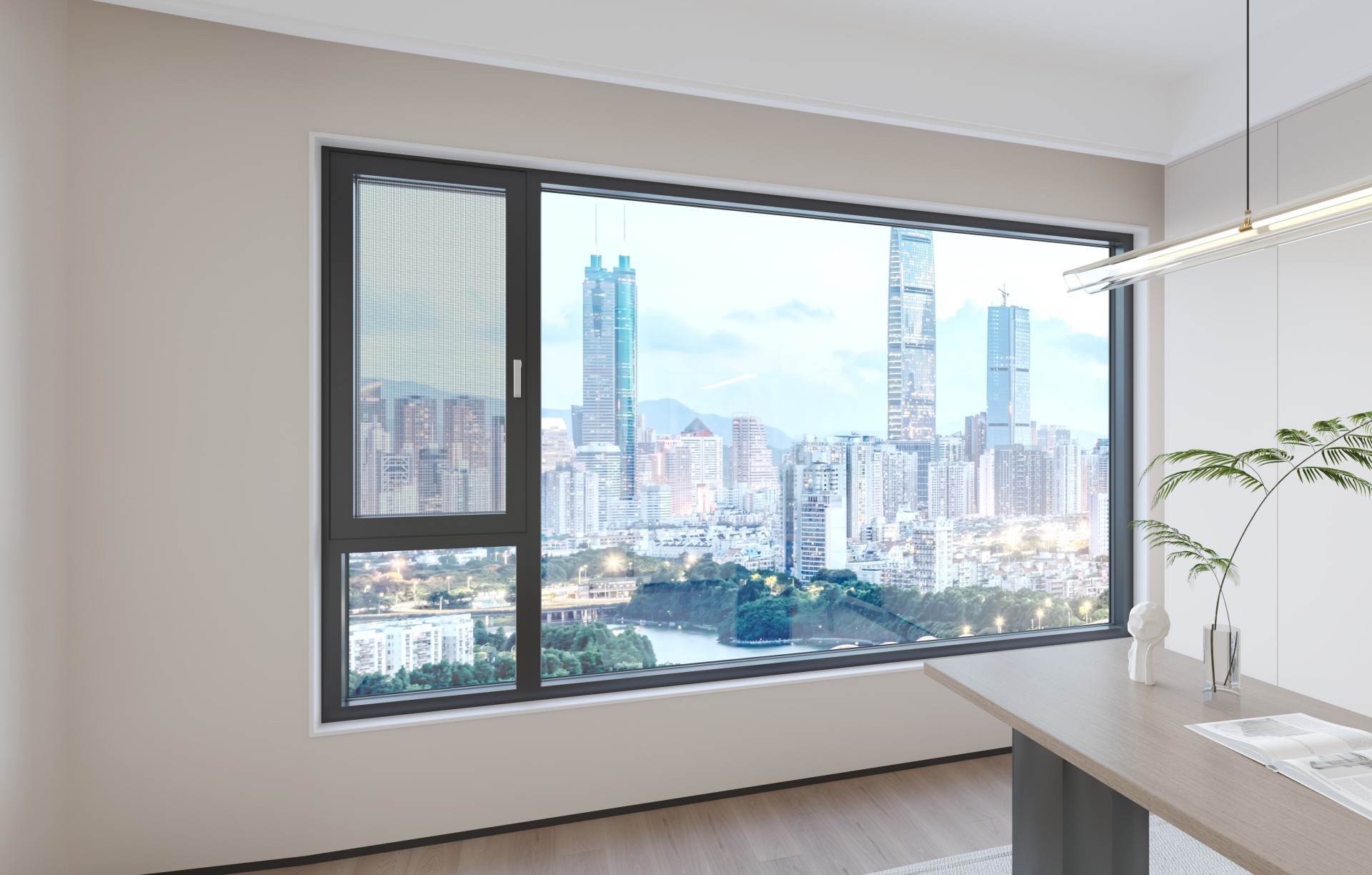
You want a window that works for your home. The main difference between a top hung casement window and a standard casement window comes from the hinge location. When you pick a top hung casement window, you get hinges at the top, so the window opens outward from the bottom. This design lets a top hung casement window act like a canopy, keeping rain out while letting air in. If you want better airflow during storms, a top hung casement window gives you peace of mind. You also enjoy a clear view and extra weather protection with a top hung casement window.
Key Takeaways
Top hung casement windows open at the bottom. They make a cover that stops rain from coming in. Air can still move through the window.
Casement windows open wide like a door. They let in lots of air. You can see outside with no blocks in the way.
Both types of windows close very tightly. This helps save energy. It can also lower your energy bills.
Top hung windows work well in kitchens and bathrooms. They give you privacy. They are easy to use in small spaces.
Think about your home's look and weather before you choose. Pick top hung or casement windows for the best match.
Top Hung Casement Window Basics

Hinge Placement and Opening Style
You want a window that fits your needs. Top hung casement windows have hinges at the top. When you open them, the bottom pushes out. This makes a canopy shape. Other casement windows have hinges on the side. Top hung casement windows use a handle or crank. You can open and close them easily. Just turn the handle to let air in. When you close the window, it seals tightly. This helps keep your home quiet and saves energy.
Ventilation and Weather Protection
Top hung casement windows let in air even when it rains. The bottom opens out and blocks rain. Air can still come inside. This is good for homes where it rains a lot. You can leave the window open during light rain. Water will not get inside. The tight seal keeps heat in during winter. It also keeps cool air in during summer. You save money on energy bills. Your home stays comfy all year.
Common Uses
Top hung casement windows work well in many rooms. They are great for kitchens and bathrooms. In kitchens, they let out smells fast. They do not block the counter space. In bathrooms, you get privacy and fresh air. You can put them high on the wall. No one can see in, but steam goes out. Here are some benefits:
Advantage | Kitchen Benefits | Bathroom Benefits |
|---|---|---|
Ventilation | Gets rid of cooking smells quickly | Removes steam and odors easily |
Space-saving | Keeps space under the window free | High up for more privacy |
Weather protection | Lets air in, keeps rain out | Air comes in, rain stays out |
Easy operation | Simple to use while cooking | Works well when it is humid |
Energy efficiency | Helps lower air conditioning use | Keeps air fresh with good flow |
If you need a window for busy rooms and bad weather, top hung casement windows are a smart pick.
Casement Windows Explained
Hinge Position and Operation
You want a window that opens wide and lets in fresh air. Casement windows attach to the frame with side hinges. You open them outward, just like a door. You use a crank or handle, so you do not need to push or pull hard. This design makes casement windows easy to use for everyone. The side hinge lets you swing the window open as much or as little as you want. When you close the window, it seals tight. You get better energy savings and extra security.
Airflow and Views
Casement windows give you the best airflow in your home. The side-hinged design lets the whole window open, not just part of it. You can catch breezes from any direction. You feel the difference right away. Take a look at how casement windows compare to other types:
Window Type | Opening Percentage | Actual Airflow |
|---|---|---|
Single Casement | 100% | Full opening |
Double Casement | 100% | Full opening |
Standard Slider | 50% | Half opening |
Special Double Slider | Up to 100% | Varies by model |
You also enjoy an unobstructed view. Casement windows have large glass areas. You see more of your yard, garden, or the scenery outside. You get more sunlight and a stronger connection to nature. These windows can turn any room into a bright, welcoming space.
Tip: If you want to frame a beautiful landscape or make a room feel bigger, choose casement windows for their wide, clear glass.
Where to Use Casement Windows
Casement windows work well in almost any room. You can put them in living rooms to show off a great view. You can use them in bedrooms for fresh air and quiet. Many people choose casement windows for hard-to-reach places, like above a kitchen sink. The crank handle makes them easy to open, even in tight spots. You can also use casement windows in home offices or dining rooms to bring in more light and air. If you want comfort, style, and easy use, casement windows are the right choice for your home.
Key Differences Side by Side

Operation and Ease of Use
You want windows that are simple to use. Casement windows open outward with a crank. You can open them wide or just a bit. This helps people who have trouble moving. The handle is easy to reach, even above a sink. Top hung windows also use a crank, but open differently. The bottom swings out and makes a canopy. Both types are smooth to use. Casement windows let you choose how far to open.
Tip: Casement windows are easy for seniors and people with disabilities.
Ventilation and Airflow
Fresh air is important in your home. Casement windows give you more control over airflow. You can open them all the way to catch breezes. They bring in more air than double hung windows. Top hung windows let air in but block rain. The canopy keeps your room dry during light rain. If you want air without getting wet, top hung windows help. Casement windows are best for lots of airflow.
Window Type | Ventilation Style | Rain Protection |
|---|---|---|
Casement | Opens fully, catches breeze | May let rain in during storms |
Top Hung | Canopy shape, rainproof | Great rain protection |
Double Hung Windows | Half opens, less airflow | Not good in heavy rain |
Security and Energy Efficiency
You want your home safe and cozy. Casement windows have strong locks. When closed, they seal on all sides. This keeps out cold air and makes it hard to break in. Top hung windows also seal tight and save energy. Both types are better than double hung windows for saving energy. They do not have tracks that leak air. You get safety and lower bills.
Note: Casement windows seal tightly and are hard for intruders to open.
Aesthetics and Design
You want windows that look nice in your home. Casement windows have big glass with no breaks. You get clear views and lots of sunlight. They fit modern and simple homes. Top hung windows also look neat and work well in kitchens and bathrooms. Both types come in wood, vinyl, aluminum, and fiberglass. You can pick the color and finish you like.
Casement windows give lots of light and views in living rooms and bedrooms.
Top hung windows look classic and fit small spaces.
Maintenance Needs
You want windows that are easy to clean. Casement windows need you to clean the outside. This is hard on upper floors. Top hung windows also need cleaning from outside. Double hung windows tilt in, so you can clean them inside. Think about where you put your windows and how easy it is to reach them.
Remember: Clean your windows and check the seals often. This helps them last longer and saves energy.
You can see how top hung and casement windows are different. They open in different ways, let in different amounts of air, and have different looks. Casement windows are best for airflow, tight seals, and a modern style. Top hung windows are great for rain protection and privacy in kitchens and bathrooms. Think about what you need and your home's style before you choose.
Pros and Cons Overview
Top Hung Casement Window Pros & Cons
You want a window that fits your life. Top hung casement windows have many good points. They let in lots of fresh air. They help you save money on energy bills. You can see outside clearly because nothing blocks your view. These windows are safe because they lock tight. They are easy to use, even if the window is high up. You can pick from many styles to match your house.
Here is a simple chart of the main pros and cons:
Pros | Cons |
|---|---|
Excellent ventilation | Size limitations |
Energy efficiency | Potential for mechanical issues |
Unobstructed views | Exposure to elements |
Enhanced security | Interference with exterior spaces |
Ease of operation | Challenges with screen installation |
Versatility in design | Higher initial cost |
Tip: If you want a window that keeps rain out but lets air in, top hung casement windows are a smart choice.
Casement Windows Pros & Cons
You want to know the good and bad things about casement windows before you pick one. Casement windows let you control how much air comes in. You can open them wide to catch every breeze. The big glass lets in lots of sunlight and gives you a clear view outside. These windows close tight, so you save energy and feel safe. You can use them in almost any room, even above the kitchen sink.
But you need to clean the outside glass, which can be hard upstairs. You also need space for the window to swing open. Sometimes, you may need to check the hardware to keep it working well.
Maximum ventilation
Wide, clear views
Strong locks for safety
Great energy efficiency
Possible drawbacks:
Needs space to open outward
Outside cleaning can be tricky on upper floors
Hardware may need maintenance
Note: If you want a window that brings in fresh air and sunlight, casement windows are a great investment for your home.
Choosing the Right Window
Factors to Consider
You want the best window for your home. Start by thinking about what matters most to you. Here are some key points to help you decide:
Airflow: Casement windows open fully. You get more fresh air and better ventilation. Top hung windows let in air but block rain.
Energy Efficiency: Casement windows seal tightly. You save money on heating and cooling. Your home stays comfortable in every season.
Ease of Use: Crank handles make casement and top hung windows simple to open. You do not need to push or pull hard. This helps if you have limited strength or reach.
Maintenance: Both window types need cleaning and care. Casement windows may need more attention on upper floors. Top hung windows are easy to use in high places.
Cost: Window prices can change based on size and material. Casement windows often cost less than double-hung windows. You get value and performance.
Air Leakage: Casement windows keep out drafts better than double-hung windows. You feel fewer cold spots in winter and less heat in summer.
Tip: Choose a window that matches your climate. Casement windows work well in hot, humid, or cold places because they seal tightly and catch breezes.
Here is a quick look at how climate affects your choice:
Climate Condition | Window Style | Benefits |
|---|---|---|
Hot and Humid | Casement | Catches breezes for natural ventilation, tight seal keeps cool air inside, reduces leaks. |
Cold | Casement | Blocks cold air, saves energy, keeps your home warm and cozy. |
You want the right window for your home. Top hung and casement windows differ in how they open, their look, and how they handle airflow. See the main differences below:
Feature | Top Hung Windows | Casement Windows |
|---|---|---|
Hinge Position | Top | Side |
Opening Style | Outward from bottom | Outward like a door |
Ventilation | Good, even in rain | Maximum, full opening |
View | Clear | Panoramic |
Match your window to your home’s style.
Think about how much air you want.
Check your budget and energy needs.
Choose the window that fits your life. You deserve comfort, style, and savings.
FAQ
What makes top hung windows a smart choice for rainy climates?
You get reliable rain protection with top hung windows. The canopy design keeps water out while letting air in. You can enjoy fresh air even during a storm. Choose top hung windows for comfort and peace of mind in wet weather.
Can I use casement windows in every room?
Yes! You can install casement windows in living rooms, bedrooms, kitchens, or offices. They open wide for airflow and give you clear views. You get style and function in any space.
Which window type is easier to clean?
You can clean both types easily on the ground floor. For upper floors, casement windows may need extra effort. Use a window cleaning tool for best results. Regular cleaning keeps your windows looking new.
Do these windows help lower energy bills?
Absolutely! Both top hung and casement windows seal tightly. You keep warm air in during winter and cool air in during summer. This reduces energy loss and saves you money every month.
Tip: Upgrade your windows now to boost comfort and cut costs!