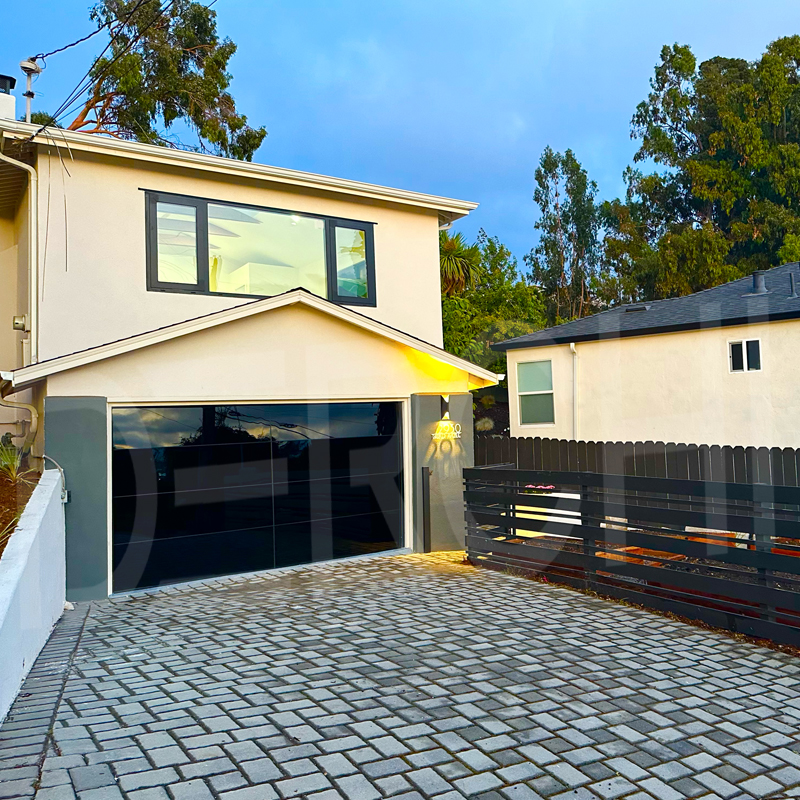
You may ask which window is best for your house. Awning windows are good in rainy places. You can open them for fresh air, even when it rains. Casement windows are nice if you want more air and big views. Both types use a crank to open. This makes them easy to use. They also seal well to save energy. You can see outside clearly. When you look at awning vs casement windows, think about your weather. Also, think about where the window will go. Think about how much air or light you want.
Key Takeaways
Awning windows work well in places with lots of rain. They let in fresh air but keep the rain outside.
Casement windows let in the most air and have clear views. They are great for rooms where you want to see outside.
Both types of windows save energy. Pick double or triple-pane glass for better heat control and lower bills.
Think about what the room is for when picking windows. Awning windows are good for kitchens and bathrooms. Casement windows are best for living rooms and bedrooms.
You need to take care of your windows often. Clean and oil the window parts every six months so they work well.
Awning vs Casement Window: Key Differences
Opening Mechanism & Design
When you compare awning vs casement window options, you notice the key differences start with how each window opens. Casement windows have side hinges. You turn a crank, and the window swings outward like a door. This design gives you a wide, clear view and lets in lots of air. Awning windows work a little differently. They have hinges at the top. When you use the crank, the bottom pushes out, creating a small roof or "awning" shape. This keeps rain out but still lets air in.
Casement windows use hidden side hinges for a smooth look.
Awning windows open from the bottom, with the hinge at the top.
Both types use modern hardware and offer energy efficiency.
You get a modern style with both. The opening direction and hinge placement are the main key differences.
Best Installation Areas
You want the right window for each room. The shape of your wall and the room’s purpose help you decide. Here’s a quick guide:
Window Type | Suitable Rooms | Key Features |
|---|---|---|
Awning | Bathrooms, Kitchens | Provides ventilation while limiting water intrusion. |
Casement | Living Areas | Offers expansive views and strong ventilation. |
Casement windows fit best in living rooms, bedrooms, or offices. You get big views and lots of fresh air. Awning windows work well in kitchens and bathrooms. You can open them for air, even when it rains. If you have a wide, short wall, awning windows are a smart choice. For tall, narrow spaces, casement windows are the way to go.
Ventilation & Airflow
You want the best windows for ventilation. Casement windows open fully, so you get almost all the airflow possible. They can catch breezes and direct them into your home. Awning windows also give you good airflow, but they do not open as wide. The awning shape lets you keep the window open during rain, which is a big plus.
Window Type | Airflow Efficiency | Common Uses |
|---|---|---|
Casement | ~90% | Living rooms, bedrooms, offices (strong cross-ventilation) |
Awning | ~75% | Bathrooms, kitchens, staircases (ventilation during rain) |
Casement windows let in more air, making them the best choice if you want maximum ventilation. Awning windows are perfect if you want fresh air, even on rainy days.
Cleaning & Maintenance
Keeping your windows clean and working well is important. Both awning and casement windows are easy to care for. You should clean the window operators often to stop dust and dirt from building up. Use a damp cloth with mild soap, then dry the parts to prevent rust. Every six months, spray the gears and arms with silicone spray. This keeps everything moving smoothly. Check for loose screws or damaged parts and fix them right away.
Clean window operators to prevent dirt buildup.
Use mild soap and a damp cloth, then dry.
Lubricate moving parts every six months.
Inspect and tighten screws as needed.
Both window types make cleaning simple, especially if you choose models that open wide enough to reach the outside glass from inside your home.
Security & Safety
You want your home to feel safe. Awning windows come with high-security locks, like keyed cam locks and multi-point locking systems. These features make them tough for intruders to open from the outside. The top hinge and outward opening also put the sash out of easy reach, which adds another layer of protection. Casement windows are also secure. Their crank and locks are only accessible from inside your house. This means someone outside cannot open them easily.
Both window types offer enhanced security. Awning windows limit how far they open, which helps keep your home safe while still letting in air. Casement windows protect your home by keeping the opening mechanism inside.
When you look at the key differences between awning vs casement window styles, you see that each has unique benefits. You can pick the one that fits your needs, your room, and your style.
Benefits of Awning Windows
Weather Performance
You want windows that can handle bad weather. Awning windows protect your home from rain and wind. When you open them, the glass acts like a shield. Water stays outside, so your floors and furniture stay dry. You can get fresh air without worrying about getting wet. Many people use awning windows in bathrooms and kitchens. They help keep moisture out. If you live where it rains a lot, these windows work really well.
Ventilation in Rainy Climates
You may wonder how awning windows work for air flow when it rains. Look at this table:
Window Type | Ventilation Effectiveness | Rain Protection Effectiveness |
|---|---|---|
Awning | High | High |
Hopper | Moderate | Low |
Awning windows let you get air even when it rains. You can open them, and rain will not come inside. This makes them great for homes in rainy places. You get fresh air and dry rooms at the same time.
Customization & Style
You want windows that look good in your house. Awning windows come in many styles. You can pick slim frames for a modern look. Or choose traditional frames for a classic style. Black or dark colors make your home stand out. You can pick vinyl, wood, or aluminum frames. Vinyl is cheap and easy to change. Wood frames look nice and never go out of style. Aluminum frames are shiny and can be painted different colors.
Think about your home's style and pick awning windows that match.
Awning windows make your home look special. You get fresh air, nice views, and a window that fits your style. These windows do more than just work well—they help your home look great.
Benefits of Casement Windows
Maximum Airflow
You want your home to feel fresh and comfortable. Casement windows help you get the most airflow possible. When you open them, they swing outward like a door. This design lets you catch breezes and direct them inside. You can even angle the window to funnel wind right where you want it. Many people choose casement windows for tall, narrow spaces because they open wider than other window types. They work like a sail, pulling air into your home.
Here’s a quick look at how they compare for ventilation:
Window Type | Ventilation |
|---|---|
Awning | Good, controlled airflow |
Casement | Excellent (catches breezes) |
You get excellent airflow and a tight seal when closed. That means you stay comfortable in every season.
Casement windows open wide for strong ventilation.
They seal tightly to keep your home energy efficient.
You can use them in tall, narrow rooms for the best results.
Unobstructed Views
You love a clear view of the outdoors. Casement windows give you that. There are no bars or rails in the middle of the glass. You see your garden, yard, or street without anything blocking your sight. Many homeowners pick casement windows because they want a wide, open view. In fact, about 30% of experts say these windows are the top choice for people who want an unobstructed view.
Tip: Place casement windows in living rooms or bedrooms to enjoy the scenery and let in lots of natural light.
You can relax and enjoy the outdoors from the comfort of your home.
Easy Operation & Cleaning
You want windows that are simple to use. Casement windows have a crank handle that makes opening and closing easy. You do not need to use much strength or move your whole body. This is great for kids, older adults, or anyone with limited mobility. The crank is smooth and quick. Cleaning is also simple. You can open the window wide and reach both sides of the glass from inside your house.
Here’s how casement windows compare for ease of use:
Feature | Casement Windows | Awning Windows |
|---|---|---|
Operation | Easy with crank, less effort needed | Crank-operated, may need more movement |
Accessibility | Great for all users | Good, but less intuitive for some |
You get the benefits of easy operation and simple cleaning. Casement windows make life easier for everyone in your home.
Energy Efficient Window Options
When you buy new windows, you want to save money. You also want your home to feel comfortable. Awning and casement windows are both good for saving energy. Picking the right glass, frame, and seal helps your home use less energy.
Glass & Frame Choices
You can pick from many types of glass and frames. The best mix helps your home stay warm or cool. Here are some things to look for:
Triple-pane low-e glass with argon gas blocks most UV rays. This glass keeps out 99% more UV rays than normal glass.
Vinyl frames with foam inside are cheap and help keep your home comfy.
Fiberglass frames are the best at stopping heat from moving in or out. They can have U-factors as low as 0.15.
For top energy savings, pick windows with a U-Factor below 0.30. If you live where it is cold, get a window with a high SHGC. If you live where it is hot, pick a window with a low SHGC.
Krypton gas fills give even more insulation for super energy-saving windows.
Here’s a table to help you compare:
Feature | Best Choice for Energy Efficiency |
|---|---|
Glass | Triple-pane low-e with argon/krypton gas |
Frame | Fiberglass or insulated vinyl |
U-Factor | 0.15 - 0.30 |
SHGC | Low for hot, high for cold climates |
Many energy efficient windows today have these features.
Airtight Seals & Insulation
You want windows that stop air from leaking. Casement windows are great for this. When you close them, the sash presses tight against the frame. This makes a strong seal. It keeps air from getting in or out. Your heater and air conditioner do not have to work as hard. You save money and feel comfortable.
Awning windows also help save energy. Their shape helps block drafts and keeps your home warm. Both window types use special weatherstripping and locks. These things help save energy and make your home safer.
Tip: Make sure your installer seals and insulates your new windows well. Good installation is just as important as the window.
If you want lower energy bills and a cozy home, pick windows with the best glass, frame, and seal.
Choosing the Right Window
Decision Checklist
You want to pick the best window for your house. Choosing between awning and casement windows can be hard. Here is an easy checklist to help you choose:
Think about where you will put the window. Awning windows are good for wide walls. Casement windows are better for tall, skinny spaces.
Look at the area outside your window. Make sure there is enough space for the window to open all the way.
Decide how much air you want in the room. Casement windows give you lots of fresh air. Awning windows let in air even when it is raining.
Think about cleaning the window. Both types are easy to clean. Casement windows often let you reach the outside glass from inside.
Check how well the window saves energy. Pick double or triple pane windows with gas inside for better insulation. Look for a low U-factor and the right solar heat gain number for your weather.
Tip: Write down what you need and compare it to the list above. This will help you make a good choice.
Common Scenarios
You may wonder which window is best for different rooms or needs. Here is a simple guide:
Scenario Description | Best Window Type | Why It Works Well |
|---|---|---|
Need airflow during light rain | Awning | Lets air in, keeps rain out |
Opening is taller than it is wide | Casement windows | Fits narrow, vertical spaces |
Window is high or hard to reach | Awning | Easy to operate in elevated spots |
Want maximum ventilation | Casement windows | Opens wide for strong airflow |
Combine with large fixed windows | Awning | Complements fixed windows for style and light |
Kitchen, bathroom, or basement | Awning | Offers privacy and ventilation |
You can use casement windows in living rooms or bedrooms for big views and lots of air. Awning windows are great for kitchens, bathrooms, and basements where you want privacy and steady airflow.
When you compare awning vs casement window options, you see each has its own strengths. Check out this table for a quick look:
Feature | Awning Windows | Casement Windows |
|---|---|---|
Best Placement | Wide, short spaces | Tall, narrow spaces |
Weather Use | Great for rainy climates | Best for airflow and views |
Style | Traditional homes | Modern homes |
If you want fresh air during rain, awning windows work best. For big views and strong breezes, casement windows shine. Use the checklist above to match your needs, or talk with a window expert to make the right awning vs casement window choice for your home.
FAQ
Can I use awning and casement windows together?
Yes, you can mix both types in your home. Awning windows work well above or below casement windows. This combo gives you great airflow and a stylish look.
Are crank windows easy to operate?
You just turn the handle to open or close the window. The crank makes it simple for anyone, even kids or older adults. You do not need much strength.
Which window is better for energy savings?
Both awning and casement windows seal tightly. You get strong insulation and lower energy bills. Look for double or triple-pane glass for the best results.
How do I clean these windows?
You can clean most crank windows from inside your home. Open the window wide, wipe the glass, and you are done. No need to climb outside.