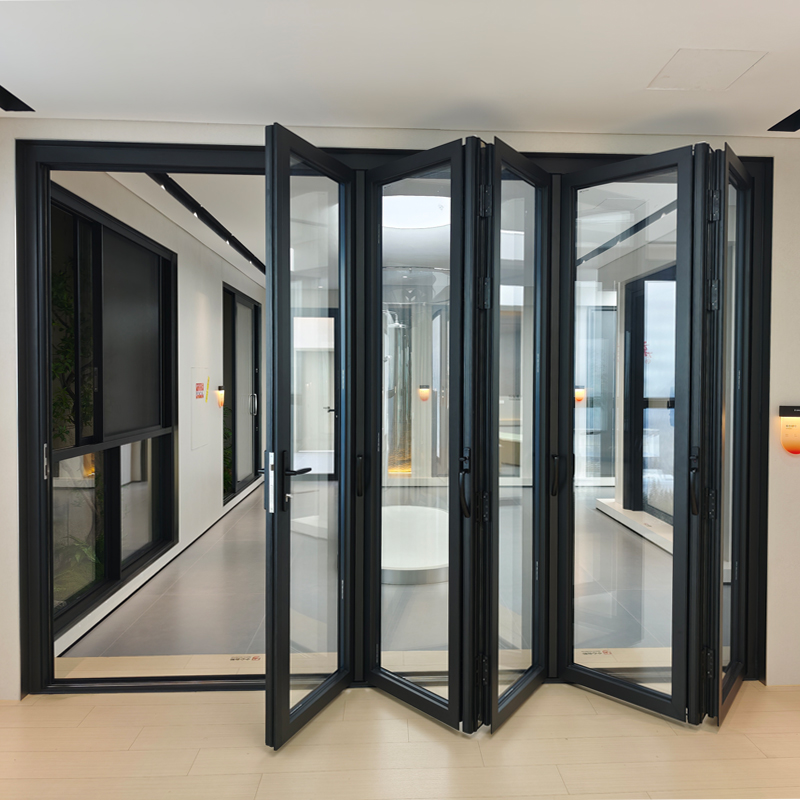
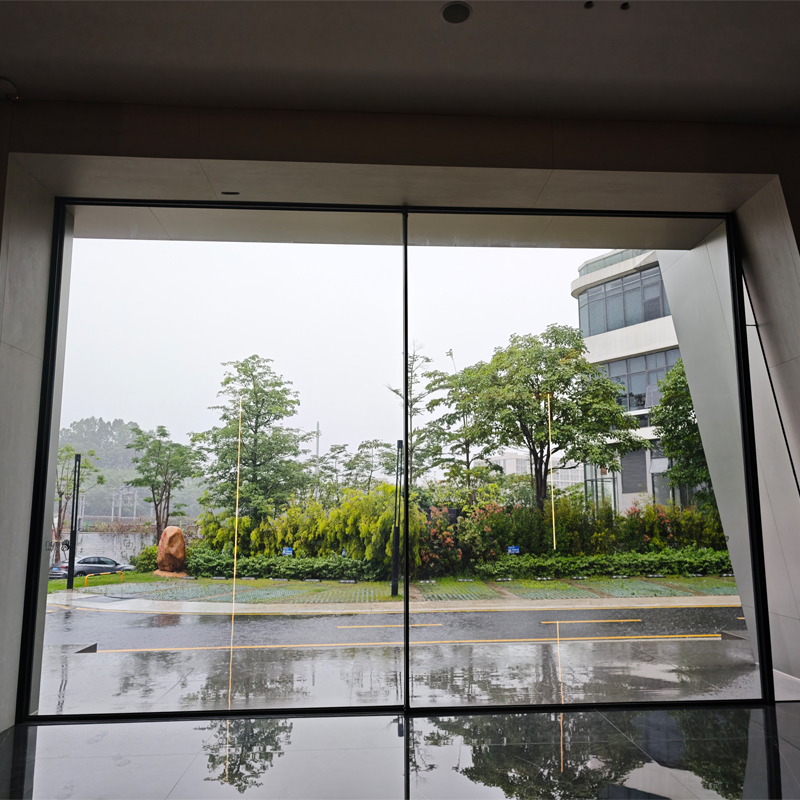
An average home door is 80 inches tall, which equals 6 feet 8 inches. While an average door of this height remains the standard in North America, builders often pick other common options as well, such as 84 or 96 inches for grand entryways. Today, modern custom architectural designs and new aluminum exterior door systems frequently utilize these larger sizes to create a far more striking entrance than what a typical average door provides.
Key Takeaways
Normal inside and outside doors are 80 inches tall.
That height equals 6 feet and 8 inches.
Front doors are usually 36 inches wide.
This width helps you move big furniture inside easily.
Newer rich homes often use taller 8-foot doors.
These tall doors match high 9-foot ceilings nicely.
Rough wall openings need two extra inches of height.
This extra space helps the door panel fit well.
How Tall Is an Average Door? Standard Sizes Explained
Standard Door Size for Interior Spaces
Building rules give clear steps for home construction. Most inside doors must be 80 inches tall. This size is 6 feet 8 inches high. It fits well with normal 8-foot ceilings. An average door works well for home pathways.
People ask about total doorway sizes during repairs. Door height stays the same most times. Door widths change based on the room type. Knowing standard door sizes helps builders choose frames.
Standard height: 80 inches (6 feet 8 inches)
Common interior door widths: 24, 28, 30, 32, and 36 inches
Slab thickness: 1⅜ inches
Common Dimensions for Bedrooms and Bathrooms
Many people ask about doorway width in private rooms. Bedroom entryways are usually 30 to 36 inches wide. A 30-inch width gives good walking space. Main bedrooms use 34 or 36 inches. These wide doors help move big furniture easily.
Application | Standard Width Range | Height Dimension |
|---|---|---|
Small Powder Rooms | 24 to 28 inches | 80 inches |
Standard Bedrooms | 30 to 32 inches | 80 inches |
Primary Bedrooms & Bathrooms | 32 to 36 inches | 80 inches |
Bathroom doors need exact measurements for good use. Small half baths often use 28-inch doors. Main bathrooms usually use 30 or 32 inches. Accessible home designs need 36-inch wide openings. Knowing door sizes helps people move through houses. People can check standard door sizes on layouts. When asking about width, always measure wall space. An average door fits these openings easily.
Standard Size for Exterior Doors and Entryways
Outside doors need exact frame sizes.
The standard size for exterior doors is big.
It is 36 inches wide.
It is 80 inches tall.
People ask how wide is a doorway.
They ask before buying a replacement door.
Builders check all real measurements.
They do this before installing new frames.
Property | Size Specification | Required Rough Opening |
|---|---|---|
Height Dimension | 80 inches (6 ft 8 in) | 82-1/4 inches |
Width Dimension | 36 inches | 38-1/2 inches |
Derchi Aluminum Entry and Patio Door Heights
Derchi makes strong metal doors.
They build for modern homes.
They fit standard exterior door sizes.
They also fit custom wall openings.
Large Format Systems: Pivot doors reach tall heights. They go up to 6 meters.
Durable Profiles: The strong metal walls are 3.0mm thick.
Advanced Locks: A six-point lock system adds safety.
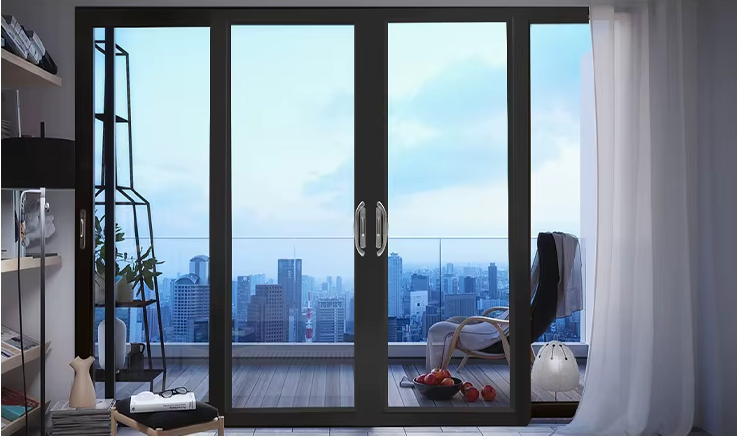
They make the standard size for sliding glass doors.
This size is 72 inches wide.
It is 80 inches tall.
They also sell the standard size for french doors.
That size is 60 inches wide.
It is 80 inches tall.
Taller 8-Foot Exterior Door Trends
Fancy new homes prefer 8-foot doors.
These are 96 inches tall.
They beat older small options.
High 9-foot ceilings need taller panels.
This helps homes look very nice.
Bigger frames make entryways look grand.
Design Trend: Builders now use 8-foot door panels. They treat them as normal choices!
These tall systems use thin metal.
They use frosted glass panels.
Modern homes save more energy.
They stay very safe inside.
They get lots of bright light.
Commercial Standard Door Sizes and Frame Specifications
Business buildings follow strict safety rules.
They also follow strict access rules.
Workers ask how wide is a doorway here.
Store fronts use standard sizes.
They are 36 inches wide.
They stand 80 or 84 inches high.
These thick doors measure 1 3/4 inches.
Wall Thickness and Jamb Dimensions
Wall depth sets frame sizes for modern offices.
Teams measure walls before buying hollow metal frames.
A 2x4 stud wall needs drywall.
It takes a 5-5/8 inch frame jamb.
Accessibility Note: Public doors must follow ADA rules. The path forms a wheelchair accessible doorway. It needs 80 inches of open height. Many people ask how wide is a wheelchair doorway. ADA rules need 32 inches of open width.
Dimension Category | Standard Requirement |
|---|---|
Minimum Clear Height | 80 inches |
Minimum Accessible Opening Width | 32 inches |
Typical Commercial Door Size | 36 inches by 80 or 84 inches |
Derchi High-Performance Commercial Systems
Derchi sells high-grade aluminum items for big projects.
These commercial items use special metal parts.
They stop heat from moving through.
Strong inner barriers cut heating costs.
They keep inside rooms very cozy.
Knowing standard sizes helps builders pick frames.
Derchi metal doors change easily.
They fit big walls safely and strongly.
Engineers test them under strict ASTM rules.
They test air, water, and big winds.
Strong parts keep busy spaces safe for years.
How to Measure Door Height and Rough Openings
Get exact numbers first.
Measure old entryways carefully.
Use simple home tools.
Measuring Existing Door Slabs
Measure your slab carefully.
Stand on the hinge side.
Do this while closed.
Measure Vertical Edges: Check left, middle, and right heights.
Select Vertical Dimension: Write down the smallest height number. This stops sticking at the bottom.
Measure Edge Thickness: Measure the side depth carefully. Outside doors are 1 ¾ inches thick.
Check top, middle, and bottom widths.
Mark hinge and lock locations.
Calculating Rough Opening Heights
Use easy math for frame openings.
Good framing helps doors fit tight.
Leave extra space above frames.
Frame / Door Type | Calculation Formula | Example Opening Result |
|---|---|---|
Standard Pre-hung Frame | Panel + 2 inches | 80" Panel + 2" = 82" |
Interior Knockdown Frame | Panel + 1 inch | 84" Panel + 1" = 85" |
Exterior Welded Frame | Panel + 2¼ inches | 84" Panel + 2.25" = 86.25" |
Check wall studs again.
Math matches doorway size.
Careful steps save installation time.
Owners check normal door dimensions before replacing doors.
A basic door fits routine wall spaces easily.
Normal height: 80 inches
Common indoor width: 30 inches
Common outdoor width: 36 inches
Buying replacement panels needs one main rule.
The rough opening height uses easy math.
Add 2 inches to panel height.
People want strong metal systems.
They can view Derchi window and door items.
FAQ
What is the most common residential door height?
Quick Fact: Most homes feature standard 80-inch tall doors.
This size equals 6 feet 8 inches. Builders pick it for eight-foot ceilings. It fits basic home layouts well.
How wide is a doorway for standard home entryways?
Normal indoor spaces range from 30 to 32 inches wide. Front doors need 36 inches instead. This extra room helps carry big furniture easily.
Do tall 8-foot exterior doors require custom frame sizes?
Yes, big 8-foot panels need larger wall openings. Owners must buy custom frame sizes for them. These 96-inch systems need exact building plans.
| Door Panel Height | Ideal Ceiling Height | | : | : | | 80 inches (6'8") | 8 feet | | 96 inches (8'0") | 9 feet or higher |
Can homeowners install a standard door slab directly into a rough opening?
You cannot place door slabs into raw openings directly. Extra space is needed first. Add two inches to total panel height. This gives correct opening dimensions.