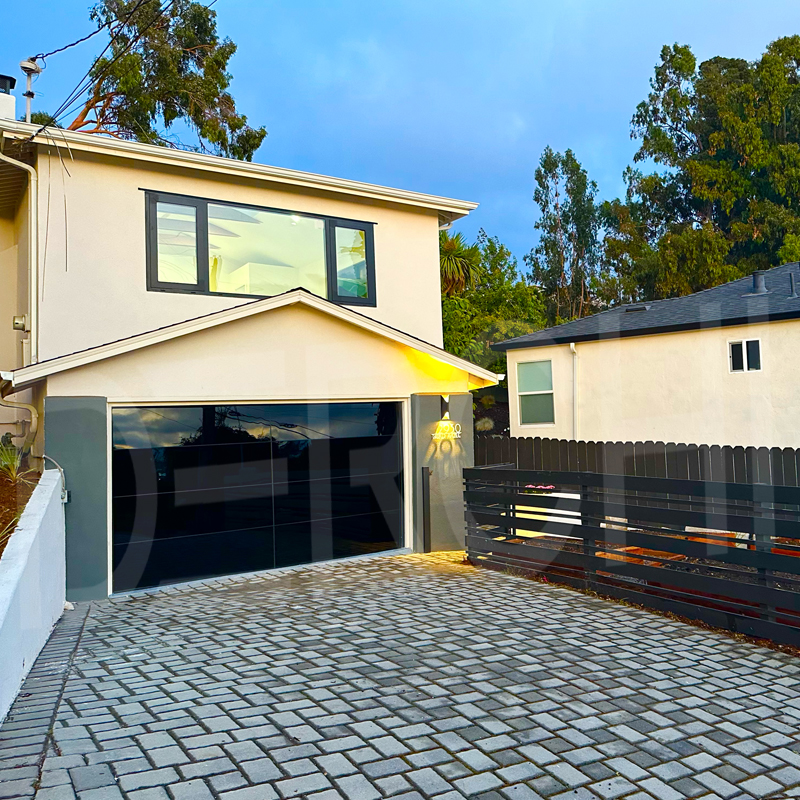
Home windows come in many styles, each designed to improve a home's comfort, appearance, and performance. Selecting the right window style can boost energy efficiency, enhance curb appeal, and create a modern look. Aluminum frames, known for durability and low maintenance, remain a popular choice. The table below highlights common frame types, showing why aluminum stands out for those seeking lasting value.
Frame Type | Description |
|---|---|
Metal frames | Very durable and require little maintenance but are not as good for providing insulation. |
Wood frames | Provide better insulation than metal frames but require more routine maintenance. |
Fiberglass frames | Durable with hollow cores that can be filled with insulation for better thermal resistance. |
Vinyl frames | Less expensive options but have fewer styles available and are typically plain white. |
Composite frames | Made of composite wood products to replicate the look of wood without the maintenance issues. |
Key Takeaways
Choose the right window style to enhance your home's comfort and curb appeal. Each style offers unique benefits for energy efficiency and aesthetics.
Single-hung windows are budget-friendly and space-efficient, making them ideal for smaller rooms, but they offer limited ventilation.
Double-hung windows provide excellent airflow and easy cleaning, making them a versatile choice for various living spaces.
Casement and awning windows maximize ventilation and energy efficiency, perfect for kitchens and bathrooms where fresh air is essential.
Consider aluminum frames for their durability and low maintenance, but be aware of their heat conductivity and potential condensation issues.
Main Types of Home Windows
Single-Hung
Single-hung windows offer a classic look and practical design for many homes. Only the bottom sash moves, sliding vertically to allow airflow. This design makes them ideal for smaller rooms where space is limited. Homeowners often choose single-hung windows for their affordability and ease of installation. However, they provide less ventilation than other styles and can be harder to clean since the top sash remains fixed.
Feature/Mechanism | Description |
|---|---|
Vertical Sliding Design | Only the bottom sash is operable, allowing for easy operation. |
Space Efficiency | Ideal for smaller rooms due to its design. |
Cost-Effectiveness | Generally less expensive and easier to install than double-hung windows. |
Limited Ventilation | Offers fewer ventilation options compared to double-hung windows. |
Cleaning Difficulty | Slightly harder to clean due to the stationary top sash. |
Single-hung windows deliver a timeless appearance and fast installation, making them a smart choice for budget-conscious homeowners.
Pros of Single-Hung Windows | Cons of Single-Hung Windows |
|---|---|
Easy to operate | Limited ventilation options |
Great for smaller spaces | Lower insulation compared to double-hung windows |
Good lower airflow | Slightly harder to clean |
Classic appearance | |
Fast installation | |
Affordable |
Double-Hung
Double-hung windows stand out for their versatility and ease of use. Both the upper and lower sashes move independently, giving homeowners more control over airflow and temperature. This design allows hot air to escape from the top while cooler air enters from the bottom, creating a comfortable indoor environment. The tilt-in feature makes cleaning both sides of the glass simple and safe from inside the home. Double-hung windows also maximize natural light, brightening any room and enhancing the overall atmosphere.
Both sashes open independently, offering flexible ventilation.
The tilt-in design simplifies cleaning and maintenance.
Double-hung windows provide better insulation and airflow than single-hung windows.
Homeowners who want maximum ventilation and easy maintenance often select double-hung windows for their living spaces.
Casement (Crank-Out)
Casement windows, also known as crank-out windows, use a mechanical gear system operated by a handle. This system moves the sash outward on side hinges, allowing the window to open fully and catch side breezes. The sash acts as a wind fin, channeling fresh air into the home and providing precision ventilation. Casement windows feature a multi-point locking system that pulls the sash tightly against the frame, blocking drafts and moisture.
Feature | Description |
|---|---|
Mechanical Gear System | A rotating handle drives internal gears, providing the torque required to move large sashes smoothly. |
Precision Ventilation | Side hinges allow the sash to act as a 'wind fin,' capturing exterior breezes and channeling fresh air into the interior. |
Multi-Point Locking | A single lever engages multiple points, pulling the sash tightly against the triple-seal system to block air leakage and moisture intrusion. |
Casement windows maximize airflow by opening fully to catch breezes.
Their design ensures excellent air circulation and natural cooling.
Many casement windows include advanced glazing and Low-E coatings for superior energy efficiency.
The sturdy construction withstands harsh weather, preventing drafts and water leaks.
Casement & awning windows offer unmatched ventilation and energy savings, making them a top pick for modern homes.
Awning
Awning windows hinge at the top and open outward, creating a canopy that lets in fresh air while keeping rain out. This makes them perfect for bathrooms, kitchens, and other areas where privacy and ventilation matter. Awning windows work well as standalone units or as accents above doors and other windows. Their crank operation allows for easy use, even in hard-to-reach places.
Application Area | Description |
|---|---|
Standalone Units | Awning windows are versatile and can be attractive as standalone units, offering unique design options. |
Bathrooms | They can be installed higher on walls for privacy while providing natural ventilation. |
Kitchens | Ideal for hard-to-reach areas, they allow easy ventilation with a simple crank operation. |
Accent Windows | Used above doors or as part of bay windows, they enhance natural lighting and ventilation. |
Awning windows provide superior ventilation, even during rain.
The top-hinged design creates a protective canopy, ensuring fresh air circulation while keeping water out.
Suitable for year-round use, awning windows enhance comfort and functionality in any climate.
Casement & awning windows combine style and practicality, delivering reliable performance in every season.
Sliding (Gliding)
Sliding windows open horizontally along a track, making them ideal for spaces with limited vertical room. Their space-saving design does not require extra clearance, so they fit well in tight areas like hallways or bathrooms. Sliding windows consist of one or more sashes that move smoothly using a roller or glider system. Homeowners appreciate their ease of operation and the unobstructed views they provide.
Sliding windows open by moving along a track, saving space inside and outside.
They offer natural light and ventilation without protruding into the room.
Customizable sizes and configurations make sliding windows suitable for various rooms.
Sliding windows enhance the modern look of any home and are easy to use in hard-to-reach spots.
Casement & awning windows and sliding windows both offer practical solutions, but sliding windows excel in areas where space is at a premium.
Picture
Picture windows create a dramatic effect by framing outdoor views and flooding rooms with sunlight. These fixed windows do not open, but their large glass panes maximize natural light and expand sight lines, making living spaces feel larger and more inviting. Picture windows showcase landscapes, gardens, or architectural features, adding beauty and value to any home.
Picture windows are ideal for rooms with stunning outdoor views.
They brighten interiors and reduce the need for artificial lighting, lowering energy bills.
Picture windows increase curb appeal and offer excellent energy efficiency due to their airtight seal.
Picture windows have a clear advantage over traditional operable window styles. Their fixed, unbroken glass design creates an incredibly airtight seal, virtually eliminating any drafts or air leaks that can let heated/cooled air escape.
These insulated window panes have air spaces in between the glass layers filled with thermally effective gasses like Argon or Krypton that provide excellent insulation against heat transfer.
Bay & Bow
Bay windows and bow windows project outward from the home, creating extra space and panoramic views. Bay windows usually feature three panels, with a large fixed center window and angled side windows that often open for ventilation. Bow windows have four or more panels arranged in a gentle curve, forming a semi-circular shape.
Bay windows consist of three or more windows, with side panels angled at 30 or 45 degrees.
Bow windows use four or more panels to create a graceful, arched appearance.
Both styles add cozy nooks, increase natural light, and offer sweeping views.
Bay windows are more structural, while bow windows require custom installation for their curved design.
Bay and bow windows boost curb appeal and add long-term value to a home.
Their outward projection creates additional interior space for seating or storage.
These windows improve views and make living areas more inviting.
Homeowners who want to elevate their home's exterior and enjoy more space inside often choose bay windows or bow windows for their unique blend of style and function.
Specialty
Specialty windows come in a variety of shapes, such as arches, triangles, circles, and trapezoids. These custom designs allow homeowners to express their personal style and enhance curb appeal. Specialty windows can optimize energy efficiency and sound insulation, offering both aesthetic and functional benefits.
Specialty windows serve as focal points, adding character and charm to both the exterior and interior.
Larger panes of glass allow more sunlight to enter, creating a brighter atmosphere.
Homeowners can tailor specialty windows to fit specific preferences and architectural styles.
Common placements include living rooms, bedrooms, and kitchens, where they frame scenic views and maximize natural light.
Casement & awning windows, picture windows, and specialty windows all contribute to unique architectural designs, but specialty windows provide endless possibilities for customization and creativity.
Different Styles of Windows and Best Uses
Room Placement
Selecting the right window style for each room transforms a house into a comfortable and efficient home. Casement and awning windows work best in kitchens, bathrooms, and basements. Their easy operation and air-tight seal make them ideal for spaces needing ventilation and moisture control. Double-hung windows fit bedrooms and common areas, offering flexible airflow and a timeless look. Bay and bow windows create stunning focal points in living rooms and dining rooms, adding extra space and panoramic views.
Casement windows: Perfect for kitchens and bathrooms needing airflow.
Awning windows: Suitable for wet climates and basements.
Double-hung windows: Staples in bedrooms and living spaces.
Bay and bow windows: Ideal for living rooms and dining rooms.
Ventilation & Light
Window placement and style influence ventilation and maximum natural light. South-facing windows capture sunlight throughout the day, brightening main living areas. East-facing windows bring warm morning light to kitchens and breakfast nooks. Sliding windows, with broad glass panes, allow sunlight to flood rooms. High windows reduce shadows and let light penetrate deeper. Aligning windows with prevailing winds ensures fresh air enters and stale air exits. Higher elevation windows promote vertical ventilation, letting warm air escape, while lower-level windows bring in cooler air.
Tip: Combining different styles of windows in strategic locations maximizes airflow and light, creating a healthier indoor environment.
Curb Appeal Impact
The right window style elevates curb appeal and boosts a home's marketability. Architectural windows add sophistication and complement the building’s design. Bay and bow windows create visual interest and connect indoor spaces with the outdoors. Picture windows frame scenic views and enhance the overall look. Home windows allow natural light, provide ventilation, and strengthen the connection between interior and exterior spaces. Choosing different styles of windows transforms a house’s appearance and increases its value.
Window Style | Curb Appeal Benefit |
|---|---|
Bay & Bow | Adds elegance and extra space |
Picture | Frames views, modernizes exterior |
Specialty | Custom shapes, unique architectural flair |
Aluminum Frames & Energy Efficiency
Aluminum Pros & Cons
Aluminum window frames offer a strong, modern solution for homeowners who want lasting value. They resist corrosion and require little upkeep, making them a smart investment. Aluminum frames come in many colors and finishes, fitting any home style. However, they conduct heat easily, which can lower energy efficiency if not properly treated. Some homeowners notice condensation or corrosion in humid climates. The table below highlights the main advantages and disadvantages:
Advantages of Aluminum Windows | Disadvantages of Aluminum Windows |
|---|---|
Strong and lightweight | Less energy-efficient |
Resistant to corrosion | Conducts heat |
Low maintenance | Prone to condensation issues |
Available in various colors | Can corrode over time |
Aluminum frames stand out for their strength and low maintenance, but homeowners should consider solutions to improve energy efficiency.
Low-E Coatings
Low-emissivity (Low-E) coatings transform aluminum windows into energy-efficient windows. These coatings reflect heat back inside during winter and bounce the sun’s heat away in summer. Homeowners enjoy lower energy bills and a more comfortable home year-round.
Reflects heat back inside during winter
Bounces sun’s heat away in summer
Reduces energy loss
Low-E coatings reflect heat back to its source, keeping interiors warmer in winter and cooler in summer, enhancing energy performance and reducing reliance on heating and cooling systems.
Low-E coatings can reduce energy loss by up to 50%. They also improve thermal insulation, making aluminum windows a top choice for energy efficiency.
Maintenance Tips
Proper care extends the life and performance of aluminum window frames. Regular cleaning with mild detergent and a microfiber cloth keeps frames looking new. Monthly vacuuming of tracks and wiping down frames prevents dirt buildup. Homeowners should inspect and lubricate hardware, monitor weatherstripping, and replace seals as needed. Seasonal checks help catch issues early.
Clean frames with mild detergent and soft cloth
Vacuum tracks and wipe frames monthly
Inspect and lubricate hardware
Monitor and replace weatherstripping and seals
Perform seasonal maintenance checks
Effective weatherstripping and seals are crucial for maintaining energy efficiency. Addressing worn seals and hardware quickly prevents air leaks and keeps windows performing at their best.
Selecting home windows involves balancing style, energy savings, and curb appeal. The table below highlights how to choose the right window based on material, cost, and maintenance:
Material | Average Cost | Energy Efficiency | Maintenance Level | Best For |
|---|---|---|---|---|
Vinyl | Low to Mid | Good to Excellent | Very Low | Budget-conscious, minimal upkeep |
Wood | High | Excellent | High | Classic look, natural insulation |
Fiberglass | Mid to High | Excellent | Very Low | Maximum durability, energy efficiency |
Aluminum | Mid | Fair to Good | Low | Modern homes, slim frames |
Choosing the perfect window for your home means considering energy efficiency, style, and maintenance. Homeowners who focus on how to choose the right window often enjoy lower bills and higher resale value. Choosing the perfect window for your home also boosts comfort and satisfaction. For modern designs, aluminum frames offer durability and easy care.
Smart homeowners weigh all options before deciding how to choose the right window. The right choice transforms a house and maximizes long-term value.
FAQ
What is the best window style for energy savings?
Homeowners achieve the highest energy savings with casement or picture windows. These styles seal tightly and reduce drafts. Choosing energy-efficient window installation ensures lower utility bills and a comfortable home.
How often should homeowners consider window replacement?
They should consider window replacement every 15 to 20 years. Signs like drafts, condensation, or difficulty opening indicate the need for new windows. Upgrading improves comfort and increases property value.
Can aluminum windows be customized for unique designs?
Aluminum windows offer many customization options. Homeowners select shapes, colors, and finishes to match their style. Specialty windows create unique architectural features and boost curb appeal.
Do aluminum frames require special maintenance?
Aluminum frames need simple care. Cleaning with mild detergent and checking seals keeps them in top condition. Regular maintenance prevents corrosion and extends the lifespan of the windows.
Are bay and bow windows suitable for small rooms?
Bay and bow windows work best in larger spaces. They create extra room and panoramic views. In small rooms, sliding or single-hung windows maximize space and provide efficient ventilation.