When it comes to choosing windows, most homeowners are thinking about more than just appearance now. They want something that looks good, holds up well over time, and can deal with the kind of weather their home has to face.
That helps explain why aluminum windows have become such a popular option. They look clean and modern, feel solid, and are used in all kinds of building projects, from homes to larger commercial spaces.
But aluminum windows are not without their downsides. Like any window material, they have their strong points and their weak ones, and those weaknesses can show up more clearly in places with extreme heat, heavy storms, strong winds, or sharp temperature changes.
In this article, we’ll look at the pros and cons of aluminum windows in extreme weather areas, and also touch on the newer improvements that have made them a more practical choice than many people assume.
Aluminum Windows: How They've Become an Industry Mainstay
Aluminum windows are windows that use aluminum frames to support and hold glass panels. The frame gives a window its structure, durability, and weather resistance, and aluminum has proven itself as a framing material time and again.
Why Aluminum Is Commonly Used for Windows
Aluminum has several properties that make it exceptionally suitable for construction. It boasts a high strength-to-weight ratio, meaning it can bear significant loads without adding bulk.
The material also offers impressive resistance to corrosion; unlike iron or steel, aluminum doesn't rust when exposed to moisture. It's remarkably durable in outdoor environments, holding up well against rain, wind, and sun over many years. And its inherent rigidity allows it to support large glass panels without thick, heavy frames.
Aluminum Windows’ Popular Uses in Residential Construction
Thanks to these properties, aluminum windows are frequently used in modern and contemporary homes, where clean lines and slim profiles are prized. They're a common sight in urban apartments and condominiums, where durability and low maintenance are important considerations. Homes with large window openings also benefit greatly from aluminum, as the material can span wider distances without compromising structural integrity. And in areas that require durable building materials, aluminum windows are often a natural fit.
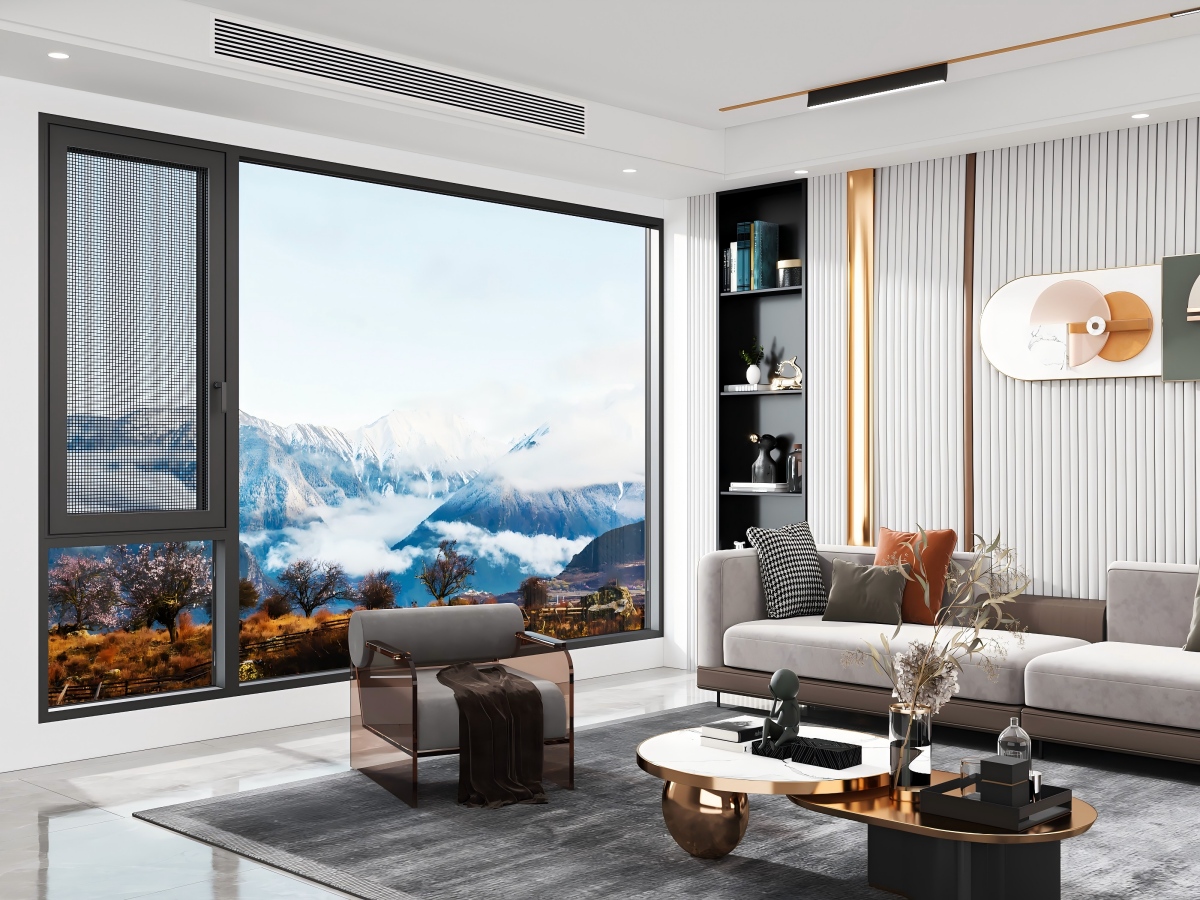
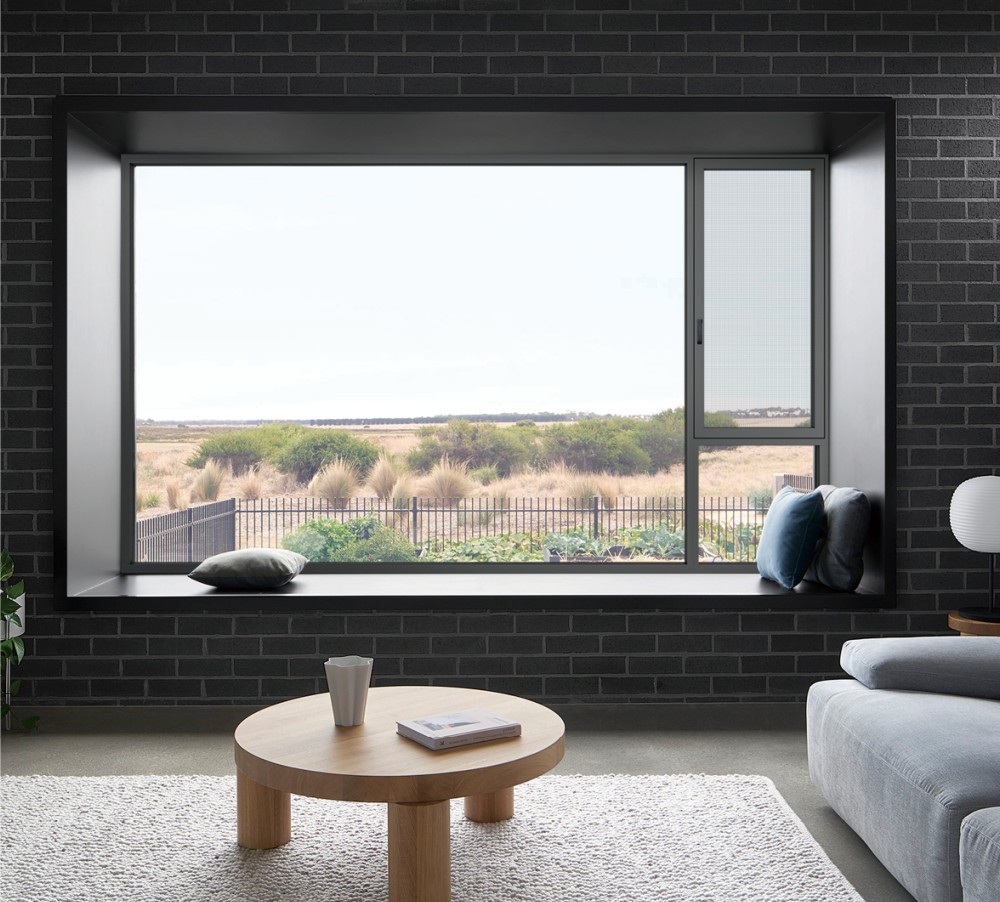
Because aluminum frames can be manufactured with slim profiles, they allow homeowners to enjoy larger glass surfaces and better outdoor views. This combination of strength and elegance is a big part of why aluminum has become an industry mainstay.
What Counts as "Extreme Weather" for Windows?
Before evaluating how aluminum windows perform in challenging conditions, it's important to understand what "extreme weather" actually means in the context of window performance. Different regions face different weather challenges, and windows must be designed to handle them.
High Heat and Intense Sunlight
Areas with very hot climates may experience strong UV exposure that can degrade certain materials over time. High outdoor temperatures put stress on window frames, causing some materials to expand or soften. These conditions also increase cooling demands inside the home, making the thermal performance of windows critically important.
Cold Temperatures and Snow
On the other end of the spectrum, cold climates present their own set of challenges. Heat loss through windows is a major concern, as poorly insulated frames can let warmth escape and drive up energy bills. Condensation buildup is another issue, particularly when there's a stark difference between indoor and outdoor temperatures. And in freezing conditions, some materials become brittle or contract in ways that compromise seals and structural integrity.
High Winds and Storms
Some regions regularly experience hurricanes, tornadoes, or severe windstorms. Windows in these areas must be structurally strong and securely installed. A window that fails during a major storm can lead to catastrophic damage, so the strength of the frame material is paramount.
Coastal Environments
Homes near the ocean face additional challenges that go beyond wind and rain. Salt corrosion is a persistent threat, as the salt-laden air can eat away at certain metals and finishes over time. High humidity accelerates wear on seals and hardware, while strong coastal winds add further structural demands.
Understanding these conditions helps homeowners evaluate whether aluminum windows are suitable for their specific environment.
What Makes Aluminum Windows Great for Extreme Weather?
Aluminum windows offer several compelling advantages that make them attractive for homes in harsh climates. Let's explore the key benefits.
Exceptional Structural Strength
One of aluminum's biggest advantages is its strength and rigidity. This allows aluminum windows to resist bending under strong wind pressure, making them a solid choice for storm-prone regions. They can support large glass panes without the need for bulky, heavy frames, and they maintain structural stability over time, even after years of exposure to demanding conditions.
Because of this, aluminum frames are often the material of choice in buildings that must withstand severe weather conditions, from high-rise apartments in hurricane zones to coastal homes battered by seasonal storms.
Resistance to Warping and Cracking
Unlike wood or some plastics, aluminum does not easily warp due to moisture. It won't crack from temperature fluctuations, and it doesn't expand or contract excessively when conditions shift from hot to cold or vice versa. This dimensional stability makes aluminum windows reliable in climates with dramatic seasonal temperature changes, where other materials might gradually lose their shape and compromise the window's seal.
Excellent Durability and Longevity
Aluminum frames are highly durable and can last for decades with proper maintenance. They are resistant to insect damage — a significant advantage over wood, which can fall prey to termites and other pests. Aluminum also doesn't rot, no matter how much moisture it's exposed to, and it stands up well against many forms of environmental wear.
This durability makes aluminum windows an excellent investment for homes exposed to harsh outdoor conditions, with well-maintained frames lasting thirty years or more.
Slim Frames with Strong Support
Because aluminum is so strong relative to its weight, it allows for thinner window frames while still maintaining full structural integrity. The benefits of this are both practical and aesthetic. Thinner frames mean larger glass areas, which in turn means more natural light flooding into your living spaces. The slim profiles also lend themselves to modern architectural aesthetics, creating clean, elegant lines that complement contemporary home designs.
This is particularly appealing for homes with scenic views. When you're looking out at a mountain range, a coastline, or a lush garden, the last thing you want is a thick, bulky frame obstructing your sightline.
Low Maintenance Requirements
Compared with materials like wood, aluminum windows require relatively little upkeep. Wood frames need regular painting, staining, and sealing to protect them from the elements. Aluminum frames, by contrast, mostly just need occasional cleaning to remove dirt and debris, along with periodic inspection of seals and hardware to ensure everything remains tight and functional.
This makes aluminum windows convenient for homeowners who prefer low-maintenance materials, and particularly for those in extreme weather areas, where the elements can accelerate the wear and tear on higher-maintenance options.
Where Aluminum Windows Can Struggle
While aluminum windows offer many benefits, they also have some limitations that homeowners should carefully consider before making a decision.
Higher Heat Conductivity
Aluminum is a metal, which means it conducts heat more easily than materials such as wood or vinyl. Without proper insulation, this can lead to increased heat transfer between the indoors and outdoors. In practical terms, this means reduced energy efficiency; your air conditioning works harder in summer, and your heating system works harder in winter. The result can be higher heating or cooling costs over time.
Potential Condensation Issues
In colder climates, aluminum frames can sometimes develop condensation when indoor and outdoor temperatures differ significantly. The metal frame acts as a bridge for temperature, and when warm, moist indoor air meets the cold surface of the frame, water droplets can form.
If not managed properly, this condensation may lead to moisture buildup and potential mold or mildew issues. Regular inspection and good ventilation can help mitigate these concerns, but it's something to be aware of.
Energy Efficiency Concerns in Older Designs
Older aluminum window designs lacked modern insulation features, which resulted in poor thermal performance.
If you've encountered aluminum windows that felt drafty or cold to the touch, they were likely older models without the benefit of current technology. However, it's worth noting that many modern aluminum windows now include thermal break technology to significantly reduce heat transfer.
Higher Cost for Premium Systems
High-performance aluminum window systems with thermal breaks and energy-efficient glazing can sometimes be more expensive than standard vinyl windows. Homeowners may need to invest more upfront to achieve optimal performance. That said, the long-term durability and lower maintenance costs of aluminum can offset this initial investment over the life of the windows.
Need to get your hands on the best aluminum windows available? Contact Derchi Windows & Doors today. For over two decades, we’ve served clients across the world, delivering the best aluminum windows to both residential and commercial buildings. Our windows are of the highest quality, and they are made with intentional, meticulous processes that consider your intricate needs.
From material sourcing to design and manufacturing, we at Derchi Windows & Doors work with your specific needs in mind. With this, we can guarantee that your windows will serve you well and serve you for a very long time.
Contact us today and let us know how we can help!
Modern Innovations That Improve Aluminum Window Performance
Advances in window technology have addressed many of aluminum's traditional drawbacks, making modern aluminum windows far more capable than their predecessors.
Thermal Break Technology
Thermal breaks are insulating materials that are typically made of polyamide or polyurethane. They’re placed between the interior and exterior portions of the aluminum frame, and by interrupting the path that heat would normally travel through the metal, they dramatically reduce heat transfer and improve insulation performance. This innovation has transformed aluminum windows into a thermally competitive option.
Energy-Efficient Glass Options
Modern aluminum windows often include advanced glazing options that work in concert with the frame to boost efficiency. Double-pane or triple-pane glass creates insulating air gaps between layers. Low-E coatings reflect infrared heat while allowing visible light to pass through, and gas-filled insulation layers between the panes further reduce heat transfer. Together, these features significantly improve the energy efficiency of aluminum window systems.
Weather-Resistant Coatings
Powder-coated and anodized finishes help aluminum frames resist corrosion, fading, and general weather damage. These coatings create a protective barrier that extends the life of the frame and maintains its appearance over time. This is especially important in coastal environments, where salt air can be particularly aggressive.
Aluminum Windows vs. Other Materials in Extreme Weather
Homeowners often compare aluminum windows with other frame materials when deciding what's best for their home. Here's how aluminum stacks up.
Aluminum vs. Vinyl
Vinyl windows typically offer better insulation right out of the box and come at a lower upfront cost, making them an attractive, budget-friendly option. However, aluminum frames provide greater strength, slimmer profiles, and better support for large windows. In extreme weather areas where structural integrity is paramount, aluminum's strength advantage can be decisive.
Aluminum vs. Wood
Wood windows offer excellent insulation and a traditional aesthetic that many homeowners love. However, wood requires regular maintenance, including painting, staining, and protection from moisture and pests. In extreme weather areas, this maintenance burden increases significantly. Aluminum windows provide greater durability with considerably less maintenance, making them a more practical choice for demanding environments.
Aluminum vs. Fiberglass
Fiberglass windows offer strong insulation and impressive durability, making them a worthy competitor. However, fiberglass windows are often more expensive than aluminum and may have fewer design options when it comes to color, finish, and profile customization. For homeowners who value design flexibility alongside performance, aluminum remains a compelling choice.
When Aluminum Windows Are the Best Choice
Given their strengths and limitations, aluminum windows are particularly well-suited for certain situations.
For one, they're an excellent match for modern architectural designs, where slim frames and clean lines are central to the aesthetic vision. They shine in homes with large window openings, where their structural strength allows them to support expansive glass panels more effectively than many other materials.
In areas with strong winds, the rigidity and strength of aluminum frames help windows withstand high wind pressures without buckling or failing. And for homeowners who want durable windows with minimal upkeep, aluminum frames deliver on the promise of low-maintenance living.
Tips for Choosing Aluminum Windows for Harsh Climates
If you're considering aluminum windows for a home in an extreme weather region, several factors can help ensure you get the best possible performance.
Choose Thermally Broken Frames
Thermal break technology is essential for improving insulation and energy efficiency. When shopping for aluminum windows, make sure the frames include a thermal break. This is non-negotiable for homes in very hot or very cold climates.
Select High-Quality Glazing
Double-pane or triple-pane glass with Low-E coatings can greatly improve energy efficiency. Don't skimp on the glass; it's just as important as the frame when it comes to overall window performance.
Look for Certified Performance Ratings
Quality windows should meet recognized standards for energy efficiency, wind resistance, and water resistance. Look for certifications and performance ratings from established industry bodies to ensure you're getting a product that's been rigorously tested.
Work with Experienced Installers
Proper installation is critical to ensuring windows perform well under extreme conditions. Even the best window will underperform if it's poorly installed. Professional installers can ensure proper sealing and structural support, giving you confidence that your windows will hold up when the weather turns severe.
Conclusion
Aluminum windows have earned their place as a leading choice in the construction industry, and for good reason. Their exceptional strength, durability, slim profiles, and low maintenance requirements make them an attractive option for a wide range of building projects.
If you’re interested in getting aluminum windows for your building, finding the right manufacturer and installer will be critical. This is why Derchi Windows & Doors is the best bet; a company that understands your needs, and has the pedigree and expertise to give you the best outcome possible.