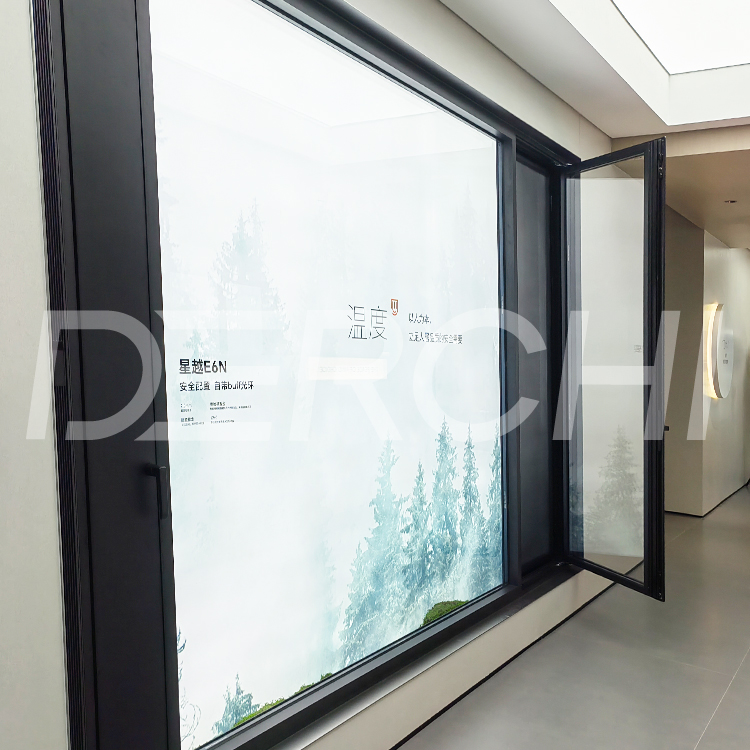
Windows do more than let light into a room. They shape how a home feels from the inside, define how it looks from the outside, and play a direct role in how efficiently it performs year-round. The right windows can transform a living space, opening it up and connecting it to the outdoors. Get the wrong windows, however, and you may end up dealing with air leaks, reduced comfort, and even driving up your energy bills.
For homeowners planning a renovation or new build, choosing the right window material is one of the most consequential decisions in the process. And increasingly, aluminum is the material that serious homeowners and architects keep coming back to. So, let’s take a look into everything you need to know about aluminum windows and choosing them.
What Are Aluminum Windows?
Aluminum windows are exactly what the name suggests: windows built with aluminum frames that support and hold glass panels in place. While that sounds simple, the material choice makes a significant difference in how the window looks, performs, and holds up over time.
Aluminum has become a go-to material in window construction for several practical reasons. It is lightweight relative to its strength, which makes it easier to work with during manufacturing and installation. It is corrosion-resistant, meaning it won't degrade when exposed to moisture the way untreated steel might. And it is highly workable; aluminum can be precisely shaped and extruded into clean, consistent profiles, which matters both for aesthetics and for the tight tolerances that quality windows require.
The result is a window frame that is structurally strong, visually clean, and built to last.
Key characteristics of aluminum frames:
Aluminum window frames are defined by their slim profiles. Because aluminum is so strong, frames don't need to be thick to provide structural support, which means more of the window is glass. This translates directly into more natural light and more expansive views.
They also carry a distinctly modern aesthetic. The clean lines and narrow sight lines of aluminum frames work naturally with contemporary architecture, and their long lifespan with minimal maintenance makes them a practical investment for any home.
Where aluminum windows are most commonly used:
You'll find aluminum windows throughout modern residential homes, contemporary architecture, and urban apartments and condominiums where clean lines and large glass surfaces are design priorities. Because aluminum can support larger panes of glass without requiring bulky frames, it's particularly well-suited for homes that emphasize views, natural light, and indoor-outdoor connection.
The Benefits of Aluminum Windows for Homes
Understanding why so many homeowners and architects gravitate toward aluminum windows starts with the practical advantages they offer.
Durability and long-term strength
Aluminum frames are highly resistant to warping, cracking, rot, and termite damage; issues that wood frames can be vulnerable to over time, especially in humid or wet climates. This resistance to degradation makes aluminum a genuinely long-term solution. A well-manufactured aluminum window, properly installed, can last for decades without significant structural deterioration.
For homeowners who want to make a window investment once and not revisit it, aluminum's durability is one of its most compelling selling points.
Slim frames and larger glass areas
This is one of aluminum's most visually distinctive advantages. Because the material is structurally strong, frames can be manufactured with notably narrow profiles. Where a wood or vinyl window might require a thick frame to achieve adequate structural support, an aluminum window can achieve the same or greater strength with a fraction of the frame width.
The practical impact is a window that maximizes the glass area. More glass means more natural light, broader views, and a more open, airy feel inside the home. For homeowners designing around views or natural light, this characteristic alone often makes aluminum the obvious choice.
Low maintenance requirements
Unlike wood windows, which need to be repainted or resealed periodically to prevent moisture damage and maintain their appearance, aluminum frames require very little upkeep. Most aluminum windows simply need occasional cleaning to keep them looking their best. There's no stripping, sanding, or refinishing involved.
Over the course of a window's lifespan, this difference in maintenance requirements adds up, both in time and in money.
Design flexibility
Aluminum is a highly versatile manufacturing material. It can be shaped into virtually any window configuration, which means it's available across all major window styles — casement windows, sliding, awning, fixed picture windows, and more. It can also be finished in a wide range of colors through powder coating, allowing homeowners to match or complement virtually any exterior or interior design palette.
This flexibility makes aluminum suitable not just for modern homes but, with thoughtful finish and configuration choices, for traditional and transitional architecture as well.
The Major Types of Aluminum Windows
One of the practical strengths of aluminum as a window material is that it works across all standard residential window styles. Here's a breakdown of the most common types used in homes.
Sliding aluminum windows
Sliding windows operate by moving horizontally along a track. They're simple to use, require no swing clearance, and work well for wide openings. Their space-efficient operation makes them a natural fit for living rooms, bedrooms, and any area where an outward-swinging sash would be inconvenient.
Casement aluminum windows
Casement windows are hinged on the side and open outward using a crank mechanism. Among all standard window styles, casement windows offer some of the best ventilation when fully open, the entire window area allows air to flow through. They also create a tight compression seal when closed, which supports strong energy efficiency. The result is a window that performs well in both ventilation and insulation, making casement one of the most popular choices for residential aluminum windows.
Awning aluminum windows
Awning windows are hinged at the top and open outward from the bottom. Because of this configuration, they can remain open during light rain without allowing water to enter; a practical advantage for bathrooms, kitchens, and basement spaces where ventilation is important but weather protection is also a concern.
Fixed aluminum windows
Fixed windows don't open at all. Their purpose is purely visual: framing an outdoor view, filling a space with natural light, or complementing other operable windows as part of a larger window arrangement. Because they have no moving parts, fixed windows are extremely low maintenance and offer excellent thermal performance. They're commonly used alongside casement or sliding windows to create a combination that balances ventilation with expansive glass area.
Thermal Performance and Energy Efficiency
Energy efficiency is one of the most important factors to evaluate when choosing aluminum windows, and it's an area where aluminum's natural properties require some attention.
Understanding aluminum's thermal conductivity
Aluminum conducts heat more readily than materials like wood or vinyl. In a poorly designed aluminum window, this can mean that heat transfers through the frame more easily than it should, reducing the overall insulating performance of the window assembly. This is a real consideration, but it's one that modern aluminum window technology has largely solved.
Thermal break technology
The industry standard solution is the thermal break: an insulating material, typically polyamide, that is placed between the interior and exterior portions of the aluminum frame. This break interrupts the conductive path through the frame, dramatically reducing heat transfer and improving the window's overall thermal performance.
When shopping for aluminum windows, the presence of a thermal break is one of the most important features to look for. A thermally broken aluminum window performs in a completely different category than one without.
Double- and triple-pane glazing
Beyond the frame, the glass unit itself plays a major role in energy performance. Most quality aluminum windows are available with double-pane or triple-pane insulated glass units. These systems often include argon or krypton gas fills between the panes, which further reduce heat transfer, and low-E coatings that reflect infrared heat while allowing visible light to pass through.
Together, thermal break frames and insulated glass units bring aluminum windows to a competitive level of energy performance. And in many cases, they meet or exceed the requirements set by California's strict Title 24 energy code.
Glass and Glazing Options
The glass in your aluminum windows is just as important as the frame. Different glazing options offer different combinations of insulation, safety, and acoustic performance.
Double-pane glass
This is the standard for most residential applications. Two layers of glass with an insulating gap between them significantly improve both thermal and acoustic performance compared to single-pane.
Low-E coatings
These are thin, virtually invisible metallic coatings applied to glass surfaces that reflect heat energy while allowing natural light to pass through. In warm climates, low-E glass helps keep solar heat out of the home. In colder climates, it helps retain interior heat. In Los Angeles, where cooling costs are the primary concern, low-E glass is a smart investment.
Laminated glass
Here, you have an option that consists of multiple layers of glass bonded together with an interlayer. It's significantly harder to break than standard glass, and even when it does break, it tends to hold together rather than shatter into dangerous pieces. Laminated glass offers enhanced safety, improved sound insulation, and better security.
Tempered glass
Finally, we have the heat-treated to be several times stronger than ordinary glass. When it does break, it shatters into small, relatively blunt pieces rather than sharp shards. As you can imagine, this is a meaningful safety advantage, particularly in homes with children or in high-traffic areas.
Design Considerations for Residential Aluminum Windows
Choosing the right aluminum windows isn't just about performance; it's also about how they'll look in the context of your home.
Matching your architectural style
Aluminum windows are most naturally at home in modern and contemporary architecture. Their clean lines, slim profiles, and precise geometry complement minimalist and industrial design languages particularly well. That said, the right finish and configuration can make aluminum windows work in traditional homes too; it simply requires a bit more thought in the selection process.
Window size and placement
Larger aluminum windows can dramatically improve the feel of an interior space by increasing natural light and strengthening the visual connection between inside and outside. Strategic placement can improve both the comfort and the energy performance of a home over time.
Frame thickness and profile
Not all aluminum window systems use the same frame dimensions. Slimmer frame profiles create a more modern, refined appearance and maximize glass area. Thicker profiles may offer additional structural strength for very large openings or specific installation conditions. Working with a knowledgeable supplier helps you identify which profile is right for your specific application.
Cost Considerations
Aluminum windows typically sit at a higher price point than vinyl and can be comparable to or higher than wood, depending on the system and glazing options selected.
Several factors influence the final cost: window size, glass type, whether thermal break technology is included, custom finishes, and the complexity of the installation. Larger windows with triple-pane glass, specialized coatings, and custom color finishes will cost more than standard configurations.
The more useful way to think about cost, however, is long-term value. Aluminum windows require minimal maintenance over their lifespan, they don't need to be replaced as frequently as lower-quality options, and energy-efficient glazing and thermal break systems reduce heating and cooling costs over time. For homeowners taking a long view, the higher upfront investment in quality aluminum windows consistently proves worthwhile.
Tips for Choosing the Right Aluminum Windows
With a solid understanding of aluminum windows in hand, here are the key principles to apply as you move through the selection process.
Work with experienced suppliers
A knowledgeable supplier will help you navigate style selection, performance features, and installation requirements. They’ll also ask the right questions about your project before making recommendations.
This is why you need to work with Derchi Windows & Doors. We have quality professionals who will quickly and easily understand what you need when it comes to the best aluminum windows and immediately help you fast-track getting what works for you. The quality of guidance from us is unparalleled, and we can guarantee a solid outcome from the entire process.
Check energy performance ratings
Look for windows with certified energy ratings from recognized bodies. These ratings give you an objective measure of thermal performance and help ensure you're making a genuinely efficient choice, not just taking a manufacturer's word for it.
Evaluate warranty coverage
Quality manufacturers stand behind their products with meaningful warranties covering frames, glass units, and hardware components. Understand what's covered and for how long before committing to a purchase.
Invest in professional installation
Even a well-engineered, high-performance aluminum window will underperform if it's installed incorrectly. Proper sealing, accurate leveling, and correct flashing are all critical to long-term performance. Work with experienced, licensed installers who have a verifiable track record.
The Right Windows Make All the Difference
Aluminum windows have earned their place as one of the top choices for residential projects, and the reasons are clear. Their strength and durability, combined with slim modern profiles and low maintenance demands, make them a smart investment for homeowners who want performance and aesthetics in equal measure.
For homeowners ready to take the next step, Derchi Windows & Doors offers custom aluminum window solutions built to the specific requirements of your project. From precision manufacturing to expert guidance on material selection and energy compliance, Derchi brings the experience and craftsmanship needed to get your window project right. Get in touch with us, and let’s help get the windows you need.