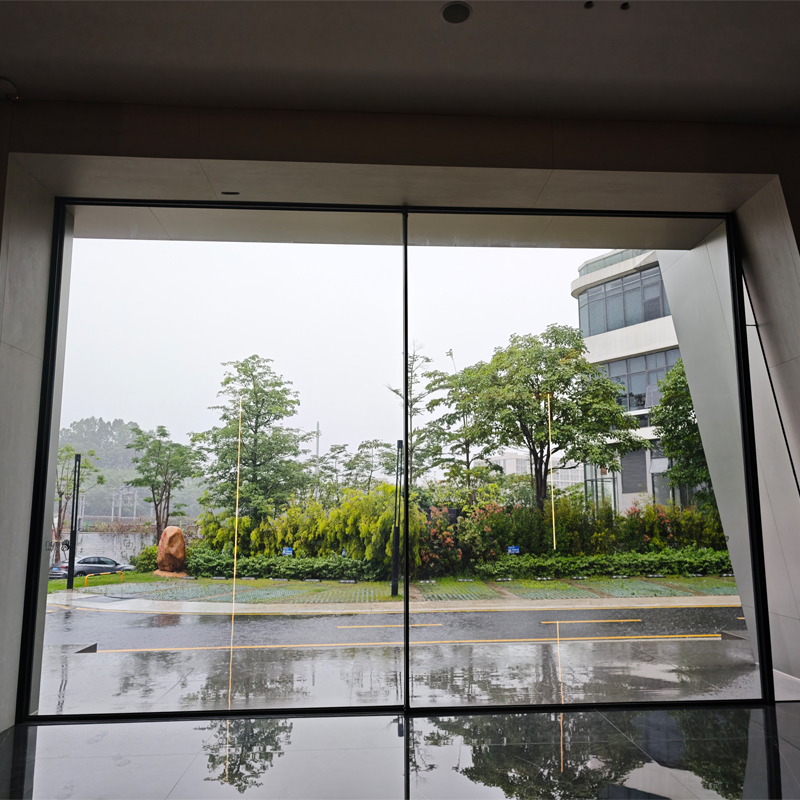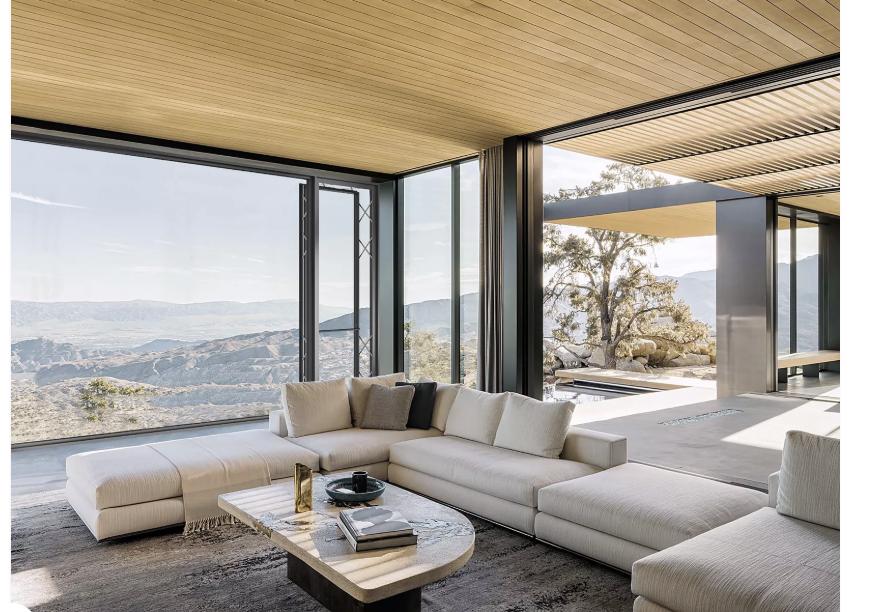
Many interiors today are designed to feel brighter, calmer, and less boxed in. Heavy partitions, dark hallways, and fully closed-off rooms are being replaced with layouts that feel more connected and visually lighter.
But openness comes with its own challenges. The more visually connected a space becomes, the easier it is to lose privacy, separation, and a sense of retreat. A room may feel brighter and more open, but it can also start to feel too exposed. That is where interior glass doors become especially useful.
If you are planning an interior that needs both connection and comfort, interior glass doors can solve a very practical design problem. The key is knowing where openness helps, where privacy matters, and how the right door design allows you to balance both without compromising style.
What Interior Glass Doors Actually Solve
Interior glass doors are often treated as a design feature first, but that is not the real reason they work so well. Their strongest value is practical. They solve a problem many interiors run into once you start trying to make them feel more open and more functional at the same time.
Keeping rooms separate without shutting them off
A room does not always need to be fully closed off to benefit from separation. In many interiors, you still want a clear boundary between spaces. You may want to separate a hallway from a work area, divide a kitchen from a dining room, or create a quieter transition between different parts of the home or office. But if you use heavy solid doors everywhere, the space can quickly start to feel segmented and visually smaller.
Interior glass doors help you define rooms without cutting them off completely. You still get the benefit of structure and division, but the space feels more connected overall. That balance is one of the main reasons they work so well in modern interiors.
Letting light move through the interior
Another major problem they solve is poor light distribution. Solid interior doors can interrupt the movement of natural light and make certain parts of the layout feel darker than they need to be. This becomes especially noticeable in interiors with enclosed work areas, narrower corridors, internal rooms, or zones that do not get strong direct light on their own.
When you use interior glass doors, you allow light to move through the space more freely. That can brighten connecting areas and help the whole layout feel more open and more usable throughout the day. The effect is not only visual. It changes how comfortable the interior feels as a whole.
Why Openness Matters in Interior Spaces
Openness has become one of the defining priorities in modern interiors, and for good reason. It is not just a style preference. It affects how a space functions and how you experience it every day.
Openness can make a room feel less restrictive
When a room feels enclosed, it often feels smaller, heavier, and less comfortable to spend time in. That can happen even when the room is not physically small. Visual weight plays a big role in how interior space is perceived. Solid dividers, thick doors, and blocked sightlines can make an otherwise usable room feel more confined than it really is.
Glass helps reduce that weight. By preserving visibility between spaces, it allows the room to feel more open without removing physical boundaries altogether. This is especially helpful when you are working with compact interiors or layouts that could easily start to feel crowded.
Sightlines help interiors feel more cohesive
When spaces relate visually to one another, the whole interior tends to feel more considered. Rooms feel like they belong to one another rather than being disconnected compartments. That cohesion matters in homes, offices, and creative workspaces where flow between rooms affects how natural the layout feels.
Interior glass doors help maintain those sightlines. They let you preserve connection between adjoining spaces while still controlling access and defining function. The result is an interior that feels more cohesive and easier to move through.
Light and openness usually work together
Openness also supports a brighter, more inviting atmosphere. In most interiors, light and openness reinforce one another. A more open-feeling room often looks brighter, and a brighter room often feels more open. Interior glass doors contribute to both. They can make the space feel more active, airy, and less confined without requiring you to remove all structure from the layout.
Why Privacy in Interior Spaces Is Equally Important
As useful as openness is, privacy still matters. In fact, one of the biggest mistakes in interior planning is assuming that an open-feeling layout should stay as exposed as possible. That rarely works well in real life.
Different rooms need different levels of privacy
Not every room should feel equally visible. Bathrooms and dressing areas obviously need more screening. Bedrooms and bedroom-adjacent areas often need a softer sense of retreat. Home offices, meeting rooms, consultation spaces, and quiet work zones also benefit from visual separation, even when full isolation is not required.
If you ignore that need, the room may look attractive in theory but feel uncomfortable in use. Good interiors are not only about how the layout photographs. They are about how it feels once people actually live or work in it.
Privacy is not always all or nothing
A room does not need to be fully hidden to feel private enough. In many interiors, the goal is simply to reduce direct visibility while keeping the room bright and visually connected to the wider space. That is what makes interior glass doors so flexible. You are not limited to choosing between maximum transparency and a completely closed-off wall.
Depending on the glass type, frame style, and placement, you can create a softer level of privacy that still supports light flow and openness.
Visual privacy supports comfort
Even when a room is not used for confidential activity, too much exposure can still make it uncomfortable. A space can feel distracting, exposed, or difficult to settle into if it is too visible from every nearby hallway, seating area, or adjoining room. Visual privacy and comfort often go together more closely than people expect.
That is why privacy should be considered early, before the door is chosen. Once you think about how the room is actually used, the right direction usually becomes much clearer.
Finding the Right Balance Between Openness and Privacy

This is the central question. The goal is not to maximise transparency or maximise screening. The goal is to create the right balance for the room.
Clear glass works best where visibility is a benefit
Clear glass makes the most sense in areas where visual connection helps the space work better. If you want to keep sightlines open, move more light through the interior, and make smaller rooms feel less restricted, clear glass is often the strongest option.
It works well in kitchens, dining areas, hallways, shared workspaces, and some home offices where privacy is not the main concern. It supports a lighter, more connected feeling and helps the room stay visually open.
Frosted or obscured glass works when privacy matters more
Frosted or obscured glass is usually the better option when full visibility would feel intrusive. It allows light to pass through while reducing direct views, which makes it especially useful in bathrooms, offices, meeting rooms, and certain bedroom-adjacent spaces.
This helps you preserve brightness without making the room feel overly exposed. In many cases, it is the most practical way to combine privacy and openness in one system.
Textured or patterned glass offers a softer middle ground
Sometimes you do not need full screening, but you still want less direct exposure than clear glass provides. Textured or patterned glass can work well in that middle ground. It softens visibility, adds visual character, and helps the door feel more intentional as part of the interior design.
This can be a strong choice when style matters just as much as function and when you want privacy support without making the glass feel flat or overly utilitarian.
Placement matters as much as the glass
You should also remember that the same door can feel completely different depending on where it sits. Sightlines from hallways, seating areas, workstations, and adjoining rooms matter just as much as the glass finish itself. Sometimes poor privacy comes less from the glass choice and more from the way the opening is positioned.
That is why placement should always be considered alongside material and style. Good positioning can solve problems that glass type alone cannot.
Matching the Door to the Room
Interior glass doors should never be chosen in the abstract. The best option depends on what the room is used for, how often the door will be used, and how much privacy or openness the space really needs.
Rooms that usually benefit from more openness
Some areas naturally benefit from keeping the interior as visually connected as possible. Kitchens, dining areas, hallways, home offices, and shared work zones often feel better when they remain bright and open. In these spaces, glass can improve light flow and make the transition between rooms feel more natural.
Rooms that usually need more privacy control
Other rooms need a more careful balance. Bathrooms, bedrooms, meeting rooms, consultation spaces, and quiet work zones often need stronger control over visibility. In these cases, the right answer may be frosted glass, textured glass, more considered placement, or a style that offers a softer visual barrier.
Things to think about before choosing
Before you choose a system, it helps to ask a few direct questions. How much privacy does the room actually need? Is light flow a major priority? How frequently will the door be used? Would a hinged or sliding format suit the layout better? Does the style support the rest of the interior, or will it feel disconnected from it?
Those questions matter because a good-looking door can still be the wrong choice if it does not suit the room.
Choosing a Style That Fits the Space
Once the balance between openness and privacy is clear, the next step is style. Interior glass doors should feel like part of the room, not like a separate feature dropped into it.
Slim-framed and minimal looks
Slim-framed doors are often the best fit for clean, modern, understated interiors. They keep the room visually light and uncluttered, which helps preserve the calm, simple feeling many contemporary spaces aim for.
Grid and black-frame styles
Grid-style or black-frame doors have a stronger visual presence. They can suit industrial-inspired interiors or spaces where you want the door to contribute more character. Used well, they can add definition and help the opening feel more architectural.
Frameless or quieter designs
Frameless or quieter-looking designs work better when the goal is subtle separation rather than a strong statement. If the room already has enough visual detail, a quieter door style often makes more sense. It keeps the division elegant without competing for attention.
Common Mistakes to Avoid
Poor choices usually happen when the door is treated as a visual feature only, rather than part of how the room works.
Choosing clear glass just because it looks best in photos
What looks striking in an inspiration image may not feel comfortable in real life. Clear glass can be beautiful, but if the room needs more privacy, it may quickly start to feel too exposed.
Ignoring sightlines from nearby spaces
Privacy problems often come from poor planning around what can be seen from adjacent rooms or corridors. Even the right glass finish can underperform if the opening is badly positioned.
Assuming frosted glass solves everything
Frosted glass helps, but privacy needs still vary from room to room. Some spaces require more thoughtful planning around placement, use, and surrounding visibility.
Choosing a style that feels disconnected from the room
A door should support the overall interior rather than compete with it. A bold frame style is not always the right answer. Sometimes the best-looking option is simply the one that feels most natural in the space.
Conclusion
Interior glass doors work best when you consider openness, privacy, and style together rather than separately. When chosen well, they can brighten your interior, improve the flow between rooms, and still preserve the level of separation that makes the space comfortable to use.
That is what makes them such a strong design choice. They do not force you to choose between connection and retreat. Instead, they help you shape both in a way that suits how the room actually works.
If you are planning an interior that needs more light, better flow, and the right level of privacy, Derchi can help you find a glass door solution that fits the space properly. The right system should not only look good in the room. It should also support how you use the room every day.
FAQs
Are interior glass doors a good choice for offices?
Yes. Interior glass doors can work very well in offices because they help maintain light flow and visual openness while still defining work areas, meeting rooms, and quieter spaces.
What type of glass works best for interior doors?
That depends on the room. Clear glass works best where openness and visibility matter most. Frosted or obscured glass is usually better where you need more privacy. Textured or patterned glass can offer a useful middle ground.