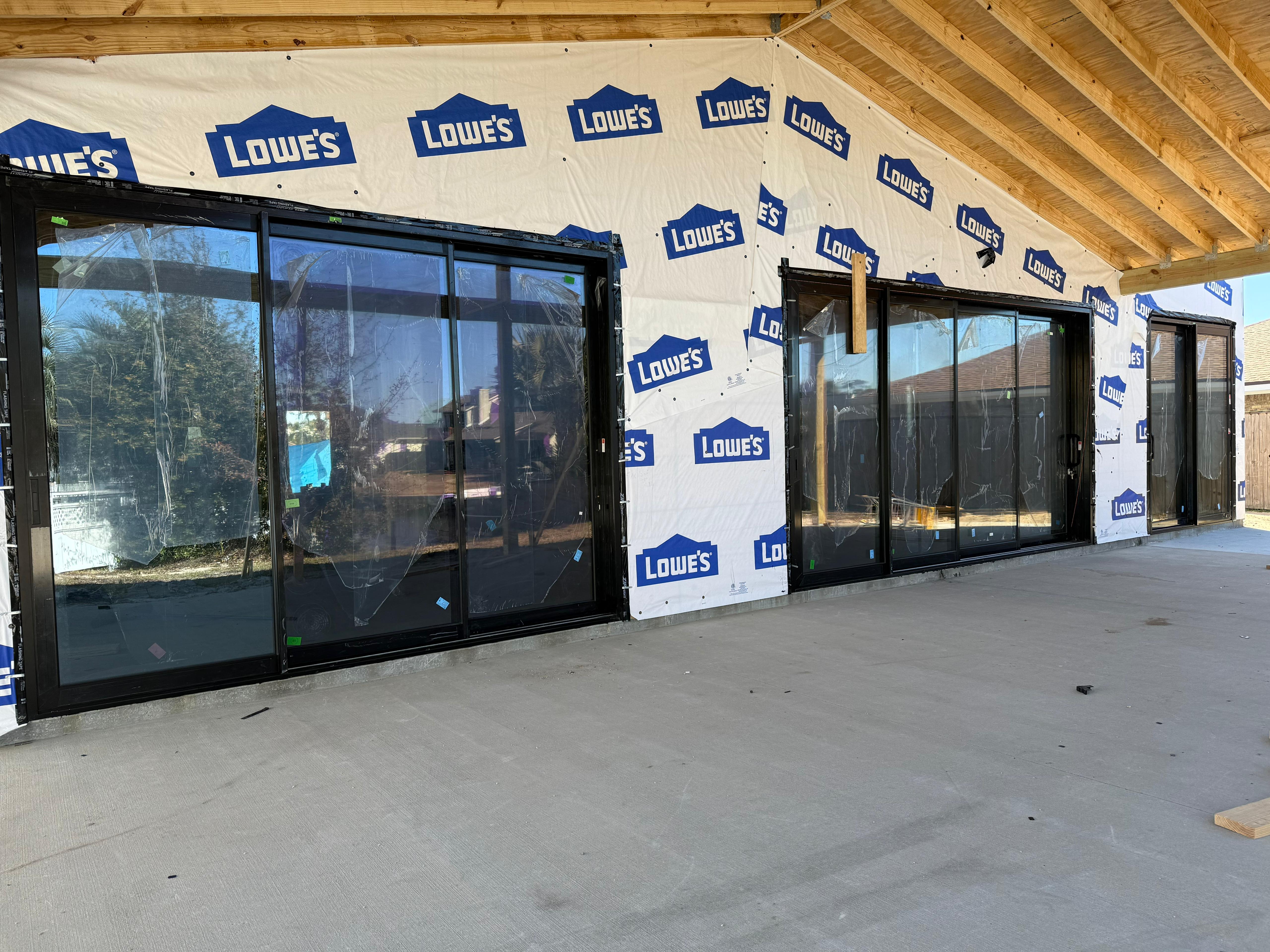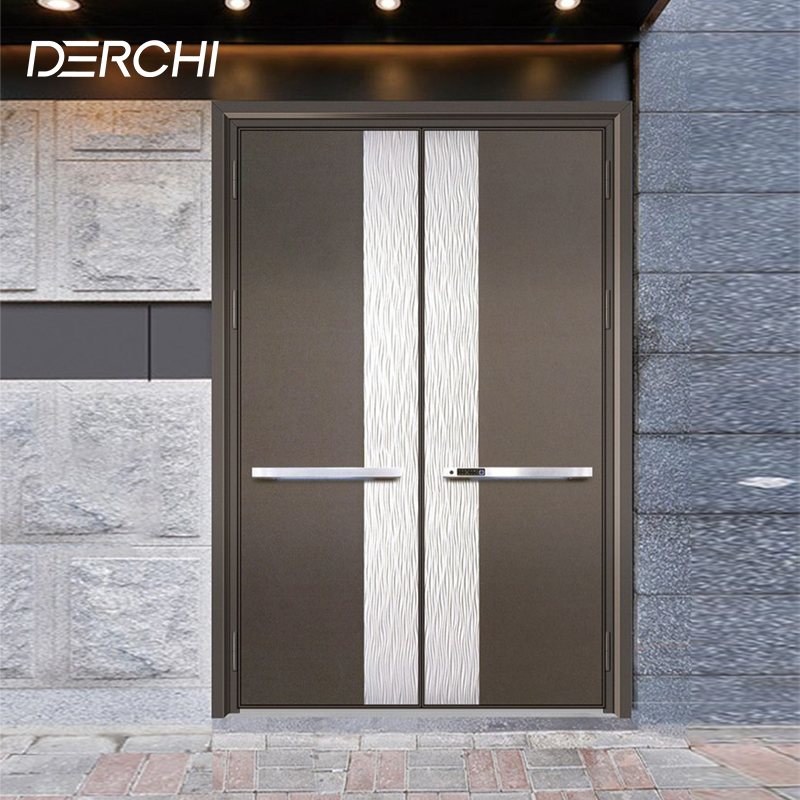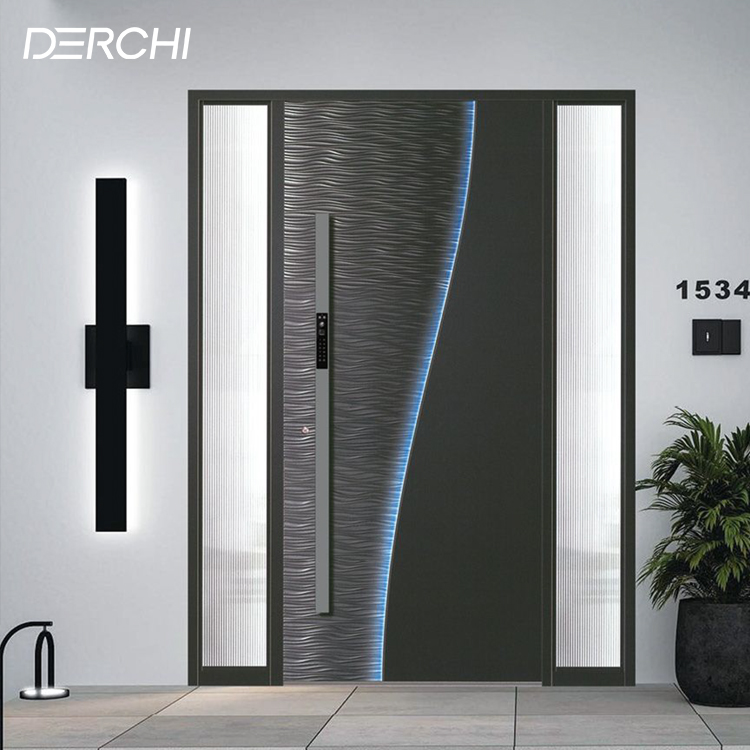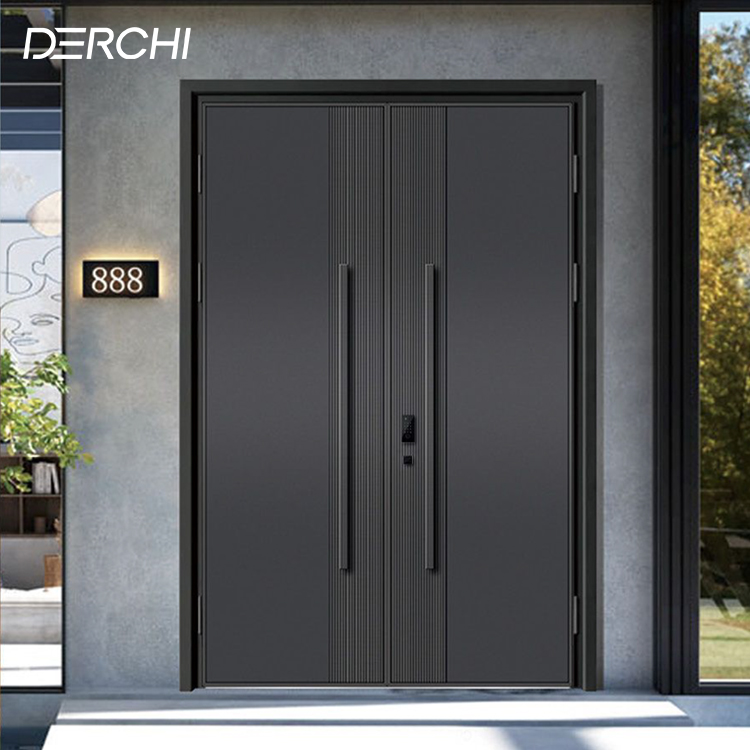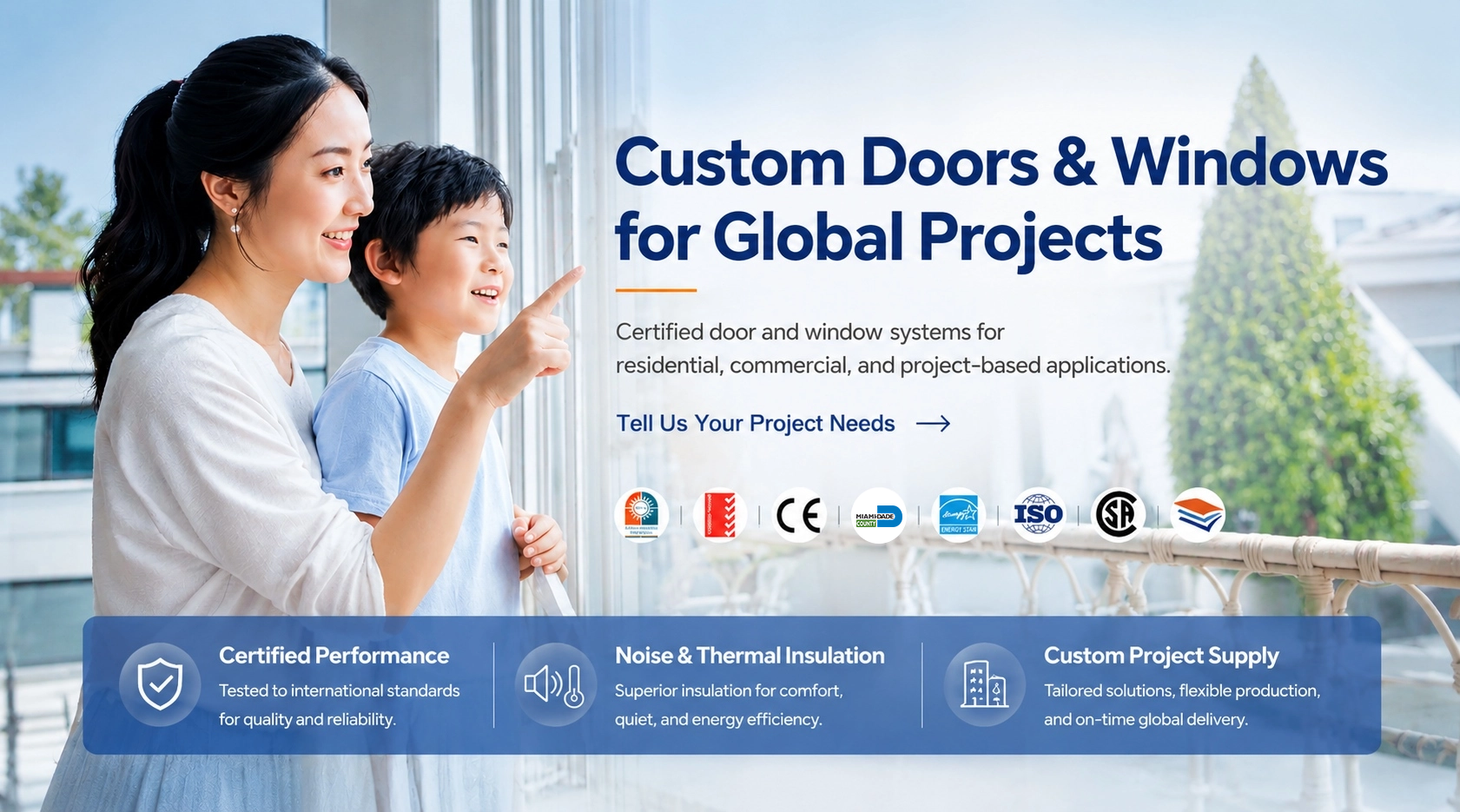
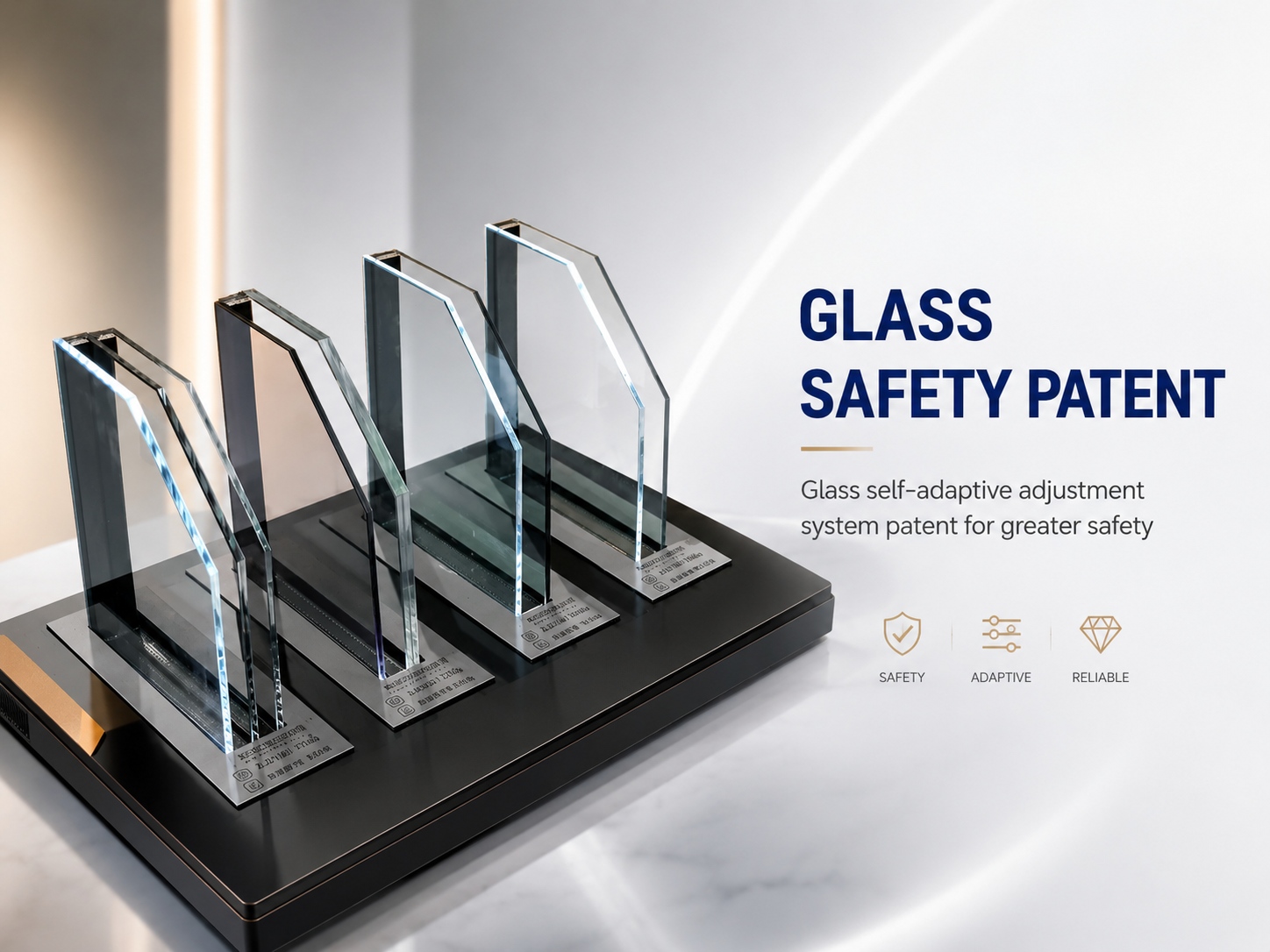
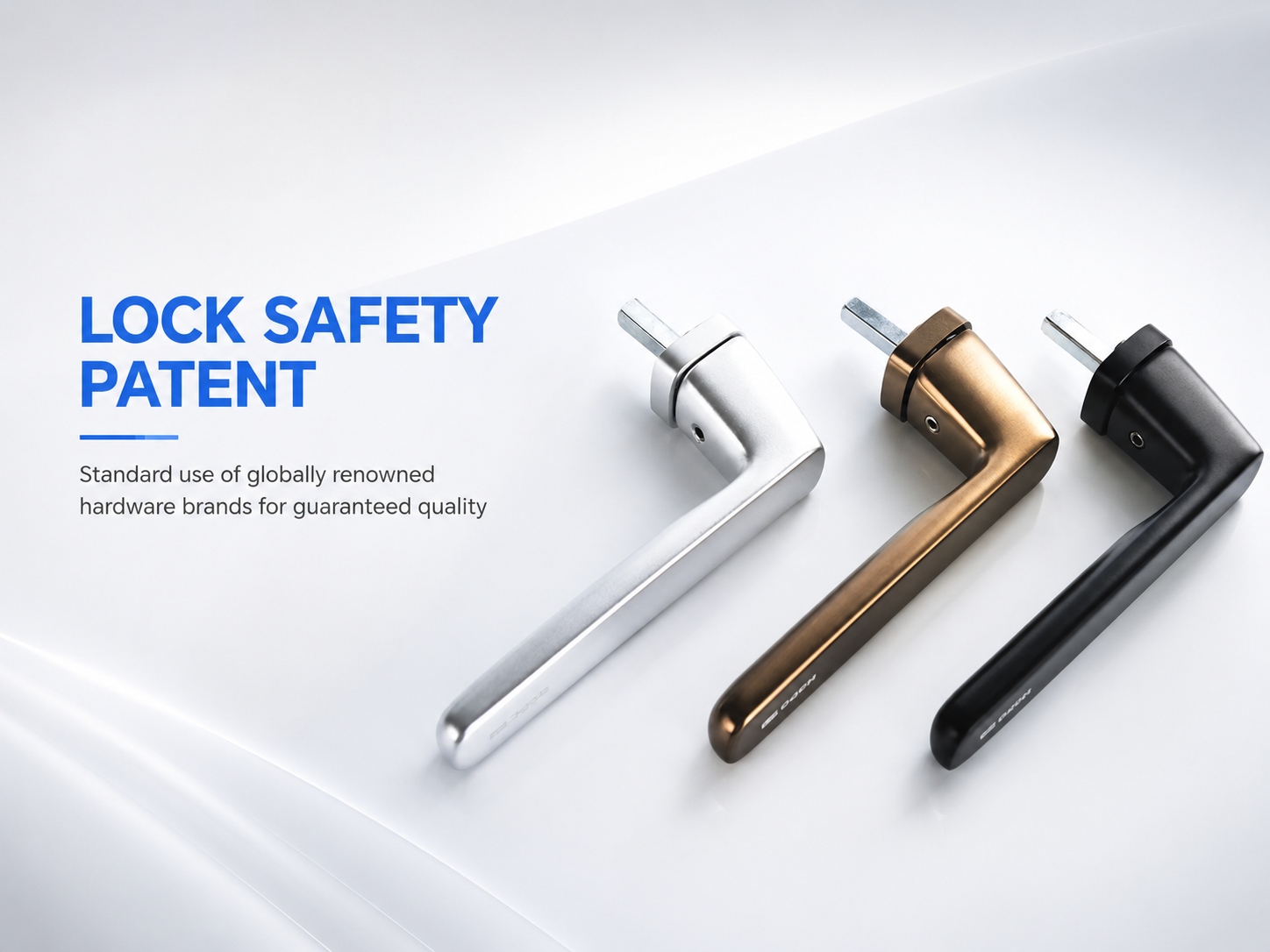
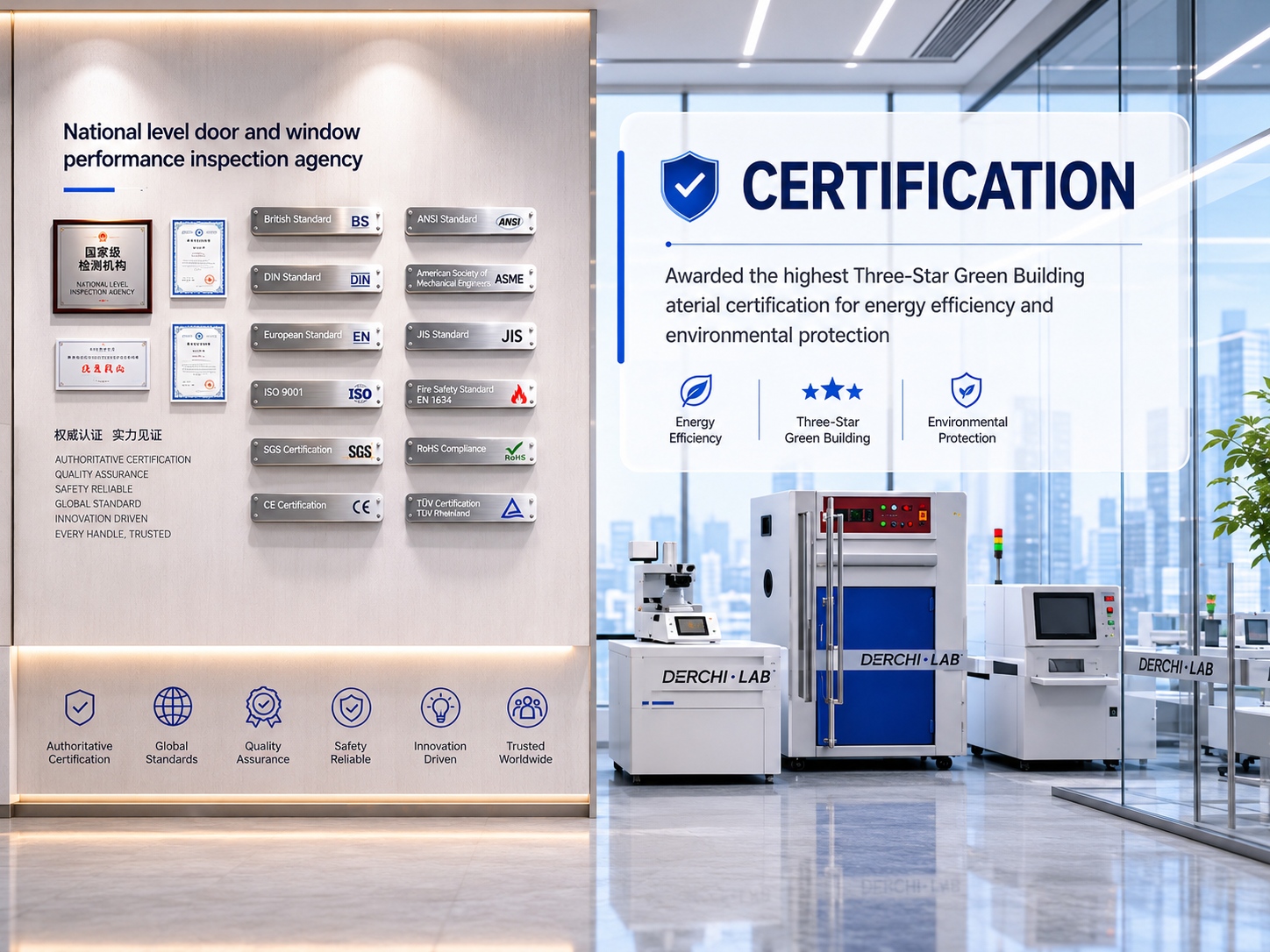

Custom-made to project specifications, these aluminum thermal break double doors bring together energy performance and a clean modern look. Whether for a villa entrance or a commercial storefront, each system is built to the exact opening and fitted with multi-pane glazing and secure locking hardware.
- Produced to any width and height – no standard size restrictions
- Choice of glass packs, from clear tempered to low‑e or laminated options
- Multi‑point security with optional keyless or fingerprint access
- Factory‑direct purchasing with technical documentation for contractors

Product Details
At the core of the double‑door structure is a 6063‑T5 aluminum frame with a polyamide thermal barrier that interrupts heat flow through the metal. Each leaf is fabricated to the site‑measured opening, so the installation team can proceed without cutting or packing on site, saving time on the job.
Glass choices extend beyond standard insulating units: project teams can spec two or three layers of tempered glass, add low‑e coatings, or integrate laminated safety glass where building codes demand it. The frame’s surface—either powder coated, anodized, or finished with PVDF—holds up against sun, salt spray, and city pollutants. For security, a three‑point lock engages the top, middle, and bottom of the active leaf simultaneously, while adjustable hinges and EPDM seals help maintain air and water performance over years of opening cycles.
Product Features
Thermal separation: Polyamide strips inside the aluminum extrusions cut conductive heat loss, helping projects meet energy codes without oversized HVAC.
Glazing mix: Specify two or three panes, low‑e, tinted, frosted, or laminated glass to control light, privacy, and U‑values.
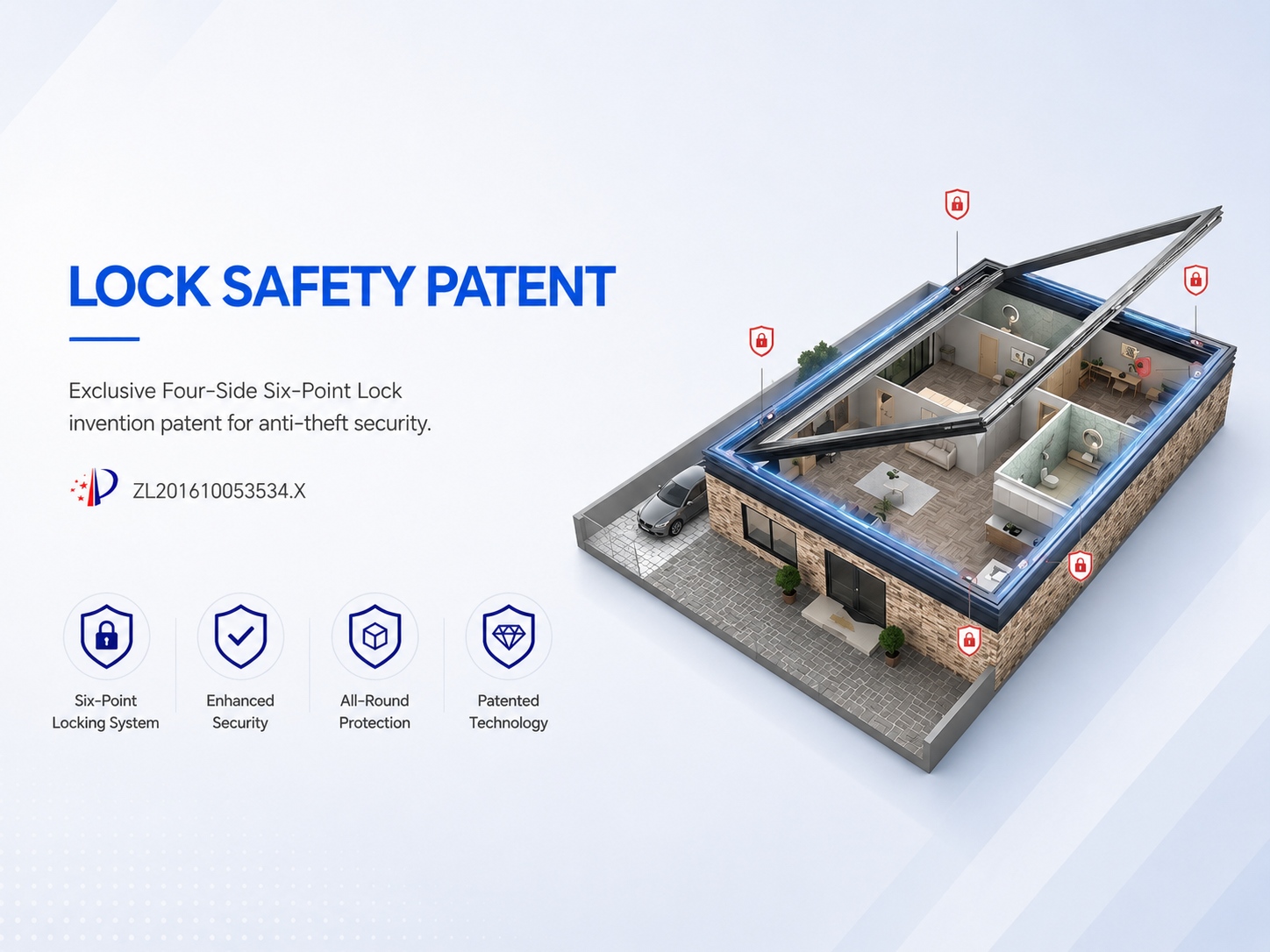
Three‑point locking: The lock shoots bolts into the top jamb, threshold, and middle strike, working in tandem with heavy‑duty hinges for forced‑entry resistance.
Surface protection: Powder coating, anodizing, or PVDF resists fading, chalking, and corrosion from sun and moisture; available in solid colors or wood‑grain effects.
Quiet movement: Sealed bearing hinges and low‑friction weatherstrips make opening and closing nearly silent, even on oversized leaves.
Made‑to‑measure: Every unit is cut and assembled to the architectural opening; mix colors, hardware, and glass across one order without price penalties.
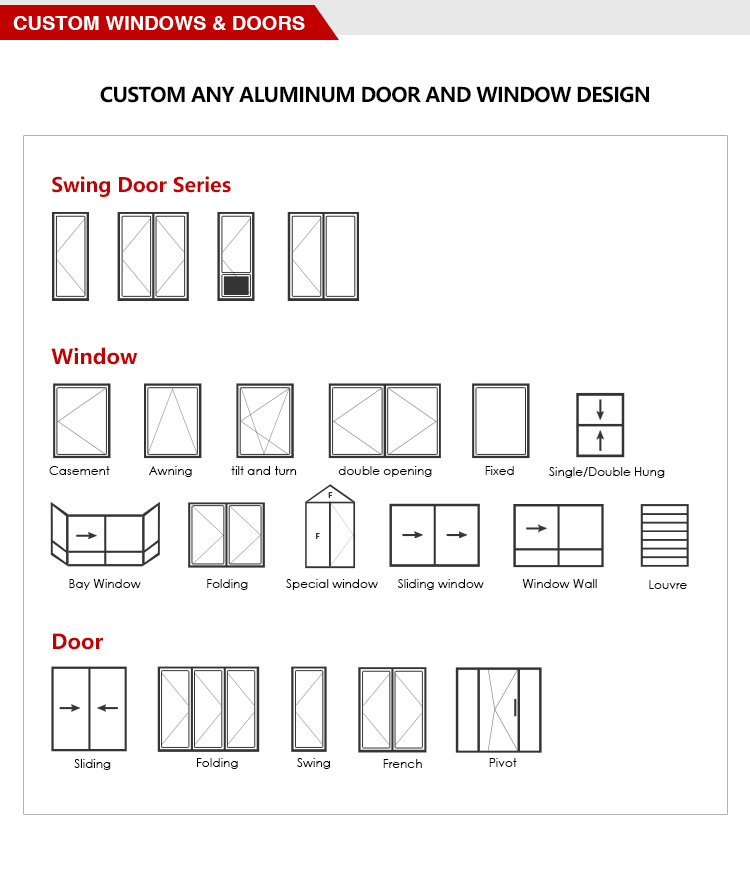
Customizable Styles
Glass make‑up: Two‑ or three‑layer tempered insulating glass, optionally with low‑e, laminated safety, tint, frost, or reflective coatings. Built‑in blinds (manual or motorized) can be integrated.
Color and coating: Black, white, bronze, champagne, wood grain, or dual‑color finishes applied via powder coat, anodizing, or PVDF. Mixed exterior/interior colors are possible for dual‑finish looks.
Size and layout: No stock sizes — each unit is cut to site dimensions. Add sidelites, transoms, or horizontal mullions to widen the entrance composition.
Surface feel: Smooth for a crisp contemporary line, textured for subtle depth, or a wood‑effect transfer that mimics timber without the upkeep.
Operation: Standard configuration is two swinging leaves (inward or outward opening). Sliding or pocket variants available on request, subject to structural feasibility and hardware compatibility.
Hardware Accessories
Locking mechanism: A three‑point lock engages the top, bottom, and middle of the active door, accepting standard cylinders or thumbturns. This setup meets typical forced‑entry resistance requirements for exterior openings.
Keyless entry: Project teams can opt for fingerprint or Bluetooth‑operated locks, provided the door stile and wiring provisions are confirmed with the factory in advance.
Handles and pulls: Stainless steel or aluminum lever sets with concealed fixings, built to handle daily use in busy lobbies or villas.
Hinges: Adjustable butt or pivot hinges with ball bearings carry the panel weight smoothly, and the adjustment function helps align the doors after settlement.
Seals: EPDM compression gaskets and bottom sweeps keep wind and water out. Spare seal kits can be packed with the shipment for future maintenance.
Basic Parameters
Performance Item | Available Information | Buyer Notes |
|---|---|---|
Thermal Insulation (U‑Factor) | Dependent on glass and frame assembly | Request NFRC/CE test report for the selected door configuration to obtain the U‑value before ordering. |
Wind Pressure Resistance | Varies by door size and reinforcement | Confirm design pressure rating for your project’s wind zone; test data should be provided by the manufacturer. |
Water Tightness | Configuration‑specific | Ask for water penetration test certificate that applies to the contemporary double door system. |
Air Tightness | Configuration‑specific | Specify the required air leakage class and request test evidence for the assembled unit. |
Sound Insulation | Dependent on glass thickness and seals | Request acoustic test report for the actual glass and frame configuration you plan to specify. |
Product Specifications
Specification | Detail |
|---|---|
Product Type | Aluminum thermal break double door |
Frame Material | 6063‑T5 aluminum with polyamide thermal barrier |
Glass Type | Tempered insulating glass (two or three panes); optional Low‑E, laminated, tinted |
Surface Finish | Powder coating, anodizing, or PVDF in multiple colors |
Locking System | Three‑point lock (top‑middle‑bottom); optional fingerprint/smart lock |
Dimensions | Custom – made to project opening width and height; no standard size |
Opening Style | Double‑leaf swing (inward or outward) standard; sliding configuration can be requested |
Typical Lead Time | Approximately 25–35 days, subject to order quantity and factory schedule |
Customization | Glass, color, hardware, grille, and lateral integration (sidelites/transom) can be specified |
Notes | Performance data (U‑Factor, wind load, etc.) must be confirmed with test reports for the exact configuration. |
Advantages
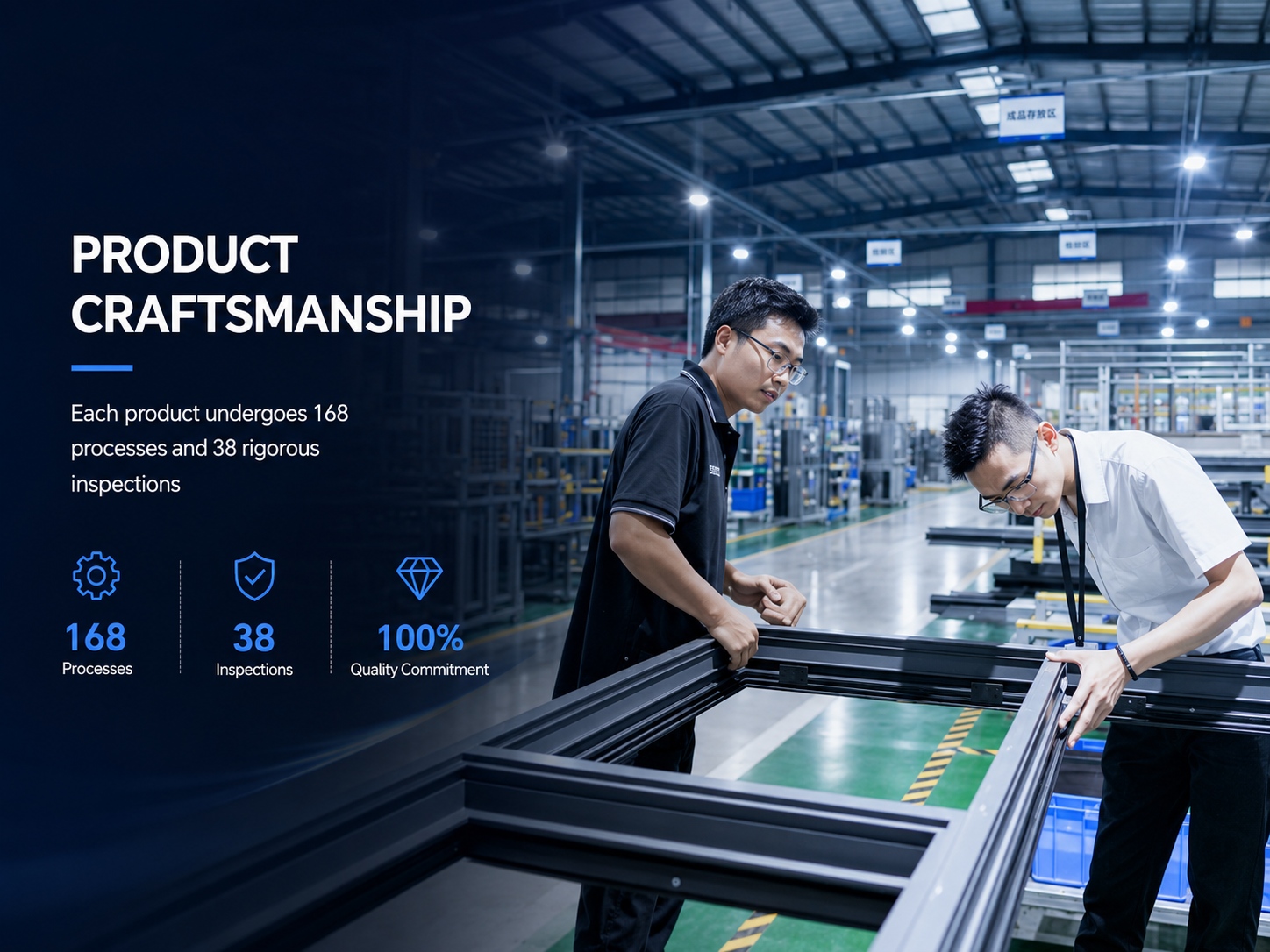
With 25+ years in the door and window sector, a 70,000 m² facility, and around 600 staff, the factory has the capacity to handle large project orders.
Because doors are built to exact dimensions, on‑site cutting and framing are eliminated. Shop drawings and submittal packages assist with design coordination.
A factory‑direct supply chain means direct communication with production engineers and clearer cost visibility for volume procurement.
For building permit applications, the manufacturer can supply shop drawings, structural calculations, and test data as part of the submittal package.
Completed projects across North America, Europe, and Australia show how the system handles different climates and local code requirements.
Application Scenarios
Apartment: Apartment lobbies frequently call for large, glazed entrances that meet energy codes and handle high traffic. By specifying a thermal break frame with low‑e glass, developers achieve the required U‑value while keeping an open, contemporary feel.
Home Office: For a separate client entrance, the sound‑insulating glass option and made‑to‑order sizing fit irregular openings, giving a professional look and acoustic comfort.
Hotel: Hotel entryways must manage guest flow and wear. The three‑point lock adds security, while the corrosion‑resistant finish stands up to constant cleaning and weather. Glazing choices help control solar gain in south‑facing lobbies.
Office Building: Office foyers see heavy foot traffic; the aluminum frame’s durability and thermal separation reduce heat loss at the entrance line without blocking natural light.
Outdoor: For covered loggias or garden entries, opt for a PVDF finish and confirm the water‑tightness data matches local rainfall intensity. Check that seals and threshold details suit the exposure level.
Residential Building: Multi‑family main entries gain a modern, unified look when color and glass are coordinated across the development. Hardware can be selected to meet egress and fire‑safety standards.
Exterior: When the doors face direct sun and strong winds, low‑e glass and frame reinforcement become critical. Ask for wind‑load test reports and specify structural brackets for high‑rise or coastal installations.
Villa: Villa entrances often demand wide openings and side‑lites. Here, the system can span large dimensions, incorporate smart locks, and carry a wood‑grain or dual‑color finish that aligns with the landscape design.
FAQ
What are contemporary exterior double doors?
They’re a double‑leaf entrance system built from thermally broken aluminum profiles and multi‑pane glazing, made to order for villas, hotel lobbies, and commercial storefronts. Because sizes are custom, they match the architect’s opening precisely.
Where can they be used?
The system works in villas, apartments, hotels, offices, and retail projects. It supports high‑traffic entryways and can be configured with sidelites or transoms to suit the architectural layout.
Can sizes and finishes be customized?
Yes—every dimension, color, surface treatment, glass type, and hardware selection is selected per project. There’s no catalog size; the factory works from your opening measurements.
What information is needed for a quote?
Provide opening width and height, glass and finish preferences, hardware type (e.g., keyless lock), quantity, and destination country. The factory will return a tailored offer and an estimated lead time.
Are they suitable for B2B projects?
Absolutely. The supply chain is set up for developers, contractors, and dealer networks. Submittal packages—shop drawings, test data, installation guides—are part of the standard B2B support.
Do you supply technical documents for permits?
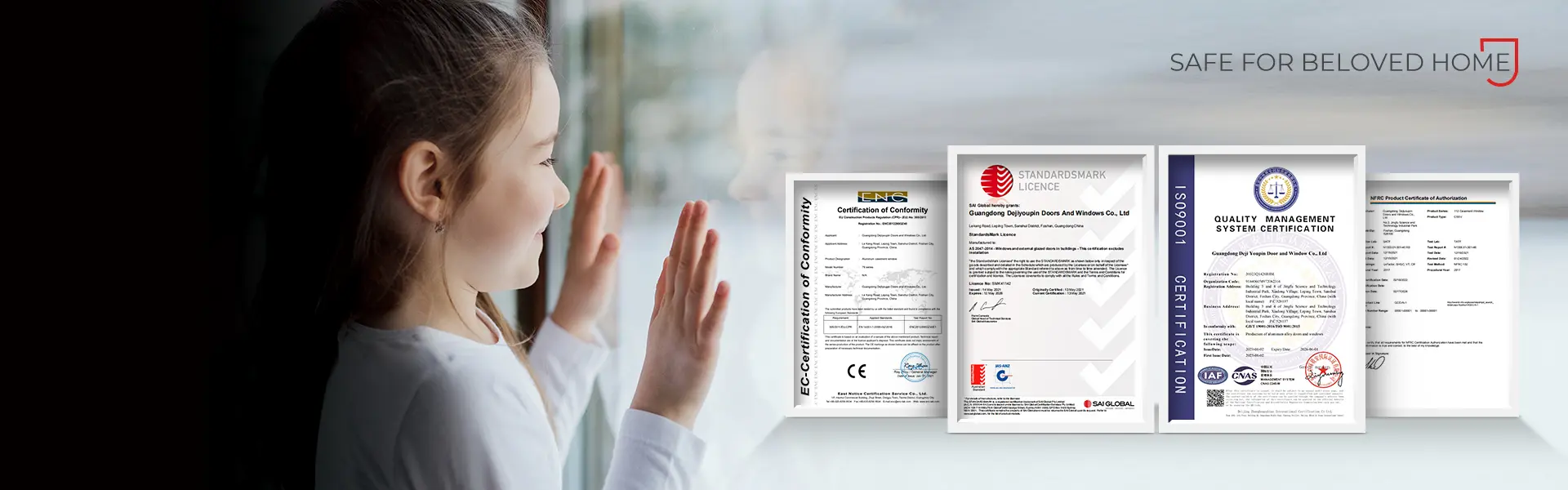
Yes. The manufacturer can provide performance data and test reports for wind load, thermal, and water tightness to assist with code submissions, although certification applicability must be verified for the specific glass‑and‑lock configuration.
What should buyers confirm before ordering?
Check the exact opening dimensions, required U‑factor, lock compatibility with local regulations, and any import compliance needs such as CE or NFRC for your market. Ask for a sign‑off drawing before production begins.
How are certification, packaging, and shipping handled?
The supplier advises on seaworthy packaging and provides necessary declaration documents. Confirm that the certification scope covers the exact hardware and glass combination you’ve chosen before shipment.