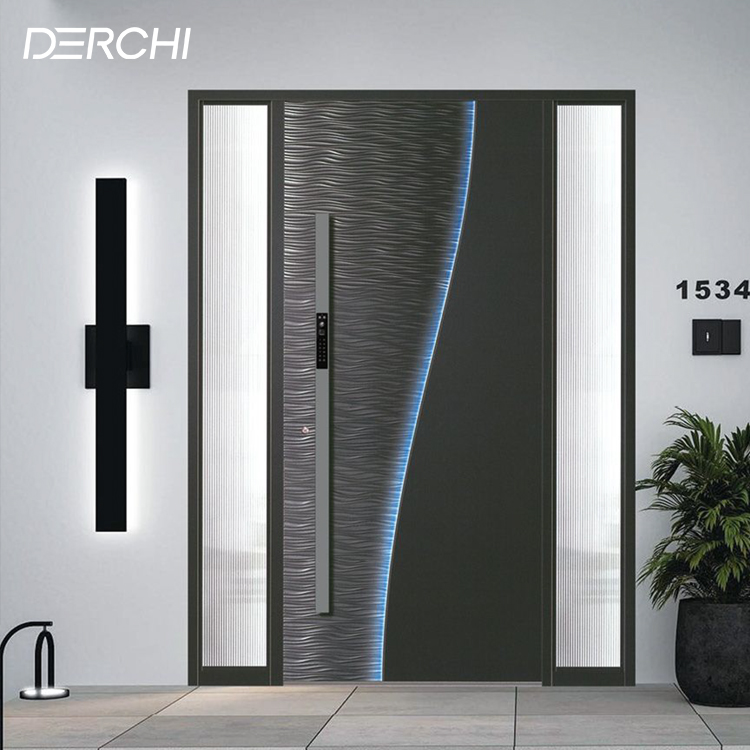
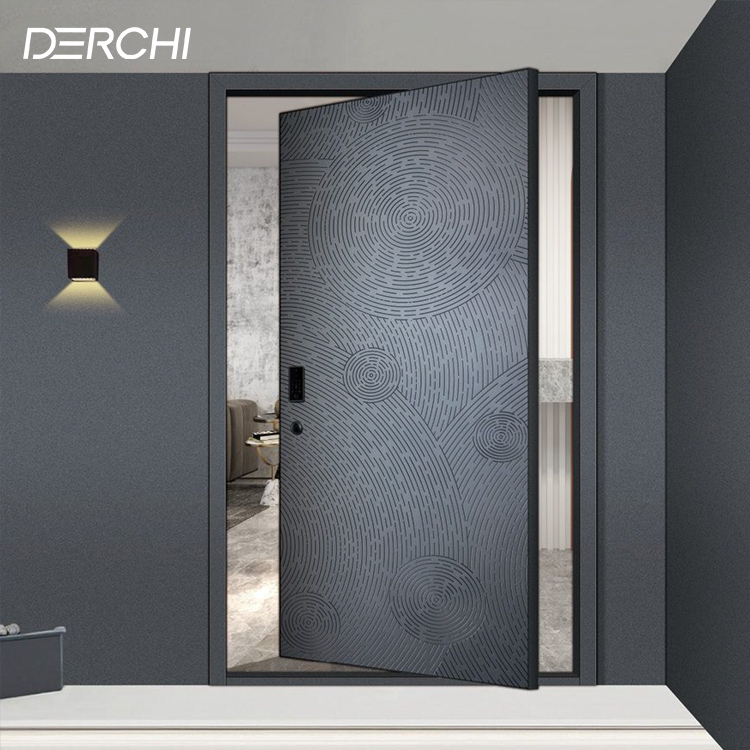
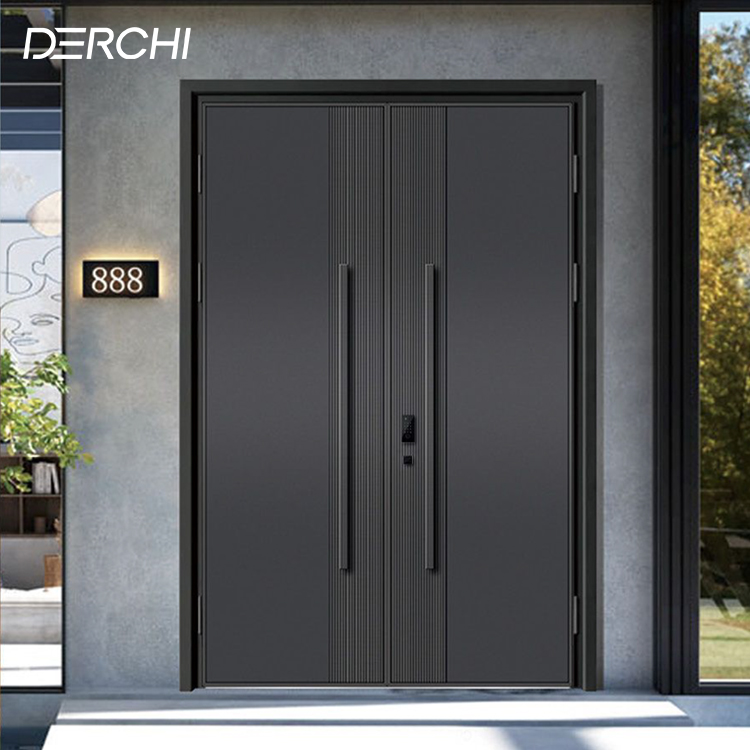
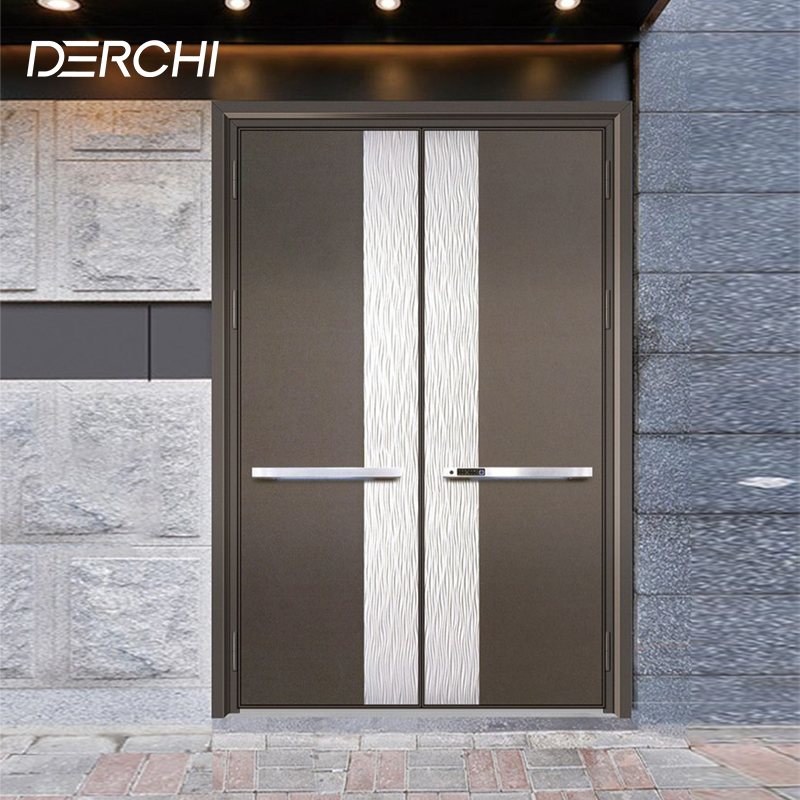
When you look at a pivot entry door and a standard front door, you see big differences. A pivot entry door turns on a hidden axis. This gives it a bold and modern look that gets noticed. Standard doors open on side hinges. This makes them look classic. These differences can change how people see your home. Picking the right entry door can make your house look better. It can also make it easier to use every day and show your style.
Key Takeaways
Pivot entry doors turn on a hidden axis. They look modern and bold. Standard doors use side hinges. They have a classic look.
Picking the right door can make your house look nicer. It also shows your style.
Pivot doors need careful installation. They need strong frames to hold their weight. Standard doors are easier to put in. They fit most frames.
Modern pivot doors have special weather seals. They also have thermal breaks. These features help save energy. They make your home more comfortable.
Pivot entry doors block sound better. Their solid build keeps your home quieter than standard doors.
Pivot doors have accessibility features. They have wider openings and low thresholds. This makes them easier for everyone to use. People with mobility needs benefit too.
Pivot doors cost more at first. But they last longer and are strong. This makes them a good investment.
Think about your home's design and what you like. Choose between a pivot entry door or a standard door. This helps you find the best fit for your life.
Pivot Entry Door Overview
Definition and Operation
Axis and Rotation
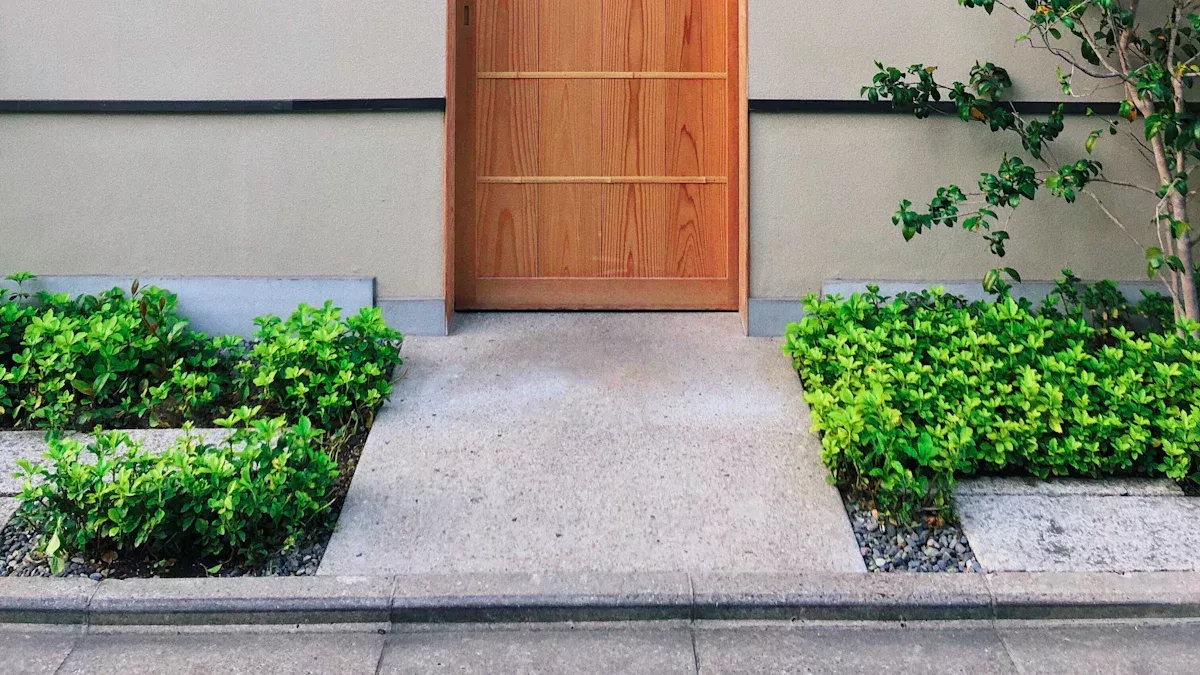
When you choose a pivot entry door, you select a door that rotates on a hidden axis. This axis sits away from the edge, usually a few inches inside the door slab. You push the door, and it swings open in a smooth, balanced motion. The pivot point lets the door move both inward and outward, creating a unique experience every time you enter your home. You notice the difference right away. The pivot door feels weightless and effortless, even if the panel is large and heavy. This special rotation makes your entryway stand out and gives you a sense of luxury.
Visual Impact
A pivot entry door transforms the look of your home. You see a clean, uninterrupted surface with no visible hinges. The door can be much larger than standard doors, reaching impressive heights and widths. When you open it, the movement feels dramatic and modern. You create a bold statement for your entryway. Guests will remember the striking design. You can use materials like wood, steel, or glass to match your style. The pivot entry door becomes a centerpiece, boosting your home's curb appeal and value.
Structural and Installation Needs
Load Path and Framing
Installing a pivot entry door requires careful planning. You need to prepare your rough opening and make sure the floor is level. Follow these steps for a successful installation:
Prepare the rough opening. Make it wider and taller than the frame size. Check that the floor is level.
Construct the frame. Remove the old jambs and header. Align the new side jambs and attach the header securely.
Secure the frame. Use shims to keep the frame tight. Check for plumb and level.
Attach the frame. Use screws to secure the frame to the opening. Make sure everything is aligned.
You must support the weight of the door with strong framing. The pivot hardware transfers the load vertically into the floor and header. This allows you to use larger, heavier panels without stressing the side jambs.
Floor and Header Prep
You need to pay special attention to the floor and header. The pivot mechanism relies on a solid foundation. If the floor is not level, the door will not swing smoothly. The header must be strong enough to handle the vertical load. You avoid problems by checking these areas before installation. You ensure the door operates perfectly and lasts for years.
Weather and Energy Performance
Sealing Systems
You want your home to stay comfortable and protected. Modern pivot entry doors use advanced weather seals. These seals block air and water, keeping your interiors safe from weather extremes. High-performance weatherstripping and reinforced frames help reduce air infiltration. Laminated glass adds extra protection. You enjoy a door that keeps out drafts and moisture, improving your home's energy efficiency.
Thermal Breaks
Energy efficiency matters to you. High-quality pivot entry doors achieve impressive ratings. Manufacturers use thermal breaks to stop heat transfer. This keeps your home warmer in winter and cooler in summer. You can see the performance in the table below:
Door Type | Material | U-factor | SHGC |
|---|---|---|---|
SLIMLINE | Clad/Wood | 0.29 | 0.20 |
EURO | Clad/Wood | 0.30 | 0.19 |
EURO | All Wood | 0.27 | 0.19 |
EURO | Accoya Wood | 0.26 | 0.19 |
TRADITIONAL | Clad/Wood | 0.30 | 0.17 |
TRADITIONAL | All Wood | 0.28 | 0.17 |
TRADITIONAL | Accoya Wood | 0.27 | 0.17 |
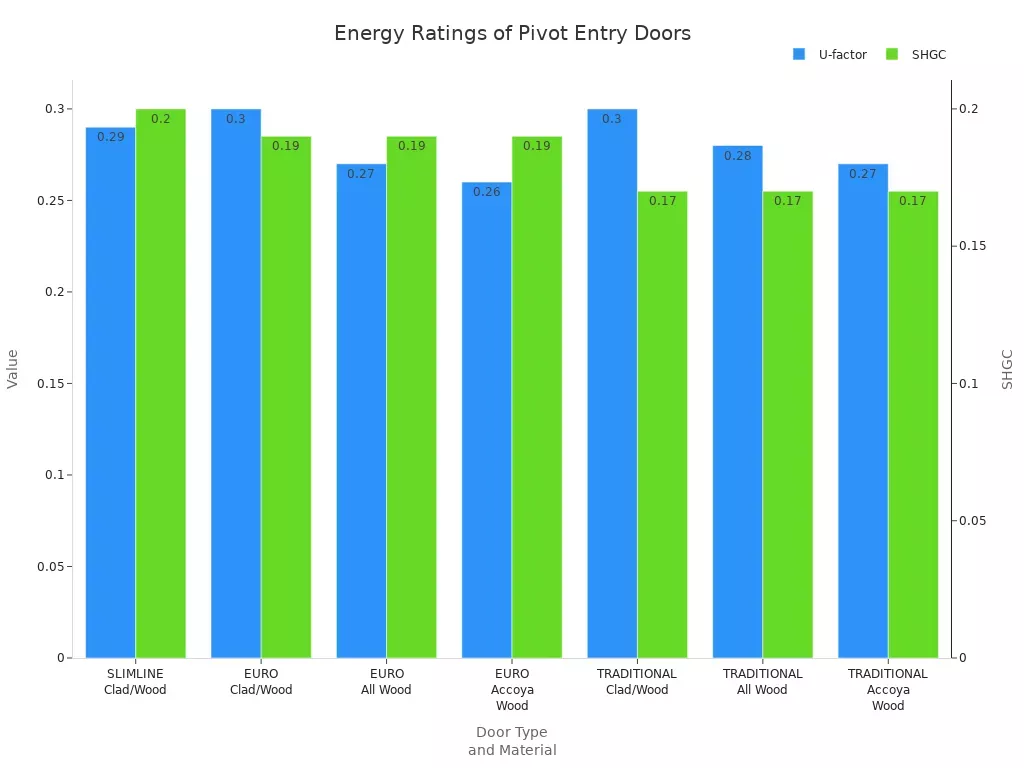
You benefit from lower U-factors and SHGC values, which means better insulation and less energy loss. Choosing a pivot entry door gives you style, performance, and comfort.
Acoustic and Accessibility Features
Sound Isolation
You want your house to be quiet. Pivot entry doors help block outside noise. These doors use special composite construction. This gives them high sound transmission class (STC) ratings. They block many types of sounds, from low bass to high treble. This means you can enjoy quiet rooms, even if you live near traffic or noisy neighbors.
Here is a table that shows how pivot entry doors compare to standard doors:
Feature | Pivot Entry Doors (Sing Core) | Standard Doors |
|---|---|---|
STC Ratings | High | Generally lower |
Weight | Lightweight | Heavier |
Construction | Patented composite | Standard materials |
Warranty | 50-year warranty available | Varies |
Sound Frequency Coverage | 50 Hz to 10,000 Hz | Limited coverage |
Pivot entry doors block more noise and cover more sound types. They are also lighter and have a long warranty. You can relax at home without loud distractions.
Tip: For even better sound blocking, pick a pivot entry door with a solid core and strong seals. This will make your home even quieter and more private.
ADA Compliance
You want your front door to be easy for everyone to use. Pivot entry doors can meet ADA rules. This makes your home easier for people with different needs. These features help people open and close the door safely.
Clear Opening Width: The opening is at least 32 inches and no more than 48 inches. This lets wheelchairs and walkers fit through.
Thresholds: The threshold is less than ½ inch high. If it is over ¼ inch, it is sloped for easy crossing.
Opening Force and Closing Speed: You need less than 8.5 pounds of force to open the door. The door closes in 5 seconds, so you have enough time.
Door Surfaces: The surface is smooth within 10 inches of the floor. You will not trip or catch on rough spots.
Operable Hardware: You can grab the handle with one hand. You do not need to twist or squeeze hard. Lever handles are best.
Shape of Hardware: You can use the door with a closed fist or loose grip. This helps people who have trouble gripping.
Panic Hardware: Push-pad hardware makes it easy to get out fast in emergencies.
You make your home safer and friendlier for everyone. You show that you care about comfort and access for all.
Note: When you choose a pivot entry door, you get both style and function. Your door looks great and works well for all your guests.
Standard Door Essentials
Definition and Operation
Hinge Mechanics
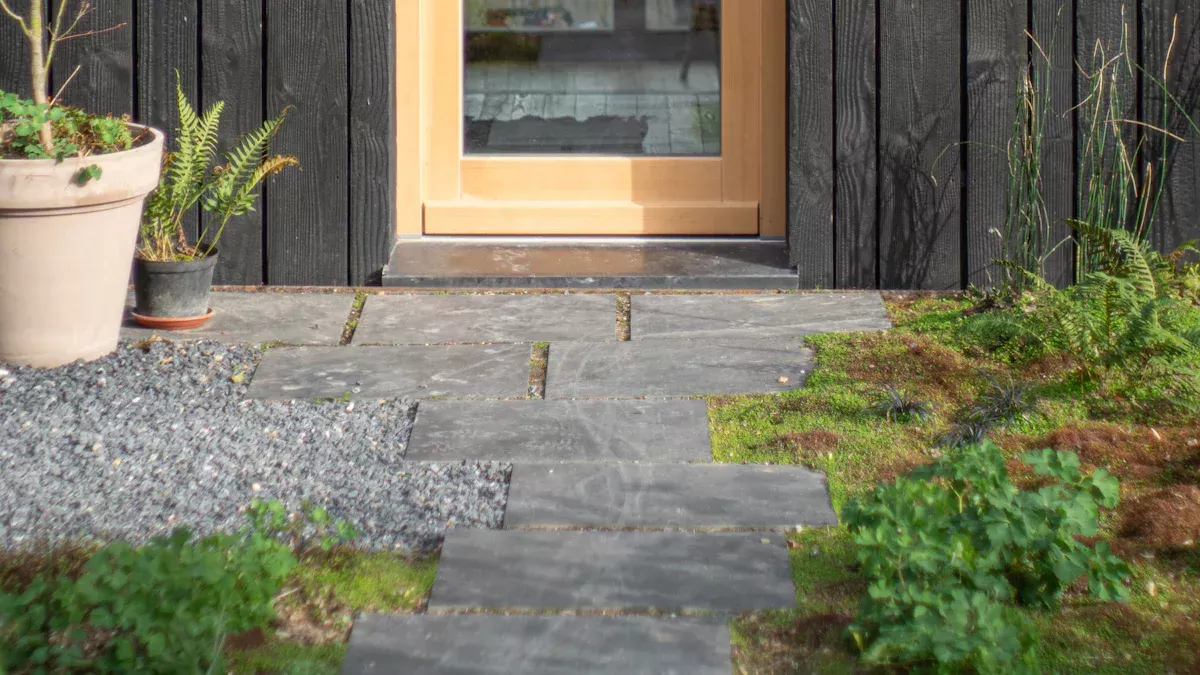
When you choose a hinged door, you pick a system that has stood the test of time. The door attaches to the frame with strong metal hinges along one side. These hinges let the door swing open and closed in a smooth arc. You get a reliable entryway that works every time you use it. The simple mechanics mean you can trust your door to last for years. You also enjoy easy repairs if you ever need them. The traditional hinged door gives you peace of mind and dependable performance.
Design Versatility
You want a door that matches your style. With a hinged door, you have endless options. You can pick from wood, steel, fiberglass, or composite materials. You can choose classic panels, glass inserts, or bold colors. The traditional door fits any home, from modern to farmhouse. You can add sidelights or transoms for extra light. You can even swap out hardware to refresh the look. This flexibility lets you create an entryway that shows off your personality.
Structure and Installation
Framing and Load
You need a strong frame for your door. Standard doors use a proven framing method that supports the weight and keeps everything square. Here’s how you make sure your door fits perfectly:
Verify the wall thickness for the right rough opening.
Measure from the finished floor to get the correct height.
Check diagonal measurements to keep the opening square.
Make sure the header above the door can handle the load.
Always use two studs on each side of the opening. The king stud runs from top to bottom. The jack stud supports the header and sits on the bottom plate.
This framing method keeps your door stable and secure. You avoid sagging and sticking, so your door works smoothly for years.
Installation Simplicity
You want a quick and easy installation. The process for a hinged door is simple and efficient:
Meet with a professional to discuss your options.
Pick the door style and features you like.
Get custom measurements for a perfect fit.
Schedule installation at a time that works for you.
Let the experts install your door quickly.
Enjoy a clean, tidy space after the job is done.
You save time and avoid stress. You get a door that fits right and looks great from day one.
Weather and Energy Performance
Compression Seals
You want to keep your home comfortable. Standard doors use compression seals that press tight against the frame when closed. These seals block drafts, rain, and dust. You get better protection from the weather. You also lower your energy bills because less air escapes. Advanced weatherstripping can cut energy loss by up to 25%. You stay warm in winter and cool in summer.
Insulation
You care about energy efficiency. Many hinged doors use foam core insulation, fiberglass, or composite materials. These choices boost the door’s R-value, which measures how well it stops heat flow. Most energy-efficient doors have R-values between R-5 and R-7. You can pick steel doors with insulated foam cores or fiberglass doors for even better performance. These materials help keep your home at the right temperature all year.
Foam core insulation (polyurethane or polystyrene)
Fiberglass
Steel
Composite doors
You get a door that saves energy and keeps your home comfortable. You also protect your investment for years to come.
Acoustic and Accessibility Features
Soundproofing
You want your house to be quiet. A hinged door helps block noise from outside. You can pick different materials to make your door better at stopping sound. Solid core wooden doors are strong and thick, so they block sound well. Engineered MDF or HDF doors are also dense, which helps keep noise out. Some doors are made just for soundproofing and work the best.
Material Type | Soundproofing Capability |
|---|---|
Solid Core Wooden Doors | Strong and thick, so they block sound well. |
Engineered MDF or HDF Doors | Dense, which helps keep noise out. |
Specialty Acoustic Doors | Made for soundproofing and work the best. |
You can have quiet rooms and privacy, even if you live near loud streets. Hinged doors help keep your home peaceful, so you can relax or sleep without noise.
Tip: Pick a solid core or special acoustic door for the best soundproofing. You will hear less noise every day.
ADA Considerations
You want everyone to use your home easily. A hinged door can follow ADA rules to make your entry safer. Look for these features:
Lever handles you can use with one hand, set between 34 and 48 inches high.
Slow closing speed, so people with walkers or wheelchairs can get through.
Doors that need no more than 5 pounds of force inside, or 8.5 pounds outside.
Side lights to help people see better.
Smooth bottoms, so wheelchairs and walkers roll easily.
Door opening at least 32 inches wide when open all the way, with special rules for double doors.
Space in front of the door at least 30 by 48 inches.
You make your home safe and easy for all guests. Hinged doors help everyone come in and go out without trouble.
Durability and Maintenance
Longevity
You want your door to last a long time. How long it lasts depends on what it is made of and where it is. Many doors can last a lifetime if you take care of them. Look at this table:
Type of Door | Average Lifespan (Years) |
|---|---|
Closet (interior) | 100+ |
Fiberglass (exterior) | 100+ |
Fire-Rated Steel (exterior) | 100+ |
French (interior) | 30 to 50 |
Screen (exterior) | 30 |
Sliding Glass/Patio | 20 |
Vinyl (exterior) | 20 |
Wood (exterior) | 100+ |
Wood (hollow-core interior) | 20 to 30 |
Wood (solid-core interior) | 30 to 100+ |
Wood doors can last 20 to 40 years. Some solid wood doors last up to 60 years or more. Steel doors can last 30 to 100 years. Fiberglass doors last 30 to 50 years if you take care of them. Picking a hinged door means you get something that lasts a long time.
Maintenance Needs
You want your door to work well and look nice. Doing simple care keeps your door in good shape. Here are some easy things to do:
Check and change weatherstripping to stop drafts.
Clean your door often to get rid of dirt.
Oil the moving parts so the door opens easily.
Look at your door each season to find problems early.
You keep your door working and looking good for many years. Hinged doors are easy and cheap to take care of.
Note: If you do these things, your door will last longer and keep your home safe and comfy.
Pivot Entry Door vs Standard Door: Key Differences
Kinematics and Space
You want your entryway to feel open and welcoming. How a door moves changes how you use the space. A pivot entry door turns on a center or offset axis. This makes the door swing in a special way. You see it move both in and out at once. The pivot point is not at the edge, so the door takes up space on both sides. This gives you a bold look and a wider entrance.
A standard door swings on side hinges. The movement is easy to guess. The door opens all the way in one direction, either inside or outside. You can use almost the whole doorway to walk through. The swing path stays close to the wall, so you do not need much extra space in your foyer or porch.
Tip: If you want a bold style and have extra room, pick a pivot entry door. If you need a door for small spaces, a standard door is better.
Feature | Pivot Entry Door | Standard Door |
|---|---|---|
Swing Path | Dual-direction, central or offset axis | Single-direction, edge-mounted |
Space Needed | More clearance on both sides | Minimal clearance, one side |
Walkthrough Width | Reduced by pivot offset | Nearly full opening width |
Visual Impact | Dramatic, modern | Classic, familiar |
Structural Demands
You want your door to last and stay strong. The structure behind the door is important. A pivot entry door uses one pivot mechanism. This sends the weight down to the floor and up to the header. You can use bigger and heavier panels. The frame must be strong and level. You need careful setup and solid support.
A standard door uses more than one hinge on the side. The weight pulls on the jamb and wall studs. You use lighter panels and normal framing. The setup is simple. You do not need special hardware or extra support.
Note: Pivot doors can hold heavy weight and get used a lot without much damage. The single pivot part lowers stress and helps the door last longer.
Feature | Pivot Doors | Hinged Doors |
|---|---|---|
Opening Mechanism | Pivot on a pole, unique swing | Traditional hinges attached to frame |
Weight and Size | Supports heavier panels, needs more space | Smaller and lighter panels |
Installation | Complex, needs strong framing | Simple, fits standard framing |
Maintenance | Fewer moving parts, lower maintenance needs | More moving parts, higher maintenance needs |
Pivot doors can hold heavy weight and get used a lot without much damage.
One pivot part means you do not need many hinges, so there is less wear and the door lasts longer.
“A pivot door is a type of door that turns on a pivot hinge instead of side hinges. This hinge is usually closer to the middle of the door frame, so the door swings open from the center.”
Weather and Energy Efficiency
You want your home to stay comfy and safe. Weather sealing is very important. Standard doors seal tight around all the edges. You get great insulation and weatherproofing. This works well in bad weather. Compression seals stop drafts and water. You save energy and keep your home warm or cool.
A pivot entry door uses special sealing systems. You might see small gaps at the corners, about 2mm wide. If you cover these spots, you block air and water. New pivot doors have drop-down seals and magnetic gaskets. You get good performance and better energy savings.
Door Type | Weather Sealing Effectiveness |
|---|---|
Hinged Doors | Fully sealed around the edges, superior insulation and weatherproofing, ideal for harsh weather conditions. |
Pivot Doors | May have small gaps (typically 2mm) at the corners, which can allow air or moisture to enter if not properly protected. |
Pivot entry doors often have low-E coatings. These cut down on solar heat and help keep your home at the right temperature. You can build a pivot door to fit the whole opening. This gets rid of gaps that waste energy. You get a stylish door with good insulation.
Pros and cons: Standard doors give you strong weatherproofing and are easy to install. Pivot entry doors look modern and save energy, but need careful planning and protection.
Acoustic Performance
You want your home to be quiet inside. Pivot entry doors are better at blocking noise than standard doors. They use solid materials and special seals. Many pivot entry doors have thick cores or steel parts. These help stop sound from coming in. Hollow-core doors do not block noise as well. This means you can relax at home, even if you live near a busy road.
Standard doors often have hollow centers and simple weatherstripping. They block some noise, but not as much. Their STC ratings are lower. Loud sounds can still get through. If you care about noise, a pivot entry door with a solid core and good seals is best.
Pivot entry doors use new sealing ideas. Some have drop-down seals and magnetic gaskets. These close tight when the door shuts. This keeps sound from sneaking in around the edges. Standard doors use weatherstripping around the sides. This can wear out and stop working well over time.
Picking a pivot entry door with these features makes your home quieter. You will hear less noise from outside. Your house will feel calm and peaceful. This is great if you work at home or want a quiet place to rest.
Tip: For the best soundproofing, pick a pivot entry door with a solid core and strong seals. These keep your home quiet and private, even if it is loud outside.
Accessibility and Safety
You want your door to be safe and easy to use. Pivot entry doors are good for this. They can meet ADA rules better than standard doors. Their design lets you have a bigger opening. This makes it easier for everyone to come in. A pivot entry door can give you at least 32 inches of clear space. Standard doors can be harder because of hinges and thickness.
Pivot entry doors are also safer. They use thick, strong materials. This makes them hard to break into. Many have locks that work in many places along the frame. These locks are hidden inside the hardware. The frame is strong too, so it is hard to tamper with.
The pivot hardware is made to stop tampering and accidents. The hinges are hidden and very strong. They are hard to break. The strong materials make the door even safer. This helps keep intruders out.
For accessibility, pivot entry doors can have low thresholds and lever handles. This makes them easy to open for people with mobility needs. The door swings smoothly and does not need much force. This follows safety rules and helps everyone enter easily.
Note: When you look at the pros and cons of a pivot entry door, think about its safety and easy access. These features make it a smart pick for people who want a safe and welcoming home.
Cost and Installation
There is a big difference in price and setup between pivot entry doors and standard doors. The good things about a pivot entry door are its cool look and ability to hold big, heavy panels. But these come with higher costs and harder installation.
A pivot entry door can use large, heavy materials and looks modern. But you need special hardware and strong framing. The setup needs a strong header and a flat floor. You often need skilled workers, which costs more money.
Standard doors cost less and are easier to put in. They are easy to find and fit most homes. Many workers know how to install them, so labor is cheaper. You might pay $150 to $400 for labor on an inside door. For an outside door, it can be $400 to $1,000. The doors themselves are cheaper too.
A standard door saves money at first. But a pivot entry door lasts longer and looks special. Remember, the cons of a pivot entry door are the higher price and the need for strong support. If you want a door that stands out and works well, the extra cost might be worth it.
Tip: When you think about the pros and cons of a pivot entry door, look at your budget and your home's needs. Spending more on a good pivot entry door can give you style, safety, and long-lasting use.
Design and Aesthetics
You want your front door to look great. The door’s design shows what your home is like. Pivot entry doors look bold and modern. They have straight lines and a smooth surface. The door moves easily and feels light. This makes your entryway stand out and impresses guests.
Standard doors look classic and familiar. They fit almost any house style. You can pick from many colors and materials. You can add glass, carvings, or special handles. This makes your entryway feel cozy and welcoming.
Let’s look at the design features in a table:
Feature | Pivot Doors | Traditional Doors |
|---|---|---|
Appearance | Dramatic, modern, bold minimalism | Timeless design, familiar |
Motion | Smooth, weightless motion | Standard swing motion |
Size Capabilities | Larger size options, custom configurations | Standard sizes, customizable |
Hardware | Minimal hardware, clean profile | Variety of styles, ornamental hardware |
Architectural Fit | Complements contemporary and bold designs | Fits classic and transitional styles |
Customization | Custom materials and finishes | Heavily customizable with carvings/inserts |
Space Efficiency | Needs more clearance for swing | Space-efficient, ideal for tight spaces |
Pivot doors are great for modern homes. You can pick the size, shape, and material you want. Choose wood, steel, or glass to match your style. Your entryway will look big and special.
Standard doors give you lots of choices. You can pick different styles and add your own details. Use classic panels or bright colors. Your entry will feel friendly and familiar.
Pivot doors make your home look modern and cool.
Traditional doors give you a classic look with many choices.
If you want your house to stand out, pick a pivot entry door. It makes a bold statement and looks great from the street. If you like a classic style, choose a standard door. You get comfort and many options.
You get to pick what matches your taste. Your door is the first thing people see. It helps set the mood for everyone who visits.
Choosing the Right Door
Home Style and Architecture
Your home’s style sets the tone for your entryway. The right door can make your house stand out or blend in with the neighborhood. You want a door that matches your home’s design and shows off your taste.
Pivot entry doors work best with modern and contemporary homes. You get clean lines and a bold, dramatic look. If you want your entryway to feel like a piece of art, a pivot door delivers that wow factor.
Standard hinged doors fit classic homes. You see them on Colonial, Craftsman, and Farmhouse styles. These doors give you a sense of comfort and tradition.
Pivot doors can be much larger than standard doors. If you dream of a grand entrance or have a luxury home, a pivot door lets you go big and make a statement.
Tip: Look at your home’s architecture before you choose. A door that matches your style will boost curb appeal and make your entryway unforgettable.
Budget and Value
You want to get the most for your money. The type of door you pick affects both your upfront costs and long-term value. Use the table below to compare your options:
Consideration | Pivot Entry Door | Standard Door |
|---|---|---|
Installation Costs | Needs custom framing, which increases costs | Fits standard openings, easier to retrofit |
Hardware Expenses | High-end pivot hardware, higher for large doors | Simple hardware, lower cost |
Overall Door Pricing | Premium investment for advanced features | More affordable, simple installation |
A pivot entry door costs more at first. You pay for custom framing and special hardware. This investment gives you a unique look and lasting value, especially in high-end homes. A standard door saves you money now. It fits most homes and uses simple parts, so you spend less on installation and materials.
Note: Think about your budget and how much value you want to add to your home. Sometimes, spending more upfront brings bigger rewards later.
Environmental and Structural Factors
Your climate and your home’s structure matter when you pick a door. You want a door that stands up to weather and fits your space.
If you live in a place with harsh weather, look for doors with strong seals and insulation. Standard doors often have tight compression seals that block drafts and rain.
Pivot entry doors use advanced sealing systems and thermal breaks. These features help keep your home comfortable and energy bills low.
Check your entryway’s structure. Pivot doors need a strong, level floor and a sturdy header. Standard doors work with most existing frames and need less prep.
Tip: Always check your home’s structure and local weather before you decide. The right door will protect your home and keep you comfortable year-round.
Personal Preferences
Your front door says a lot about you. It is the first thing people see when they visit your home. You want a door that matches your personality and daily life. When you choose between a pivot entry door and a standard door, your preferences matter most.
Think about what you love:
Do you want your home to stand out?
Do you like modern design or classic style?
Do you want a door that feels grand every time you open it?
Do you care more about comfort and tradition?
If you love bold, modern looks, a pivot entry door will excite you. You get a door that feels like a piece of art. Every time you open it, you feel a sense of luxury. Your guests will notice the difference. You show your taste for innovation and style.
If you prefer a cozy, familiar feeling, a standard door fits your needs. You get a door that feels warm and welcoming. You can pick from many styles and colors. You can change the hardware or add glass for a personal touch. You enjoy a door that feels like home.
Tip: Imagine walking up to your house. Picture your dream door. Does it swing open with a dramatic sweep, or does it greet you with classic charm? Trust your gut feeling.
Your lifestyle also plays a big role. If you have kids or pets, you may want a door that is easy to use and safe. If you host parties or love to impress, you may want a door that makes a statement. If you value privacy and quiet, you may want a door with strong soundproofing.
Here is a quick checklist to help you decide:
✅ Do you want a door that is easy to open for everyone?
✅ Do you want a door that blocks noise and weather?
✅ Do you want a door that matches your home’s look?
✅ Do you want a door that feels special every day?
You deserve a door that fits your life. When you trust your preferences, you make the right choice. Your entryway will reflect who you are and what you value. Choose the door that makes you smile every time you come home.
You can now tell how pivot entry doors and standard doors are different. Pivot doors make your house look bold and open smoothly. Standard doors look classic and are simple to put in. Think about what you need, how much you want to spend, and how your house looks.
Pick the door that works best for your life.
Think about saving energy, blocking noise, and making it easy for everyone to use.
Tip: Always ask an expert before you start a special or tricky door project. This helps you get great results and not waste money on mistakes.
FAQ
What makes a pivot entry door different from a standard door?
You see a pivot entry door swing on a hidden axis. This creates a modern look. Standard doors use side hinges. You get a classic style. Pivot doors offer bold design and smooth operation.
Can I install a pivot entry door in any home?
You can install a pivot entry door in most homes. You need strong framing and a level floor. Check with a professional before you start. You get the best results with expert help.
Are pivot entry doors energy efficient?
You enjoy excellent energy efficiency with pivot entry doors. Advanced seals and thermal breaks keep your home comfortable. You save money on energy bills. Choose a door with high-quality insulation for the best performance.
Do pivot entry doors block noise better than standard doors?
You experience superior sound blocking with pivot entry doors. Solid cores and advanced seals reduce outside noise. You enjoy a quieter home. For maximum privacy, select a door with high STC ratings.
Is a pivot entry door easy for everyone to use?
You find pivot entry doors easy to use. The smooth swing and low threshold help people with mobility needs. ADA-compliant hardware makes operation simple. You create a welcoming entry for all guests.
How long does a pivot entry door last?
You benefit from long-lasting durability. High-quality materials and advanced engineering give pivot entry doors a lifespan of decades. Regular maintenance keeps your door looking and working like new.
What styles and finishes can I choose for a pivot entry door?
You select from many styles and finishes. Choose wood, steel, or glass. Pick bold colors or minimalist designs. You match your door to your home’s look and express your personal taste.
How much does a pivot entry door cost compared to a standard door?
You invest more in a pivot entry door. The premium design and custom hardware increase the price. You gain lasting value and impressive curb appeal. Standard doors cost less but offer fewer design options.