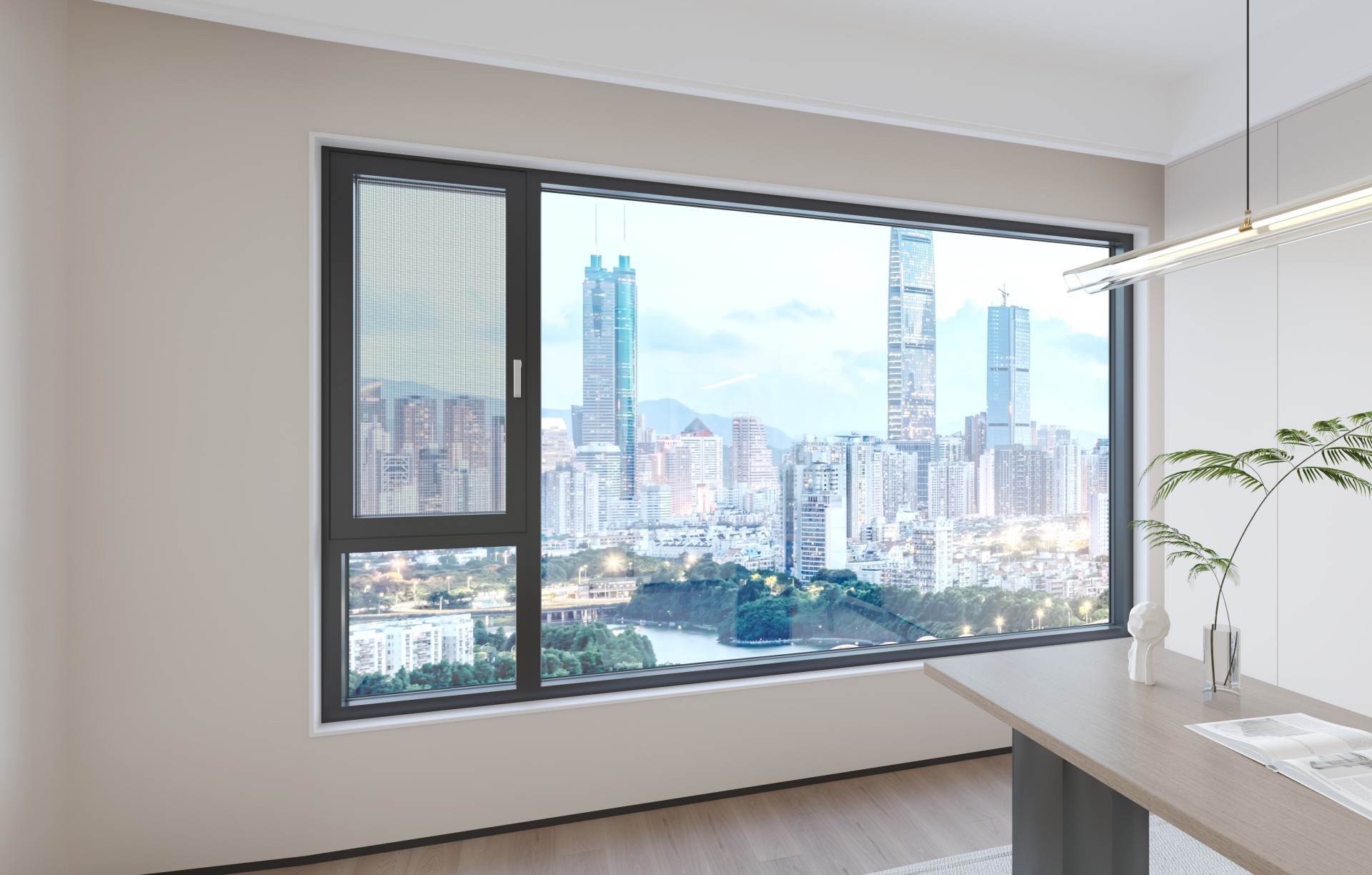
A 60 x 48 window brings a modern look to any space. People love big windows because they let in more light and show off beautiful views. Many homeowners and business owners choose this window for their home or office. Large windows can change how a room feels and make small spaces look much bigger. Choosing the right windows means thinking about key factors like style and fit. Key factors also include how the window works for replacement windows or new projects.
Key Takeaways
A 60 x 48 window makes any room brighter and nicer. It lets in more sunlight and gives great views. Picking the best window type, like sliding or picture windows, changes how a room looks and works. Energy-saving features, like Low-E glass and thermal break technology, help lower energy bills and make rooms more comfortable. Getting the right measurements is very important for a good fit. This helps windows work well and save energy. Custom choices for frame colors and glass types let homeowners make their windows unique and work better.
What Is a 60 x 48 Window?
Standard Dimensions and Uses
A 60 x 48 window stands out as one of the most popular window sizes for both homes and commercial spaces. This window measures 60 inches wide and 48 inches high. People often call it a wide horizontal window. Many designers use this size to create bright rooms with open views. The area of this window reaches about 20 square feet. That means more sunlight and a bigger view compared to smaller window sizes.
You can find this window in living rooms, offices, and retail stores. It fits well in spaces where people want to see outside and enjoy natural light. Builders often choose this size for modern homes and commercial projects. The window works well as a picture window, sliding window, or even a casement window. Each style brings a different look and function. Some homeowners use this window as a centerpiece in their living room. Others place it in a workspace to boost productivity.
Tip: Always check the rough opening before installing a window. Most installers add half an inch to both width and height for a proper fit.
Here is a quick table showing where people use different window sizes:
Window Sizes | Common Uses |
|---|---|
Small window sizes | Bathrooms, hallways |
Medium window sizes | Bedrooms, kitchens |
Large window sizes | Living rooms, offices |
60 x 48 window | Panoramic views, retail |
Why Choose This Window Size
People pick the 60 x 48 window for many reasons. This window size gives a wide view and lets in lots of daylight. Large window sizes make rooms feel bigger and brighter. Homeowners love how this window changes the look of their home. Business owners use it to attract customers and create inviting spaces.
Some window sizes work better for certain rooms. The 60 x 48 window fits well in spaces that need more light and a modern touch. Windows in this size help save energy by reducing the need for artificial lighting. Many windows in this range come with advanced features like thermal break aluminum and Low-E glass. These features improve comfort and performance.
People also like the flexibility of this window size. It works for both new construction and replacement windows. Designers can match it with other window sizes to create unique layouts. The 60 x 48 window stands out as a smart choice for anyone looking to upgrade their windows.
Window Types for 60 x 48 Size
Picking the right window type can change a room a lot. The 60 x 48 window fits with many popular window types. Each type has its own look, use, and good points. Let’s check out the best windows for this size and see what makes them different.
Sliding Window
Sliding windows are good for wide, short spaces. They move left and right on tracks. They do not swing in or out. This is great for rooms with little space or where furniture is close to the wall. People use sliding windows in offices, living rooms, and bedrooms.
Tip: Sliding windows are simple to open and close, which makes them easy to use every day.
Here is a quick table about sliding windows in the 60 x 48 size:
Characteristic | Description |
|---|---|
Suitability | Good for many uses, especially where swinging windows won’t work. |
Ease of Operation | Easy to use and works well. |
Ventilation | Gives good airflow, but not as much as casement windows. |
Compliance with Codes | Must follow local building rules, which may set safety sizes. |
Sliding windows are nice for people who want both sunlight and fresh air. They can also be used as egress windows in basements, so they can be used as emergency exits. Local rules sometimes say what size windows must be for safety, and the 60 x 48 window often fits these rules.
Picture Window
Picture windows make a wall look like a frame for the outside. They do not open, but they let in lots of sunlight and give a clear view. People like picture windows for living rooms, offices, and stores where they want to show off a view or fill the room with light.
Picture windows have big, clear glass that lets in the most sunlight.
They connect the inside to the outside, with no bars or moving parts to block the view.
Their tight seal keeps out cold air and saves energy by holding in heat or cool air.
Picture windows are good for anyone who wants a bright, open room. They also help save energy because they do not have moving parts that can let air leak out.
Casement and Tilt & Turn Window
Casement and tilt & turn windows give more choices for the 60 x 48 size. Casement windows open out like a door. Tilt & turn windows can open two ways—tilting in at the top for gentle air or swinging in like a door for more air.
Here is a table that shows how these two window types are different:
Benefit | Casement Windows | Tilt & Turn Windows |
|---|---|---|
Natural Lighting | Lets in lots of sunlight for a bright room. | Gives good light but maybe not as much. |
Ventilation | Opens wide for lots of fresh air and breeze. | Can tilt for air but may not open all the way. |
Energy Efficiency | Seals tight to stop drafts and save energy. | Also saves energy but can depend on the design. |
Security | Has strong locks for better safety. | Usually safe but can depend on the model. |
Maintenance | Easy to clean because sashes open and tilt. | Harder to clean because of the design. |
Aesthetic Appeal | Looks modern and fits many styles. | Has a flexible look but may not fit all styles. |
Casement windows give the most fresh air because they open wide. Tilt & turn windows let people pick how much air comes in. Both types close tightly, which helps save energy and keeps rooms comfy.
Note: Many people pick casement or tilt & turn windows for bedrooms and basements, especially when they need an egress window that meets safety rules.
When picking window types for a 60 x 48 window, think about what the room needs. Sliding windows are good for easy use and saving space. Picture windows are best when the view is important. Casement and tilt & turn windows are great for fresh air and saving energy. With these choices, homeowners and buyers can find the right window for any room.
Window Materials and Performance
Aluminum Frame Advantages
Lots of people pick aluminum for window frames. This is true for big windows like the 60 x 48 window. Aluminum frames have many good points:
Aluminum lasts a long time. It can handle bad weather like strong winds and hail. This helps the window stay strong for years.
Builders can make custom shapes with aluminum. Architects can match different styles and layouts.
Aluminum frames are easy to care for. The powder-coated finish stops rust. You only need to clean it sometimes.
Aluminum frames can hold big glass areas. Large windows stay strong and do not bend.
Aluminum frames help people get strong windows for their homes or businesses.
Glass Options and Features
Picking the right glass changes how windows work. Here is a table that shows common glass types for the 60 x 48 window and their features:
Glass Type | Description | Energy Efficiency Impact | Safety Features |
|---|---|---|---|
Single-pane | Basic glass, not much insulation | Low insulation, not good for saving energy | Breaks easily |
Double-pane | Two layers with a sealed space | Makes insulation much better | Stronger than single-pane |
Triple-pane | Three layers for the best insulation | Highest efficiency, blocks most UV rays | Very strong |
Low-E glass | Coated glass that reflects heat and blocks UV | Keeps indoor temperatures steady | Protects rooms from UV rays |
Low-E glass and triple-pane glass help save energy. They also protect rooms from UV rays. Double-pane glass works well for most homes and offices.
Sealing and Hardware
Good sealing and hardware make windows work better. The best windows use strong screw connections for more strength. Four sealing strips on each panel keep air, sound, and heat from leaking. These features help the window stay airtight and quiet. They also improve thermal insulation. People notice more comfort and lower energy bills. Strong hardware supports heavy glass and keeps windows safe.
Energy Efficiency and Ratings
Thermal Break Technology
Thermal break technology helps windows save energy. Aluminum windows with a thermal break have a barrier inside. This barrier stops heat from moving in or out. Rooms stay warmer in winter and cooler in summer. Builders use thermal break aluminum for top windows in homes and offices. These windows help lower heating and cooling bills. Many people pick a 60 x 48 window with thermal break for more comfort and savings.
Note: Thermal break windows also stop condensation. This keeps the window frame dry and helps prevent mold.
Low-E Glass Benefits
Low-E glass means low-emissivity glass. It has a thin coating that reflects heat and blocks UV rays. Rooms with Low-E glass feel comfortable all year. Furniture and floors do not fade as much because UV rays cannot get through. Low-E glass makes windows save more energy. It keeps heat inside in winter and outside in summer. Many energy efficient windows use Low-E glass to work better.
Here is a quick list of Low-E glass benefits:
Keeps indoor temperatures steady
Reduces glare and UV damage
Helps lower energy bills
Works well in both homes and offices
Understanding Performance Labels
Performance labels show how well windows save energy. These labels use numbers like U-value and R-value. U-value measures how much heat escapes through the window. Lower U-value means the window saves more energy. R-value shows how well the window keeps heat inside. Higher R-value means better insulation.
Check out this table for common window types and their ratings:
Window Type | U-value (heat loss rate) | R-value (insulating value) |
|---|---|---|
Double-pane | U-0.30 | R-3 |
High-performance double-pane | U-0.23 | R-4 |
Triple-pane | U-0.20 | R-5 |
Super-insulated | U-0.10 | R-10 |
Energy-efficient windows with low U-value and high R-value help cut utility costs. Homeowners and business owners look for these ratings when picking windows. Choosing energy efficient windows for a 60 x 48 window can make a big impact on comfort and savings.
Measuring and Fitting Your Window
How to Measure for a 60 x 48 Window
Measuring for a new window sounds simple, but accuracy matters. Homeowners often want the best windows for their space, so they need to start with the right numbers. Here’s a step-by-step guide to help anyone measure for a 60 x 48 window:
Remove any trim strips or parting beads from the opening. This gives a clear view of the space.
Measure the width at three spots: the top, the middle, and the bottom. Write down the smallest number.
Measure the height at three spots: the left side, the middle, and the right side. Again, use the smallest number.
Check the depth by measuring from the inside edge to the back surface of the trim or wall.
Learn the difference between the rough opening and the actual window size. The rough opening is usually a bit bigger to allow for adjustments.
Double-check all measurements before ordering the window.
Tip: Always measure twice. Mistakes can lead to wasted time and money.
Ensuring Proper Fit
Getting the fit right makes a big difference. If windows do not fit well, they can cause energy loss and weaken the structure. A rough opening that is too large leaves gaps that are hard to seal. This can let air leak in and out, making rooms less comfortable and raising energy bills. Windows that sag or shift may not last as long. In areas with strong storms, a loose window can fail to protect the home.
A table can help show what happens when windows fit well versus when they do not:
Fit Quality | Comfort Level | Energy Efficiency | Structural Strength |
|---|---|---|---|
Proper Fit | High | High | Strong |
Poor Fit | Low | Low | Weak |
People who want the best windows should always check their measurements and ask for help if needed. A window that fits perfectly will look great, work well, and keep the home safe.
Customization Options for Windows
Every house or office looks different. People want their windows to match their space. Custom options help make each window special. The right choices can also help the window work better and look nicer.
Frame Colors and Finishes
Homeowners and business owners can pick from many frame colors. Some people like white. Others pick black, bronze, or silver. Powder-coated finishes help the window stay nice for a long time. These finishes also stop scratches and fading.
Custom frame colors help match the window to any room.
Special finishes can make the window shiny or flat.
Some windows have wood-grain finishes for a warm look.
Custom sizes like 60 x 48 fit special places and help with bad weather.
The right size and finish can save energy and keep rooms comfy.
Tip: Custom windows with the right finish can change both style and how well the window works.
Glass and Hardware Choices
Picking the right glass and hardware changes how windows work. Some people want more sunlight. Others want better insulation or more safety. The best windows give lots of choices for glass and hardware.
Feature | Description |
|---|---|
Size | 60″ x 48″ Rough Opening |
Type | 5000 Series EZ Trim Flush Fin White Vinyl Low-E Sliding Remodel Window with Grids |
Glass | High performance energy efficient dual pane window features Low-E over clear insulated glass. |
Frame | Modern multi-chambered vinyl frame for durability, insulation, and low maintenance. |
Installation | Designed for easy upgrades, remodels, and replacements. |
Warranty | Manufacturer’s Limited Lifetime Warranty |
Custom glass choices include double-pane, triple-pane, and Low-E glass. These choices help save energy and keep rooms quiet. Hardware choices like multi-point locks make windows safer. Custom hardware can also make windows easier to use.
People who want the best windows should check all these custom options. The right mix of color, finish, glass, and hardware can make any window just right for the space.
Installation and Project Support
Professional vs. DIY Installation
Who puts in your window is important. Some people want to save money and do it themselves. Others hire experts to do the work. Both ways have good and bad points. Here is a table that shows the main ideas:
Installation Method | Advantages | Disadvantages |
|---|---|---|
DIY Installation | Cost savings, flexible timing, good for skilled people | Risk of mistakes, possible water damage, may void warranties |
Expert work, warranty on labor, cleanup included | Higher cost, less control over schedule |
Many people pick pros for big windows. They want the job done right and to feel safe. Large windows need special tools and skills. Experts can move heavy glass and make sure it fits well.
What to Expect During Installation
People want to know what happens when windows get put in. It usually takes a few hours for one window. If you need lots of windows, it can take days. The time depends on how many windows you have and if walls need fixing. Homeowners should ask how long the job will take.
Here is what happens most of the time:
Workers come and get the area ready.
They take out the old window and check the space.
The new window goes in and gets sealed.
They finish the trim and clean up.
Sometimes, there are extra costs. You might need to fix walls, paint, or throw away old stuff. It is smart to ask for a full price and about any extra charges.
Tip: Good workers keep things clean and protect your home while they work.
Project Consultation and Support
Big window jobs can feel hard to handle. Many companies help by giving advice and planning tips. They answer questions and look at your drawings. They help you pick the best windows for each room. Technical support helps with hard choices, like picking glass or hardware. After you buy, support teams can help fix or adjust windows.
People who want the best should pick companies that help from start to finish. Good support makes things easier and helps windows last longer.
Cost, Warranty, and Value
Price Factors for 60 x 48 Windows
Many people want to know what makes the cost of a 60 x 48 window go up or down. The size of this window means it needs strong frames and special installation. Bigger windows often start at $1,500 and can go over $3,000, especially if someone picks premium materials. The type of window matters too. Some types, like bay or bow windows, usually cost more than simple sliding or picture windows.
The material of the frame changes the cost. Vinyl frames often cost less than wood or fiberglass. Aluminum frames give strength and last a long time, but they may cost more than basic vinyl. The glass inside the window also affects the price. Double glazing is common and helps with insulation. Triple glazing adds another layer, blocks more noise, and keeps rooms warmer or cooler, but it raises the cost.
Customization adds to the final cost. If someone wants a special color, a woodgrain finish, or a non-standard size, the cost will go up. Features like operable panes, energy-efficient glass, and special hardware also add to the price. People who want the best windows for their home or office often choose these upgrades for comfort and savings on energy bills.
Tip: When shopping for replacement windows, ask about all the options. Each choice can change the cost and how the window works in your space.
Warranty and Long-Term Maintenance
A good warranty gives peace of mind. Most window makers offer warranties that cover the frame, glass, and hardware for many years. Some even cover the window for life. Homeowners should read the warranty details to know what is included. A strong warranty means the company trusts its windows to last.
Long-term maintenance also matters. Aluminum and vinyl windows need little care. People just clean them with soap and water. Wood frames may need painting or sealing every few years, which adds to the cost over time. Energy-efficient glass and strong seals help windows last longer and keep the home comfortable.
Choosing windows with a good warranty and low maintenance saves money in the long run. People who pick the right window enjoy comfort, style, and value for many years.
Applications of 60 x 48 Windows
Residential Uses
Many homeowners want a window that brings more light and a bigger view into their space. The 60 x 48 window fits well in living rooms, dining areas, and even bedrooms. People often place this window in spots where they want to see the outdoors or enjoy natural sunlight. He can use it as a picture window to frame a garden or backyard. She might choose it for a sliding window in a family room to let in fresh air.
Some families look for residential window options that help their home feel open and bright. The best windows for a house often include this size because it makes rooms feel larger. They can match the window with other windows to create a unique look. Kids like sitting near these windows to read or play. Parents enjoy the view and the warmth from the sun.
Tip: A 60 x 48 window can make a small room feel much bigger and more inviting.
Commercial and Mixed-Use Projects
Business owners and developers use 60 x 48 windows in offices, retail stores, and apartment buildings. These windows help create a modern look and attract customers. He can install a window in a shop to show off products and let in daylight. She might use windows in a hotel lobby to welcome guests with a bright, open space.
Many commercial spaces need windows that offer both style and performance. The 60 x 48 window works well for mixed-use projects, like apartment complexes with retail on the ground floor. Builders choose this window for its strength and easy maintenance. They can customize the window to fit the needs of each project.
Here is a quick table showing where people use 60 x 48 windows:
Application | Common Placement |
|---|---|
Home | Living room, bedroom |
Office | Conference room, facade |
Retail | Storefront, display |
Apartment | Lounge, hallway |
People see the value in using the best windows for both homes and businesses. The 60 x 48 window stands out as a smart choice for many projects.
Picking a window means thinking about style and material. You also need to check energy efficiency, fit, and how it will be installed. It is smart to compare windows to find the best one. The best windows make rooms brighter and more comfy. People can ask an expert for help or advice. They can get prices, look at what their project needs, or plan a meeting to talk about new windows.
FAQ
What makes a 60 x 48 window a good choice for homes?
He gets more sunlight and a wide view with this window. Many people like how it makes rooms feel bigger. This window fits well in living rooms, bedrooms, and offices.
Can someone use these windows for both new builds and replacements?
Yes, they can. These windows work for new construction and for replacing old ones. He should measure the opening first to make sure the window fits well.
How does a window with Low-E glass help?
Low-E glass keeps rooms comfortable. It blocks heat and UV rays. This window helps save energy and protects furniture from fading.
Do these windows need a lot of care?
No, they do not. Most windows with aluminum frames need little upkeep. He can clean the window with soap and water. The finish stays nice for years.
Who should install a large window like this?
A professional should install a large window. They have the right tools and skills. This keeps the window safe and makes sure it works well.