On large-scale projects, small performance gaps rarely stay small for long. A weakness that looks minor in one opening can turn into a much larger cost issue when it is repeated across several other doors in a building. That is one reason door performance deserves more attention than it often gets during design and procurement.
A door package that performs inconsistently, leaks air, or fails to hold up in operation can create costs that are easy to underestimate during procurement and much harder to correct later.
Understanding where those long-term costs come from, what should actually be evaluated, and how project teams can make better specification decisions is what separates short-term savings from real lifecycle value.
Why Door Performance Matters More on Large Projects
Scale changes the meaning of poor performance. On a small project, one underperforming door may be a localised problem. On a larger project, repeated across many openings, the same weakness becomes a broader building issue.
Small weaknesses become building-wide issues
Repeated air leakage, thermal loss, and weak sealing can add up quickly. A minor perimeter weakness may not seem serious when viewed in isolation, but once it appears across many similar openings, the cumulative effect becomes much more measurable. This is especially true on projects that rely on standardised door packages repeated floor after floor or unit after unit.
One good test result is not enough. You need the door system to work just as well in every opening across the project.
The real cost appears after occupancy
Door packages are not judged only on installation day. They are judged over years of operation. That is when the real cost picture starts to show. A system that looked economical during procurement may become much less attractive if it causes energy waste, comfort complaints, repeated service issues, or premature deterioration after the building is occupied.
That is why long-term value matters more than initial appearance or unit price alone. Good performance at scale is what protects the project over time.
Where Long-Term Costs Usually Come From
When door systems underperform, the cost does not show up in only one place. Energy bills are part of the picture, but they are not the whole story. On large-scale projects, poor door performance can create several overlapping cost issues.
Direct energy loss at the opening
One of the clearest cost areas is direct energy loss. Poorly performing doors allow more unwanted heat transfer and air leakage at the perimeter. That means the building loses more conditioned air during normal operation, and indoor conditions become harder to maintain efficiently.
On large projects, where many openings are exposed to the same weather conditions and operating patterns, those small losses repeat constantly. Over time, that can become a meaningful operating cost, especially in buildings that run heating or cooling systems year-round.
Higher peak loads and more HVAC pressure
Weak door performance does not only affect monthly energy use. It can also increase the load the mechanical system needs to handle during hotter or colder periods. If the building’s outer door is losing more energy through repeated openings, the HVAC system must work harder to hold target conditions near perimeter zones and heavily used access points.
That can affect equipment sizing, runtime patterns, and how much strain is placed on the wider system. On large buildings, those pressures matter because they influence long-term operating efficiency and how effectively the building maintains comfort under peak conditions.
More occupant complaints and facilities intervention
Discomfort near entrances, balconies, corridors, and other perimeter zones often leads to complaints. Tenants may notice drafts. Guests may feel hot or cold near glazed openings. Staff may report uneven temperatures in repeated areas of the building. These are not always treated as door problems initially, but weak door performance is often part of the cause.
Facilities’ teams then spend more time responding, investigating, adjusting controls, and dealing with issues that could have been reduced through better opening performance in the first place. That ongoing attention has a cost, even if it does not appear as a simple line item in the energy budget.
Moisture and condensation-related issues
If the door system is poorly matched to the climate or lacks adequate thermal performance, condensation can become a problem around frames, glazing, and adjacent finishes. Over time, this can lead to staining, finish deterioration, corrosion, and other avoidable repair work.
This becomes important on projects where appearance, durability, and long-term finish quality matter. Moisture-related problems rarely stay confined to the door itself. They can affect surrounding materials and increase maintenance pressure across the wider envelope interface.
Ongoing maintenance and shorter service life
Lower-performing assemblies often create more wear-related problems over time. Failed seals, alignment issues, and repeated service calls become more likely when the system is not robust enough for real operating conditions. A lower-cost package may pass initial review, but if it cannot maintain performance under traffic, exposure, and repeated use, it often becomes more expensive in operation than it first appeared.
On large projects, repeated maintenance demands across many openings can add up quickly. This is where lifecycle value becomes much easier to see.
What to Evaluate in an Energy-Efficient Door System

Energy efficiency is not the result of one strong feature in isolation. It comes from the performance of the whole assembly working together.
Thermal performance
Thermal performance is one of the first areas teams usually examine, and rightly so. Insulation, thermal breaks, and glazing are the core factors that affect heat transfer through the assembly. Better thermal performance supports more stable indoor conditions and reduces the amount of energy needed to maintain them.
That does not mean every project needs the same specification. It means the door should be evaluated as part of the thermal strategy for the building rather than as a visually acceptable opening with a basic rating attached to it.
Air leakage control
Airtightness matters just as much as insulation. Even a well-insulated system can underperform if too much air moves through or around the assembly. Air leakage affects comfort, energy efficiency, and the consistency of conditions near the opening. It is one of the most overlooked reasons a door package can perform worse in use than it looked on paper.
Glazing and solar control
Glass choice also matters. Double or triple glazing, Low-E coatings, and project-appropriate solar control all influence how the door handles heat loss and unwanted solar gain. The right glazing balance depends on climate, orientation, and exposure. A heavily glazed opening in one location may need a very different strategy from an opening facing different conditions elsewhere on the same project.
Whole-assembly performance
Frame, glass, seals, thresholds, hardware, and installation all affect the result. This is why project teams should focus on whole-assembly performance rather than isolated material claims. A strong glazing specification does not automatically mean the full door will perform well. Likewise, a good frame alone cannot rescue a weak overall assembly.
Tested ratings and code requirements
Teams should also look at actual performance data rather than relying too heavily on broad marketing language. U-factor, SHGC, and air leakage figures help compare systems more meaningfully. They create a clearer basis for evaluation and help keep discussions tied to measurable performance rather than assumption.
Code compliance matters, but it should be treated as the baseline. Meeting minimum requirements is not always the same as delivering strong long-term value.
The Right Specification Depends on the Project
There is no single door package that suits every large building equally well. The right system depends on climate, exposure, traffic, opening type, and how the building is used day to day.
Climate changes what good performance looks like
The right balance of thermal resistance and solar control changes with location. A system that performs well in one climate may be the wrong fit elsewhere. Heat, cold, humidity, seasonal swings, and solar exposure all influence what level of performance is needed and where the project’s biggest risks are likely to appear.
Building type affects performance priorities
Different sectors also place different demands on door systems. Residential projects may focus heavily on comfort and repeated unit performance. Hospitality projects may prioritise guest experience, balcony door performance, and appearance over time. Healthcare and education buildings may care even more about durability, comfort stability, and ongoing operational control. Office buildings often combine higher traffic with strong expectations around thermal consistency and façade performance.
Opening type changes the performance demand
Main entrances, repeated unit doors, balcony doors, service openings, and shared-area access points should not all be treated the same way. Different door locations experience different levels of traffic, pressure, exposure, and maintenance demand. The performance strategy should reflect that.
Repetition makes consistency essential
On large projects, one strong sample is not enough. The selected system has to deliver repeatable performance across many similar openings. That consistency is one of the main reasons selection discipline matters so much more at scale than it does on smaller jobs.
Why Detailing and Installation Matter as Much as the Product
Even a strong product can underperform if it is poorly coordinated or badly installed.
The interface with the wall matters
Air leakage, thermal bridging, and water intrusion often happen at transitions rather than through the centre of the door itself. That is why perimeter detailing matters so much. If the assembly is expected to perform properly, the interface with the surrounding wall must be treated as part of the performance strategy.
Thermal continuity must be protected
The door should work as part of the wider envelope, not as a disconnected element. Weak transition details can reduce the value of a strong product specification. The project does not benefit fully from a high-performing door if the surrounding interface allows the same performance problems to reappear.
Coordination before installation is essential
A good system can still fail if tolerances, interfaces, sequencing, and responsibilities are not clearly coordinated. Larger projects require alignment between specification, detailing, procurement, and field installation. Without that alignment, field performance can drift away from the design intent very quickly.
Buildability affects long-term results
If a system is difficult to install correctly at scale, long-term performance risk increases. Practical, repeatable detailing matters, especially on projects with many similar openings or complex façade conditions. The easier a system is to coordinate and install properly, the more likely it is to deliver what the design team intended.
Where Poor Door Performance Has the Biggest Impact
Not every opening carries the same level of risk. Some locations deserve stronger scrutiny because the long-term consequences of weak performance are higher.
Main entrances and high-traffic openings
Frequent cycling increases infiltration risk and adds wear. Entrance strategy matters here just as much as the door itself. Openings that see constant use need stronger attention to sealing, durability, and real operating performance.
Large glazed door systems
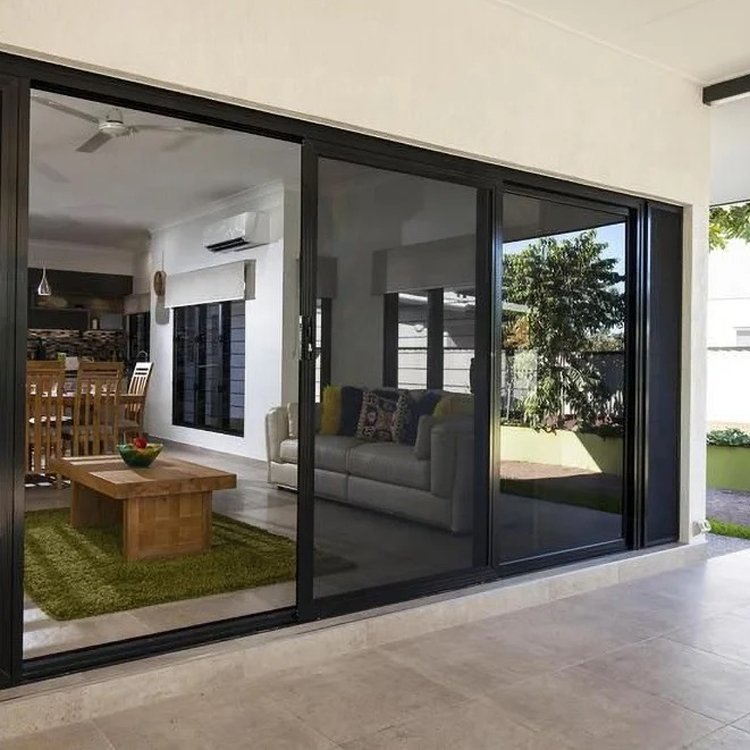
Sliding, folding, and other large glazed openings can create much bigger performance consequences if they are poorly specified. Larger spans place more pressure on frame design, sealing strategy, and glazing selection. A weak decision here can affect comfort, energy control, and maintenance more noticeably than a smaller opening would.
Repeated exterior doors across the project
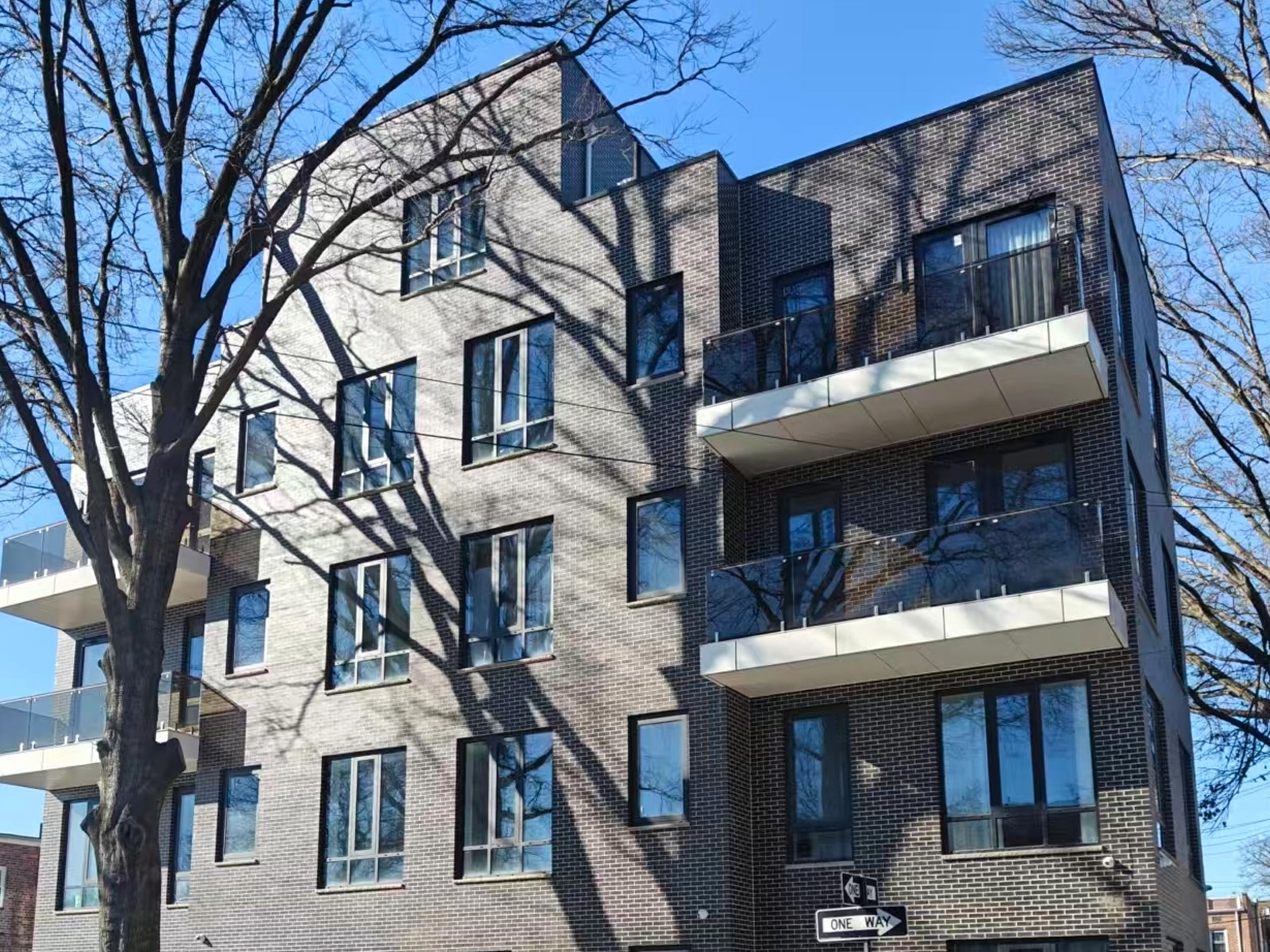
In multi-unit housing and hospitality projects, repeated openings can turn small weaknesses into a widespread issue. This is where lifecycle value becomes especially visible, because repetition multiplies the cost of every mistake.
Service and back-of-house openings
These are often under-prioritised, but poor sealing and weak detailing here can still create meaningful energy loss and maintenance burden. Just because an opening is less visible does not mean its performance matters less.
Common Specification Mistakes That Increase Long-Term Costs
Many avoidable problems come from treating doors as minor accessories rather than performance-critical assemblies.
Focusing too heavily on upfront cost
Lower initial price can hide higher lifecycle cost. If a system saves money at procurement but creates higher operating losses, more complaints, and more maintenance, the original saving often proves misleading.
Overlooking air leakage because the thermal spec looks strong
A good insulation or glazing specification does not automatically mean the door will perform well in the field. Airtightness still needs attention.
Treating similar-looking systems as if they perform the same way
Comparable appearance does not guarantee comparable performance. Project teams should not assume two visually similar products will deliver the same long-term value.
Failing to match the system to project conditions
Climate, traffic, exposure, and opening type all matter. A system that is fine in one setting may be entirely wrong in another.
Leaving verification too late
If performance review, coordination, and testing happen too late, problems become harder and more expensive to correct. Stronger decisions are usually made earlier, not later.
Conclusion
Door performance has a much bigger long-term impact than it is often given credit for. On large-scale projects, repeated openings magnify every weakness, which means small specification gaps can turn into measurable cost pressure over time.
That is why energy-efficient doors should not be treated as an optional upgrade or a box-ticking compliance item. When long-term building performance matters, they represent a more disciplined and more cost-aware project decision.
If your project needs door systems that support long-term performance rather than just short-term procurement targets, Derchi can help you evaluate solutions with energy efficiency, durability, and large-scale project demands in mind. The right door package should do more than fill the opening of the building. It should help protect how the building performs over time.