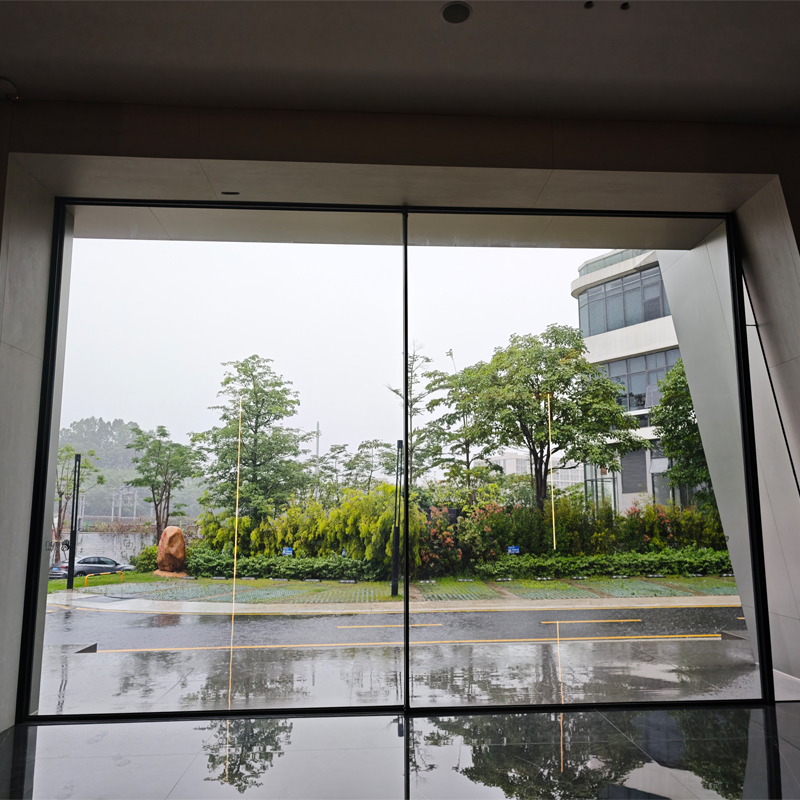
Property owners often struggle to balance natural glass light with overall energy efficiency in modern home design. Standard openings allow heat loss, driving up monthly power bills.
Savings Metric | Estimated Reduction |
|---|---|
Annual Dollar Savings | $150 – $400 per door |
Summer Cooling Cost Reduction | 20% – 35% |
A high-performance modern glass door offers a seamless solution for modern homes. Advanced engineering transforms every door into a smart, energy-saving investment. Ultimately, these modern doors deliver effortless indoor-outdoor flow without sacrificing comfort or wasting valuable energy.
Key Takeaways
Modern energy-efficient glass doors save homeowners up to four hundred dollars on yearly energy bills.
Low-E glass coatings and argon gas layers block outdoor heat to keep indoor temperatures comfortable.
Thermally broken aluminum frames provide strong support and resist harsh weather for up to sixty years.
Advanced door styles like sliding and bifold systems maximize natural sunlight and save interior floor space.
Professional installation ensures tight perimeter seals that prevent air leaks and maintain long-term door performance.
Energy-Efficient Technologies in Modern Glass Door Systems
Advanced engineering elevates how modern doors regulate interior temperatures. Homeowners gain maximum comfort and lower operating costs through key energy-efficient features.
Low-E Glass and Multi-Pane Thermal Insulation
Microscopic metal layers form low-e coatings on glass surfaces. These coatings reflect infrared heat away from homes while allowing natural sunlight to pass through.
Glass Type / Coating | Solar Heat Gain Coefficient (SHGC) | Solar Heat Blocked (%) |
|---|---|---|
Untreated Standard Glass | ~0.80 | ~20% |
Solar Control Low-E Coatings | 0.20 - 0.40 | 60% - 80% |
Insulated glass units combine multiple panes to slow heat transfer. Upgrading from standard options to double-paned glass creates a strong protective barrier. Furthermore, double-paned glass outperforms single-pane units in every climate zone. Adding a third pane boosts thermal insulation even further, providing up to an R-8 rating and reducing heating expenses by 3%.
Argon Gas Fills and Infiltration Barriers
Noble gas fills enhance thermal insulation across glass units. Manufacturers inject dense argon gas into sealed cavities between glass layers. Argon conducts far less heat than air. This dual-cavity configuration creates independent zones of convective suppression, drastically reducing heat transfer through the modern glass door system.
Key Fact: Argon gas fills feature a thermal conductivity of 0.017 W/m·K compared to 0.026 W/m·K for standard air.
Thermally Broken Frame Construction
Strong frame construction completes the overall energy efficiency of modern doors. Aluminum frames without thermal barriers easily conduct heat. Derchi window and door solves this thermal bridge with premium engineering.
Derchi utilizes thermally broken 6063-T5 aluminum profiles. A non-conductive polyamide strip separates the interior and exterior metal frames. This design delivers superior energy efficiency across every opening door.
U-Factor Ratings: 0.27 – 0.32
SHGC Performance: 0.22 – 0.25
Structural Durability: High-tensile 6063-T5 aluminum alloy
This engineering precision guarantees overall system efficiency while maintaining sleek architectural aesthetics.
Choosing Stylish Glass Doors for Modern Spaces
Architects transform residential and commercial layouts using a modern glass door system. These elegant solutions blend daylighting with structural integrity.
Modern Sliding and Lift-Slide Systems
Homeowners elevate modern patio doors by choosing high-performance sliding glass doors. Standard sliding glass doors rest directly on tracks. In contrast, lift-slide systems raise panels to eliminate track friction during movement.
Functional Category | Standard Sliding Glass Doors | Lift-and-Slide Systems |
|---|---|---|
Weight Capacity | Supports 100–200 kg | Supports 600+ kg |
Sealing Mechanism | Sliding overlap seals | Perimeter compression seals |
Lowering the handle drops the panel to compress weather seals tightly. European-style clamping prevents air leakage, giving modern doors superior weather resistance. High-capacity sliding glass doors effortlessly move heavy insulated glass panes. Premium modern patio doors connect indoor rooms to outdoor patios seamlessly. These sliding glass doors feature slim profiles, and modern sliding glass doors improve home efficiency.
Optimizing Spaces with Bifold and Folding Systems
Bifold systems fold completely to expand living zones. These modern doors create wide openings for entertaining. Inside rooms, designers install modern barn doors to save valuable space. Smooth modern barn doors glide along top tracks without taking up floor clearance. Both options display a sleek full glass aesthetic that maximizes natural light.
Architectural Pivot and Contemporary French Doors
Grand modern entry doors make powerful design statements. Heavy pivot hardware distributes structural weight directly to the floor. High-strength 6063-T5 aluminum framing stabilizes large panels weighing up to 300 kg. Multi-point locks on modern entry doors enhance security.
Meanwhile, modern french doors deliver classic charm with modern sealing technology. Latched modern french doors compress tight gaskets to block drafts effectively. Every door frame holds energy-efficient tempered glass panels to reduce heat loss. Each door panel operates smoothly while a custom door optimizes airflow. Proper door hardware ensures long-term performance. Ultimately, modern doors elevate building value while modern doors provide lasting comfort. Modern doors transform properties into bright spaces.
Frame Materials and Custom Engineering
Derchi Window and Door Solutions for Energy-Efficient Glass Doors
Derchi window and door sets the benchmark for custom commercial and residential aluminum systems. Engineers design every modern glass door system to meet rigorous global standards. The brand holds NFRC certification alongside ISO 9001, CE, AS2047, CSA, and PVDF credentials. Xinhua News Agency also recognized Derchi with the China Famous Brand Certification. Backed by 42 in-house quality tests, these systems deliver exceptional energy savings for modern doors in high-end developments.
Thermally Broken Aluminum vs. Alternative Frames
Frame materials directly influence long-term structural integrity and maintenance costs. Thermally broken aluminum outperforms traditional frame materials in every severe weather environment.
Frame Material | Expected Lifespan | Maintenance Level | Key Maintenance Details |
|---|---|---|---|
Thermally Broken Aluminum | 40–60 years | Low / Minimal | Surface powder coatings endure for decades without touch-ups. |
uPVC | 25–40 years | Low / Minimal | Needs minimal upkeep, though intense sun causes warping. |
Wood | 30–50 years | High | Demands refinishing every 3 to 7 years to prevent rot. |
Architects choose modern doors with aluminum frames to eliminate rust, swelling, and thermal failure over time.
Acoustic and Weatherproofing Capabilities
Derchi utilizes a patented six-point locking system across every custom door frame. This hardware distributes six locking points around all four sides of the door sash. This uniform seal maximizes weather tightness, prevents air leakage, and stops water infiltration during heavy storms.
Acoustic Note: High-performance acoustic glass options achieve noise reduction ratings between 30–35 dB, reaching up to 42 dB sound isolation in busy urban zones.
These systems protect property owners from forced entry while creating peaceful interior spaces. Choosing modern doors with multi-point locks ensures durable perimeter sealing. Homeowners can install these systems as modern entry doors to maximize overall building value.
Buyer's Guide and Installation Standards
Smart property owners evaluate official certifications before purchasing new entry systems. Rigorous testing guarantees real structural durability and long-term cost savings.
Evaluating NFRC, ENERGY STAR, and Global Certifications
The National Fenestration Rating Council provides verified performance data for modern doors. Buyers check NFRC labels to analyze essential energy-efficient features across different manufacturing brands:
Standardized Measurement Scale: Provides a uniform rating framework that allows direct comparisons of performance characteristics across various manufacturers.
Multiple Performance Categories: Evaluates specific performance metrics such as U-Factor, Solar Heat Gain Coefficient (SHGC), Air Leakage, Visible Transmittance, and Condensation Resistance.
Configuration-Specific Breakdown: Details performance levels based on a product's precise components and setup, enabling accurate brand-to-brand evaluations.
Homeowners secure substantial Utility bill rebates by choosing an energy-star rated product. Strict testing protocols define optimal energy efficiency ratings across severe climate zones.
Door Category / Glass Amount | Required U-Factor | Required SHGC (Northern Climate Zone) |
|---|---|---|
Doors with ~50% Glass | ≤ 0.25 | ≤ 0.25 |
Doors with >50% Glass | ≤ 0.30 | ≤ 0.25 |
Investing in energy-star rated products guarantees lower heating bills and protects indoor comfort year-round.
Precision Installation for Long-Term Thermal Performance
Even high-performance modern doors fail without proper field installation. Certified technicians execute precise perimeter flashing, structural anchoring, and continuous expansion foam insulation. Perfect leveling prevents frame distortion over decades of heavy daily operation.
Professional Tip: Factory-certified installers eliminate structural air leaks around every door frame, maximizing total thermal performance and protecting your long-term return on investment.
Expert installers secure the rough opening and preserve energy efficiency. Proper sealing blocks moisture penetration and eliminates cold drafts completely. Selecting professional installation teams ensures flawless operation for every custom door system.
High-performance glass systems combine architectural beauty, smooth operation, and superior thermal control. Installing a modern glass door elevates property value while lowering heating costs. Premium modern doors deliver ultimate security through multi-point locking hardware. Homeowners maximize energy efficiency and gain substantial long-term financial returns. Property owners should consult certified experts at Derchi window and door today for tailored system solutions.
FAQ
How much money do energy-efficient modern doors save on utility bills?
Property owners save between $150 and $400 annually on energy bills. High-performance modern doors feature multi-pane low-E glass and argon gas fills. These advanced systems cut summer cooling expenses by up to 35 percent.
Quick Fact: Solar control low-E coatings block up to 80% of unwanted infrared solar heat.
Are sliding glass doors effective at blocking outdoor noise?
Premium sliding glass doors drastically reduce sound transmission in busy urban areas. Specialized acoustic glass units achieve noise isolation ratings between 30 and 35 dB. Property owners enjoy quieter indoor spaces and superior thermal insulation simultaneously.
What makes an energy-star rated system better than standard options?
An energy-star rated product meets strict national thermal performance standards. Independent testing proves superior resistance against heat gain and cold air drafts. Building owners lower their carbon footprint while securing potential utility company rebates.
Can high-performance sliding glass doors withstand extreme weather conditions?
High-grade aluminum sliding glass doors resist wind pressure up to 5 kPa and water infiltration up to 700 Pa. Continuous weather gaskets protect commercial and residential properties against severe storms.
Why should buyers choose a thermally broken frame for an entry door?
Thermally broken aluminum frames prevent heat loss through strong internal insulation barriers. This custom entry door resists rust, warping, and structural damage for over 40 years.