

Product Details
The DERCHI mobile home sliding glass door integrates thermal break aluminum framing with double-glazed tempered glass, creating a resilient barrier against extreme weather and temperature transfer. Engineered for both residential and commercial environments, this system addresses the specific demands of manufactured housing and coastal properties where wind resistance and energy efficiency are critical priorities.
The thermal break technology within the aluminum profile creates an insulating barrier that may substantially reduce heat transfer compared to standard non-thermal frames. Designed to withstand high winds and flying debris, the door maintains structural integrity in storm-prone regions. A 30-minute fire resistance rating under EN 13501-2 adds another layer of safety compliance for commercial projects.
Buyers evaluating this mobile home sliding glass door should confirm exact opening dimensions, preferred model tier, glass configuration, and local building code compliance before placing an order to ensure proper specification and installation.
Product Features
Thermal Break Aluminum Frame: The frame incorporates a polyamide insulating barrier within the aluminum profile, which may reduce heat transfer substantially compared to standard non-thermal aluminum doors. This construction helps maintain indoor temperatures and can contribute to lower energy consumption. For buyers sourcing a mobile home sliding glass door, the thermal break design addresses insulation challenges common in manufactured housing where wall cavities are narrower and thermal efficiency is paramount.
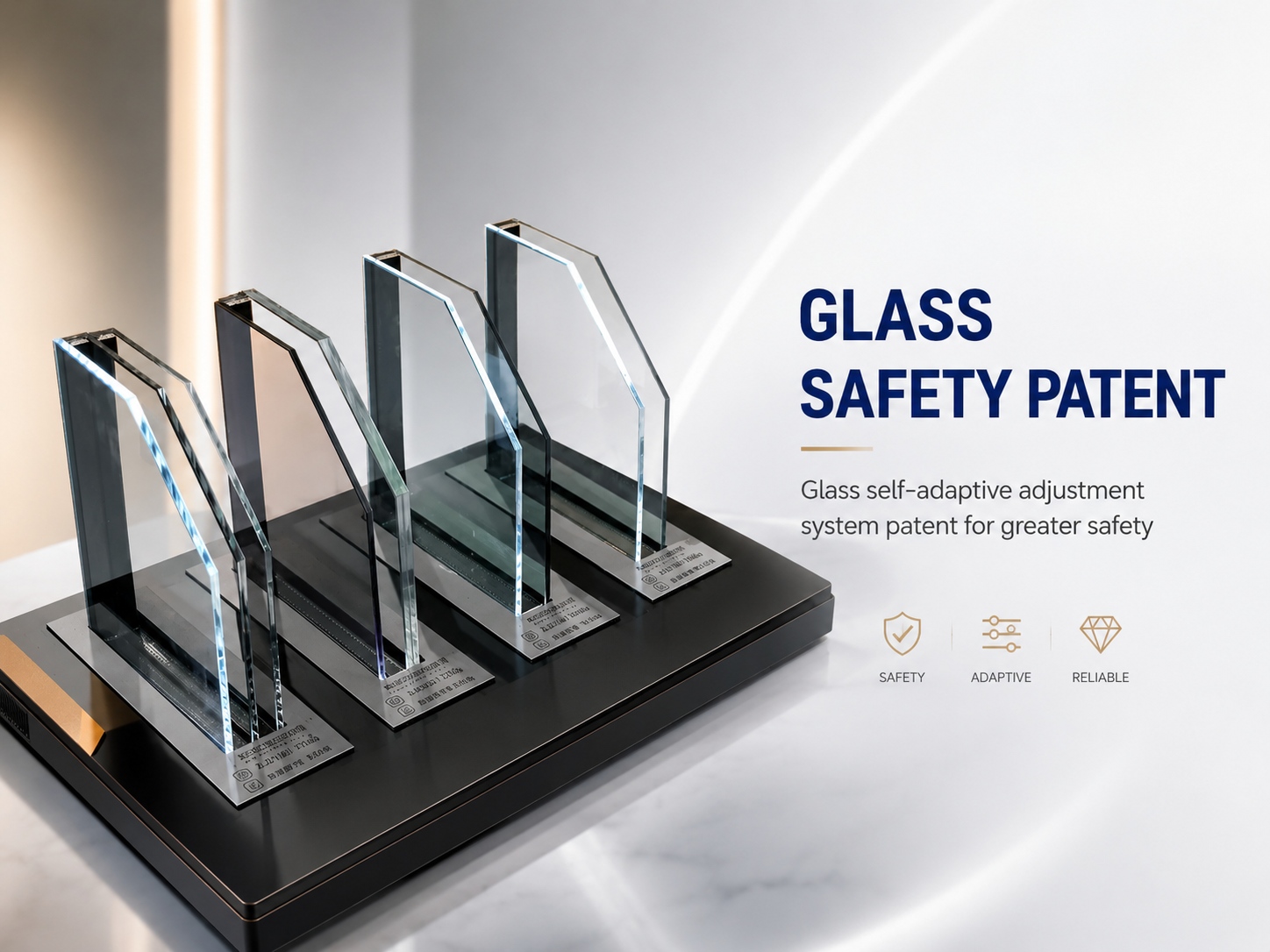
Double-Glazed Tempered Glass: Two panes of tempered safety glass form an insulating unit providing enhanced durability and thermal performance. The double-glazed configuration may offer improved sound insulation compared to single-pane alternatives, benefiting properties near busy roads or commercial zones. Buyers should confirm the specific glass thickness and gap width required for their project's thermal and acoustic performance targets.
Hurricane Impact Resistance: Engineered to withstand high winds and flying debris, this door system is suited for storm-prone coastal regions. Tested to ASTM E330 structural integrity standards, it provides critical protection during severe weather. Buyers in hurricane zones should verify that the selected model configuration meets local building code wind resistance requirements before committing to a purchase.
Fire Resistance Rating: With a CPR S3 classification and 30-minute fire resistance rating per EN 13501-2, this door meets EU fire safety regulations. This certification is particularly relevant for commercial projects and office buildings with strict fire codes. Buyers should confirm whether a fire-rated configuration is required for their application and specify this during the ordering process.
Integrated Screen Netting: Fiberglass and nylon screen netting options provide insect protection while allowing natural airflow through the mobile home sliding glass door opening. The UV-resistant screen material may offer extended service life under prolonged sun exposure. Buyers should specify their preferred screen material and confirm compatibility with the chosen door model and opening configuration during the specification phase.
Customizable Styles
Glass Options: Available glass types include clear, tinted, and frosted tempered double-glazed units. Clear glass maximizes natural light for living spaces, tinted options reduce glare and enhance privacy in sun-exposed locations, and frosted glass suits areas requiring privacy without sacrificing illumination. Buyers should confirm the specific glass composition and any performance coatings needed for their climate zone and building orientation.
Frame Options: The frame system utilizes thermal break aluminum as the primary structural material, with aluminum alloy for the minimalist frame profile and stainless steel for reinforced sections. This combination balances thermal efficiency with structural strength. Buyers sourcing mobile home doors exterior doors should confirm which frame material configuration best suits their structural load and corrosion resistance requirements for the installation environment.
Size Options: Exact dimension ranges should be confirmed with the supplier before ordering, as manufactured housing openings may differ from standard residential sizes. Providing accurate rough opening measurements ensures proper fit and installation. Buyers are encouraged to share project drawings or opening dimensions so the manufacturer can recommend the appropriate door size and track configuration.
Color/Finish Options: The standard offering includes sleek black aluminum frames, with additional customization available depending on the model tier. The Advanced Model provides over ten finish options, while the Pro Model supports fully bespoke color designs. Buyers should request a finish sample or color chart from the mobile home sliding glass door manufacturer to ensure aesthetic alignment with their project requirements.
Track/Opening Configuration: Sliding door configurations should be specified according to the desired panel movement direction, such as left-hand or right-hand slide. The space-saving sliding mechanism suits areas where swing doors would obstruct walkways. Buyers should confirm the slide direction, number of panels, and track layout that matches their floor plan and traffic flow requirements.
Project Customization: For commercial developments or large-scale residential projects, custom specifications can be discussed with the manufacturer. This may include specialized glass packages, unique frame finishes, or hardware upgrades tailored to project demands. Buyers should provide detailed project requirements, quantities, and compliance specifications to receive accurate customization options.
Hardware Accessories
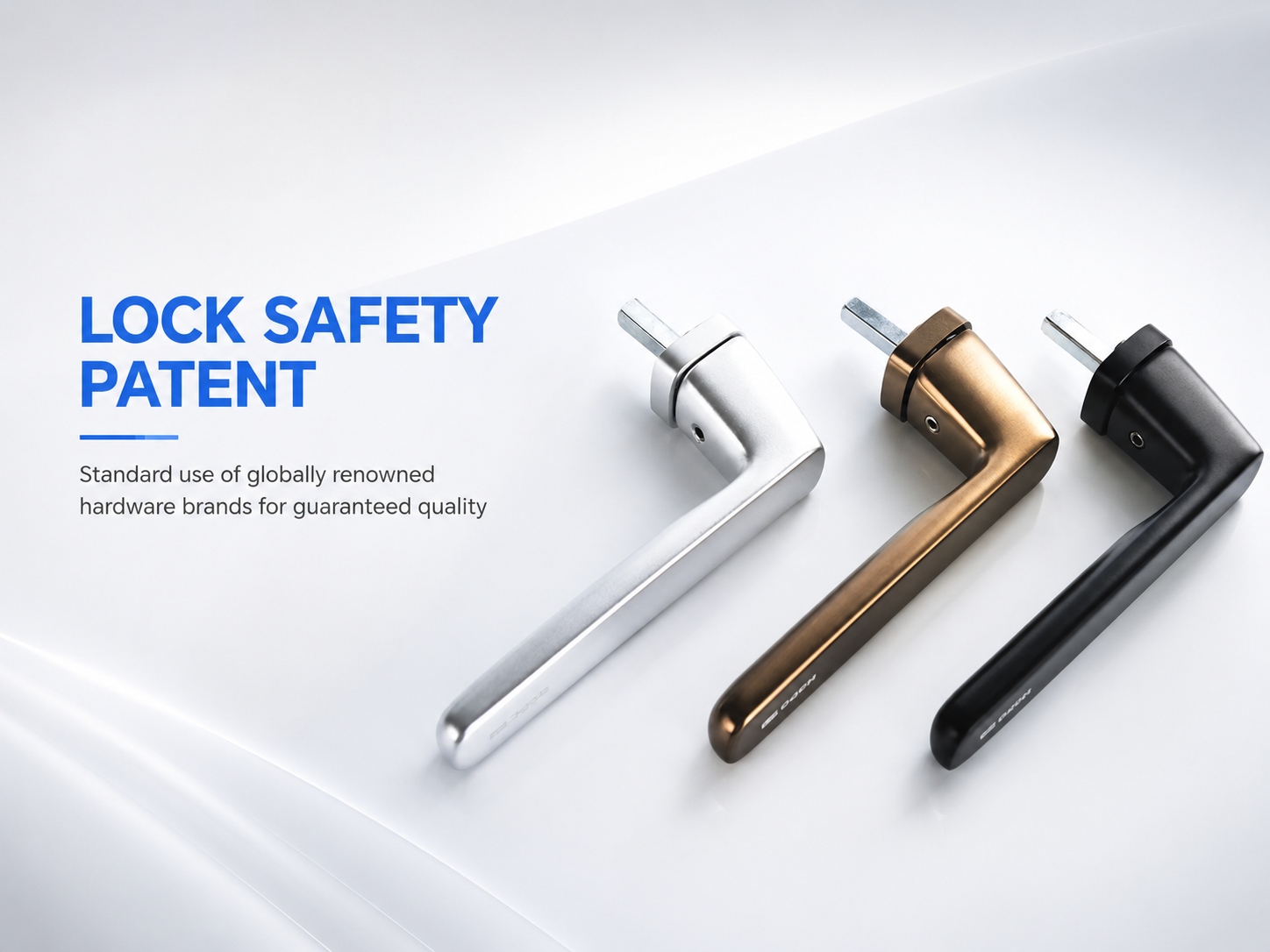
Handle: Stainless steel handles provide durable daily operation and corrosion resistance, particularly important in coastal or humid environments. The handle design complements the minimalist aluminum frame aesthetic. Buyers should confirm handle style preferences, locking mechanism integration, and whether lever or pull handle configurations are available for their mobile home sliding glass door selection.
Rollers: The sliding mechanism relies on roller assemblies that enable smooth panel movement along the track. Stainless steel roller components resist corrosion and wear over repeated use. Buyers should verify the roller load capacity matches their panel weight, especially for larger or triple-glazed configurations, and confirm whether adjustable rollers are included for precise alignment during installation.
Buffer/Soft-Close System: Soft-close buffering systems may be available to prevent panel slamming and reduce wear on the frame and glass. This feature enhances user safety and extends hardware lifespan in high-traffic installations. Buyers should confirm whether soft-close functionality is included as standard or offered as an optional upgrade for their selected model tier.
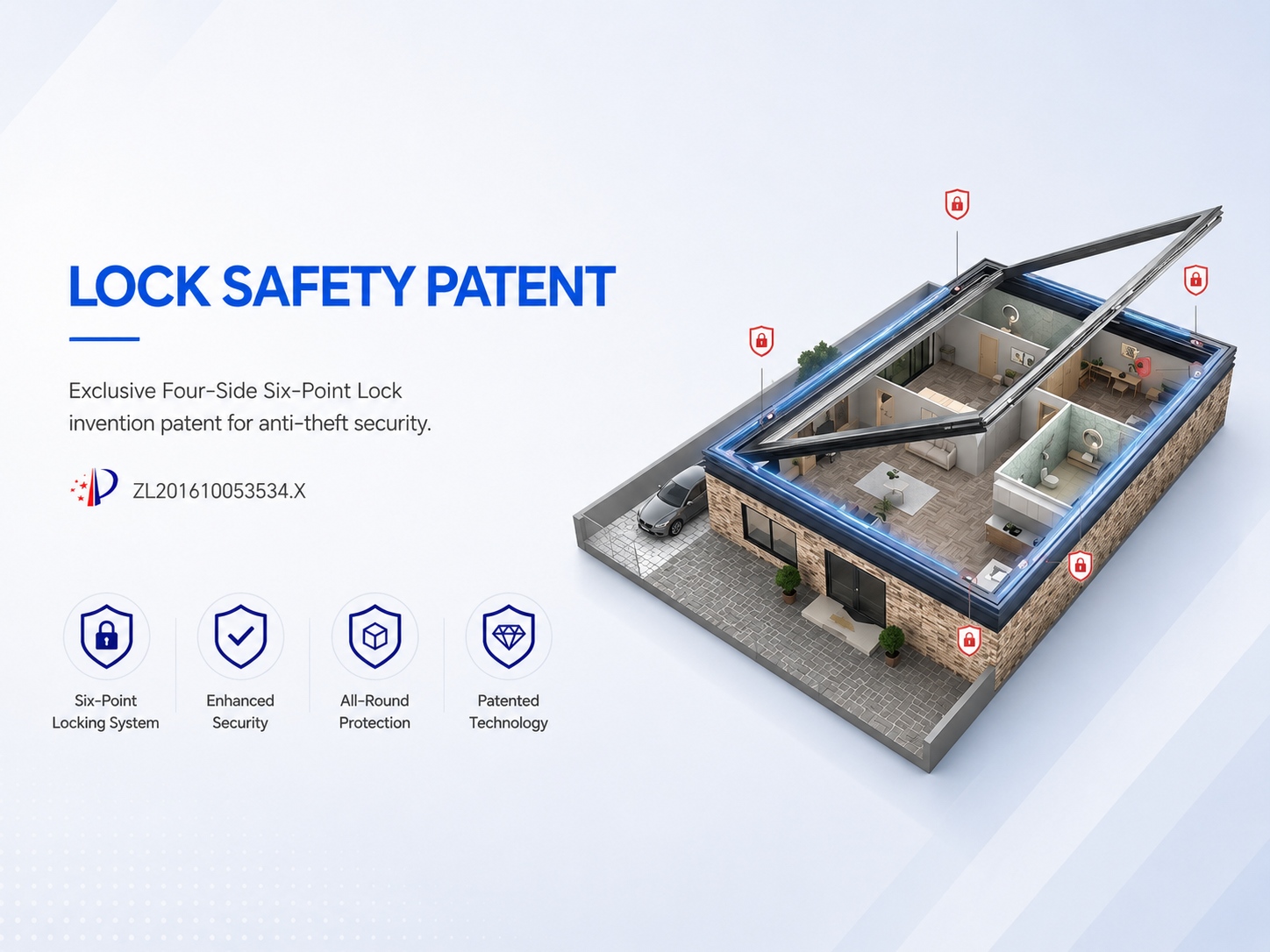
Lock: The locking system secures the sliding panel in the closed position, with stainless steel components providing corrosion resistance. For exterior doors for manufactured homes, a robust lock mechanism is essential for occupant security. Buyers should specify their lock requirements, including cylinder type and keying options, and confirm compatibility with their overall security plan.
Track System: The track system guides the sliding panel and must support the panel weight while maintaining smooth operation. Stainless steel and aluminum alloy track components resist deformation and corrosion. Proper track installation is critical for long-term performance. Buyers should confirm track length, number of tracks, and whether surface-mounted or recessed installation is required.
Sealing/Connection Hardware: Weatherstripping and sealing gaskets create an airtight barrier between the frame and glass, contributing to thermal and acoustic performance. Connection hardware joins frame sections securely. Buyers should verify that the sealing system meets their air tightness and water tightness requirements, particularly for installations in regions with heavy rainfall or extreme temperature variations.
Basic Parameters
Performance Item | Available Information | Buyer Notes |
|---|---|---|
Thermal Insulation | Advanced Model U-value: 1.2 W/m²K (ISO 10077-2); Models range R-2.0 to R-4.0 | Confirm which model tier and U-value applies to your mobile home sliding glass door project requirements |
Wind Pressure Resistance | Engineered to withstand high winds and debris; ASTM E330 tested | Specific wind speed ratings vary by model; buyers should confirm local code compliance for their region |
Water Tightness | Project-specific data should be confirmed before ordering | Verify water tightness class for your region's rainfall exposure and installation conditions |
Air Tightness | Airtight seals included; project-specific data should be confirmed | Confirm air tightness classification for energy code compliance in your target market |
Sound Insulation | Double glazing may offer improved sound insulation; tested per EN 1279 | Confirm acoustic performance requirements for your project location and building use type |
Product Specifications
Item | Details |
|---|---|
Product Name | DERCHI Heavy Duty Thermal Break Balcony Sliding Door |
Product Type | Mobile Home Sliding Glass Door |
Material | Thermal break aluminum, aluminum alloy, stainless steel, tempered glass |
Glass Type | Double-glazed tempered; clear, tinted, or frosted options |
Glass Thickness | Confirm with supplier before production |
Frame Option | Thermal break aluminum with stainless steel reinforcement |
Hardware | Stainless steel components; sliding mechanism |
Opening Style | Sliding |
Size Range | Confirm with supplier before production |
Application | Residential, commercial, coastal, hurricane-prone regions |
Customization | Available upon request; three model tiers with varying specifications |
Notes | Fire resistance (CPR S3 / EN 13501-2) and hurricane impact configurations available |
Application Scenarios
Apartment: In multi-unit residential buildings, the mobile home sliding glass door provides space-efficient access to balconies or patios without the swing clearance required by hinged doors. The double-glazed tempered glass helps reduce noise transmission between units and exterior environments. Property managers benefit from the corrosion-resistant stainless steel hardware that withstands regular tenant use. Buyers should verify building code requirements for fire rating and egress compliance when specifying sliding doors for apartment applications and confirm dimensions for each opening.
Home Office: A sliding glass door in a home office creates a visual connection to outdoor spaces while maintaining acoustic separation for focused work. The thermal break frame helps regulate indoor temperature, keeping the workspace comfortable throughout the year. The optional screen netting allows natural ventilation during mild weather without introducing insects. Buyers should confirm glass configuration for acoustic performance and whether tinted or frosted options better suit their privacy and glare control requirements.
Hotel: Hotels require exterior doors for manufactured homes and similar structures that balance guest safety, energy efficiency, and aesthetic appeal. The fire resistance rating and hurricane impact capability address safety concerns, while the sleek aluminum frame maintains a modern appearance. High-traffic hotel installations benefit from durable stainless steel hardware and smooth sliding mechanisms. Buyers should specify fire-rated configurations where required by local hospitality codes and confirm finish options that align with interior design schemes.
Office Building: Commercial office buildings with strict fire safety codes benefit from the CPR S3 fire resistance certification and EN 13501-2 compliance. The mobile home sliding glass door system provides large glazed openings that maximize natural light in workspaces while maintaining thermal efficiency. The load capacity ratings support larger panel sizes for grand entrances and conference room dividers. Buyers should confirm fire rating requirements, wind load specifications for their building height, and whether the Pro Model's enhanced specifications are necessary.
Outdoor: For outdoor or exterior-related projects, buyers should confirm weather resistance, water tightness, wind pressure requirements, surface finish durability, and installation conditions before ordering. The thermal break aluminum frame and stainless steel components offer corrosion resistance for exposed environments, while screen netting options facilitate airflow in covered outdoor areas. Buyers in coastal or hurricane-prone regions must verify that the selected model meets local building code wind resistance requirements for outdoor applications.
Residential Building: In residential construction, this sliding door system serves as a durable transition between interior living spaces and exterior patios or balconies. The thermal break technology may contribute to reduced heating and cooling costs, a significant consideration for homeowners. Multiple model tiers allow builders to match performance specifications to project budgets. Buyers should confirm exact opening dimensions, slide direction preferences, and whether the mobile home sliding screen door option is included or must be ordered separately.
Exterior: As an exterior door, this system must withstand prolonged exposure to sunlight, rain, and temperature fluctuations. The UV-resistant screen netting and corrosion-resistant frame materials address these environmental challenges. A chemical-resistant coating per ASTM D3163 provides additional surface protection against degradation. Buyers should confirm water tightness and air tightness classifications for their specific climate zone and verify that installation methods account for local weatherproofing requirements and building envelope standards.
Villa: Upscale villa projects demand sliding doors that combine expansive glass areas with structural performance. The Pro Model's R-4.0 thermal efficiency and 1000 kg/m² load capacity support large panel sizes for dramatic indoor-outdoor living spaces. Fully bespoke finish options in the Pro Model allow design customization to match architectural themes. Buyers should discuss custom panel sizes, specialized glass packages, and premium hardware options with the manufacturer to achieve their villa design vision while meeting structural requirements.
Advantages
Brand Strength: DERCHI is an established manufacturer with demonstrated capability in producing certified door systems for international markets. B2B buyers benefit from working with a supplier experienced in navigating complex compliance requirements across different regions. Buyers should confirm the brand's track record in their specific target market and request references or project examples during the evaluation process to build procurement confidence.
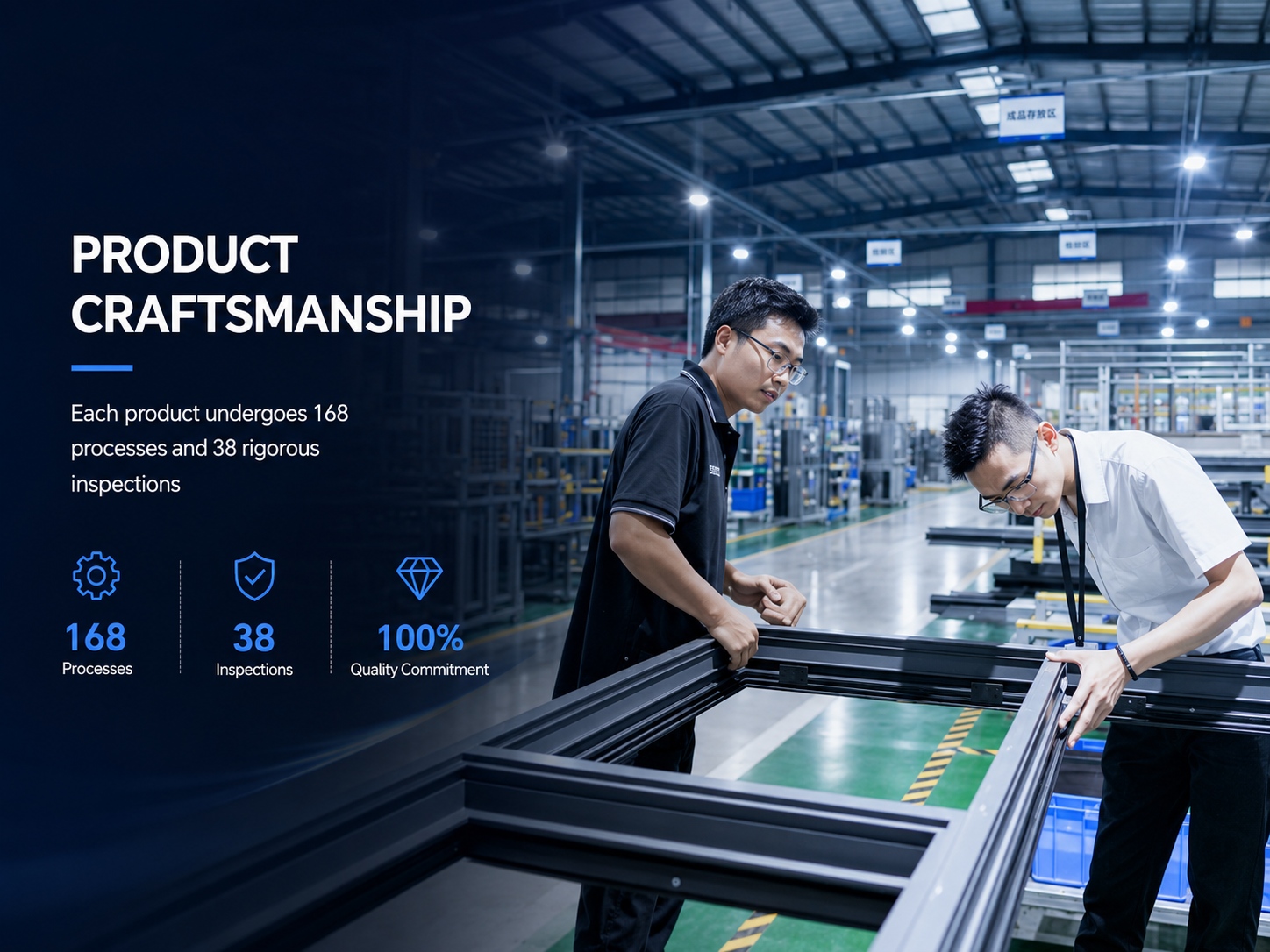
Factory Capability: The manufacturing facility produces thermal break aluminum door systems with integrated quality control processes. Production capabilities cover multiple model tiers with varying performance specifications to address different project demands. Buyers sourcing mobile home sliding doors should discuss factory audit availability, production line certifications, and quality assurance documentation with the supplier during their vendor qualification process.
Production Capacity: Production capacity should be confirmed with the supplier based on the specific model, customization level, and order volume. Large commercial projects may require phased delivery scheduling. Buyers should provide projected order quantities and timelines to receive accurate production planning and confirmation that capacity aligns with project deadlines and milestone requirements.
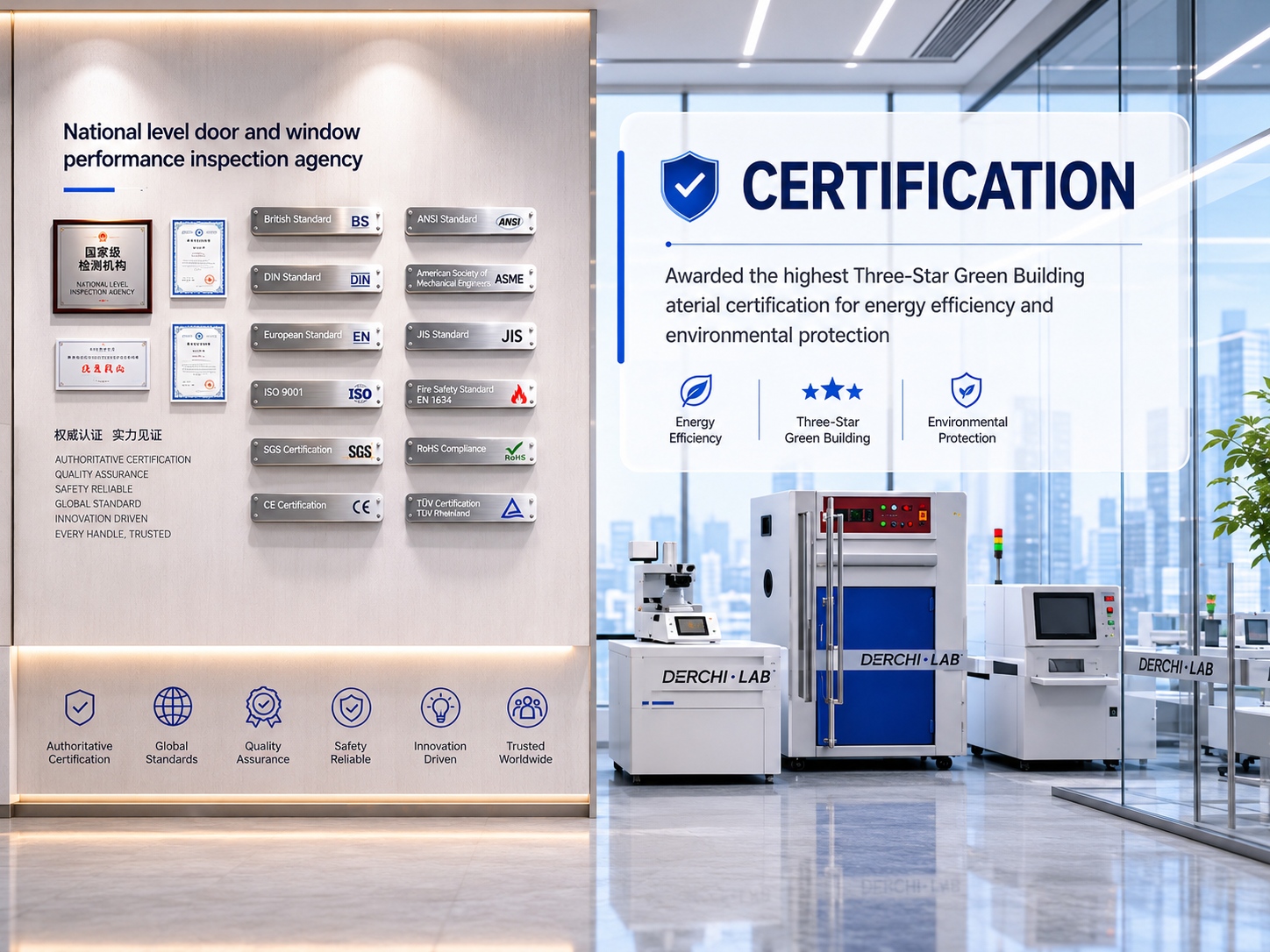
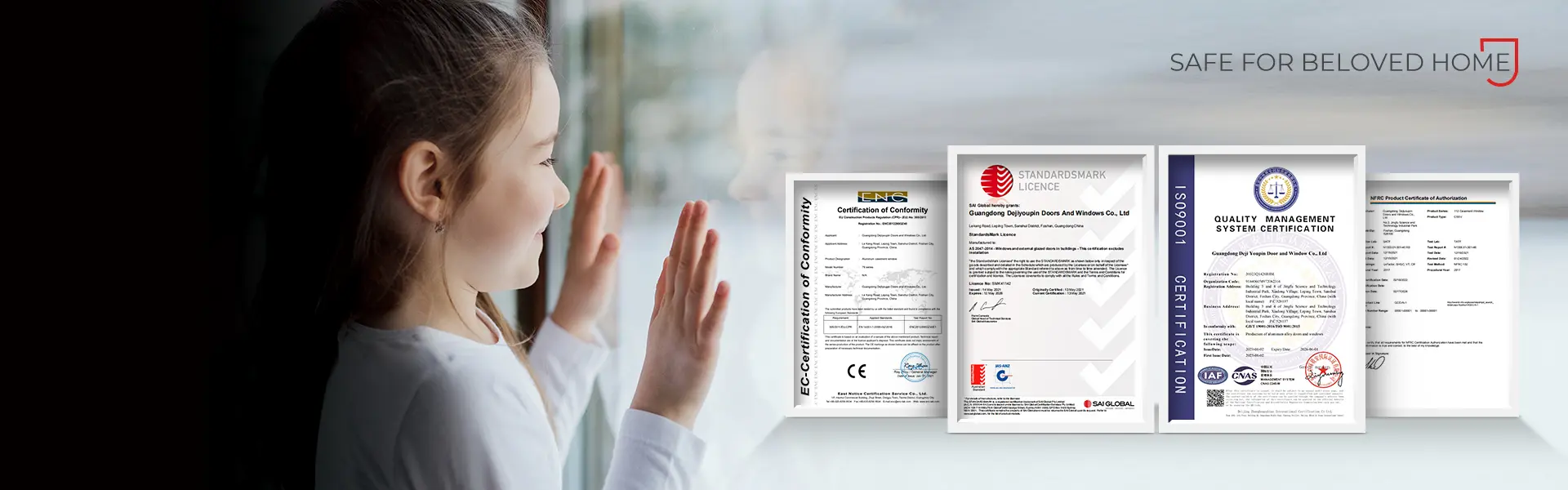
Certifications: The door system holds multiple international certifications including EN 14351, CPR, ASTM E330, ASTM B117, ASTM D3163, EN 1279, EN 13501-2, and ISO 10077-2. Buyers should confirm whether the required certification documents apply to the selected product configuration and target market, as certification scope may vary by model tier and destination region.
Service Capability: From initial specification consultation through production and delivery coordination, the supplier offers support across the procurement process. Technical documentation and certification records are available to assist with project approval workflows. Buyers should confirm the scope of post-sale support, installation guidance availability, and warranty claim procedures before finalizing their order.
Customization Capability: Three model tiers—Base, Advanced, and Pro—offer progressively higher thermal efficiency, load capacity, and finish options. This tiered approach allows buyers to select specifications aligned with project budgets and performance requirements. Buyers should discuss specific customization needs with the mobile home sliding glass door manufacturer to confirm feasibility, cost implications, and lead time considerations.
B2B Support: The supplier supports commercial contractors, residential builders, architects, and developers with specification assistance, compliance documentation, and project-specific customization. Bulk order coordination and logistics planning can be discussed for large-scale developments. Buyers should outline their project scope and requirements early in the inquiry process to receive tailored B2B support and accurate quotations.
What to Confirm Before Ordering
Exact Dimensions: Provide precise rough opening measurements as size options should be confirmed with the supplier before production begins.
Local Building Code Compliance: Verify wind resistance, fire rating, and egress requirements for your specific jurisdiction and application type.
Model Tier Selection: Confirm which performance tier (Base R-2.0, Advanced R-3.0, or Pro R-4.0) meets your project's thermal and structural requirements.
Certification Documentation: Request test report copies if required for project approval or compliance verification in your target market.
MOQ and Lead Time: Confirm minimum order quantity and production lead time with the supplier based on your specific order configuration and volume.
Warranty Terms: Discuss available warranty coverage, claim procedures, and duration before finalizing your order to ensure long-term product support.
OEM/ODM Availability: If custom manufacturing or brand labeling is required, confirm OEM/ODM capabilities and conditions with the manufacturer during initial discussions.
Request a Quote
To request a quote for this mobile home sliding glass door, please provide the following information:
Product title and required quantity
Opening size / dimensions for each location
Model tier preference (Base, Advanced, or Pro)
Glass type and thickness requirements
Hardware specifications and preferences
Color or finish selection
Target market and destination country / port
Certification or documentation requirements
Project drawings if available
Packaging and Shipping Notes
Packaging: Packaging specifications should be confirmed with the supplier, including protective materials for glass panels and frame components during transit. Buyers should specify any special packaging requirements for their logistics chain.
Shipping: Delivery terms, port of destination, and shipping method should be discussed during quotation. Coordinate with the supplier on container loading arrangements for bulk orders to minimize transit damage risk.
Lead Time: Production and delivery planning should be confirmed according to order quantity, customization level, glass configuration, hardware selection, and destination country. Buyers with time-sensitive projects should request a detailed production schedule before order confirmation.
FAQ
What is a mobile home sliding glass door with thermal break technology?
A mobile home sliding glass door with thermal break technology features an insulating barrier within the aluminum frame profile that interrupts heat transfer between the interior and exterior surfaces. This design may significantly reduce thermal conductivity compared to standard aluminum frames, helping maintain comfortable indoor temperatures. The double-glazed tempered glass complements the thermal break frame by providing an additional insulating air gap. Buyers should confirm the specific U-value and thermal efficiency rating for their selected model tier, as performance varies across the Base, Advanced, and Pro configurations.
Can this door be used as exterior doors for manufactured homes?
Yes, this door system is engineered for exterior applications with features including hurricane impact resistance, double-glazed tempered glass, and a thermal break aluminum frame. The stainless steel hardware components provide corrosion resistance suitable for exposed environments. However, buyers should confirm that the specific model configuration meets their local building code requirements for manufactured housing, including wind resistance ratings, egress specifications, and any structural anchoring requirements unique to mobile home installations. Compliance requirements vary by jurisdiction and should be verified before ordering.
What certifications does this mobile home sliding glass door hold?
The door system holds certifications including EN 14351, CPR, ASTM E330, ASTM B117, ASTM D3163, EN 1279, EN 13501-2, and ISO 10077-2. These cover structural integrity, fire resistance, thermal performance, corrosion resistance, and glass quality standards. Buyers should confirm whether the required certification documents apply to the selected product configuration and target market, as certification scope may vary by model tier. Test report copies can be requested from the supplier for project compliance verification and building department approval submissions.
Is a mobile home sliding screen door included with the main door?
Screen netting options in fiberglass and nylon are available for this door system, providing insect protection while allowing natural airflow. Buyers should confirm with the supplier whether the screen is included as standard or must be ordered as a separate accessory. Specify your preferred screen material during the inquiry process, and confirm compatibility with your chosen door model and opening configuration. The UV-resistant screen material may offer extended durability under prolonged sun exposure, though specific lifespan claims should be verified with the manufacturer.
What information do I need to provide for an accurate quote?
To receive an accurate quotation, provide the product title, required quantity, exact opening dimensions, preferred model tier (Base, Advanced, or Pro), glass type and thickness preferences, hardware specifications, color or finish selection, target market, destination country and port, any certification or documentation requirements, and project drawings if available. Including these details ensures the supplier can prepare a comprehensive quote covering product configuration, compliance, logistics, and any customization needs for your mobile home sliding glass door project.
What fire resistance rating does this door system have?
The door system holds a CPR S3 classification with a 30-minute fire resistance rating per EN 13501-2, meeting EU fire safety regulations. This rating is particularly relevant for commercial projects and buildings with strict fire codes. The fire-rated configuration may differ from standard models in terms of glass composition and frame construction. Buyers should confirm whether a fire-rated configuration is required for their specific application and verify that the fire-rated model meets their local authority's requirements and building code before placing an order.
How do I determine the correct slide direction for my installation?
Slide direction refers to which side the active panel moves toward when opening the door. This is typically specified as left-hand or right-hand slide based on your floor plan and traffic flow. Consider furniture placement, walkway clearance, and prevailing wind direction when selecting the slide direction for your mobile home sliding glass door. Buyers should provide a floor plan or opening diagram to the manufacturer to ensure the correct configuration is produced for their specific installation, as incorrect slide direction cannot be adjusted after manufacturing.
What should I confirm before placing a bulk order for a commercial project?
Before ordering for commercial projects, confirm exact opening dimensions for each location, model tier selection based on performance requirements, local building code compliance including fire rating and wind resistance, delivery schedule and phasing requirements, installation support availability, warranty terms, and whether test report copies are needed for project approval. Also discuss minimum order quantity, production lead time, packaging specifications, and logistics coordination for large-volume shipments with the mobile home sliding glass door manufacturer to ensure smooth project execution.