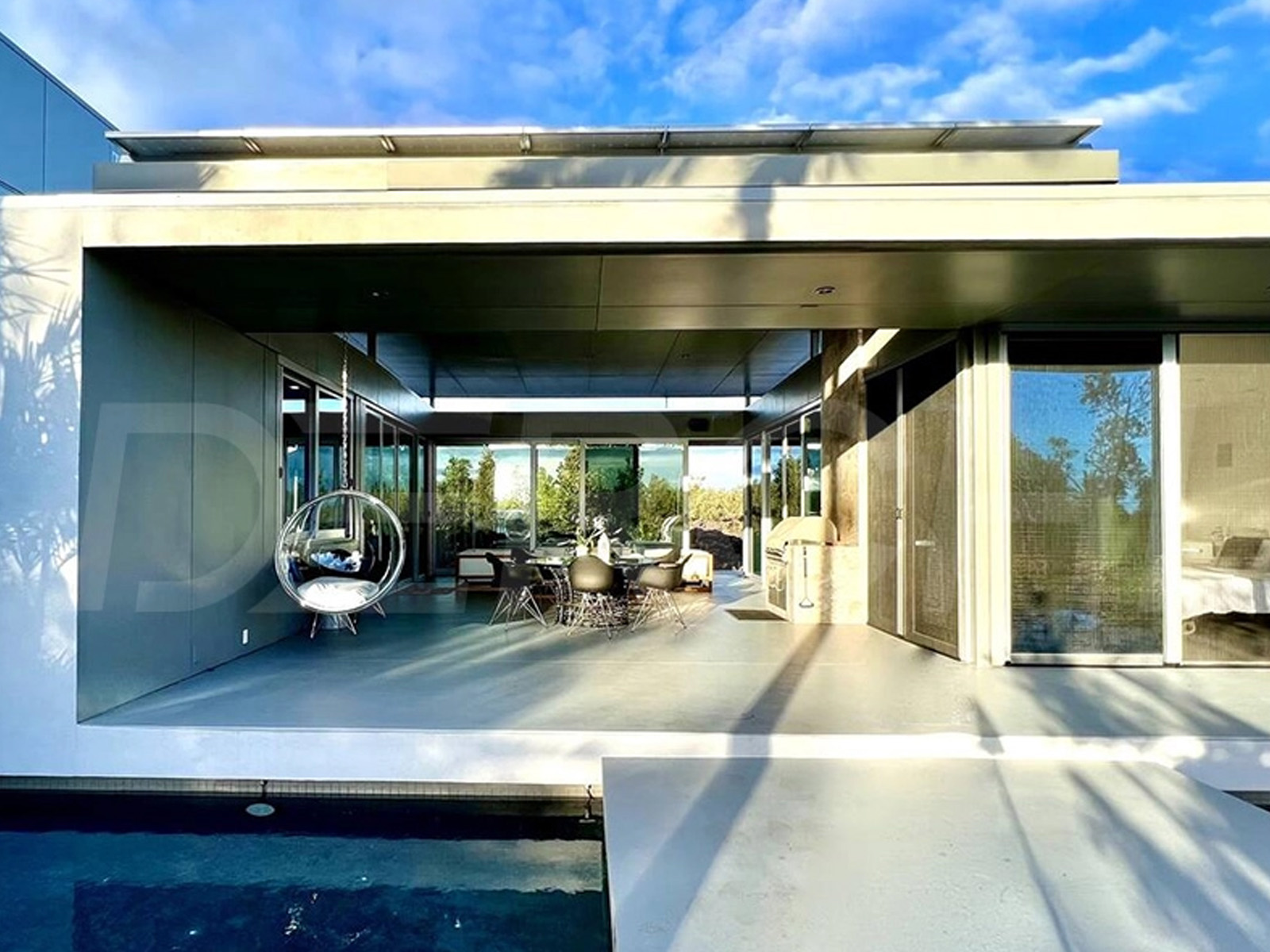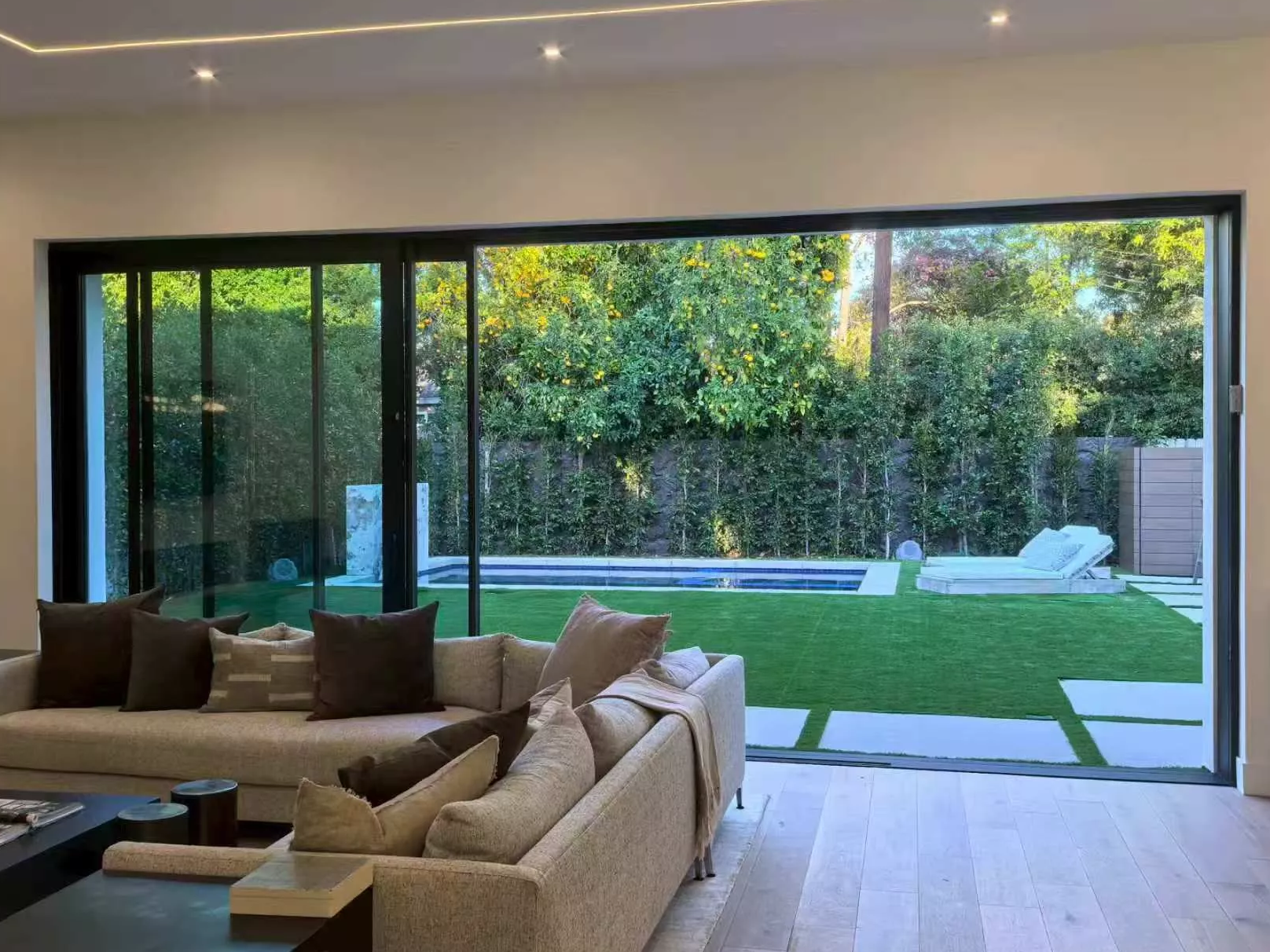
Energy Efficient Sliding Glass Doors for Projects
Select a sliding system around your opening, climate and performance target. Compare DERCHI series, glazing choices and the documents needed for project review.
Discuss Your Sliding Door ProjectFor architects, developers, contractors and trade buyers
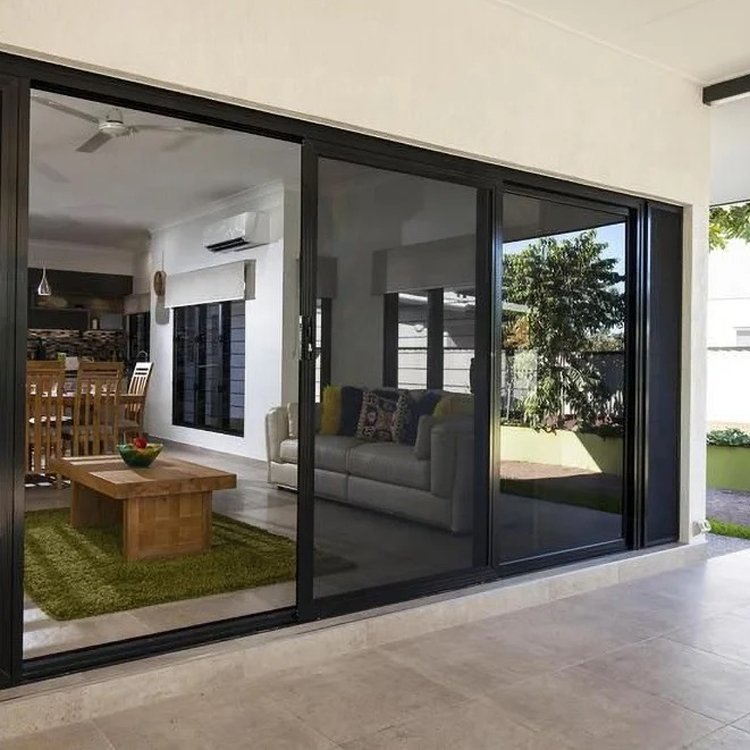
Is a sliding glass door the right opening?
A sliding door saves swing space, but the available travel, clear passage and sill condition determine whether it suits the project.
Panel travel
Map fixed and moving panels against furniture, circulation and adjacent wall space. A wide overall opening does not mean the full width becomes clear passage.
Useful access
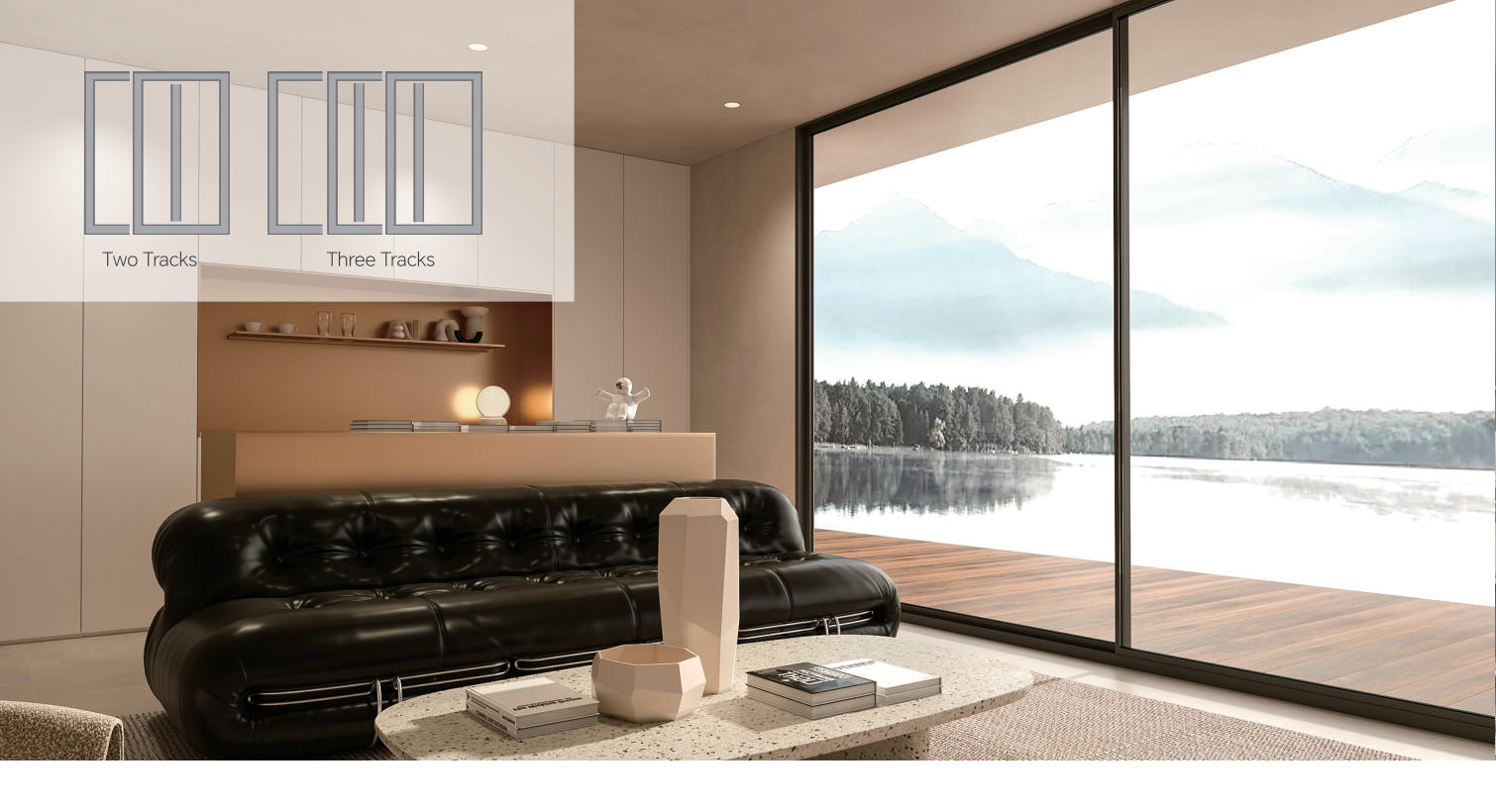
Set the required clear width first, then discuss panel count and 2- or 3-track layouts where the selected series offers them.
Exterior threshold
At exposed openings, sill height, drainage route and the wall or deck connection belong in the drawing review, not just the door schedule.
What determines energy performance?
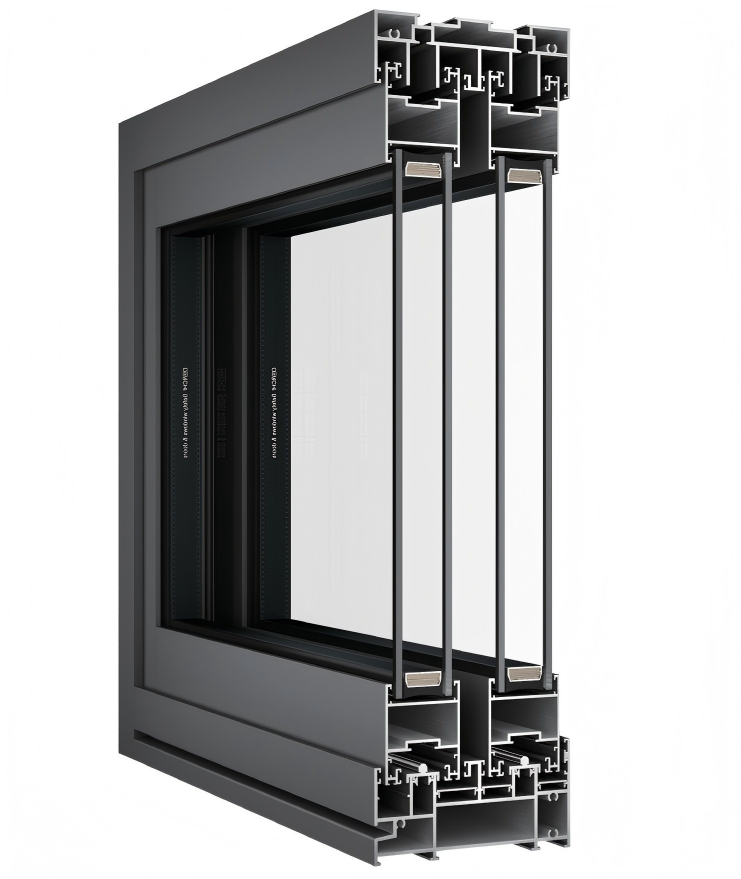
A glazing value alone does not describe a sliding door. Compare the tested whole-door assembly and check the parts that change its thermal and weather behaviour.
Frame and glass
Frame construction, insulated glazing and any Low-E coating affect heat flow and solar gain.
Meeting stile
The vertical junction between moving panels brings sightline, sealing and thermal trade-offs together.
Track and threshold
Track layout changes movement and passage; sill and drainage details matter at exposed exterior openings.
Installed opening
Panel size and weight affect hardware selection; the frame-to-wall connection must be detailed for the project.
Which DERCHI sliding system should we review?
Start with the published system route and the opening you need. Final glass, hardware, size limits and comparable ratings belong to the selected project configuration.
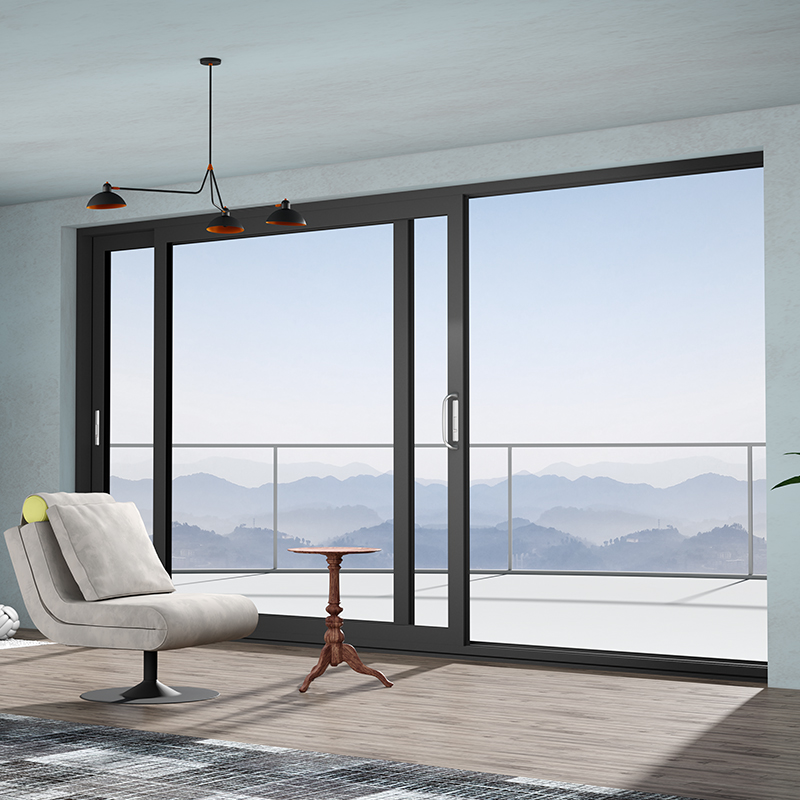
135F Series
Review where a multi-track sliding arrangement is central to the layout.
- Published 2- and 3-track options
- Compare panel dimensions, passage and glazing choice
- Resolve project-specific hardware and threshold details
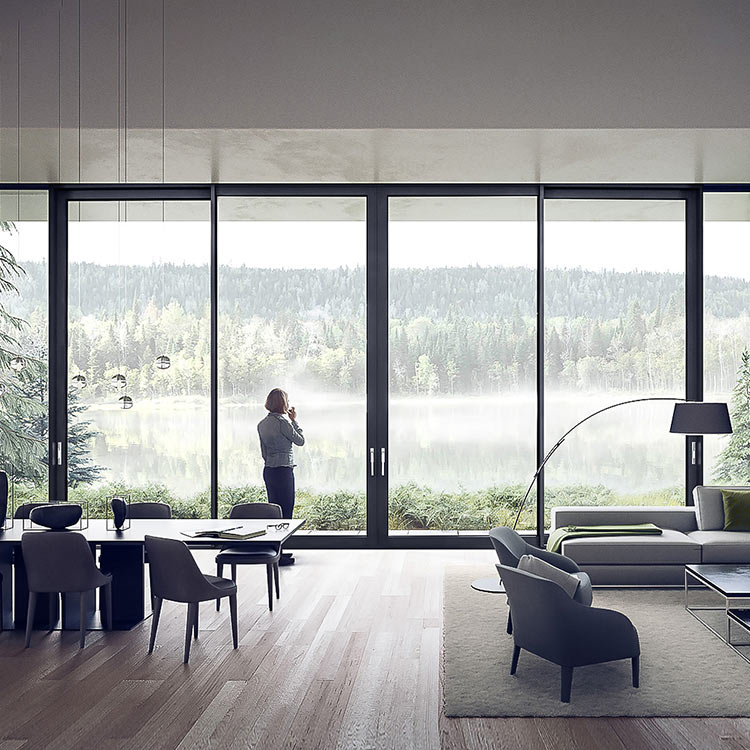
143 Series
Bring this thermal-break aluminum route into a frame-performance discussion.
- Evaluate frame and glazing as one assembly
- Check opening geometry and hardware options
- Request ratings for the exact proposed configuration
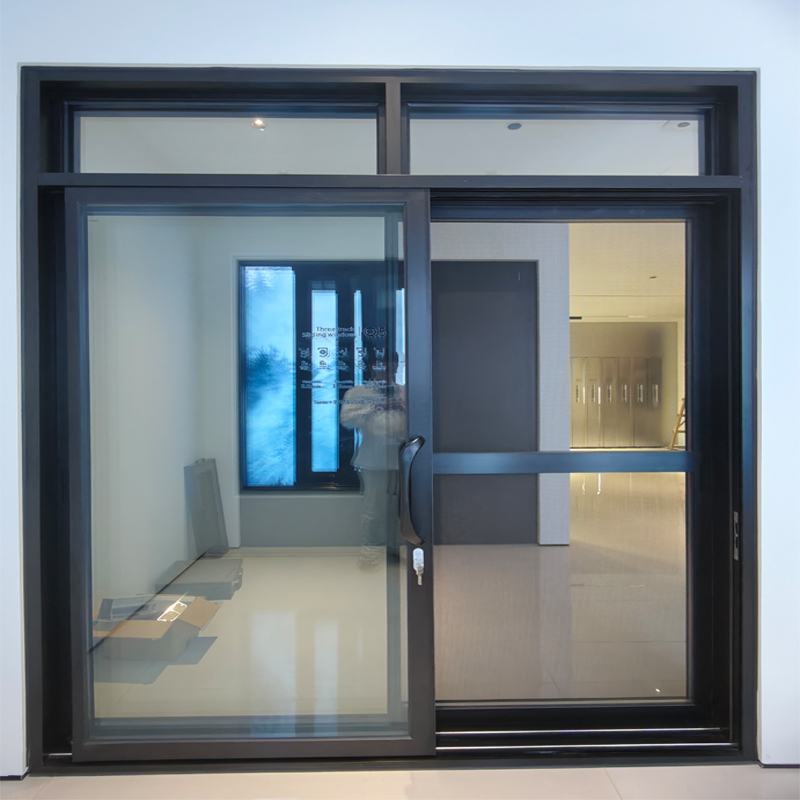
Q5 Series
Review 2- or 3-track layouts alongside glass, sealing and drainage details.
- Start with the required panel movement
- Study the frame, sill and glass package
- Check report scope against project exposure
Share the opening schedule, target clear width and exterior conditions so the shortlist can be narrowed by the actual project.
Match glass and sealing to the project
The same door geometry can face different solar, thermal and weather demands. Set priorities by the building zone and local project requirements, not by country name alone.
Limit heat loss without losing useful daylight
Compare the whole-door U-value for the selected size and glass package, then review air leakage and the frame-to-wall detail.
Balance solar gain, daylight and view
Use orientation and shading to set a suitable SHGC and visible-light target before choosing a Low-E coating.
Treat the sill as part of the envelope
Check air, water and wind reports for the proposed track and dimensions, then detail drainage and the adjacent deck or floor.
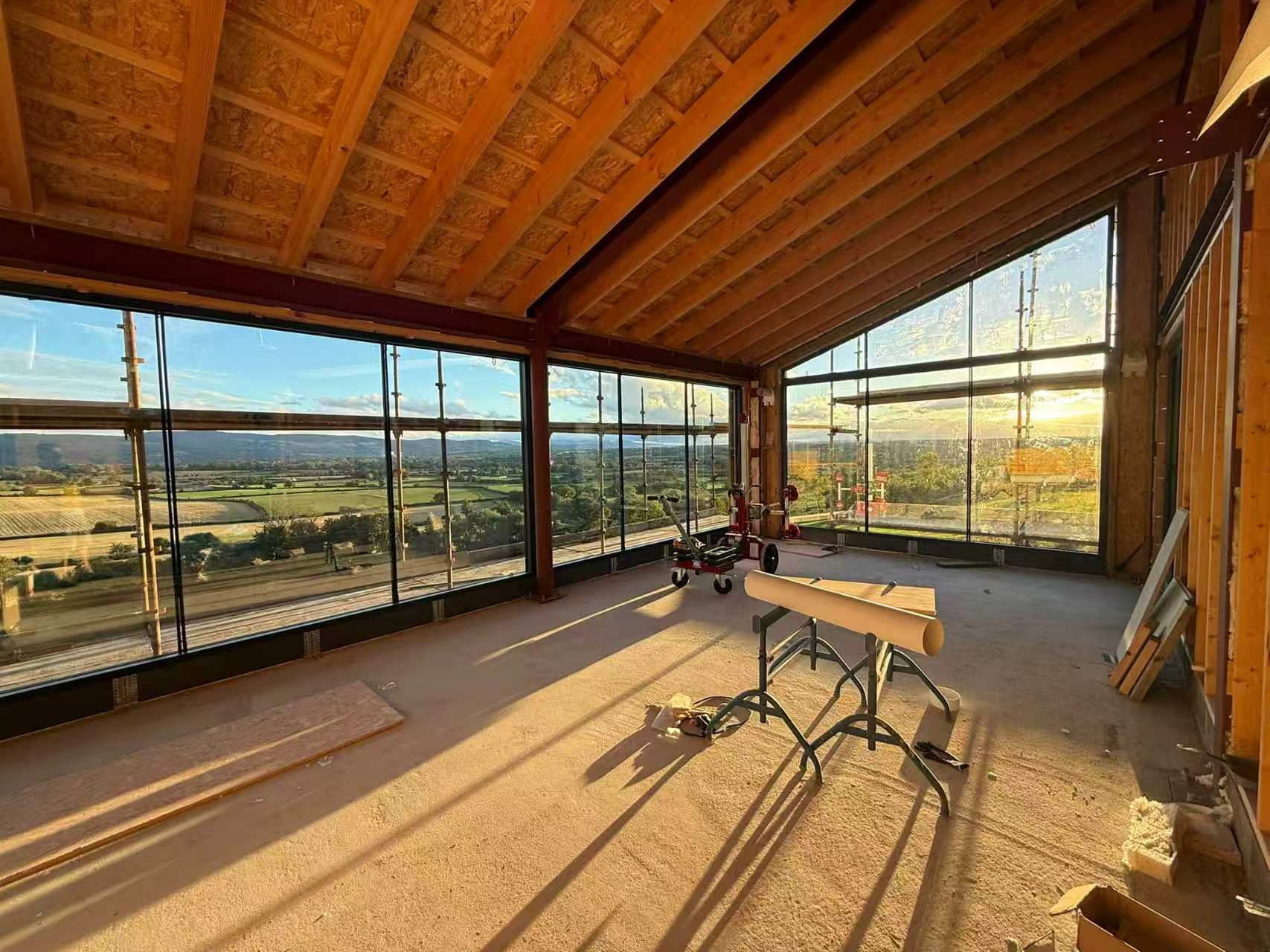
How to compare energy efficient sliding glass doors
Ask for documents that match the proposed door. A center-of-glass value, a different panel size or a report for another system will not answer the same project question.
Request Relevant Test DocumentsSeries, frame and panel arrangement, overall dimensions, glass build-up, track and threshold.
Whole-door U-factor or U-value, SHGC and the test method, units and configuration behind each figure.
Air infiltration, water penetration and structural or wind performance for a relevant assembly.
Report number, tested size and glass/frame combination, then the requirement named by the local project team.
For US rating terminology, see NFRC guidance. Other markets require their own applicable project documentation.
From opening schedule to quote
The most useful first exchange links each opening to its intended configuration and required evidence. It should end with a candidate route, the drawings or reports needed and a list of unresolved inputs.
Send the schedule
Opening IDs, dimensions, location, quantity and exterior exposure.
Shortlist a system
Panel count, clear passage, track, glazing and finish requirements.
Align the evidence
Drawings, threshold connection and reports against the project target.
Confirm the quote basis
Configuration, quantities, packing and commercial responsibilities.
Fields for an opening schedule
What is included in the project supply?
Before approving a package, put ownership of drawings, final dimensions, documents and delivery interfaces in the quotation or agreed project record.

How the doors are made and checked
Factory imagery can show the production steps behind a sliding-door package. Performance for a selected door is assessed from its matching technical documents.

Profile processing
A production-line view of aluminum profile preparation for sliding-door manufacture.

Frame assembly
Workers handling frame components at an assembly station.
Questions before specification
Use these answers to prepare the first project review, whether the opening is part of a development or a single home.
Plan a sliding glass door package for your project
Send the opening schedule and site conditions. DERCHI can review a system route, the drawings and documents needed, and the supply scope to discuss in the quote.
Send Your Opening Schedule- Country and city
- Opening dimensions and drawings
- Quantity and exposure
- Target performance
- Requested supply scope