



Product Details
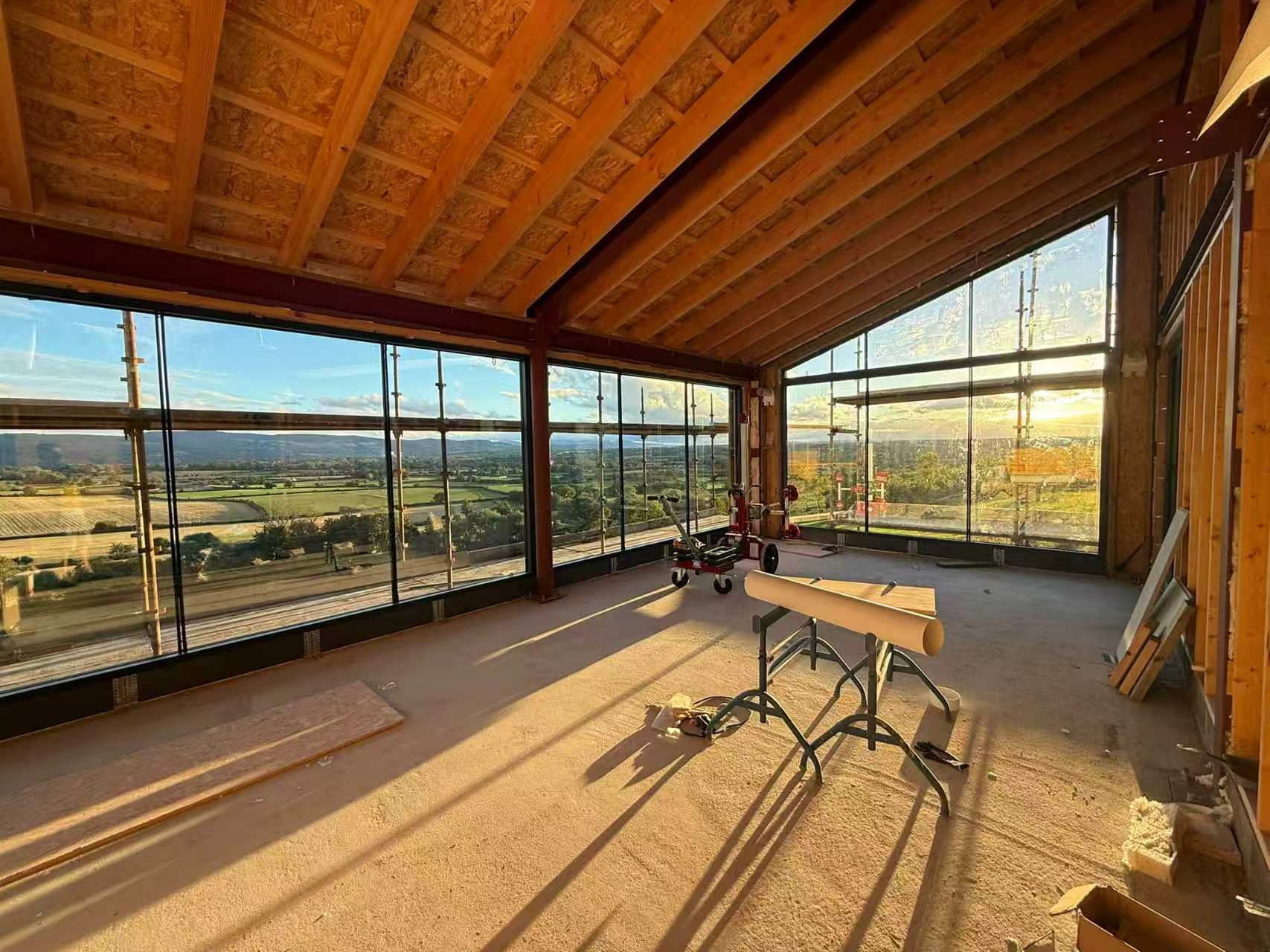
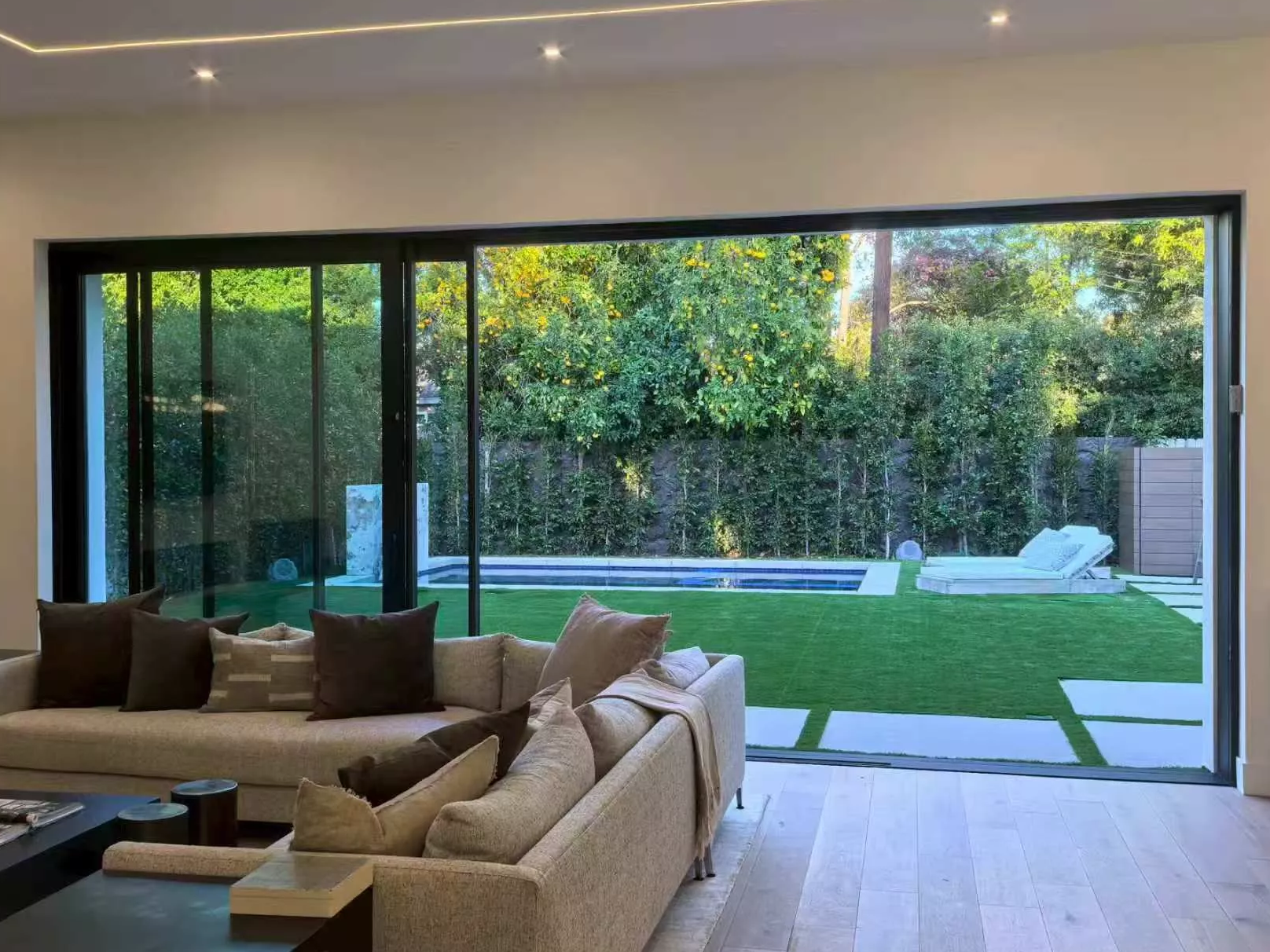
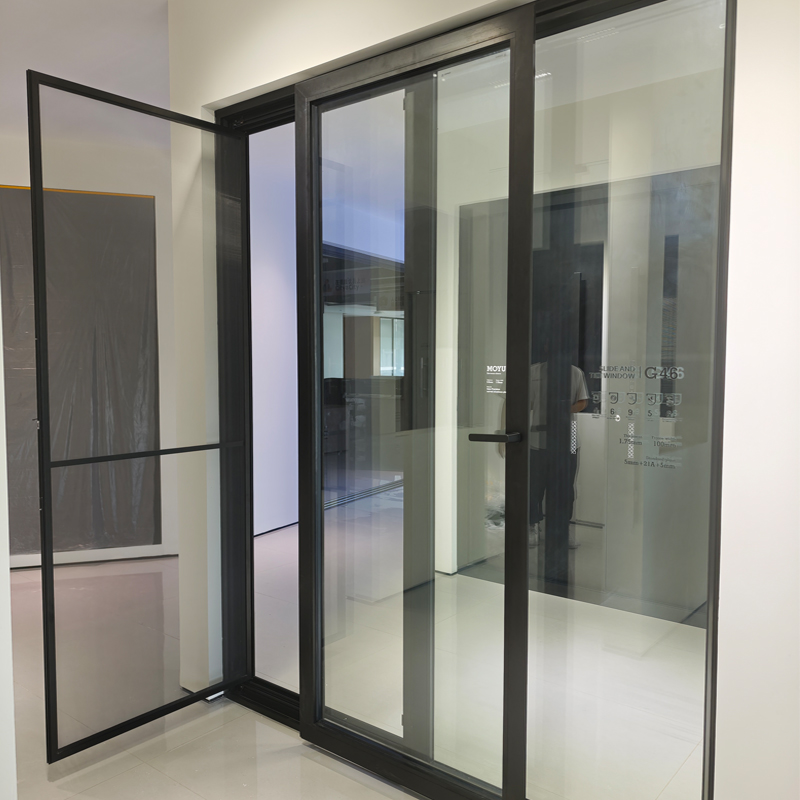
The DERCHI 3 panel sliding patio door is an aluminum and glass system built for residential and commercial applications that demand both thermal efficiency and structural resilience. Constructed with thermal break aluminum frames paired with double-glazed tempered glass, this door addresses energy loss and weather exposure in demanding environments. The three-panel configuration allows generous natural light and wide openings while the sliding mechanism preserves interior floor space.
Available in Base, Advanced, and Pro models, the system scales in thermal performance and load capacity to match project requirements. Hurricane impact resistance and CPR-compliant fire rating provide safety assurance for storm-prone and regulated builds. Buyers evaluating this 3 panel sliding patio door should confirm overall dimensions, model tier, and hardware selections with the supplier, as size options and lead times are project-specific.
Product Features
Thermal Break Aluminum Frame: The frame incorporates a thermal break barrier that reduces heat transfer compared to conventional aluminum profiles, helping maintain stable interior temperatures and lowering HVAC demands. Buyers selecting a thermal break sliding door should confirm which model tier aligns with their project energy code, as thermal performance varies across Base, Advanced, and Pro configurations.
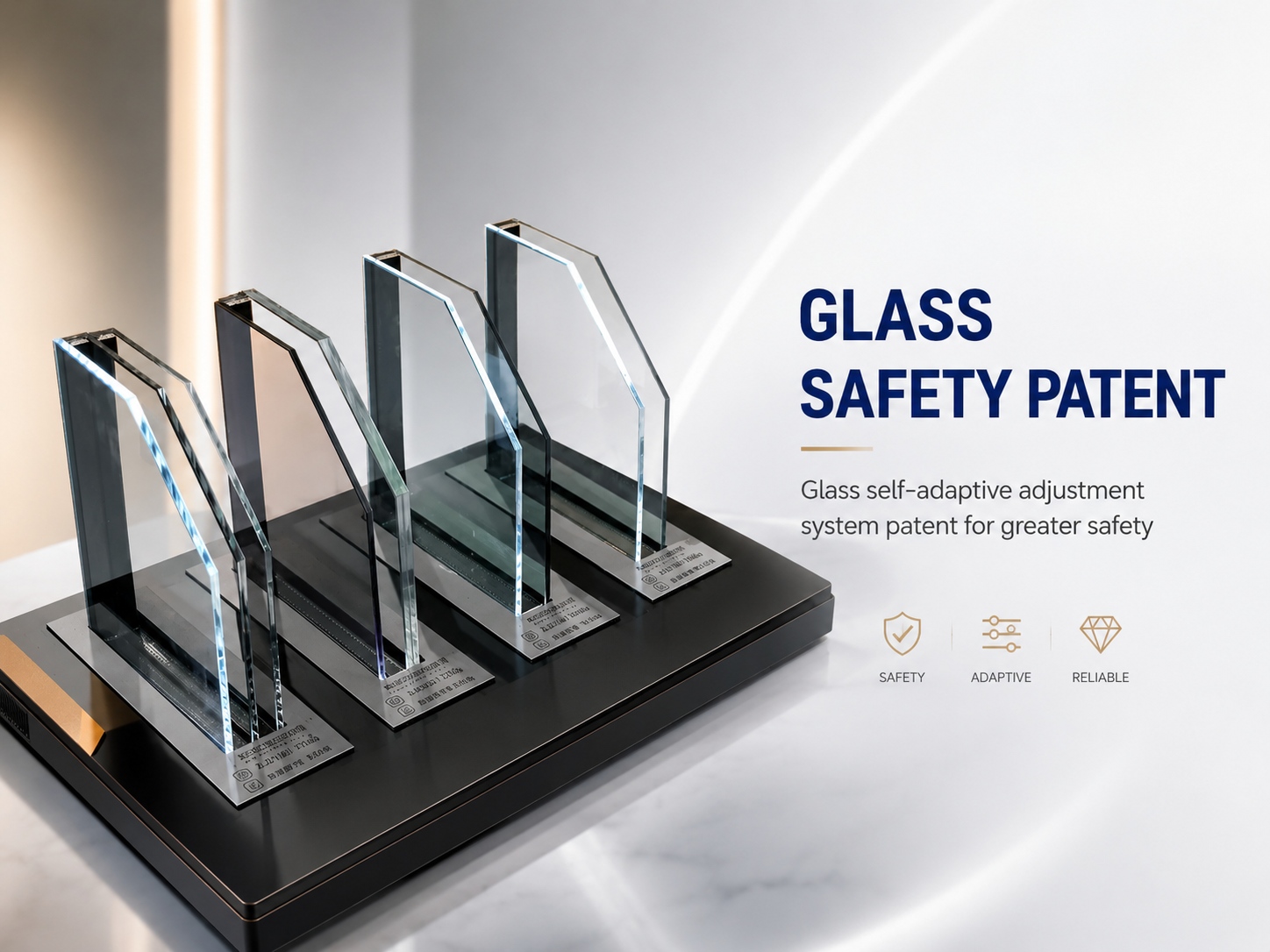
Double-Glazed Tempered Glass: The insulated glass unit uses tempered panes for safety and thermal retention. Double glazing may offer improved sound insulation over single-pane alternatives, contributing to occupant comfort. When specifying this double glazed sliding door, buyers should confirm glass thickness and whether laminated or impact-rated glass is required for local building codes.
Hurricane Impact Resistance: The door system is designed to withstand high winds and windborne debris, meeting EN 14351 standards for storm-prone regions. Wind resistance values should be confirmed with the supplier, as published data references varying thresholds. Projects in coastal or hurricane zones should verify the selected configuration satisfies local code requirements.
Space-Saving Sliding Mechanism: The sleek sliding operation eliminates the swing radius of hinged doors, maximizing usable floor space. This makes the 3 panel sliding patio door suitable for tight layouts where full-width openings are desired. Buyers should confirm track configuration and sill options based on traffic patterns and accessibility needs.
Screen Netting Options: Fiberglass and nylon screen netting provides insect protection while allowing natural ventilation, supporting airflow management in warm climates. Buyers should confirm screen material preference and whether integrated or removable systems best suit their application.
Multi-Tier Model Selection: Base, Advanced, and Pro models offer progressively higher thermal ratings and load capacities. The Advanced model achieves a U-value of 1.2 W/m²K, while the Pro model reaches R-4.0. Buyers should review project specifications to determine which tier delivers the required performance without over-specifying.
Customizable Styles
Glass Options: Available in clear, tinted, frosted, and double-glazed tempered variants. Glass selection affects privacy, solar gain, and thermal performance. Clear glass maximizes light, while tinted and frosted options increase privacy. For energy-focused projects, double glazing delivers the best thermal results. Buyers should confirm which glass type complies with local energy codes.
Frame Options: Thermal break aluminum, aluminum alloy, and stainless steel frames offer varying levels of thermal performance, corrosion resistance, and structural strength. Stainless steel suits coastal salt-exposure environments, while thermal break aluminum prioritizes energy efficiency. Buyers should confirm frame material based on climate zone and structural load requirements.
Size Options: Overall door dimensions and panel widths are project-specific and should be confirmed with the supplier. Architects and builders need to provide rough opening sizes for proper fit. Custom sizing is available upon request. Buyers should submit project drawings for accurate sizing of their 3 panel sliding glass patio doors.
Color and Finish Options: The standard finish is black, with the Advanced model offering over ten custom finishes and the Pro model providing fully bespoke color options. Finish selection impacts aesthetics and durability, particularly in UV-exposed or coastal settings. Buyers should request color samples and confirm UV resistance for their target environment.
Track and Opening Configuration: The three panel sliding door uses a horizontal sliding track system. Track profiles and sill heights affect accessibility and weather sealing. Low-threshold options may be available for barrier-free access. Buyers should specify preferred track configuration, drainage requirements, and any accessibility standards the installation must meet.
Project Customization: For large-scale developments, the supplier may accommodate custom specifications including unique dimensions, hardware packages, and finish selections. OEM and ODM arrangements can be discussed with the factory. Buyers should present detailed project requirements early to confirm feasibility and lead times.
Hardware Accessories
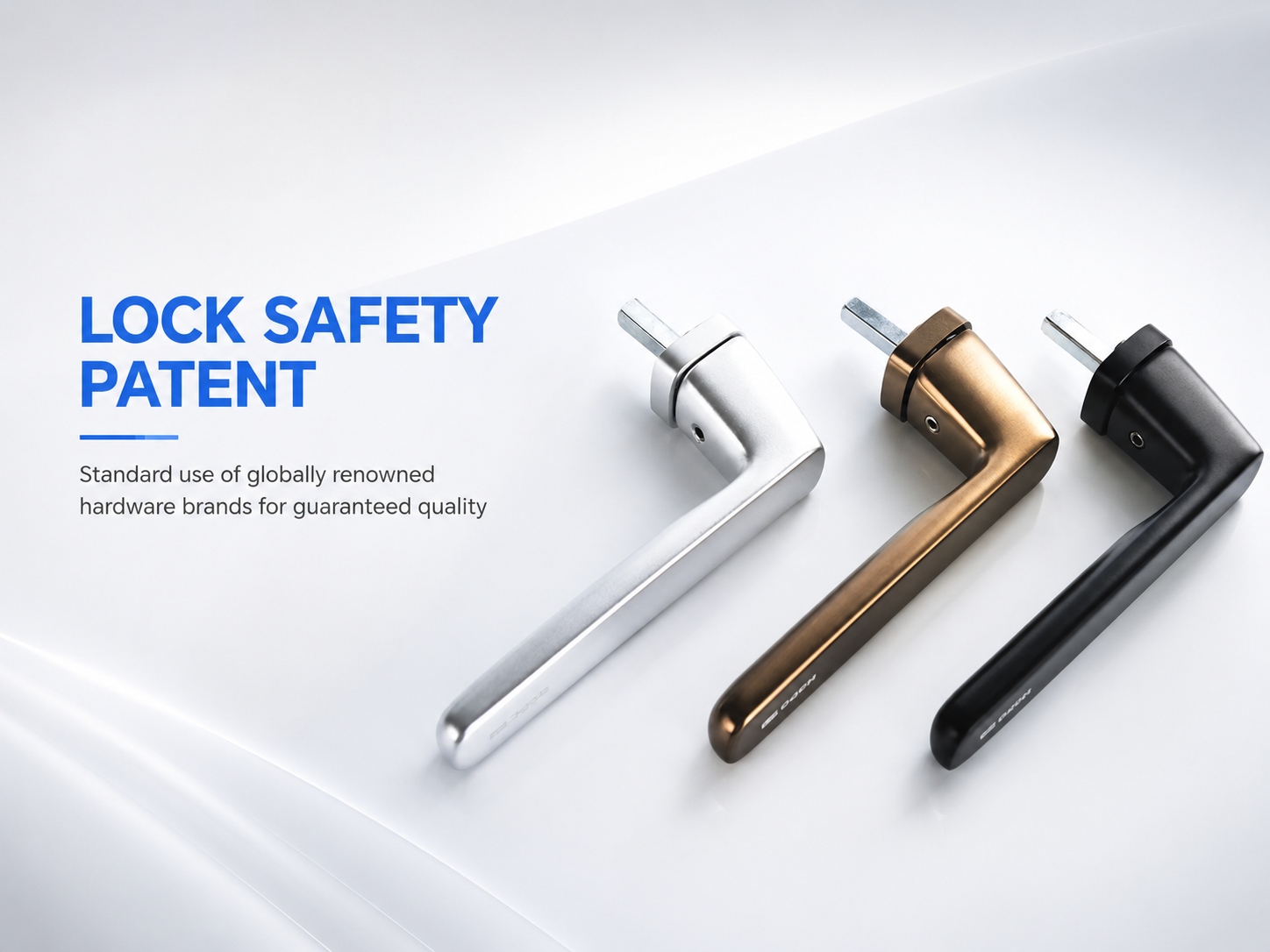
Handle: Stainless steel handles are provided as standard, offering corrosion resistance and durability in high-traffic installations. Handle style and finish influence the overall aesthetic of the 3 panel sliding patio door. Buyers should confirm handle type, locking mechanism integration, and whether lever or pull styles are available for their selected model.
Rollers: The sliding mechanism relies on roller assemblies for smooth panel movement. Roller quality directly affects long-term operation ease and maintenance frequency. Heavy-duty rollers are recommended for larger panels and commercial traffic. Buyers should confirm roller load ratings and whether adjustment features are included.
Buffer and Soft-Close System: A buffer or soft-close mechanism may be available to prevent panel slamming and reduce wear on hardware components, enhancing user safety. Buyers should verify whether soft-close is standard or optional and confirm compatibility with their selected door configuration.
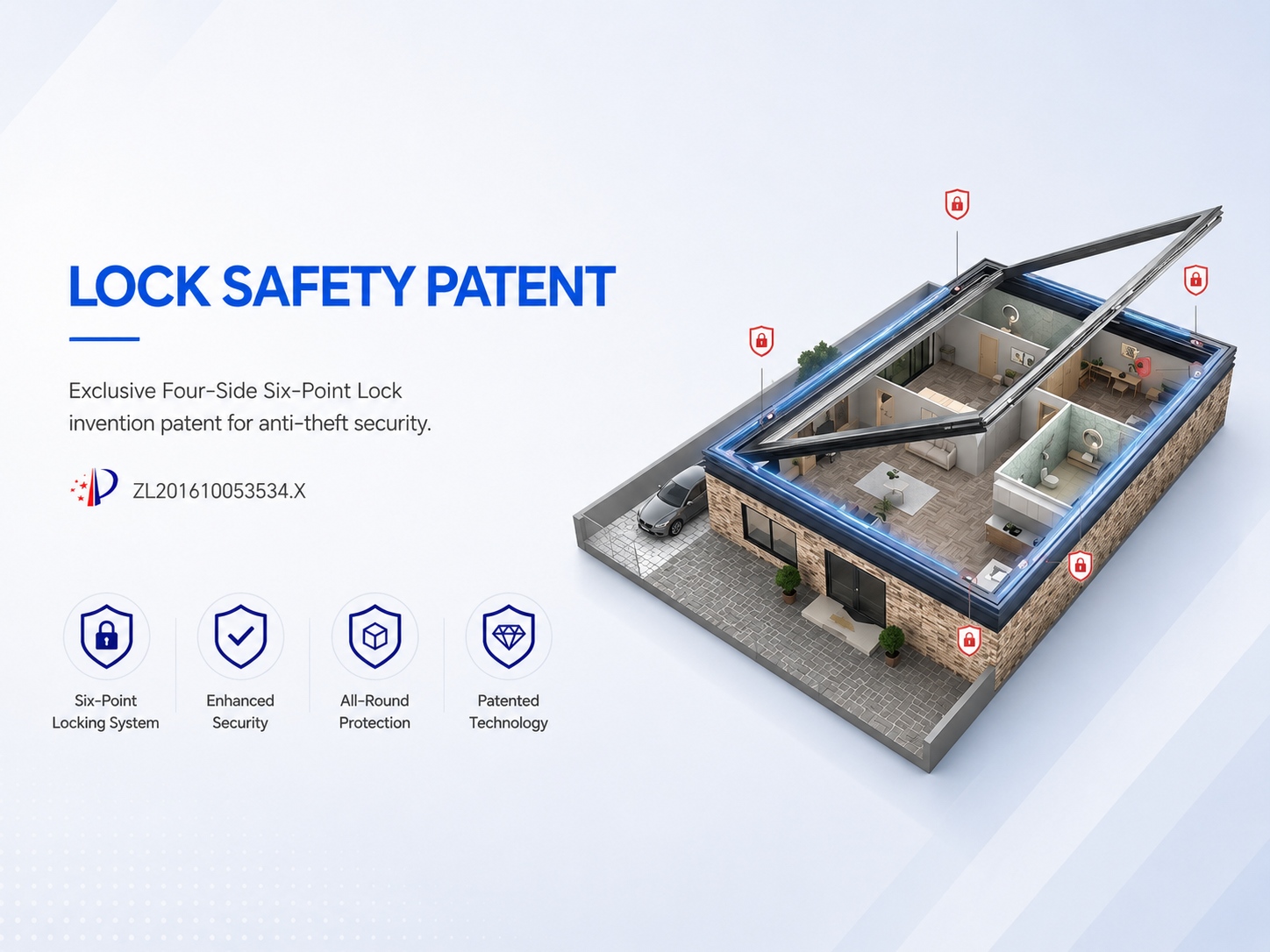
Lock: The locking system secures sliding panels in the closed position. Multi-point locking options may provide enhanced security for ground-floor and commercial installations. Lock type and cylinder standards vary by market, so buyers should confirm the lock configuration meets local security requirements.
Track System: The track assembly guides panel movement and manages sill drainage. Proper track design is critical for smooth operation and weather resistance in exposed installations. Buyers should discuss track profile options and installation method with the supplier for this heavy duty balcony sliding door.
Sealing and Connection Hardware: Weather seals and interlock components prevent air and water infiltration between panels and the frame. Seal quality significantly impacts thermal performance. Airtight seals in this system contribute to energy savings. Buyers should confirm seal material durability and replacement availability for long-term maintenance planning.
Basic Parameters
Performance Item | Available Information | Buyer Notes |
|---|---|---|
Thermal Insulation | Advanced model U-value 1.2 W/m²K; thermal break may reduce heat transfer by up to 40% | Confirm model tier and U-value for project energy code compliance when specifying the 3 panel sliding patio door |
Wind Pressure Resistance | Designed for hurricane zones; specific wind rating subject to confirmation with supplier | Verify rating against local building code wind speed requirements |
Water Tightness | EN 14351 certified; specific class subject to confirmation | Confirm water tightness class for exposure level at installation site |
Air Tightness | Airtight seals included; specific rating subject to confirmation | Verify air tightness class if required by project specifications |
Sound Insulation | May provide up to 35 dB reduction with double-glazed configuration | Confirm acoustic performance for noise-sensitive applications |
Product Specifications
Item | Details |
|---|---|
Product Name | 3 Panel Sliding Patio Door |
Product Type | Sliding Patio Door |
Material | Thermal break aluminum, aluminum alloy, stainless steel |
Glass Type | Tempered double-glazed |
Glass Thickness | Confirm with supplier before production |
Frame Option | Thermal break aluminum / aluminum alloy / stainless steel |
Hardware | Stainless steel hardware; built-in blinds (optional) |
Opening Style | Horizontal sliding |
Size Range | Confirm with supplier based on project requirements |
Application | Residential and commercial; coastal and hurricane-prone regions |
Customization | Model tiers (Base/Advanced/Pro), glass types, finishes, screen netting |
Notes | Dimensions, MOQ, lead time, and warranty subject to confirmation |
Advantages
Brand Strength: DERCHI provides quantified performance benchmarks against industry standards, giving B2B buyers measurable data for specification decisions. This transparency supports confident product evaluation during procurement. Buyers should confirm that published performance figures apply to their selected model tier and configuration.
Factory Capability: The product range spans three model tiers with distinct thermal and structural specifications, indicating manufacturing flexibility. Multiple certification achievements suggest established testing and quality processes. Buyers sourcing from a 3 panel sliding patio door factory should request facility credentials relevant to their order volume.
Production Capacity: Specific capacity figures should be confirmed with the supplier based on order size and customization level. Large commercial projects may require phased delivery. Buyers should discuss production timelines and capacity reservations during the quoting process.
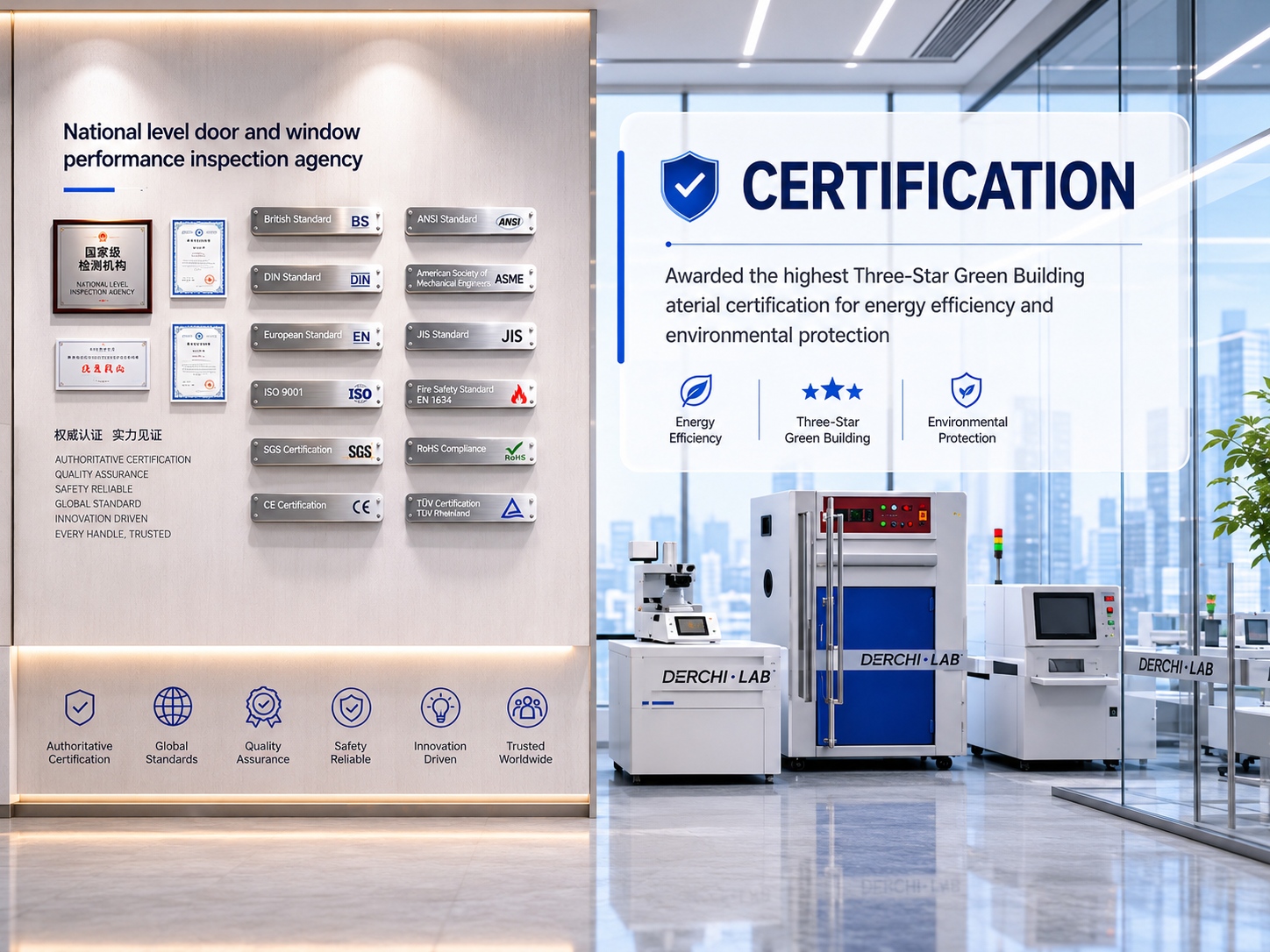
Certifications: The door holds EN 14351, CPR, ASTM D3163, ASTM E330, ASTM B117, EN 1279, EN 13501-2, and ISO 10077-2 certifications covering wind resistance, fire performance, and corrosion testing. Buyers should confirm whether each certification applies to their selected configuration and request test report numbers for verification.
Service Capability: Multiple model tiers, custom finishes, and optional hardware suggest the supplier can tailor products to project needs. OEM and ODM arrangements may be discussed. Buyers should clarify pre-sale technical support, drawing assistance, and after-sales service scope before ordering.
Customization Capability: The product line offers three thermal performance levels, four glass options, multiple frame materials, and tiered finish selections. This breadth allows architects to specify a three panel sliding glass door that meets both performance requirements and design intent. Buyers should present specifications early for confirmation.
B2B Support: DERCHI positions this product for commercial contractors, architects, residential builders, and hotel developers. The certification range and model options support specification into regulated projects. Buyers should confirm documentation availability, including test reports and installation guides, during procurement discussions.
Application Scenarios
Apartment: In multi-unit residential buildings, the 3 panel sliding patio door delivers wide balcony openings while the sliding mechanism preserves interior floor space. Thermal break technology helps meet multifamily energy code requirements. Double glazing reduces noise transfer from exterior traffic. Buyers should confirm dimensions for standard apartment openings and verify fire ratings meet local multifamily building codes.
Home Office: A home office benefits from natural light and ventilation without compromising thermal comfort. The sliding door opens to a patio, creating a productive environment. Double glazing helps maintain a quiet workspace by reducing exterior noise. Buyers should confirm glass privacy options such as frosted variants and whether integrated blinds are available for glare control.
Hotel: Hotel installations demand durability, aesthetics, and guest comfort. The hurricane impact patio door suits coastal resort properties where storm protection and ocean views are both priorities. Multiple finish options allow design coordination. Buyers for hospitality projects should confirm hardware durability ratings, keying systems, and whether bulk ordering terms are available.
Office Building: Commercial office spaces benefit from the thermal efficiency and sleek appearance of this aluminum sliding door. Large glass panels enhance daylighting, supporting green building certifications. The slide operation suits high-traffic corridors. Buyers should confirm load capacity ratings for commercial occupancy levels and verify accessibility compliance for thresholds.
Outdoor: For outdoor-facing installations such as pool enclosures or covered patios, the door provides weather resistance and insect screening options. Fiberglass or nylon screen netting allows airflow while keeping insects out. For outdoor or exterior-related projects, buyers should confirm weather resistance, water tightness, wind pressure requirements, surface finish, and installation conditions before ordering.
Residential Building: In residential developments, the three panel sliding door connects living spaces to outdoor areas with generous openings. Thermal break construction helps meet residential energy standards across climate zones. The range of model tiers allows builders to select appropriate thermal specifications. Buyers should confirm which model tier satisfies local residential building codes.
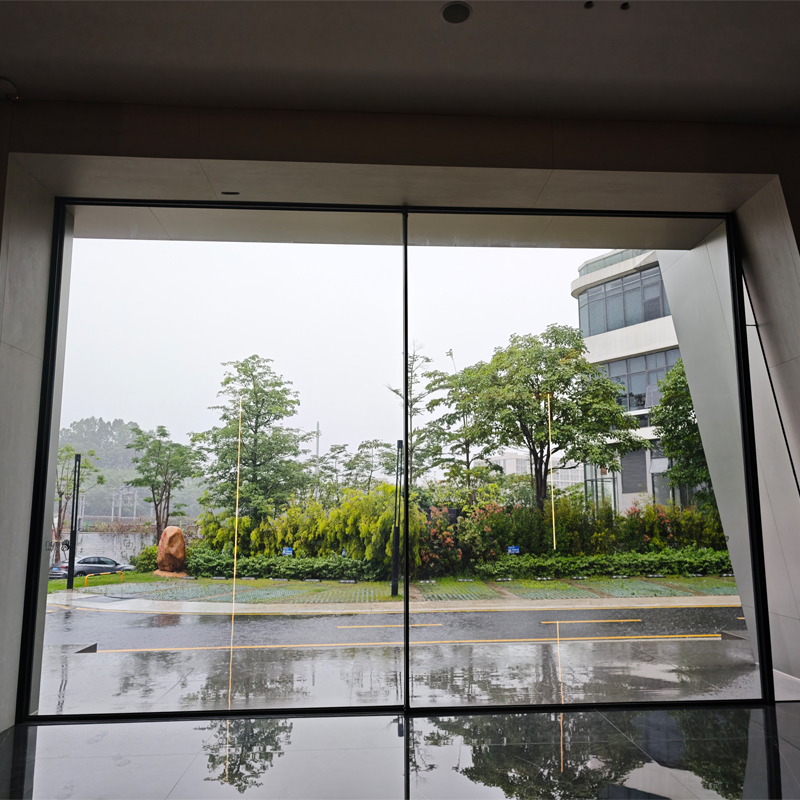
Exterior: Exterior-facing door installations require reliable weather sealing and structural performance. The EN 14351 certification and hurricane impact design address wind and debris exposure. For outdoor or exterior-related projects, buyers should confirm weather resistance, water tightness, wind pressure requirements, surface finish durability, and installation conditions before ordering.
Villa: Luxury villas benefit from wide unobstructed openings and premium finish options on this 3 panel sliding patio door. The Pro model with bespoke finishes and R-4.0 thermal rating suits high-end residential specifications. Screen netting supports indoor-outdoor living in warm climates. Buyers should confirm lead times for custom finishes and whether installation guidance is available for premium projects.
Request a Quote
To request a quote for the 3 panel sliding patio door, please provide the following information:
Product title and quantity required
Opening dimensions and rough opening sizes
Preferred model tier (Base, Advanced, or Pro)
Glass type and thickness requirements
Frame material and color finish selection
Hardware preferences including lock and handle type
Target market and destination country or port
Certification or documentation requirements
Project drawings if available
Supplying complete details ensures accurate pricing and timely delivery planning.
What to Confirm Before Ordering
Dimensions: Overall door dimensions, panel widths, and rough opening sizes must be confirmed with the supplier as no standard sizes are published.
Model Tier: Select Base, Advanced, or Pro based on thermal performance, load capacity, and fire rating requirements for your project.
Wind Rating: Confirm the specific wind resistance value for your selected configuration, as published data references varying thresholds.
Certifications: Verify that required certifications apply to your selected configuration and request test report numbers for compliance documentation.
Order Terms: Confirm minimum order quantity, pricing tiers, lead times, warranty terms, and OEM or ODM availability before placing your order.
FAQ
What is the 3 panel sliding patio door made of?
The door is constructed with thermal break aluminum, aluminum alloy, and stainless steel frames paired with double-glazed tempered glass. The thermal break barrier reduces heat transfer compared to standard aluminum profiles. Stainless steel hardware provides corrosion resistance for coastal installations. Buyers should confirm exact material composition for their selected model tier, as specifications may vary between Base, Advanced, and Pro configurations.
Where can this three panel sliding door be installed?
The door is designed for both residential and commercial applications, including apartments, hotels, villas, offices, and exterior-facing installations. Hurricane impact resistance makes it suitable for storm-prone and coastal regions. Thermal break construction supports energy-efficient builds across diverse climates. Buyers should confirm their selected configuration meets local building codes, particularly regarding fire ratings, wind resistance, and accessibility requirements for the intended application.
Can the 3 panel sliding glass patio doors be customized?
Yes, customization options include glass type (clear, tinted, frosted, double-glazed tempered), frame material, color finish, screen netting, and hardware selections. Three model tiers offer progressively higher thermal and structural performance. OEM and ODM arrangements may be available for qualifying orders. Buyers should submit detailed project requirements to confirm customization feasibility, lead times, and any minimum order quantities that may apply.
What information is needed to request a quote?
To receive an accurate quotation, provide the product title, quantity, opening dimensions, preferred model tier, glass type, frame material, hardware preferences, target market and destination port, certification or documentation requirements, and project drawings if available. Since dimensions and pricing are not standardized, supplying complete specifications ensures the supplier can deliver a precise quote for your 3 panel sliding patio door project.
Does this thermal break sliding door meet hurricane impact standards?
The door is designed to withstand high winds and windborne debris, meeting EN 14351 standards. Wind resistance values referenced in product materials vary, so buyers should confirm the specific rating applicable to their selected model and configuration. Projects in hurricane zones should verify the door satisfies local building code wind speed requirements, which may differ from EN 14351 certification thresholds.
What certifications does this aluminum sliding door hold?
The product carries EN 14351, CPR, ASTM D3163, ASTM E330, ASTM B117, EN 1279, EN 13501-2, and ISO 10077-2 certifications covering wind resistance, fire performance, thermal calculation, and corrosion testing. Buyers should confirm which certifications apply to their selected configuration and request test report numbers for compliance verification with project stakeholders and regulatory authorities.
What should I confirm before ordering a 3 panel sliding patio door?
Buyers should confirm overall door dimensions and rough opening requirements, the appropriate model tier, glass type and thickness, frame material and finish, hardware specifications, local building code compliance, certification documentation availability, lead times, minimum order quantities, warranty terms, and shipping logistics. Since several specifications are project-dependent, early consultation with the supplier is recommended to avoid delays.
How does double glazing improve performance in this sliding door?
Double-glazed tempered glass enhances thermal insulation by creating an insulating air space between panes, which may reduce heat transfer compared to single-pane systems. It also contributes to sound reduction, with the configuration potentially achieving up to 35 dB noise attenuation. Buyers should confirm specific acoustic and thermal performance values for their selected glass type and model tier, as these vary by configuration.