Aluminum Doors for Public Buildings
Plan doors for civic, education and shared-use projects with DERCHI. Share your location, approximate door quantities and requirements to start a project quote.
For contractors, importers and project design teams
Start with the right door family
Compare aluminum swing-door systems by location, daily use and required hardware. These DERCHI families provide two starting points for your project discussion.
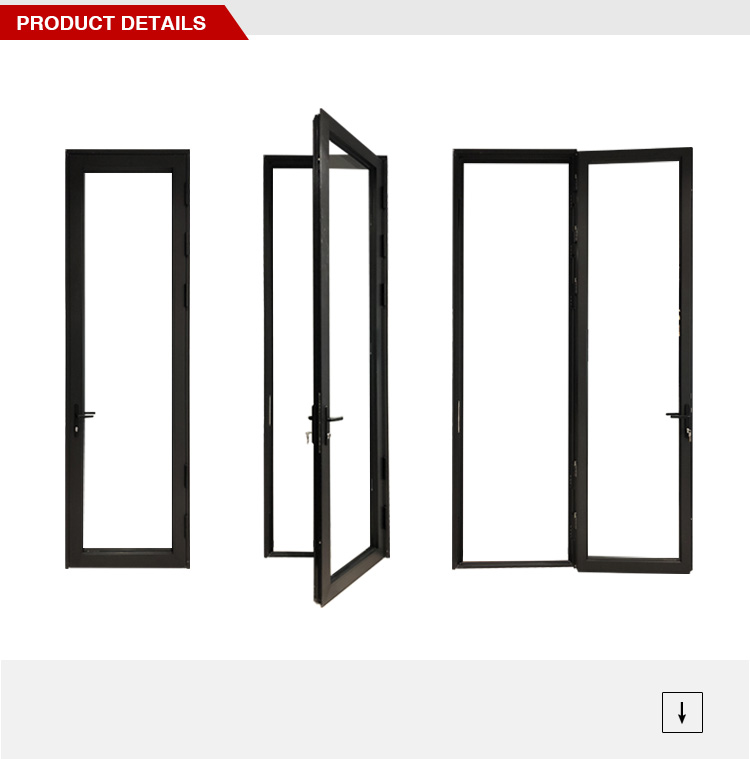
P103 swing-door options
Explore single and paired glass swing doors for suitable interior openings. Relate the active leaf, glazing and hardware to the room and its expected use.
Explore P103 Swing Doors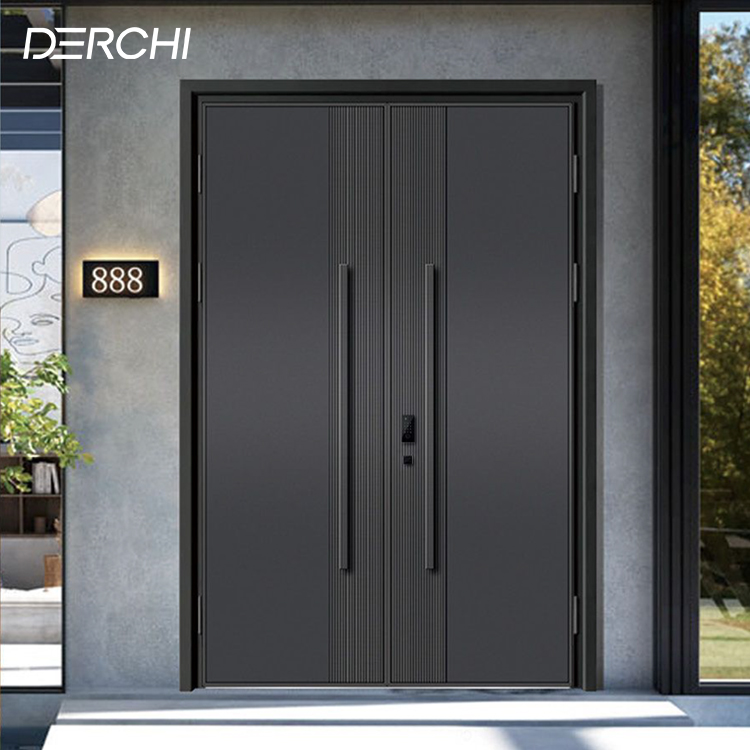
Thermal-break hinge-entry doors
Discuss exterior door configurations, finish and glazing requirements. Check the selected entrance assembly against exposure, access and the project specification.
Explore Hinge-Entry DoorsSpecify busy entrances, fire/smoke-rated openings and automatic operation separately in your door schedule. Each needs its own assembly and document review; an interior door family is a starting point for suitable indoor openings.
Give each opening a clear job
The main entrance, staff doors and shared rooms serve different users. Use location and operating hours to guide the door schedule.
Civic & visitor services
Visitors need an obvious route; staff areas need controlled access. Identify which doors welcome the public and which separate reception from back-of-house work.
Education & training
Class changeovers concentrate traffic. Consider leaf movement, child contact risks and hardware duty alongside the required clear passage.
Community & shared facilities
An evening event may use only one wing. Coordinate the doors left open, the areas kept secure and the required exit routes.

Coordinate passage, hardware and exposure
A door opening works as a complete assembly. Relate the glass, hardware and frame to the users and the surrounding construction.
- Passage & leaf movementCheck the active leaf and maneuvering space. A pair’s overall width does not tell you the usable passage through one leaf.
- Glass, locking & closingDefine safety-glazing needs and glass weight, then coordinate hardware, access control and any operator with required exit behavior and power-loss conditions.
- Threshold & weather exposureA low threshold needs a coordinated exterior ground level, drainage and weather-protection approach. Resolve that interface before fabrication.
Use three separate dimensions
Identify the measured site opening, finished frame size and required clear passage on the drawings. For paired doors, identify the active leaf as well. Review public entrance door details for main-entry openings.
Prepare a comparable door package
Start with a door schedule. Matching the same opening, glass, hardware and supply responsibilities makes supplier proposals easier to compare.
| Door-schedule item | What to include |
|---|---|
| Door ID & use | Location, quantity, public or controlled access, and expected traffic. |
| Size & operation | Site opening, finished frame, clear passage, handing and active leaf. |
| Glass & hardware | Safety-glazing needs, finish, locks, closers, exit devices and control interfaces. |
| Documents & scope | Required reports, project drawings, procurement conditions and installation responsibilities. |
United States
Include the project location, applicable specifications and any domestic-source or funding-related procurement restrictions.
Canada
Identify the province, opening type and documents required by the project team for the selected configuration.
South America
Share the country, owner’s specification, imported-product acceptance and local installation arrangements.
Use the catalogue for product direction and support for architects for drawings and technical-document discussions. Have the local project reviewer assess the selected assembly and installation details before order release.
See the manufacturing behind the project
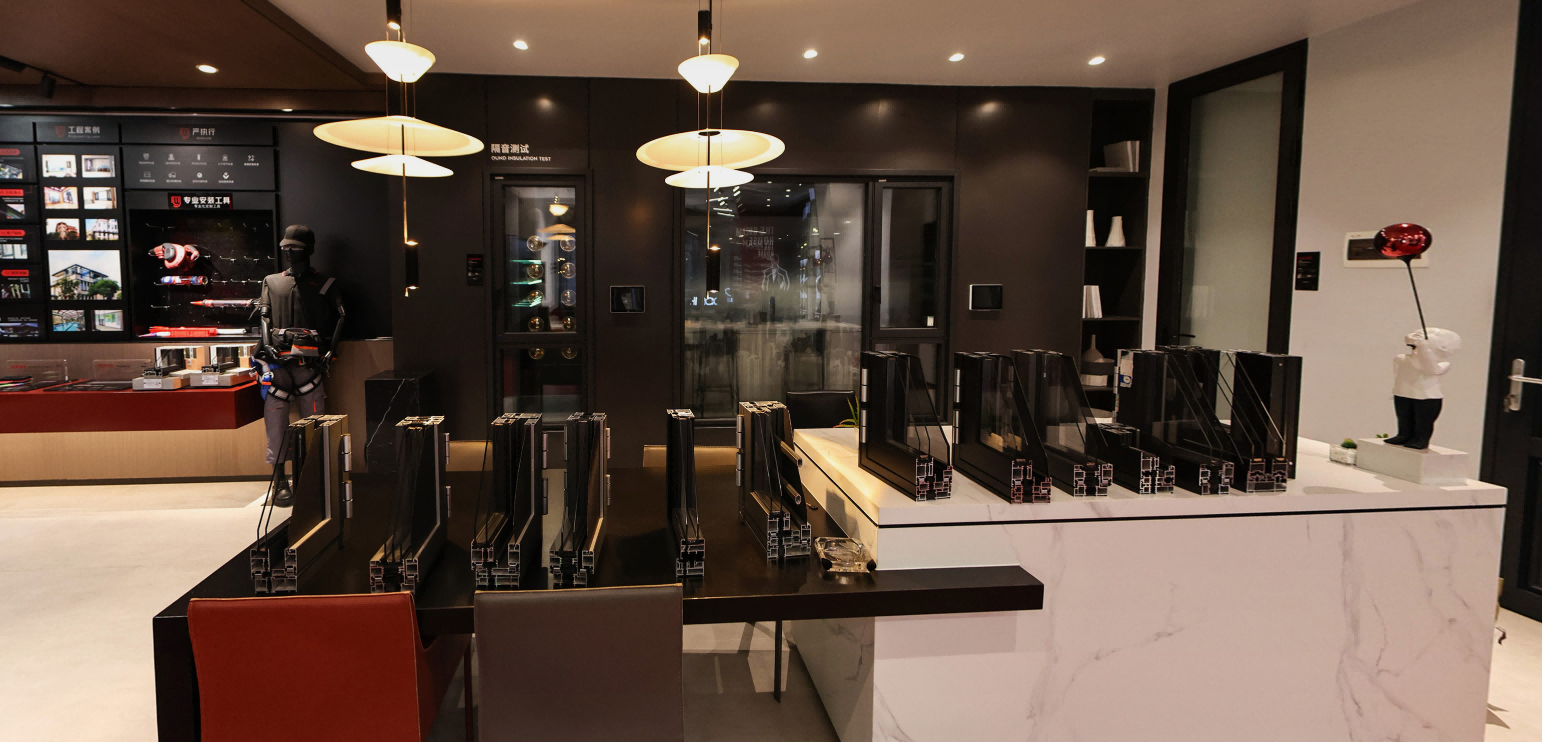
Production Base
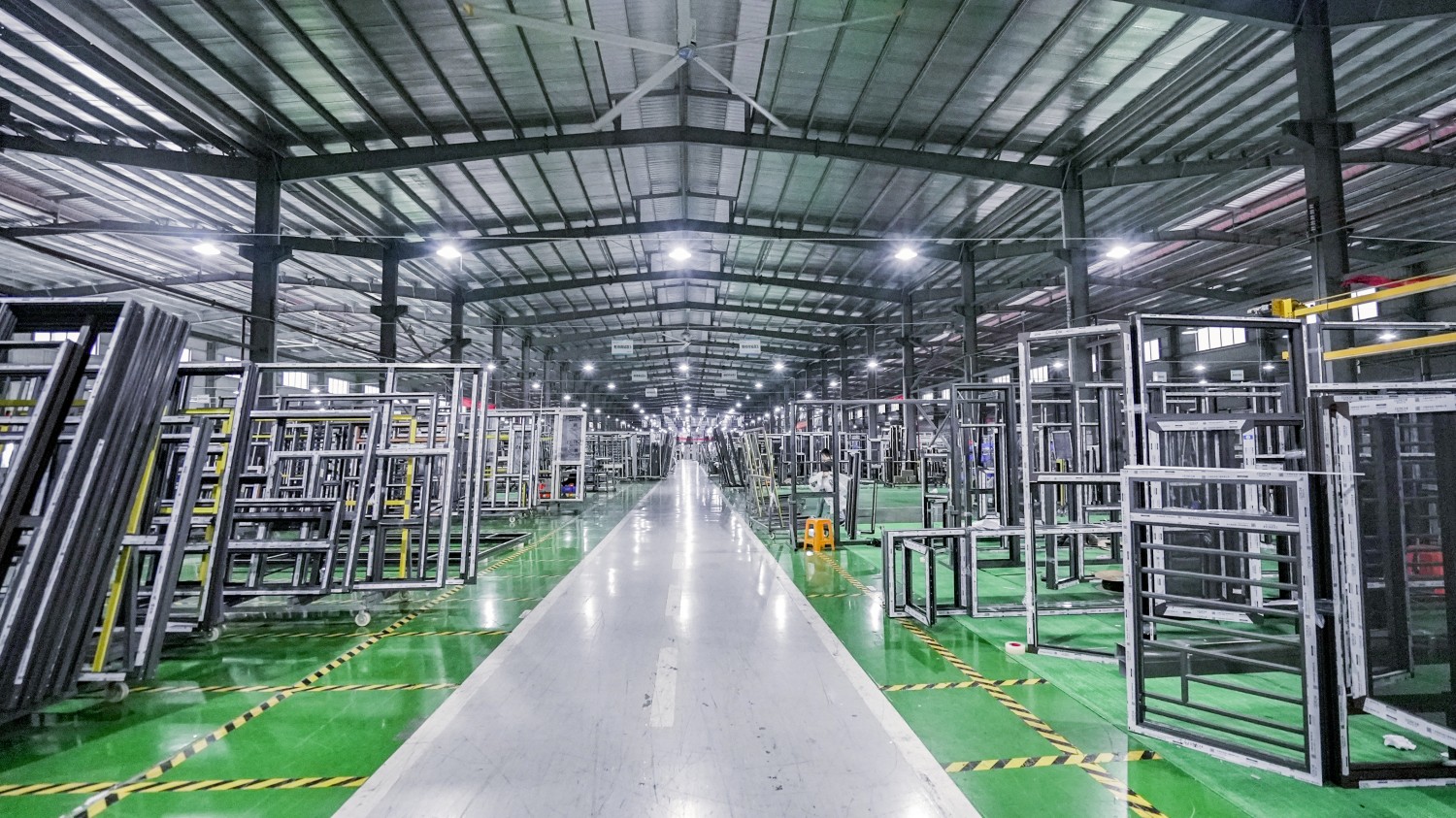
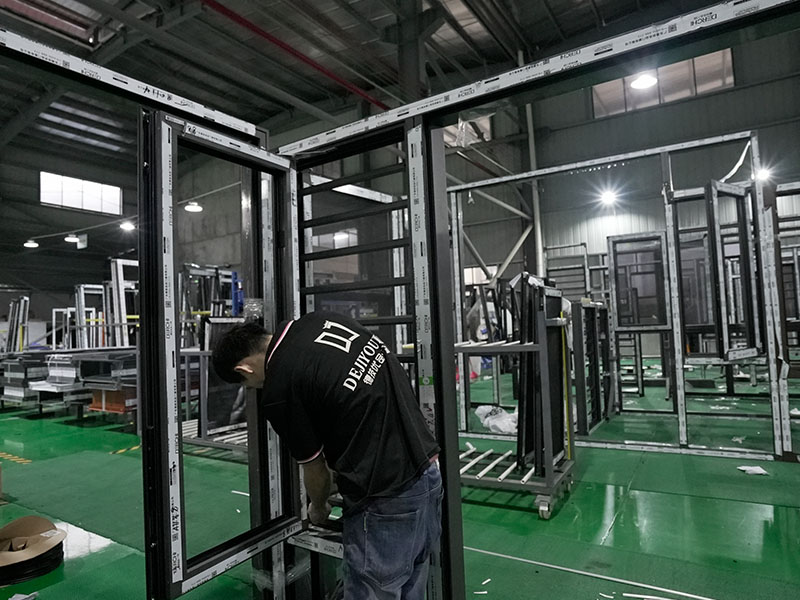
From approved drawings to fabrication, discuss the production, inspection and packing steps for your order. Match the final component list and documentation to the agreed project scope.
View the DERCHI FactoryAgree what the project quote includes
A useful quote states the component list and the handoff to your local team. Agree the inclusions and responsibilities before production.

- 01 · PROJECT INPUTShare door IDs, drawings and requirements.
- 02 · CONFIGURATIONDiscuss systems, documents and supply scope.
- 03 · PRODUCTION RELEASEAgree drawings, components and milestones.
- 04 · SITE HANDOFFCoordinate labels, shipment and local work.

Plan maintenance and replacement
Keep the door and hardware identification with the building’s maintenance records. It makes adjustments and replacement requests easier to discuss.
- Local maintenance responsibilityAgree who inspects and adjusts closers, locks, hinges and seals after installation.
- Replacement informationRetain component references, drawings and service records. Discuss replacement-parts arrangements before ordering.
Discuss the written project terms, including covered components, exclusions, labor and transport responsibilities.
Questions before you request a quote
Start with the information you have. A clear project brief helps focus the next conversation.
Yes. Begin with the project location, building use, approximate quantities and any existing drawings or site photos. Identify which dimensions are measured openings and which are intended frame sizes; the remaining details can guide the next discussion.
Share the door schedule or elevations, opening sizes, glazing and hardware requirements, and the project specification. Include required reports, procurement-source restrictions and target timing. Use the contact page to begin the exchange.
Selection depends on traffic, door size, hardware, required exit behavior and the complete assembly. Identify the main entrance separately from interior or light-commercial openings, then review the selected configuration against the project requirements.
Check the procurement terms before selecting a supplier. Country-of-origin and domestic-source requirements can depend on the location, funding and contract. Share those conditions early so they can be considered alongside the proposed door package.
Identify the local installer and service arrangements in the project scope. The quotation should separate supplied components from installation, control-system work, commissioning and ongoing maintenance, with responsibilities agreed in writing.
Pricing and timing depend on the selected configurations, quantities, glass, hardware, documents and supply scope. Ask for an itemized proposal and the approval milestones used to establish the production and delivery schedule.
Discuss your public building door project
Start with your project location, building use and approximate door quantity. Discuss configurations, documents and supply scope with DERCHI.
No complete door schedule yet? Start with the details you have.
View the project brief checklist
Project country / city:
Building use:
Door locations and approximate quantity:
Opening sizes, if known:
Glazing / hardware requirements:
Target project timing:
Drawings or door schedule available: yes / no