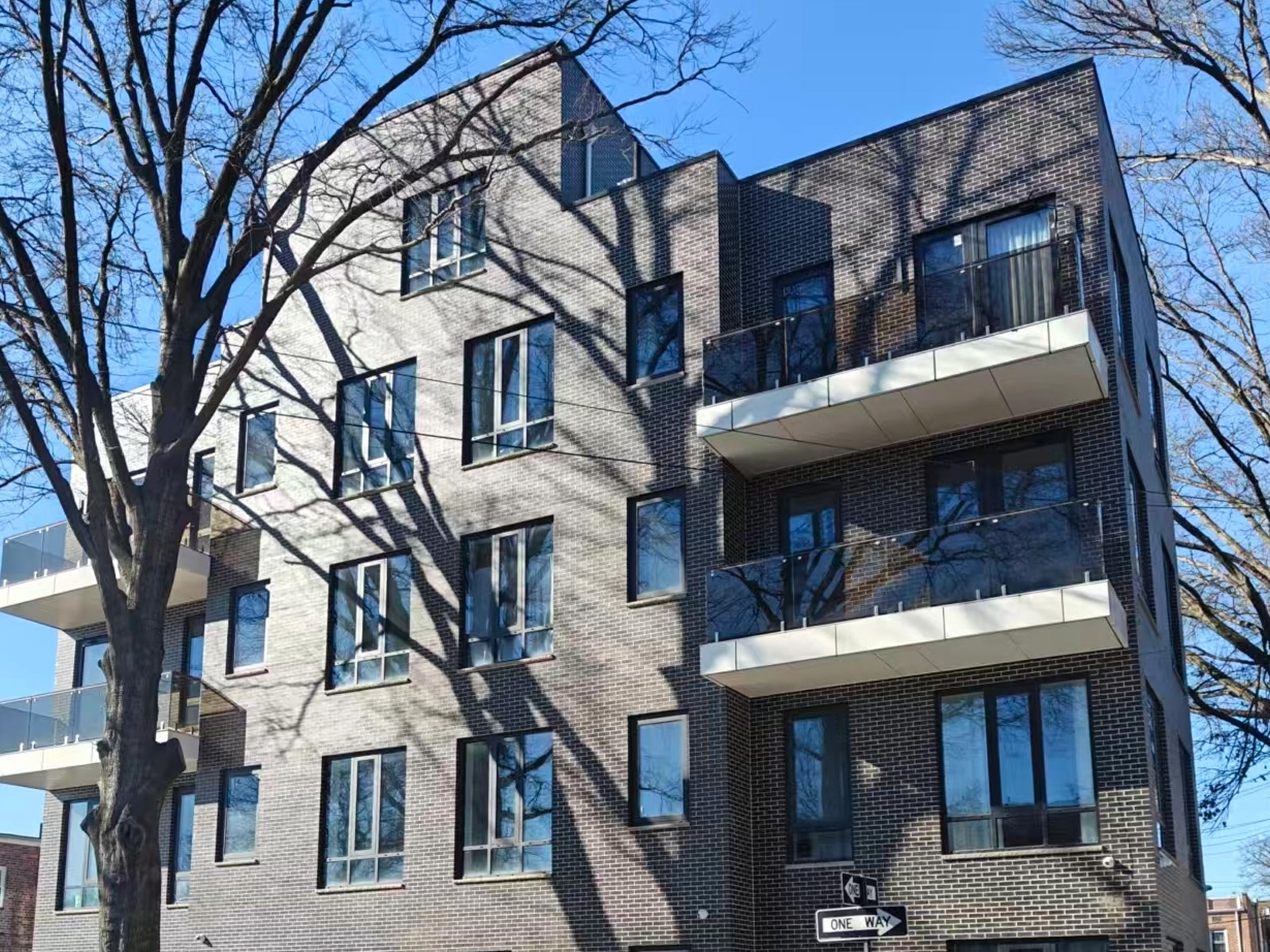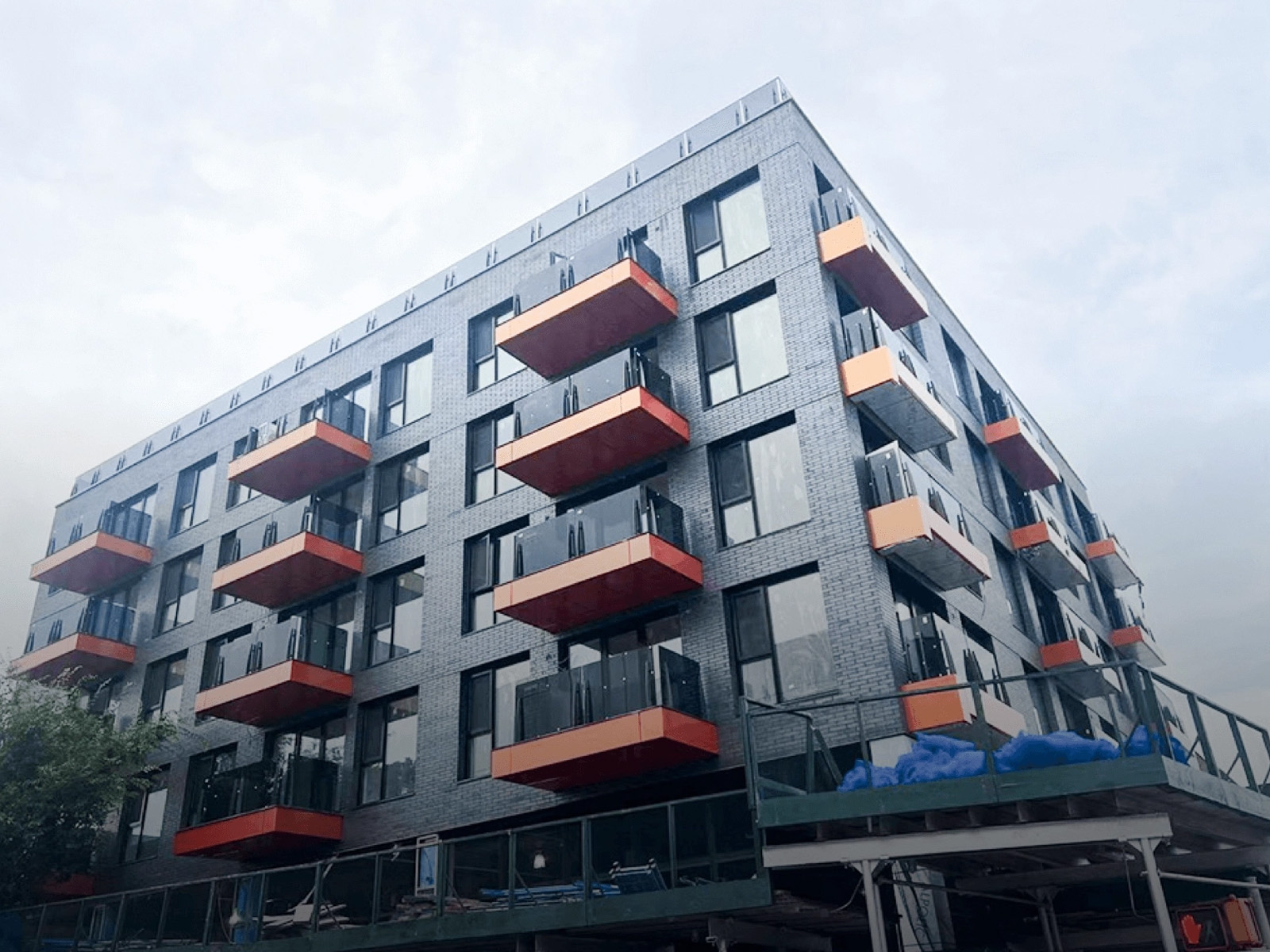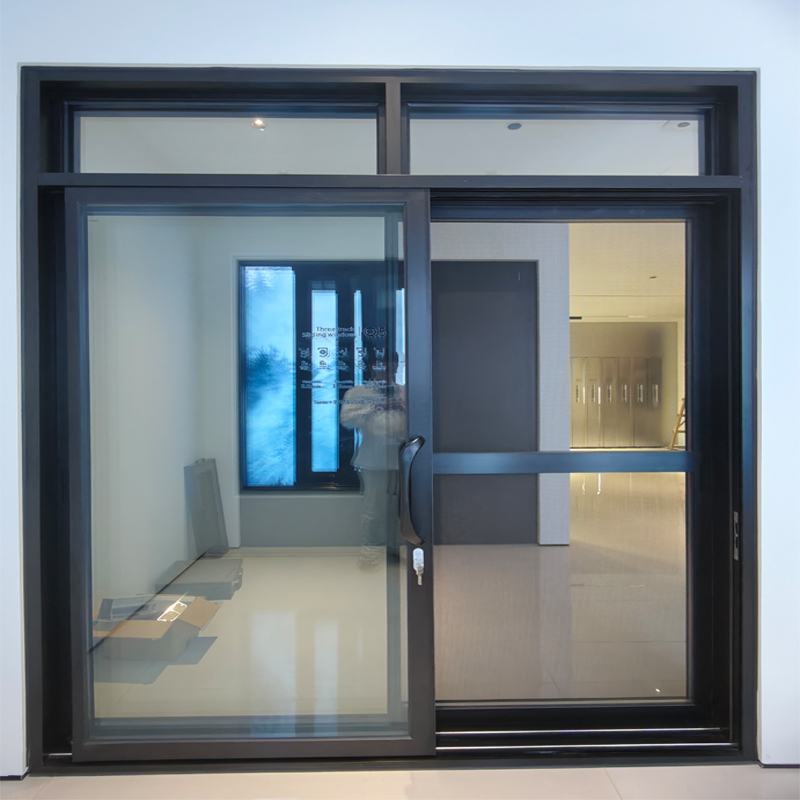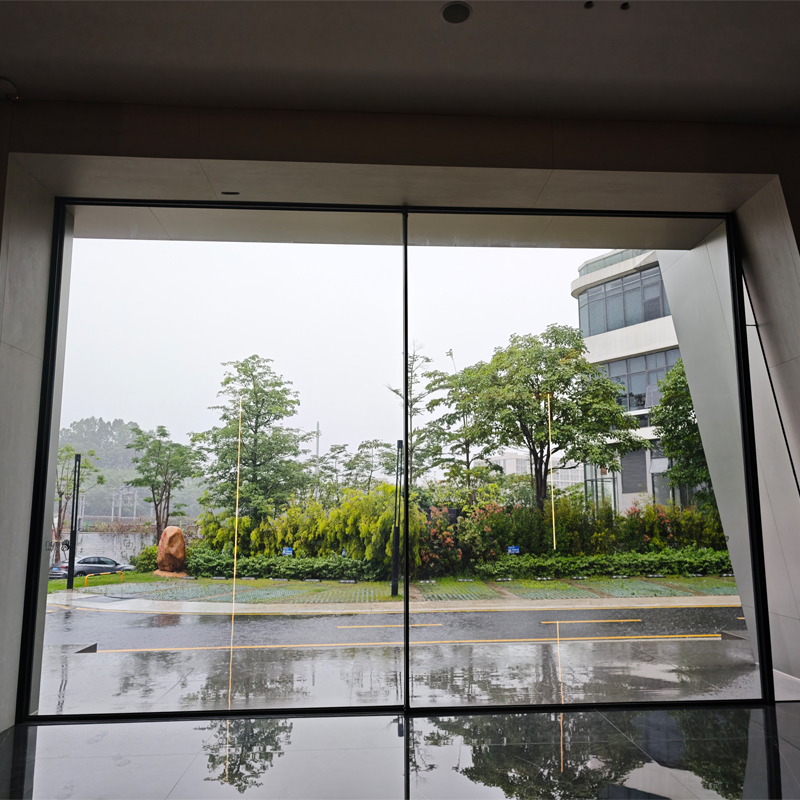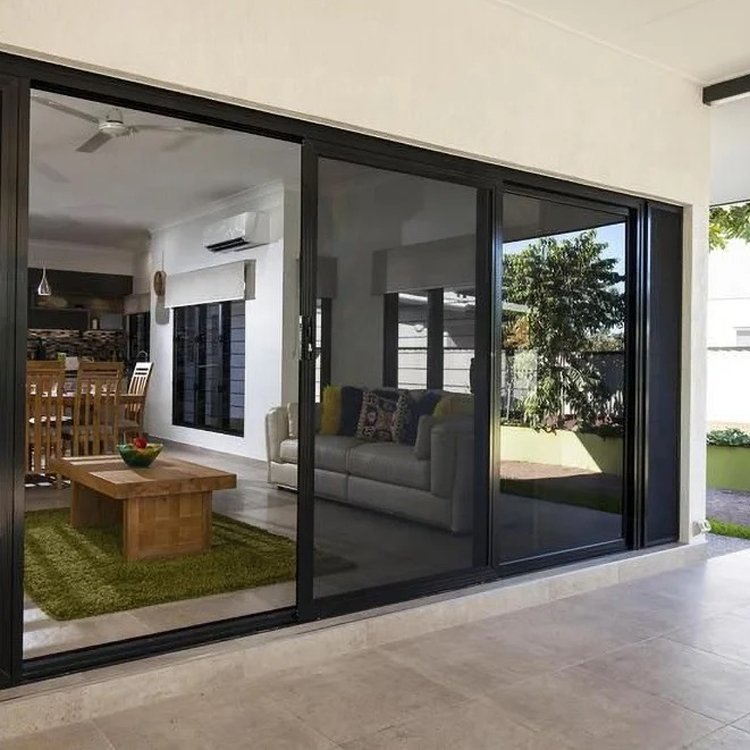


An aluminum sliding door for hospitals must combine hygiene, durability, and seamless automation. DERCHI delivers a configurable sliding system designed specifically for medical environments. With contactless activation, thermal break profiles, and heavy-duty components, it supports high-traffic healthcare workflows while optimizing space.
- Contactless radar/infrared activation reduces infection risks in clinical entry zones.
- Thermal break aluminum frames and insulating glass help stabilize indoor temperatures and lower energy consumption.
- Heavy-duty sashes up to 1000 kg accommodate large public entrances and emergency passages.
- Project-driven customization from glass to hardware fits wards, cleanrooms, and barrier-free corridors.

Product Details
A reliable aluminum sliding door for hospitals must perform under constant use while meeting strict hygiene protocols. DERCHI's system combines high-grade aluminum profiles with thermal break technology and insulating glass to maintain temperature control and acoustic comfort. Integrated automation—radar, infrared, and, where specified, AI motion sensing—enables touchless passage, helping to limit pathogen spread in emergency departments, ICUs, and operating room corridors. The door can be configured as a medical automatic sliding door with additional access control for restricted areas.
Beyond standard commercial sliding units, this healthcare sliding door solution offers slim sightlines (20 mm visible width on Q9 series), hidden tracks, and air tightness up to Grade 8. Robust rollers and multi-point locks support high-cycle operation, while barrier-free hospital door thresholds make the transition smooth for patients with mobility aids. Each project is engineered individually—glass selections, frame finishes, and smart control integrations are confirmed based on facility requirements and local regulations.
Product Features
Hygienic Contactless Activation: Radar, infrared, and optional AI motion sensors trigger opening without physical touch, a critical advantage for infection-sensitive hospital sliding door systems.
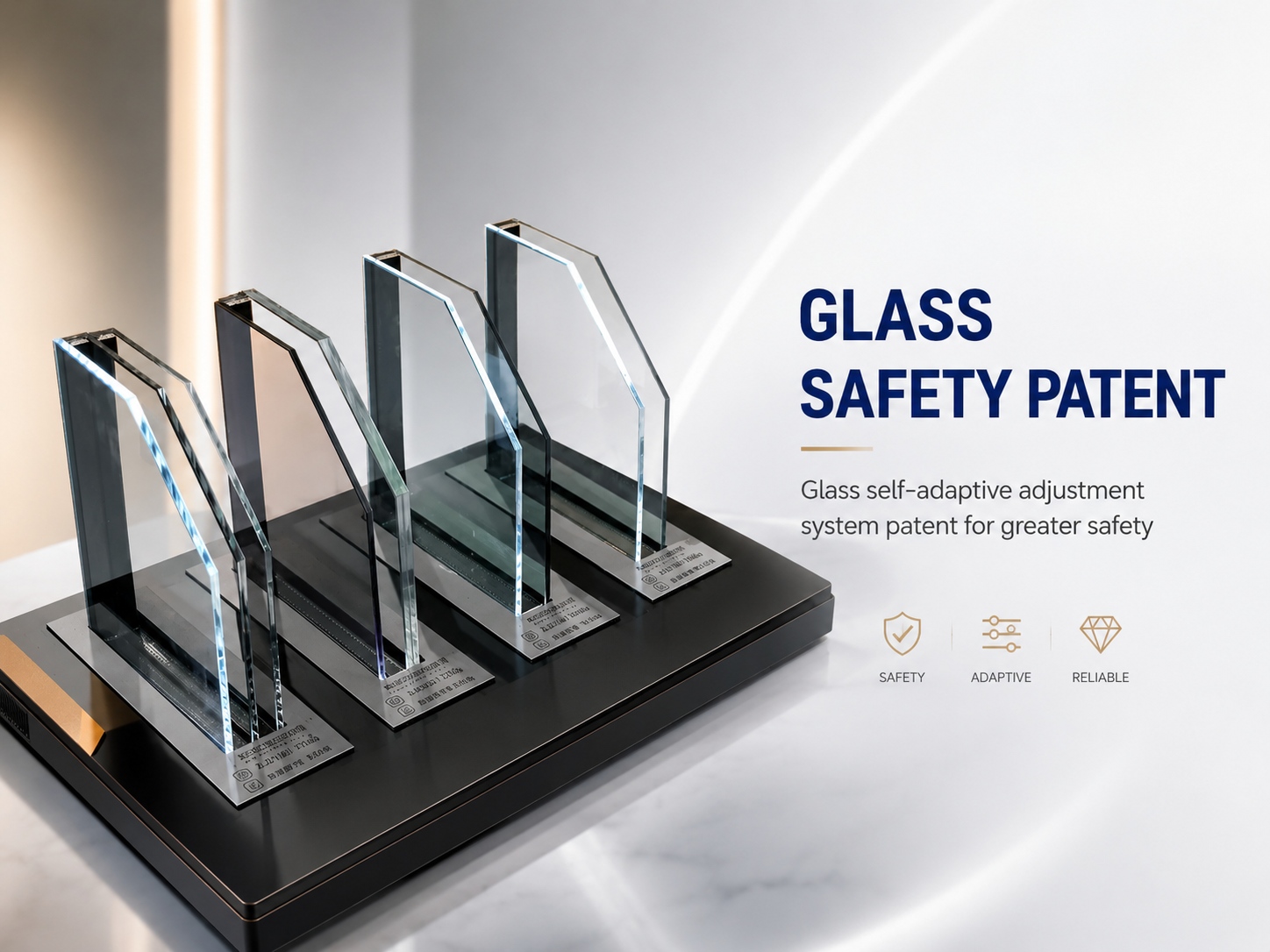
Thermal Efficiency: Thermal break profiles and insulating glass (e.g., 5+27A+5 mm) cut heat transfer, helping medical facilities manage energy costs and meet green building targets.
High-Traffic Durability: Silent four-wheel rollers and anti-sway mechanisms support thousands of open-close cycles daily, making this medical automatic sliding door fit for busy emergency and lobby traffic.
Acoustic Control: Standard sound insulation achieves 30 dB; with acoustic laminated glass, Rw values up to 42 dB are possible, critical for patient recovery areas requiring quiet.
Fully Customizable Dimensions: Sash widths from 580 mm to 3000 mm and heights up to 4000 mm allow an aluminum hospital door to fit oversized entrances, narrow ward partitions, and everything in between.
Smart Integration Ready: Options for BMS, IoT, RFID, and fingerprint access make this aluminum sliding door for hospitals adaptable to modern security and facility management networks.
Customizable Styles
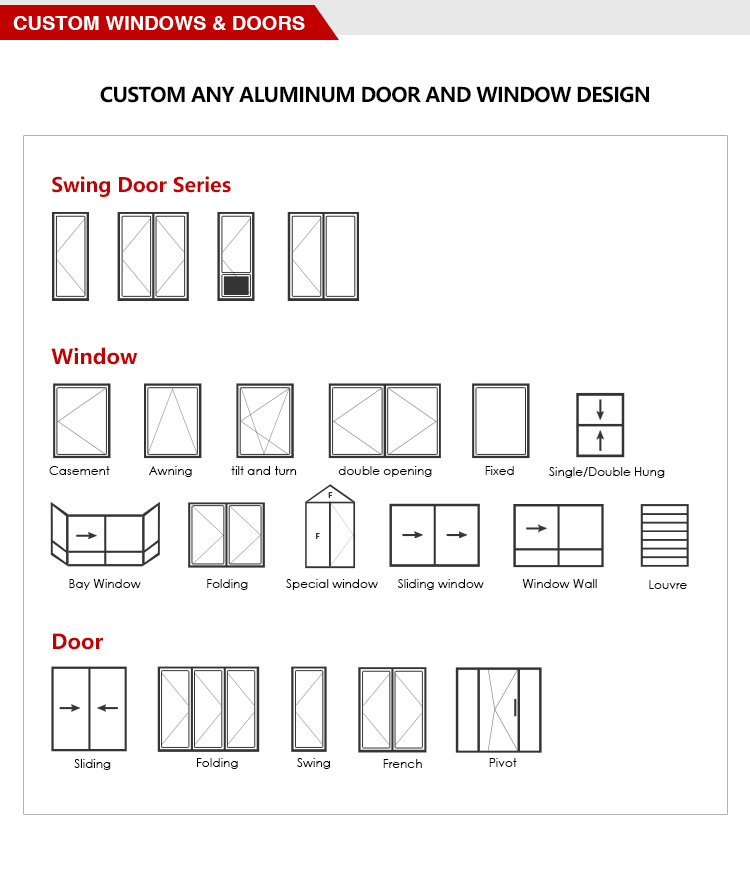
Glass Type: Choose tempered, laminated, low-E, or acoustic insulating glass; specific make-ups (e.g., 8+21A+8 mm) can be confirmed during project engineering.
Frame Finish: Powder coating, anodizing, PVDF, or wood grain finishes in RAL/ custom colors available; buyers should confirm color stability requirements for outdoor exposure.
Threshold Design: Low or fully barrier-free hospital door options support wheelchair and stretcher access; exact height and drainage details to be verified per opening location.
Track System: Surface-mounted or hidden tracks can be specified; hidden tracks offer a cleaner look for patient corridors subject to load and structural review.
Size & Configuration: Sash dimensions and panel layouts are engineered to hospital project drawings; multiple panel and fixed glass arrangements possible.
Hardware Accessories
Silent Four-Wheel Rollers: Smooth, low-noise operation even with heavy sashes; coupled with buffer closers to prevent slamming in high-cycle healthcare sliding door applications.
Anti-Sway & Anti-Drop Rollers: Keep panels stable under daily pressure differentials and heavy use, reducing maintenance in busy hospital corridors.
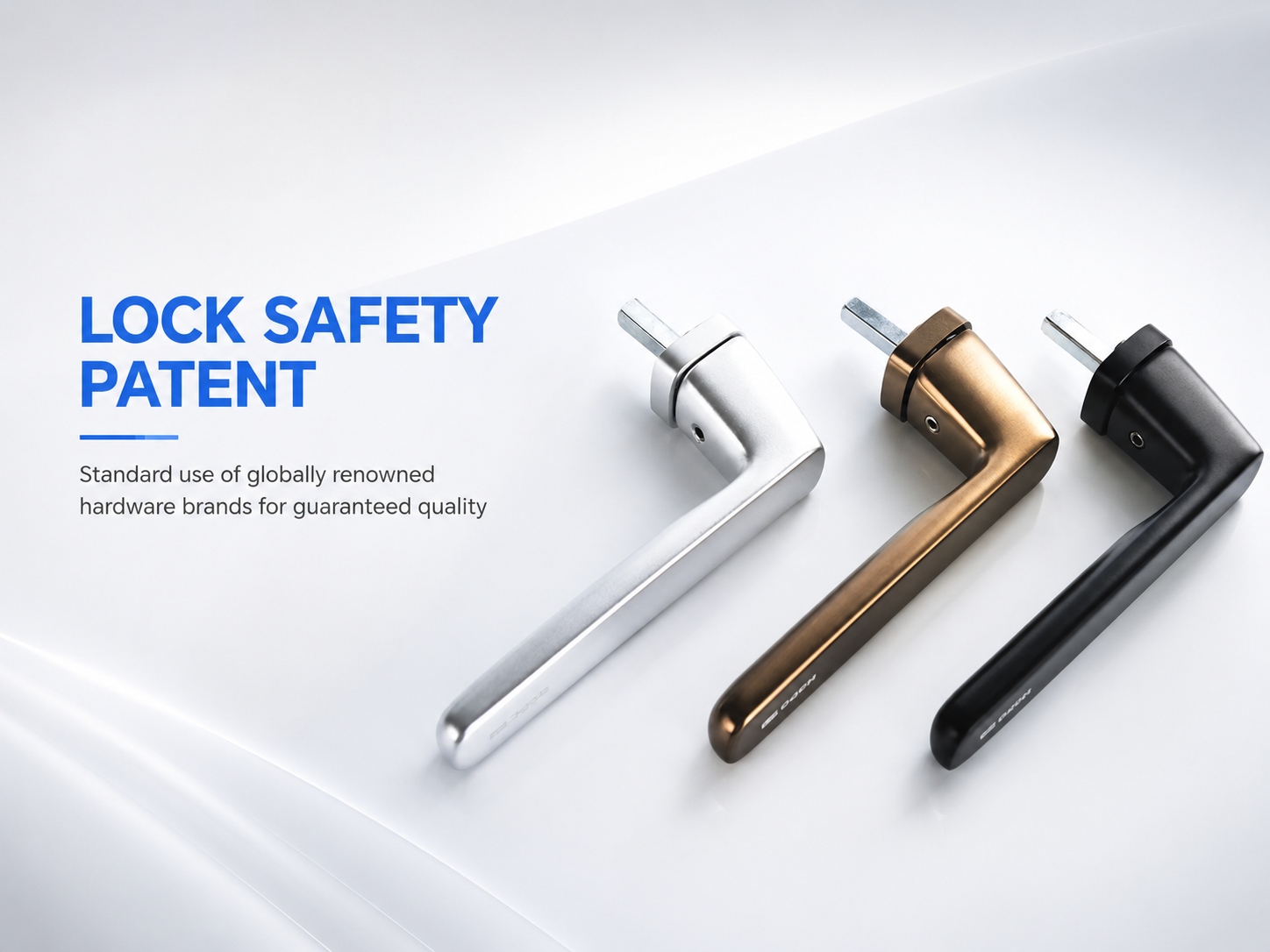
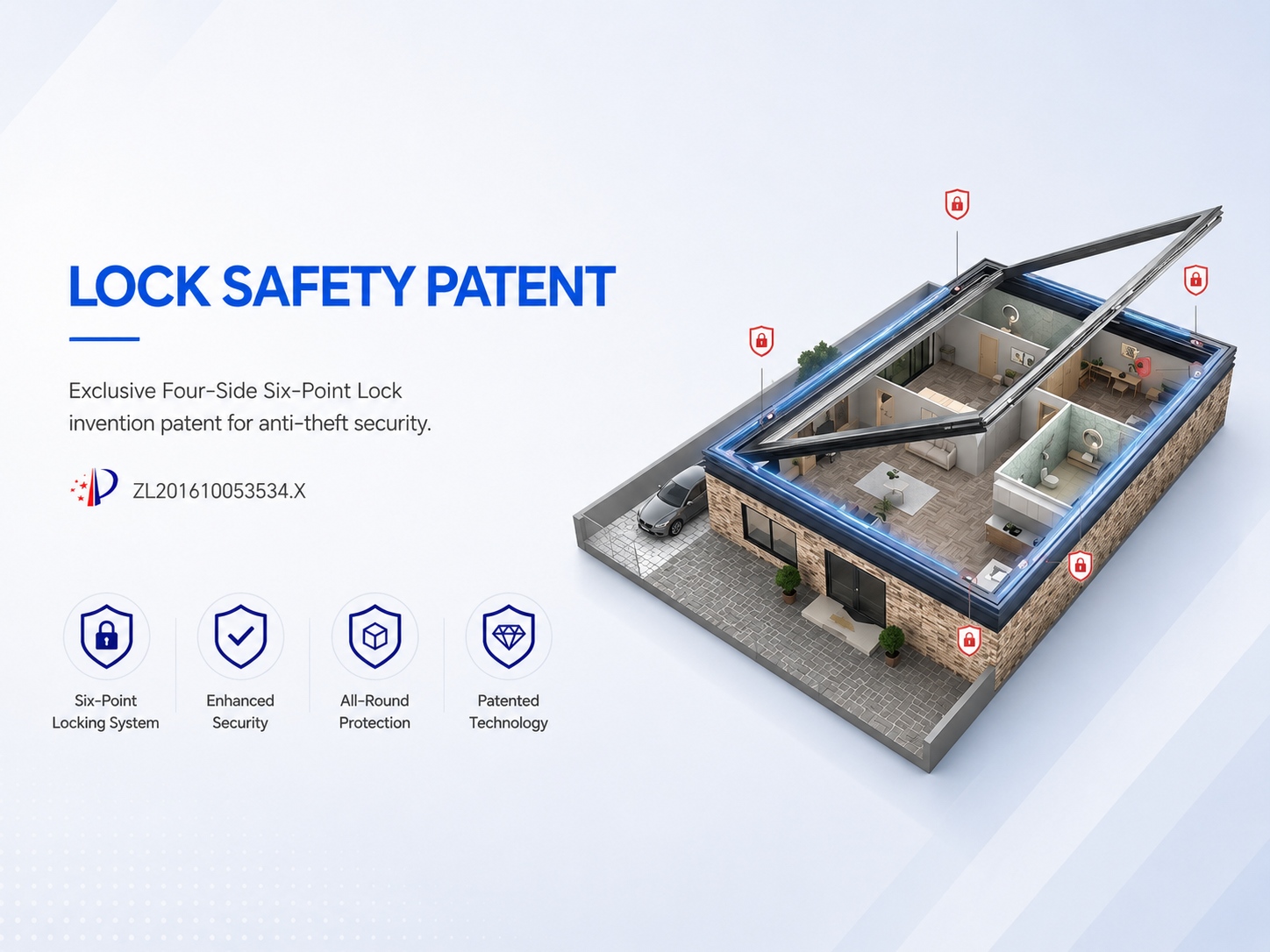
Multi-Point Locking: Side-link or main hook locks in aluminum or stainless steel; can be integrated with access control modules for secure ward entrances.
Stainless Steel Handles: 304-grade aluminum pull handles or hook locks resist frequent cleaning agents; optional fingerprint locks available for restricted areas.
Motion & Safety Sensors: Radar and infrared sensors for automatic opening; safety beams and obstacle detection can be included per EN 16005 guidelines.
Basic Parameters
Performance Item | Available Information | Buyer Notes |
|---|---|---|
Thermal Insulation | 2.5 W/(m²·K) (Q5, Q9 series) | Value depends on glass and frame combination; request project-specific U-value calculations. |
Wind Pressure Resistance | 4.5 kPa Level 8 (Q5); Grade 9 (Q9) | Confirm suitability for building height and local wind loads before sizing panels. |
Water Tightness | 300 Pa Level 3 (Q5); Grade 6 (Q9) | Higher grades may be needed for exposed exterior entrances; discuss with engineering. |
Air Tightness | 4.5 m³/(m·h) Level 6 (Q5); Grade 8 (Q9) | For cleanrooms, request air leakage class per ISO 14644 and confirm gasket options. |
Sound Insulation | 30 dB Level 3 (Q5); up to 42 dB with acoustic glass | Actual STC/Rw depends on interlayer and seal design; specify acoustic targets early. |
Product Specifications
Parameter | Example Values | Note |
|---|---|---|
Glass Configuration (Q5) | 5+27A+5 mm tempered insulating | Standard; other make-ups available |
Glass Configuration (Q9) | 8+21A+8 mm insulating glass | Thicker glass for larger openings |
Sash Width Range (Q5) | 580 – 1500 mm | Confirm maximum panel weight |
Sash Height Range (Q5) | 800 – 3000 mm | Taller panels may need reinforced profiles |
Sliding Sash Width (Q9) | 1300 – 3000 mm | Slim frame design |
Sliding Sash Height (Q9) | 2000 – 4000 mm | High entrances possible |
Fixed Glass Max Area (Q9) | 18 m² | Subject to structural review |
Profile Thickness (Q5) | Frame 2.2 mm, sash 1.8 mm | Aluminum grade to be confirmed |
Profile Thickness (Q9) | Frame/sash 2.2 mm, support 6.0 mm | Reinforced for heavy glazing |
Heavy-Duty Capacity | Up to 1000 kg per sash | Requires track and structural validation |
Advantages
Engineered for Hospitals: DERCHI's healthcare sliding door solutions are built around medical project needs—hygiene, automation, and heavy-traffic endurance are central, not afterthoughts.
Energy Performance: Thermal break aluminum and insulating glass contribute to lower HVAC loads; ask for U-value simulations for your project climate zone.
Contactless Automation: Touch-free opening aligns with modern infection control guidelines; multiple activation methods suit different clinical areas.
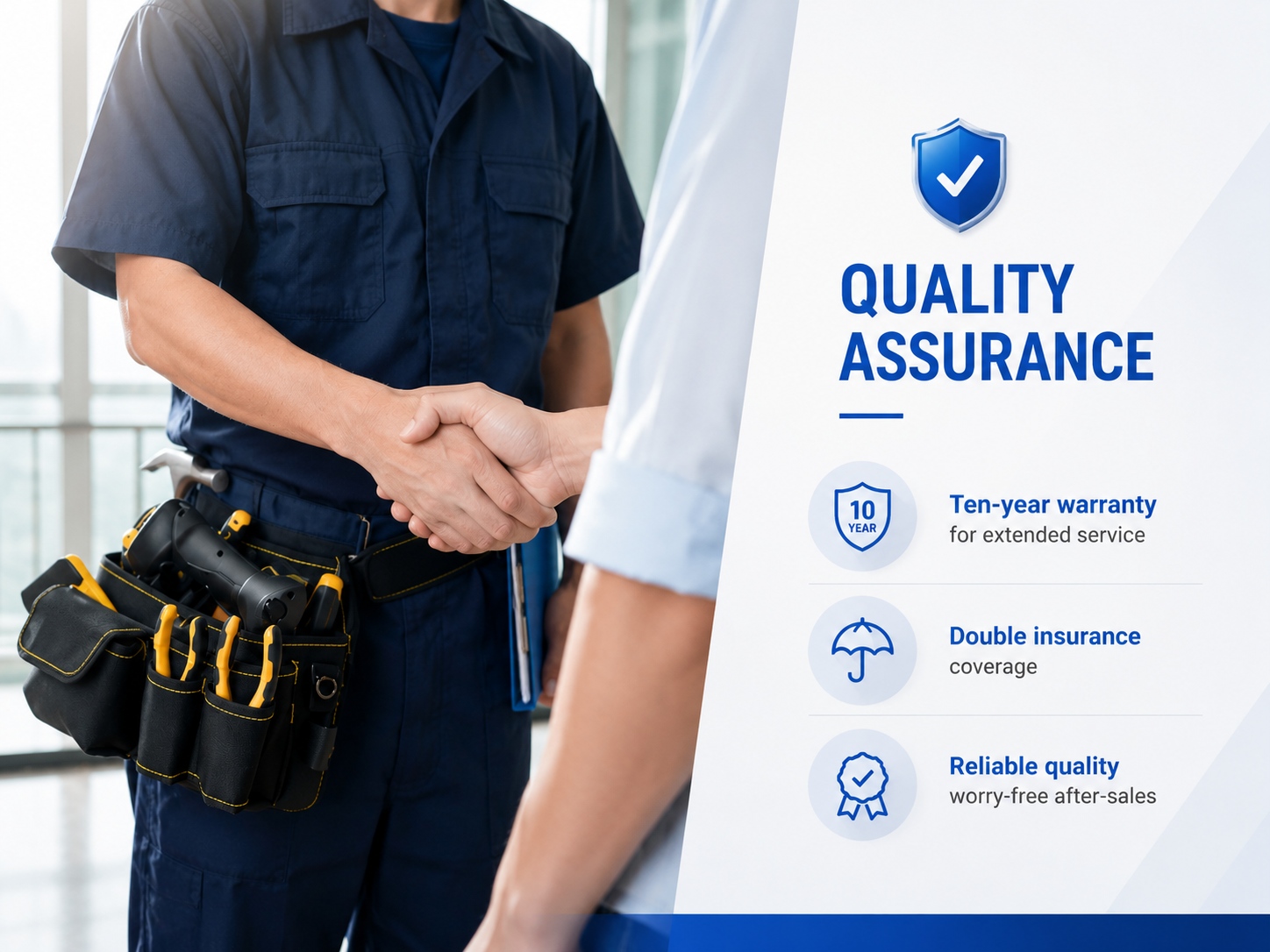
Heavy-Duty Reliability: Rollers and locking tested for frequent cycles; generous sash weight capacities handle oversized emergency and entrance doors.
B2B Project Support: From CAD/BIM details to ODM packages, factory engineering helps international distributors and contractors specify the right aluminum hospital door configuration per market.
Application Scenarios
Apartment: For hospital staff living quarters or on-call suites, compact barrier free hospital door designs with acoustic glass ensure privacy and quiet rest.
Home Office: Administrative and telemedicine offices within medical campuses benefit from a medical automatic sliding door that saves space and supports smooth wheelchair access.
Hotel: Medical tourism hospitality wings can use hotel-style sliding doors with upgraded hygiene features like touchless sensors and easy-clean surfaces.
Office Building: Outpatient clinics and medical office buildings use aluminum hospital door systems to separate treatment rooms and waiting areas with acoustic and thermal control.
Outdoor: Covered entrance canopies or walkways leading into emergency departments may be fitted with weather-resistant sliding doors; confirm coating and water tightness for exterior exposure.
Residential Building: Senior living facilities and assisted-care residences use silent, low-threshold sliding doors for easy access and fall prevention in corridors and common rooms.
Exterior: Main hospital entrance facades clad with aluminum sliding doors must be validated for wind load and driving rain; request project-specific performance data and installation details.
Villa: Private clinics or luxury dental practices installed in villa-style buildings can adopt sleek slim frame sliding doors with custom finishes and biometric access control.
Inquiry Guidance
To request a quote, please share your project location, required size, quantity, preferred frame color, glass type, hardware requirements, and drawings or reference photos if available.
FAQ
How do I get a quote for an aluminum sliding door for hospitals?
Please provide project location, door dimensions, quantity, required performance levels, glass type, hardware preferences, and, if possible, architectural drawings. Our team will return a tailored proposal based on your specifications.
What automation options are available?
Contactless activation includes radar and infrared sensors. AI motion sensing and voice control are emerging options that can be discussed. BMS, IoT, and fingerprint integration are also possible upon request.
Can the sliding door meet cleanroom requirements?
Air tightness reaches Grade 8 in certain series. For ISO 14644 cleanroom classes, specify the required air leakage class, gasket materials, and surface finish; we will confirm feasibility per your clean area specification.
Is installation support included?
We provide CAD and shop drawings, installation manuals, and remote training. On-site supervision can be arranged for larger medical facility projects. Details are confirmed during the contract phase.
What certifications are available?
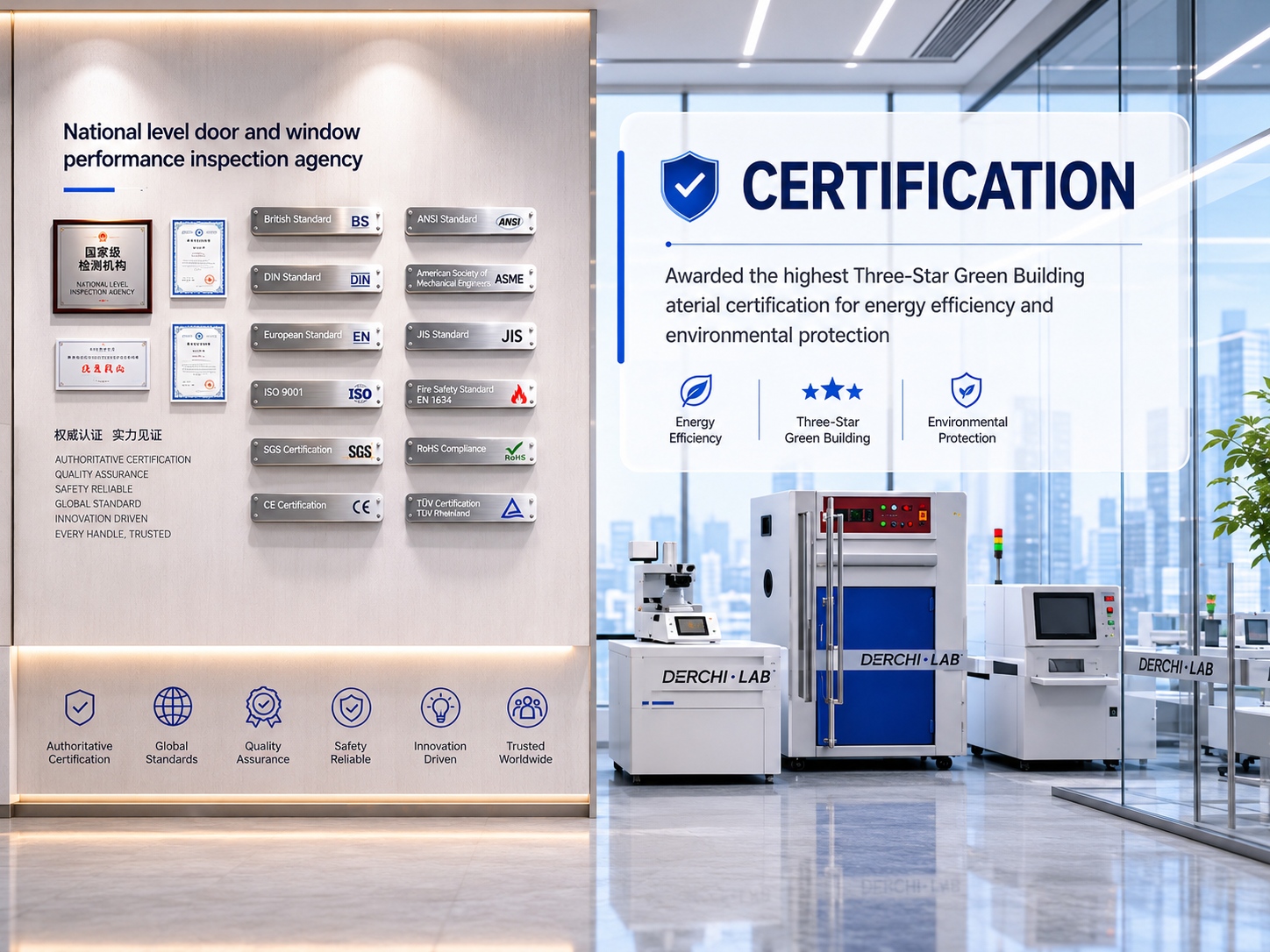
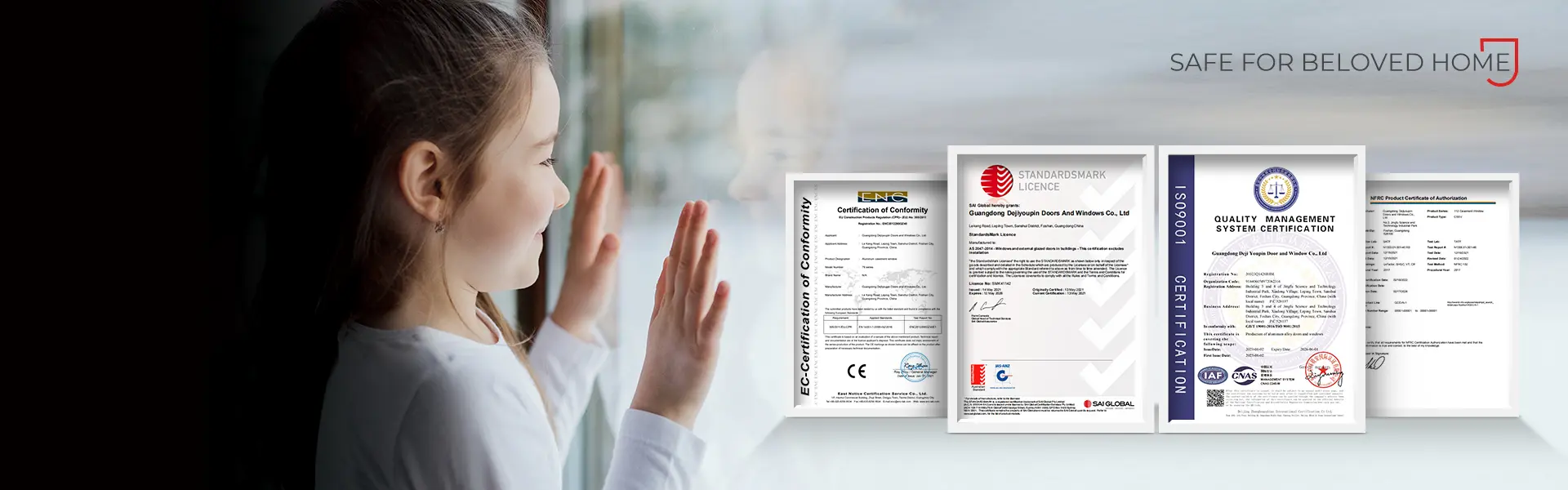
ISO9001 is maintained. Other certifications such as CE, NFRC, or AS2047 may be arranged per project if required by the target market, but current specific model certificates should be requested and confirmed before ordering.
Can you provide sample doors for hospital tenders?
Yes, sample doors can be produced for qualified projects. Lead time and cost depend on configuration. Contact us early in the tender preparation stage to align sample delivery with your timeline.
What is the typical lead time for hospital sliding door orders?
Lead times are project-specific and depend on quantity, customization, and current factory schedules. A preliminary production timeline will be provided after receiving your detailed inquiry documents.