

Product Details
The 136D aluminum sliding glass doors represent a versatile solution for architects and builders seeking to integrate natural light and spatial flexibility into their projects. Unlike traditional swinging or exposed-track systems, this product utilizes a concealed overhead sliding mechanism that keeps the floor area unobstructed, providing a clean architectural line. The frame is constructed from a corrosion-resistant aluminum alloy paired with stainless steel components, ensuring structural integrity and water resistance even in humid or coastal environments.
The standard 6mm tempered safety glass offers reliable security and can be specified in clear, frosted, or tinted variations to accommodate different privacy and aesthetic needs. Available in three distinct performance tiers—Base, Advanced, and Pro—these doors offer scalable U-Factor and SHGC ratings, allowing project specifiers to select the exact level of thermal control required. Buyers evaluating this overhead sliding door should confirm specific dimension limits and structural opening requirements with the supplier, as standard size ranges are subject to project customization.
Product Features
Overhead Concealed Sliding System: This feature integrates the tracking mechanism above the door frame, eliminating floor tracks that collect debris and pose tripping hazards. By keeping the floor clear, the system maximizes usable floor space and allows for smooth, unobstructed transitions between areas. The concealed design may contribute to reduced operational noise compared to exposed-track alternatives, making it an ideal partition door for noise-sensitive environments such as apartments or executive offices. Buyers should confirm track compatibility with their structural header.
Optimized Thermal Efficiency: Engineered with controlled U-Factor (ranging from 0.25 down to 0.18) and Solar Heat Gain Coefficient (SHGC, from 0.3 down to 0.2) ratings, these doors help minimize unwanted heat transfer and solar heat ingress. The tiered approach—Base, Advanced, and Pro—allows buyers to select an energy efficient sliding door configuration that aligns with local building codes and project-specific climate requirements, potentially reducing long-term heating and cooling costs. Specific thermal performance should be verified against project energy models.
Corrosion-Resistant Construction: The frame and critical components are manufactured using aluminum alloy and stainless steel, providing inherent resistance to rust and degradation. This material selection ensures the multi-panel sliding door maintains its structural integrity and aesthetic appeal in high-moisture, coastal, or humid environments where standard materials might fail. The water-resistant design further supports its use in transitional spaces like garages or commercial entryways. Buyers in extreme coastal regions should confirm specific corrosion testing data with the supplier.
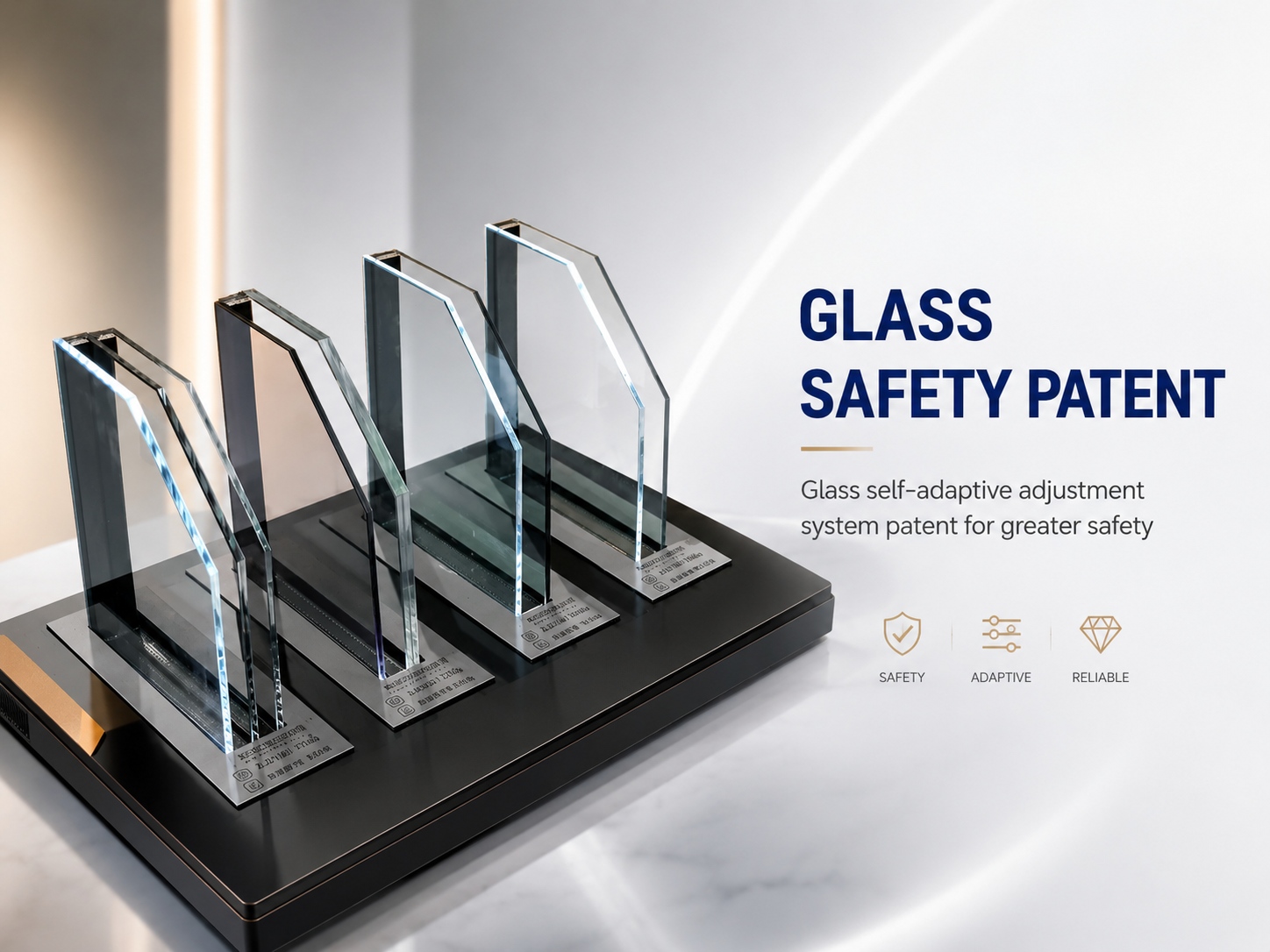
Tempered Safety Glass: Utilizing 6mm tempered safety glass, the door provides enhanced impact resistance compared to standard annealed glass. In the event of breakage, tempered glass fractures into small, blunt pieces rather than sharp shards, significantly reducing the risk of injury. This makes the aluminum sliding glass doors suitable for high-traffic commercial applications such as malls and hotels, as well as residential settings where safety is paramount. Customization options include clear, frosted, or tinted glass to meet varying privacy requirements.
Tiered Load Capacity and Speed: The product line offers scalable operational parameters to match project demands. The Base model supports up to 200kg at 0.5 m/min, the Advanced model handles 250kg at 0.6 m/min, and the Pro model accommodates 300kg at 0.7 m/min. This graduated specification ensures that the panoramic sliding door can be tailored to the specific weight of the glass panels and the desired operational speed for the application. Buyers must ensure their selected model's load capacity aligns with the total weight of their specified glass configuration.
Customizable Styles
Glass Options: Buyers can choose from clear, frosted, or tinted 6mm tempered safety glass to precisely balance natural light transmission with privacy needs. Clear glass maximizes openness and visibility, making it ideal for retail spaces, while frosted or tinted options provide discreet partitioning for offices or residential aluminum sliding glass doors. Specifiers should confirm local building codes regarding safety glazing requirements when selecting their glass type.
Frame Options: The door features an aluminum alloy frame that is inherently lightweight and corrosion-resistant, reducing structural load on the building. This material choice ensures long-term durability without the heavy maintenance demands of ferrous metals. Buyers should discuss specific alloy grades and wall thicknesses with the supplier to ensure the frame meets the structural and wind load requirements of their particular project.
Size Options: While specific standard dimensions are not listed, the system is engineered for project-specific customization. This allows architects to specify aluminum sliding glass patio doors that fit unique structural openings, from standard residential doorways to expansive commercial storefronts. Buyers must provide exact opening dimensions and structural drawings during the quotation process to ensure accurate manufacturing.
Color/Finish Options: The frame is available in black, white, or wood finishes, and can be further customized to match specific exterior or interior design schemes. This extensive color flexibility ensures the door integrates seamlessly with the surrounding architecture, whether the project demands a minimalist modern look or a warmer, traditional aesthetic. Custom color matching may be discussed with the supplier; buyers should request color samples before finalizing large orders.
Track or Opening Configuration: The overhead concealed sliding mechanism dictates a specific header requirement but eliminates the need for floor tracks. This configuration can be discussed for single-panel or multi-panel setups depending on the width of the opening and the desired stacking effect. Project planners must verify that the header structure can support the weight of the track and door panels before installation.
Project Customization: Beyond standard options, the manufacturer offers project-specific customization to accommodate unique architectural challenges. Whether adjusting the system for a specific aluminum sliding glass doors OEM supplier requirement or adapting the hardware for a specialized environment, custom solutions can be discussed. Buyers should present their project drawings and performance requirements early in the procurement process to facilitate accurate engineering and quoting.
Hardware Accessories
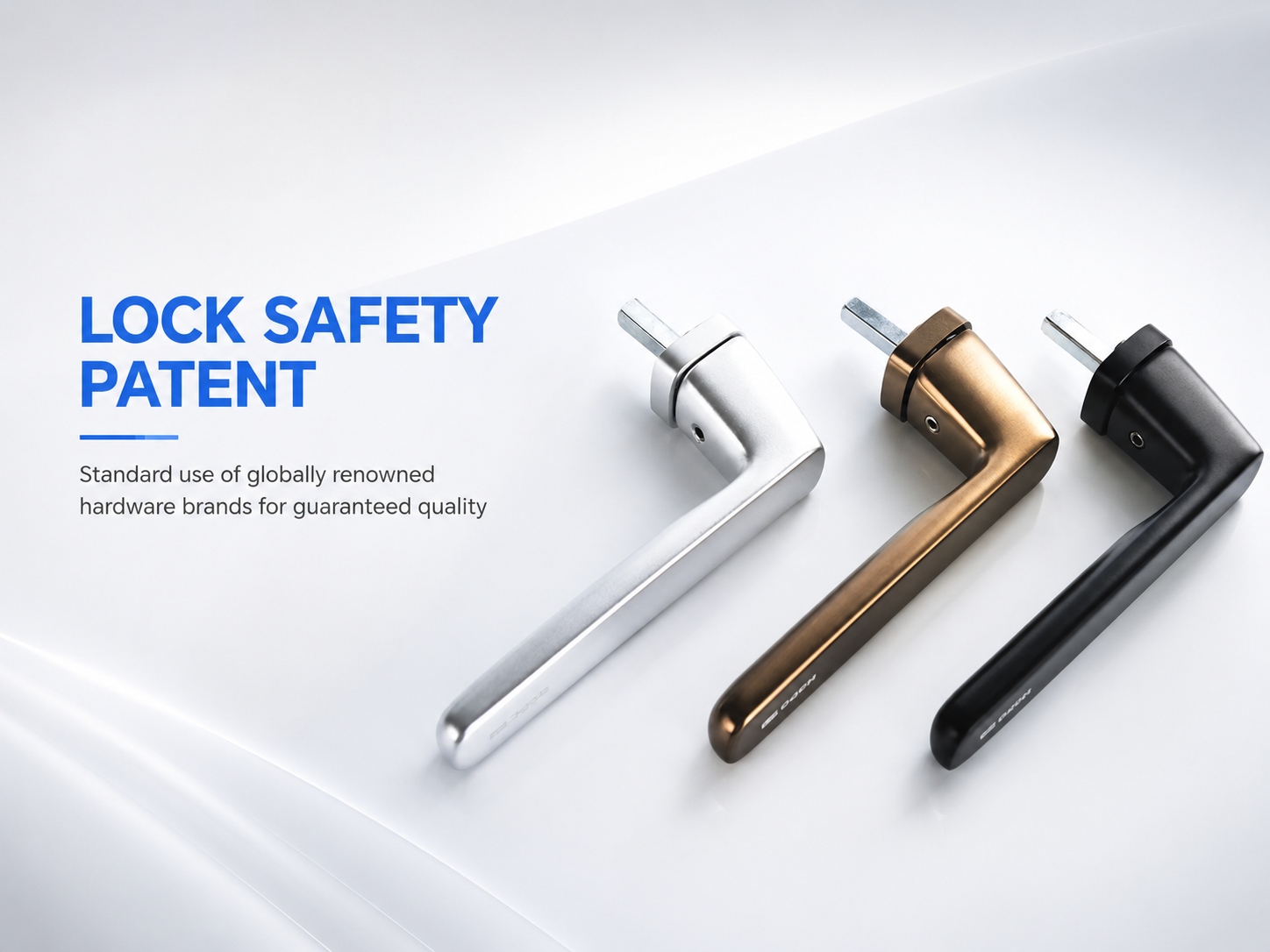
Handle: Hardware options include brushed stainless steel or polished aluminum handles, allowing designers to coordinate the door's tactile points with the overall aesthetic of the space. Brushed stainless steel offers a durable, fingerprint-resistant surface suitable for high-traffic commercial settings, while polished aluminum provides a sleek, modern look for residential aluminum sliding glass doors. Buyers should confirm handle ergonomics and compliance with local accessibility standards.
Rollers: The sliding mechanism relies on precision-engineered rollers designed to support the specified load capacities (up to 300kg for the Pro model). These components are critical to the smooth operation of the aluminum sliding glass doors and their concealed overhead track. Buyers should inquire about the specific materials used in the roller assemblies, especially for environments with temperature extremes, to ensure long-term operational reliability.
Buffer/Soft-Close System: To prevent aggressive slamming and protect the glass panels, a buffer or soft-close system may be integrated into the sliding mechanism. This feature enhances user safety and prolongs the lifespan of the door components by decelerating the panel before it reaches the frame. Buyers should confirm the availability and specifications of soft-close mechanisms when requesting a quote, as this may vary by model tier.
Lock: Securing the partition door is essential for both commercial and residential applications. The locking mechanism is designed to integrate smoothly with the aluminum frame without compromising the minimalist aesthetic. Depending on the project requirements, various locking options can be discussed. Buyers should verify that the locking hardware meets local building codes for egress and security requirements.
Track System: The concealed overhead track system is the defining hardware feature, enabling the door to slide without a floor guide. This system must be precisely engineered and installed to ensure the panels hang plumb and slide smoothly. The structural integrity of the header supporting the overhead sliding door track is paramount; buyers should consult with structural engineers to verify load-bearing capacity.
Sealing/Connection Hardware: High-quality sealing components are crucial for the door's water resistance and thermal performance. Weatherstripping and connection hardware between panels prevent moisture ingress and air leakage, directly impacting the U-Factor and SHGC ratings of the assembly. Buyers should confirm the specific sealing materials used and their expected lifespan, particularly for installations exposed to severe weather conditions.
Basic Parameters
Performance Item | Available Information | Buyer Notes |
|---|---|---|
Thermal Insulation | U-Factor 0.18 - 0.25; SHGC 0.2 - 0.3 (Tiered: Base, Advanced, Pro) | Buyers should select the appropriate tier based on project energy codes and climate zone requirements. |
Wind Pressure Resistance | Confirm with supplier | Project-specific wind load requirements must be verified; buyers should request test data for their specific configuration. |
Water Tightness | Water-resistant design confirmed | Suitable for wet areas and transitional spaces; buyers should confirm specific water penetration ratings for severe exposure. |
Air Tightness | Controlled SHGC ratings indicate managed air/solar ingress | Air infiltration rates impact thermal performance; buyers should request specific air leakage data for compliance. |
Sound Insulation | May offer quieter operation vs exposed tracks | Acoustic performance data should be confirmed with the supplier for noise-sensitive environments. |
Product Specifications
Item | Details |
|---|---|
Product Name | Contemporary Glass and Aluminum Garage Door |
Product Type | 136D |
Material | Aluminum Alloy, Stainless Steel |
Glass Type | Tempered Safety Glass |
Glass Thickness | 6mm |
Frame Option | Aluminum Alloy (Black, White, Wood finishes, Customizable) |
Hardware | Brushed Stainless Steel or Polished Aluminum Handles |
Opening Style | Overhead Concealed Sliding |
Size Range | Customizable (Confirm with supplier) |
Application | Commercial and Residential Spaces, Garages, Hotels, Malls |
Customization | Glass type, frame color, hardware finish, thermal tier |
Notes | Certifications include CPR, CE, AS2047, EN 14351. Performance claims marked with asterisks in source data require test report verification. |
Advantages
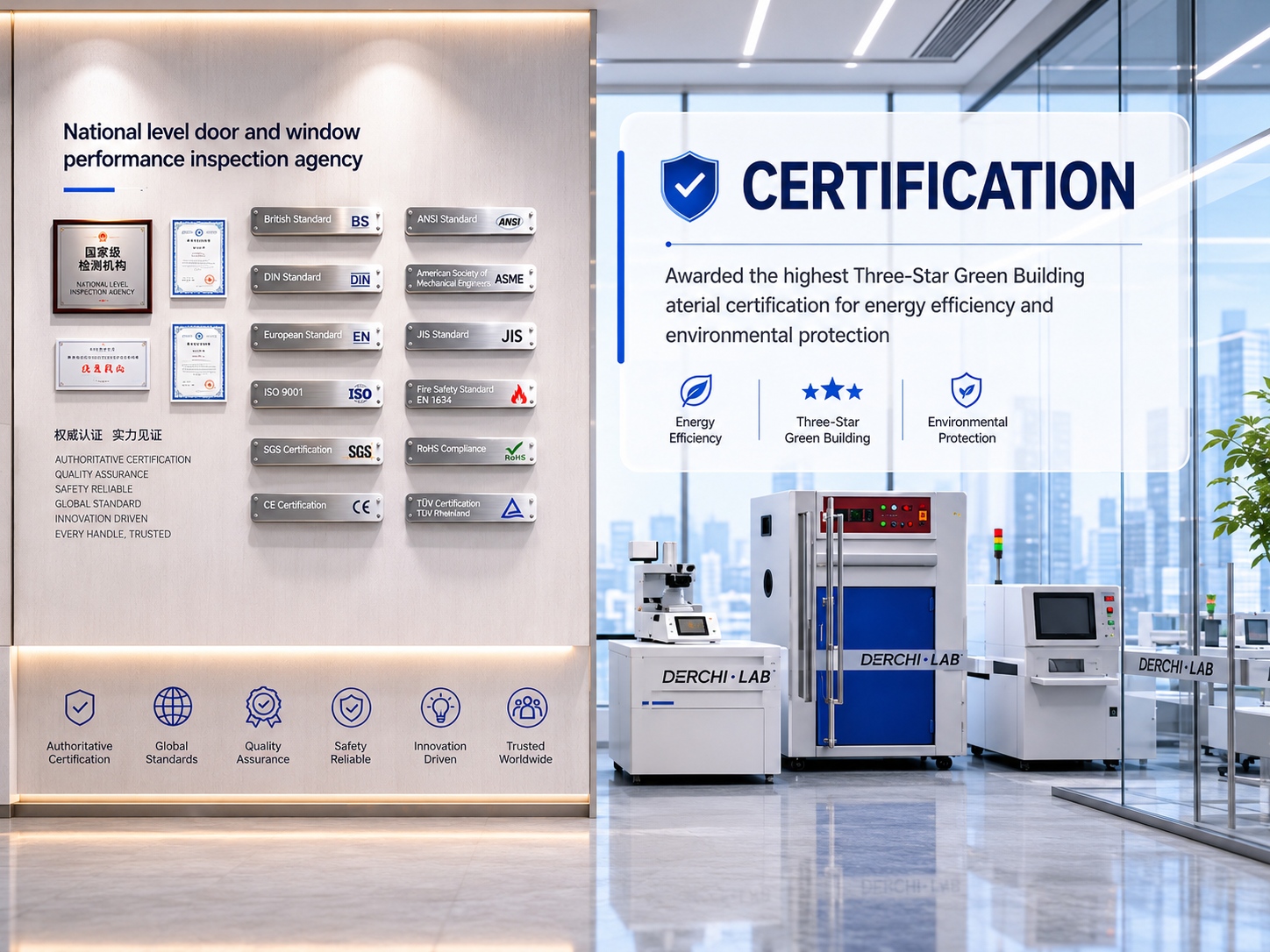
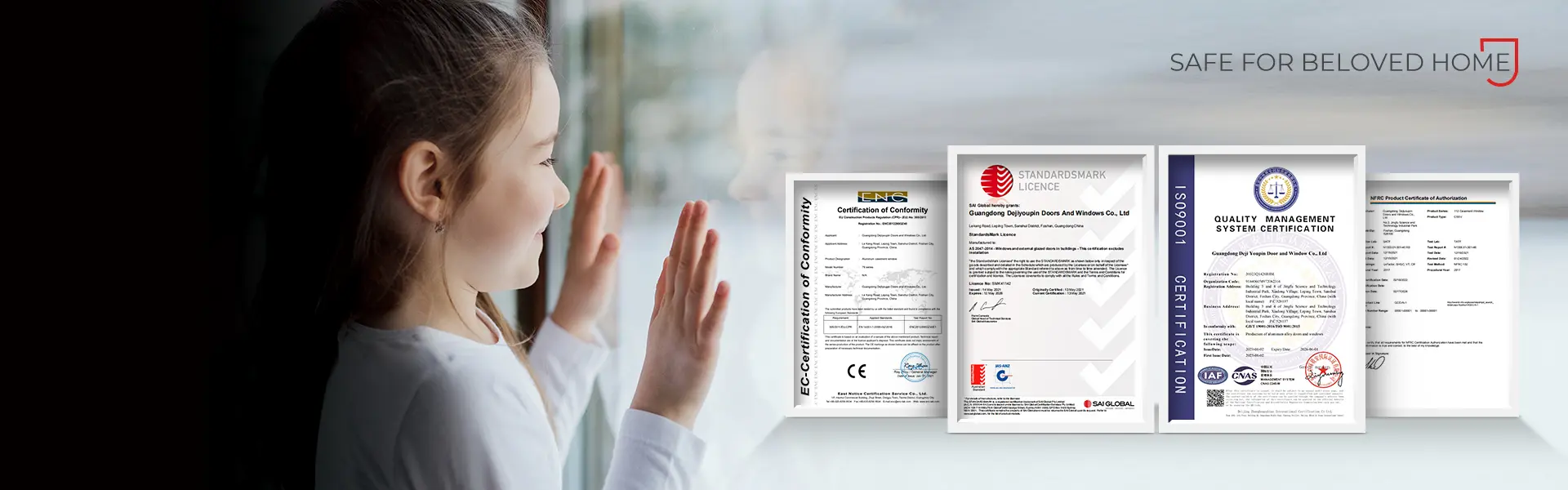
Brand Strength: The manufacturer demonstrates a commitment to international compliance, holding certifications such as CPR, CE, AS2047, and EN 14351. This global compliance posture signals to international buyers that the aluminum sliding glass doors are engineered to meet rigorous quality and safety standards. Buyers should confirm whether the required certification documents apply to their selected product configuration and target market.
Factory Capability: Production capabilities include working with specialized materials like corrosion-resistant aluminum alloy and tempered safety glass. The ability to construct a concealed overhead sliding mechanism indicates advanced manufacturing precision. Prospective buyers looking for an aluminum sliding glass doors OEM supplier should inquire directly about factory audit reports, production line capacity, and quality control protocols to ensure alignment with their procurement standards.
Production Capacity: While specific production volumes are subject to confirmation, the tiered model structure (Base, Advanced, Pro) suggests a scalable manufacturing process capable of accommodating varying project sizes. Large-scale commercial developers should discuss lead times and production scheduling with the supplier early in the planning phase to ensure on-time delivery for their multi-panel sliding door requirements.
Certifications: The product carries certifications for major markets, including CE for Europe and AS2047 for Australia. It is important to note that AS2047 is a standard for windows and doors in buildings, while EN 14351 covers pedestrian doorsets. Buyers must verify that the certifications are valid for the specific door configuration they intend to purchase and that they meet the local building codes of their installation region.
Service Capability: The supplier offers extensive customization options, including glass types, frame colors, and hardware finishes, indicating a service model tailored to project-specific needs rather than purely off-the-shelf sales. This consultative approach is valuable for architects designing bespoke spaces. Buyers should confirm the level of technical support provided, such as installation drawings or engineering calculations.
Customization Capability: From frame finishes matching specific architectural palettes to selecting the precise thermal tier for energy compliance, the system is built for flexibility. This allows specifiers to treat the aluminum sliding glass doors as a tailored partition solution rather than a restrictive standard product. Custom dimensions and specialized hardware can be discussed to meet unique project constraints.
B2B Support: For commercial developers, hotel owners, and mall management, the product offers scalable specifications (load capacity, sliding speed, thermal performance) that simplify the specification process across large portfolios. The tiered approach allows buyers to balance performance and budget effectively across different parts of a development. Buyers should request dedicated B2B account management when submitting large-scale project inquiries.
Application Scenarios
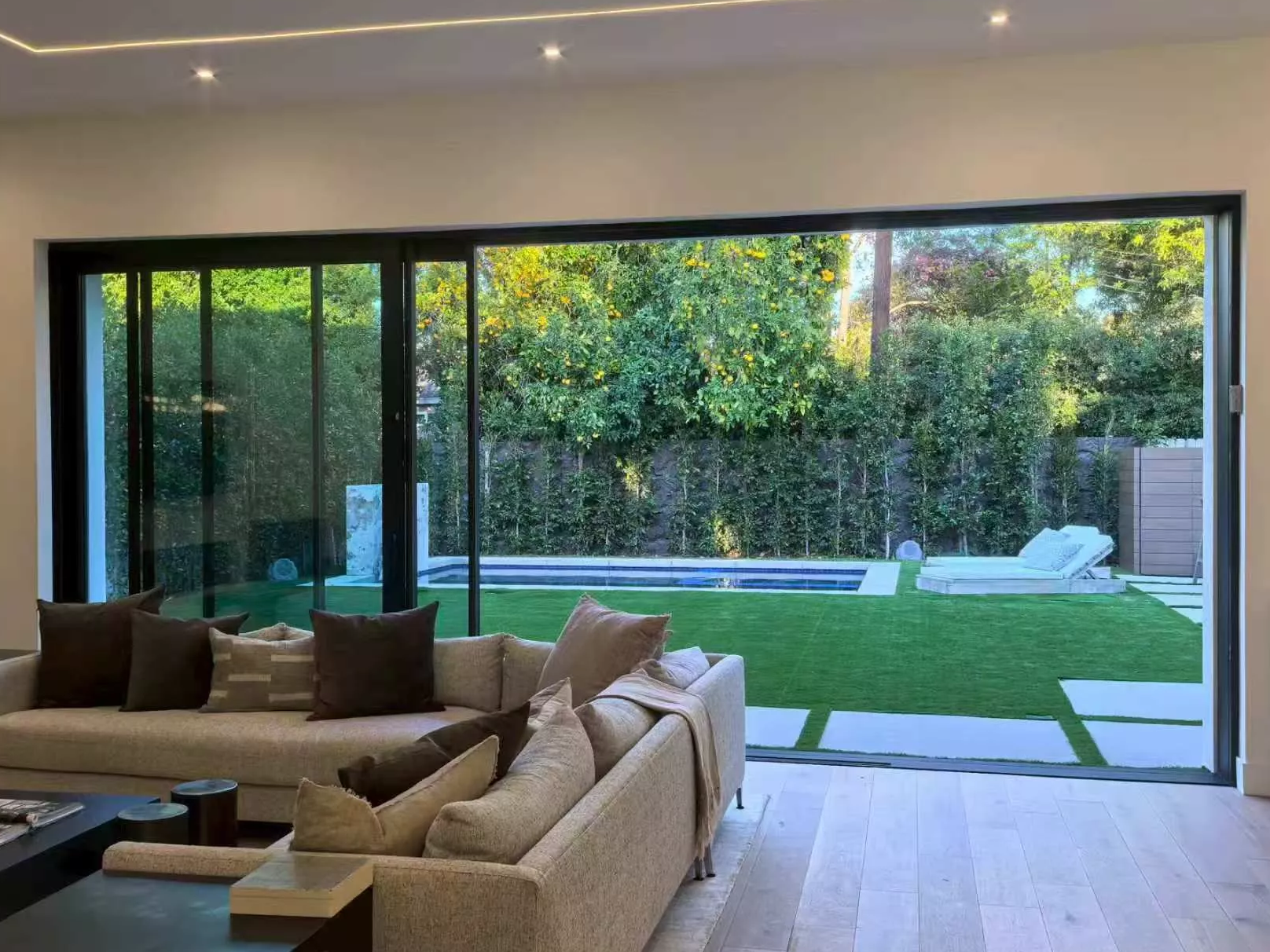
Apartment: In apartment settings, space optimization and noise control are paramount. The concealed overhead sliding mechanism eliminates floor tracks, maximizing usable floor area and allowing furniture placement flexibility. The system may operate more quietly than exposed-track alternatives, which is highly beneficial in multi-family dwellings where noise transfer is a concern. Residential aluminum sliding glass doors offer a sleek partition between living areas or home offices without compromising natural light flow.
Home Office: Creating a dedicated, quiet workspace within a home often requires spatial division without losing the open feel of the floor plan. The 6mm tempered safety glass provides a sound-dampening barrier while allowing light to filter through, reducing the isolating feeling of a closed room. The minimalist aesthetic of the aluminum frame maintains a professional appearance suitable for video calls. Buyers should confirm if frosted glass options are available for added privacy during working hours.
Hotel: Hotels demand durability, aesthetic appeal, and strict compliance with safety standards. The water-resistant and corrosion-resistant properties of the aluminum alloy frame make these doors suitable for high-humidity areas or spa environments. With certifications like CE and EN 14351, hotel developers can confidently specify this panoramic sliding door system knowing it meets rigorous safety benchmarks. The tiered thermal options also help hotels manage energy costs across diverse climate zones.
Office Building: Modern office design favors flexible, light-filled spaces that can adapt to changing team sizes. The overhead concealed sliding system allows conference rooms and private offices to be partitioned off seamlessly when needed, without the permanent barrier of traditional walls. The tiered load capacities ensure that large, heavy glass panels can be operated safely by staff. Buyers should verify that the selected hardware finishes align with the overall corporate interior design scheme.
Outdoor: For outdoor or exterior-related projects, such as transitioning from an interior space to a patio or garage, the water-resistant design is a crucial feature. However, performance against severe weather conditions requires careful specification. Buyers should confirm weather resistance, water tightness, wind pressure requirements, surface finish durability, and installation conditions before ordering an energy efficient sliding door for outdoor transitions to ensure long-term structural integrity.
Residential Building: Across broader residential developments, from luxury condos to multi-family housing, the ability to customize frame colors and glass types allows developers to maintain architectural consistency. The lightweight aluminum construction may reduce the structural load on the building compared to heavier steel alternatives, potentially lowering framing costs. Buyers managing large residential projects should discuss bulk customization options and lead times with the supplier.
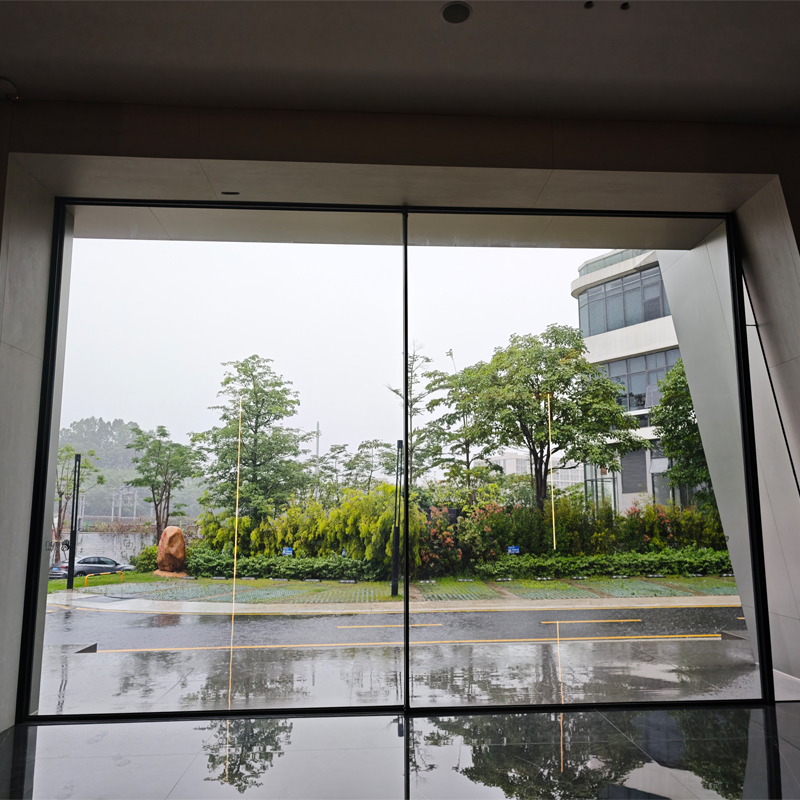
Exterior: When utilized as an exterior closure, such as a contemporary garage door or a building facade element, the door must withstand significant environmental stress. The aluminum sliding glass doors feature corrosion-resistant materials suitable for exterior exposure, but specific performance metrics for wind load and water penetration must be verified by the project engineer. Buyers should request detailed test reports for the specific configuration intended for exterior use.
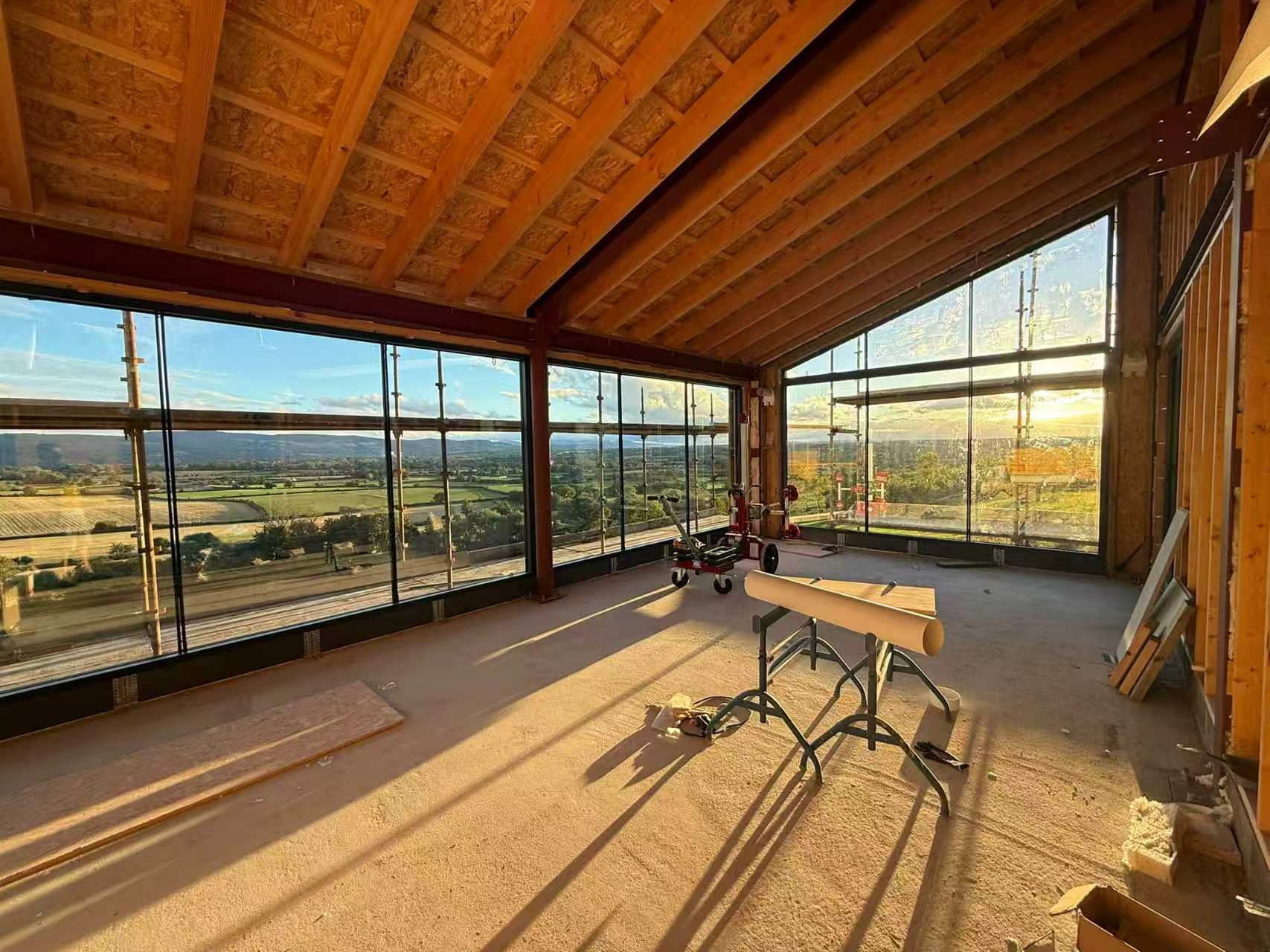
Villa: Luxury villas often feature expansive openings that blur the line between indoor and outdoor living. The panoramic sliding door configuration can accommodate wide openings, while the tiered Pro model offers the lowest U-Factor for maximum energy efficiency in climate-controlled luxury homes. The sleek, concealed track system aligns with the high-end, minimalist aesthetic typical of modern villa architecture. Buyers should confirm maximum panel sizes available to achieve the desired architectural impact.
Request a Quote
To request a quote for aluminum sliding glass doors, please provide the following information to ensure accurate pricing and engineering:
Product title and desired quantity
Opening size / dimensions (width and height)
Material or configuration requirements (Base, Advanced, or Pro model)
Glass requirements (clear, frosted, or tinted)
Hardware requirements (brushed stainless steel or polished aluminum)
Target market and destination country / port
Certification or document requirements
Project drawings if available
What to Confirm Before Ordering
Dimensions: Exact size options and maximum panel dimensions should be confirmed with the supplier based on your structural openings.
Performance Test Reports: Ask the supplier for third-party test reports validating the U-Factor, SHGC, and water resistance claims, especially if required for project compliance.
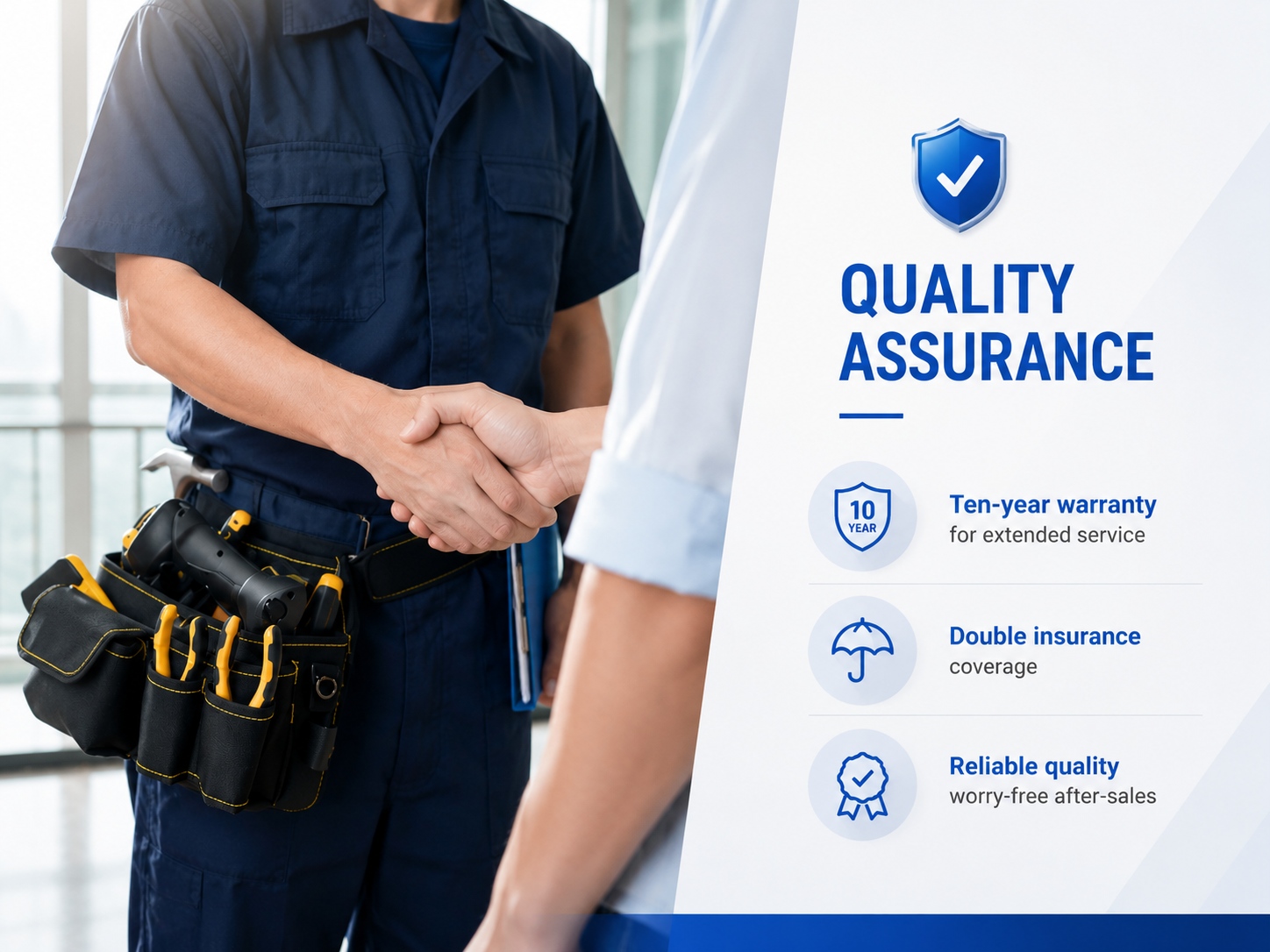
Warranty Terms: Warranty periods and coverage details must be confirmed prior to purchase.
Lead Time and MOQ: Production schedules and minimum order quantities should be discussed to ensure they align with your project timeline.
OEM/ODM Options: If custom branding or specific manufacturing modifications are required, confirm availability with the supplier.
FAQ
What makes these aluminum sliding glass doors suitable for commercial spaces?
The door system is engineered with commercial durability in mind, featuring a corrosion-resistant aluminum alloy frame and 6mm tempered safety glass that meets strict safety standards. Additionally, it holds multiple international certifications, including CE and EN 14351, ensuring compliance for commercial builds. The tiered performance models allow developers to select the exact thermal and load-bearing specifications required for high-traffic environments like malls or hotels, while the overhead concealed track maximizes usable floor space.
Can I order residential aluminum sliding glass doors with frosted glass?
Yes, the product offers customizable glass options, which include clear, frosted, or tinted 6mm tempered safety glass. Frosted glass is an excellent choice for residential spaces where privacy is desired without sacrificing natural light, such as bathrooms, home offices, or bedroom partitions. Buyers should specify their preferred glass type during the quotation process and confirm that the selected option meets any local safety glazing requirements for their specific application.
How does the concealed overhead sliding mechanism benefit my project?
The concealed overhead sliding mechanism eliminates the need for floor tracks, which provides several key benefits. It maximizes floor space and allows for seamless transitions between rooms, unobstructed by tripping hazards or debris-catching tracks. Furthermore, the concealed design may contribute to a quieter operational environment compared to exposed-track systems, making it an ideal partition door for noise-sensitive settings like apartments or executive offices. Structural header support must be verified prior to installation.
What is the difference between the Base, Advanced, and Pro models?
The three models offer tiered performance specifications to match varying project requirements. The Base model features a U-Factor of 0.25, SHGC of 0.3, a 200kg load capacity, and 0.5 m/min sliding speed. The Advanced model improves thermal performance (0.21 U-Factor, 0.25 SHGC), increases load capacity to 250kg, and speed to 0.6 m/min. The Pro model offers the highest efficiency (0.18 U-Factor, 0.2 SHGC), handles up to 300kg, and operates at 0.7 m/min, making it the most capable energy efficient sliding door option.
What certifications does this product hold?
The product is certified to several international standards, including CPR (Construction Products Regulation), CE (Europe), AS2047 (Australia), and EN 14351 (European standard for pedestrian doorsets). These certifications indicate that the doors have been evaluated for safety and performance in major global markets. Buyers should confirm with the supplier that the specific certification documents apply to their selected configuration and that they are valid for their target market's local building codes.
Are aluminum sliding glass patio doors suitable for high-moisture environments?
Yes, the construction materials are specifically chosen for their resistance to moisture and corrosion. The frame is made from a corrosion-resistant aluminum alloy, and critical components utilize stainless steel. This makes the doors suitable for wet areas, coastal environments, and transitional spaces where water exposure is a concern. For severe coastal installations, buyers should confirm specific corrosion resistance testing data with the supplier to ensure long-term durability.
How do I get a quote for my project?
To receive an accurate quotation, buyers should provide the product title, desired quantity, exact opening dimensions, preferred model tier (Base, Advanced, Pro), glass type, frame color, hardware finish, target market, and destination port. If available, project drawings should also be submitted. Because the system is highly customizable, detailed information allows the supplier to engineer the correct solution and provide precise pricing and lead time estimates.
Can this product be used as an exterior door?
The door features a water-resistant design and corrosion-resistant materials, making it a candidate for exterior applications such as garage doors or transitional openings. However, exterior use requires the door to withstand specific wind loads and weather conditions. For outdoor or exterior-related projects, buyers should confirm weather resistance, water tightness ratings, wind pressure requirements, surface finish durability, and installation conditions before ordering to ensure the product meets local building codes.