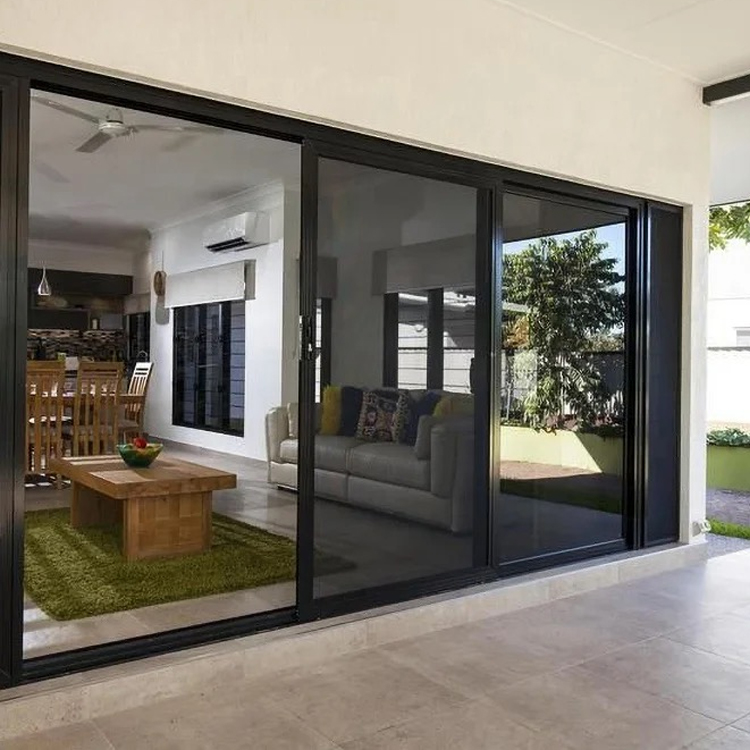
Best when replacing only the covering
Start with the existing opening. Check the handle projection, screen route, sill condition, wall finish, and the selected covering manufacturer’s instructions before choosing an exterior shade, blind, or screen.


Yes, you can use blinds or shades with sliding glass doors, but the right choice depends on clearance around the moving panel, handle, screen, track, threshold, and drainage path. If you are specifying a new door, also compare separate exterior coverings with integrated blind options available for the exact door system.
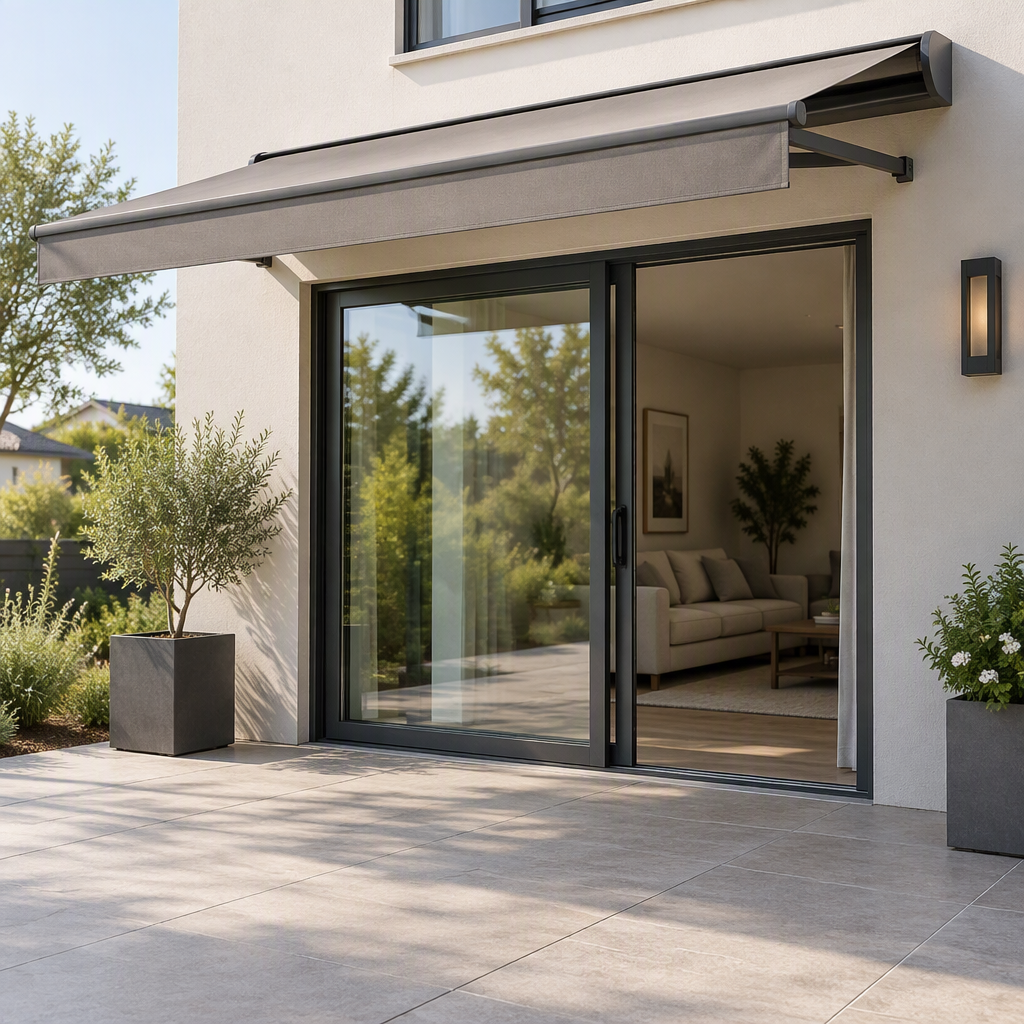
Yes. Sliding glass doors can work with privacy and shading products when the covering does not interfere with the door panel, handle, screen, threshold, or drainage details.
Start with the existing opening. Check the handle projection, screen route, sill condition, wall finish, and the selected covering manufacturer’s instructions before choosing an exterior shade, blind, or screen.
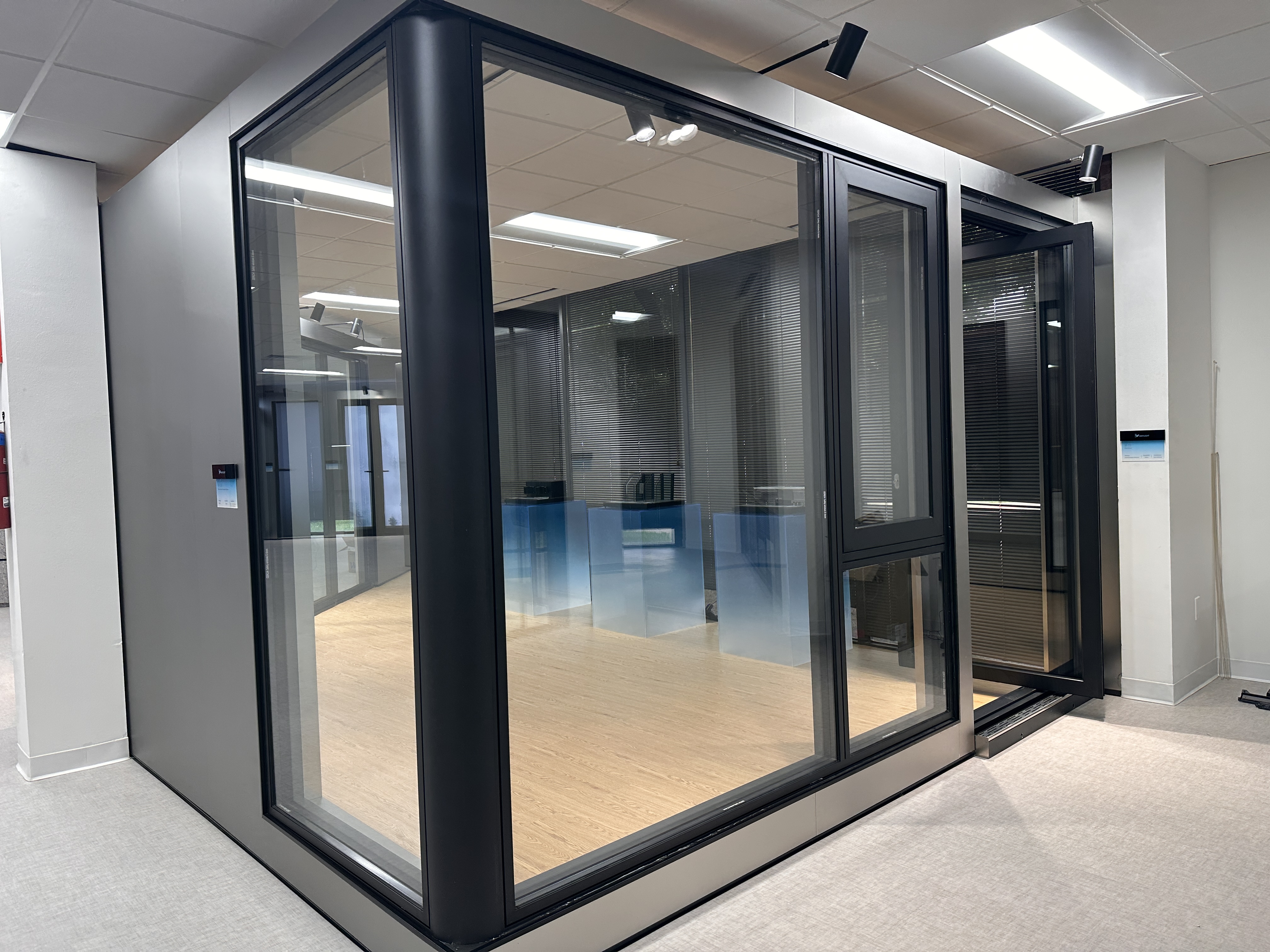
Compare the door system and shading method together. The DERCHI Q5 Series page describes a thermal-break aluminum sliding door system with two-track and three-track configurations, insulated glass, rollers, hook-lock hardware, screens, drainage details, and customizable sizes.
For the Q5 configuration, DERCHI lists optional magnetic-control blinds and electric blinds. Treat that as an integrated door-system option, not as proof that DERCHI sells standalone exterior blinds or awnings.
Exterior options are worth comparing when you want to control sun, glare, privacy, or appearance from outside the glass, but each option changes the mounting and clearance questions around the door.
| Option to evaluate | Best project question | Clearance issue to confirm |
|---|---|---|
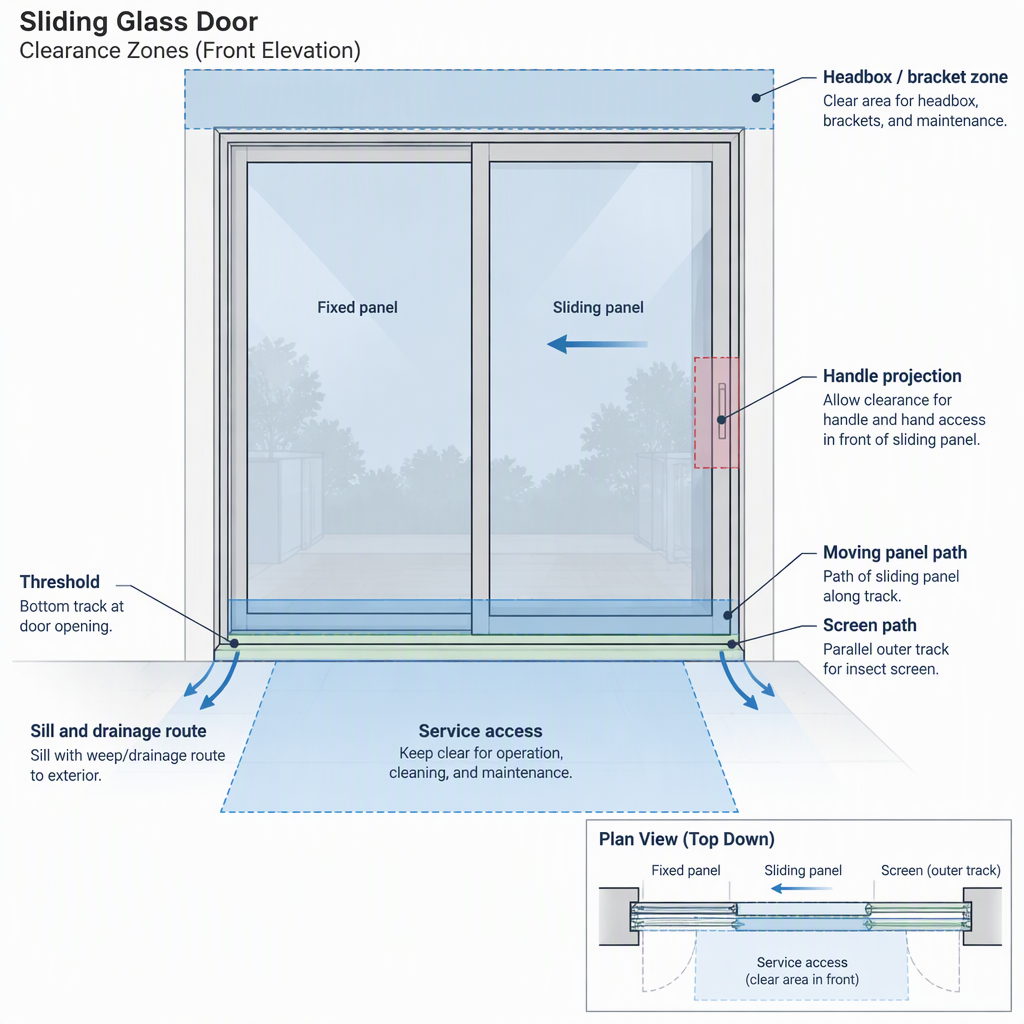
| Exterior roller shade or blind | Will it sit above the head of the opening without blocking the door or service access? | Headbox depth, bracket projection, side guides, and wind-use limits from the selected product instructions. |
| Exterior solar screen | Does the project need filtered light and daytime glare control more than full night privacy? | Screen frame position, fastening surface, panel travel, and access for cleaning. |
| Sliding or folding shutter system | Is there enough wall or track space beside the opening for the shutter panels? | Side clearance, floor track, drainage, threshold height, and egress requirements where applicable. |
| Awning, canopy, or overhang | Is the goal to shade the glass and approach area without adding a moving covering at the door? | Projection, wind exposure, structural attachment, rain path, and maintenance access. |
Clearance is not one fixed number. It is a site check that includes the sliding panel path, handle projection, screen route, threshold, drainage outlets, wall finish, and the covering manufacturer’s bracket or headbox depth.
Choose the covering by the job it must do: privacy, glare control, summer heat reduction, winter comfort, view preservation, insect control, or architectural appearance. For energy claims, look for recognized ratings and project-specific documentation rather than marketing wording alone.
| Primary goal | What to compare | What to avoid |
|---|---|---|
| Privacy | Openness, night visibility, room use, and how the door is viewed from outside. | Assuming daytime screening gives the same privacy at night. |
| Glare control | Sun angle, glass area, room orientation, and whether occupants still need a view. | Choosing the darkest product without checking daylight needs. |
| Heat control | Glass selection, exterior shading position, ventilation, and climate. | Claiming energy savings without ratings or project calculations. |
| Insect control | Door screen position, screen operation, and whether the shade blocks access. | Installing a covering that traps or damages the screen. |
| Architectural appearance | Frame color, wall finish, headbox visibility, and exterior sightlines. | Adding bulky hardware where slim door lines are the main design goal. |
DERCHI’s energy-efficiency guidance discusses U-factor, SHGC, thermal breaks, insulated glazing, sealing, drainage, and climate-oriented selection. Use those terms to ask better questions, but do not treat general guidance as a verified rating for a specific door-and-blind combination.
If children may be present, cord access should be treated as a safety issue, not just a design detail. Ask for cordless, motorized, wand-controlled, or inaccessible-cord options where suitable for the selected product.
For U.S. projects, ask the supplier to identify the current window-covering safety rules and product standard that apply to the exact covering type. For other markets, confirm the local rule with the project professional, supplier, or authority having jurisdiction.
Integrated blinds are worth considering when you want privacy control with fewer exposed parts near the sliding opening, while exterior coverings remain useful when the main goal is to reduce sun exposure before it reaches the glass.
| Choice | Where it fits best | Questions before ordering |
|---|---|---|
| Integrated blind option in the door system | Projects specifying a compatible door configuration, such as Q5 options that list magnetic-control blinds or electric blinds. | Which door configuration supports it, how it is controlled, and what service or warranty terms apply to the selected order. |
| Separate exterior blind or shade | Projects focused on shading the opening from outside or matching other exterior shading on the building. | How the product mounts, how it handles wind and rain, and whether it clears the door, screen, sill, and drainage route. |
| Separate interior blind or shade | Projects focused mainly on interior privacy, finish coordination, or easier room-side access. | Whether it clears handles and moving panels and whether cord safety requirements are satisfied. |
Before ordering, send the door supplier and the covering installer the opening size, door configuration, track plan, handle position, screen plan, threshold detail, drainage route, wall construction, and desired privacy or energy goal.
The best blind or shade for a sliding glass door is the one that solves the main problem without creating a new problem at the opening.
If you are planning a DERCHI sliding-door project, review the exact door configuration first, then coordinate the shade, blind, screen, or integrated blind choice around that configuration.
These answers summarize the main buying checks: clearance, operation, safety, energy language, and integrated options for compatible sliding-door systems.
The best type depends on the problem you are solving. For privacy, compare opacity and night visibility. For glare or heat, compare exterior shading, glass selection, and any available ratings. For a new door, also check whether an integrated blind option is available for the exact system.
They may be possible, but only after checking the selected product’s headbox, brackets, side guides, fasteners, wind-use limits, and service access against the actual door opening.
There is no universal clearance number. Measure the moving panel, handle, screen, threshold, drainage points, wall finish, and the selected blind manufacturer’s installation requirements.
Integrated blinds can reduce exposed parts near the opening when the door system supports them. External blinds may be better when the priority is shading sunlight before it reaches the glass.
The verified Q5 product information lists optional magnetic-control blinds and electric blinds for that door system. It does not verify a standalone DERCHI exterior-blind, awning, film, curtain, or canopy product line.
Blinds and shades can affect comfort goals such as glare, privacy, and sun control, but project energy claims should be based on recognized ratings, glass selection, climate, and model-specific documentation.
If children may be present, ask for cordless, motorized, wand-controlled, or otherwise inaccessible-cord options that fit the selected product and local requirements.
Both should review the same opening information. The door supplier should confirm the door configuration, while the covering installer should confirm mounting, clearance, service access, and the selected covering’s instructions.